Discover Parks & Wildlife contains affiliate links and is a member of the Amazon Services LLC Associates Program. If you make a purchase using one of the Amazon links, we may receive compensation at no extra cost to you. We may also use select AI tools to support our creative process, but all content is reviewed, refined, and finalized by our human team. See our disclosure policy and our AI use policy for more information.
14 Channel Islands Truths That Redefine What You Thought You Knew
The California coast is famous for its sun-soaked beaches and bustling cities, but a completely different version of the state exists just offshore. Eight islands rise from the Pacific, forming a rugged chain that stands apart from the mainland.
Five of these landmasses are protected and known as Channel Islands National Park. They offer a glimpse into a landscape that has remained largely untouched by modern life. Here, the dominant sounds are crashing waves and the calls of seabirds, not the constant hum of traffic.
The strong ocean currents and deep channels that separate these islands from the coast have created a natural barrier, allowing unique ecosystems to flourish in isolation for thousands of years. Steep volcanic cliffs give way to rolling grasslands and hidden coves, creating a dramatic and varied terrain across the archipelago.
This quiet, wild expanse holds stories that challenge what you might think you know about Southern California. The truth is, this familiar coastline holds some remarkable secrets. Let’s take a look.
California’s Galapagos
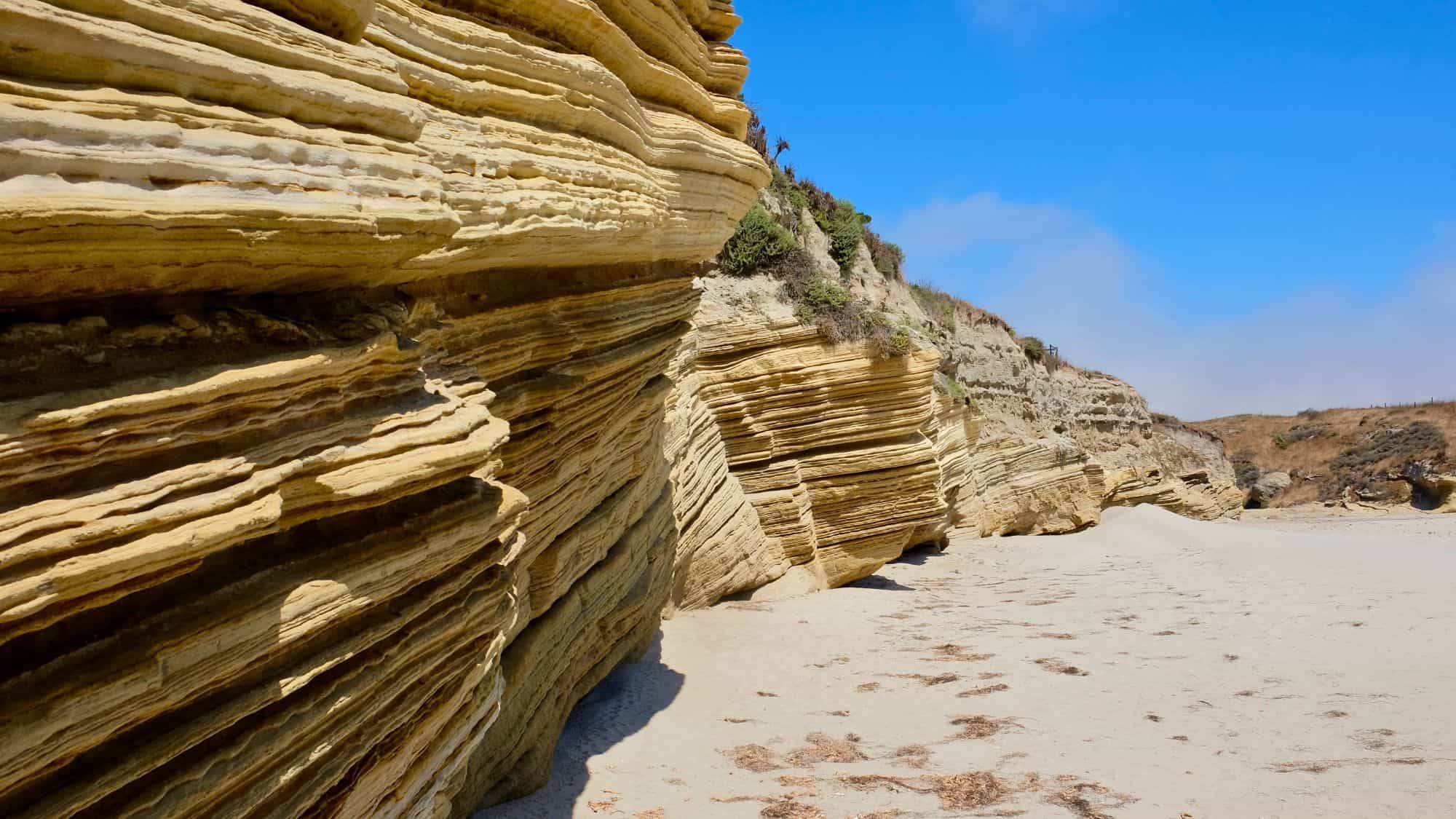
The isolation of these landmasses created a unique evolutionary laboratory. You will find 145 species of plants and animals that exist nowhere else in the world. This high level of endemism draws direct comparisons to the famous islands of Ecuador.
The national park encompasses five of the eight islands, protecting a delicate balance of flora and fauna. The Santa Cruz Island scrub jay (that we will talk about in a minute) is one of these unique residents.
The ocean barrier prevented many mainland predators from reaching the shores, allowing specific species to adapt to the specific island conditions over thousands of years. The sheer cliffs and deep canyons provide diverse microclimates that support this wide array of life.
You can hike the rugged trails and observe these adaptations firsthand. Notice the differences in vegetation compared to the mainland just 20 miles away. The giant coreopsis, a plant that resembles a small tree with bright yellow flowers, blooms vibrantly in the spring.
Island Fox Comeback
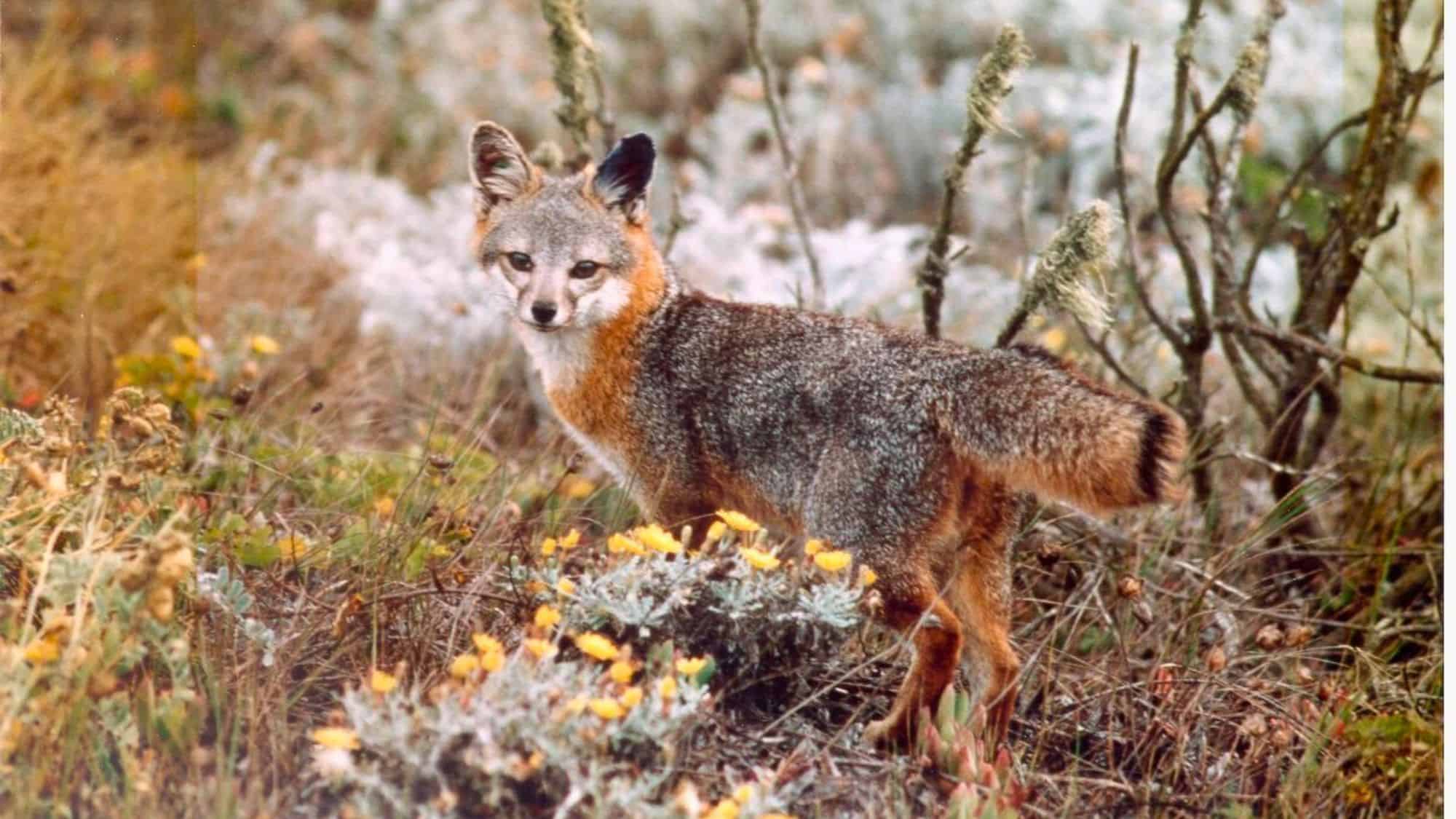
The island fox is roughly the size of a domestic cat, weighing just three to four pounds. This small canine is a descendant of the mainland gray fox, having shrunk over time due to the limited resources of its isolated habitat.
In the late 1990s, the population plummeted by nearly 95% due to predation by non-native golden eagles. But the National Park Service initiated a captive breeding program to save the species from total collapse.
The recovery effort required removing the golden eagles and restoring the native bald eagle population, which primarily eats fish and fiercely defends its territory. You will see the results of this delicate ecological balancing act when you visit. Today, the fox populations have recovered significantly, marking one of the most successful conservation efforts in history.
You can often spot these curious animals darting through the brush or foraging near the campgrounds on Santa Cruz Island. They are active during the day, which makes them easier to photograph than their nocturnal mainland cousins.
The foxes remain protected, and visitors must secure their food to prevent the animals from scavenging. But observing a four-pound fox navigating the coastal sage scrub provides a direct link to the unique evolutionary history of the archipelago.
No Cars, No Crowds
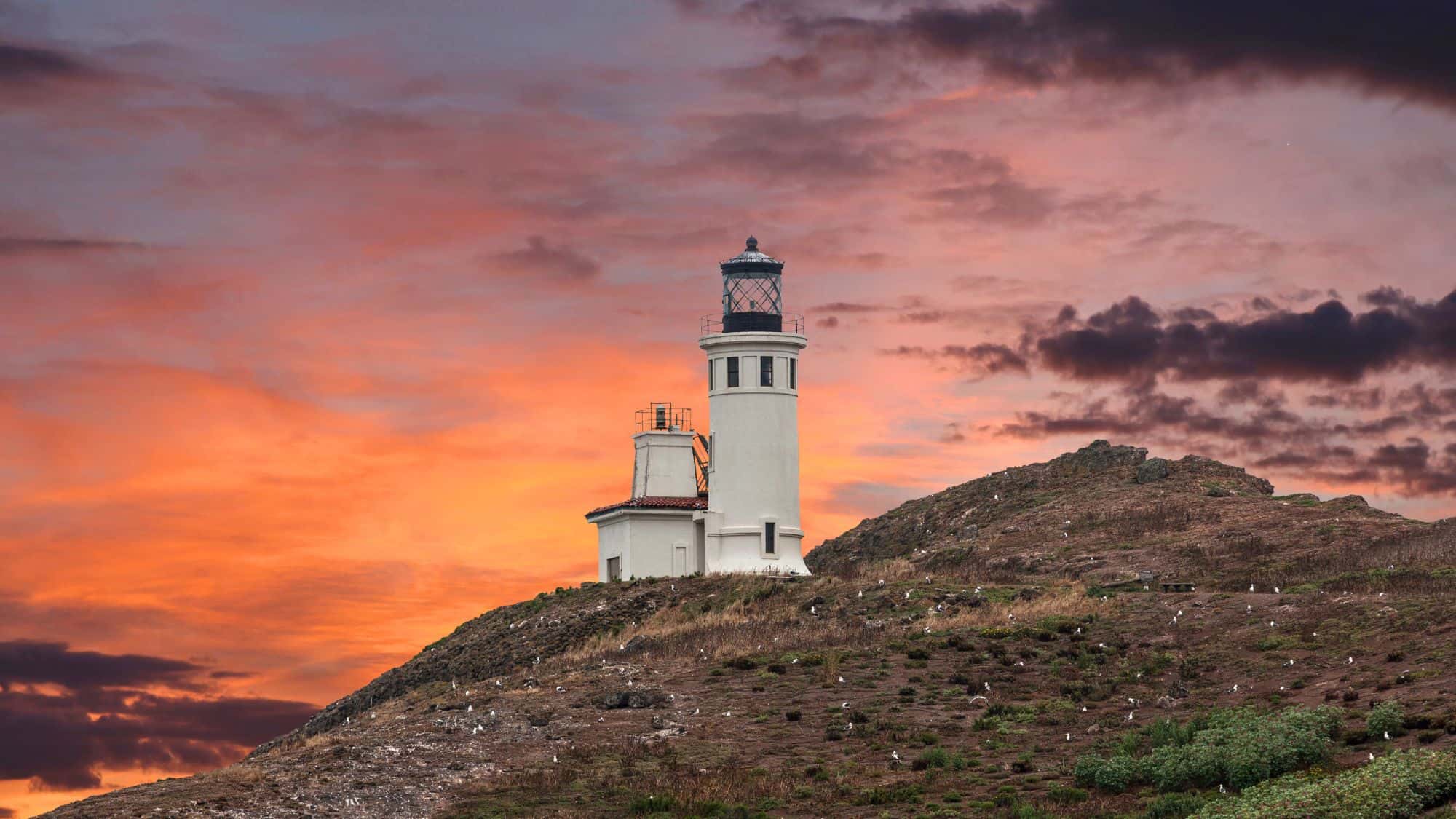
You will not find any traffic jams or paved parking lots here. The park prohibits all motorized vehicles, meaning the only way to explore the interior is entirely on foot.
You arrive by ferry or private boat, and from the moment you step onto the pier, the noise of the city disappears. The silence is profound, interrupted only by the wind, the calling of sea lions, and the crashing of waves against the rocky shore. Without cars, the environment remains pristine, and the air smells purely of salt and coastal sage.
You must carry all your gear from the boat landing to the campgrounds, which can be a hike of half a mile or more, depending on the island. So the lack of infrastructure demands self-reliance.
You will share the trails with only a handful of other visitors, offering a sense of solitude that is increasingly rare in public lands. The trails range from flat coastal walks to strenuous climbs up steep ridges, rewarding your effort with panoramic views of the Pacific Ocean.
The absence of light pollution also means the night skies are incredibly dark, providing excellent conditions for stargazing.
One Of The Least-Visited National Parks
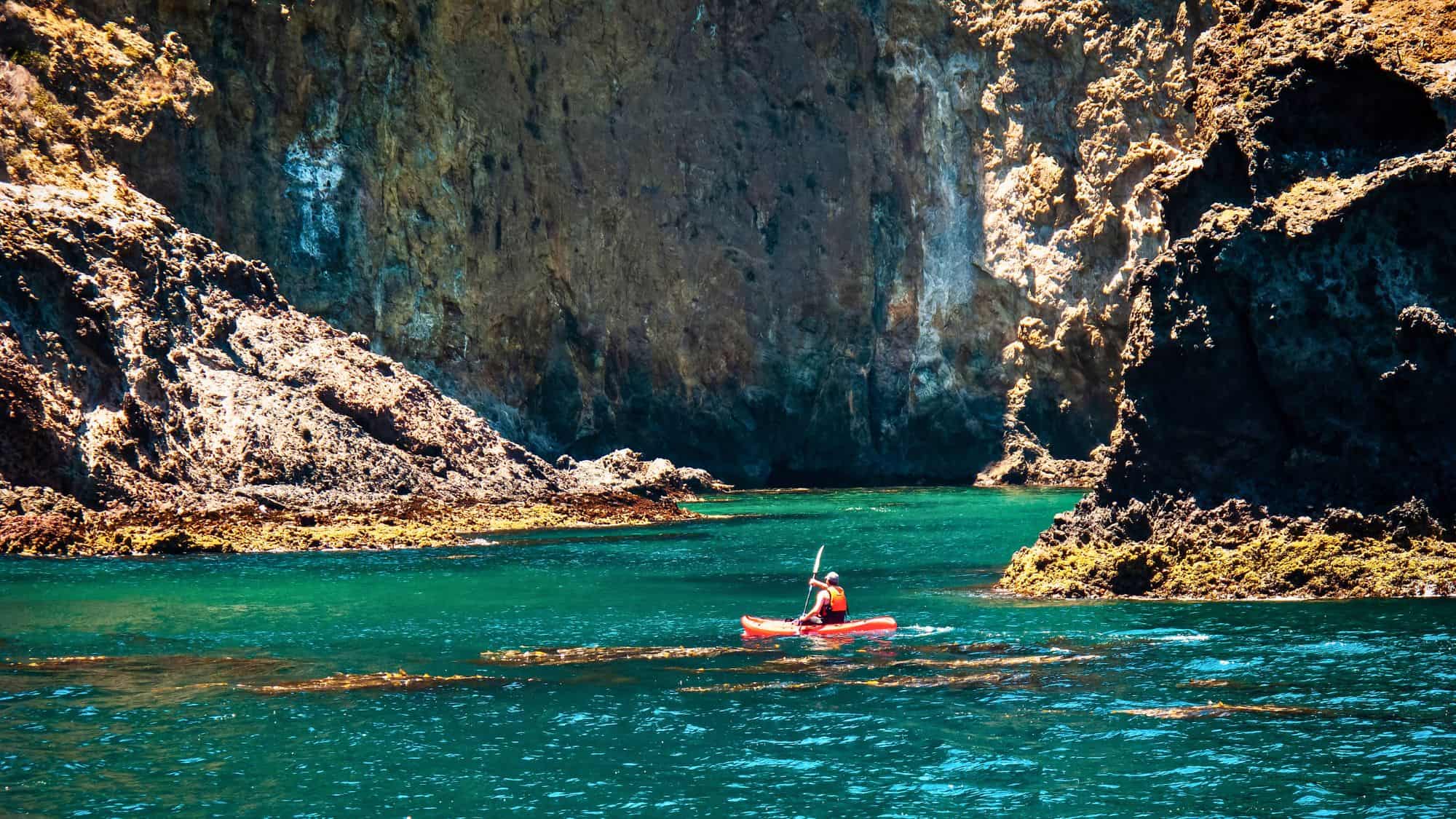
Despite its proximity to the densely populated Southern California coast, this destination remains one of the least-visited national parks in the country.
Only about 30,000 to 40,000 people actually step foot on the islands each year. And most of the recorded visitors only stop at the mainland visitor center in Ventura.
The requirement to book a ferry ride across the Santa Barbara Channel deters the casual tourist, preserving the wild nature of the park. It also requires advance planning, because ferry tickets often sell out during the summer months.
If you manage tickets, the boat ride takes about an hour to reach the closest harbor, Scorpion Anchorage on Santa Cruz Island. But the limited access ensures that the delicate ecosystems do not suffer from overuse. You can hike for hours without encountering another group, giving you the feeling of discovering an uncharted territory.
You must pack your own water, food, and emergency supplies, because there are no services available once you leave the mainland.
Home To The World’s Largest Sea Cave
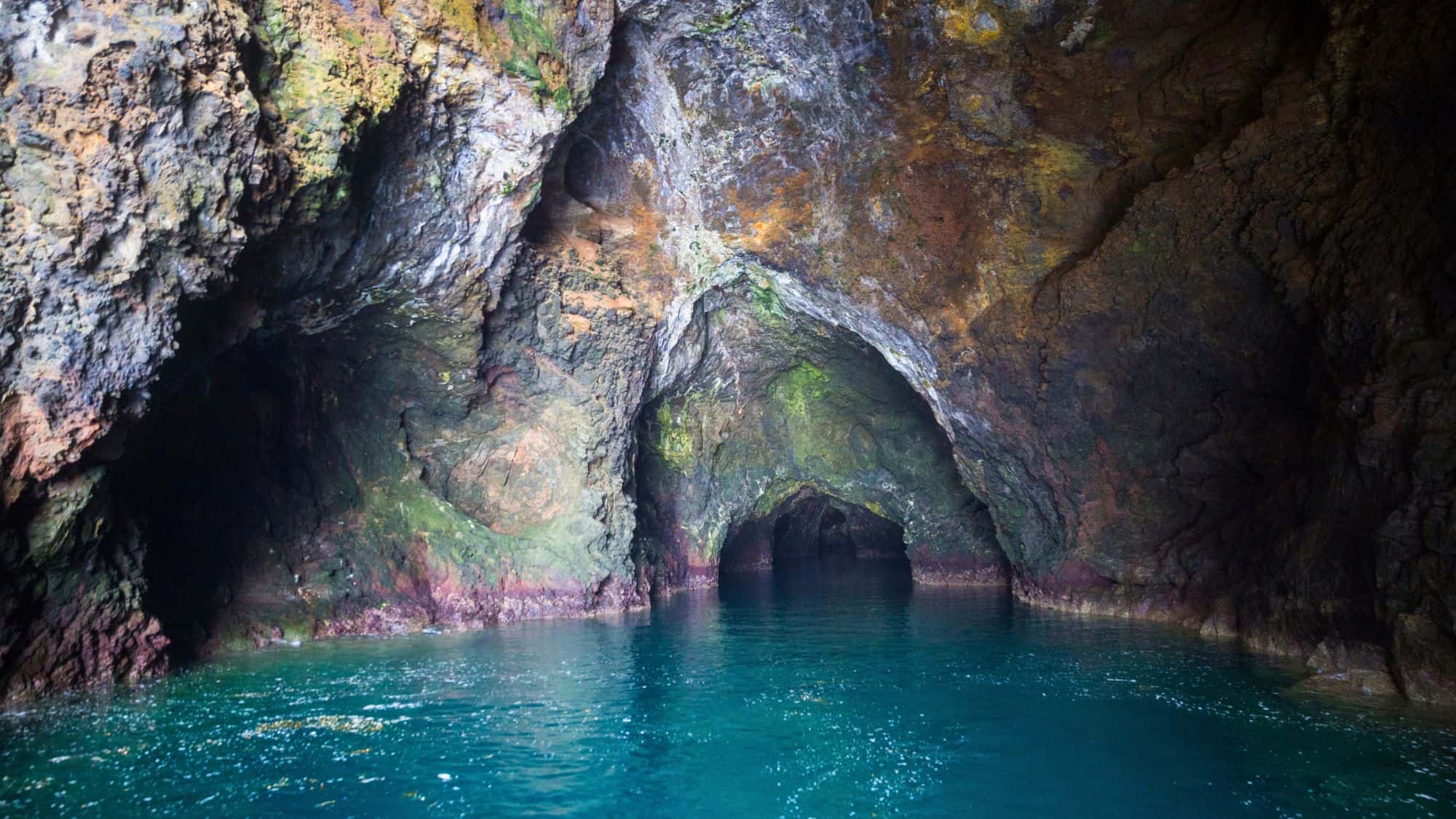
Santa Cruz Island holds a massive geological secret. Painted Cave is recognized as the largest sea cave in the world by volume. The entrance stands 130 feet high, easily accommodating large boats, and the cavern extends more than 1,200 feet into the dark basalt cliffs.
The name comes from the colorful lichens and algae that cover the walls, creating a striking contrast against the dark volcanic rock. You can explore this massive cavern by kayak or small boat during calm sea conditions. The sound of the ocean swells echoing through the deep chambers is a powerful experience.
When you move deeper into the cave, the light fades, and you must rely on flashlights to see the rocky walls. In the spring, a waterfall occasionally cascades over the entrance, adding to the dramatic scenery.
You will often find California sea lions resting on the rocky ledges inside the dark recesses, their barks amplifying in the enclosed space.
The sheer scale of the cavern makes you realize the incredible erosive power of the Pacific Ocean. If you attempt to look inside, be aware that navigating the dark waters requires caution and a good understanding of the tides. But the visual reward is truly spectacular.
Ancient Human History
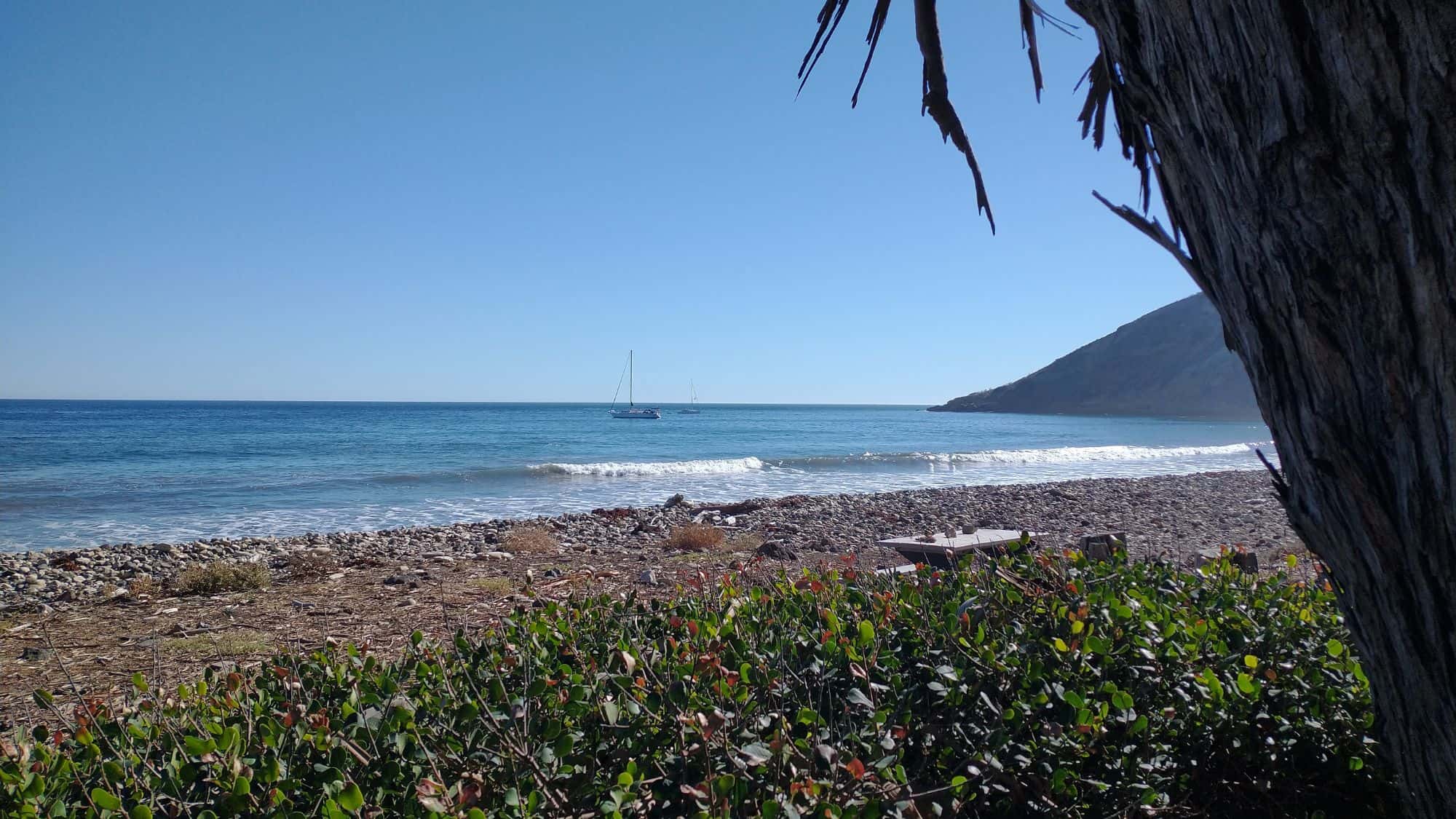
The human footprint on these landmasses dates back further than almost anywhere else in North America.
In 1959, archaeologists discovered the remains of the Arlington Springs Man on Santa Rosa Island. These remains are approximately 13,000 years old, providing crucial evidence for the coastal migration theory of early human settlement.
The Chumash people thrived here for thousands of years, building complex maritime societies. You can still see the remnants of their large villages and massive shell middens scattered across the coastal terraces. They built sophisticated plank canoes, called tomols, which allowed them to navigate the treacherous channel waters and trade with mainland tribes.
The physical separation of the islands protected many of these archaeological sites from the rapid development that erased similar history on the mainland. You will walk on the same ground where ancient hunters crafted stone tools and gathered abalone from the rocky shores.
The NPS protects these sensitive sites, preserving the deep cultural heritage of the native peoples. You can learn about the Chumash culture at the visitor center before taking the boat across the channel, enhancing your understanding of the land.
Pygmy Mammoths Roamed Here
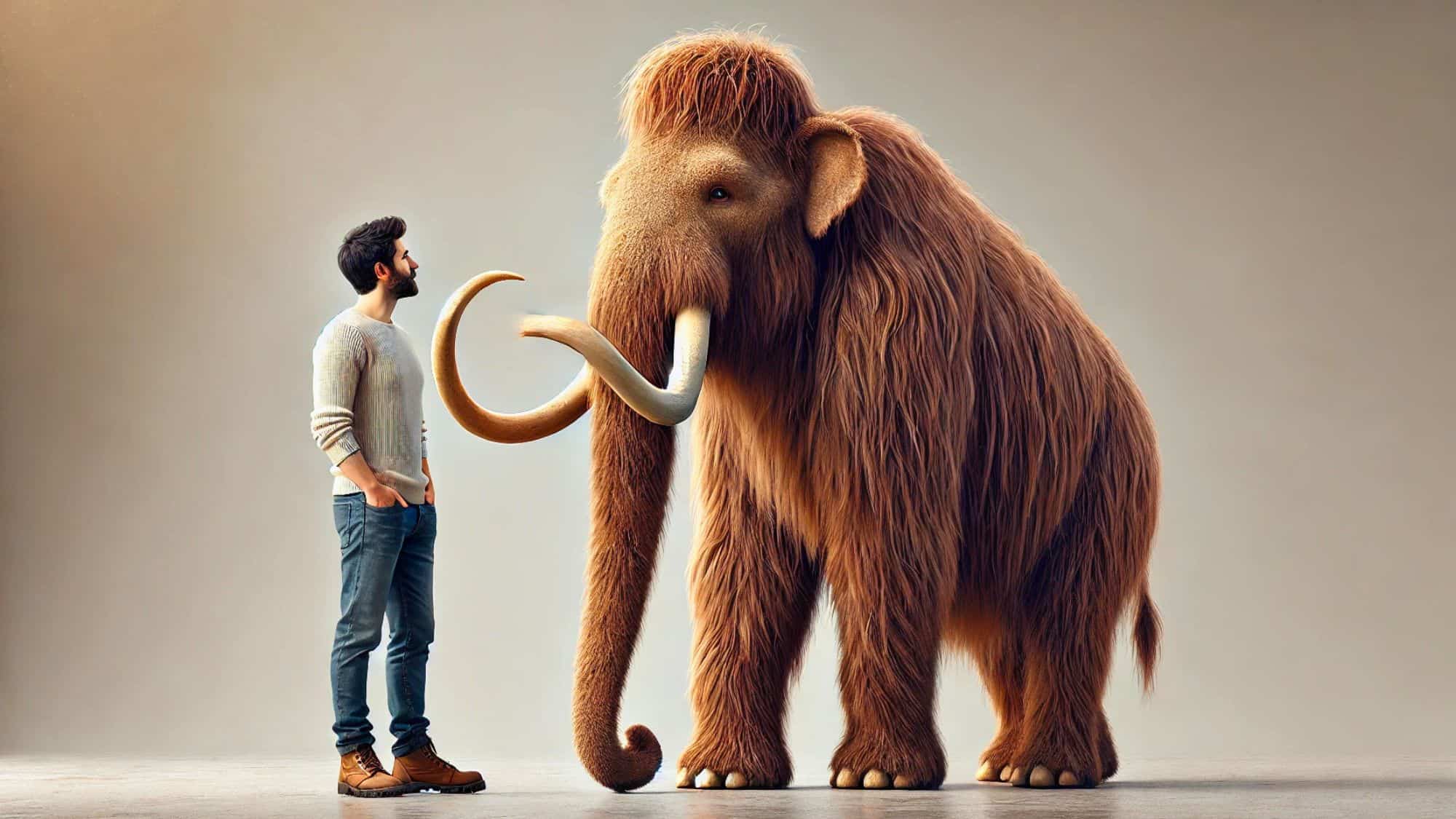
During the last Ice Age, sea levels were significantly lower, and the distance from the mainland was much shorter. Large Columbian mammoths swam across the channel to reach the abundant vegetation of the prehistoric landmass known as Santarosae.
When the climate warmed and sea levels rose, the islands shrank and separated, trapping the large mammals. Over thousands of years, these massive creatures adapted to the limited food supply by shrinking in size.
The resulting pygmy mammoth stood only 4.5 to 7 feet tall at the shoulder and weighed around 2,000 pounds. In 1994, scientists discovered the most complete pygmy mammoth skeleton ever found on the sandy bluffs of Santa Rosa Island. You can see the nearly complete skeleton at the Santa Barbara Museum of Natural History.
The harsh environment forced a rapid evolutionary change, demonstrating the powerful forces of natural selection. And the fossil record preserved in the sedimentary rock continues to provide paleontologists with valuable insights into Pleistocene ecosystems.
See One Of Only Two Torrey Pine Forests
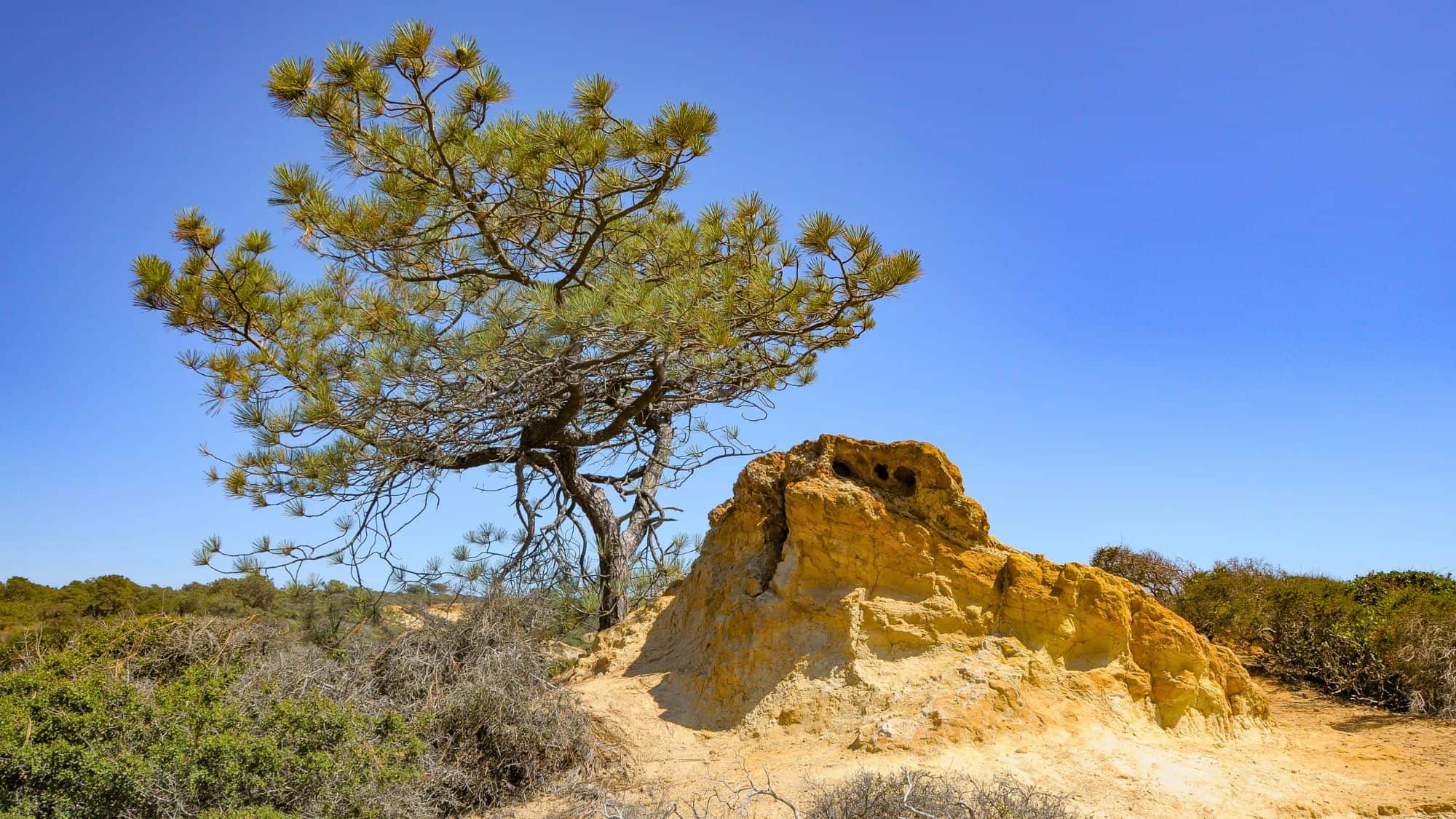
Santa Rosa Island protects a botanical treasure found in only one other location on earth. The Torrey pine is one of the rarest pine species in North America.
The island holds one of the two naturally occurring populations, with the other located in a small state reserve near San Diego. The island grove sits on a steep, wind-swept ridge, often shrouded in the thick coastal fog that provides essential moisture for the trees.
The wind shapes the trees into twisted, dramatic forms that cling tenaciously to the sandy soil. The island population differs slightly from the mainland trees, featuring broader cones and shorter needles. You will notice the distinct, resinous scent of the pines when you approach the grove.
You’ll have to hike a strenuous 5-mile loop trail to reach this rare forest. It requires carrying plenty of water because the terrain is exposed and steep.
The isolation of the island allowed this relic population from the Pleistocene epoch to survive while mainland populations died out. Standing among these rare trees offers a quiet, powerful connection to this unique landscape.
Spectacular Kelp Forests
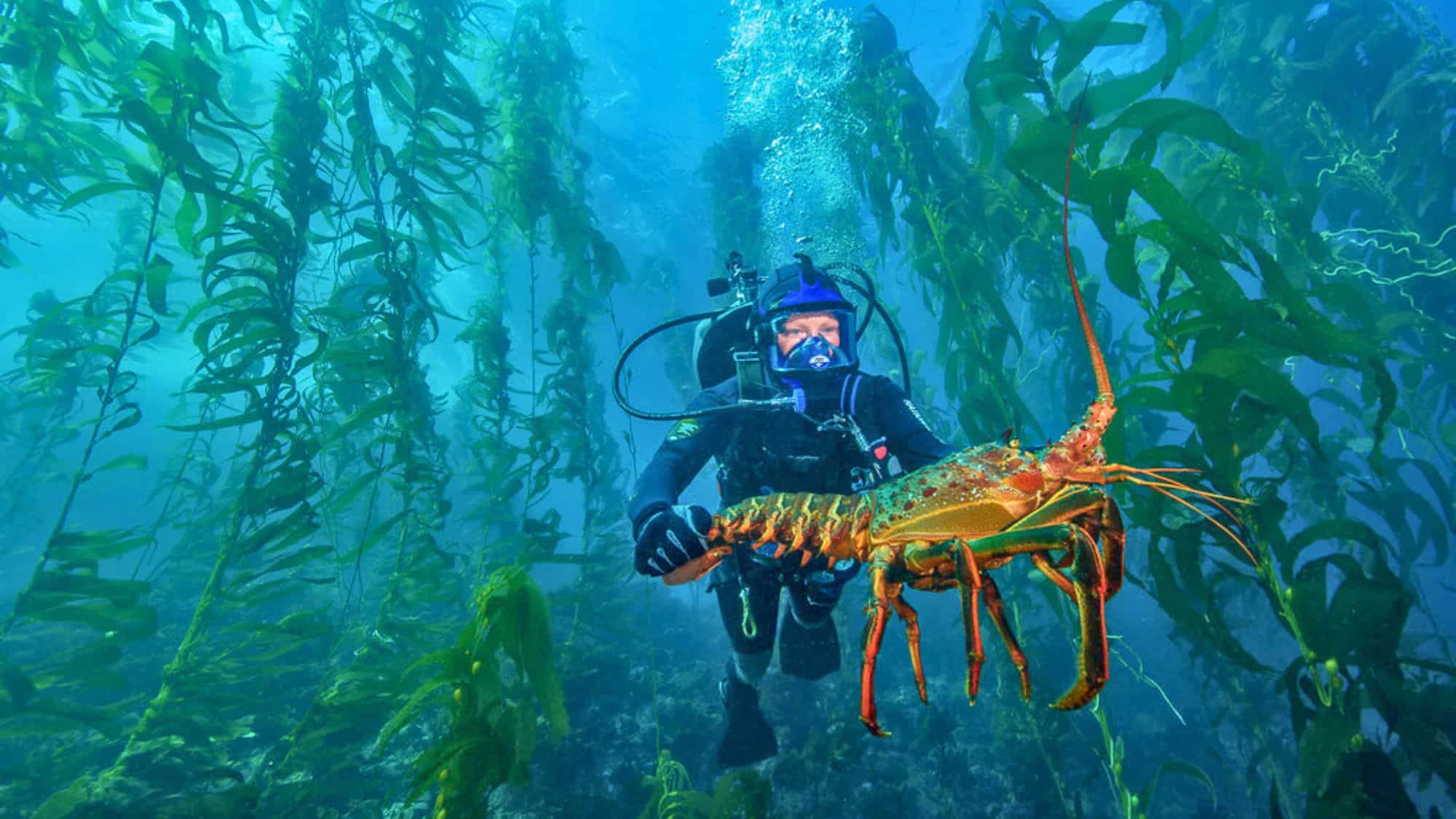
The true magic of this national park extends beneath the surface of the ocean. The cold, nutrient-rich currents fuel the growth of massive giant kelp forests.
This algae can grow up to 2 feet per day in ideal conditions, creating a dense underwater canopy that supports over 1,000 species of marine life. You can snorkel or scuba in the clear waters to explore this three-dimensional marine habitat.
The water temperature typically ranges between 55°F and 65°F, requiring a thick wetsuit for comfortable exploration. But if you are willing to jump in, bright orange Garibaldi fish dart through the golden fronds of the kelp, while harbor seals gracefully weave through the dense stalks. The kelp forest provides critical shelter and food for everything from tiny nudibranchs to large sea bass.
You will find excellent snorkeling conditions in the protected coves of Santa Cruz and Anacapa islands. The sunlight filters through the surface canopy, creating a cathedral effect in the water. Snorkeling in these towering underwater forests is a highlight for anyone visiting the marine sanctuary.
Inspiration Point Is A Photographer’s Dream
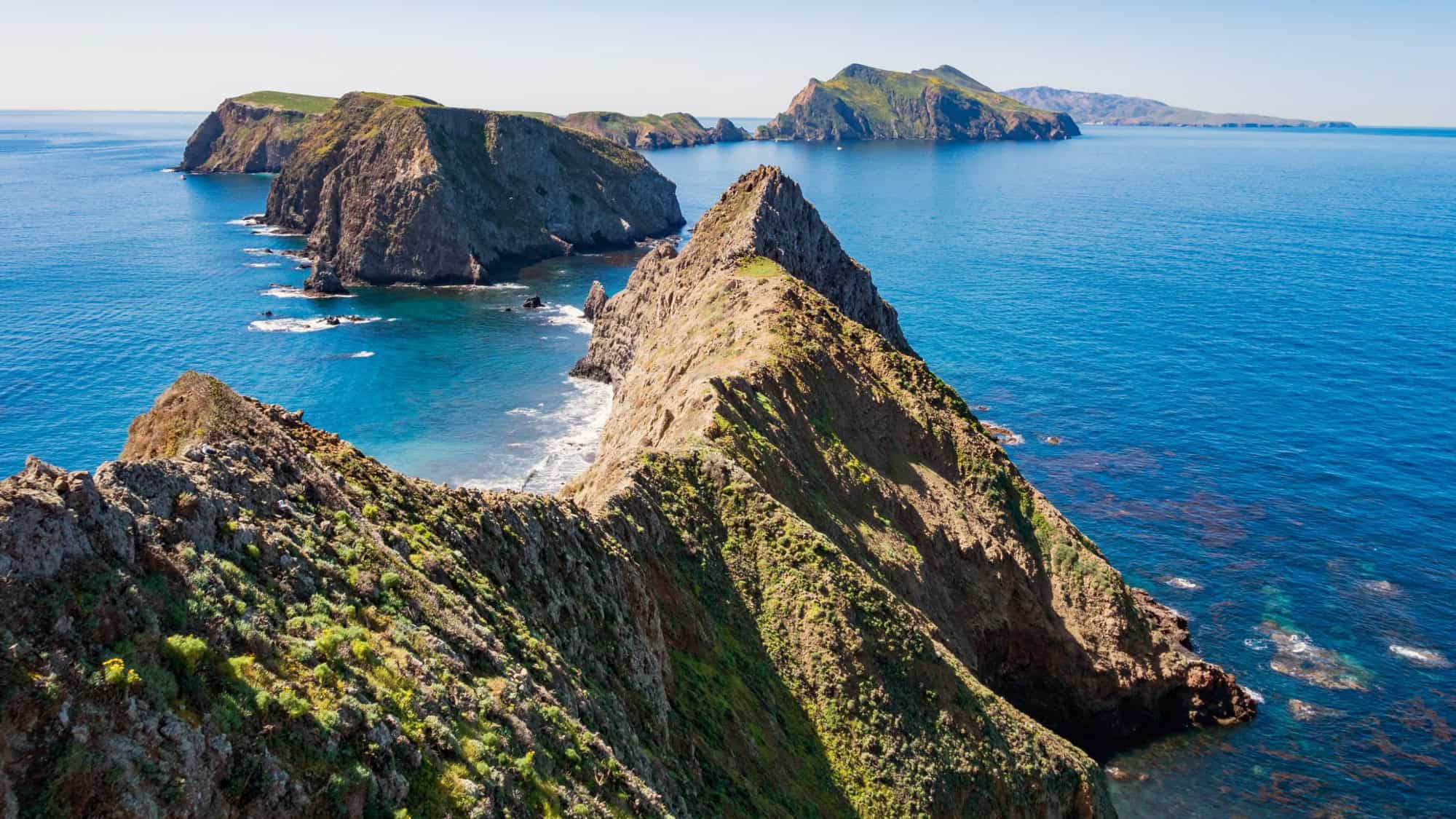
For a sweeping panoramic view of the Pacific, you must walk to the edge of Anacapa Island. From there, Inspiration Point offers a breathtaking vantage point that looks out over the jagged spine of the island chain.
The hike from the landing cove is a relatively easy 1.5-mile round trip, making it accessible for most visitors. You will stand on steep cliffs that drop hundreds of feet directly into the crashing surf below. And the view encompasses the two smaller islets of Anacapa, with Santa Cruz Island rising dramatically in the distance.
The lighting is particularly striking in the late afternoon, when the setting sun casts a golden glow on the volcanic rock. You might even spot the bright white guano of thousands of nesting seabirds clinging to the steep cliff faces.
Photographers flock here to capture the iconic silhouette of the islands against the vast ocean. The trail winds through dense patches of giant coreopsis, which burst into yellow blooms during the early spring. It is a stunning visual reward for the bumpy boat ride across the channel.
It’s A Whale-Watching Hotspot
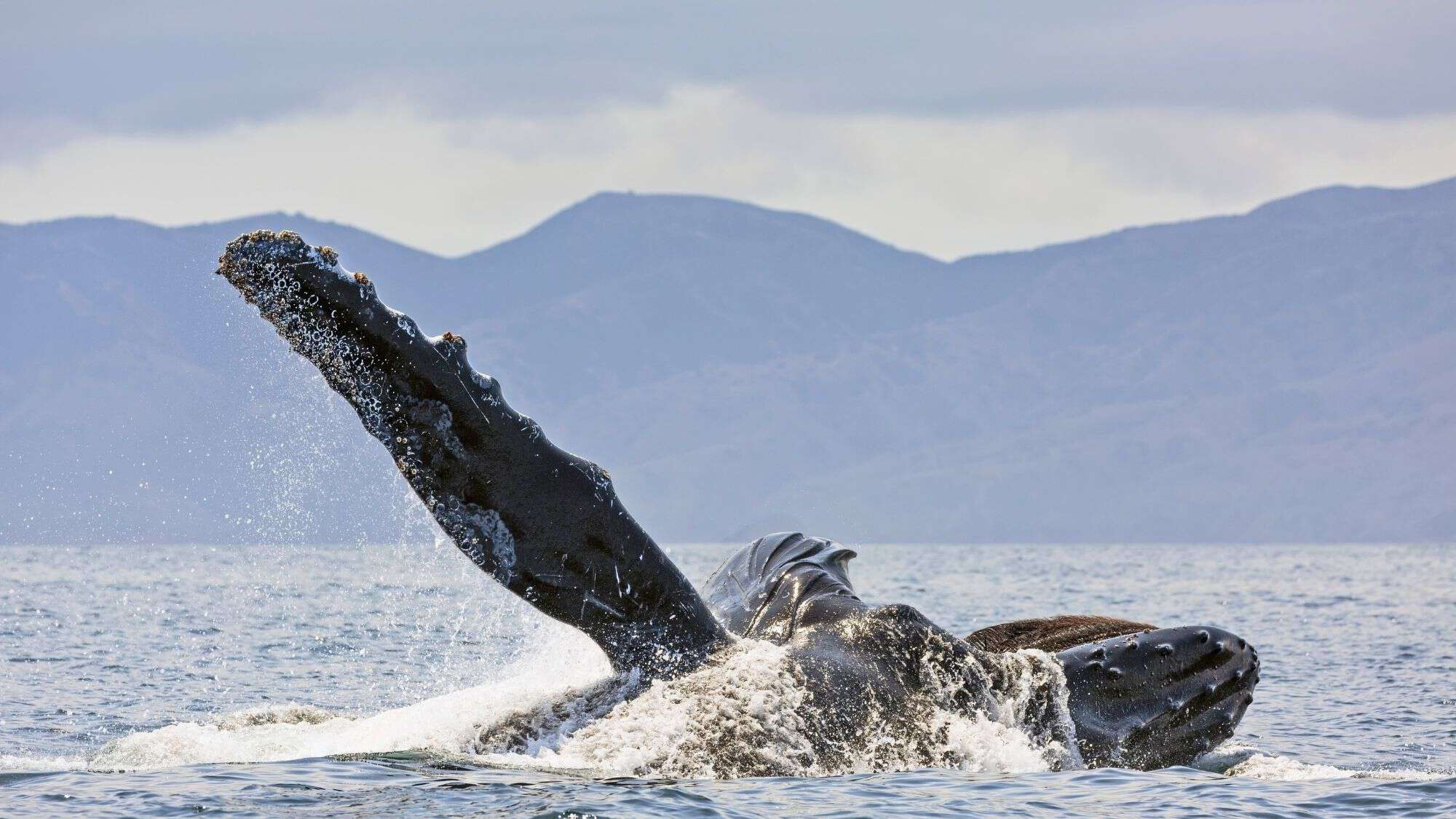
The deep trench of the Santa Barbara Channel serves as a massive marine highway. Over 27 species of whales and dolphins use these nutrient-rich waters for feeding and migration.
During the summer months, you can spot massive blue whales, the largest animals on earth, feasting on dense swarms of krill. The winter and spring bring the migration of gray whales, traveling from Alaska to the warm lagoons of Baja California. Humpback whales also frequent the channel, known for their dramatic breaching and surface displays.
You often see massive pods of common dolphins, sometimes numbering in the thousands, leaping in the wake of the ferry boats. The boat ride to the park frequently doubles as an impromptu wildlife safari. The captains of the ferry boats frequently communicate with each other to locate the best wildlife viewing areas.
The upwelling of cold water creates an incredibly productive feeding ground that sustains these massive mammals. You should bring binoculars and keep a close eye on the horizon for the telltale spout of a whale. Observing a blue whale surface just a few hundred yards from your boat is an unforgettable testament to the richness of this marine environment.
Its Waters Are A National Marine Sanctuary
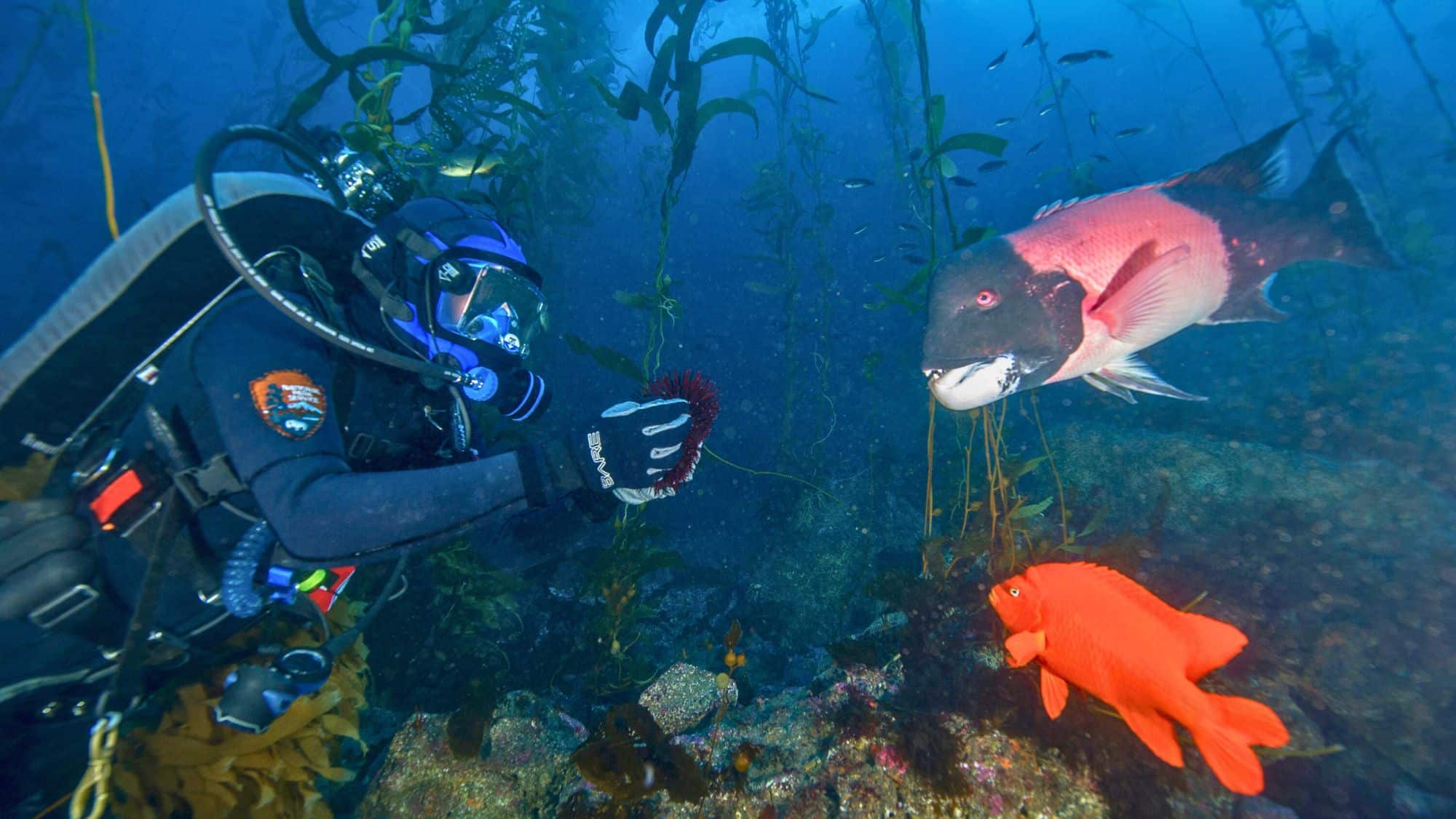
The protection of this region extends far beyond the rocky shores. In 1980, the federal government designated 1,470 square miles of the surrounding ocean as a National Marine Sanctuary.
This protected status prevents oil drilling and strictly regulates commercial fishing within the boundaries. So the sanctuary provides a safe haven for endangered marine species and preserves the pristine condition of the underwater habitats.
The sanctuary management works closely with NPS to ensure the health of the entire ecosystem, from the deep ocean floor to the highest island peaks. The strict regulations helped rebuild depleted fish populations and restore the balance of the kelp forests.
You will notice the abundance of life in the tidal pools, where brightly colored sea stars and anemones thrive undisturbed. The sanctuary also protects numerous historic shipwrecks that rest on the ocean floor, serving as artificial reefs for marine life.
No Snakes Live On The Islands
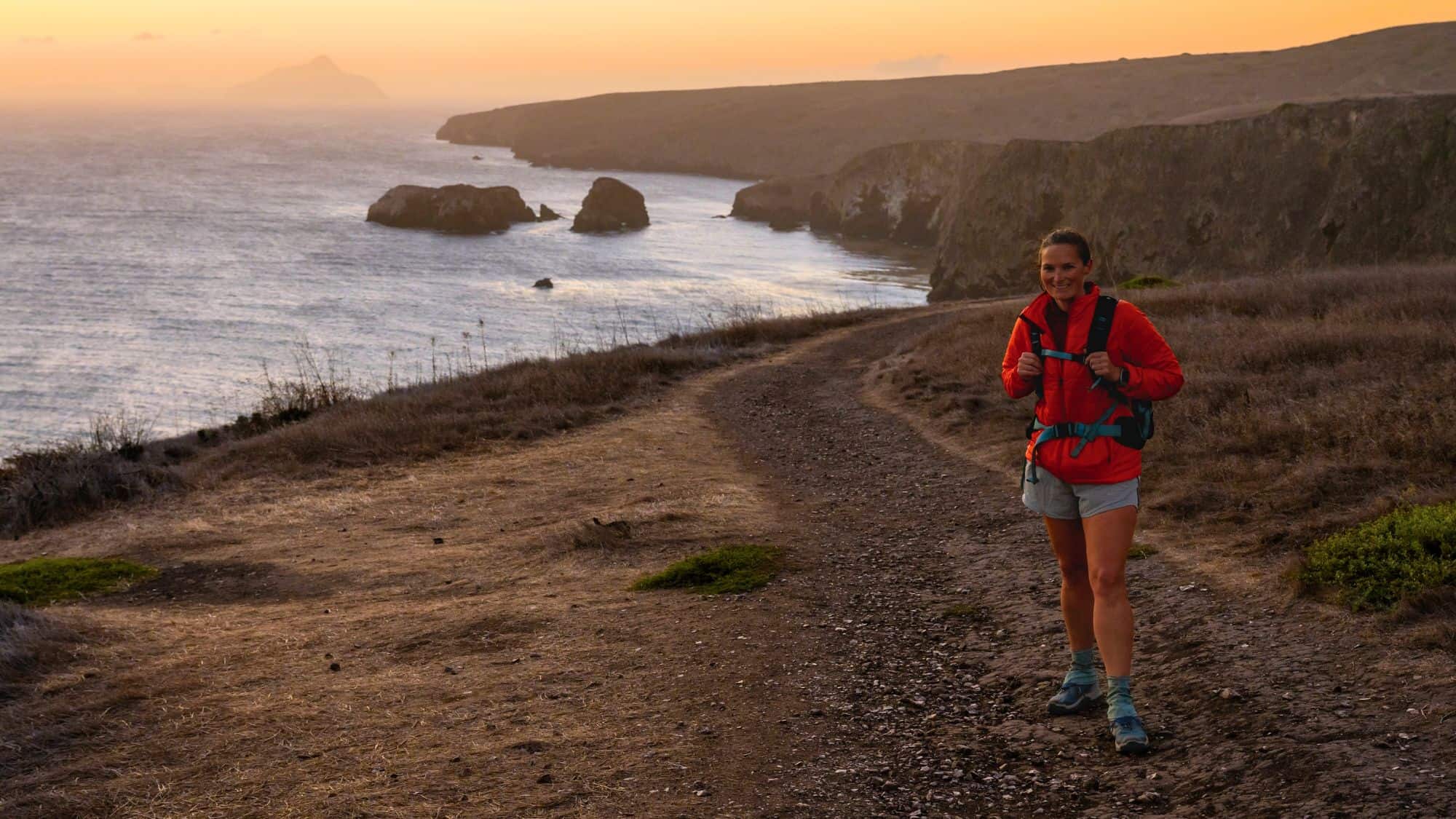
Hiking through the tall grass and rocky brush of Southern California usually requires a careful eye for rattlesnakes. However, you can walk the island trails with a unique peace of mind. Why? Because there are absolutely no snakes of any kind on these five islands.
The ocean barrier prevented these reptiles from colonizing the landmasses, even during periods of lower sea levels. However, the park does support 11 other species of reptiles and amphibians, including the endemic island night lizard. You will often see small fence lizards sunning themselves on the warm sandstone rocks along the trails.
The absence of venomous snakes makes the rugged terrain slightly less intimidating for hikers exploring the backcountry. You can push through dense chaparral on Santa Cruz Island without the constant worry of a hidden rattlesnake.
Instead, the island spotted skunk and the island fox hold the top spots in the terrestrial food chain here. The lack of snakes is just one more quirk of the evolutionary isolation that defines this remarkable national park.
Gigantism Observed In The Island Scrub Jay
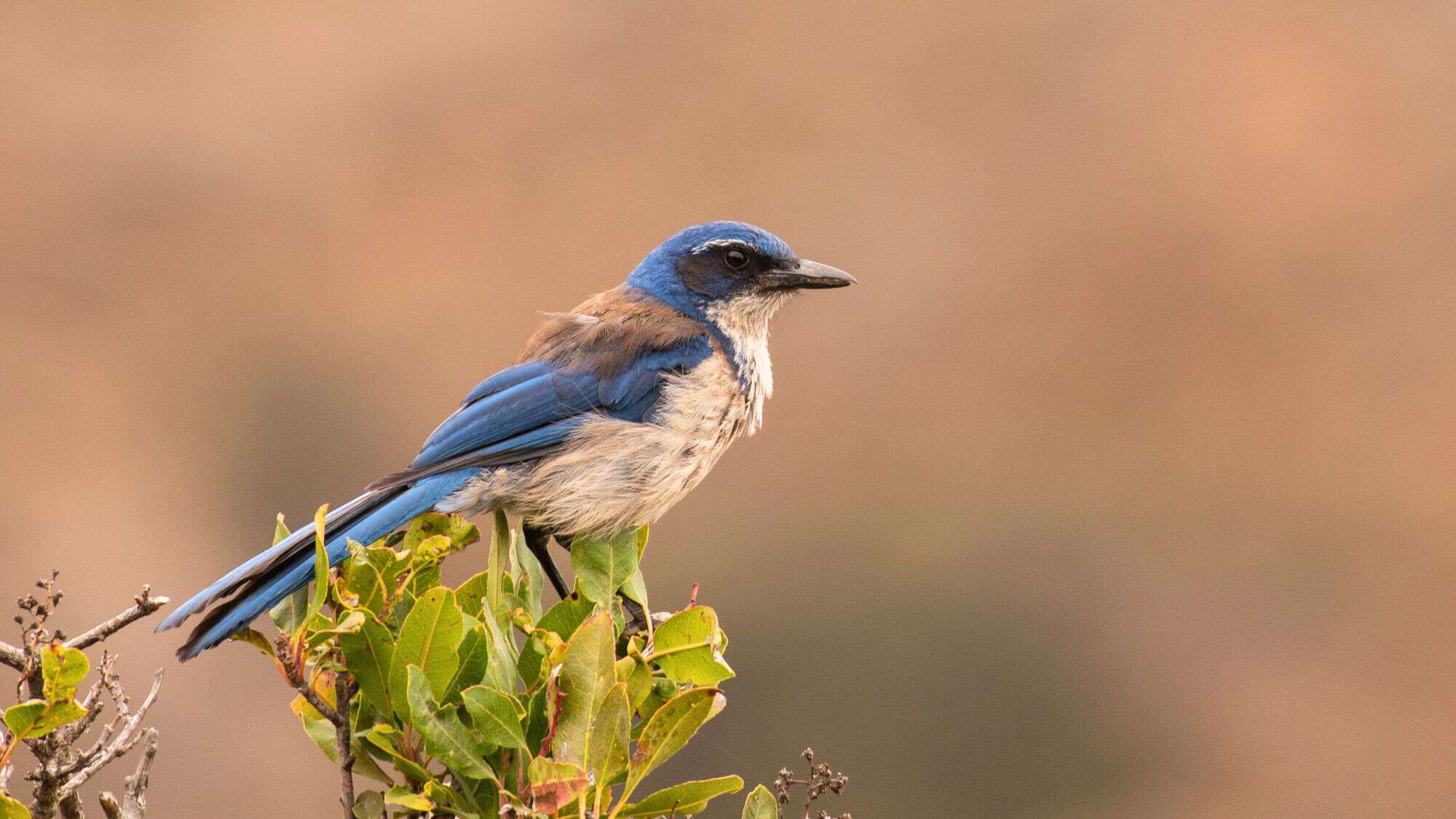
While the island fox and pygmy mammoth shrank in response to their environment, other species took the opposite path. The island scrub jay is a prime example of a phenomenon known as island gigantism.
Found exclusively on Santa Cruz Island, this bright blue bird is roughly a third larger than its mainland counterpart, the western scrub jay. The larger size and heavier, stout bill allow the bird to crack open the thick shells of the endemic island acorns.
You can easily spot these bold birds in the oak woodlands of the central valley. You will notice their striking blue plumage contrasting against the dark green leaves of the trees. Their loud, raspy calls echo through the canyons as they defend their territories.
The lack of major predators and the specific food resources drove this unique evolutionary adaptation. The scrub jay plays a crucial role in the ecosystem by burying acorns, which helps plant new oak trees across the island.
The population is estimated at just a few thousand individuals, making it one of the rarest songbirds in North America.
Like Our Content? Follow Us on MSN (or click the Follow Button above) for more from Discover Parks & Wildlife.