Discover Parks & Wildlife contains affiliate links and is a member of the Amazon Services LLC Associates Program. If you make a purchase using one of the Amazon links, we may receive compensation at no extra cost to you. We may also use select AI tools to support our creative process, but all content is reviewed, refined, and finalized by our human team. See our disclosure policy and our AI use policy for more information.
Spring’s Most Treacherous Trails And The Preparations You Wish You Made
Spring. The season of renewal, chirping birds, flowers blooming, and… mud. Lots and lots of mud. It’s the period where trails transform into slip-and-slide arenas, an experience that’s less “peaceful commune with nature” and more “unintentional mud wrestling.”
It’s true, national parks are bursting with energy in the spring – from the wildlife stretching its legs to the earth itself squishing beneath your boots.
But before you charge into the wilderness with your overly optimistic enthusiasm, maybe take a moment to learn about the pit of despair that is “mud season” and how not to regret your decisions midway through a soggy trail.
Understanding Mud Season In National Parks
Mud season is that lovely time of year – spanning mostly spring – when trails become saturated thanks to the combination of melting snow and relentless rains.
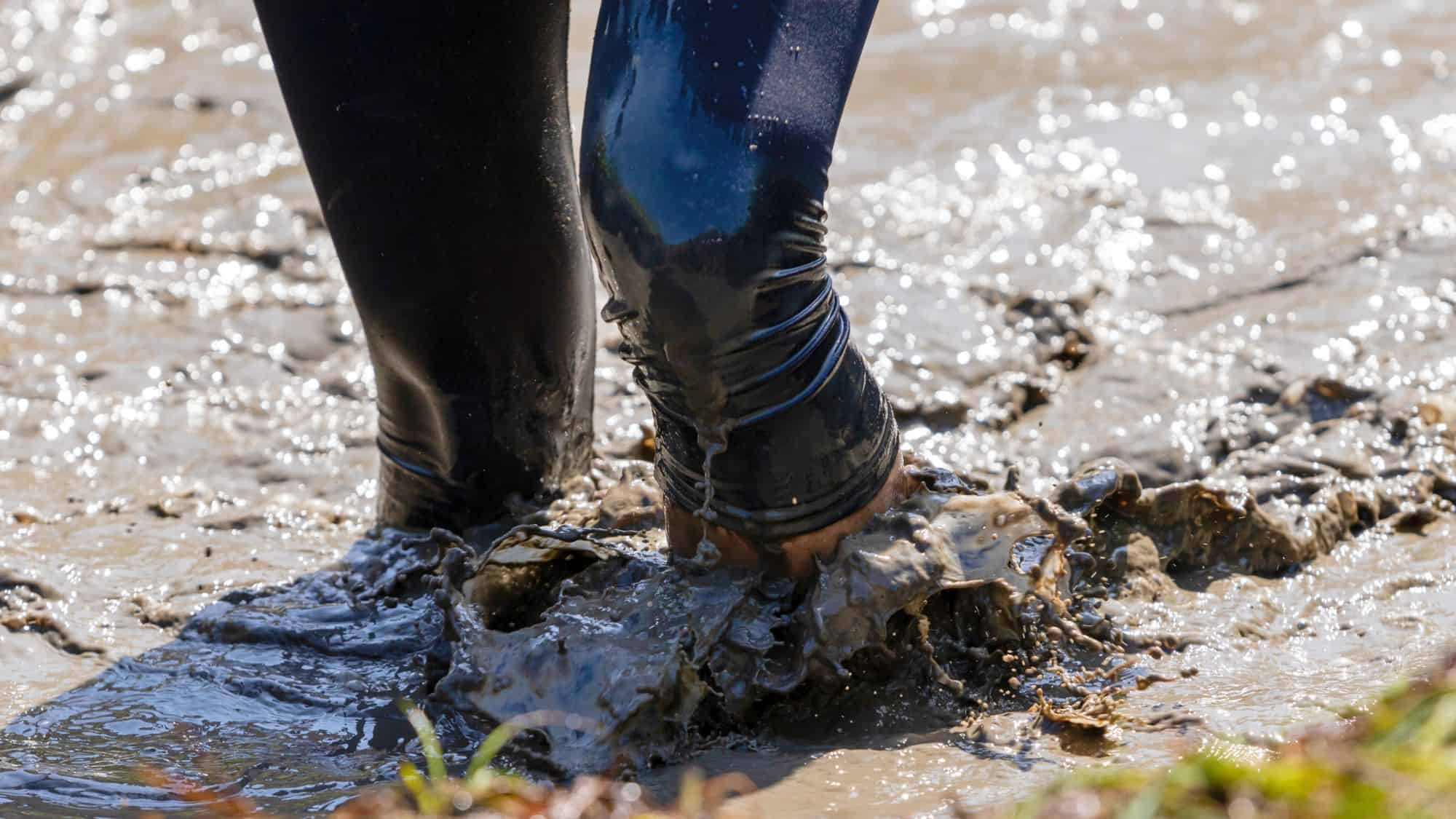
Think of it as nature’s way of laughing at your plans for a serene hike. Those picturesque trails you saw in brochures? Yup, they’re now slip-prone corridors of goopy chaos, eagerly waiting to claim your footwear as their own.
The earth is alive during mud season… and boy, does it remind you. Turns out, hiking these trails isn’t just challenging; it’s potentially destructive.
Each footstep on a muddy path results in erosion that could rival a toddler’s art on a clean wall. Worse still, vegetation that works hard to keep soil in place is easily trampled, leaving the ecosystem looking like a deforested wasteland.
Plus, mud season ups the ante with hidden dangers – like trails that suddenly decide to shift under your feet or rocks camouflaged in thick layers of sludge. And when it comes to scrambling up slick terrain? Well, good luck.
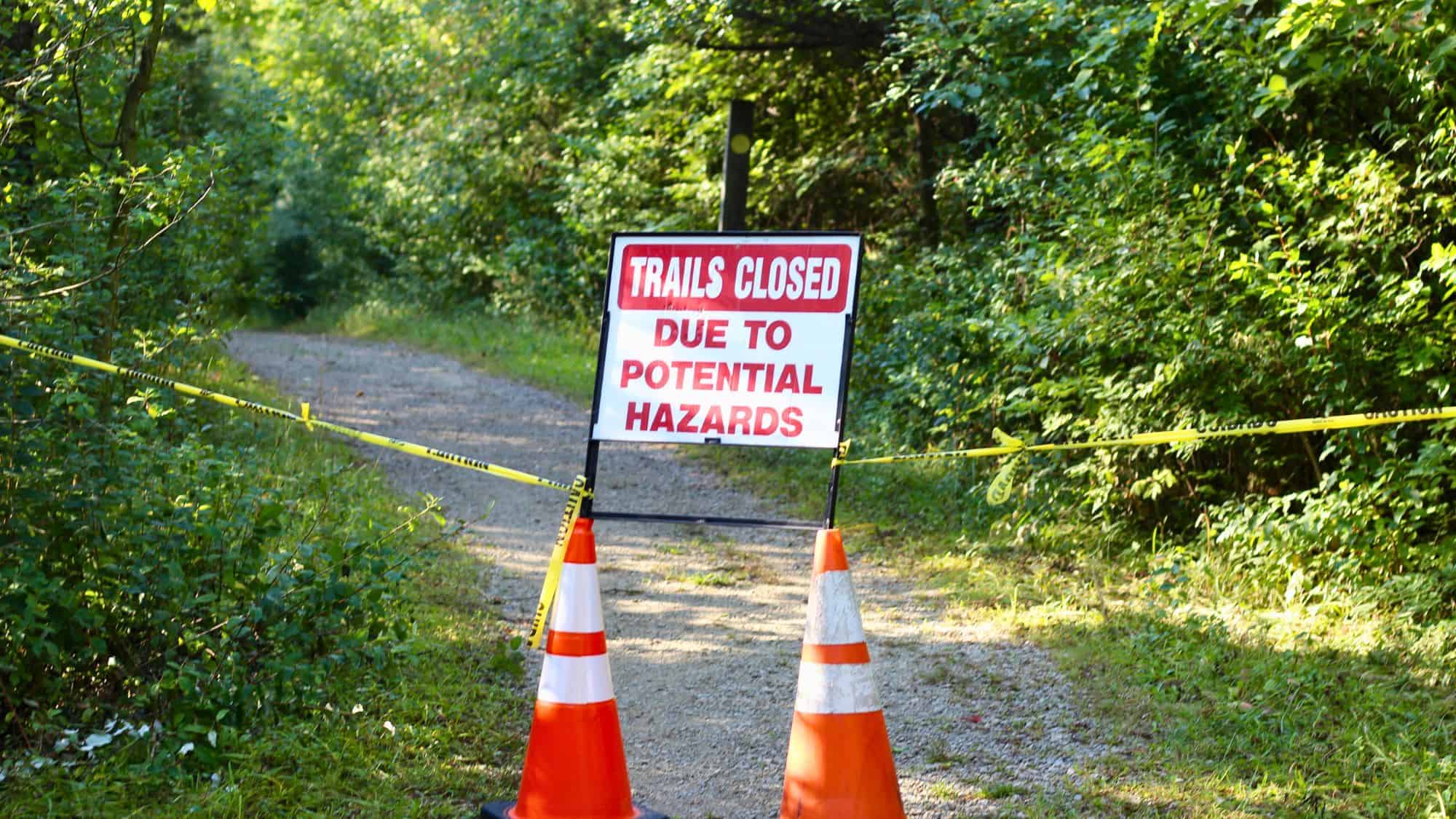
Believe it or not, the parks themselves know what’s up. Some trails are closed during mud season, as if to say, “We know you’ll mess this up, so we’re saving nature from you… and you from yourself.”
So check ahead that your trail is open unless you want to argue with a locked gate or a stern park ranger who’s seen too many hikers underestimate the power of soil soup.
Essential Gear And Preparation Tips
Before heading out to face the muddy gauntlet, it’s smart (nay, essential) to gear up appropriately. You’re not walking into a serene meadow; you’re stepping onto nature’s booby-trapped obstacle course.
Footwear
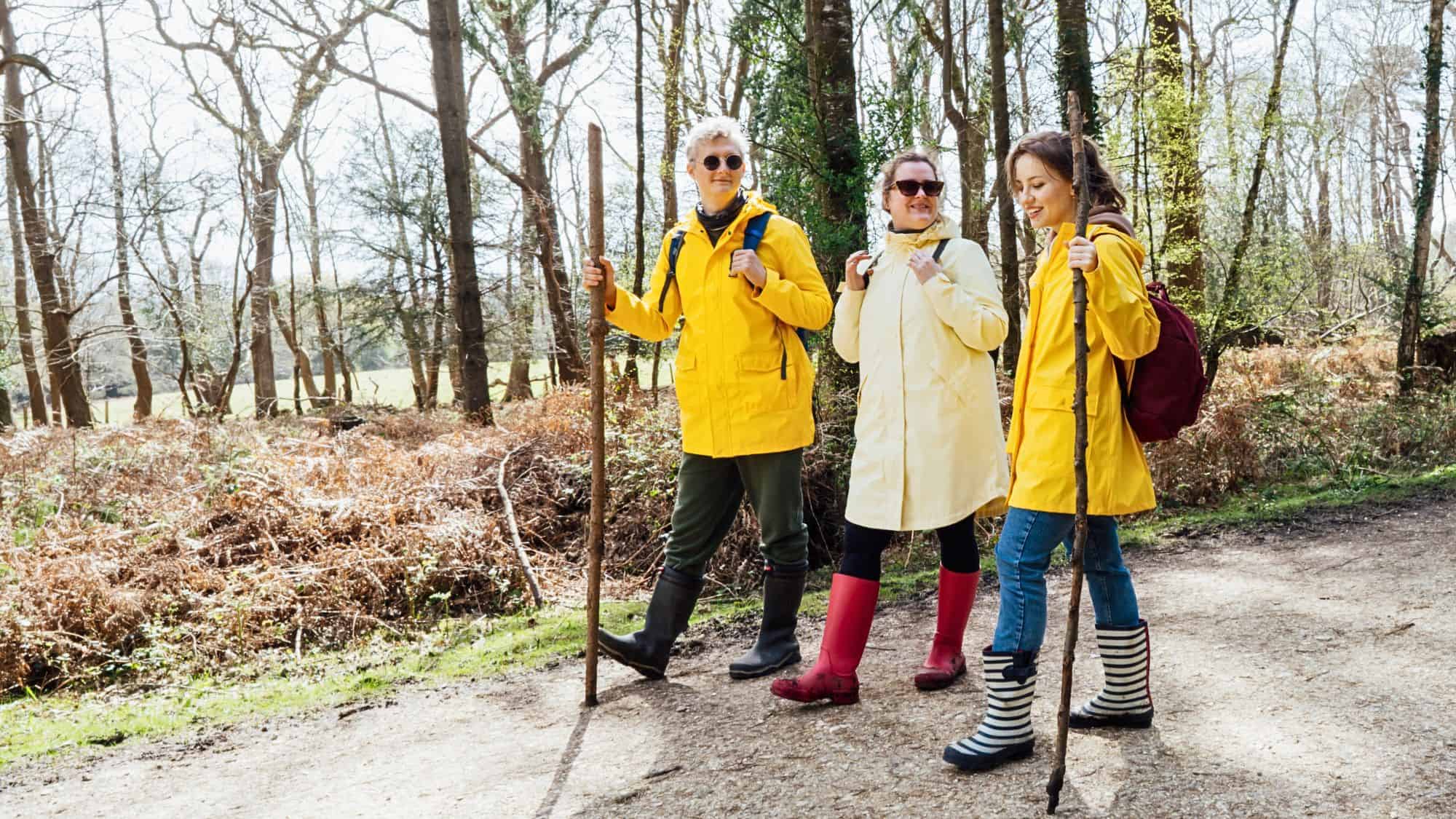
Regular sneakers? That’s a cute thought. What you need are waterproof boots with the grip of a thousand tiny claws. Add gaiters (essentially boot raincoats) to stop the mud from swallowing your socks whole. The whole goal is to finish your hike without carrying an extra five-pound mud layer on each shoe.
Clothing
Think of your attire as a battle uniform. Layers are your tactical advantage because spring temperatures are ridiculed for their inconsistency. You’ll want moisture-wicking materials because hiking in soggy cotton is a level of discomfort you don’t deserve.
Equipment
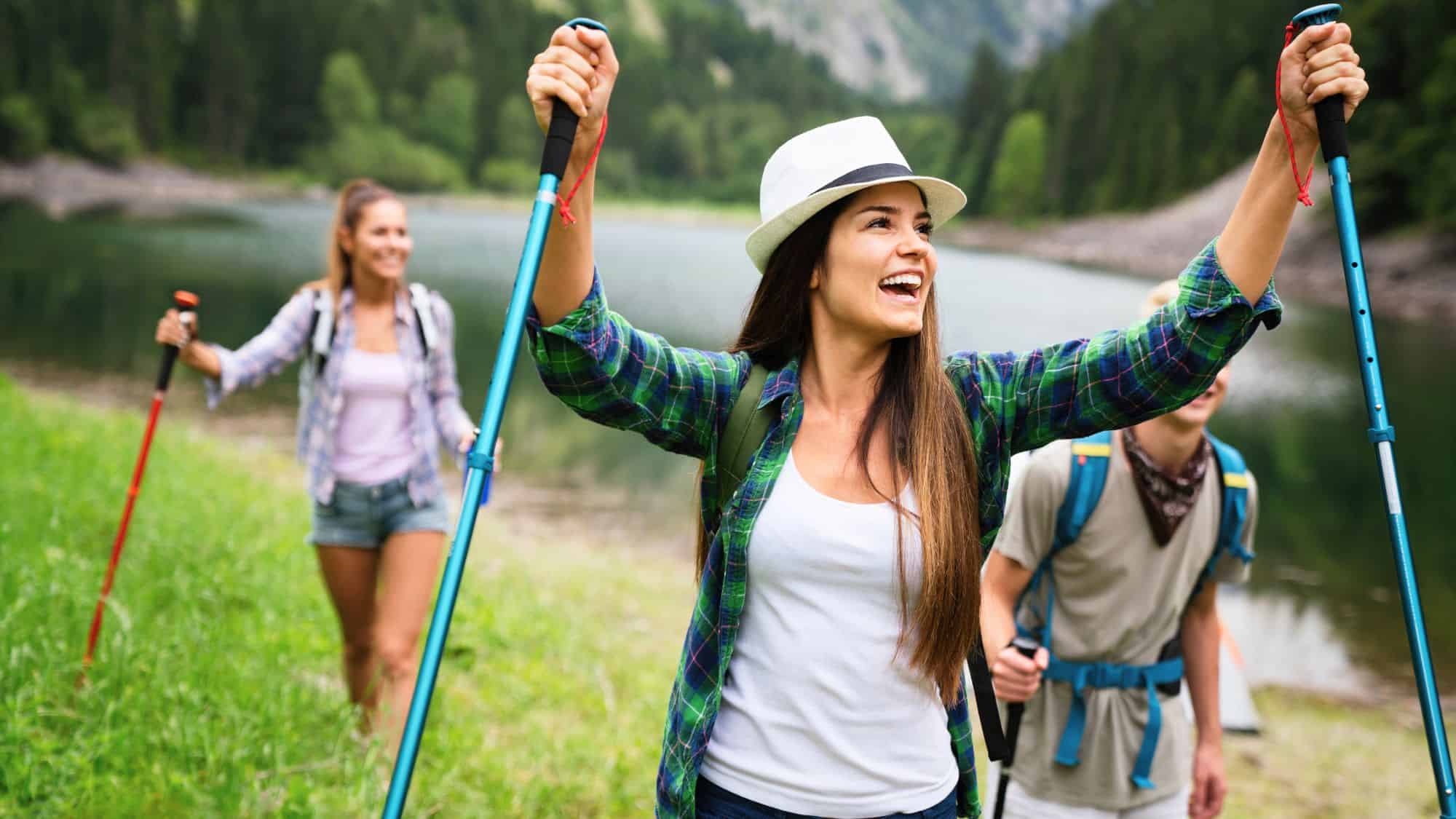
Trekking poles might look like the hiking equivalent of training wheels, but you’ll thank them when a slick patch tries to send you tumbling into a mud puddle. A map and compass? Those are less “Boy Scout prop” and more “maybe I don’t want to get lost in the wilderness today.” Your phone’s GPS is wonderful… until there’s no signal (or you drop it…”plop”)
Packing
Extra socks are non-negotiable – it only takes one misstep into ankle-deep mud to rethink skipping them. Toss in a change of clothes because pretending your muddy attire is an avant-garde fashion statement stops being cute halfway through the drive home.
And for wet items? Waterproof bags are your new best pals. Use them to separate your soggy regrets from the rest of your gear.
Trail Etiquette
Sure, detours seem like a great plan when faced with puddles that could swallow you whole. But stepping off the trail to go around the muck? That’s how trails become highways and damage to nature is done.
Stay on the path (even if it’s more “swamp” than “trail”) to prevent vegetation damage. It’s not glamorous, but it’s the right thing to do.
Notoriously Muddy Trails In National Parks
Some trails are known for their beauty, but also for their love of spring chaos. Prepare to mop up both the views and the mess.
Avalanche Lake Trail – Glacier National Park, Montana
This trail wins the “mud Olympics” in early spring, thanks to shaded stretches where snowmelt takes its sweet time draining away. Imagine breathtaking views of alpine surroundings paired with the delightful sensation of sinking an inch in sloppy mud.
Bring your waterproof boots, unless you enjoy feeling nature squelch between your toes.
Old Rag Mountain Trail – Shenandoah National Park, Virginia
Rock scrambles and steep inclines are thrilling – until they’re coated in slick mud, turning the trail into a full-on gladiator sport. This trail sees heavy foot traffic, so expect deep ruts and plenty of hikers doing poorly choreographed balancing acts.
Who knows? You might see a spontaneous mudslide… or become one yourself.
Sol Duc Falls Trail – Olympic National Park, Washington
Let’s just call it the “damp jewel of Olympic National Park” in the spring. Located in one of the nation’s soggiest regions, this trail is practically married to moisture.
But spring runoff and relentless drizzle team up to create conditions that are part obstacle course, part sponge. Mossy rocks and thick tree canopies extend the dampness well beyond the trail, offering you a slippery adventure you’ll never forget.
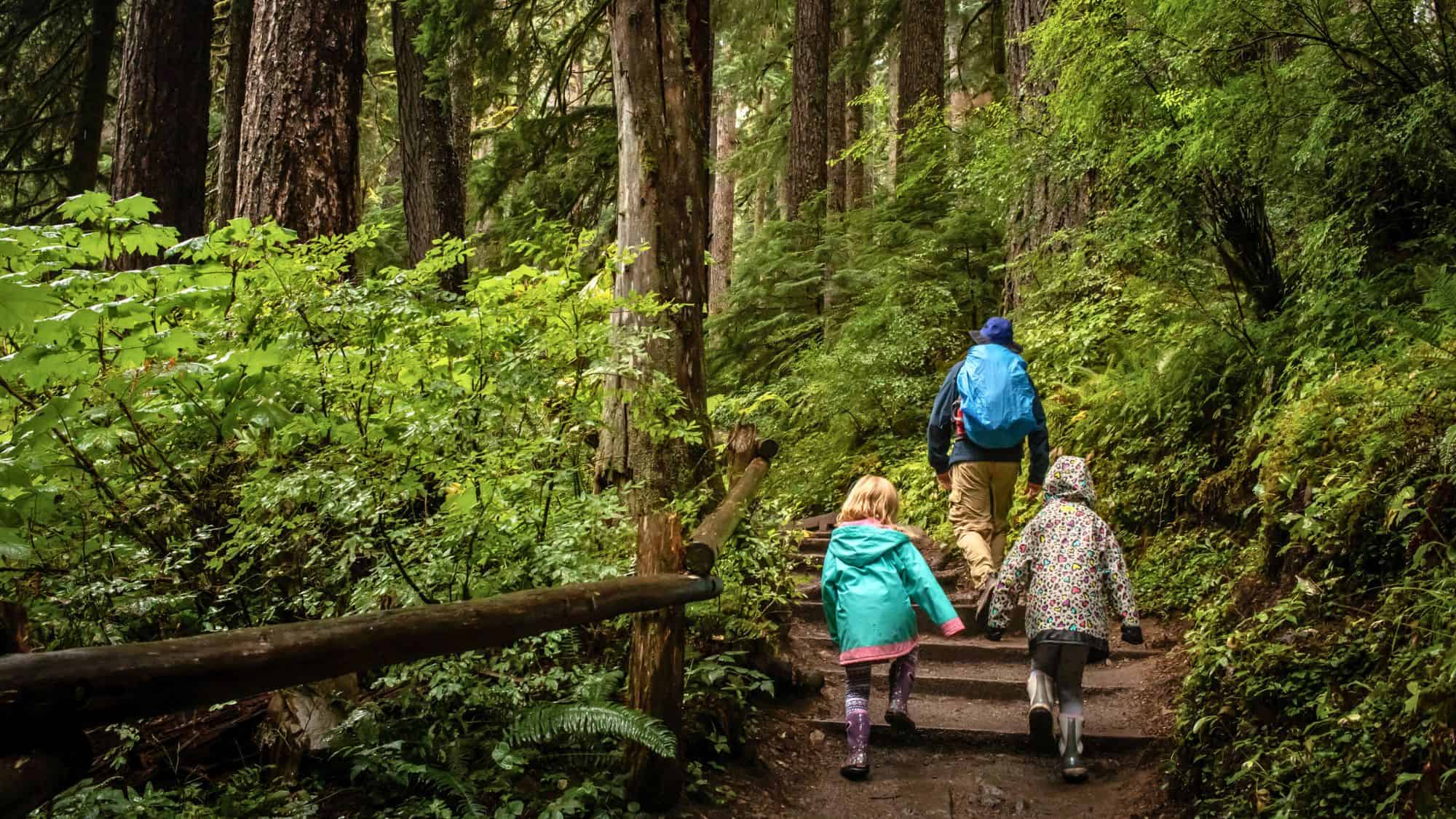
Spring hiking may sound idyllic – frolicking wildlife, budding trees, blah blah blah. And it’s all fun and games, until the trail turns into a shoe-stealing pit of sludge.
So equip yourself as if you’re attending nature’s rowdiest garden party, pay attention to closures, and please… respect the trails. After all, no one wants to be the hiker who ruined the national park experience for the rest of us.
Like Our Content? Follow Us on MSN (or click the Follow Button above) for more from Discover Parks & Wildlife.