Discover Parks & Wildlife contains affiliate links and is a member of the Amazon Services LLC Associates Program. If you make a purchase using one of the Amazon links, we may receive compensation at no extra cost to you. We may also use select AI tools to support our creative process, but all content is reviewed, refined, and finalized by our human team. See our disclosure policy and our AI use policy for more information.
11 Gettysburg Paranormal Encounters That Refuse To Stay Buried
The American Civil War left scars on the landscape that have never truly healed, but nowhere is this more evident than in the rolling fields of Gettysburg, Pennsylvania.
In July 1863, over 51,000 soldiers were killed, wounded, or reported missing in just three days of brutal conflict. It was the bloodiest battle ever fought on North American soil, a turning point that saved the Union but soaked the ground in tragedy.
You don’t need to be a seasoned ghost hunter to sense that something still lingers in the air here. The stories aren’t just isolated whispers told around campfires; they are consistent, detailed accounts from ordinary travelers, park rangers, and residents who have witnessed things they simply cannot explain.
From the phantom sounds of regiments marching in the darkness to full-bodied apparitions that seem unaware the war has ended, the town sits at a unique intersection of documented history and unexplained phenomena. And walking these streets at night offers a different kind of education, one that suggests the soldiers who fought here aren’t quite ready to leave their posts.
Here are the most compelling locations where Gettysburg’s history refuses to rest in peace.
Devil’s Den
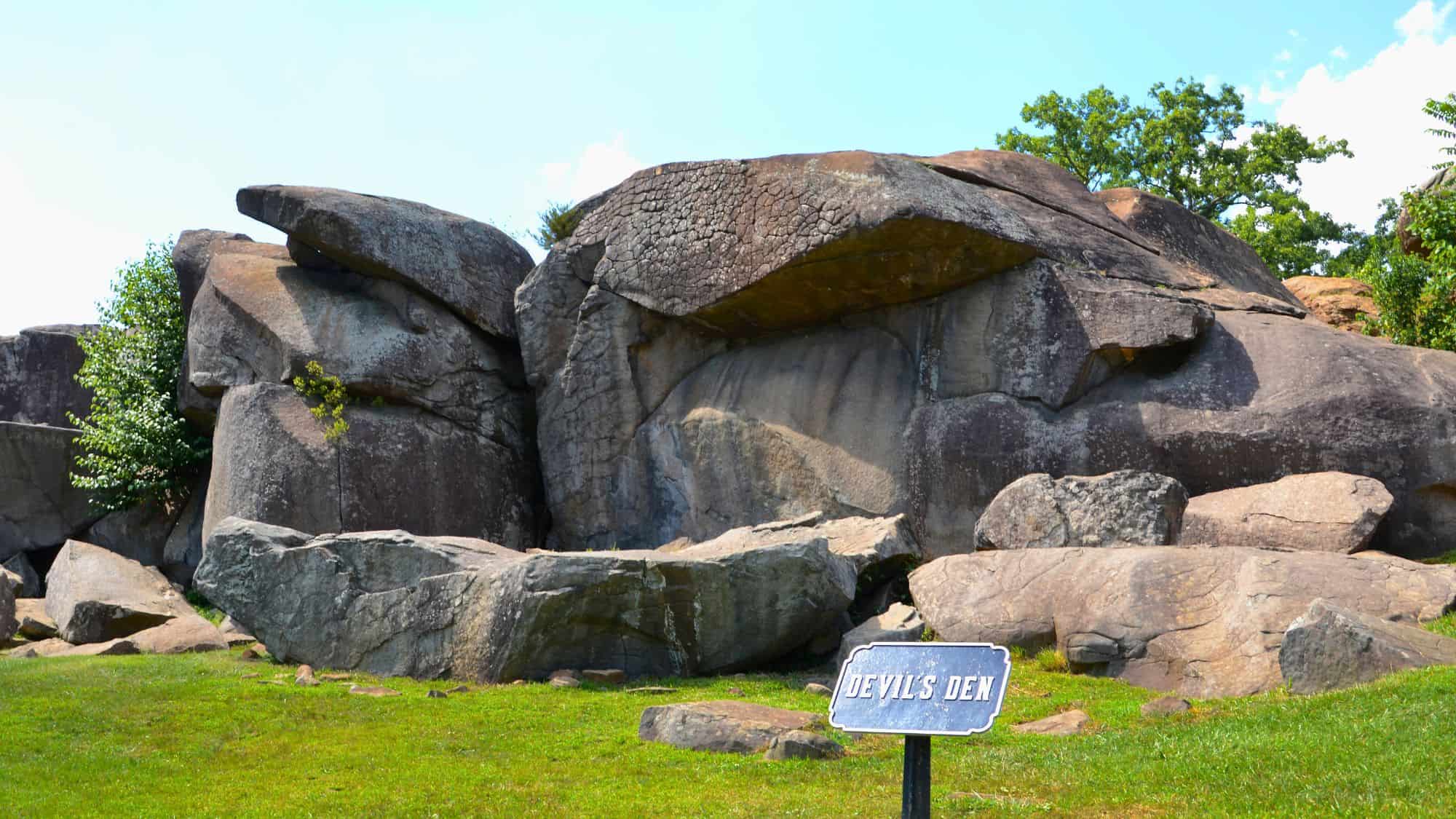
Few places on the battlefield possess a name as ominous or a reputation as dark as Devil’s Den.
This jumble of massive granite boulders was the site of intense, chaotic fighting on the second day of the battle, where Confederate sharpshooters used the rocks for cover to pick off Union officers on Little Round Top. The fighting here was brutal and confused, leaving bodies wedged between crevices and strewn across the rocky terrain.
Today, it is widely considered one of the most active paranormal hotspots in the park, with visitors frequently reporting camera malfunctions and battery drains that only resolve once they leave the immediate area.
The most persistent legend here involves a barefoot, ragged-looking soldier often described as belonging to a Texas regiment. Witnesses claim this disheveled figure approaches them, sometimes pointing toward the rocks and saying, “What you’re looking for is over there,” before vanishing into thin air. He doesn’t appear malicious, merely lost or perhaps helpful, stuck in a loop of the battle’s aftermath.
The rocky landscape itself seems to hold onto the energy of the conflict. Some people have reported hearing the phantom sounds of gunfire or the heavy tramping of boots when no one else is around.
Tillie Pierce House Inn
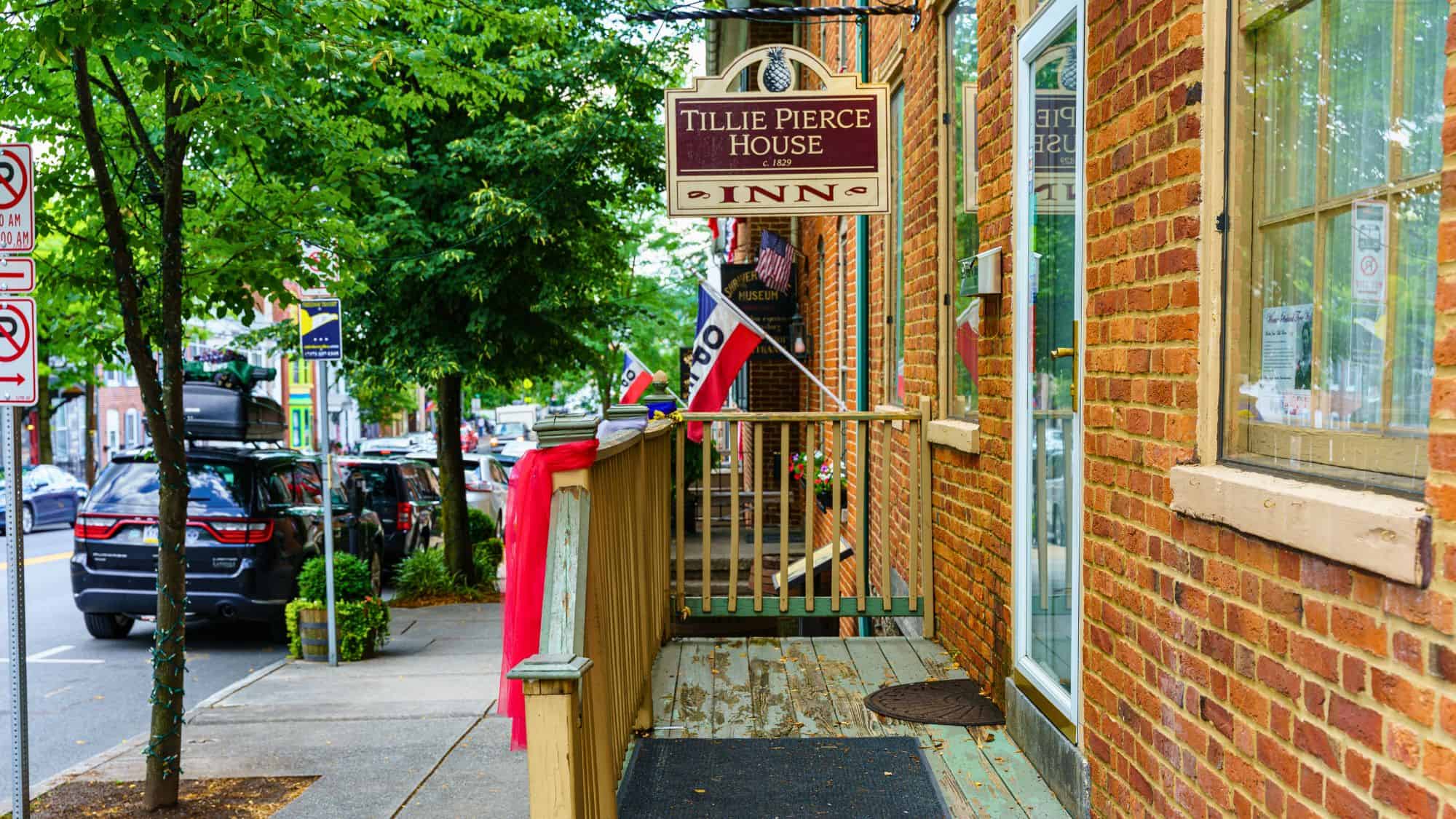
During the battle, ordinary homes were transformed into scenes of unimaginable suffering, and the Tillie Pierce House Inn is a prime example.
Matilda “Tillie” Pierce was just a teenager when the war arrived on her doorstep, and she later wrote a famous account of her experiences. The house, located on Baltimore Street, became a hub for the wounded and dying.
It is said that the sheer amount of trauma absorbed by these walls has left a permanent imprint. Guests staying at the inn today often report a feeling of being watched, particularly in the “Blue Room,” where phenomena are frequently noted.
The activity here isn’t limited to vague feelings. Visitors have reported hearing footsteps pacing the hallways at night when all guests are accounted for in their beds. Others claim to have seen the apparition of a soldier walking down the stairs or standing near the beds, seemingly keeping guard.
There are also stories of a spectral cat that jumps onto beds, with guests feeling the distinct weight of an animal landing near their feet, only to find nothing there when they turn on the lights.
The haunting here feels domestic yet sorrowful, a lingering echo of the exhausted nurses and suffering soldiers who once crowded these rooms. It serves as a reminder that the battle wasn’t just fought in the fields, but in the parlors and bedrooms of the town’s residents.
Daniel Lady Farm
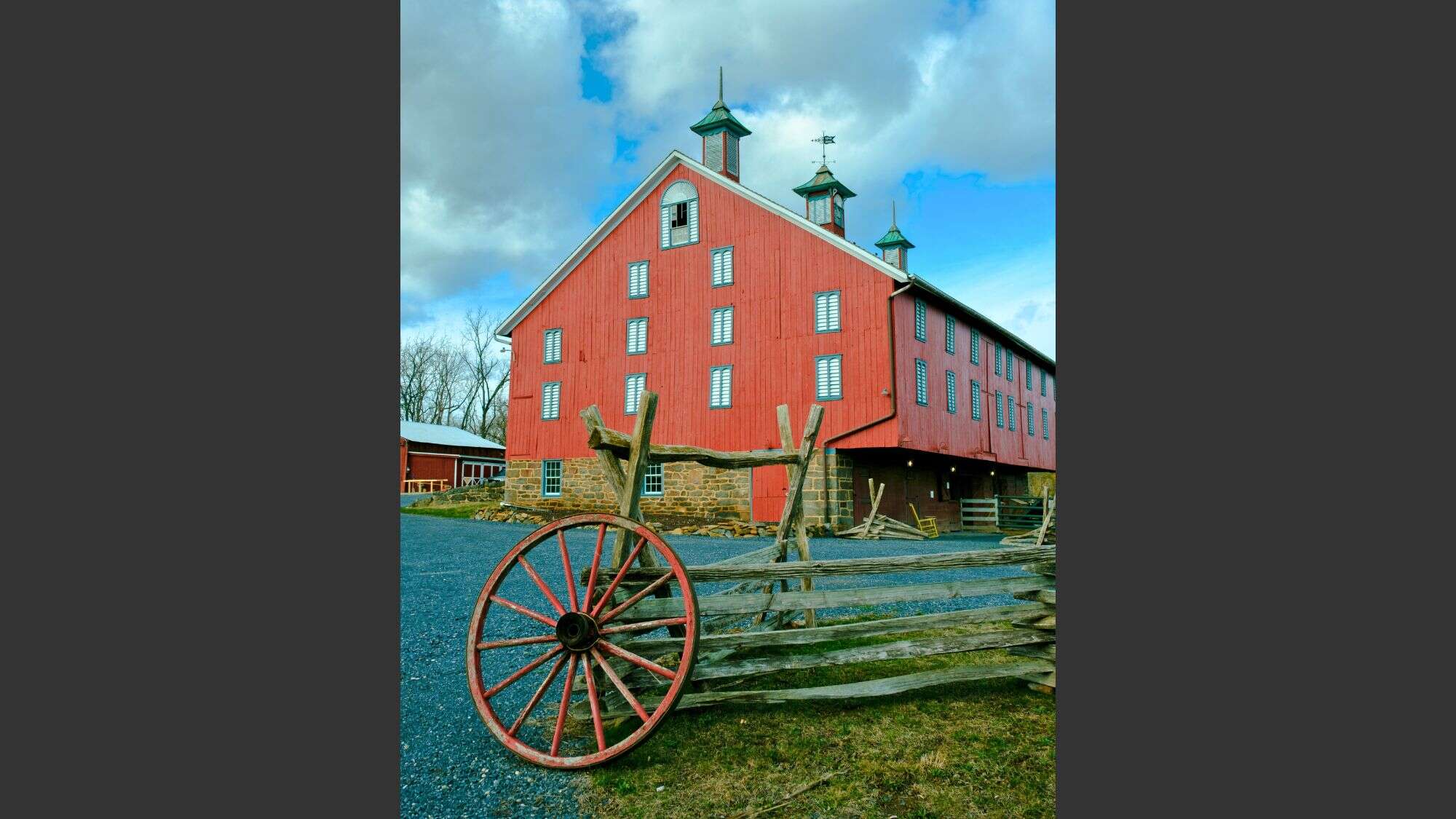
The Daniel Lady Farm offers a visceral connection to the past, having served as a field hospital for Confederate troops during the conflict. The horrors witnessed here were gruesome, as surgeons worked tirelessly in the house and barn to treat catastrophic injuries.
The historic evidence is physically embedded in the structure; bloodstains from the wounded are still visible on the floorboards, a chilling testament to the surgeries performed without modern anesthesia or antiseptics.
It is a place where the line between history and the supernatural is exceptionally thin, driven by the intense emotional and physical pain that occurred on the property.
Paranormal investigators and visitors often recount seeing the full-bodied apparition of General Isaac Ewell, who used the farm as his headquarters. Others speak of seeing soldiers wandering the grounds, perhaps looking for their units or a place to rest.
Inside the barn, where many soldiers spent their final moments, people have reported feelings of overwhelming sadness and sudden, unexplained cold spots even in the heat of summer. The phenomena here are often described as residual, like a recording of the past playing over and over again.
Sachs Covered Bridge
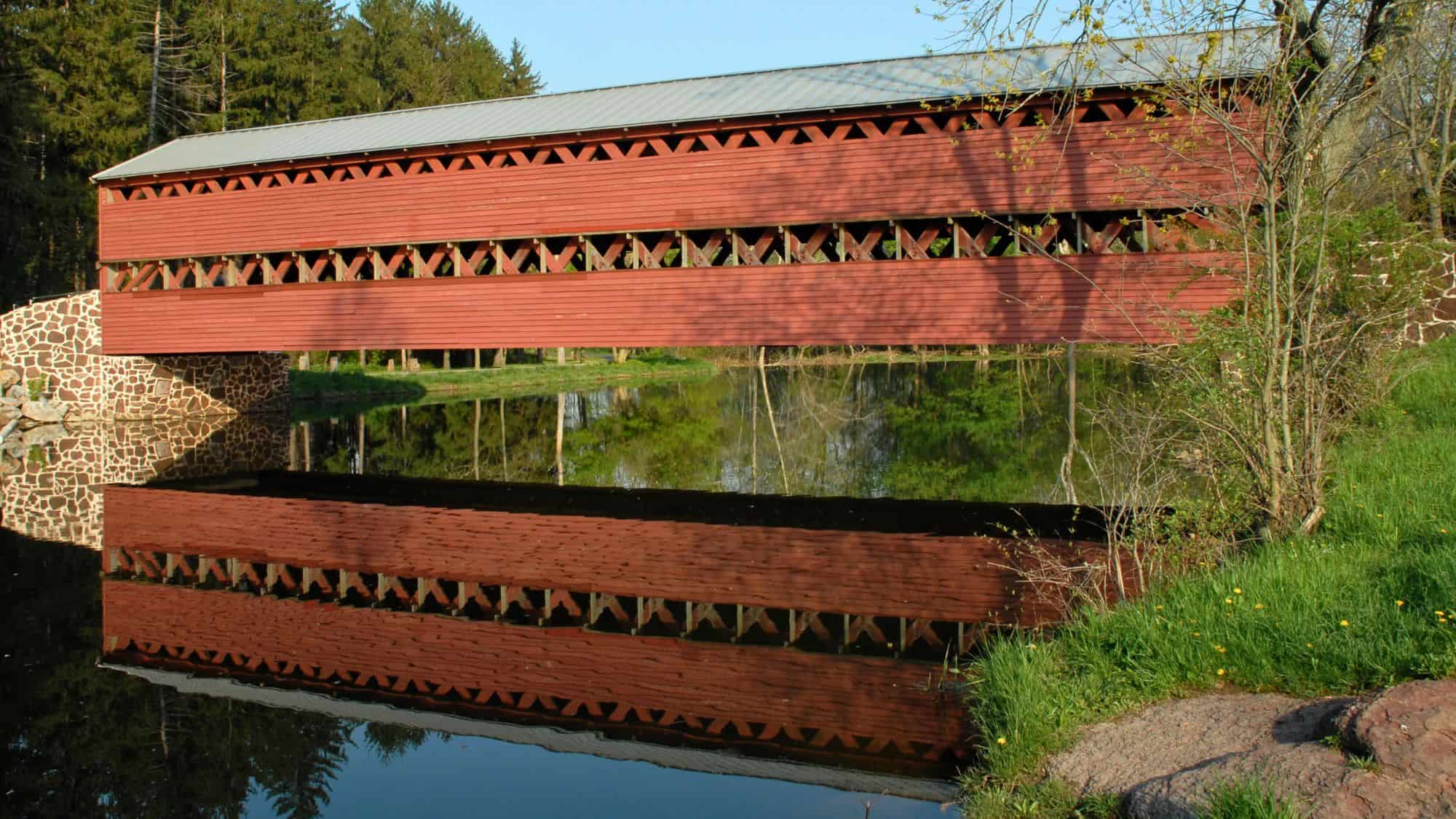
Spanning Marsh Creek, the Sachs Covered Bridge is visually striking. It’s a beautiful example of mid-19th-century craftsmanship known as the “Town Lattice” truss design.
However, its beauty hides a darker reputation. During the Confederate retreat after the battle, portions of the Army of Northern Virginia crossed this bridge to escape pursuing Union forces.
Local lore takes a grim turn here, with persistent legends claiming that three Confederate soldiers were hanged from the bridge’s support beams, either for being spies or for desertion. While historical documentation for the hangings is debated, the stories have cemented the bridge’s status as a major paranormal site.
Witnesses visiting the bridge, particularly at night, often report the overwhelming smell of cigar smoke when no one is smoking. This is sometimes attributed to the spirit of General Longstreet or other officers who might have overseen the retreat.
More unsettling are the reports of physical sensations; visitors have claimed to feel taps on their shoulders or a sudden tug on their clothing. And strange mists and anomalies frequently appear in photographs taken inside the bridge tunnel.
The enclosed nature of the bridge amplifies the sound of the creek below, but some swear they hear the distinct thud of marching feet or the sound of horses’ hooves striking the wooden deck, echoing the desperate retreat that took place over a century ago.
Jennie Wade House
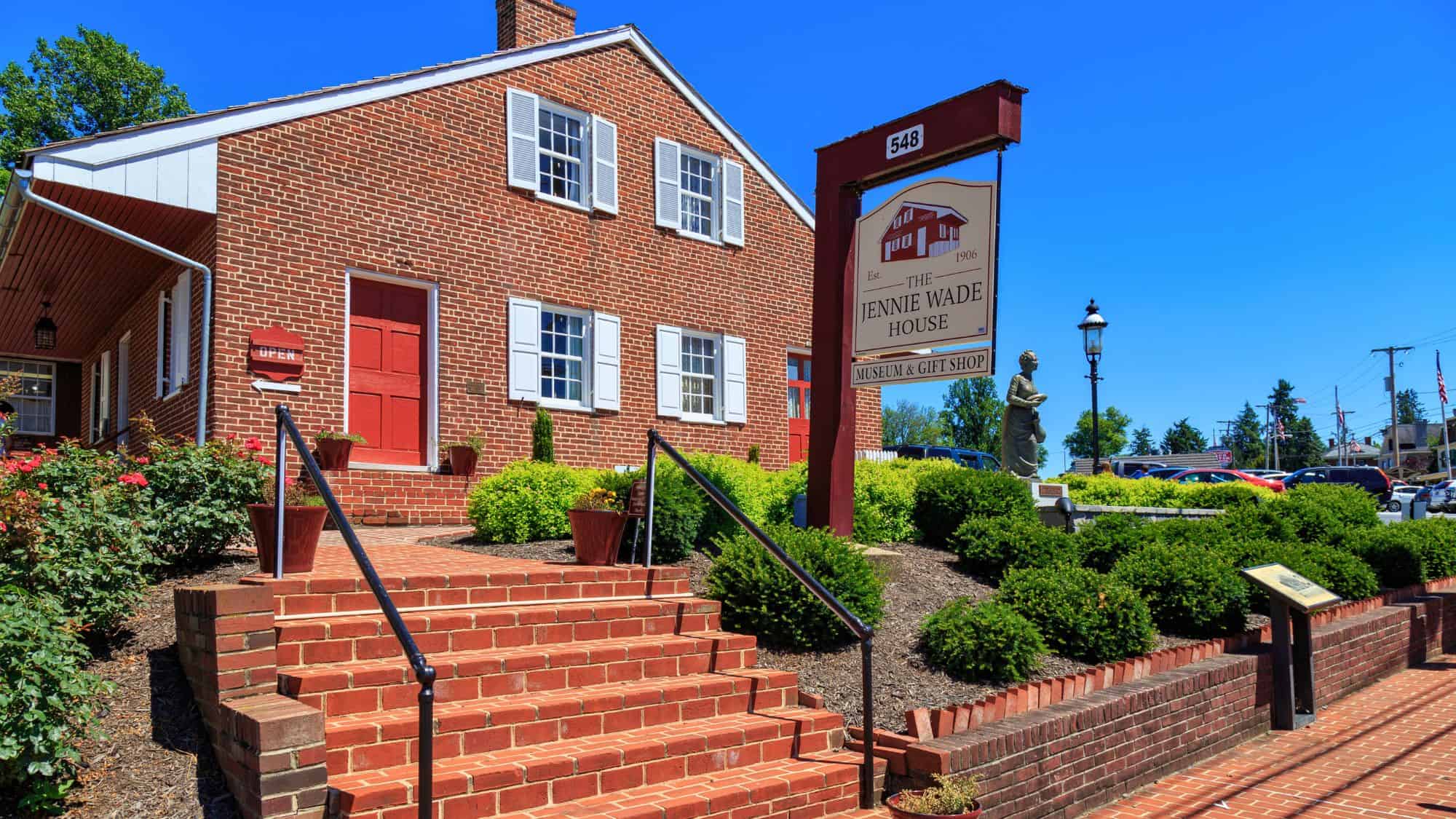
The tragedy of the Battle of Gettysburg was not strictly limited to the military. Mary Virginia “Jennie” Wade holds the unfortunate distinction of being the only civilian killed directly during the battle.
She was just 20 years old, baking bread for Union soldiers in her sister’s kitchen, when a stray bullet passed through two doors and struck her in the back, killing her instantly.
The house on Baltimore Street has been preserved as a museum, and the bullet hole is still visible in the door, marking the exact trajectory of the fatal shot. Her sudden, violent death is believed to be the catalyst for the haunting activity reported here.
Visitors and guides often describe a heavy, sorrowful atmosphere in the kitchen area. There have been reports of the smell of fresh bread or roses wafting through the air without a source.
The spirit of Jennie’s father, who was known to be mentally unstable and lived in the cellar, is also said to inhabit the house; some guests claim to feel a malevolent or grumpy presence in the basement area. And physical contact is occasionally reported, with people feeling a cold touch on their hand or arm.
The tragedy of a young woman cut down in the safety of a home makes this location particularly poignant, and the paranormal claims suggest a spirit that was taken far too soon, perhaps still trying to finish her daily chores.
Cashtown Inn
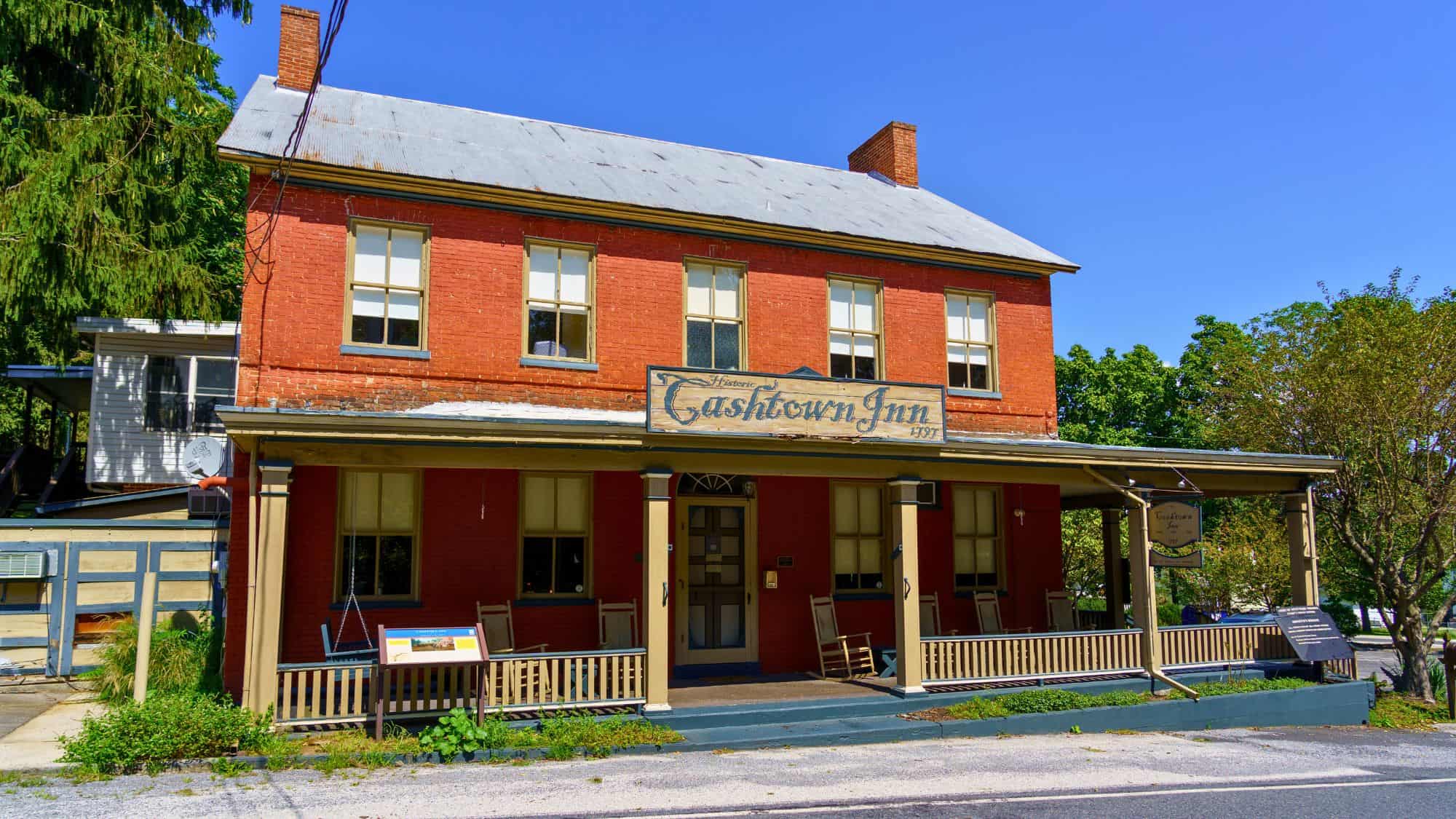
Located just a few miles west of Gettysburg, Cashtown Inn has a history that predates the battle. Built in 1797, it served as a stagecoach stop and later became the first stop for many Confederate soldiers as they marched toward Gettysburg.
During the campaign, the inn was used as a headquarters by Confederate General A.P. Hill, and the basement served as a field hospital and a temporary morgue. The cellar was filled with the wounded and the dead as the battle raged nearby.
This concentration of pain and death has led to the inn being featured on numerous paranormal television shows and cited by guests as a hotbed of activity.
Guests staying at the inn have reported hearing heavy footsteps in the hallways and the sound of doors opening and closing on their own. Some have described seeing the apparitions of Confederate soldiers in the guest rooms or wandering the halls.
There are also accounts of unexplained knocking sounds coming from inside the walls. The attic is another focal point, where shadowy figures have been spotted, and strange noises are frequently heard.
The inn embraces its haunted reputation, keeping a logbook for guests to record their experiences. Reading through the entries reveals a consistent pattern of unexplained events, suggesting that the soldiers who passed through Cashtown on their way to the fight never truly checked out.
Stevens Hall at Gettysburg College
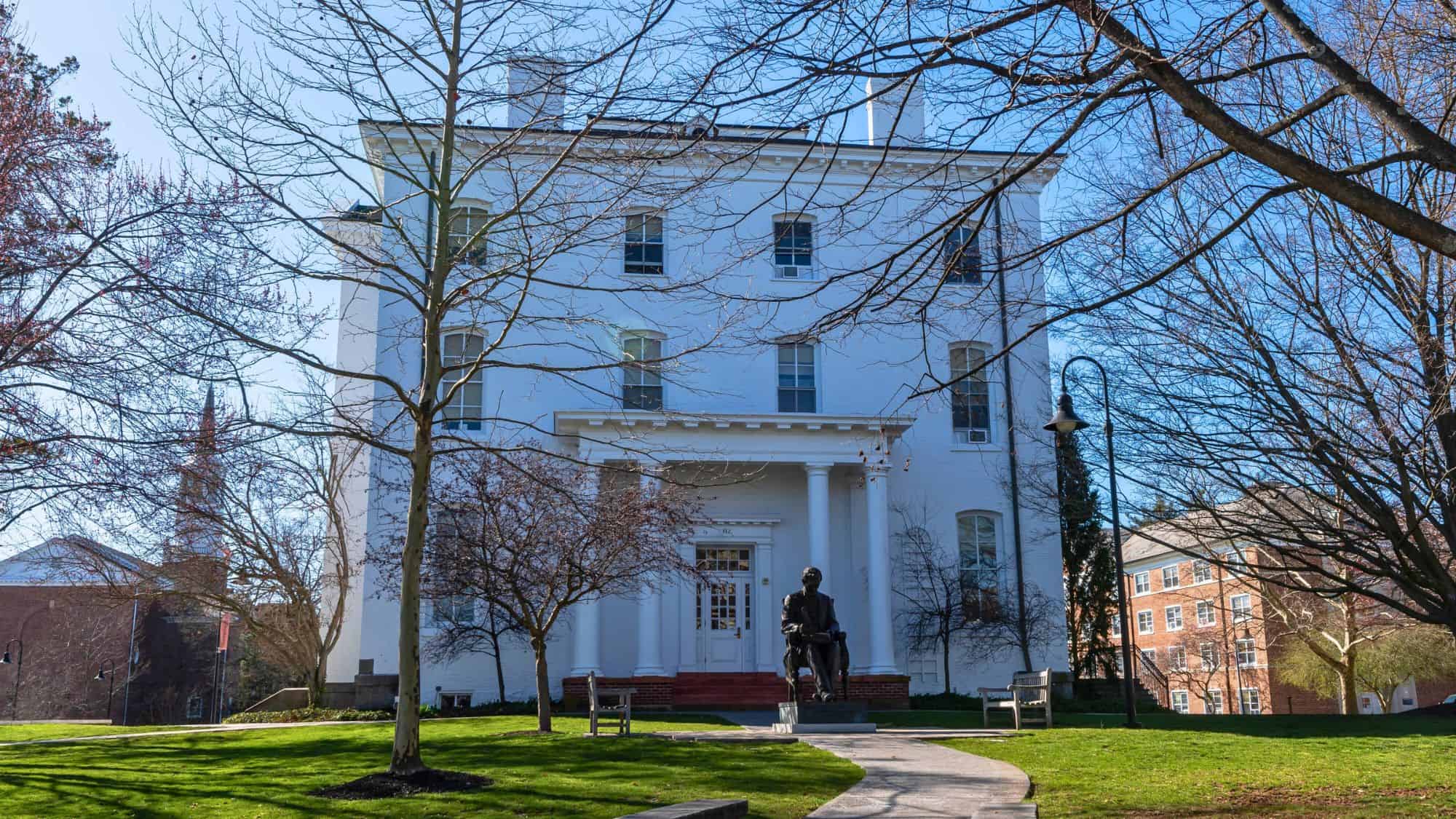
Gettysburg College, then known as Pennsylvania College, was engulfed by the war as fighting swept through the town.
Stevens Hall, a distinctive building constructed in 1868 just after the war, is technically post-battle, but the land it sits on saw significant action, and the college itself was used as a massive hospital complex. The building is an active dormitory today, and generations of students have passed down stories of the “Blue Boy.”
Legend says this entity is the spirit of a young orphan who sought shelter in the hall during a harsh winter, was hidden by students, and subsequently vanished or died under mysterious circumstances.
Students living in Stevens Hall have reported seeing the face of a young boy with a blue tint peering into windows or reflecting in mirrors. The haunting is often described as mischievous rather than threatening. Lights are said to flicker, objects are moved around in dorm rooms, and the sound of a child running down the hallway is heard when no children are present.
While the Blue Boy is the most famous resident, the college campus at large is rife with stories of spectral sentries pacing the cupolas of other buildings.
Little Round Top
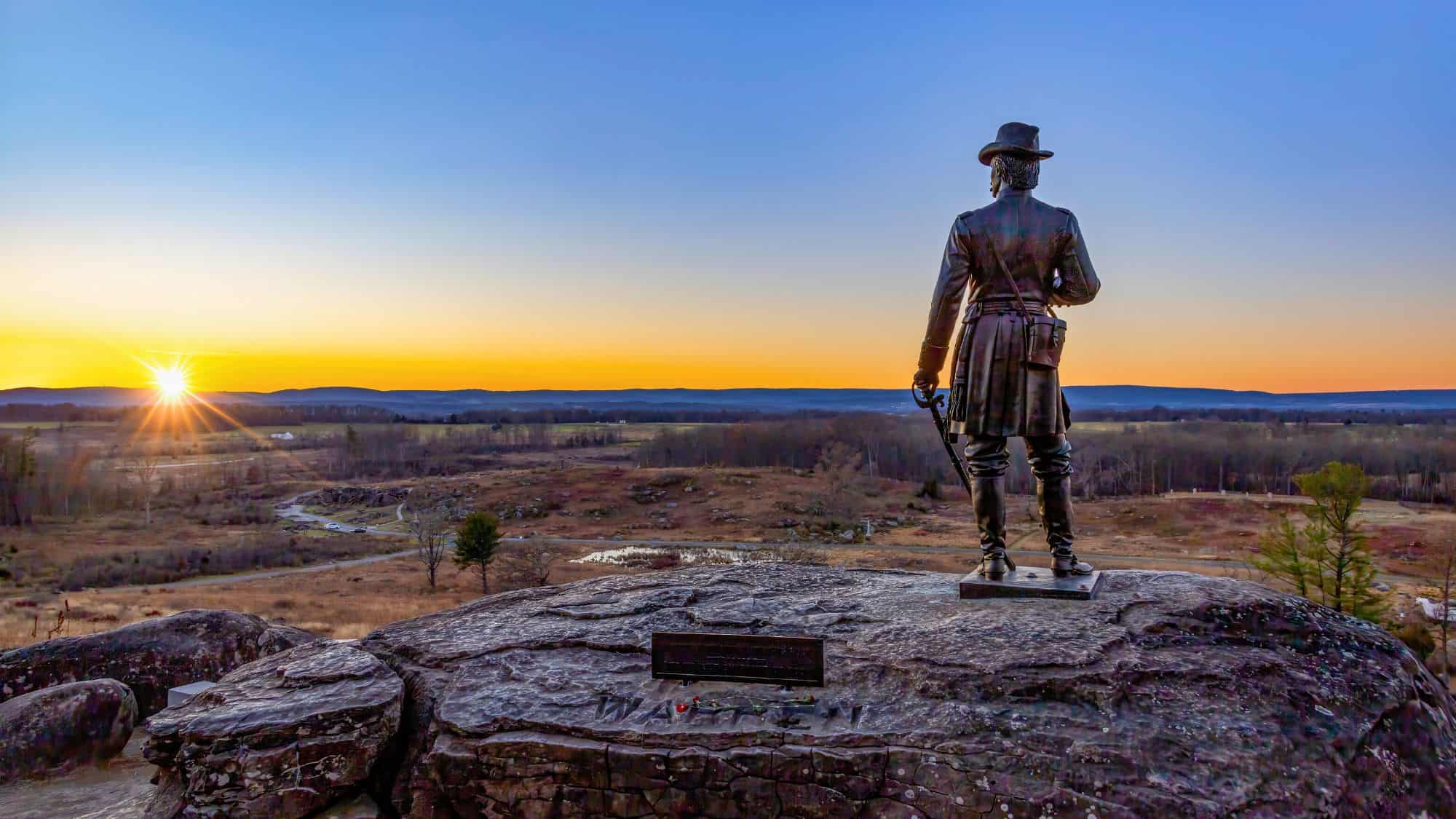
This rocky hill was the linchpin of the Union line on July 2, 1863. The defense of Little Round Top is legendary, featuring the 20th Maine’s desperate bayonet charge led by Colonel Joshua Chamberlain.
The fighting here was hand-to-hand and incredibly savage, as Union troops fought to hold the high ground against repeated Confederate assaults.
Visitors to Little Round Top often report the smell of gunpowder, sulfur, and the metallic scent of blood, even on clear, breezy days. There have been sightings of shadowy figures moving among the trees and dodging behind rocks, mimicking the movements of soldiers in combat.
Some have claimed to see a soldier in a generic uniform who appears to be keeping watch over the valley below. And auditory phenomena are common here as well, with people reporting the sounds of shouting, commands being barked out, and the clash of metal.
The energy at Little Round Top is often described as frenetic and anxious, reflecting the desperate nature of the defense that saved the Union line from collapsing.
The Angle
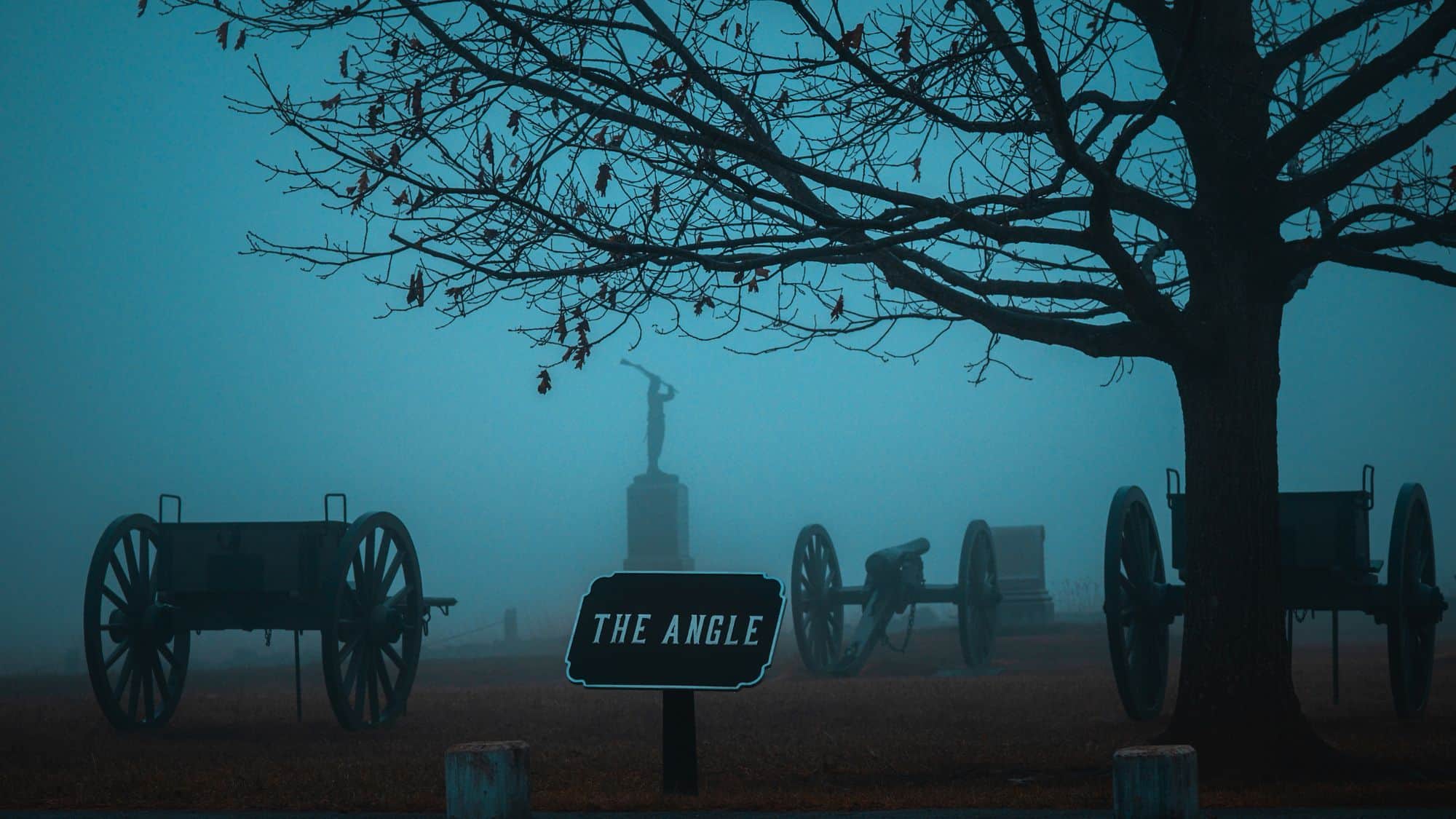
The Angle, located on Cemetery Ridge, was the focal point of Pickett’s Charge on the third and final day of the battle. It is often referred to as the “High Water Mark of the Confederacy.”
Here, thousands of Confederate soldiers marched across open fields into withering Union fire. The few who breached the stone wall engaged in brutal hand-to-hand combat before being repulsed. The casualty rate in this small area was staggering.
Standing at The Angle today, looking out over the fields where so many men fell, it is difficult not to feel the immense weight of the loss of life that occurred in less than an hour.
The haunting activity here is often auditory. Visitors report hearing the distinct sounds of battle: the roar of cannons, the rebel yell, and the cries of the wounded. These sounds are sometimes so clear that people look around expecting to see reenactors, only to find the fields empty.
Visual apparitions are also reported, particularly at twilight. Figures have been seen walking near the stone wall or emerging from the mist in the fields.
The atmosphere here is usually described as heavy and solemn. Unlike the chaotic energy of the rocks at Devil’s Den, The Angle often feels mournful, a silent testament to the thousands of lives that were extinguished in the futile charge that effectively decided the battle.
Gettysburg Hotel
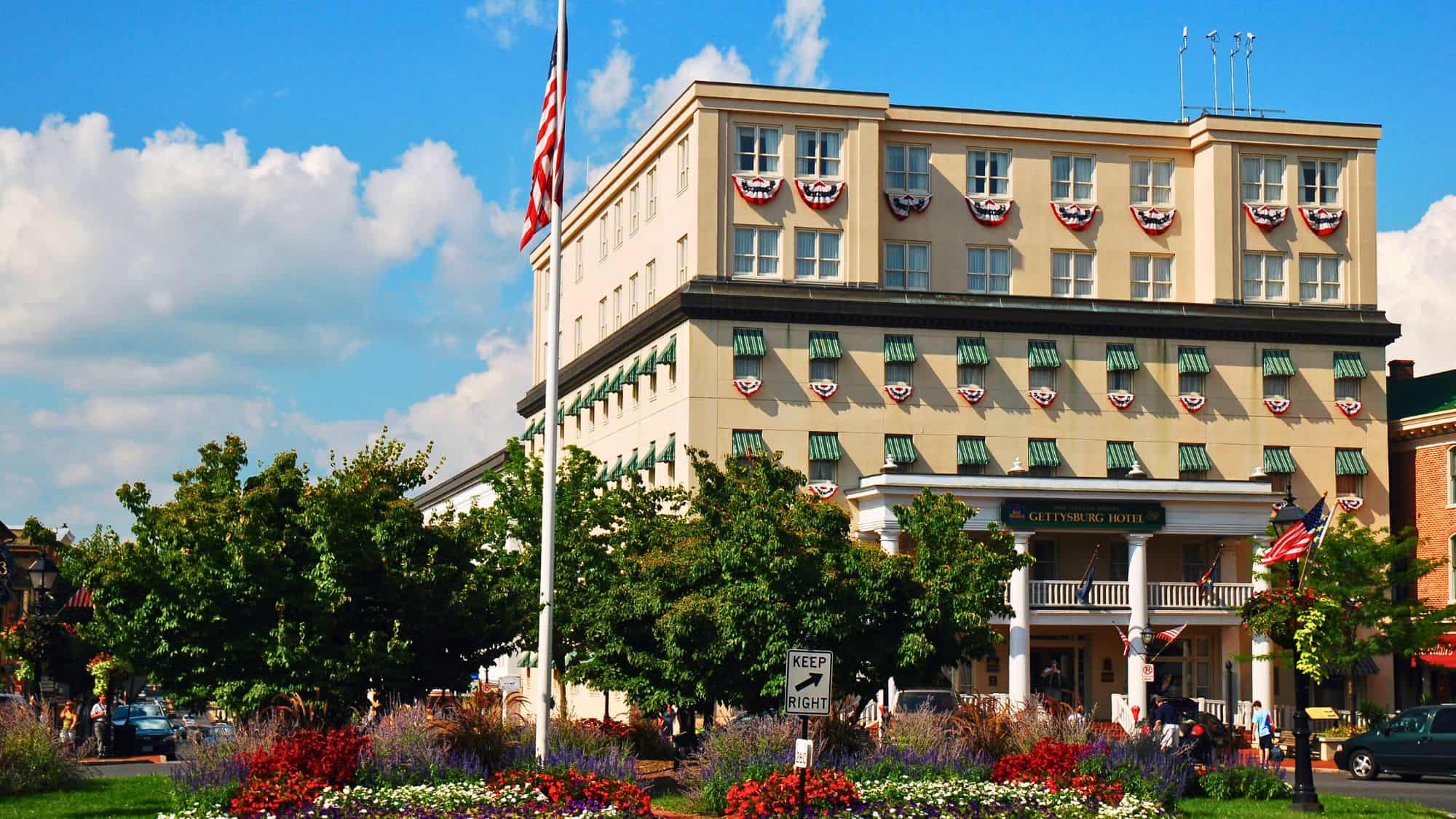
Situated in the heart of Lincoln Square, the Gettysburg Hotel has a history that stretches back to 1797. It was ideally positioned to witness the battle and the Gettysburg Address, and it served as a hospital during the conflict.
The hotel has been renovated many times, but its core remains deeply tied to the town’s history. One of the most famous spirits said to reside here is a Civil War nurse named Rachel. Unlike the tragic figures found on the battlefield, Rachel is often described as a helpful, if sometimes intrusive, presence who is still trying to care for her patients.
Rachel is reportedly most active in the rooms, where guests have claimed to find their drawers opened and clothes reorganized, as if she were tidying up. Others have reported seeing a woman in 1860s period clothing walking the hallways or standing near the ballroom.
In addition to Rachel, there are stories of a wounded soldier named James who haunts the hotel. Encounters with him are often described as sad; he is sometimes seen in the mirrors or sitting in a chair before fading away.
The hotel embraces its history, and the paranormal claims are just another layer of the guest experience, blending the luxury of a modern stay with the unshakeable reality of the building’s past use as a house of healing.
Dobbin House Tavern
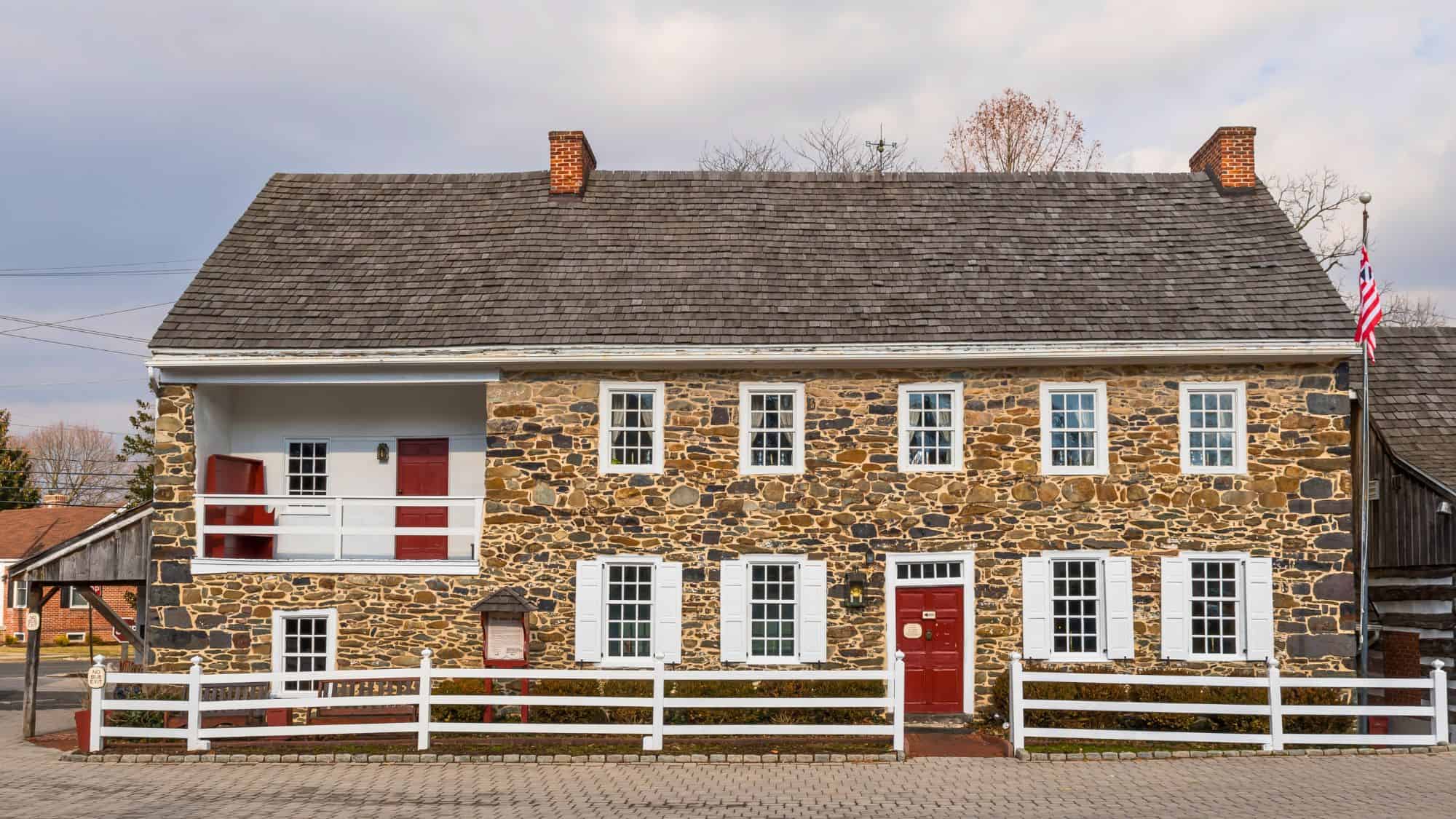
Built in 1776, Dobbin House is the oldest standing building in Gettysburg. It began as a home for Reverend Alexander Dobbin and was a stop on the Underground Railroad, with a secret crawl space used to hide enslaved people seeking freedom.
During the battle, it too was pressed into service as a hospital.
The building is now a popular restaurant, but the layers of history here run deep. The stone walls and low ceilings create an atmosphere that feels suspended in time, and staff and diners alike have reported strange occurrences for years.
The spirit of Alexander Dobbin himself is said to smoke a cigar in the building, and the distinct smell of tobacco often appears without explanation.
There are also reports of apparitions of enslaved people and soldiers appearing in various parts of the tavern. One particularly eerie claim involves bloodstains that allegedly reappear on the floorboards despite efforts to clean or cover them, remnants of the amputations performed there. Rocking chairs have been seen moving on their own, and supplies in the kitchen are sometimes rearranged.
Like Our Content? Follow Us on MSN (or click the Follow Button above) for more from Discover Parks & Wildlife.