Discover Parks & Wildlife contains affiliate links and is a member of the Amazon Services LLC Associates Program. If you make a purchase using one of the Amazon links, we may receive compensation at no extra cost to you. We may also use select AI tools to support our creative process, but all content is reviewed, refined, and finalized by our human team. See our disclosure policy and our AI use policy for more information.
12 Incredible Wildlife Encounters You Can Only Have In U.S. National Parks
There’s something undeniably thrilling about spotting wildlife that calls the U.S. home and nowhere else on the planet. From peculiar-looking creatures to magnificent animals that epitomize “only in America,” these encounters are the stuff of bucket list dreams.
Where’s the best spot to find them? National parks, of course. These protected landscapes are like exclusive backstage passes to the animal kingdom, offering you a front-row seat to sights you truly won’t see anywhere else. The blend of pristine ecosystems and endless opportunities to explore means these parks are treasure chests of biodiversity just waiting to be uncovered.
And while the animals are doing their thing (probably way better at adulting than most of us), all you have to do is show up and keep your head on a swivel; you might just find yourself face-to-face with something unforgettable and found only here in the States. What a treat, huh?
Roosevelt Elk
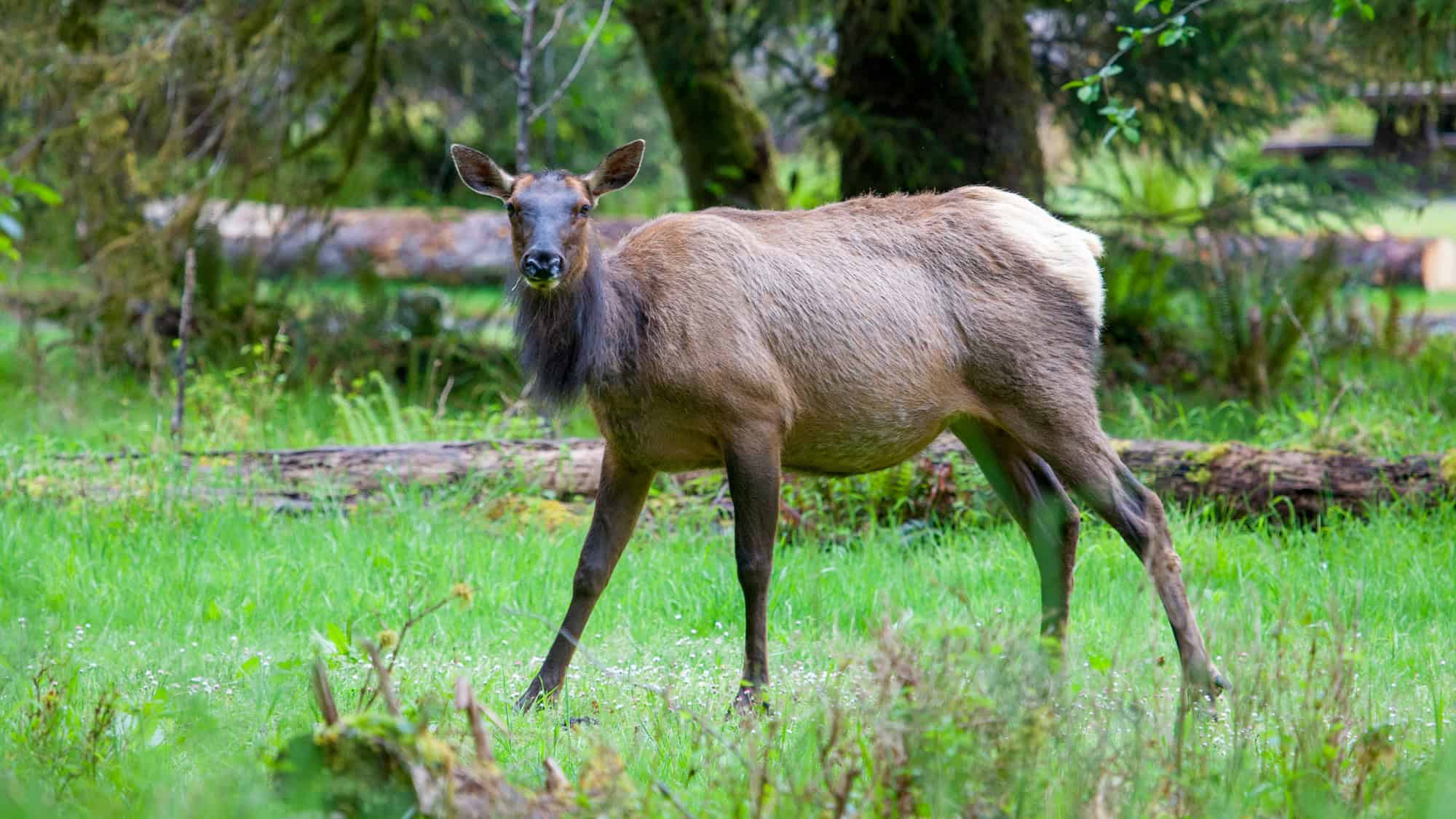
The Roosevelt elk, a creature so majestic it would probably demand a red carpet if it could, roams the misty forests of Olympic National Park. Weighing in at over 1,000 pounds and claiming the title of the largest elk subspecies, these giants are exclusive to the Pacific Northwest.
They’re like the forest’s heavyweight champions, casually munching on ferns and shrubs while looking utterly unbothered by the human fascination with their grandeur. Named after Theodore Roosevelt (because who else gets this kind of honor?), these elk play a vital role in their ecosystem by shaping vegetation and creating habitats for other animals.
And if you’re lucky enough to spot one, treat it as your cue to appreciate why conservation matters. Losing them would truly be a massive loss.
Sierra Nevada Bighorn Sheep
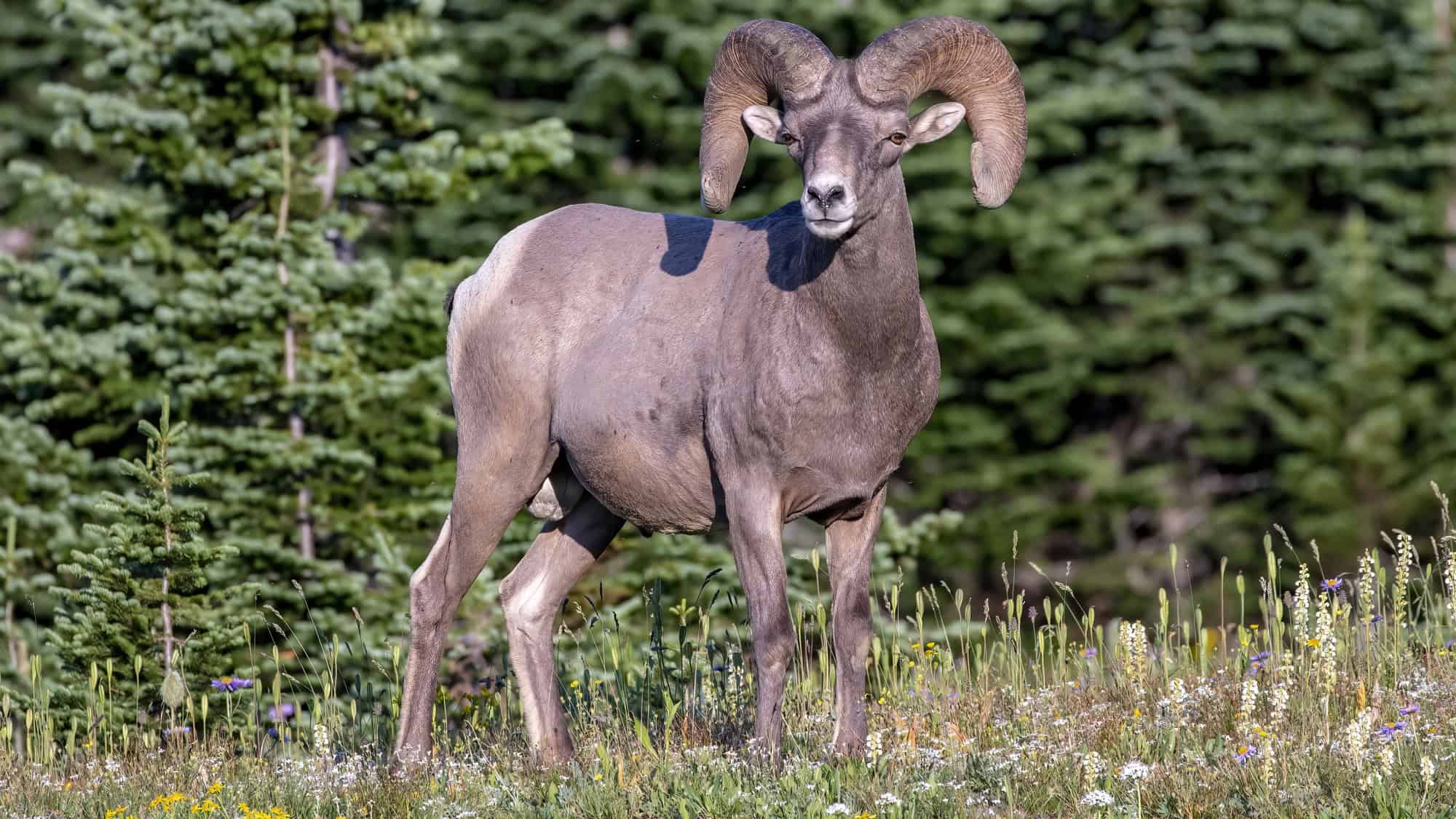
These sheep practically define resilience, thriving where most of us wouldn’t last a weekend. The endangered Sierra Nevada bighorn sheep call the high-altitude landscapes of Yosemite and Sequoia home… which means their daily commute probably involves scaling vertical cliffs (no big deal).
Their curved horns, which would put even the finest crown to shame, aren’t just for show. Turns out, they’re tools of the trade and handy in territorial disputes.
Once on the brink of extinction due to habitat loss and hunting, these agile climbers have been making a steady comeback through Herculean conservation efforts. And spotting one is like winning the jackpot of wildlife sightings. But bring binoculars; these sheep don’t exactly hang out in the valleys waiting for photo ops.
Hawaiian Monk Seal

The Hawaiian monk seal is one of those rare creatures that can make lounging on a beach look like a duty of national importance. Found only in the Hawaiian Islands, this critically endangered species is essentially an ambassador of how to chill responsibly.
With fewer than 1,500 of them left, every sighting feels charged with meaning (until you notice the seal throwing sand on itself to stay cool, and then it’s hard not to laugh).
But despite their laid-back appearance, monk seals face a gauntlet of challenges, from habitat loss to climate change. So it’s a good thing conservationists are fighting the good fight, ensuring these adorable pinnipeds stick around.
Gila Monster
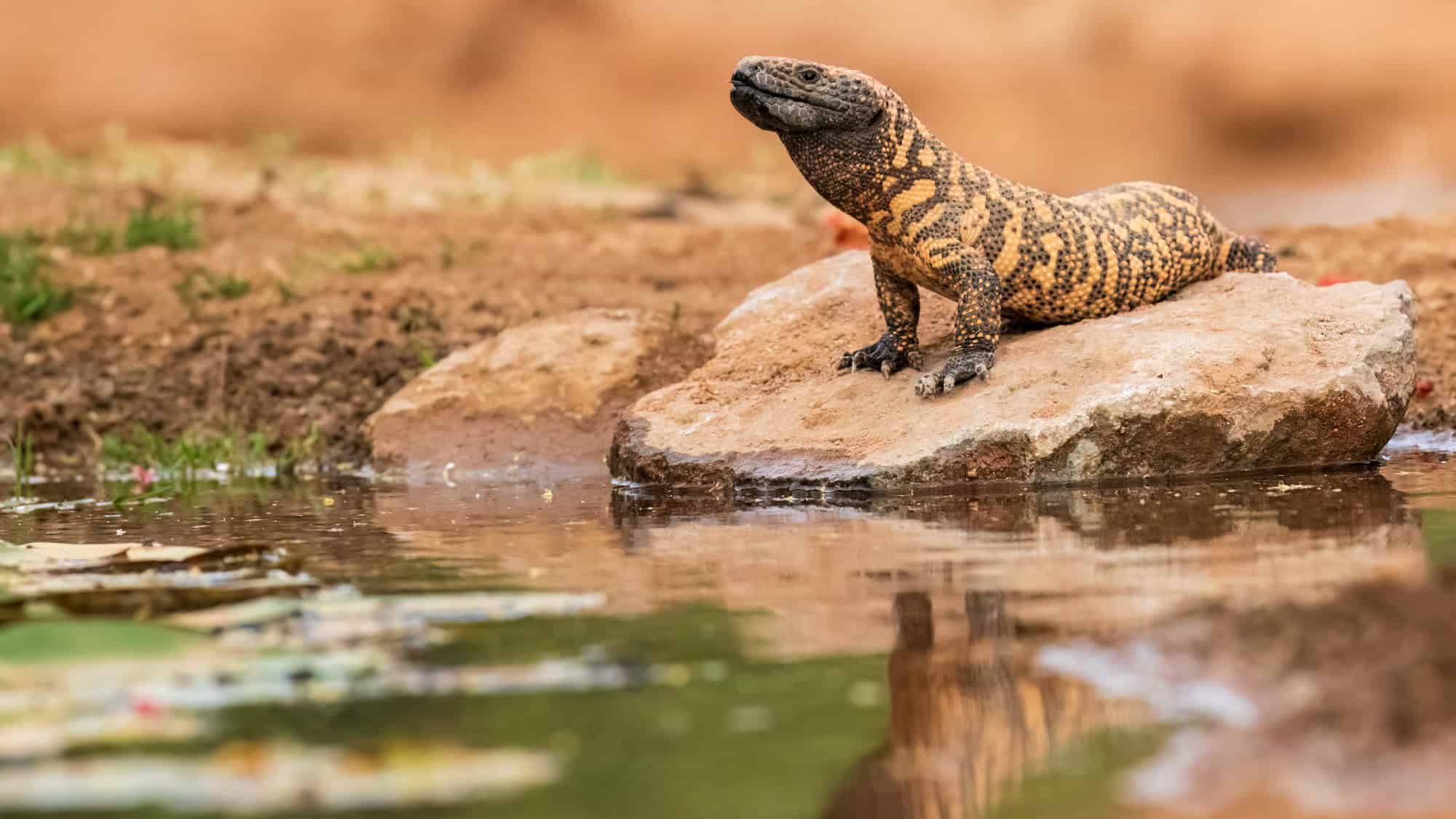
The gila monster is proof that you don’t have to be big to command respect. Native to the arid deserts of the Southwest, this venomous lizard can grow up to two feet long and rocks a striking orange-and-black pattern, which is nature’s way of saying, “Don’t mess with me.”
They’re slow movers, taking life at a pace that would make a sloth seem hyperactive, but that doesn’t make them any less fascinating. But don’t worry if you spot one; their venomous bite is rarely a concern for humans. And gila monsters are more interested in minding their own business and snacking on small birds and eggs than wondering what you are up to on the trails.
Did you know they play an important role in controlling pest populations? Yep. So spotting one in Saguaro National Park feels like stumbling upon a desert legend.
Florida Panther

The Florida panther isn’t just a cougar with a fancy name; it’s a survivalist superstar thriving in the swamps and forests of southern Florida. This sleek predator pads through the Everglades and Big Cypress like a true wilderness ninja, staying out of sight but at the top of the food chain.
Smaller than its western cousins, it’s a bit of an underdog in the panther world, which somehow makes it all the cooler. Unfortunately, with habitat loss and fewer than 200 left in the wild, spotting one is about as rare as… well, seeing a manatee do a backflip.
But don’t count them out just yet. Conservation efforts are steadily giving these cats a fighting chance. And they’re a bold symbol of resilience, stalking their way through history, one majestic stride at a time.
Island Fox

Meet the island fox, a mini-predator with mega-attitude. Found only on California’s Channel Islands, these fluffballs (smaller than your average housecat) are proof that good things come in small packages.
With six subspecies custom-tailored to their specific islands, these crafty critters have evolved from mainland gray foxes to dominate their rural beachfront digs. Why run the rat race when you can live the island life?
If you visit the islands, you might spot one busy scrounging for berries, insects, and generally keeping things running smoothly on their island ecosystems. And thanks to recovery programs, their numbers have bounced back after a near brush with extinction, proving that they’re both tenacious and terribly photogenic.
Red-cockaded Woodpecker

The red-cockaded woodpecker is the avian version of that picky friend who demands gluten-free, dairy-free, farm-to-table everything. Why? Because this little bird insists on old longleaf pine forests and refuses to settle for anything less.
Found in the Southeastern U.S., including spots like the Everglades and Congaree, it’s an expert carpenter that drills nesting cavities into living trees. And here’s a twist: it’s also a team player, living in family groups and sharing responsibilities… proving that even picky types can be cooperative when it counts.
Unfortunately, decades of logging reduced its habitat faster than you can say “deforestation,” landing it on the endangered species list. So spotting one feels like winning a wildlife lottery.
Olympic Marmot

Think of the Olympic marmot as the mountain mascot you didn’t know you needed. Exclusive to the dramatic peaks of Washington’s Olympic Mountains, this oversized ground squirrel is the life of the alpine party.
Sporting a heavy fur coat and an adorable face, it spends its summers munching on wildflowers and grasses before hibernating like a true pro when the snow rolls in. Social to the core, these marmots spend most of their time chattering with neighbors, sounding off sharp whistles that are essentially gossip.
And while they’re thriving now, climate change might cramp their lifestyle in the future, which would be a tragic blow to the Olympic ecosystem. Love them or not, these fluffy characters are undeniable icons of their high-altitude home.
American Alligator

Native to the southeastern U.S., the American alligator is the king of the swamp. If you spot one lounging in the marshes of the Everglades or Big Cypress, it’s probably plotting its next move… or more likely just taking a nap.
With a bite force that could crush a bowling ball (seriously, don’t test this), they’re intimidating yet oddly endearing when you catch them basking in the sun. And they’re vital for maintaining their wetland habitats, creating “gator holes” that provide essentials for all the other critters just trying to survive swamp life.
Did you know that these scaly legends were once on the brink of extinction? You wouldn’t know it today, where they are on every corner of the Everglades (almost like a comeback story that belongs in a movie, don’t you think?).
Kaibab Squirrel

The Kaibab squirrel looks like it just got back from a squirrel costume party where the theme was “stand out but still match nature.” With a dramatic black coat and a tail fluffier and whiter than fresh snow, this acorn aficionado only hangs out on the Kaibab Plateau in Arizona.
Living at the Grand Canyon’s North Rim, these squirrels feast on Ponderosa pine seeds, treat the treetops as their personal jungle gym, and dart around like they have 27 pressing appointments. And despite their dramatic appearance, they’re essential players in forest ecosystems, helping spread the seeds that keep the Ponderosa pines thriving.
So the next time you’re marveling at the Grand Canyon, don’t forget to tip your hat to this flashy little forest dweller.
Utah Prairie Dog

Park: Bryce Canyon National Park, Utah & Capitol Reef National Park, Utah
The Utah prairie dog might be the “underdog” of the prairies at Bryce Canyon and Capitol Reef, literally being the smallest and rarest of their prairie-dog cousins.
Native to Utah’s high grassy plateaus, they live in tight-knit colonies, popping out of burrows like they’re late for a meeting about grass… and they take their grazing schedule very seriously. But don’t be fooled by their cute antics; these tiny engineers are ecosystem MVPs, aerating soil and creating habitats for other species just by digging and living their best prairie lives.
Conservation work has kept their little tails waving in the wind, but they’re still a reminder that even the smallest critters can have a massive impact and need to be protected. Plus, who doesn’t love a prairie dog with a flair for teamwork?
Nene (Hawaiian Goose)

Park: Haleakala National Park, Hawaii & Hawaii Volcanoes National Park, Hawaii
The nene, Hawaii’s beloved state bird, is basically a goose on island time. But make no mistake, life wasn’t always this breezy for them. Once on the verge of fading into memory, these rare beauties were reintroduced into the wild and now rule the open landscapes of Haleakala and Hawaii Volcanoes National Parks.
With feet specially evolved to handle rocky lava terrain (I mean, why settle for pond-life when you can hike lava?), the nene is a true survivor. These geese have swapped the honking chaos of mainland flocks for a quieter, more contemplative life, foraging grasses and berries with their families close by.
Finding one feels like crossing paths with a rare gem: majestic, hardy, and a true symbol of Hawaiian resilience.
Like Our Content? Follow Us on MSN (or click the Follow Button above) for more from Discover Parks & Wildlife.
15 Animal Species That Have Adapted Well To Human Encroachment

If you think the animal kingdom couldn’t surprise you more, wait until you meet the crafty critters thriving in our concrete jungles. They’ve got survival skills that would put spies to shame.
16 Animals With Nose Skills That Will Astonish You

Prepare to have your mind blown by these furry, feathered, and downright fascinating sniffing machines. They’ll sniff out things you didn’t even know existed. Who knew noses could be this impressive?
14 Galapagos Exclusives: Animals You Won’t See Anywhere Else

Curious about creatures that make unicorns seem ordinary? You’ll want to check this out. It’s like unlocking a secret level of wildlife wonder.