Discover Parks & Wildlife contains affiliate links and is a member of the Amazon Services LLC Associates Program. If you make a purchase using one of the Amazon links, we may receive compensation at no extra cost to you. We may also use select AI tools to support our creative process, but all content is reviewed, refined, and finalized by our human team. See our disclosure policy and our AI use policy for more information.
These 12 National Parks Faced Massive Fires — And Are Still Staggeringly Beautiful
The American landscape is undergoing a dramatic transformation as wildfire seasons become longer and more intense. For generations, visitors to national parks expected to see pristine, green forests, but the reality of travel today often includes driving past blackened trunks and hiking through regenerating shrublands.
This shift is not entirely negative, however. Fire is a natural and necessary ecological process that clears out dead fuel and allows new life to emerge from the ash. But the severity of recent blazes, driven by prolonged drought and changing climate patterns, has left scars that will remain visible for decades.
Understanding this new reality is essential for anyone planning a trip to these public lands. You may find that your favorite hiking trail is closed for restoration, or that a scenic drive now offers sweeping views of a recovering burn scar rather than a tunnel of dense pines.
The following parks and forests have faced significant fire events in recent years, and the evidence of those flames continues to define the visitor experience today.
Sequoia And Kings Canyon National Parks, California
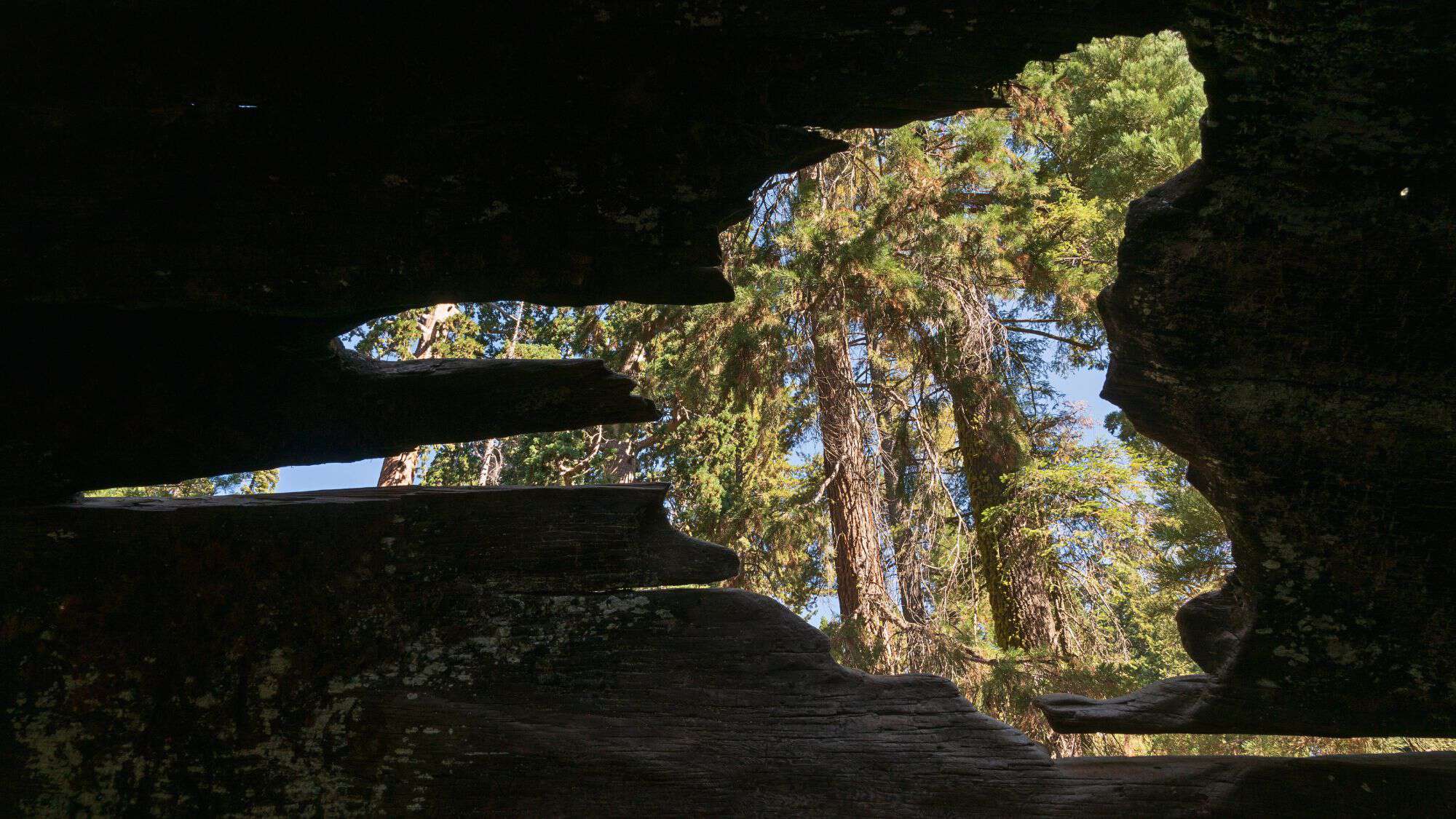
The sheer scale of the devastation in the southern Sierra Nevada is difficult to comprehend until you stand beneath the giants yourself.
Between 2020 and 2021, three massive blazes (the Castle, Windy, and KNP Complex fires) tore through the heart of the sequoia range. Scientists estimate that up to 19% of all mature giant sequoias in the world were killed during this short window.
These trees, which are naturally fire-adapted and can survive for thousands of years, were overwhelmed by the unprecedented intensity of the flames fueled by accumulated undergrowth and extreme drought.
When you visit today, the impact is immediately visible along the Generals Highway. You will drive through sections where the forest canopy has opened up significantly, revealing charred snags that stand in stark contrast to the surviving monarchs.
The National Park Service has been actively working on restoration, planting seedlings, and managing the groves to prevent future catastrophic losses.
While the General Sherman Tree and other famous giants were saved through heroic firefighting efforts (including wrapping their bases in fire-resistant foil), the surrounding landscape serves as a somber reminder of the forest’s vulnerability.
Yellowstone National Park, Wyoming
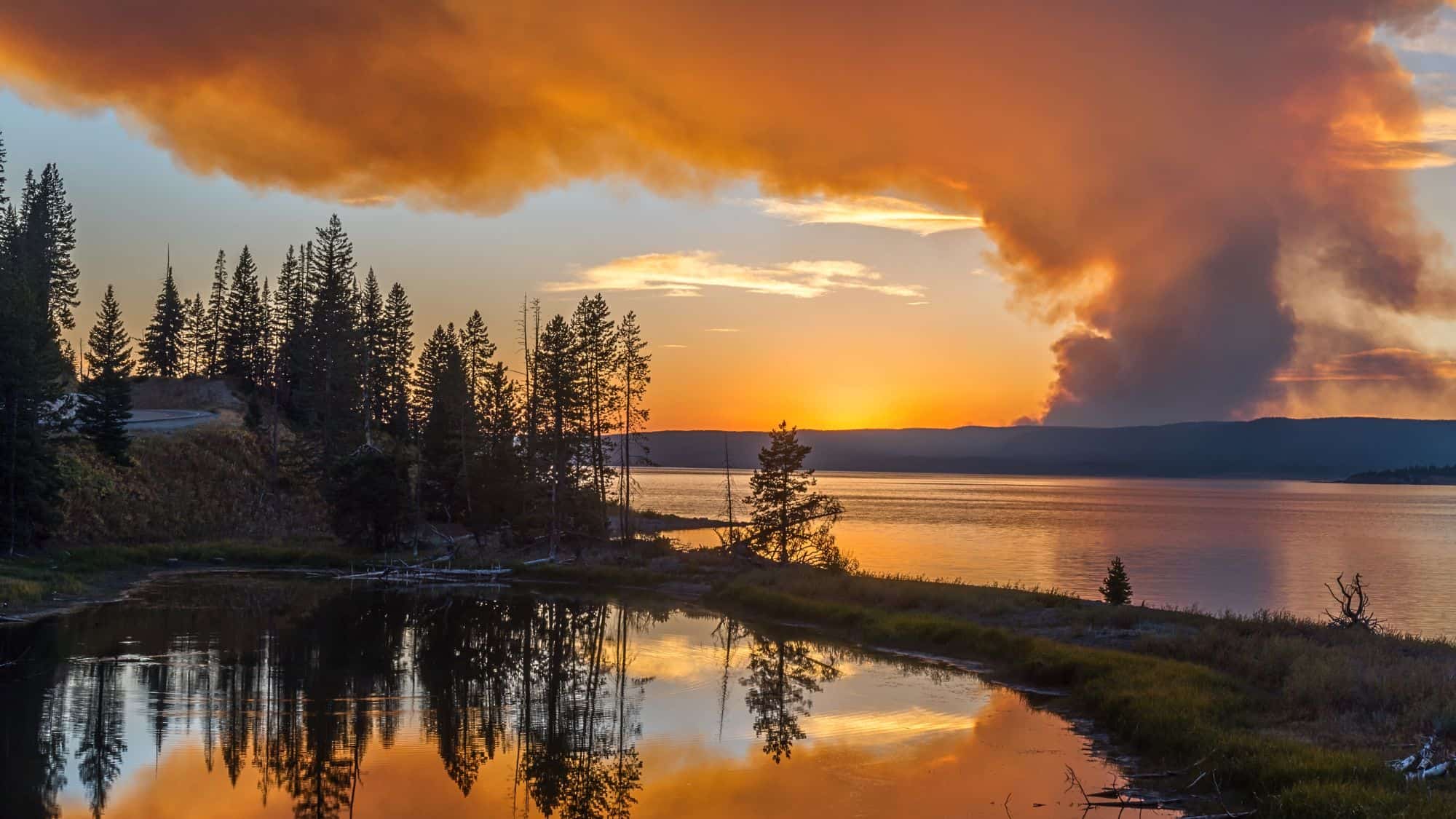
While the historic fires of 1988 are no longer considered “recent” by a standard definition, their legacy is the single most defining visual element of Yellowstone’s landscape. That summer, roughly 36% of the park (about 793,000 acres) was burned in a mosaic pattern that visitors can still trace today.
As you drive Grand Loop Road, you pass through miles of lodgepole pine forests that are all roughly the same age, having sprouted from the nutrient-rich ash left behind decades ago. The “ghost trees,” silvery-white snag trunks that still stand among the new growth, are the lingering skeletons of that event.
More recently, the 2016 Maple Fire burned over 45,000 acres, effectively re-burning areas inside the 1988 scars. This creates a fascinating but complex environment for you to explore, where multiple generations of fire history overlap.
On the plus side, the open sightlines created by these fires have actually improved wildlife viewing in many corridors, making it easier to spot elk and bears that would otherwise be hidden by dense timber.
Rocky Mountain National Park, Colorado
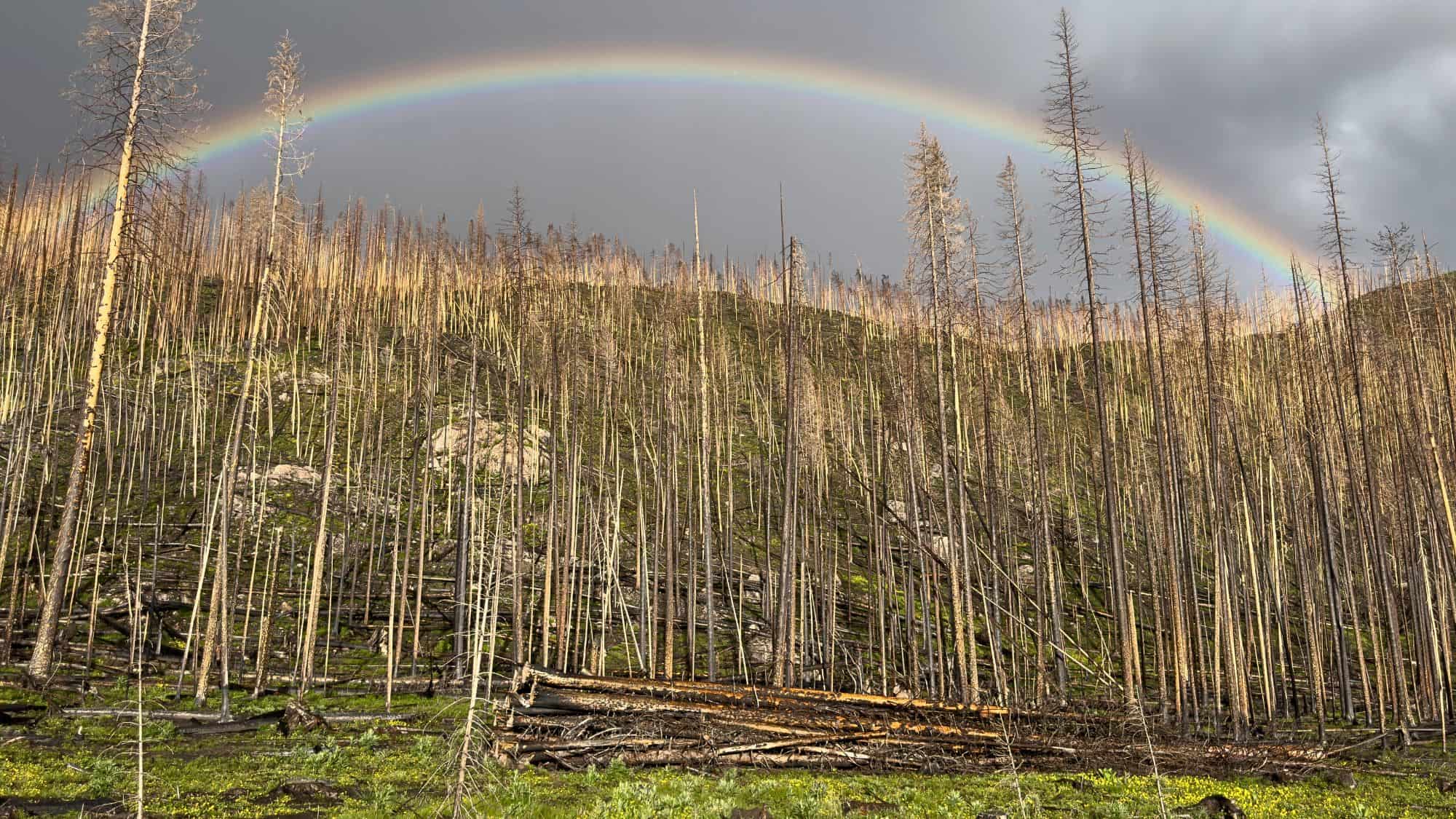
The East Troublesome Fire of 2020 fundamentally changed the western side of Rocky Mountain National Park.
In late October of that year, the fire made a historic run, growing over 100,000 acres in a single day and jumping the Continental Divide, a feat previously thought to be nearly impossible due to the high alpine terrain lacking vegetation. The blaze consumed nearly 30,000 acres within the park boundaries, leaving extensive burn scars near the Grand Lake entrance that visitors still navigate today.
Hiking in the Kawuneeche Valley now offers a different perspective than it did a decade ago. The lush, green valley floor is framed by hillsides of standing dead timber, and trail crews are constantly working to clear falling trees that pose risks to hikers.
While the east side of the park remains largely untouched by this specific event, the western slopes offer a quiet, stark beauty. The fire opened up the forest floor, allowing wildflowers to bloom in abundance during the summer months, creating splashes of color against the charcoal backdrop.
Glacier National Park, Montana
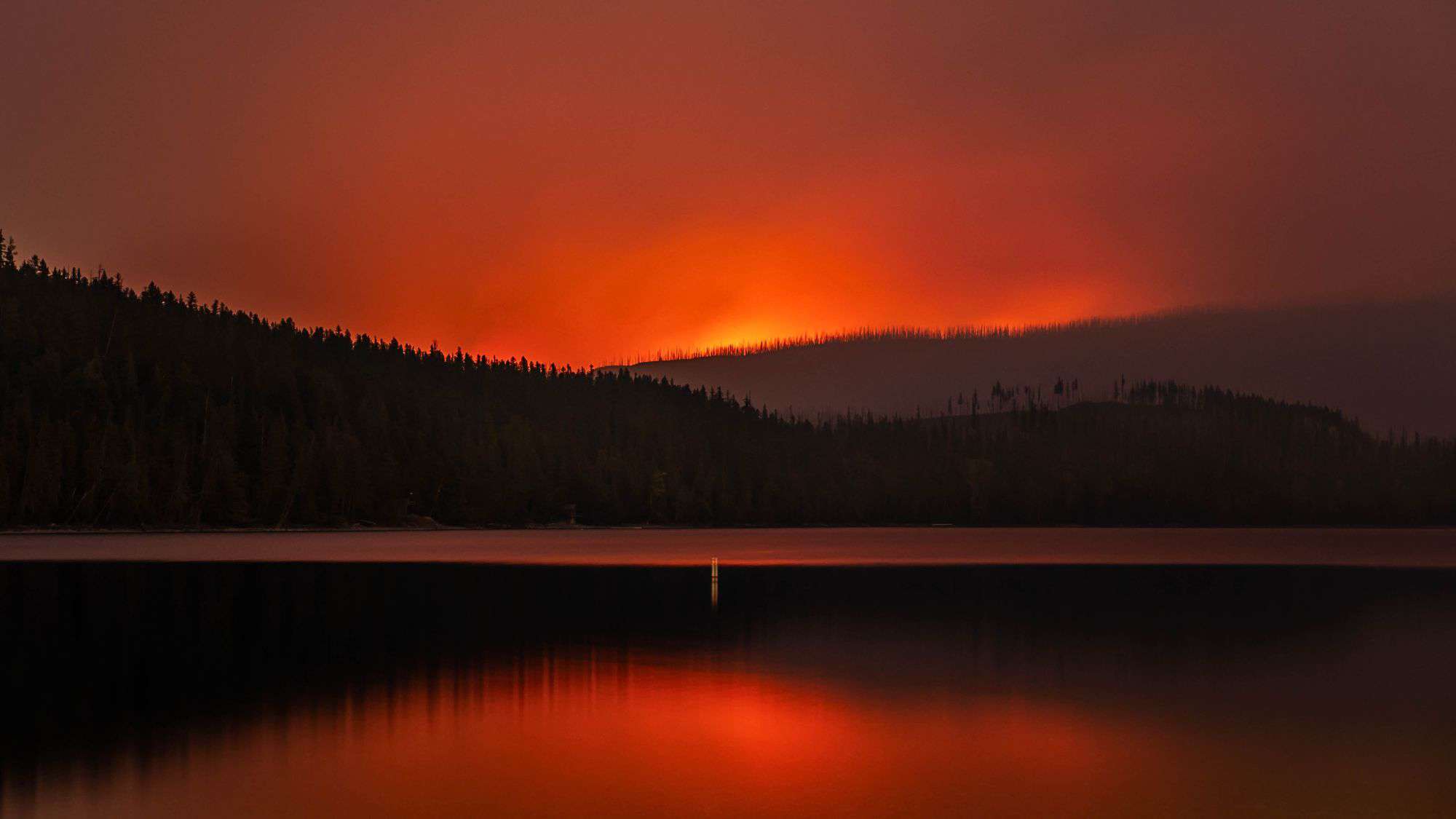
Fire has altered the iconic views along the Going-to-the-Sun Road, particularly around Lake McDonald.
The Sprague Fire in 2017 was a heartbreak for park history buffs, as embers from the blaze destroyed the main dormitory of the beloved Sperry Chalet, a historic backcountry stone hotel built in 1913. While the chalet has since been rebuilt and reopened, the surrounding forest remains a patchwork of gray and black trunks.
Just a year later, in 2018, the Howe Ridge Fire burned the opposite shore of Lake McDonald, visible from the main tourist lodge.
When you stand on the shores of Lake McDonald today, the western ridge is defined by the vertical lines of burned trees rather than a solid wall of green. This loss of canopy has changed the microclimate of the area, making some hiking trails hotter and more exposed to the summer sun.
However, it has also opened up new views of the mountains that were previously obscured by the forest. And you can witness the rapid regrowth of fireweed and huckleberry bushes, which attract bears to the burn scars in late summer.
Grand Canyon National Park, Arizona
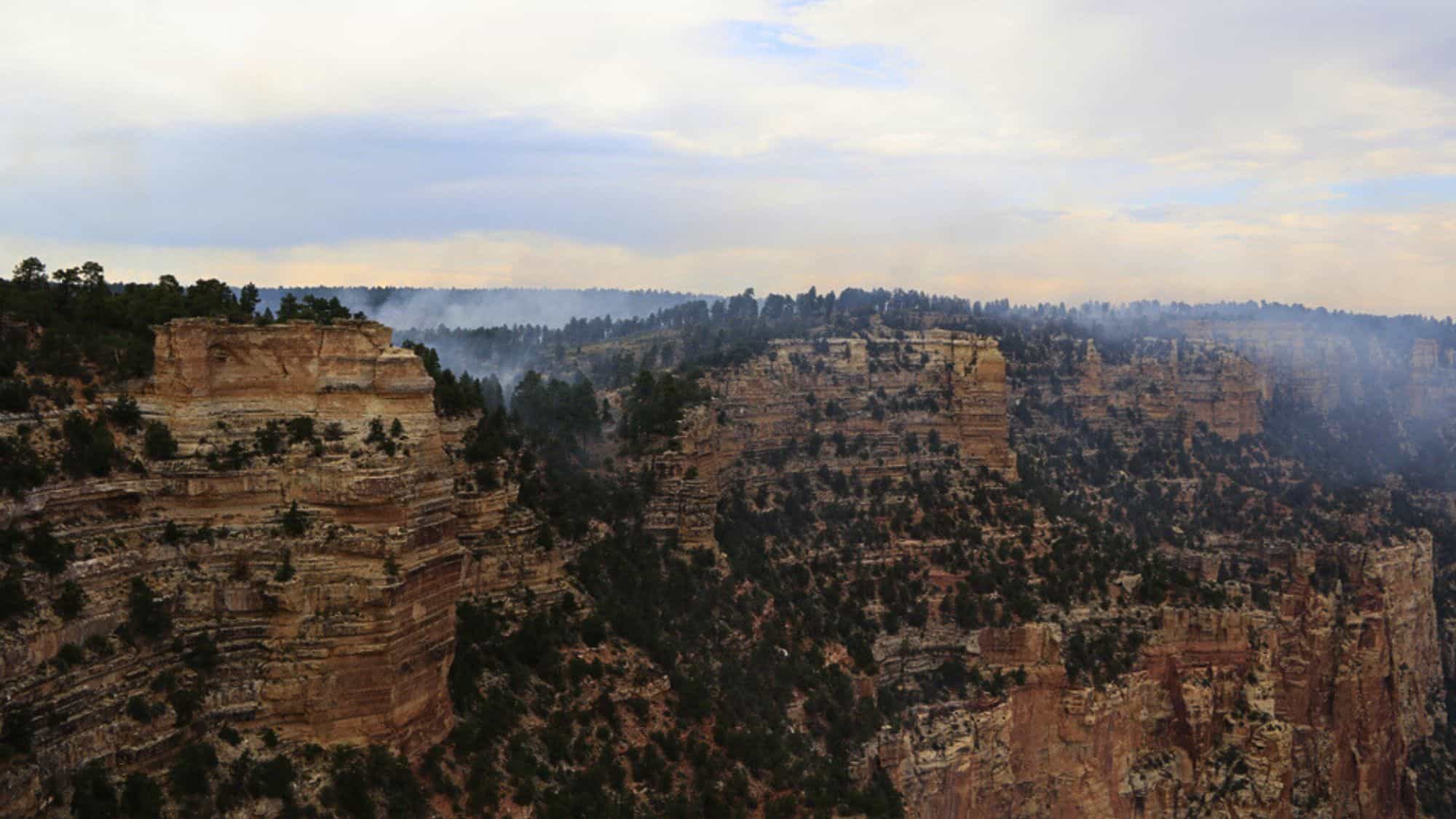
The North Rim of the Grand Canyon is surrounded by Kaibab National Forest, a dense expanse of ponderosa pine that has seen active fire seasons affecting park access.
The Mangum Fire in 2020 burned over 71,000 acres just north of the park boundary, forcing the closure of the primary access road (Highway 89A) and effectively shutting down the North Rim for a portion of the season. More recently, the Tunnel Fire in 2022 scorched substantial acreage near Flagstaff, affecting the southern approaches and air quality over the canyon itself.
In early July of 2025, a lightning strike ignited what would become the Dragon Bravo Fire. The fire exploded under extreme weather conditions and within a week, it grew from a minor incident to a major threat, forcing evacuations of visitors and employees.
By mid-July, the fire had overrun the North Rim’s developed area, destroying 113 structures, including the historic Grand Canyon Lodge. The blaze continued its relentless spread, eventually becoming a megafire that burned over 145,504 acres.
For visitors, these fires highlight the fragility of the high-desert forest ecosystem. Driving to (and within) the North Rim often involves passing through these regenerating areas, where the transition from burned woodland to the canyon’s edge is abrupt.
Everglades National Park, Florida

Fire in the Everglades behaves differently from that in the western mountains, but it is no less impactful. This “River of Grass” actually relies on fire to prevent hardwood trees from taking over the sawgrass prairies, but drought conditions have led to more intense, damaging wildfires.
In recent years, including active seasons in 2020 and 2022, wildfires have temporarily closed sections of the main park road and reduced visibility for drivers. And unlike a forest fire that leaves standing snags, a sawgrass fire moves fast and leaves a blackened, watery prairie that greens up remarkably quickly.
The danger here is when fires burn hot enough to consume the organic peat soil or damage the sensitive tropical hardwood hammocks (tree islands).
When you visit after a dry-season fire, you might see scorched palm trunks and open views where brush once stood.
The park manages a very active prescribed burn program to mimic natural cycles, so seeing smoke columns or active flame along the roadside is a common part of the Everglades experience. It is a reminder that this water-logged landscape is also shaped by heat.
Joshua Tree National Park, California
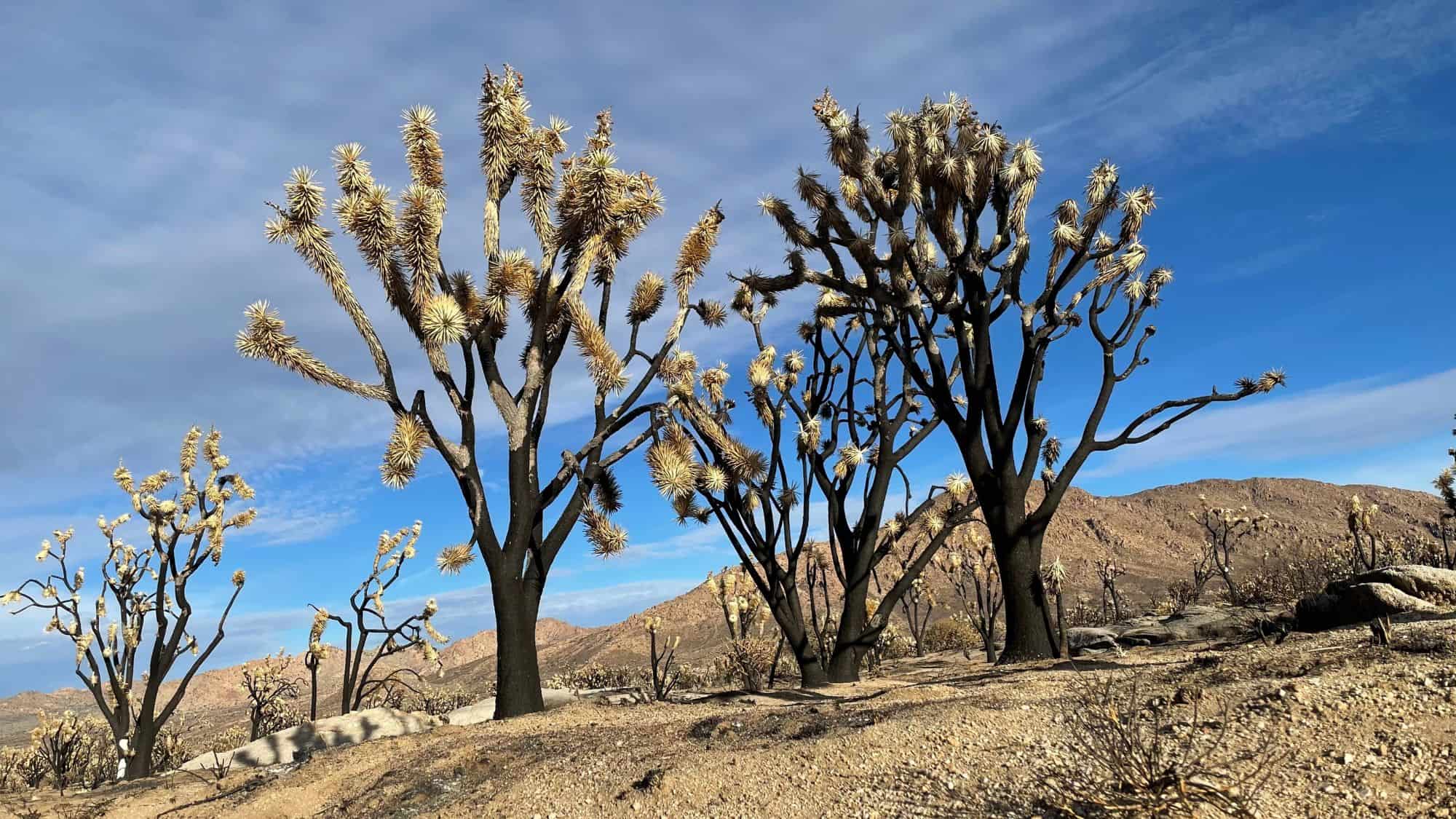
The Dome Fire of 2020 was a tragedy for the Mojave National Preserve, located just adjacent to Joshua Tree National Park, but its lessons apply strictly to the Joshua tree ecosystem found in both distinct areas.
The fire burned 43,000 acres of the Cima Dome, destroying an estimated 1.3 million Joshua trees. And unlike pines, Joshua trees are not adapted to fire; their fibrous trunks burn quickly, and they do not easily regenerate from the ashes.
This event alerted park managers and visitors to the extreme risk facing these iconic succulents due to invasive grasses that fuel hotter fires.
When you visit Joshua Tree National Park today, you will notice an increased emphasis on fire prevention. Rangers are strict about campfire regulations because a single spark can permanently alter the landscape.
In areas that have burned in the past, the landscape often converts from a peculiar Dr. Seuss-like forest to a simpler grassland, losing the biodiversity that the Joshua trees support. The stark difference between unburned and burned desert scrub is a visual boundary you can often spot from miles away.
Yosemite National Park, California
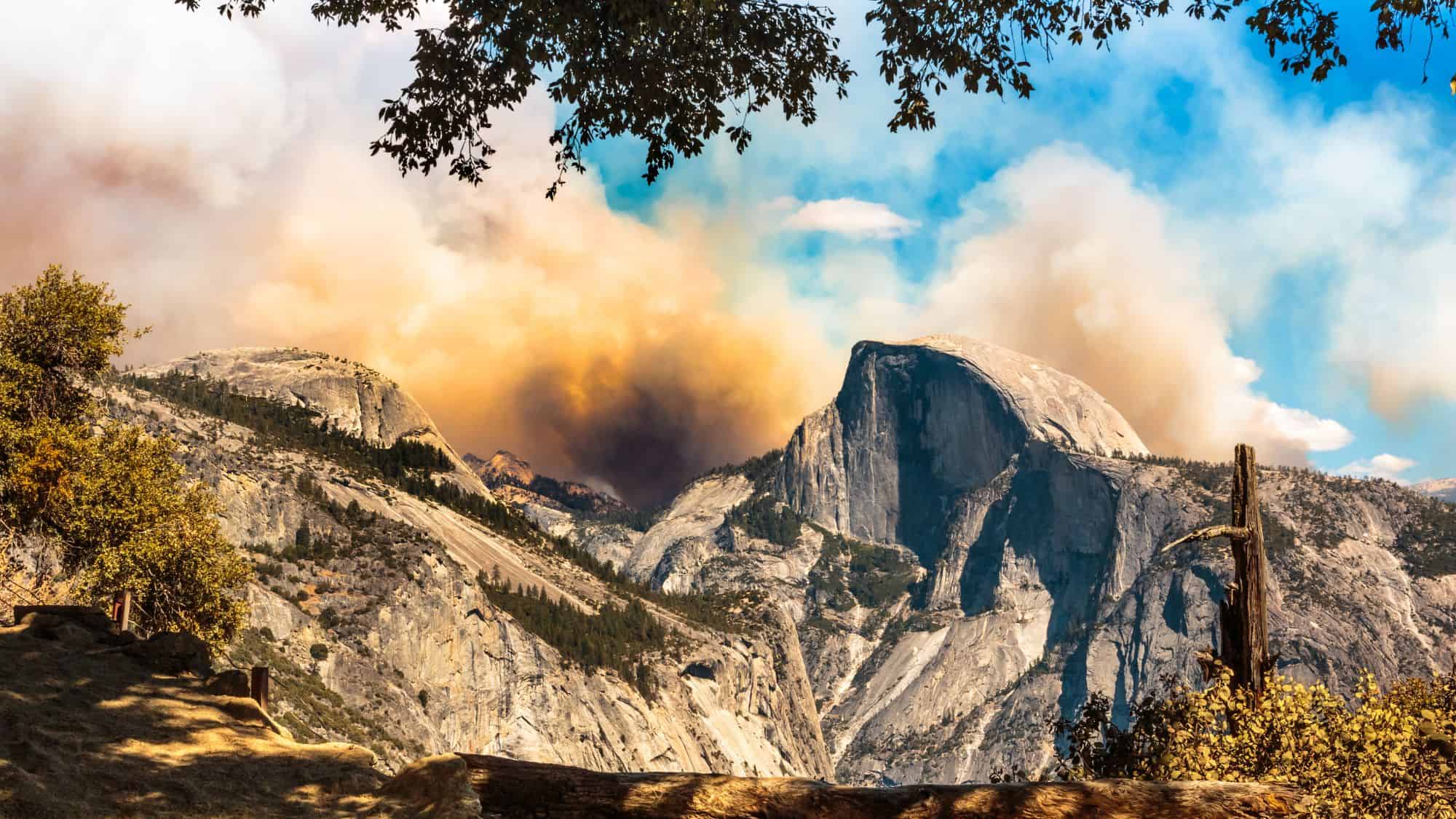
Yosemite has had several close calls that have disrupted travel and threatened its most famous features. The Ferguson Fire in 2018 burned for weeks near the park entrance, filling Yosemite Valley with such thick smoke that the park was forced to close to visitors for the first time in decades during peak season.
More recently, the Washburn Fire in 2022 threatened the Mariposa Grove of Giant Sequoias. Firefighters deployed sprinkler systems and cleared debris to save the 3,000-year-old Grizzly Giant, a skirmish that kept the grove closed to visitors for months.
Accessing Yosemite Valley often requires driving through the scars of these fires along Highway 140 and Highway 41. The canyon walls leading into the park are lined with the skeletons of gray pines and oaks.
Inside the park, the management of fire is evident everywhere, from piles of wood chips where undergrowth has been thinned to the blackened trunks of sequoias that survived low-intensity burns.
Great Smoky Mountains National Park, Tennessee & North Carolina
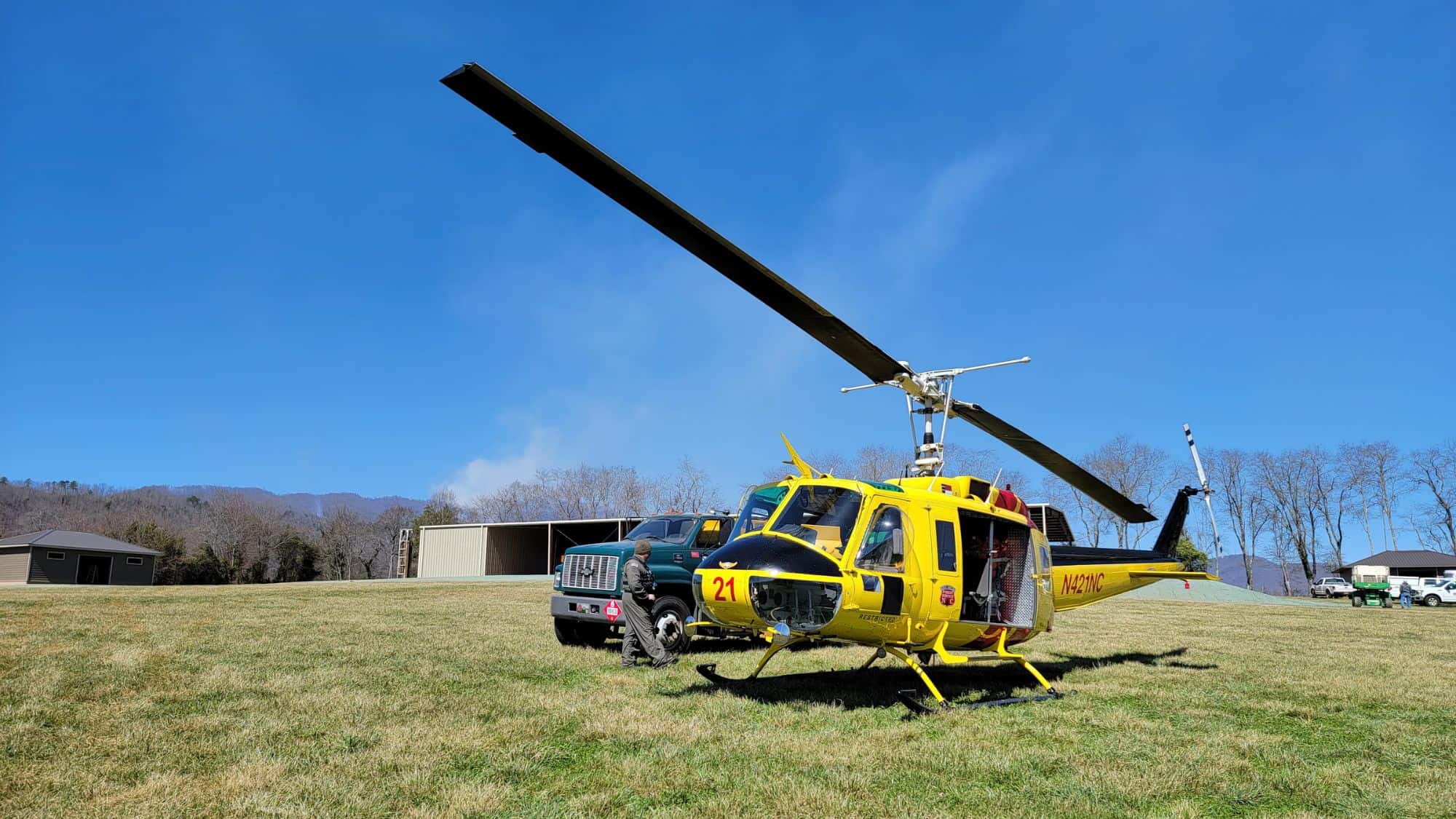
The Chimney Tops 2 Fire in 2016 remains the most devastating event in the modern history of the Great Smoky Mountains. What began as a small arson fire on a remote peak was whipped by hurricane-force winds, spreading embers miles away into the gateway town of Gatlinburg.
The blaze burned nearly 11,000 acres within the park and killed 14 people in the surrounding communities. And it changed the physical and cultural landscape of the region, destroying historic cabins and altering popular hiking trails.
Today, the hike to Chimney Tops (once one of the most popular in the park) ends at a new observation deck rather than the jagged rock summit, which remains closed due to ecological damage and instability.
As you hike up, the forest transition is obvious, moving from unburned hardwoods to a canopy that was stripped bare. The regeneration here has been aggressive, with briars and fast-growing shrubs reclaiming the slopes, but the charred soil and dead standing trees serve as a lasting memorial to the tragedy.
Shasta-Trinity National Forest, California
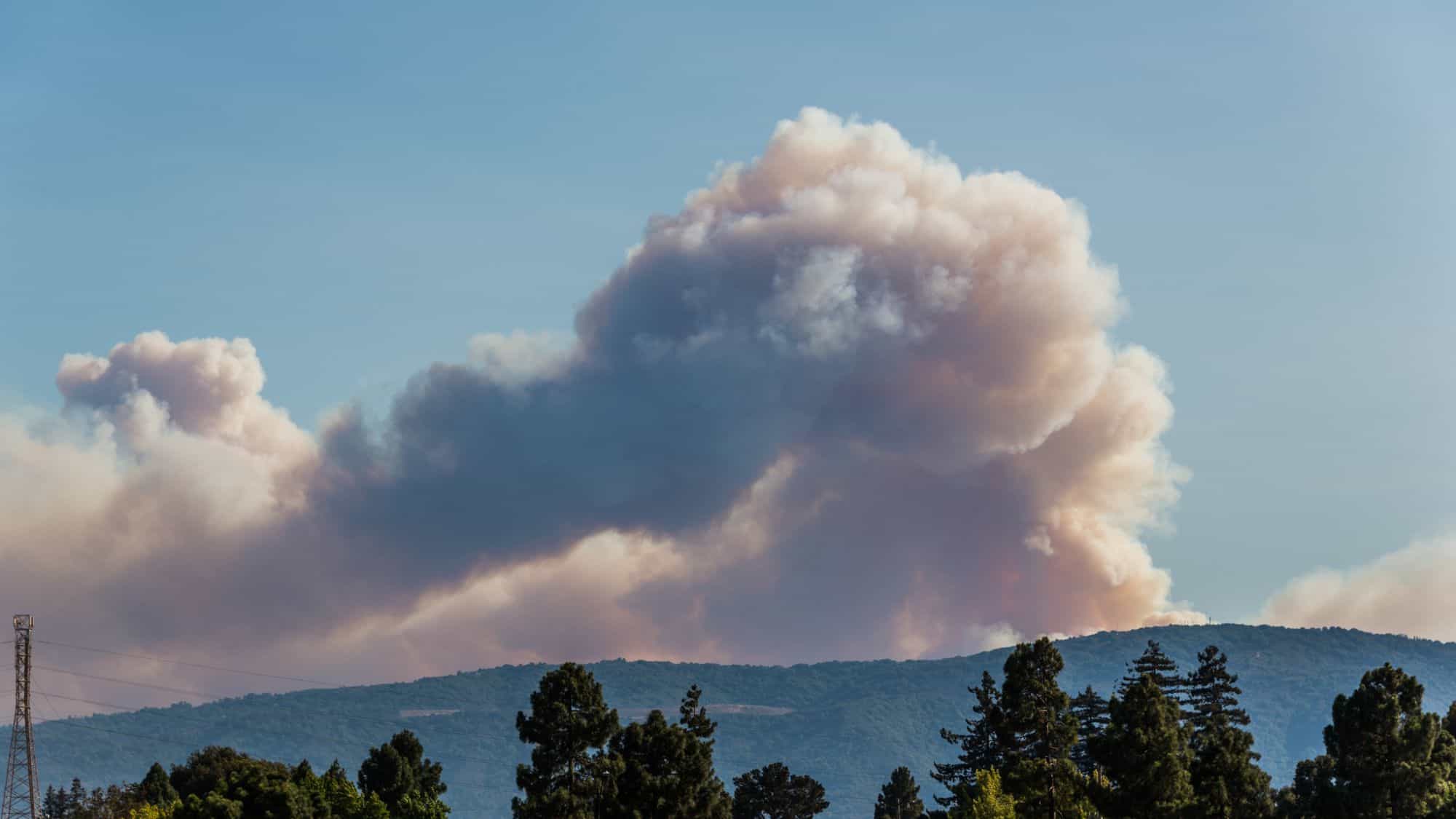
The Shasta-Trinity National Forest functions as a major recreational hub for climbers and hikers in Northern California.
The Monument Fire in 2021 was a massive siege that consumed over 223,000 acres, impacting the Trinity Alps Wilderness and the approaches to Mount Shasta. For months, the region was blanketed in hazardous smoke, and the fire footprint remains a dominant feature for anyone driving Highway 299 today.
Recreation here has shifted as trails are slowly rehabilitated. You will find that some trailheads remain inaccessible or require careful navigation through slide-prone areas where vegetation no longer holds the soil.
The views of Mount Shasta are now framed by ridges of red and black needle-less trees.
However, this has also created new opportunities for mushroom foraging in the spring, as morels pop up in the burn scars, drawing a different kind of visitor to the forest.
Dixie National Forest, Utah
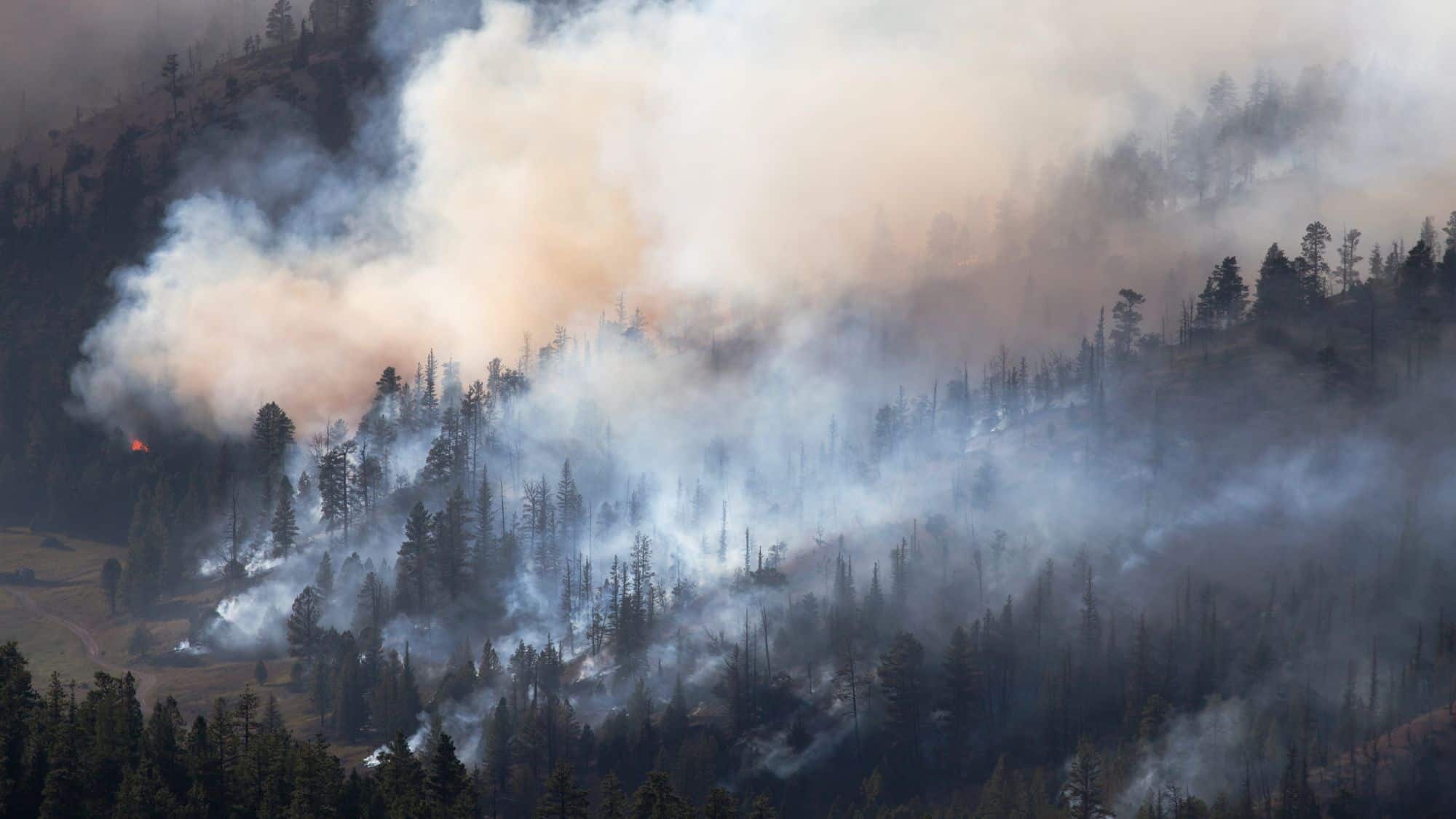
In 2017, the Brian Head Fire started from a simple weed-burning project that escaped control, eventually burning over 71,000 acres of high-elevation forest near Cedar Breaks National Monument.
The fire impacted the popular ski town of Brian Head and left a massive scar across the Markagunt Plateau. This area is a gateway for visitors exploring Southern Utah’s “Mighty Five,” and the damage is highly visible from the scenic byways.
The drive along Highway 143 now takes you through a landscape of recovering aspen and alpine meadows that were once dense spruce-fir forests. The recovery here is slow due to the high altitude. And visitors often notice the lack of windbreaks, making the high plateau feel more exposed and rugged.
It serves as a stark lesson in how human error can alter a landscape for generations, even in a place that feels vast and indestructible.
Coconino National Forest, Arizona
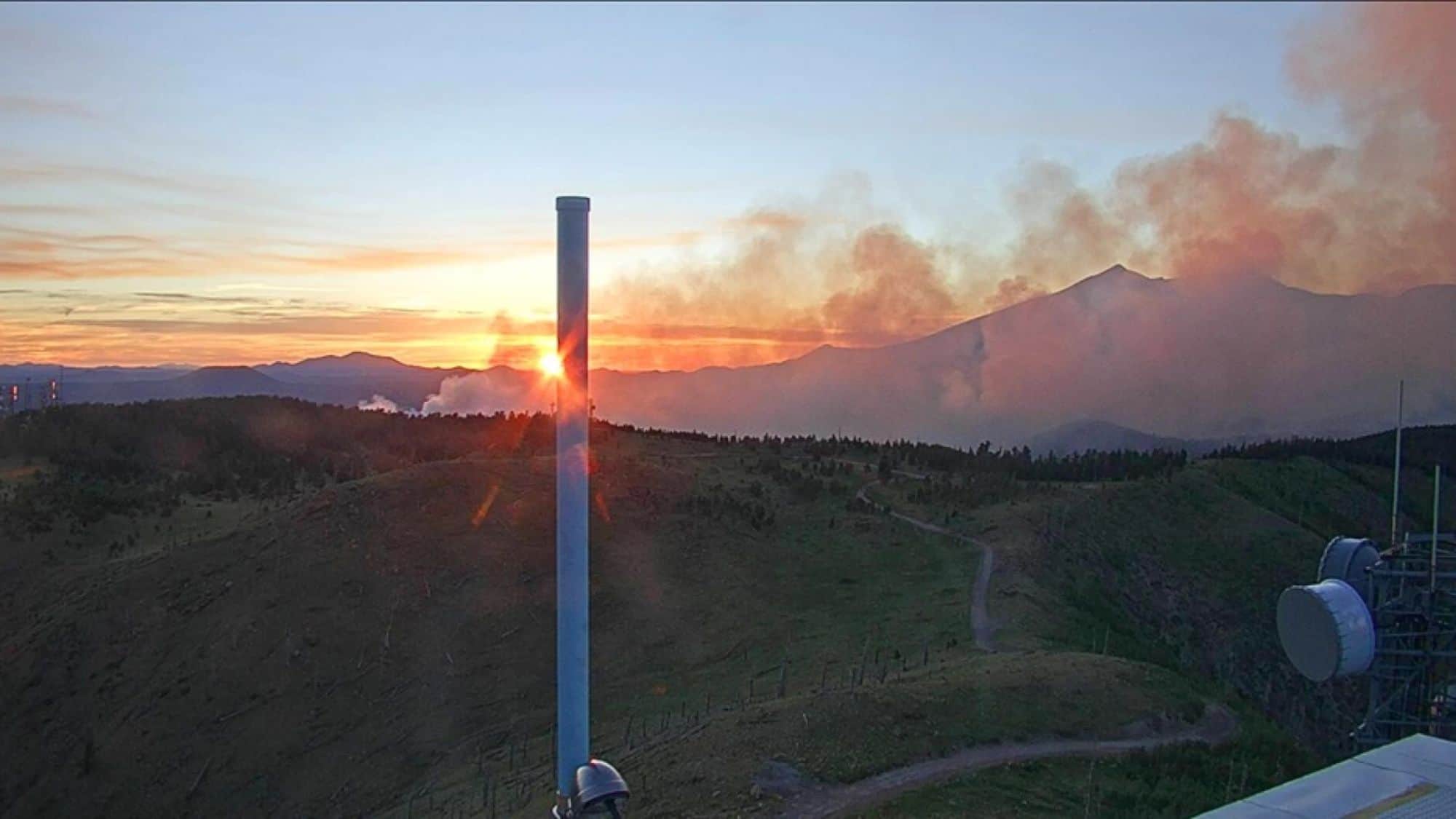
Surrounding the city of Flagstaff and the San Francisco Peaks, the Coconino National Forest has faced relentless fire seasons. The Pipeline Fire in 2022 burned roughly 26,000 acres just north of the city, leaving a scar clearly visible from downtown Flagstaff and the popular Snowbowl ski area.
This fire, along with the Tunnel Fire the same year, reshaped the recreational backyard of this mountain town.
Hiking trails in the Schulz Pass area and near the San Francisco Peaks now weave through burned timber. And the loss of vegetation has led to significant flooding issues during the summer monsoon season, which can wash out forest roads and close access to trailheads with little warning.
When you hike here, you are often walking through a stark, shadeless environment that contrasts sharply with the deep pine woods that existed just a few years ago.
U.S. Adjacent: Jasper National Park, Canada
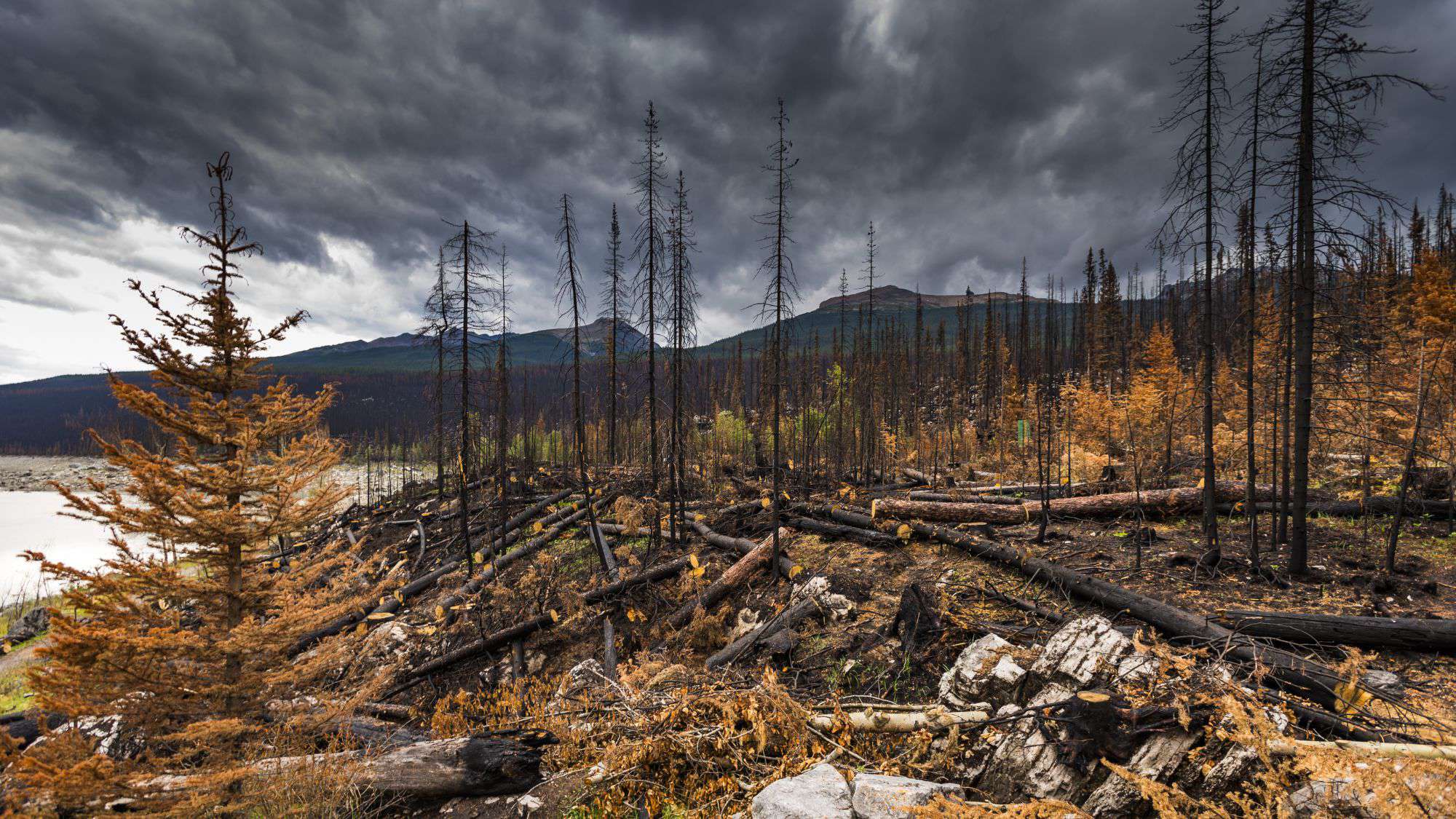
Unlike the North Rim Grand Canyon fire, Jasper National Park’s fire was the most recent and heartbreaking fire on this list.
In July 2024, a massive wildfire fueled by extreme heat and pine beetle-killed trees swept into the townsite of Jasper. The fire destroyed roughly 30% of the town’s structures and burned vast tracts of the surrounding parkland.
This event made international headlines and forced the evacuation of thousands of tourists and residents. And it was especially devastating to us because we had recently been there and loved our visit so much.
Visiting Jasper now requires a high degree of sensitivity and patience. Many visitor services are still in the process of rebuilding, and access to certain valleys and hiking networks remains restricted for safety assessments.
The drive into the park reveals the indiscriminate nature of the fire, with some neighborhoods reduced to ash while adjacent streets remain untouched. Though we haven’t been back yet, it is heartbreaking to see the images of what the area around Jasper townsite now looks like, just bare, dead black trees.
It is a park currently defining itself by recovery, asking visitors to support the local economy while respecting the grief and reconstruction efforts visible on every corner.
Like Our Content? Make sure to join our newsletter for all the latest on outdoor adventures (and a FREE STARGAZING GUIDE). Click here to sign up!