Discover Parks & Wildlife contains affiliate links and is a member of the Amazon Services LLC Associates Program. If you make a purchase using one of the Amazon links, we may receive compensation at no extra cost to you. We may also use select AI tools to support our creative process, but all content is reviewed, refined, and finalized by our human team. See our disclosure policy and our AI use policy for more information.
13 Bucket List UNESCO Spots That Feel More Like A Stampede Than A Vacation
Planning a vacation often feels like a high-stakes gamble where the currency is your sanity and the payout is a fleeting moment of wonder. We spend months scrolling through glossy photos of ancient ruins devoid of people, convincing ourselves that we will be the lucky ones to experience that same solitude.
You buy the expensive walking shoes, you read the history books, and you pack your bags with the kind of optimism that usually disappears the moment you hit the airport security line. But nothing quite prepares you for the sheer volume of humanity that descends upon the world’s most famous landmarks.
It is a harsh reality check when you realize that millions of other people had the exact same brilliant idea for their Tuesday morning. And the romance of travel tends to fade rapidly when you are shoulder-to-shoulder with strangers, fighting for a view that was supposed to be life-changing but ends up feeling more like a mosh pit.
Instead of contemplating the architectural genius of our ancestors, you find yourself contemplating how much personal space is legally required before it counts as assault. The magic is still there, buried somewhere beneath the selfie sticks and tour group umbrellas, but finding it requires a level of strategic planning that rivals a military operation.
If you go during peak season, these incredible locations do not just test your patience; they actively punish you for your curiosity (and for not setting your alarm clock for 4:00 a.m.).
The Great Wall of China, China
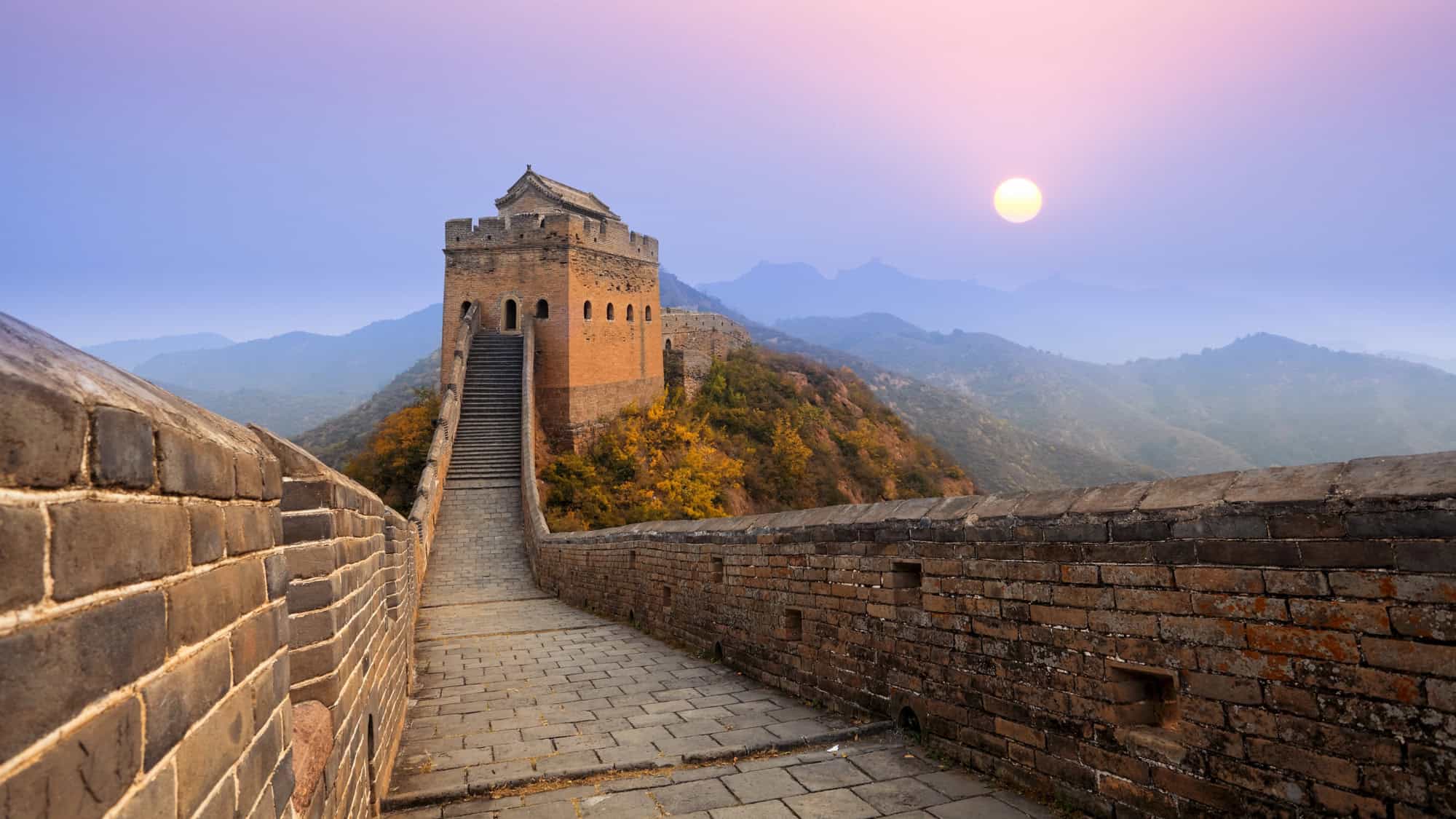
You have likely seen the photos of the Great Wall stretching endlessly over lush green mountains, a solitary dragon’s spine of stone without a soul in sight. But the reality is that at the Badaling section (the most accessible part from Beijing), it is less “ancient wonder” and more “subway commute during rush hour.”
This section was the first to open to tourism in 1957, and it shows. During national holidays or peak summer months, the crowds here are so dense that you do not walk so much as shuffle in a unified mass of humanity.
It is genuinely difficult to appreciate the architectural marvel of a structure that stretches over 13,000 miles when all you can see is the back of a rain poncho.
If you visit during “Golden Week” in October, the congestion is so severe that security personnel have to manage the flow of people to prevent stampedes. It turns a bucket-list moment into a test of endurance where stopping to tie your shoe could cause a minor pile-up.
While the wall itself is a testament to historical engineering, seeing it at peak times feels like a punishment for not venturing further afield to sections like Mutianyu or Jinshanling.
You want to feel the weight of history under your feet, not the accidental kick of a toddler being carried by an exhausted parent. The steep steps are hard enough on the glutes without having to dodge unauthorized tour guides trying to sell you a medal for climbing them.
Machu Picchu, Peru

There is something undeniably mystical about the Lost City of the Incas, perched high in the Andes at nearly 8,000 feet above sea level.
However, that mysticism takes a hit when you are standing in a line that snakes around the block just to get on the bus from Aguas Calientes up to the citadel.
Concerns about the stability of the ruins from foot traffic have led to strict new rules. You now have to choose specific circuits and adhere to rigid time slots, meaning the days of wandering freely and channeling your inner explorer are long gone.
The new regulations split tickets into timed blocks, and if you miss your window, you are out of luck. It is hard to commune with the spirits of the Inca Empire when a guard is blowing a whistle at you to keep moving because you paused for three seconds to catch your breath.
And if that isn’t bad enough, with a daily limit of around 5,600 visitors during peak season, getting a ticket is a battle in itself, often requiring you to book months in advance. Once you’re inside, the famous “guardhouse view,” the one everyone wants, is a chaotic scrum of tripods and elbows.
Taj Mahal, India

This ivory-white marble mausoleum on the southern bank of the river Yamuna is arguably the most beautiful building in the world, built by the Mughal emperor Shah Jahan for his favorite wife. It is a symbol of eternal love, but visiting it midday in December might make you hate everyone around you.
The site attracts between 7 and 8 million visitors annually, and it often feels like they are all trying to squeeze through the main gateway at the exact same moment. And the sheer noise level is startling; instead of a reverent silence for the deceased, you are met with a cacophony of shouting, whistles, and the constant click of shutters.
Pollution in Agra has also taken a toll, turning the pristine white marble a shade of brownish-yellow in recent years, despite efforts to clean it with mud packs. And if you visit later in the day, the smog and heat can be oppressive, stripping away the ethereal quality you see in professional photographs.
The famous “Diana Bench”, where the Princess of Wales was photographed, is basically a combat zone where polite lines go to die. You have to be aggressive just to get a photo without forty other people photobombing you.
It is a magnificent site, truly, but the struggle to see it through the haze and the throngs can leave you feeling more exhausted than inspired (and desperately in need of a cold drink).
Eiffel Tower, France

The Iron Lady stands at 1,083 feet tall and is the global symbol of romance, yet the experience of visiting it is often anything but romantic.
Last year alone, over 6.75 million people bought tickets to ascend the tower (including yours truly), and it feels like every single one of them is in the elevator with you.
The forecourt is now surrounded by bulletproof glass walls for security, which, while necessary, definitely kills the open, airy vibe of the Champ de Mars. And before you even get to the ticket scan, you have to navigate a gauntlet of street sellers aggressively hawking light-up keychains and plastic berets.
Once you make it past security and the initial lines, you face the elevators. These metal cages are crammed to capacity, and if you are claustrophobic, the ascent is a sweaty, anxiety-inducing nightmare.
The viewing platforms are packed tight, making it a challenge to get to the edge for that panoramic view of Paris without elbowing a honeymooning couple. It is windy, it is crowded, and you spend half your time worrying about pickpockets rather than admiring the Sacre-Cœur in the distance.
Think you will have better luck if you avoid going inside? Good luck. Eating a baguette on the lawn below sounds lovely until you realize the grass is mostly dirt patches from overuse, and you are surrounded by thousands of other people with the exact same picnic idea.
Pyramids of Giza, Egypt

Standing before the Great Pyramid of Giza, the oldest of the Seven Wonders of the Ancient World, should be a humbling experience. Built for the Pharaoh Khufu, it has stood for roughly 4,500 years.
Unfortunately, the modern experience is less about awe and more about harassment. From the moment your taxi arrives, you are swarmed by aggressive touts offering camel rides, horse carriages, and “gifts” that are definitely not free. It is relentless and exhausting, forcing you to keep your guard up constantly rather than soaking in the history.
The heat is another punishing factor; there is zero shade on the Giza Plateau, and the midday sun reflects off the limestone and sand with brutal intensity.
The crowds arrive in massive tour buses that choke the entry points, creating a noisy, diesel-fumed atmosphere that feels very far removed from the days of the pharaohs. And if you decide to go inside one of the pyramids, be prepared for a stifling, narrow climb down a steep shaft where the air is thick with humidity and the scent of hundreds of sweating tourists. It is not for the faint of heart (or the claustrophobic).
You want to feel a connection to the ancient world, but it is hard to focus when you are busy saying “no thank you” for the five-hundredth time to a guy trying to put a headdress on you for a photo you did not ask for.
Angkor Wat, Cambodia

Angkor Wat is the largest religious monument in the world, originally constructed as a Hindu temple for the Khmer Empire before transforming into a Buddhist temple. The architecture is stunning, with intricate bas-reliefs and iconic lotus-bud towers.
However, the “sunrise at Angkor Wat” experience has become a victim of its own success. You wake up at 4:30 a.m., stumbling around in the dark, hoping for a spiritual awakening as the sun crests over the temple. Instead, you arrive at the reflection pond to find thousands of people already jockeying for position, tripods interlocked like a defensive shield wall.
The silence you expect is replaced by the chatter of crowds and the jostling of people trying to get the perfect shot. If you are short, you might not see the temple at all, just a sea of smartphones held aloft.
We experienced this firsthand when we arrived with our tour group well after a crowd had already gathered five rows deep. Since I was about to miss the shot, I pleaded for a spot at the front, promising to kneel so I wouldn’t block anyone. My knees paid the price for the rest of the day, and all that effort resulted in a sunrise that was fairly underwhelming.
The heat and humidity in Cambodia also rise rapidly after sunrise, turning the stone corridors into saunas. And climbing the steep stairs to the upper levels often involves waiting in long lines under the blazing sun.
It is a magnificent place that deserves quiet contemplation, but the reality is often a sweaty, chaotic scramble that leaves you wondering if the postcard view was worth the sleep deprivation (and the mosquito bites).
Mont-Saint-Michel, France

This tidal island in Normandy looks like it was plucked straight out of a fairy tale, topped by a gravity-defying abbey that has attracted pilgrims for centuries.
It welcomes around 3 million visitors a year, which sounds manageable until you realize the main street, the Grande Rue, is about the width of a hallway. In the summer, this narrow cobblestone lane becomes a gridlock of human traffic.
You do not walk; you shuffle inch by inch, pressed against stone walls and souvenir shop displays. On peak days, authorities have recorded over 36,000 visitors, turning the medieval village into a claustrophobic trap.
The magic of the island is its isolation, but that is hard to feel when you are stuck in a line just to buy a bottle of water. The shuttle buses from the mainland parking lots are packed to the gills, and walking the bridge in the summer heat offers no shade.
Once you reach the abbey at the top, after climbing 350 steps, you might find some respite, but getting there requires the patience of a saint.
It is one of those places where the infrastructure of the Middle Ages simply cannot cope with the volume of modern mass tourism. You spend more time looking at the back of someone’s head than looking at the glorious bay views.
Petra, Jordan

The Rose City is famous for its rock-cut architecture, specifically the Treasury (Al-Khazneh), which greets you at the end of the narrow Siq gorge. The walk through the Siq (about 0.75 miles) is dramatic and builds anticipation, but it also acts as a funnel for every single visitor entering the site.
During high season, this narrow passage is clogged with walking groups, horse-drawn carriages careening around corners, and electric golf carts zipping by. You spend half the walk dodging vehicles rather than admiring the towering geological formations.
Honestly, it feels less like an ancient caravan route and more like a dangerous highway.
Once you reach the Treasury, the space is filled with camels, donkeys, and handlers aggressively selling rides. The famous view is often blocked by crowds posing for photos, and the noise echoes off the canyon walls.
If you want to hike up to the Monastery, be prepared for a strenuous climb in the heat, sharing the narrow steps with overburdened donkeys hauling tourists who did not want to walk. The dust, the heat, and the commercial hustle can strip away the grandeur of the Nabatean capital.
Colosseum, Italy
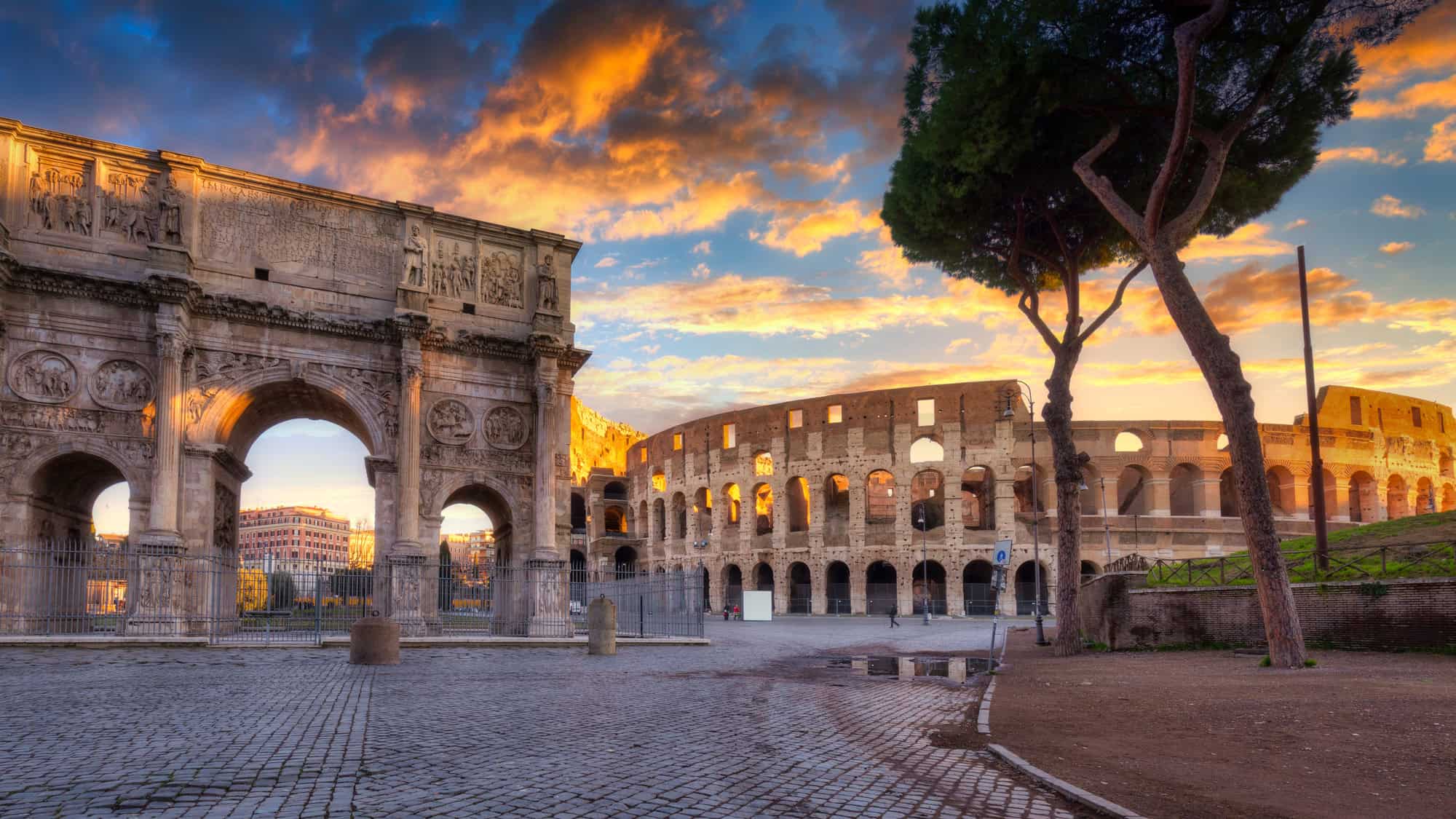
The Flavian Amphitheatre is the largest ancient amphitheater ever built, capable of holding up to 50,000 spectators in its prime. Ironically, it feels like there are even more people inside it today than during a gladiator match.
In the summer months, Rome is sweltering, and the stone of the Colosseum radiates heat like an oven. The security lines to get in can take over an hour, leaving you baking in the sun before you even see an archway.
Once inside, the designated walkways are so packed that you are swept along in a current of people, making it difficult to stop and actually read the information plaques.
The sheer volume of visitors means that the noise level is constant, a dull roar that makes it hard to listen to your audio guide or tour leader. And you are constantly maneuvering around large groups following flags, trying not to trip over uneven ancient stones.
While the structure is imposing, the experience feels rushed and chaotic. You want to stand there and think about the history of the games and the engineering, but mostly you are just thinking about how much you would pay for a gelato and a blast of air conditioning.
Imperial Palaces of the Ming and Qing Dynasties, China

Better known as the Forbidden City, this massive complex in Beijing consists of 980 buildings and covers 180 acres.
It was the Chinese imperial palace for almost 500 years, designed to be exclusive and impenetrable. Today, it is anything but. Tickets often sell out days or weeks in advance, and the daily cap on visitors means the vast courtyards are filled with a sea of people.
The sheer size of the complex means you are walking for miles on hard stone, often with no place to sit and rest. It can feel overwhelming, and trying to navigate it with thousands of others is exhausting. There is also very little shade, and Beijing’s summers can be brutally hot and humid.
You will find yourself jostling for a position just to peek through a doorway into one of the throne rooms, only to see a dark interior and the reflection of a hundred other cameras on the glass. The “Hall of Supreme Harmony” is appropriately named, but there is nothing harmonious about the crowd fighting to get a look at it.
It is a place of immense power and history, but the experience can feel like a forced march through a very crowded, very hot open-air museum where the emperor is definitely not home.
Dubrovnik Old Town, Croatia

Dubrovnik is known as the “Pearl of the Adriatic,” but thanks to its starring role in a famous television series, Game of Thrones (as well as the influx of massive cruise ships), it often feels more like a theme park than a living city.
The Old Town is encircled by massive stone walls, which are great for keeping invaders out but terrible for circulating air when thousands of tourists are packed inside. To prevent damage, a limit of 8,000 visitors at a time inside the walls has been recommended.
But when a cruise ship docks, the Stradun (the main street) becomes impassable.
Walking the city walls offers stunning views, but it is a single-file affair under the blazing Mediterranean sun. If the person in front of you stops for a selfie, everyone stops. The local residents have even been pushed out by the crowds and the noise, leaving the city feeling a bit hollowed out.
You want to get lost in the romantic side streets, but you are more likely to get stuck in a bottleneck at the Pile Gate, waiting twenty minutes just to enter or exit the city.
La Sagrada Familia, Spain

Antoni Gaudi’s unfinished masterpiece is the most visited monument in Spain, attracting over 4.7 million visitors annually. It has been under construction since 1882, and honestly, the line to get inside feels like it has been forming for just as long.
If you do not book your tickets weeks in advance, you are not getting in. And the area surrounding the basilica is a chaotic mix of construction cranes, confused tourists looking for the entrance, and tour buses unloading groups.
Inside, while the stained glass is transcendent, the floor is packed with people staring at the ceiling, bumping into each other like distracted bumper cars.
The towers offer great views, but the spiral staircases down are narrow and dizzying, and if you get stuck behind someone slow, there is no way to pass.
The sheer demand for this site means that even with timed entries of around 15,000 people per day, it never feels quiet. You are sharing a spiritual space with thousands of others, and the constant hum of voices and audio guides detracts from the ethereal atmosphere Gaudi intended.
Venice and its Lagoon, Italy
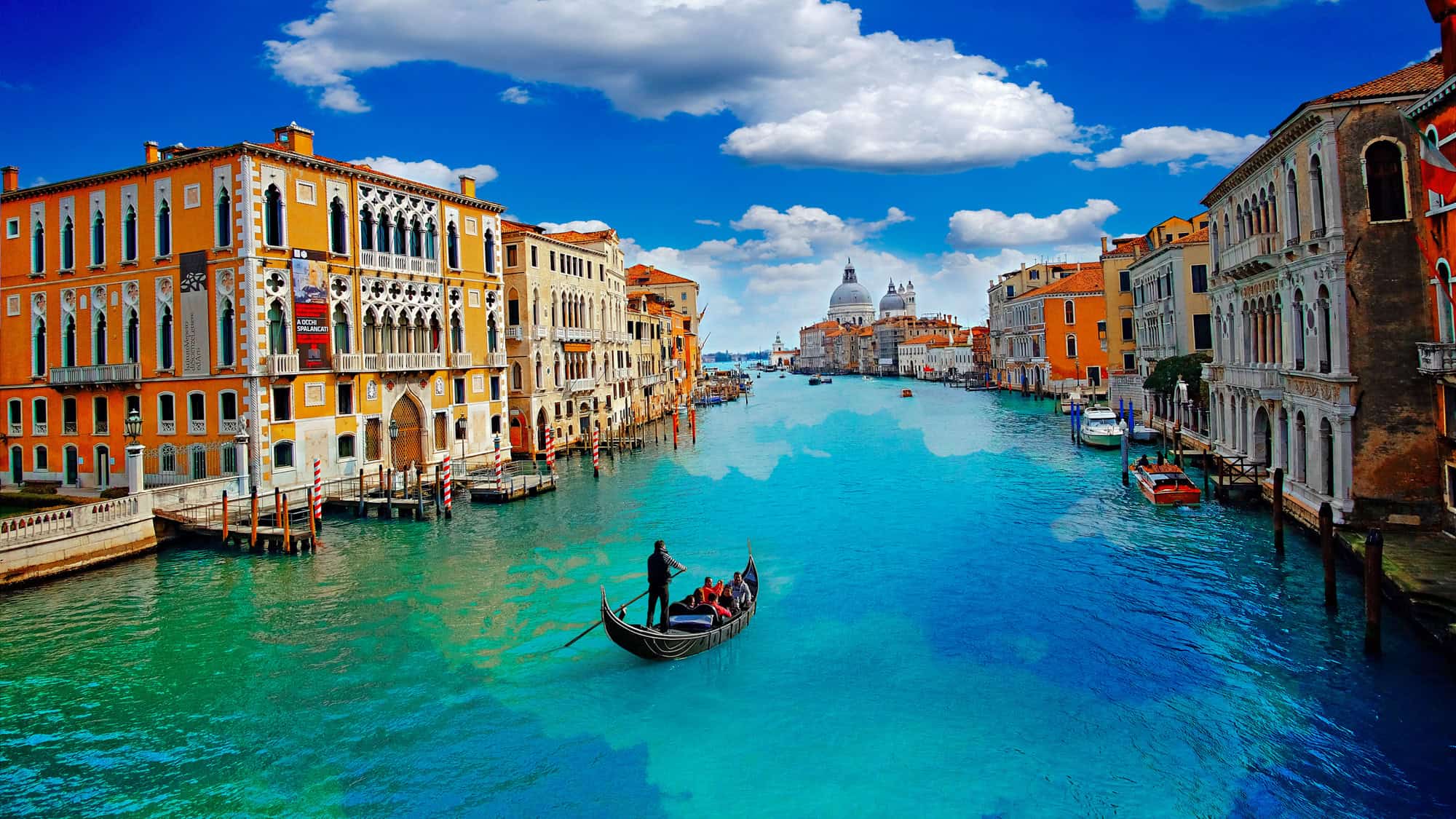
Venice is a miracle of engineering, a city built on 118 small islands separated by canals. But the “Floating City” is sinking, both literally and metaphorically, under the weight of tourism.
The narrow alleyways and small bridges were never designed for the millions who visit annually. At peak times, crossing the Rialto Bridge is a contact sport. St. Mark’s Square is often a solid block of people, pigeons, and overpriced cafes.
The city has become so overwhelmed that a €5 entry fee for day-trippers was introduced on specific peak days to try to stem the tide.
The vaporettos (water buses) are crammed full, making a scenic boat ride feel like a subway commute during rush hour. And it is heartbreaking to see the local shops replaced by generic souvenir stands selling plastic masks.
The magic of Venice is in its silence and its water, but you rarely get silence, and the water is often churned up by endless boat traffic. Navigating your luggage over the many bridges while dodging crowds is a workout you did not ask for.
It is one of the most unique places on Earth, but visiting in July might make you wish you had just bought a postcard and stayed home.
Like Our Content? Make sure to join our newsletter for all the latest on outdoor adventures (and a FREE STARGAZING GUIDE). Click here to sign up!