Discover Parks & Wildlife contains affiliate links and is a member of the Amazon Services LLC Associates Program. If you make a purchase using one of the Amazon links, we may receive compensation at no extra cost to you. We may also use select AI tools to support our creative process, but all content is reviewed, refined, and finalized by our human team. See our disclosure policy and our AI use policy for more information.
12 National Parks You’ll Wish You Had Visited Sooner
Some national parks are on everyone’s bucket list, and then there are the others, the quiet ones that don’t shout for attention but end up stealing it anyway. These are the parks that make you wonder how they’ve stayed under the radar this long.
They don’t need crowded overlooks or traffic jams of rental RVs to prove their worth. Instead, they offer something far rarer: space to breathe, trails where you can hear your own footsteps, and landscapes that surprise you with every turn.
You might find a coral fortress floating off Florida’s coast, or a mountain range in Texas that still remembers when it was an ancient reef. You’ll see forests that glow with fireflies and deserts so bright they sparkle like frost. And the funny thing about these overlooked parks is how quickly they turn into favorites once you finally give them a chance.
They leave you with that familiar mix of awe and mild regret, the “why didn’t we come here sooner?” kind that hits the moment you realize how special they are. Just know that by the time you’re packing up to leave, you’ll already be plotting how to get back before everyone else catches on.
Capitol Reef National Park, Utah

Capitol Reef is Utah’s underdog. It’s less famous than its red rock siblings but arguably just as striking. The park looks like the Earth decided to fold itself for dramatic effect. Its cliffs, domes, and canyons show off layers of color that would make any geologist weak in the knees.
The “Capitol” part comes from the white sandstone domes that resemble the U.S. Capitol, and “Reef” refers to the barriers those cliffs once posed to early travelers. Today, the biggest challenge is deciding where to start.
The Hickman Bridge Trail is a short but satisfying climb to a 133-foot natural arch that seems purpose-built for brag-worthy photos. Then there’s Fruita, a historic pioneer settlement where you can pick fruit straight from century-old orchards. Few parks let you snack on your surroundings quite so literally.
Stay after sunset and you’ll see why Capitol Reef is a certified International Dark Sky Park. The stars look close enough to high-five. It’s peaceful, it’s colorful, and it’s got just enough quirk to make you wonder why everyone isn’t talking about it more.
Isle Royale National Park, Michigan

Isle Royale is the kind of place that makes you earn it. You can’t just drive in; you’ll need a boat or a seaplane. But once you arrive, you realize what real quiet sounds like.
The island sits alone in the middle of Lake Superior, its ecosystem so isolated that wolves and moose have been playing an ongoing game of population chess since the 1950s. Scientists study them, but you don’t need a degree to appreciate how wild this place feels.
More than 160 miles of trails weave through spruce forests, rocky ridges, and mirror-still lakes. If you’ve ever wanted to feel like you own a national park, this might be your best shot. As it turns out, Isle Royale gets fewer annual visitors than Yellowstone does in a single summer weekend.
The air smells of pine and water, loons call at twilight, and your phone signal politely gives up trying. It’s all a reminder that sometimes, adventure begins where convenience ends. Just bring good bug spray… the black flies seem to think of themselves as unofficial park rangers.
Great Basin National Park, Nevada

Great Basin is proof that Nevada has more to offer than neon lights and slot machines. Here, ancient bristlecone pines (some over 4,000 years old) cling to mountainsides like wise old souls that have seen too much and decided to stay anyway.
Wheeler Peak towers above the desert at 13,063 feet, and the trail to its summit is a thigh-burning highlight. But the park’s magic goes underground too. Lehman Caves, hidden beneath the surface, is filled with intricate formations that look like nature’s version of interior design. Above ground, the desert-meets-forest landscape feels surreal, especially when wildflowers bloom in shades that defy logic.
And when night falls? Let’s just say the stars here don’t do subtle. Great Basin’s remote location makes it one of the best stargazing spots in the country. You’ll see the Milky Way stretching so clearly that it feels almost staged.
Congaree National Park, South Carolina

Walking into Congaree feels like stepping into a secret, one that is humid, green, and humming with life. It’s home to the largest intact old-growth bottomland hardwood forest left in the Southeast, which sounds fancy until you realize it basically means “trees so tall you’ll get neck cramps.” Some reach over 160 feet high, draped in Spanish moss and reflected in slow-moving water below.
A boardwalk loop makes exploring easy, though calling it “dry” might be optimistic after a rainstorm. Or kayak the blackwater creeks, where the reflections are so perfect it’s hard to tell which way is up.
And then there are the synchronized fireflies. For a few weeks in late spring, thousands blink in unison like a disco ball. Scientists still debate how they coordinate it; we just know it’s pure magic.
Congaree is quiet, swampy, and far more captivating than its humble appearance suggests. You might come expecting mosquitoes and mud, but end up staying for the kind of peace you can’t download or buy.
North Cascades National Park, Washington

If national parks had a “Most Likely to Make You Feel Tiny” award, then the North Cascades would win hands down. Often called the “American Alps,” it’s a jagged maze of glacier-fed lakes, rugged peaks, and waterfalls that seem to fall out of the clouds.
There are over 300 glaciers here, more than anywhere else in the lower 48, which explains why everything shimmers in improbable shades of blue and green. Diablo Lake looks like someone dropped food coloring in it, thanks to glacial silt scattering light just right.
The hiking here ranges from leisurely lakeside strolls to “why did I think this was a good idea?” climbs. And wildlife keeps things interesting too, with black bears, marmots, and mountain goats popping up often enough to make you second-guess every rustle in the brush.
The best part? Hardly anyone comes. You can have entire trails to yourself, which is both liberating and slightly eerie when the fog rolls in.
Guadalupe Mountains National Park, Texas

The Guadalupe Mountains are what happens when Texas decides to flex. These limestone peaks rise abruptly from the desert, leftovers from a 260-million-year-old fossil reef that once lay beneath a prehistoric sea.
The park’s showstopper, Guadalupe Peak, is the highest point in Texas at 8,751 feet, and hiking it is both breathtaking and, let’s be honest, leg day in disguise. The trail rewards you with sweeping views across the Chihuahuan Desert, a horizon so wide you half expect to see the curvature of the Earth.
McKittrick Canyon surprises everyone in fall when its maples and sumacs turn fiery red, a sight most Texans didn’t even know they could claim. And you’ll also find desert plants like agave and sotol that seem to survive purely out of spite.
Despite its drama, the park stays remarkably quiet, maybe because it’s out of the way or maybe because it likes it that way. Either way, it’s worth the drive, the climb, and the sore calves that follow.
Dry Tortugas National Park, Florida

Dry Tortugas feels like someone misplaced a fortress in the middle of the ocean and decided to roll with it. Located 70 miles west of Key West, this remote park is mostly turquoise water, coral reefs, and one enormous brick structure, Fort Jefferson.
Built in the 1800s, it’s made of over 16 million bricks, which seems like overkill until you realize it was meant to guard the Gulf of Mexico. Getting here takes effort: you’ll need a ferry or seaplane, and once you arrive, you’re rewarded with reefs so vibrant they look photoshopped. Snorkeling along the moat wall reveals angelfish, sea turtles, and the occasional nurse shark cruising by.
The “Dry” in its name comes from the lack of fresh water; the “Tortugas” refers to the sea turtles that once crowded its beaches. Between the history, the wildlife, and the ridiculous beauty, it’s the kind of place that makes you wish you’d packed an extra day… and maybe a hammock.
Voyageurs National Park, Minnesota

Voyageurs is less about trails and more about tides (of the freshwater kind that is). Straddling the Canadian border, it’s a maze of interconnected lakes, islands, and peninsulas where boats are basically your car keys.
Named after the French-Canadian fur traders who once paddled these routes, the park still feels wild enough that you half expect to see a canoe loaded with pelts drift by. Summer brings endless daylight, perfect for kayaking through glassy channels that mirror the sky. Come winter, everything freezes into a playground for snowshoers and skiers.
The park also has a reputation for northern lights displays that could make your jaw drop (and maybe your toes freeze, depending on the season). Bald eagles nest along the shoreline, loons call through the mist, and every sunset seems to last just long enough to make you forgive the mosquitoes.
Voyageurs may not have towering peaks or desert drama, but it’s got something better: a kind of calm that seeps in slowly, like the steady rhythm of paddles in water.
Black Canyon Of The Gunnison National Park, Colorado

The Black Canyon of the Gunnison doesn’t just sound dramatic; it is dramatic. The canyon drops so sharply that sunlight barely touches the river below, giving the stone its dark, moody hue.
The Gunnison River carved this masterpiece over two million years, and you can still hear it rushing somewhere far beneath the rim. The Painted Wall, Colorado’s tallest cliff, rises more than 2,200 feet, streaked with pink and white veins of granite that look like someone went wild with a brush.
You can drive the rim for jaw-dropping overlooks, or if you’re braver than most, scramble down one of the few inner-canyon routes. Either way, your knees will have strong opinions about it later. At night, the stargazing is phenomenal. It’s so dark you can practically count galaxies.
Despite being just a few hours from busy ski towns, this park stays surprisingly quiet. It’s rugged, awe-inspiring, and just mysterious enough to make you whisper even when no one’s around.
White Sands National Park, New Mexico

White Sands doesn’t look real at first. Spread across 275 square miles, it’s the world’s largest gypsum dune field, a glowing expanse that looks more like snow than sand. The dunes shift constantly, sculpted by wind into soft, sweeping curves that beg to be climbed (and sledded down).
Families bring waxed sleds, scientists bring notebooks, and everyone leaves a little sunburned but happy. The fascinating thing is that the gypsum crystals reflect sunlight, keeping the sand cool even under the scorching New Mexico sun. So barefoot walks are fair game, even on the hottest day.
Beneath the dunes, archaeologists have discovered ancient footprints, showing proof that humans were exploring this area over 20,000 years ago. And even the wildlife has adapted to the brightness; several species, like the aptly named bleached earless lizard, have evolved to blend right in.
When sunset hits, the dunes blush pink and gold before melting into silver under the moon. It’s so cinematic you half expect credits to roll.
Channel Islands National Park, California
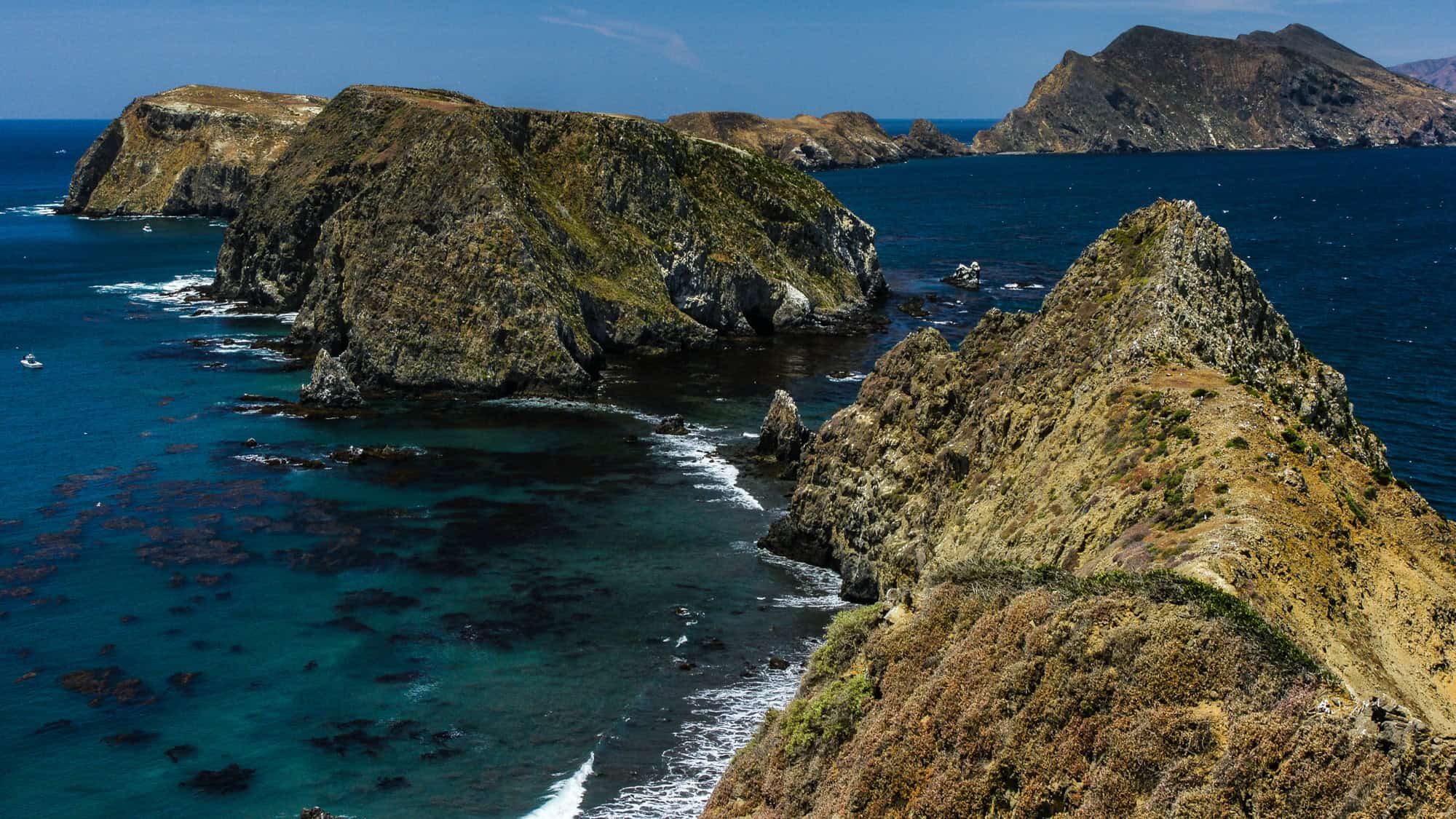
The Channel Islands are wild California at its finest. You’ll find five rugged islands floating off the coast, each one home to species found nowhere else on Earth. Think of it as the state’s best-kept secret.
Sea caves echo with the sound of waves, cliffs drop straight into teal water, and playful sea lions often steal the spotlight. Getting there takes a boat ride, and once you’re on land, there’s no gift shop, no crowds, and definitely no cell service.
On Santa Cruz Island, kayakers paddle through tunnels of glowing water while hikers cross hills painted with wildflowers. If you’re lucky, the island fox (adorably small and entirely too confident) will wander by. And beneath the surface, kelp forests sway in slow motion, sheltering a colorful cast of fish and sea stars.
The Channel Islands feel both remote and comforting, like a reminder that California still has places untouched by latte orders and traffic reports.
Wrangell-St. Elias National Park, Alaska

If Alaska does anything small, it’s by accident. Wrangell-St. Elias is the largest national park in the United States. In fact, it’s about the same size as Yellowstone, Yosemite, and Switzerland combined. Everything here is oversized: glaciers, volcanoes, valleys, and the kind of scale that makes you feel both lucky and tiny at the same time.
The park’s crown jewels include Mount St. Elias at 18,008 feet and the shimmering Root Glacier, where hikers crunch across blue ice that squeaks underfoot. You can only drive so far before the wilderness politely tells you to stop; beyond that, it’s bush planes or nothing.
The historic Kennecott Mines, perched dramatically against the mountains, offer a glimpse into Alaska’s rough-and-tumble past when copper was king. And wildlife roams freely, with moose, Dall sheep, and the occasional bear who looks mildly unimpressed by your presence. Wrangell-St. Elias doesn’t bother trying to impress you; it knows it already has.
Like Our Content? Follow Us on MSN (or click the Follow Button above) for more from Discover Parks & Wildlife.
11 Jaw-Dropping U.S. National Parks for Wildlife Enthusiasts

If you thought binge-watching nature documentaries was the ultimate way to appreciate wildlife, wait until you check out this eye-popping compilation of U.S. national parks. It will have you packing your binoculars and possibly considering a career in animal whispering.
16 U.S. National Parks with Sunsets Worth the Trip
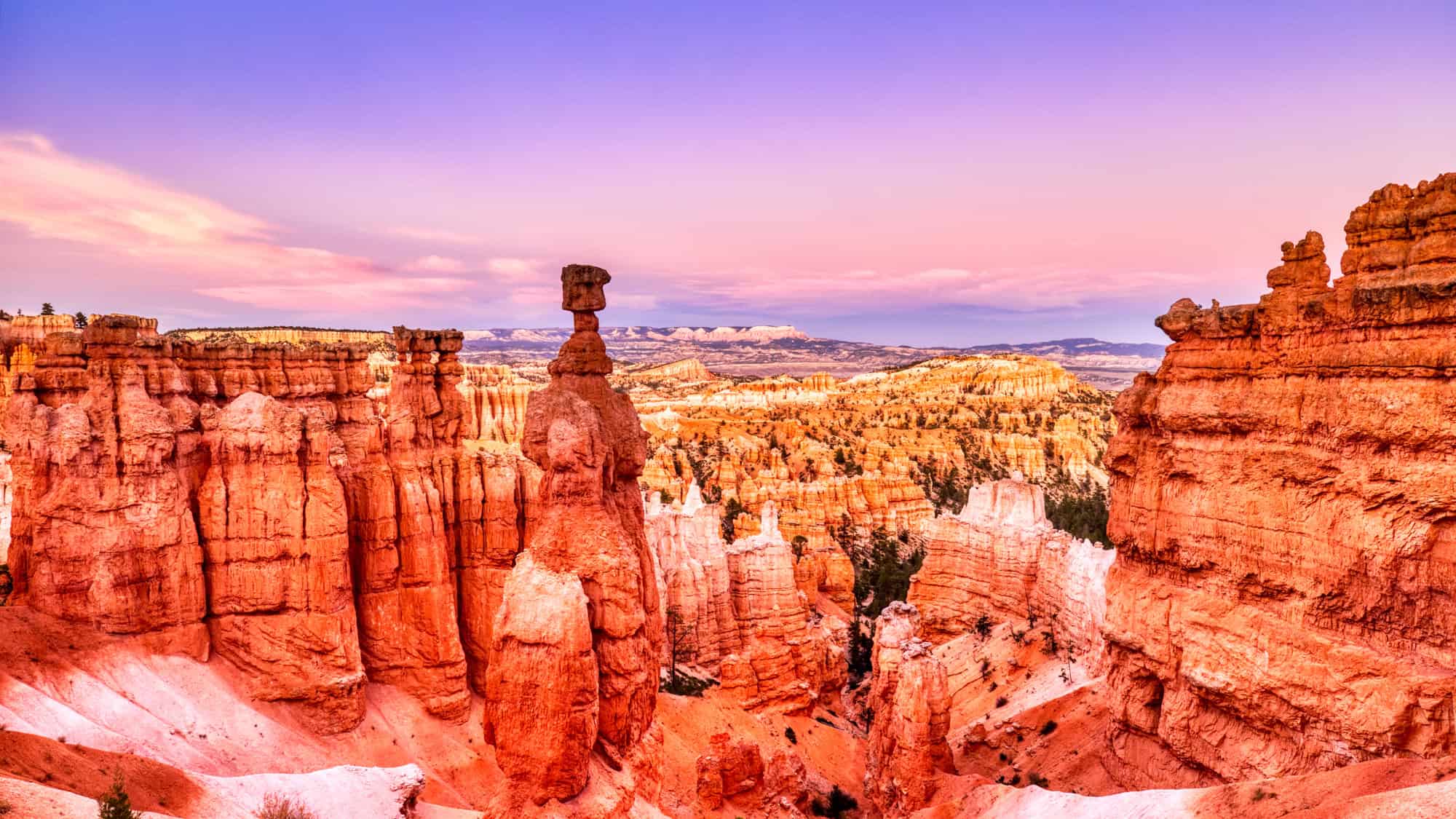
If you thought your life lacked a dash of dramatic flair, just wait until you set your sights on those sunsets at U.S. National Parks. You know, the kind that might have you questioning why your backyard bonfire doesn’t quite cut it anymore.
15 Photos Every National Park Photographer Needs in Their Collection

Think you’ve mastered the art of the perfect shot? Wait until you see these must-have captures that’ll make your portfolio sing.