Discover Parks & Wildlife contains affiliate links and is a member of the Amazon Services LLC Associates Program. If you make a purchase using one of the Amazon links, we may receive compensation at no extra cost to you. We may also use select AI tools to support our creative process, but all content is reviewed, refined, and finalized by our human team. See our disclosure policy and our AI use policy for more information.
Peek Into 15 Of The Most Closely Guarded Corners of the World
Some places are so protected that even your wildest travel daydreams couldn’t get you past the front gate. They sit on our planet like locked treasure chests, wrapped in mystery and sealed tight by governments, nature, or faith.
These are the corners that stir curiosity, the places you might spot on a map and think, “Who gets in there?” before realizing the answer is “absolutely no one you know.” They hold vaults of seeds meant to restart the planet, caves painted by people who never heard of lightbulbs, and islands where visitors are treated like uninvited guests (in the sharpest sense).
Each is a reminder that, for all our exploring, there are still places we’ll only ever get to whisper about. So, pull your chair closer, pour another cup of coffee, and let’s take a peek (from a very respectful distance) at the world’s most tightly sealed secrets. Just don’t expect a key.
Svalbard Global Seed Vault, Norway

If you’ve ever wondered where humanity’s backup plan lives, it’s tucked into the frozen mountains of Norway’s Svalbard archipelago. The Global Seed Vault sits more than 400 feet inside a sandstone mountain, built to safeguard over one million seed samples from nearly every corner of the planet.
Think of it as the ultimate pantry for Earth’s biodiversity, except only scientists and caretakers get the access codes. And the vault is designed to survive everything from power outages to nuclear strikes, thanks to the naturally cold climate that keeps seeds frozen even if systems fail. Temperatures hover around 0°F, ensuring nothing spoils.
It opened in 2008 and has already been used to restore crops lost to war and natural disasters. Tourists can see the entrance, a sleek, glowing wedge rising from the ice, but that’s where the sightseeing ends. No selfies inside. The seeds aren’t much for company anyway.
Area 51, Nevada

If secrets had a ZIP code, it would belong to Area 51. Hidden deep in Nevada’s desert, this U.S. Air Force base has fueled conspiracy theories for decades. The area was established in the 1950s to test experimental aircraft like the U-2 spy plane, but decades of silence from officials sent imaginations into overdrive.
UFOs? Alien autopsies? Maybe, maybe not. But it’s fun to wonder what’s really behind those fences lined with motion sensors and armed patrols. Plus, the airspace above it is among the most restricted in the world, and unauthorized entry can land you in serious trouble.
You can, however, drive along the Extraterrestrial Highway for kitschy diners and “I Want to Believe” signs. At night, you might even spot mysterious lights streaking across the sky (which are usually military tests). Still, it’s hard not to glance up and think maybe, just maybe, they’re waving back.
Lascaux Caves, France

Deep beneath southwestern France lies a time capsule that humans haven’t touched in decades. The Lascaux Caves house more than 600 prehistoric wall paintings, created roughly 17,000 years ago by early humans who clearly had an artistic streak.
When the caves were rediscovered in 1940, they became an instant archaeological sensation. That is, until scientists realized human breath and light were slowly destroying the fragile pigments. By 1963, they were sealed to preserve the art. Only a handful of researchers are allowed inside under strict conditions, and they spend more time monitoring mold levels than admiring the artwork.
Visitors now explore Lascaux IV, a near-perfect replica just down the road, where every curve and color was painstakingly recreated. It’s as close as you’ll get to stepping into the Stone Age… minus the smell of cave moss and the risk of bumping your head on ancient ceilings.
North Sentinel Island, India

In the Andaman Sea, there’s an island where visitors are not just unwelcome, they’re in danger. North Sentinel Island is home to the Sentinelese, an Indigenous tribe that has resisted outside contact for thousands of years.
The Indian government enforces a five-nautical-mile exclusion zone around it to protect both the tribe and outsiders from potential harm or disease. And the Sentinelese have made their stance very clear, firing arrows at approaching boats and even helicopters. Anthropologists have observed them only from afar, noting that they live by hunting, fishing, and gathering, just as their ancestors did.
It’s one of the last truly untouched societies on Earth. If you’re tempted to sneak in, don’t. Not only is it illegal, it’s also wildly disrespectful. Besides, there are easier ways to meet people who don’t want to talk to you, like waiting in line at the DMV.
Vatican City Archives, Vatican City

Some people keep journals. The Vatican keeps 53 miles of shelves filled with centuries of world-changing secrets. The Vatican Apostolic Archives (once dramatically called the “Secret Archives”) hold papal correspondence, treaties, and records dating back to the eighth century.
Only select scholars with credentials (and saint-like patience) may request access to specific documents, after approval from the highest authorities. The archives include letters from Michelangelo, Galileo’s trial transcripts, and diplomatic exchanges from world wars. The security is so tight that researchers receive limited hours and supervised reading sessions. No browsing for fun here.
Though the Vatican occasionally releases select materials for research, much remains sealed, fueling endless theories about what’s still hidden inside. Whether it’s scandal, relics, or dusty tax receipts, one thing’s certain: your library card won’t work here.
Korean Demilitarized Zone, North Korea

It’s not every day that a 2.5-mile-wide strip of land becomes one of the most dangerous no-go zones on Earth. The Korean Demilitarized Zone, or DMZ, separates North and South Korea, running roughly 160 miles across the peninsula.
Despite its name, it’s far from peaceful. Guard towers, landmines, and armed soldiers make sure of that. The zone was established in 1953 after the Korean War armistice, and tension still hangs in the air like static. Ironically, decades without human activity have turned parts of the DMZ into a wildlife haven, home to rare cranes, deer, and even bears.
Guided tours from the South Korean side let you peek across the border, where blue conference huts straddle the line between nations. Just don’t cross it… there’s no “oops” clause in this particular neighborhood dispute.
Mount Athos, Greece
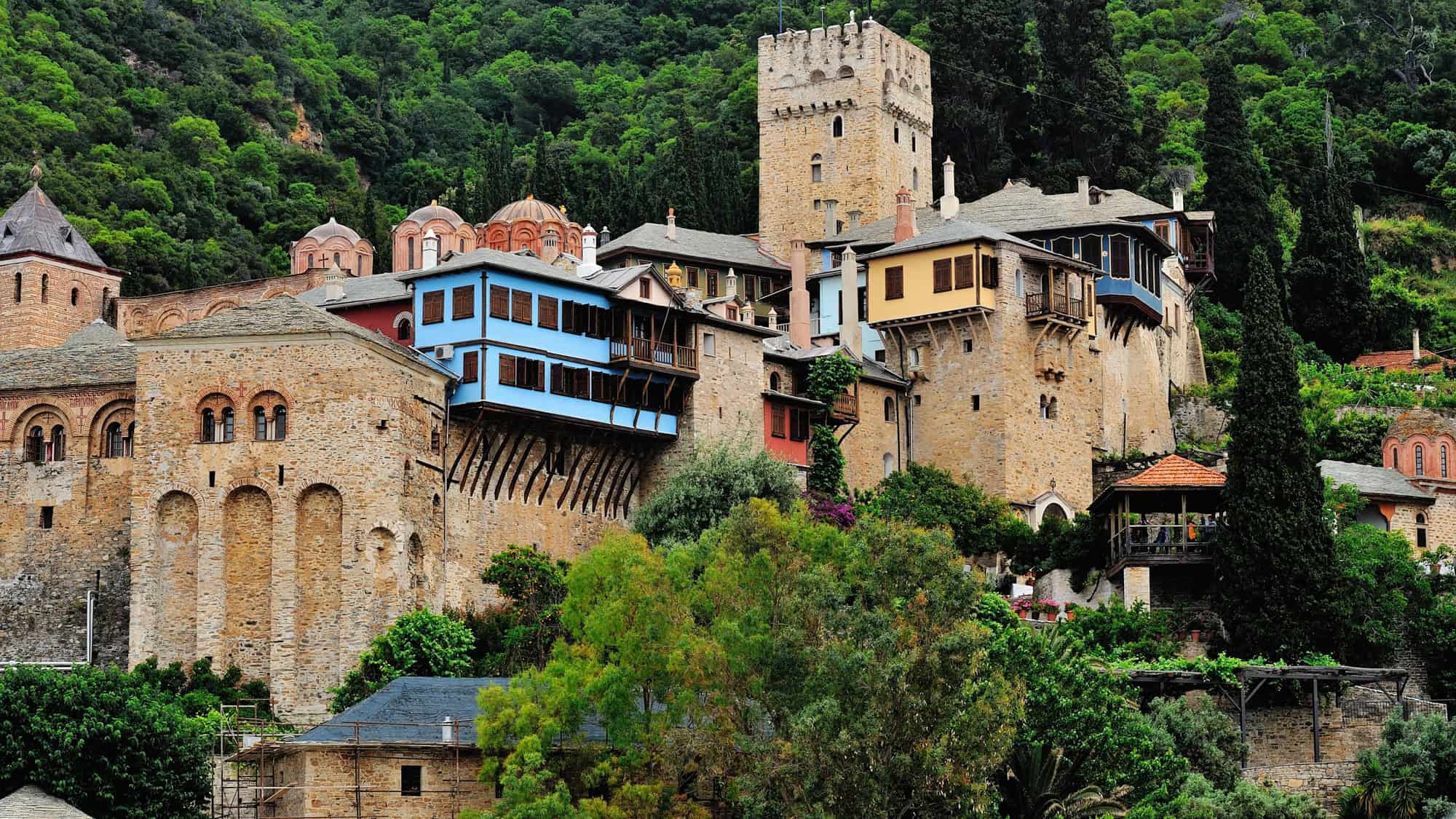
A visit to Mount Athos isn’t just restricted; it’s practically a time warp with a dress code. This autonomous monastic region in northern Greece has banned women entirely for over a thousand years, supposedly to help monks focus on spiritual life.
Even female animals aren’t allowed, except for cats, which patrol the monasteries like furry little enforcers. About 2,000 monks live in 20 monasteries scattered across the rugged peninsula, following ancient Byzantine traditions.
Access is limited to 100 Orthodox men and 10 non-Orthodox visitors per day, all requiring special permits. Ferries carry them in from the mainland, where time slows and prayer bells mark the hours. For everyone else, the view from the sea is as close as it gets.
It’s one of the few places on Earth where modernity politely stops at the gate, along with half the population.
Ni’ihau, Hawaii

Known as the “Forbidden Island,” Ni‘ihau is a place few outsiders ever see. Privately owned by the Robinson family since 1864, it’s home to about 130 Native Hawaiian residents who live largely off the land and sea.
There are no paved roads, no stores, and no internet. The family limits access to protect traditional culture and language, allowing only invited guests, government officials, and sometimes hunters or researchers. Even residents from other Hawaiian islands rarely set foot there.
From nearby Kauai, you can glimpse Ni‘ihau’s low, dry landscape on clear days as it sits roughly 17 miles across the Kaulakahi Channel. And some helicopter tours circle offshore for views of the beaches, but landing is strictly off-limits. Think of it as Hawaii’s best-kept secret, hiding in plain sight behind miles of ocean and a whole lot of privacy.
Mezhgorye, Russia

Deep in the Ural Mountains, the closed town of Mezhgorye sits under constant watch. Officially, it’s home to workers maintaining nearby Mount Yamantau. Unofficially, no one outside Russia’s top ranks really knows what goes on there. Theories range from a nuclear bunker to a command center or a vast storage site for national treasures.
Founded in 1979, Mezhgorye remains fenced, guarded, and absent from most maps. Foreigners are banned, and even Russians need special clearance. The residents reportedly live normal lives with schools, shops, and parks. In fact, it seems like a perfectly ordinary town, if you ignore the whole “you can’t leave or talk about your job” part.
Satellite images show large underground facilities carved into the mountain, but the government shrugs off questions. So, yes, it’s a secret town pretending not to be secret. Russia’s version of a magician saying, “Nothing up my sleeve,” while holding a shovel.
The Mausoleum Of Qin Shi Huang, China

Buried beneath a hill in Xi’an rests China’s first emperor, Qin Shi Huang, along with one of history’s greatest archaeological puzzles. The mausoleum complex is guarded by the famous Terracotta Army, with over 8,000 clay soldiers discovered in 1974.
While the soldiers are open for public viewing, the emperor’s central tomb remains untouched by order of the Chinese government. Scientists fear that current excavation technology could damage what’s inside, especially due to high mercury levels detected in the soil (a toxic souvenir from ancient preservation methods). According to historical records, the tomb contains rivers of mercury, models of palaces, and priceless artifacts.
Archaeologists are just biding their time, waiting for technology to catch up. For now, the emperor rests beneath his army, and the rest of us are left wondering if he’d still want to rule after two thousand years of waiting.
The Coca-Cola Vault, Georgia

There’s secret sauce, and then there’s Coca-Cola’s secret recipe, guarded inside a high-security vault at the World of Coca-Cola in Atlanta, Georgia. The formula, created in 1886, has been one of the world’s best-kept corporate secrets.
Only a few executives reportedly know it, but that famous story about them not being allowed to travel together is mostly a myth that Coke has played along with for decades. The vault itself is a glass-and-steel fortress with biometric locks and constant surveillance.
Visitors can tour the museum and even see the vault’s exterior, but that’s where transparency ends. Coca-Cola leans into the mystery, marketing it as part of the brand’s magic. While chemists have likely cracked similar formulas, none capture that same taste perfectly. So next time you open a can, remember: you’re sipping from a recipe so guarded it might as well be national security with bubbles.
Chapel Of The Tablet, Ethiopia

In the city of Aksum, Ethiopia, stands a modest chapel said to house one of the most sacred objects in biblical history: the Ark of the Covenant. According to local tradition, the Ark has rested here for centuries, watched over by a single guardian monk who dedicates his life to protecting it.
No one else is allowed to enter the chapel, not even Ethiopia’s highest clergy. The guardian reportedly never leaves the grounds, spending his days praying and tending the area. And whether the Ark is truly there is a mystery, since no outsider has seen it.
Still, the Ethiopian Orthodox Church treats it with absolute reverence. Pilgrims visit the nearby Cathedral of St. Mary of Zion to worship, but the inner chapel stays locked. Whatever lies inside, faith alone has kept the door closed for generations.
Surtsey Island, Iceland

When a volcano erupted off Iceland’s southern coast in 1963, it created something extraordinary: a brand-new island. Scientists named it Surtsey, and it quickly became a living laboratory for studying how ecosystems form from scratch.
To keep the research pure, access is tightly restricted to a few scientists with permits. No tourists, no boats, and definitely no snacks that could introduce foreign seeds. Even dropping a sandwich crumb could disrupt decades of data. The island’s isolation has revealed how birds, plants, and microbes naturally colonize land.
Today, mosses, lichens, and a few hardy flowers thrive where molten rock once steamed. UNESCO designated Surtsey a World Heritage Site in 2008, but it remains one of the most untouched natural environments on the planet. From the air, it looks like a dark smudge in a gray sea… proof that even Earth keeps a few secrets from time to time.
Bhangarh Fort, India

Not every forbidden place has soldiers or vaults; some are off-limits because people fear what lingers there. Bhangarh Fort in Rajasthan, India, is often called the country’s most haunted location.
The 17th-century ruins sprawl at the edge of the Sariska Tiger Reserve, surrounded by legends of curses and vanished kingdoms. Locals believe that anyone who enters after sunset won’t return, and the Archaeological Survey of India has even posted signs warning visitors to stay out after dark.
By daylight, the fort’s crumbling temples and gateways are stunning. It’s, in essence, a ghost town frozen in time. But after dusk, it’s another story, with stories of eerie sounds and moving shadows.
Whether you believe in ghosts or not, one thing’s clear: you don’t need paranormal proof to know when a place politely says “no thanks” to guests.
The White House, Washington D.C.

It might look welcoming from the outside, but the White House is one of the most secure residences on Earth. The 132-room mansion has hosted every U.S. president since John Adams, and its layers of protection are the stuff of legend.
There are bulletproof windows, motion sensors, and snipers perched on the roof. The airspace above it is permanently restricted, and underground tunnels provide quick exits if things go sideways. Public tours are limited and require congressional approval. So no, you can’t just ring the doorbell and ask for a peek at the Oval Office.
Beneath the polished exterior, entire sections remain classified. Rumor has it there’s a bunker system deep below, but the details are hush-hush. Whether you stand on Pennsylvania Avenue or watch it sparkle at night, one thing’s for sure: this house keeps its secrets.
Like Our Content? Follow Us on MSN (or click the Follow Button above) for more from Discover Parks & Wildlife.
12 Overlooked U.S. Cities That Should Be On Your Travel Radar
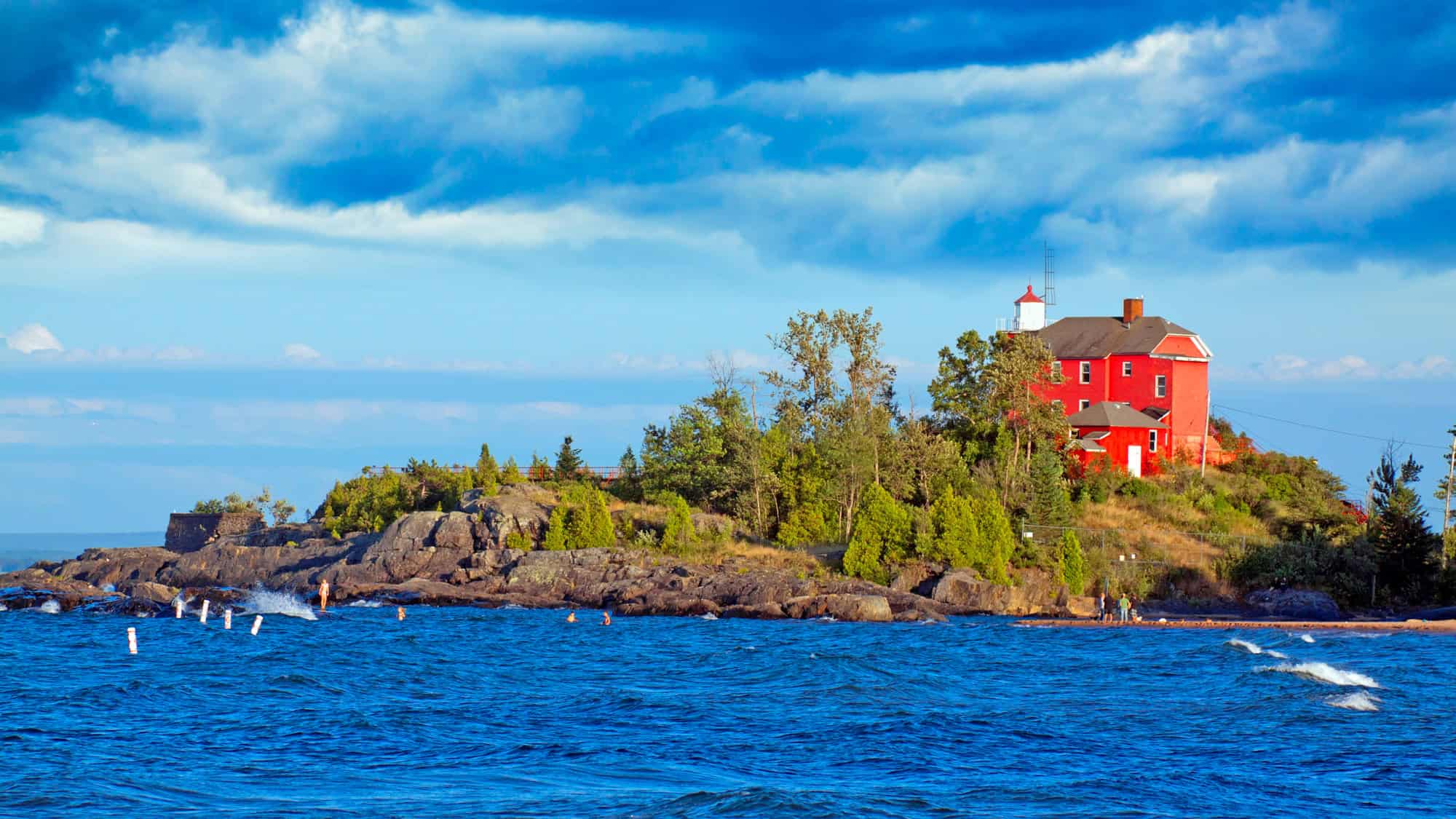
Ready to have your travel plans ejected from the boring highway straight into the scenic backroads? Check out this treasure trove of overlooked U.S. cities that will have you questioning why you ever thought New York and L.A. were the only places worth visiting.
15 Foodie Cities You Must Savor Before You Die

Are your taste buds ready for a treat? You’re about to take a delicious detour through cities so packed with culinary delights, they’ll have you questioning whether your home-cooked meals are actually a crime against flavor.
14 Cities Where Music Is a Way of Life
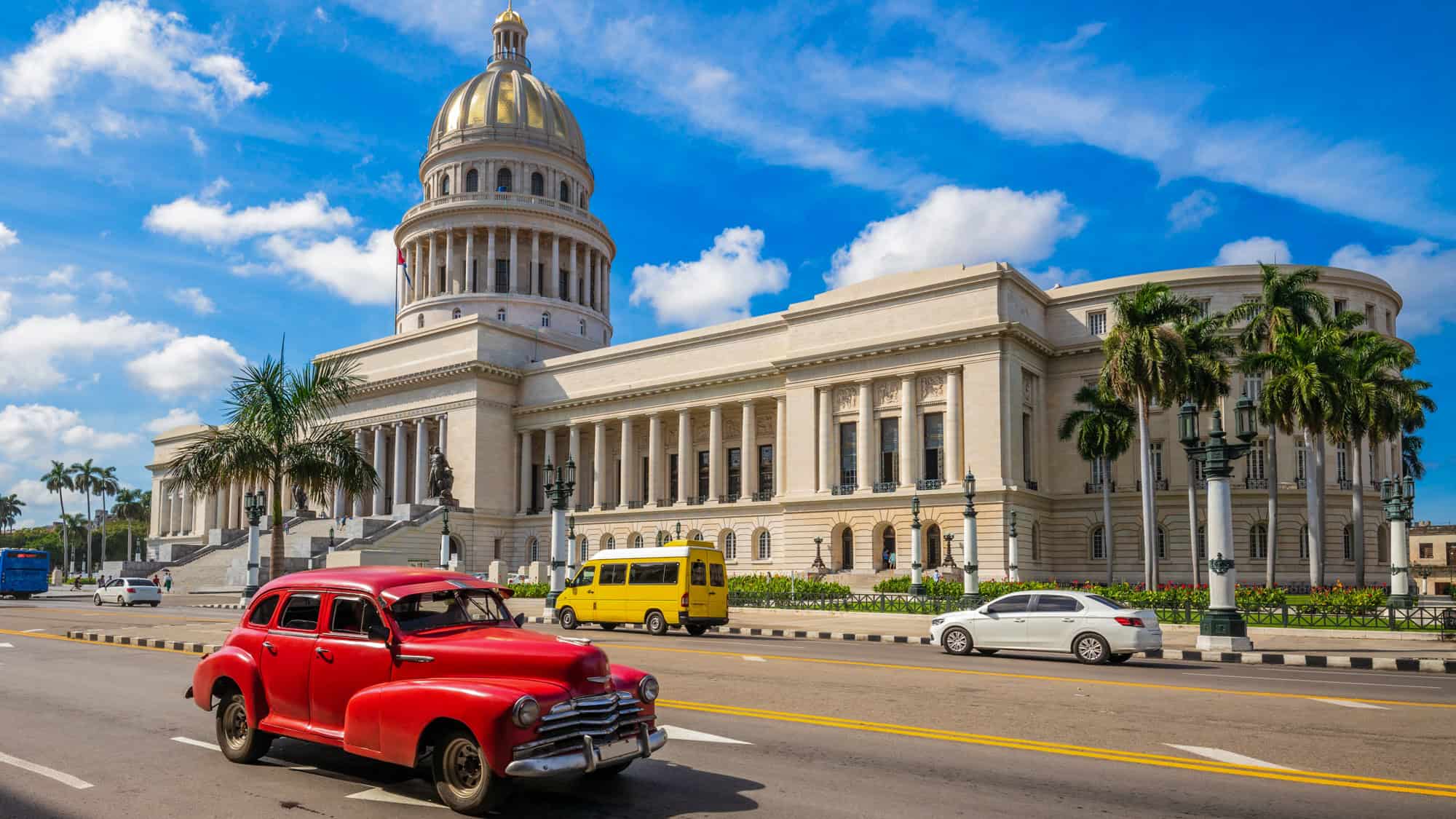
Prepare to get your groove on as you uncover urban havens where the streets pulse with rhythm and every corner feels like a spontaneous concert.