Discover Parks & Wildlife contains affiliate links and is a member of the Amazon Services LLC Associates Program. If you make a purchase using one of the Amazon links, we may receive compensation at no extra cost to you. We may also use select AI tools to support our creative process, but all content is reviewed, refined, and finalized by our human team. See our disclosure policy and our AI use policy for more information.
These 12 Birds Of Prey Prove That Nature Still Knows How To Steal The Spotlight
When you look up and see a shadow slicing through the clouds, it’s easy to forget that some birds aren’t built for sweet songs or backyard feeders. Some rule the air like emperors. Their name? Raptors. Their skills? Anything that involves talons, velocity, and serious precision.
They’re the muscle and mystery of the sky, swooping through mountain winds or skimming over water with quiet confidence. And there’s a kind of magic in the way they move: part grace, part danger, all awe. Whether you’re staring at an eagle perched on a cliff edge or a falcon dropping through the air like a thrown spear, these creatures remind you just how wild the world still is.
Each has its own brand of brilliance, from hunting strategies that defy physics to feathers that seem touched by gold. So the next time you’re outside and catch a silhouette gliding overhead, take a moment to admire the power, patience, and quiet authority that keep these birds at the top of the bird pyramid.
Golden Eagle

If the sky had a king, the golden eagle would probably demand a throne. Found across North America, Europe, and Asia, this raptor’s wingspan can stretch close to seven feet. That’s enough to make you feel very small very fast.
They soar effortlessly above open terrain, searching for rabbits or marmots below. Those dark brown feathers with a golden shimmer around the neck make them look like they were hand-painted just to prove a point. Did you know that these birds are monogamous? Yep, they often return to the same nesting site year after year, hauling branches and animal fur to decorate their lofty cliff homes.
Their eyesight is remarkably sharp, able to spot small prey from far above, even while gliding hundreds of feet in the air. And when they dive, they can reach speeds over 150 miles per hour. Once those talons close on something, the outcome isn’t up for debate.
Northern Harrier
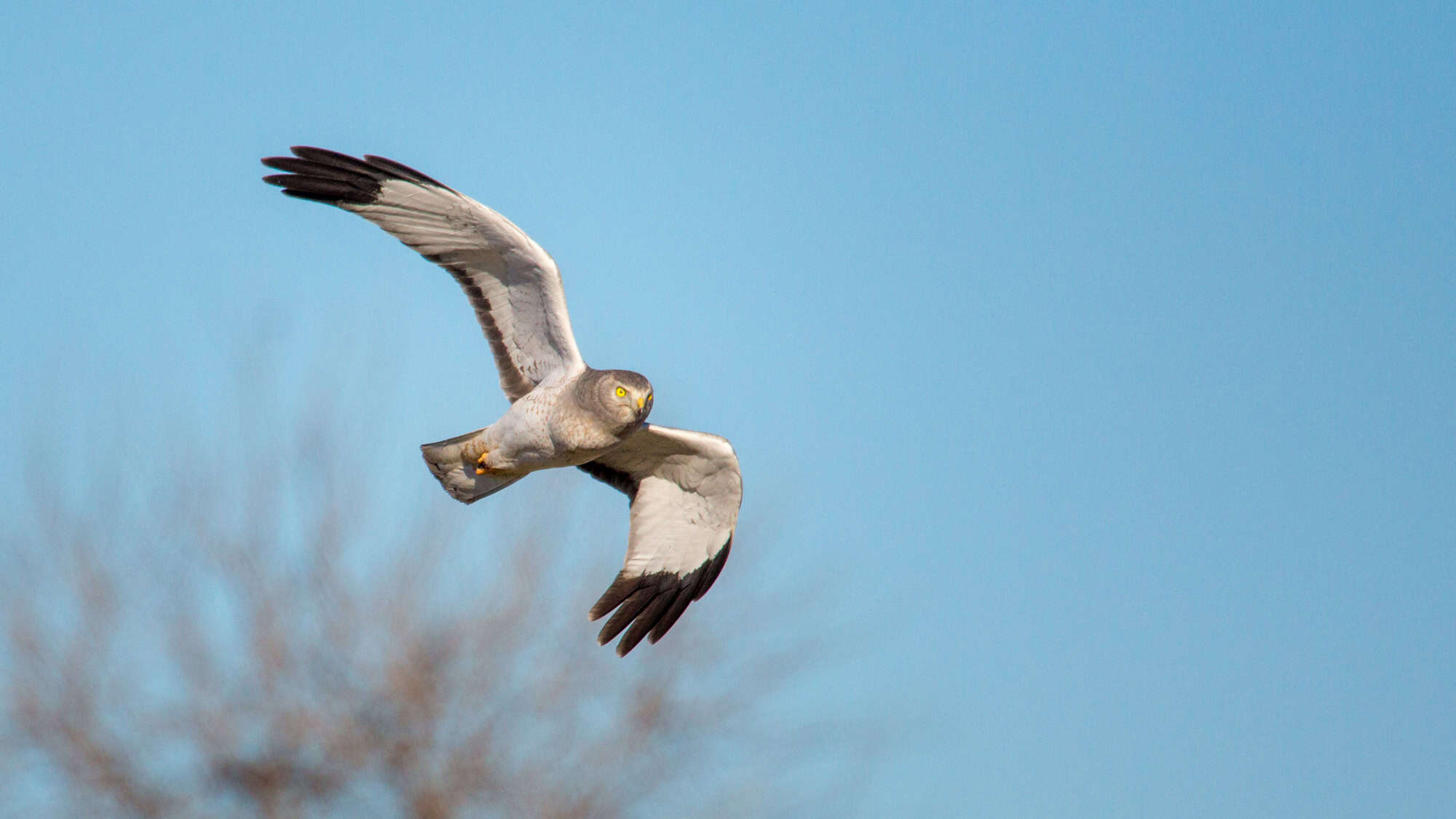
The northern harrier doesn’t just fly; it glides low over meadows like a ghost skimming the grass. Its owl-like face funnels sound to its ears, allowing it to hunt with both hearing and sight. Males are a sleek gray, females a mottled brown, and both flash a white rump patch that helps birdwatchers identify them.
These raptors favor open fields and wetlands, moving with a deliberate calm that hides just how deadly they are to unsuspecting voles or songbirds below. They rely on stealth rather than speed, listening intently for movement, then dropping with silent precision.
Watching one hunt is mesmerizing. It’s a mix of grace and quiet menace. In winter, they often roost communally, sometimes with short-eared owls… which feels kind of like a neighborhood potluck.
Bald Eagle

You might know it as the national bird of the United States, but the bald eagle is much more than a patriotic emblem. With a wingspan reaching eight feet and a piercing yellow stare, this raptor dominates rivers, lakes, and coastlines from Alaska to Florida.
They’re expert fishers, snatching meals right off the water’s surface in mid-flight. And their nests, made from massive bundles of sticks, can weigh over a ton. One even measured nine feet wide and was reused for decades (talk about commitment).
Despite their name, bald eagles aren’t bald; it’s just that their gleaming white heads contrast sharply with dark chocolate-brown bodies, giving them that crisp “business suit” look of the bird world. They’re also surprisingly social, often gathering in groups near abundant food sources during winter.
Watching one glide over calm water, wings steady and talons poised, it’s hard not to feel a little patriotic yourself. But it doesn’t just represent freedom, it embodies focus, persistence, and an unapologetic love of seafood.
Secretary Bird
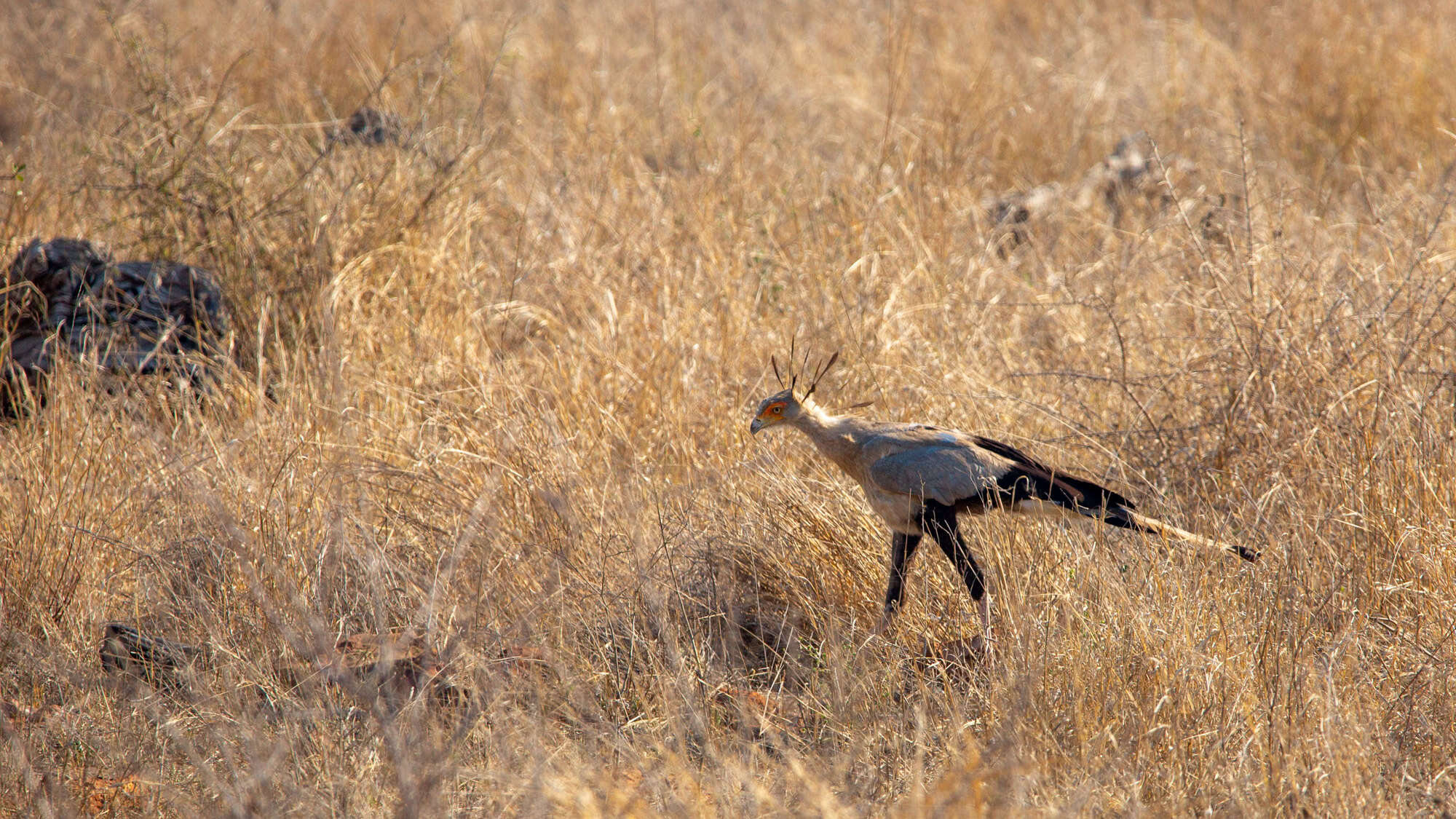
There are birds that soar and birds that strut. The secretary bird does both, though it prefers to walk across Africa’s grasslands (sometimes up to 20 miles a day). With long crane-like legs, black-tipped feathers that look like quills behind its head, and a gaze that says “I’ve seen things,” it’s unlike any other raptor.
This bird hunts snakes, stomping them with lightning-fast kicks powerful enough to kill a cobra. And its name comes from those “quill” feathers that reminded early observers of secretaries with pens tucked behind their ears (a charmingly outdated comparison). Despite its elegant looks, it’s all business when food is involved, tackling rodents, insects, and reptiles.
They build nests in acacia trees, surprisingly high for birds that spend most of their day on foot. And that’s not the only contradiction this bird thrives on. It’s also delicate in appearance but ruthless in practice.
Harpy Eagle
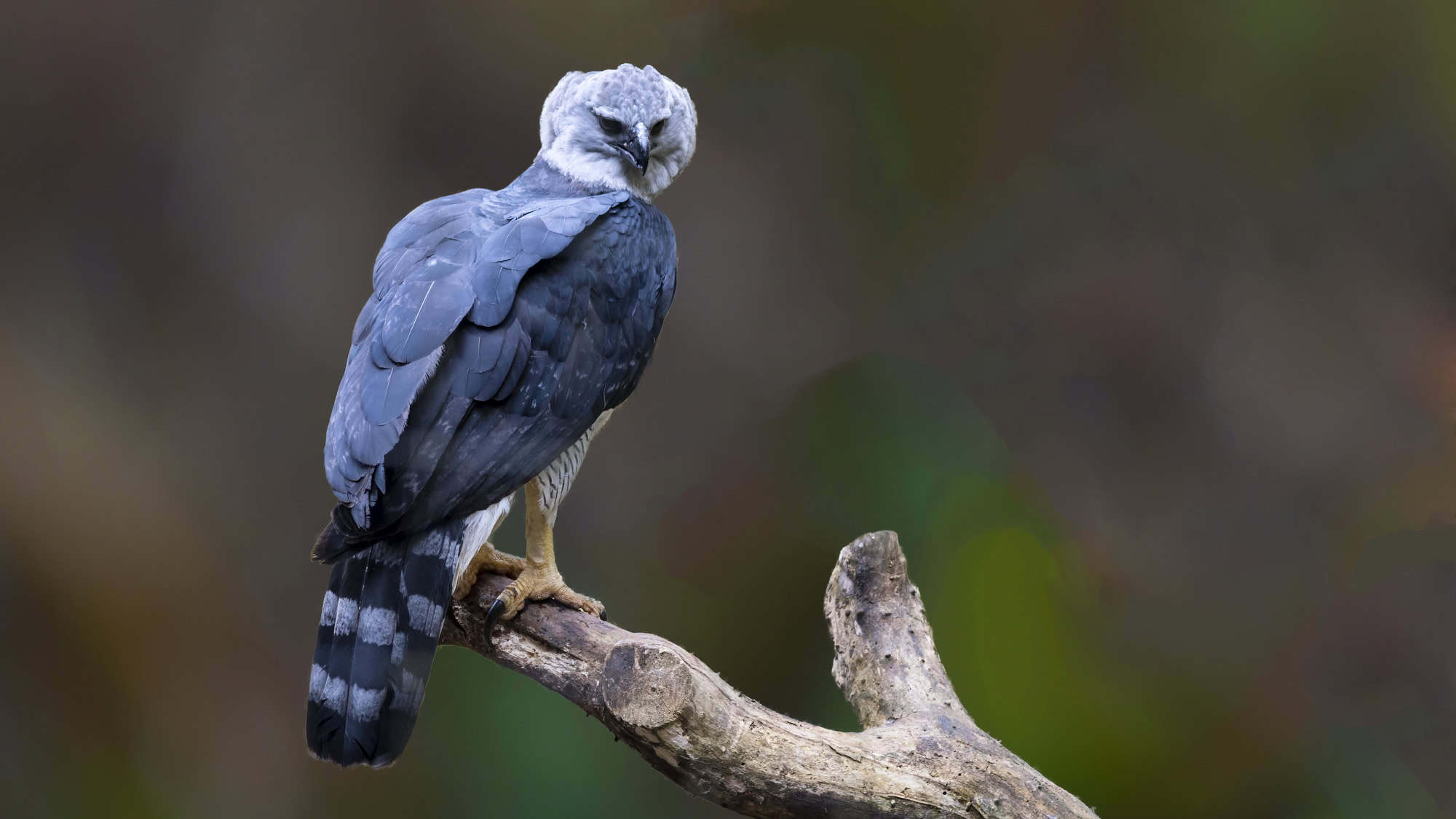
If you’ve ever wondered what would happen if a myth came to life, the harpy eagle is your answer. Found in Central and South America’s tropical forests, this bird looks like it flew straight out of a fantasy novel.
Its talons can grow longer than a grizzly bear’s claws, and its legs are thicker than a man’s wrist (yes, it’s that intense). And it doesn’t waste time with small prey like other raptors. Instead, it goes after sloths and monkeys in the canopy, swooping through dense branches with shocking agility.
Adults can weigh up to 20 pounds, making them one of the heaviest eagles on Earth. Their striking black, white, and gray plumage only adds to their regal air. Unfortunately, deforestation threatens their rainforest homes, making sightings rare. So spotting one in the wild feels almost supernatural, as if you’ve stumbled into a secret kept by the jungle itself.
Osprey

The osprey could easily have starred in a wildlife version of “Top Chef.” Fish is its one and only menu item, and it has the technique down to an art.
With a wingspan over five feet, this raptor hovers high above rivers and lakes before folding its wings and plunging feet-first into the water like a feathery missile. It has a reversible outer toe and barbed pads on its feet, perfect for gripping slippery catches. After takeoff, it shakes off the water midair (an impressive move if you’ve ever tried getting out of a pool elegantly).
They can be found on every continent except Antarctica, nesting atop poles or even man-made platforms. And their adaptability has helped them rebound after past pesticide declines. They’re devoted parents too, with both partners taking turns incubating eggs and feeding chicks.
Cinereous Vulture
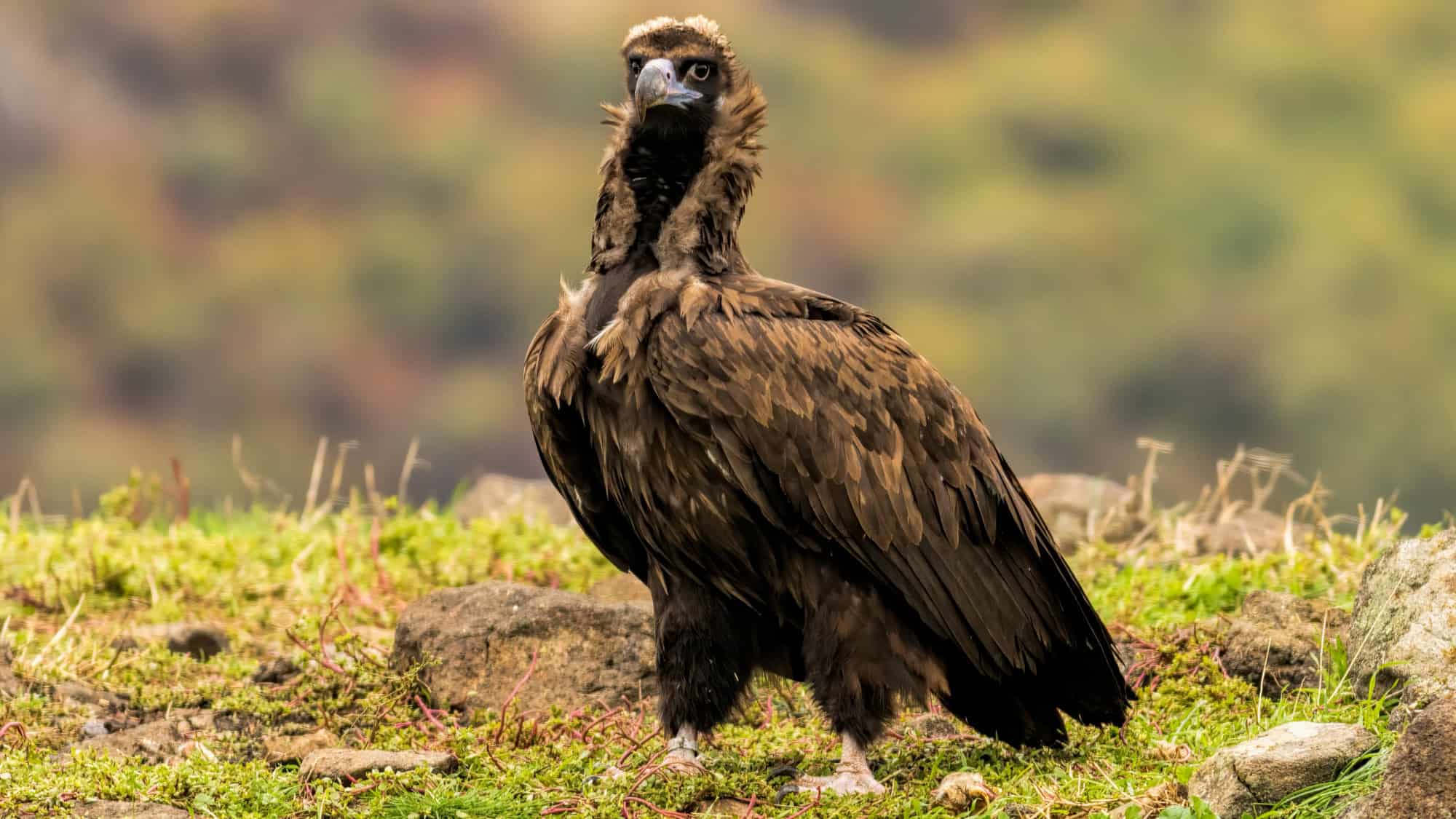
The cinereous vulture, also called the Eurasian black vulture, is the quiet powerhouse of the skies. With a wingspan stretching up to ten feet, it’s among the largest birds of prey in the world. Unlike many of the other raptors on this list, this one is a scavenger, feeding mostly on carrion.
But before you wrinkle your nose, remember: this bird is nature’s sanitation department, preventing disease by cleaning up what others leave behind. Found from Spain to Mongolia, it prefers remote mountains and open plains.
And despite its grim job description, the vulture soars with surprising elegance, circling on rising air currents for hours without a single wingbeat. Its dark plumage and sturdy build give it a gothic kind of beauty.
Red-Tailed Hawk
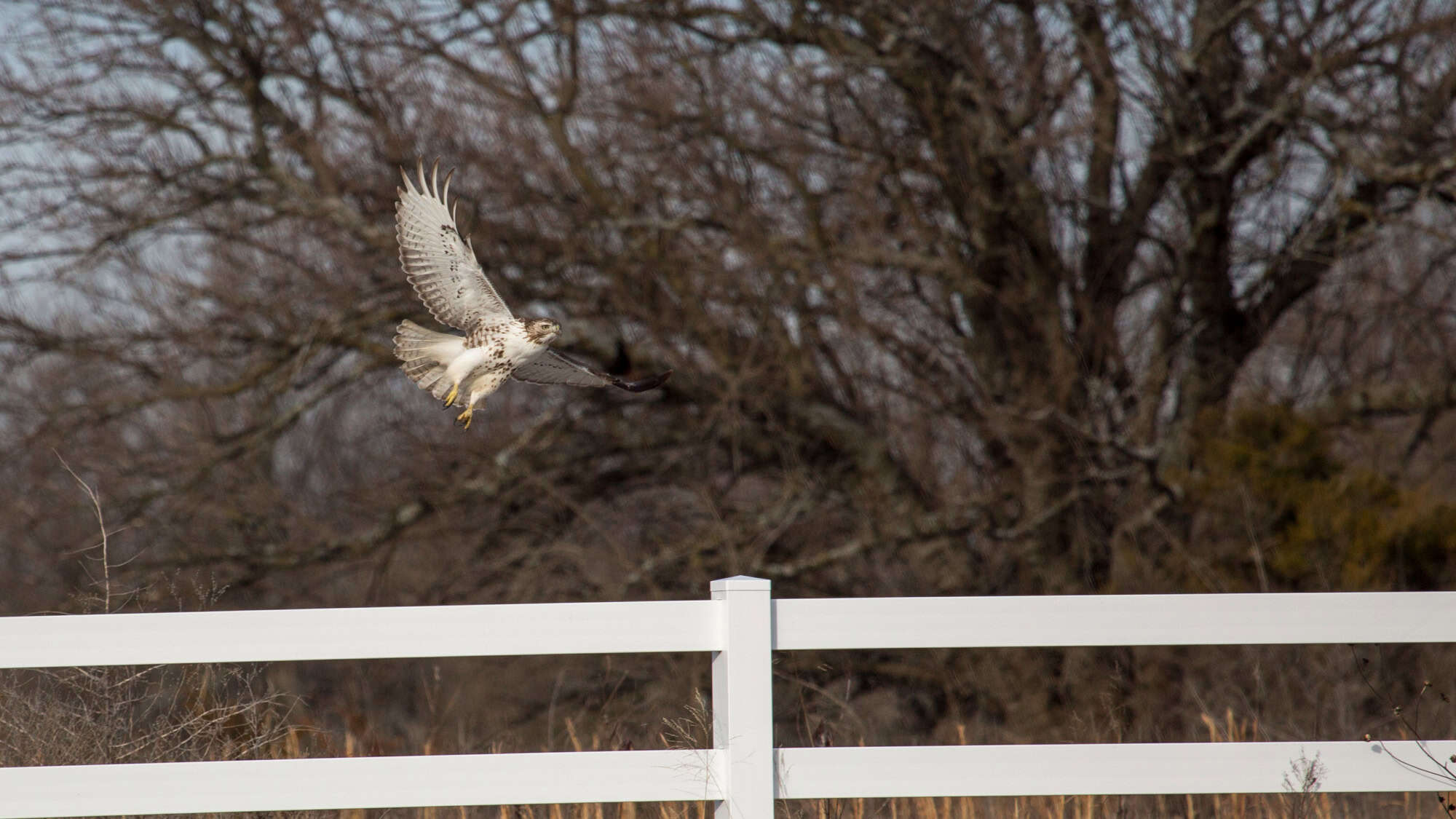
If there’s a raptor you’re most likely to spot in North America, it’s this one. The red-tailed hawk has made itself at home everywhere from deserts to city suburbs. Its copper-red tail feathers catch sunlight like sparks, hence the name.
These hawks ride thermal currents, scanning open fields for mice, snakes, or rabbits. When they dive, it’s not just for the thrill; it’s precision engineering at work.
Females are larger than males, a pattern common among raptors, and they often mate for life. Their nests can be found high on cliffs or tall trees, though many have gotten comfortable with the convenience of telephone poles. And that piercing scream you hear in every “eagle scene” in a movie? That’s actually the red-tail doing voiceover work.
Peregrine Falcon
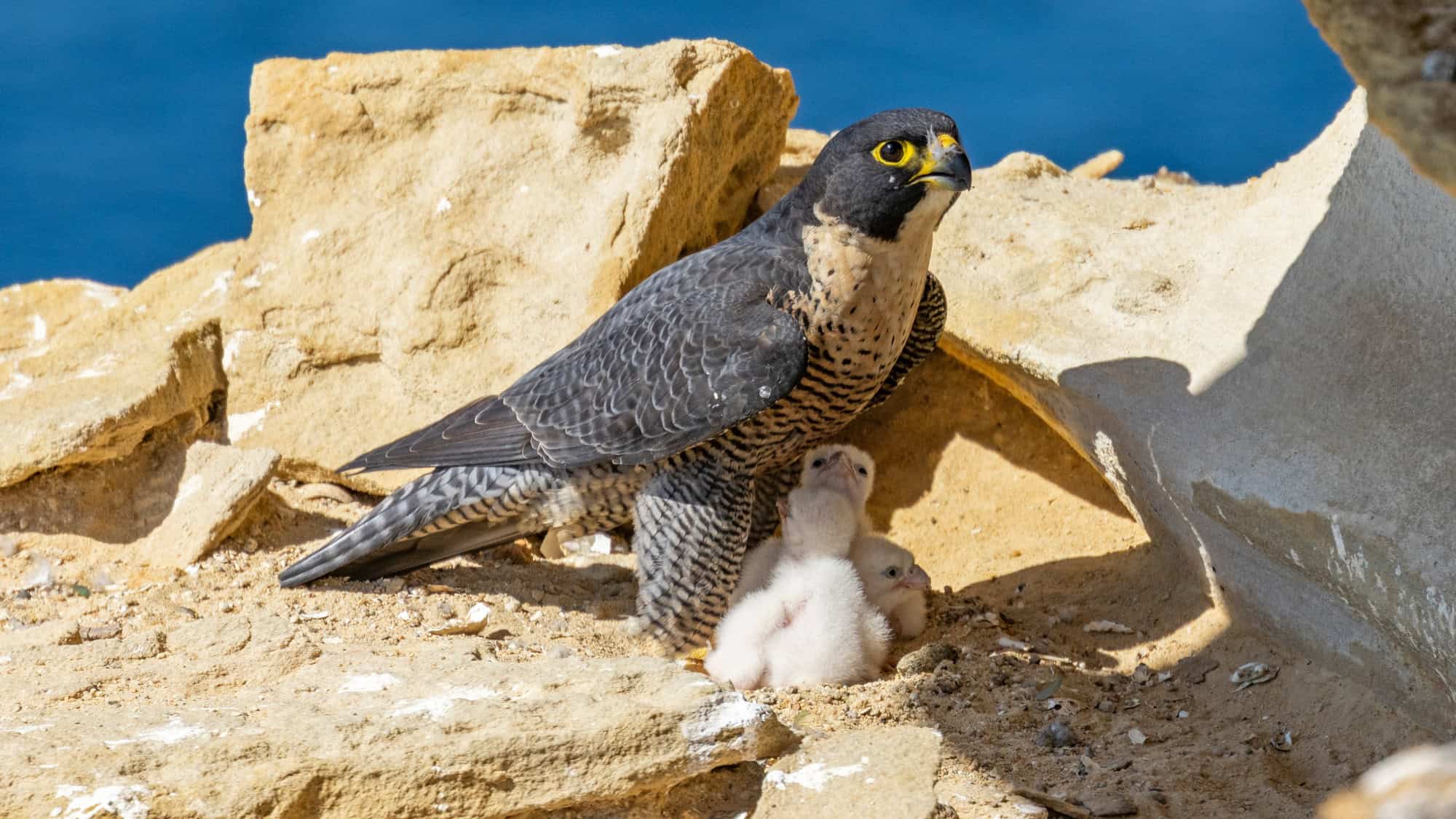
If there were an Olympic category for speed, the peregrine falcon would win gold every year. During its hunting dive (called a stoop), it can reach speeds over 200 mph. That’s faster than a race car, a cheetah, and maybe even your Wi-Fi on a good day. Its aerodynamic body and pointed wings are built for velocity.
Peregrines nest on cliff ledges, but many have taken to skyscrapers and bridges, proving that city pigeons make convenient takeout. And despite being nearly wiped out by pesticide use in the 20th century, they’ve made a stunning comeback.
With keen eyesight, roughly 2-3 times sharper than ours, they spot prey from incredible distances. Watching one dive is like watching a blur of controlled chaos. One moment it’s a speck, the next, the air splits around it. If any bird deserves a theme song, it’s this one.
Snowy Owl

The snowy owl looks as if winter itself decided to grow feathers. With white plumage that helps it blend into Arctic tundra, it’s both beautiful and battle-ready. Males can be nearly pure white, while females sport dark barring for camouflage.
Unlike most owls, these owls are diurnal, hunting during the day, often standing tall on snow drifts like sentinels. Their primary prey is the lemming, and during boom years, a single owl can consume more than 1,500 of them.
Snowy owls migrate south irregularly, depending on food supply, which means you might spot one perched on a fencepost in the northern U.S. some winters and not again for years. In fact, the one in our photo made an appearance in our home state, all the way down in Kansas.
Don’t let their fluff and beauty fool you. These birds are fierce defenders of their nests, known to dive-bomb intruders with surprising aggression. If beauty and brawn had a mascot; it’d be this snow-white hunter.
Andean Condor
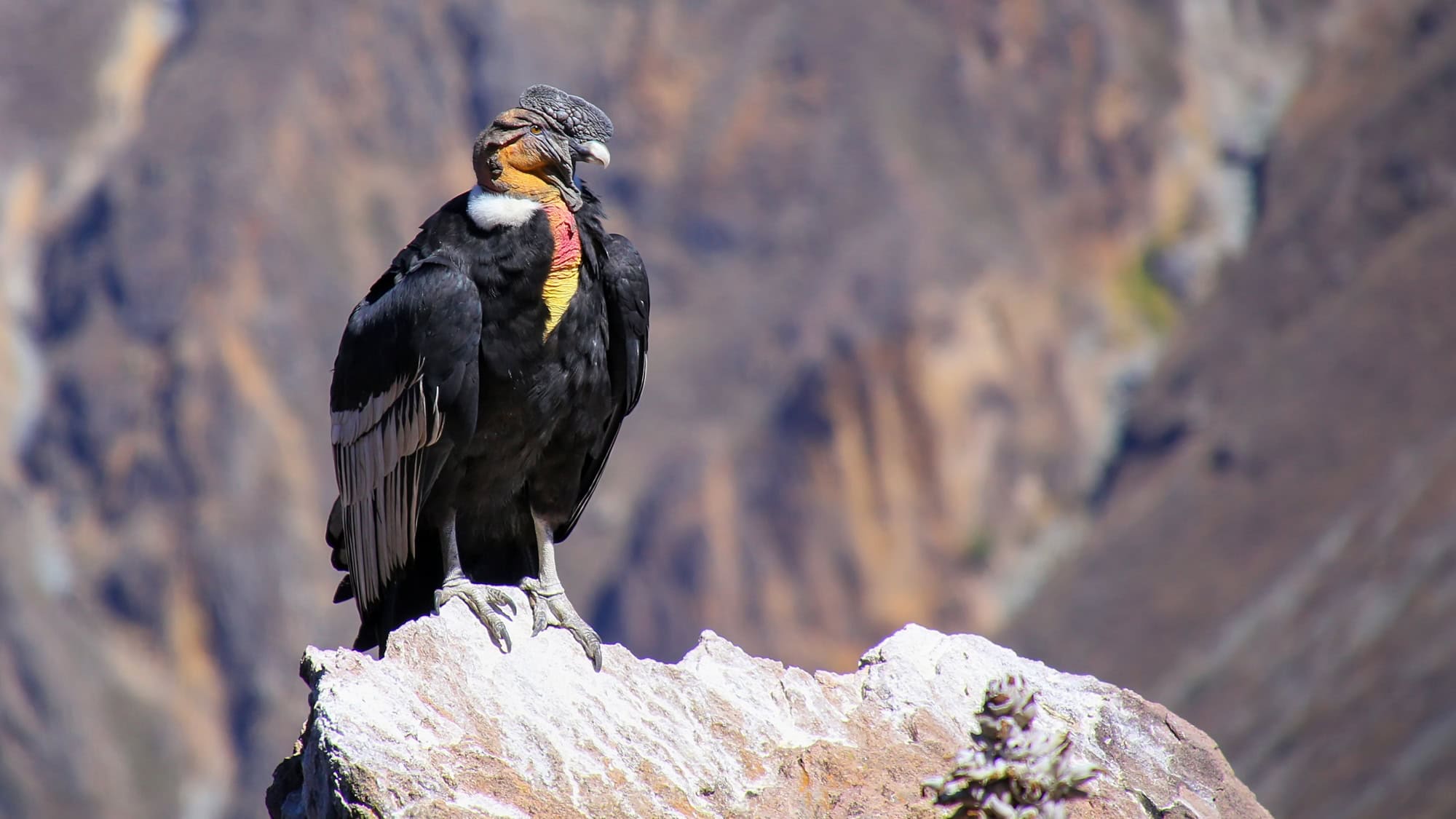
In the thin air of South America’s Andes Mountains, the Andean condor reigns supreme. With a wingspan that can exceed ten feet, it’s one of the largest flying birds on Earth. So watching one glide along mountain ridges without flapping for minutes at a time feels like witnessing a miracle of physics.
Condors are primarily scavengers, feeding on carcasses of large mammals like deer or livestock, and they play an essential role in maintaining healthy ecosystems. Males sport a comb-like crest on their heads and weigh up to 30 pounds, yet still take flight with effortless grace… while I can’t get off the couch gracefully.
In Andean culture, the bird is a sacred symbol of power and longevity. They can live over 70 years in captivity, which gives new meaning to the phrase “old soul.” Spotting one in flight is an unforgettable experience, partly because it’s so rare, partly because nothing that large should look that serene in motion.
African Fish Eagle
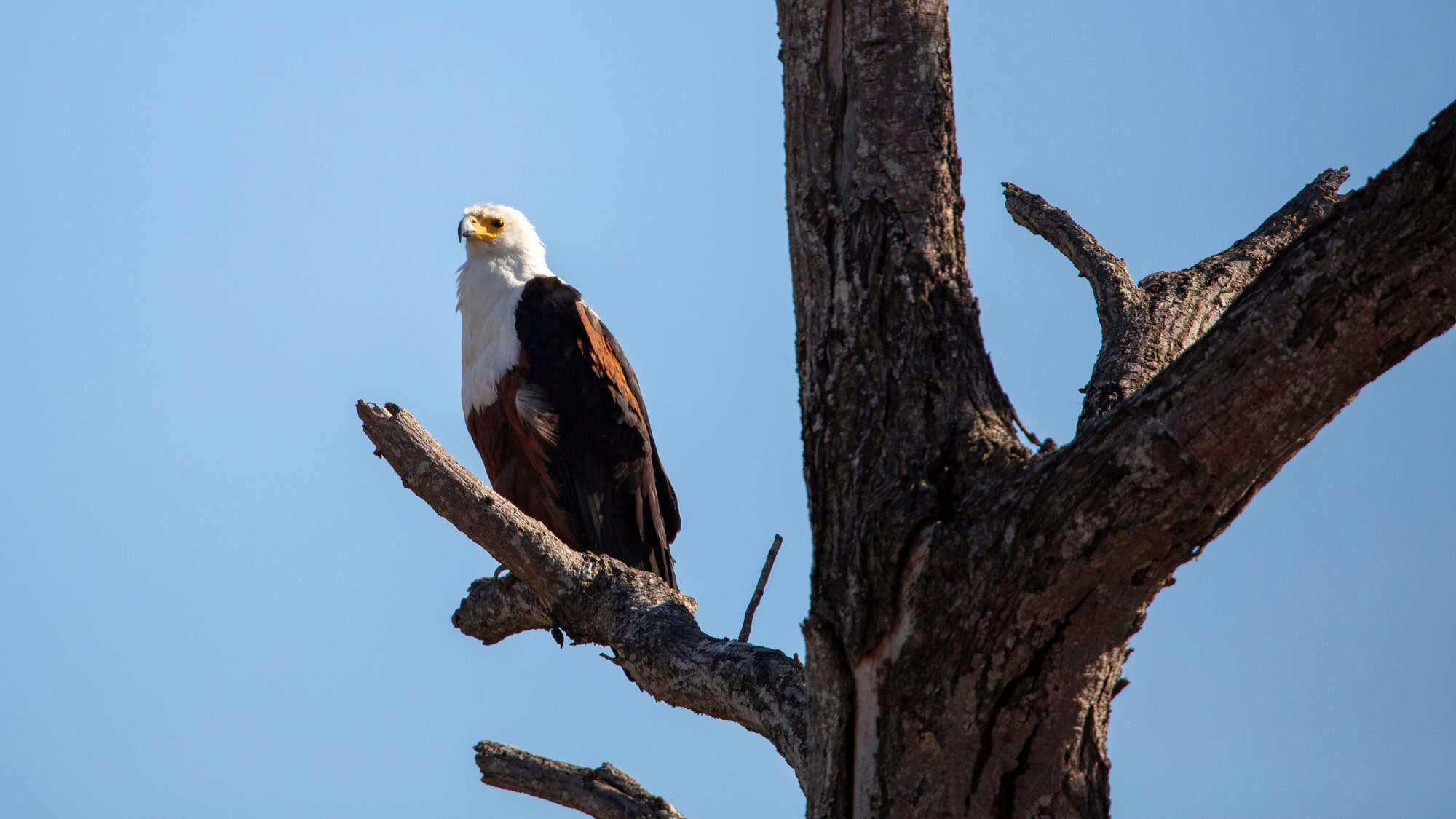
If Africa had a soundtrack, the African fish eagle’s cry would be the opening note. Found near lakes and rivers across sub-Saharan Africa, it’s instantly recognizable by its white head, chestnut body, and black wings. It’s call, a loud, echoing “ki-yi-yi”, has earned it the nickname “the voice of Africa.”
These eagles are expert anglers, swooping down to grab fish with powerful talons, sometimes plucking two in one pass if they are lucky (or incredibly talented). They mate for life and return to the same nest each breeding season, which can grow exponentially over the years.
You’ll often see them perched on high branches, wings spread to dry in the morning sun, surveying their domain. And watching one skim across still water before lifting into the air, fish clenched tight of fish, feels like watching confidence take flight. It’s a reminder that even the fiercest predators have their graceful moments.
Like Our Content? Make sure to join our newsletter for all the latest on outdoor adventures (and a FREE STARGAZING GUIDE). Click here to sign up!