Discover Parks & Wildlife contains affiliate links and is a member of the Amazon Services LLC Associates Program. If you make a purchase using one of the Amazon links, we may receive compensation at no extra cost to you. We may also use select AI tools to support our creative process, but all content is reviewed, refined, and finalized by our human team. See our disclosure policy and our AI use policy for more information.
15 Unreal European National Parks That’ll Wreck Your Travel Bucket List
There’s something about Europe’s wild spaces that humbles you. Beyond the postcard cities and centuries-old castles, entire worlds unfold where glaciers carve valleys, wolves still roam forests, and lakes gleam so clear you can see your reflection and start questioning your skincare routine.
These parks aren’t gentle strolls through manicured landscapes. They’re raw, layered, and sometimes a little moody. But that’s exactly what makes them unforgettable.
From the snow-dusted peaks of the Alps to the pine-scented silence of the far north, each national park tells a different story about survival and beauty. You might hear cowbells echoing through a green Austrian valley one week, then find yourself staring at limestone cliffs that look straight out of a fantasy film the next.
What ties them all together is how untamed they still feel. The trails might be marked, but nature clearly calls the shots here. And isn’t that what makes the best adventures? So lace your boots, pack your curiosity, and prepare to feel very small in these incredible landscapes that have been perfecting their drama long before we arrived.
Triglav National Park, Slovenia

Slovenia’s only national park wraps around Mount Triglav, the country’s highest peak, soaring 9,396 feet into the sky. It’s named after a three-headed Slavic god, which feels fitting as this park seems to have three moods of its own: tranquil lakes, roaring rivers, and peaks that demand attention.
Lake Bohinj sits like a mirror framed by dense pine forest, and nearby, the Savica Waterfall drops nearly 250 feet into a pool so blue it looks digitally enhanced. And the Soca River, often called the “Emerald Beauty,” winds through the park with water so clear you can see trout gliding below the surface. It’s also one of Europe’s prime spots for whitewater rafting.
Trails crisscross over alpine meadows and through karst valleys where marmots pop up like tiny security guards. But what’s striking here isn’t just the scenery but the balance. Locals fiercely protect it, and the park has strict rules against development.
Triglav is a reminder that wilderness doesn’t need to be remote to feel wild. It just needs to be respected, which Slovenia clearly does better than most.
Ecrins National Park, France
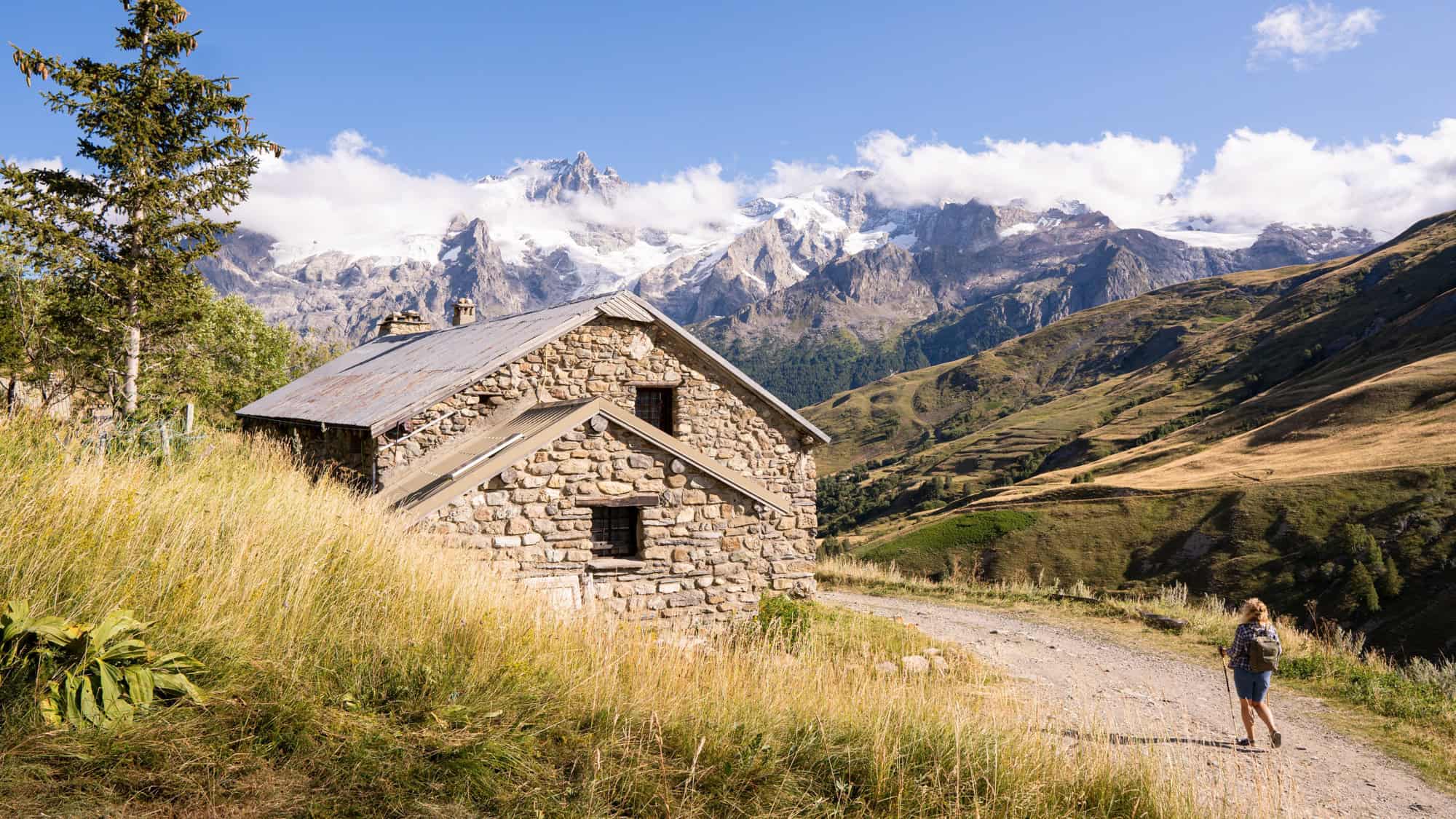
If you’ve ever wanted to stand somewhere that feels like nature’s amphitheater, Ecrins delivers. Located in the French Alps, this park stretches across more than 350 square miles of craggy peaks, glaciers, and high pastures where sheep outnumber people by a landslide. It’s also one of France’s oldest national parks. But thankfully, not one of its most crowded.
More than 100 summits rise above 9,800 feet, with Barre des Ecrins topping out at 13,458 feet. The park’s glacier count (over 40) keeps things chill even on the hottest day. And in summer, meltwater feeds icy streams that tumble through valleys dotted with alpine flowers.
You’ll also find ibex balancing on impossible cliffs, chamois darting through rock fields, and golden eagles tracing circles in the thin air.
Ecrins is popular with mountaineers, but you don’t need ropes to appreciate its drama. Even a short hike near the village of La Grave can make you feel like you’ve stepped inside a painting. And while the weather can turn unpredictable fast, the payoff (standing in near silence with glaciers gleaming around you) makes every gust worth it.
Swiss National Park, Switzerland
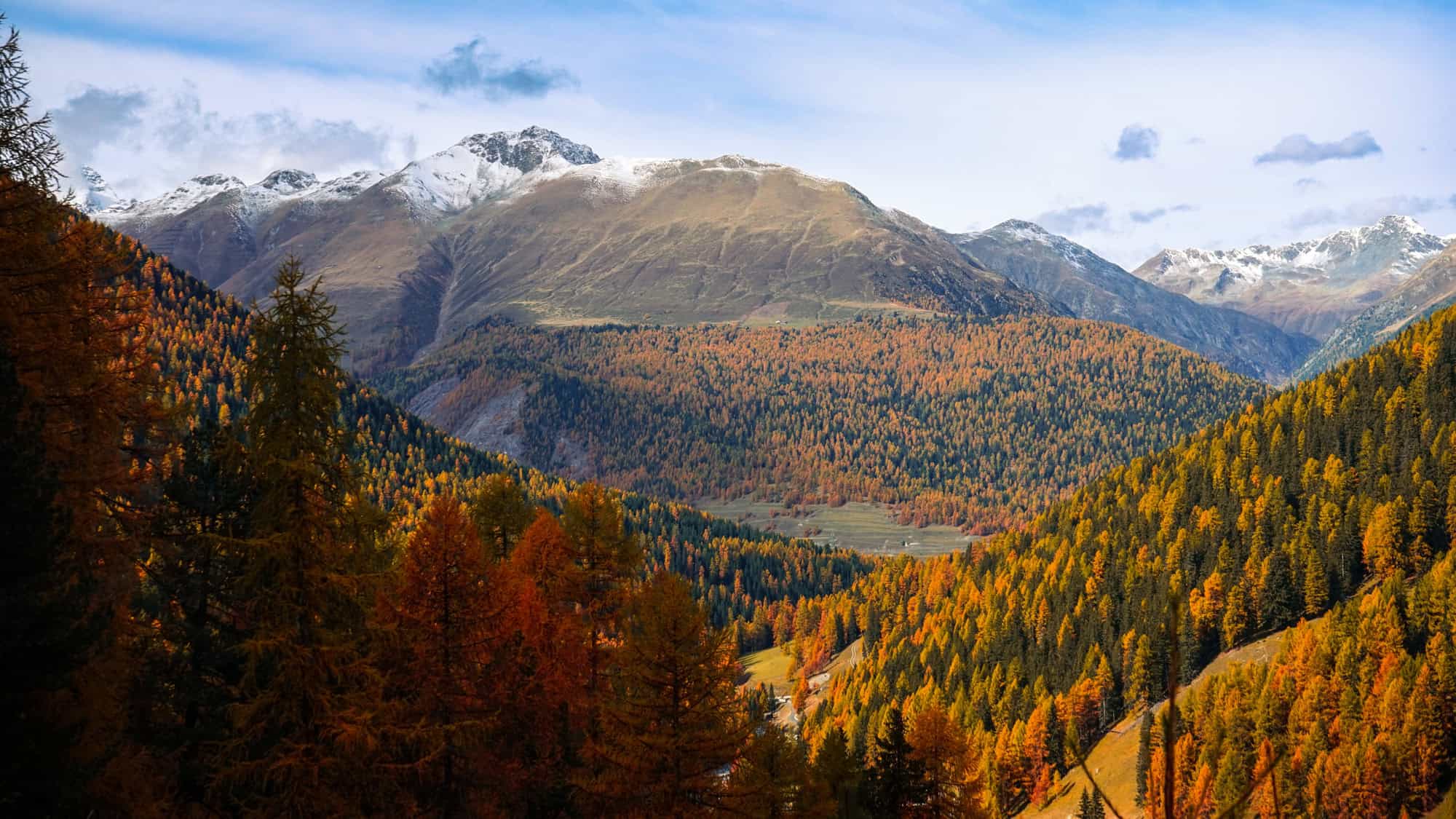
Switzerland’s only national park feels exactly as you’d expect: pristine, precise, and almost too scenic to be real. Founded in 1914, it’s one of Europe’s oldest protected areas, covering about 65 square miles in the Engadine Valley.
Here, nature gets the final say: no picking flowers, no straying off trails, no feeding marmots… they’re already chubby enough. But this strict protection of the park pays off. Red deer, ibex, and golden eagles thrive, and even bearded vultures have returned after a century-long absence.
Trails range from gentle strolls to steep climbs that leave you questioning your fitness tracker’s optimism. And every turn reveals incredible views: grassy meadows, larch forests, and rock-strewn ridges that feel untouched.
Because the park limits development, there are no restaurants or hotels inside its boundaries. You base yourself in nearby Zernez, then hike in for the day. The quiet here just feels different, almost reverent, as if the mountains themselves expect you to behave.
Rila National Park, Bulgaria
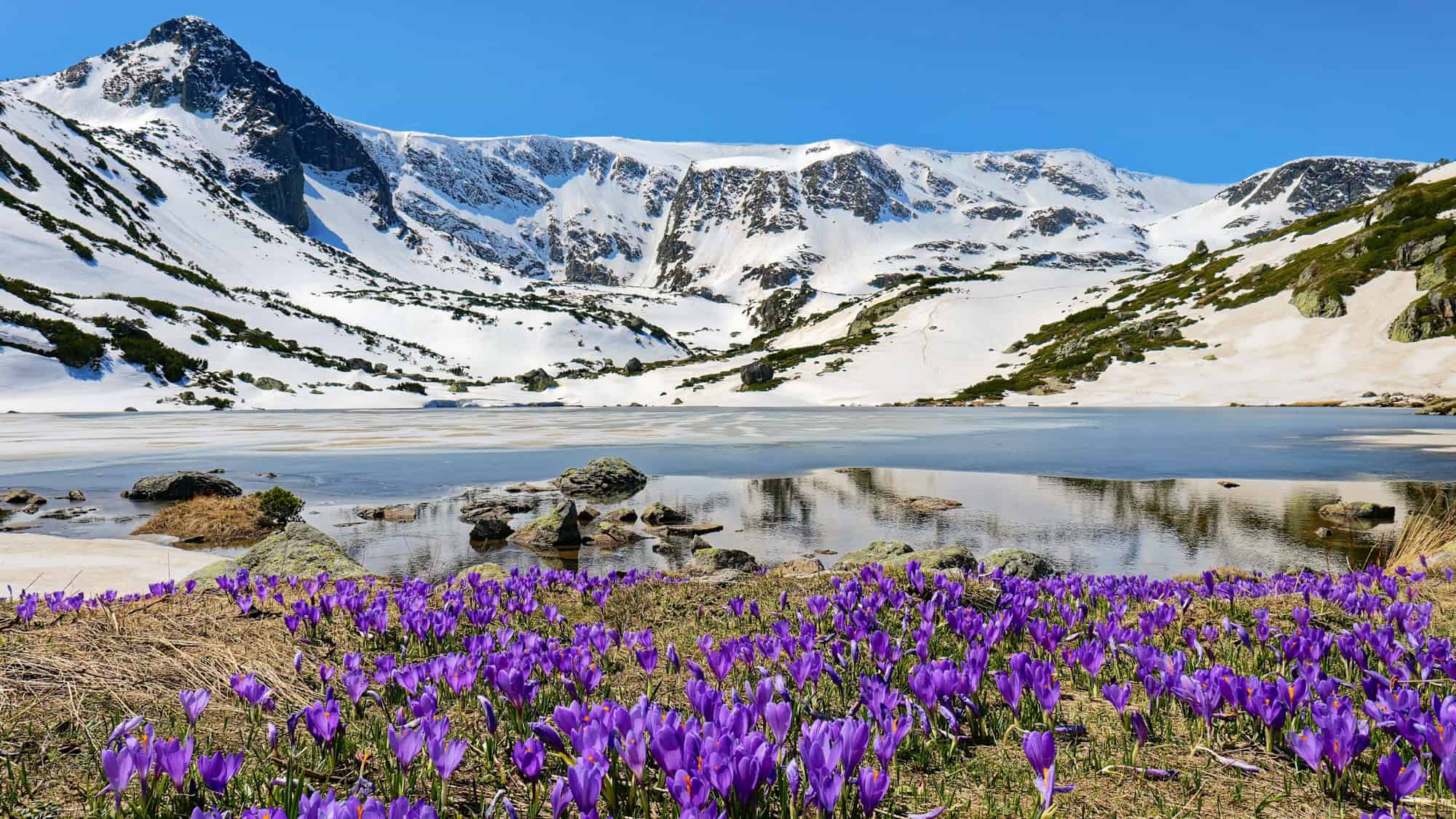
Bulgaria’s Rila Mountains hold some of the Balkans’ purest wilderness, and Rila National Park feels like stepping into another era. Spread over nearly 310 square miles, it’s the largest park in the country and home to over 120 glacial lakes.
The famous Seven Rila Lakes shimmer in shades of sapphire, turquoise, and silver, depending on the light. And they sit at elevations between 6,900 and 8,200 feet, linked by trails that lead you past dwarf pines and meadows buzzing with wildflowers.
Rila also guards Musala, the highest peak in the Balkans at 9,596 feet. The air up there feels thin and ancient, and the views stretch into neighboring countries on a clear day. Somehow, wildlife still thrives here, from brown bears to rare Balkan chamois, though you’re more likely to hear them than see them.
The park’s crown jewel, Rila Monastery, sits just outside its borders, a UNESCO-listed marvel surrounded by forest. It’s a peaceful reminder that spirituality and wilderness often share the same address.
Berchtesgaden National Park, Germany

Tucked into Germany’s southeastern corner, Berchtesgaden feels straight out of a storybook. Jagged limestone peaks pierce the clouds, emerald meadows stretch below, and Lake Konigssee sits so still it looks fake.
Boats glide silently across its surface thanks to electric motors, a thoughtful move that keeps the air crisp and the water clear enough to reflect entire mountains. The park’s centerpiece, Watzmann Mountain, rises to 8,900 feet, wrapped in myths about kings and giants.
Below it, you’ll find the Ice Chapel, a natural cave of snow and ice that forms every spring. It looks delicate but can last well into summer. And about 160 miles of marked trails weave through the park, from gentle lakeside walks to steep alpine scrambles.
Berchtesgaden is also one of Germany’s oldest protected areas, established in 1978. If you catch the echo of a trumpet from St. Bartholoma Church across the lake, don’t be surprised. Sound travels far when nature’s listening.
Picos de Europa National Park, Spain
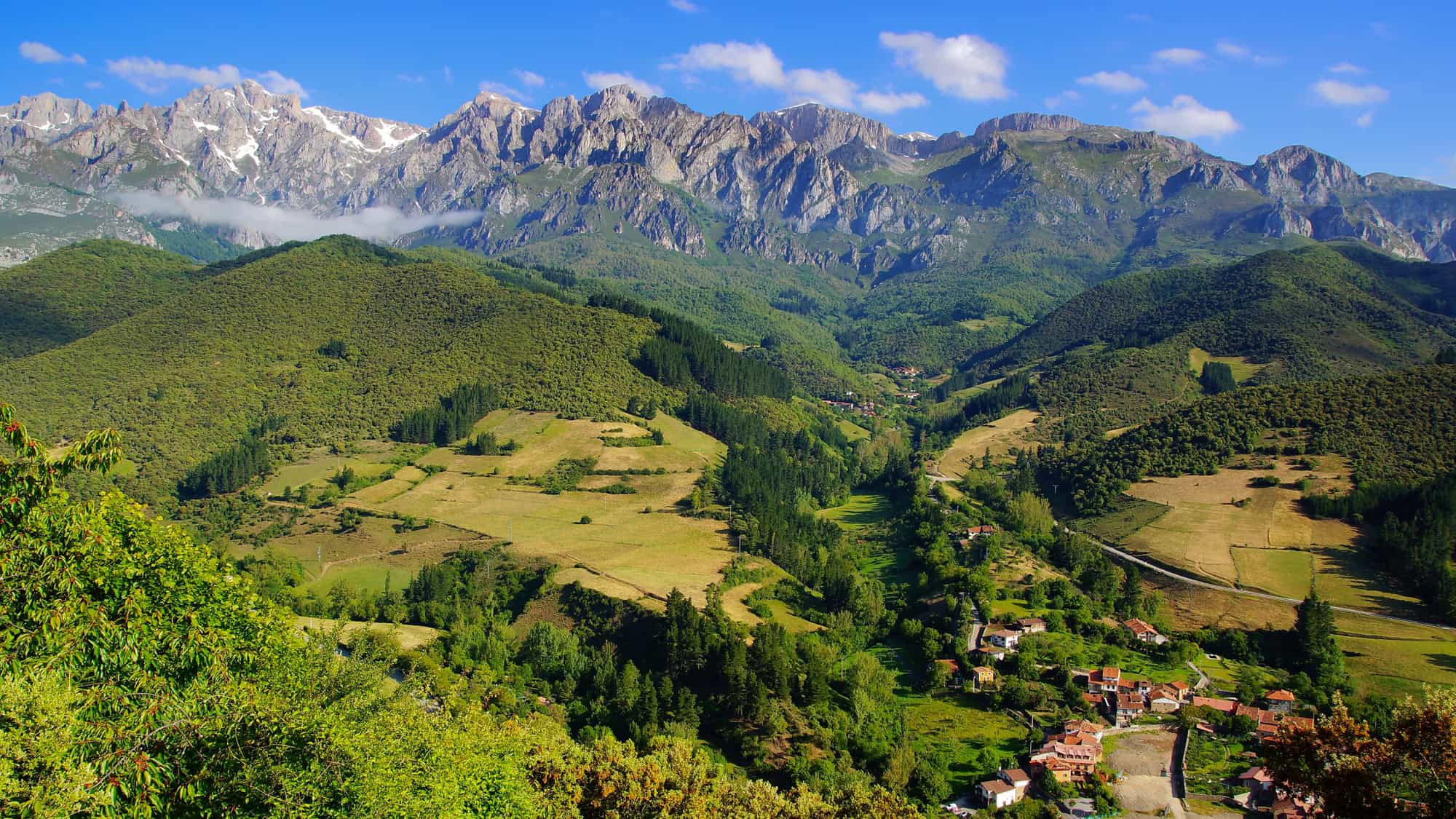
Spain’s first national park doesn’t do subtle. The Picos de Europa rise abruptly from green lowlands into limestone towers that look hand-carved by giants. Spread across three provinces, the park packs in deep gorges, hidden villages, and trails that test both your legs and your self-control. It’s hard to stop gawking after all.
The Cares Gorge, known locally as the “Divine Gorge,” slices through the mountains with a path hugging its edge. It’s a mix of narrow tunnels, dizzying drop-offs, and views that reward steady nerves.
The park also preserves old pastoral traditions. You’ll pass shepherd huts and maybe smell Cabrales cheese aging in limestone caves (it’s pungent, but that’s part of the mystery). And on misty mornings, the mountains seem to float above the clouds. When the sun breaks through, the whole range glows gold.
Bieszczady National Park, Poland

In Poland’s remote southeast, Bieszczady National Park feels like a place time forgot. This is where the Carpathian Mountains roll gently instead of towering, and the silence stretches for miles. The park covers about 110 square miles and forms part of a UNESCO biosphere reserve shared with Slovakia and Ukraine.
Bieszczady’s grassy peaks, known as “poloniny,” are its trademark. These open ridges sit above the treeline, offering sweeping views that feel endless. In fall, the hills turn copper and crimson, while spring brings waves of purple crocus.
Wildlife here is legendary, with European bison roaming freely, and wolves and lynx prowling unseen through the forest. Plus, the trails feel almost meditative, passing through beech woods that glow in filtered sunlight.
Small wooden churches with onion domes hint at the region’s layered history. And it’s also one of the few places in Europe where you can walk all day and see more animal tracks than people. So come here if you need a reminder that wildness still exists on the continent.
Gran Paradiso National Park, Italy
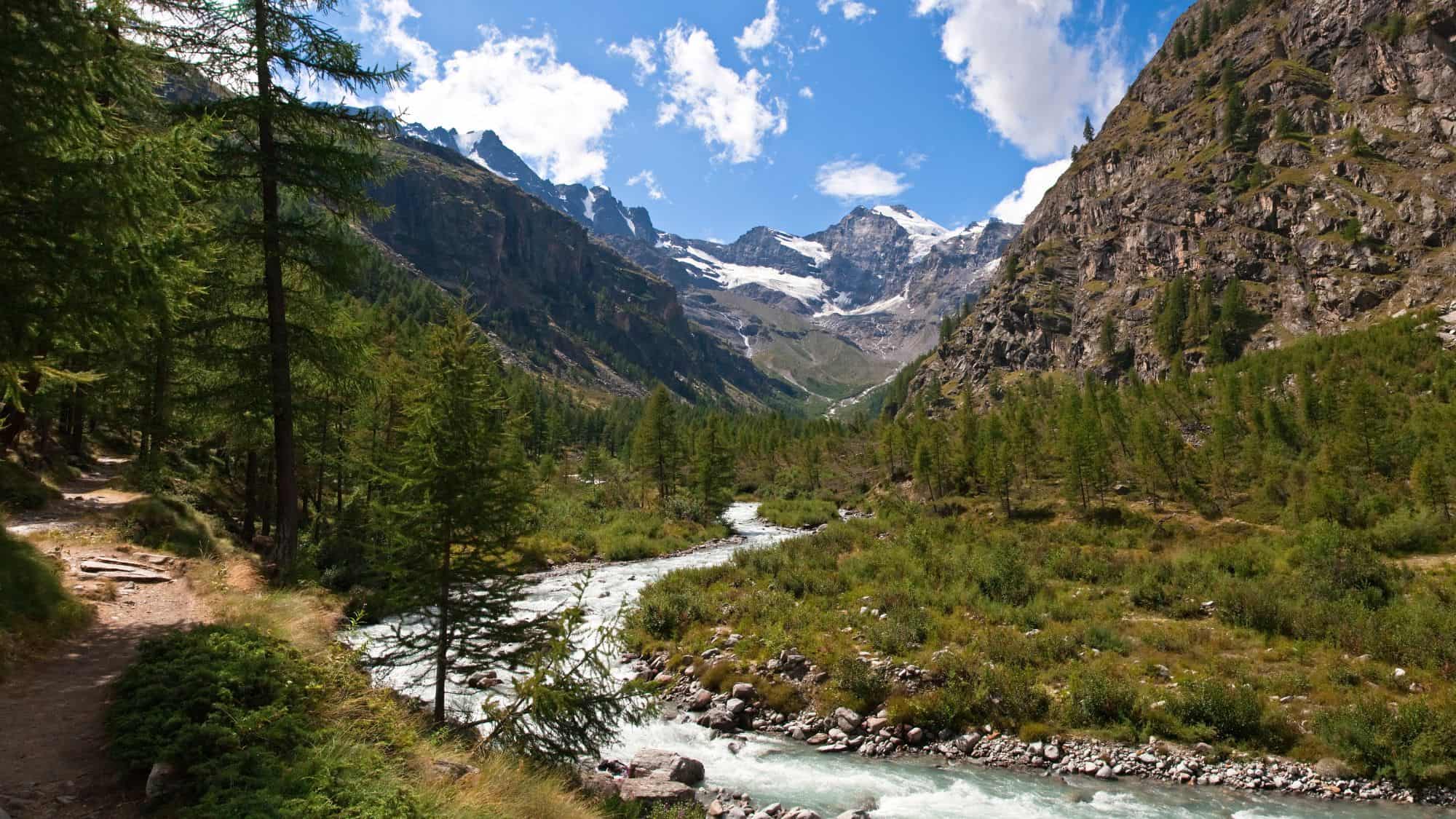
Gran Paradiso was Italy’s first national park, created in 1922 to protect the Alpine ibex, a mountain goat with horns that look like nature’s version of antlers on steroids. It worked. The species rebounded, and today you’ll spot them grazing high above the tree line… posing perfectly for photos they’ll never see.
The park covers nearly 270 square miles across the Graian Alps and shares a border with France’s Vanoise National Park. Its namesake peak, Gran Paradiso, climbs to 13,323 feet, making it Italy’s highest entirely within national borders.
But it’s not all rock and ice. Glacial valleys cradle wildflower meadows, and rivers twist through forests of larch and fir. Gran Paradiso also feels surprisingly accessible. Villages like Cogne and Valsavarenche serve as trailheads, offering hearty food and the kind of hospitality that makes you linger. And the park’s biodiversity is staggering, from golden eagles to marmots that whistle like tiny referees.
Durmitor National Park, Montenegro

Durmitor doesn’t need grandeur; it oozes it naturally. This UNESCO-listed park in northern Montenegro packs 48 peaks over 6,500 feet, with Bobotov Kuk topping the list at 8,278 feet. Glacial lakes called “mountain eyes” sparkle across the landscape, and none is more famous than Black Lake. It’s framed by dense fir forest that looks almost too green to be real.
The Tara River Canyon, Europe’s deepest, cuts along the park’s edge, plunging over 4,200 feet in some places. And the whitewater rafting here is the stuff of legend, though even from above, the turquoise water steals the show.
Hikers can find over 120 miles of trails winding through limestone plateaus and valleys that feel untouched. Plus, you might spot brown bears, wolves, and eagles here, proof that true wilderness still lingers in Europe.
Oulanka National Park, Finland
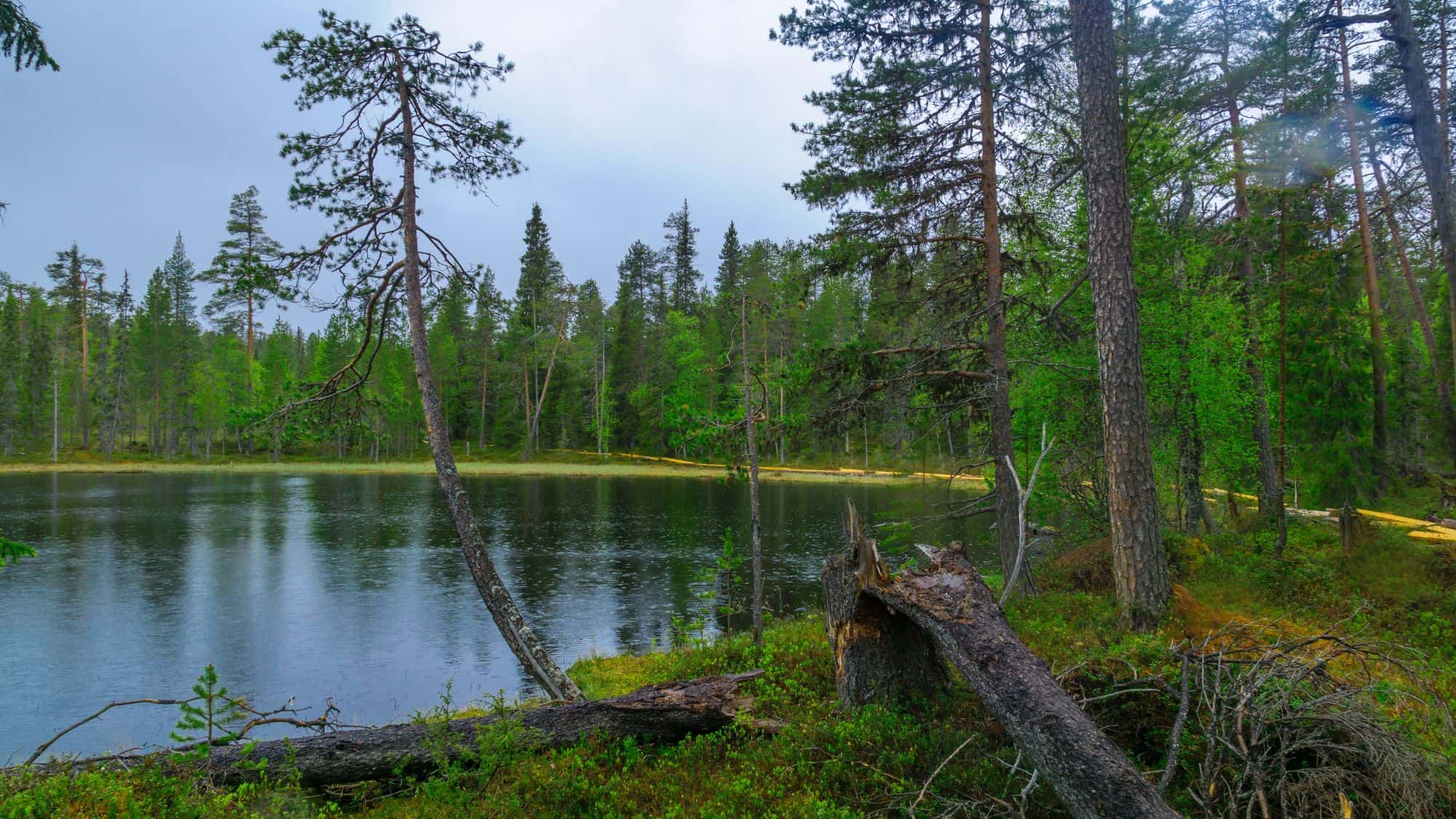
Way up in northern Finland, near the Arctic Circle, Oulanka National Park mixes wild rivers with deep forests and a dash of Nordic magic. Its most famous trail, the Karhunkierros (or “Bear Trail”), stretches about 50 miles through pinewoods, over suspension bridges, and past waterfalls that freeze into sculptures come winter.
In summer, daylight never seems to end, and the park becomes a playground for kayakers and hikers. The Oulankajoki River carves through sandstone cliffs, while orchids and cloudberries pop up in the meadows. You might spot reindeer grazing, or hear the call of a Siberian jay echoing through the quiet.
Oulanka was Finland’s first national park to join the PAN Parks network for sustainable tourism, and it shows. The trails are well-kept, signage is clear, and even the campsites feel thoughtfully placed. The best part? The park changes personalities with the seasons.
Midnight sun in summer, northern lights in winter. It’s proof that wilderness doesn’t need to shout to impress. Sometimes, it just needs to glow softly under the Arctic sky.
Hohe Tauern National Park, Austria
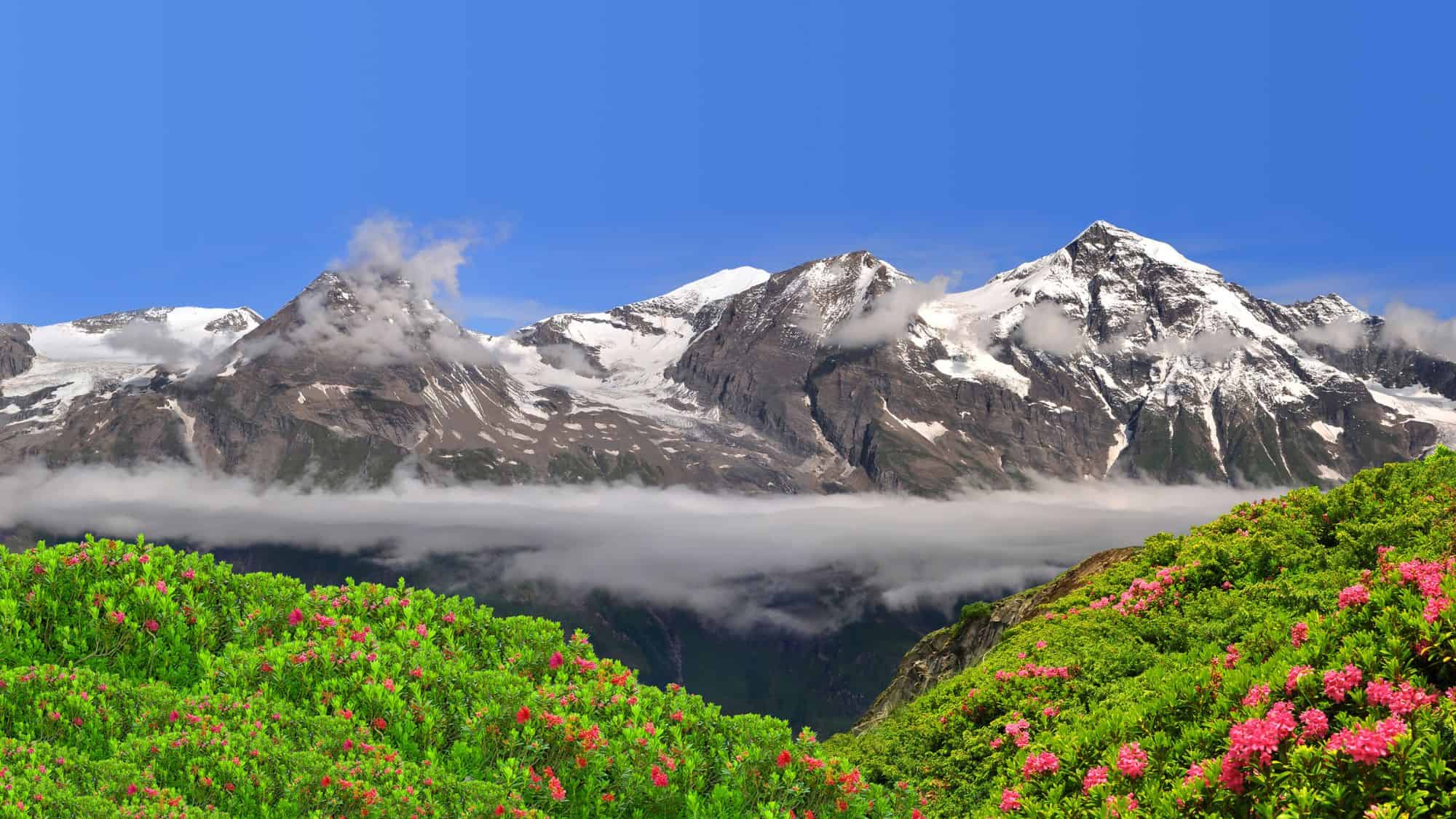
Hohe Tauern is Austria’s largest national park, sprawling over 700 square miles across the central Alps. It’s home to Grossglockner, the country’s tallest mountain at 12,460 feet, and over 300 glaciers that feed rivers tumbling into green valleys. And the scale is staggering; this park is so vast that it touches three provinces.
The Grossglockner High Alpine Road cuts through the heart of it, a scenic route with more twists than a mystery novel. Yet even with its accessibility, large swaths remain wild.
Educational centers throughout the park explain its delicate ecosystem, but nothing beats seeing it firsthand. In spring, carpets of alpine flowers bloom under melting snow. By fall, the valleys turn gold, and the peaks gleam with early frost.
Hohe Tauern manages to feel both grand and intimate. That’s a rare balance that keeps people coming back. And yes, it’s perfectly normal to stop mid-hike just to stare.
Peneda-Geres National Park, Portugal
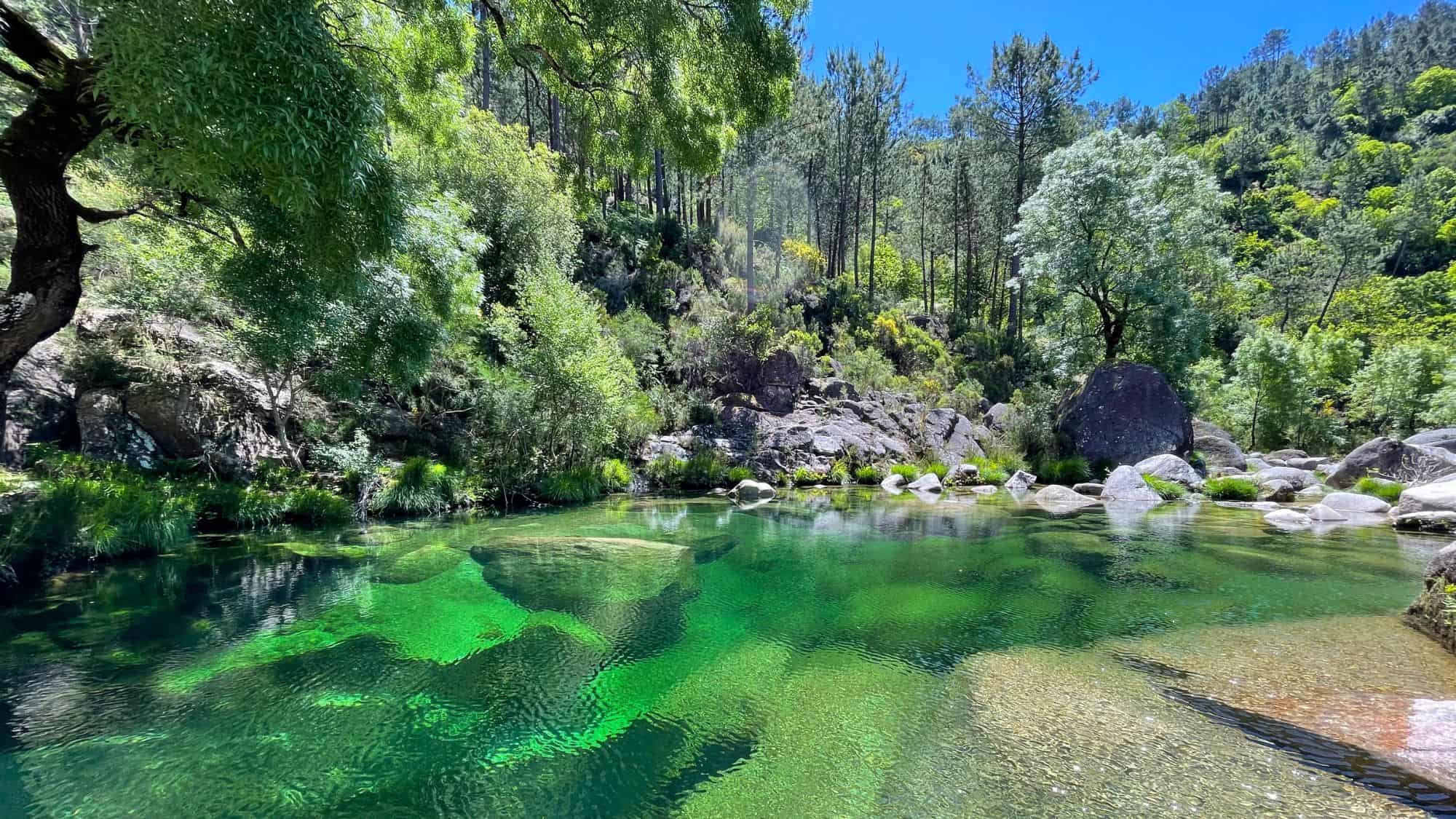
Portugal’s only national park hides in the country’s far north, and it feels wild in the best way. Peneda-Geres stretches nearly 270 square miles, mixing granite peaks, oak forests, and ancient villages that look barely touched by time. Stone houses cling to hillsides, and herds of Garrano ponies roam freely through misty meadows.
The park’s trails lead to waterfalls, Roman-era roads, and viewpoints that make you question why this place isn’t better known. Wolves and golden eagles still patrol the highlands, and in spring, wildflowers blanket the valleys in bursts of color. You can soak in natural pools, cross centuries-old bridges, and end the day eating local honey and bread thick enough to count as a meal.
The weather can shift quickly, but that unpredictability adds to its charm. One minute, fog rolls in like a curtain; the next, sunlight sets the granite glowing. Turns out, you don’t just visit Peneda-Geres, you feel folded into it.
Tatra National Park, Slovakia
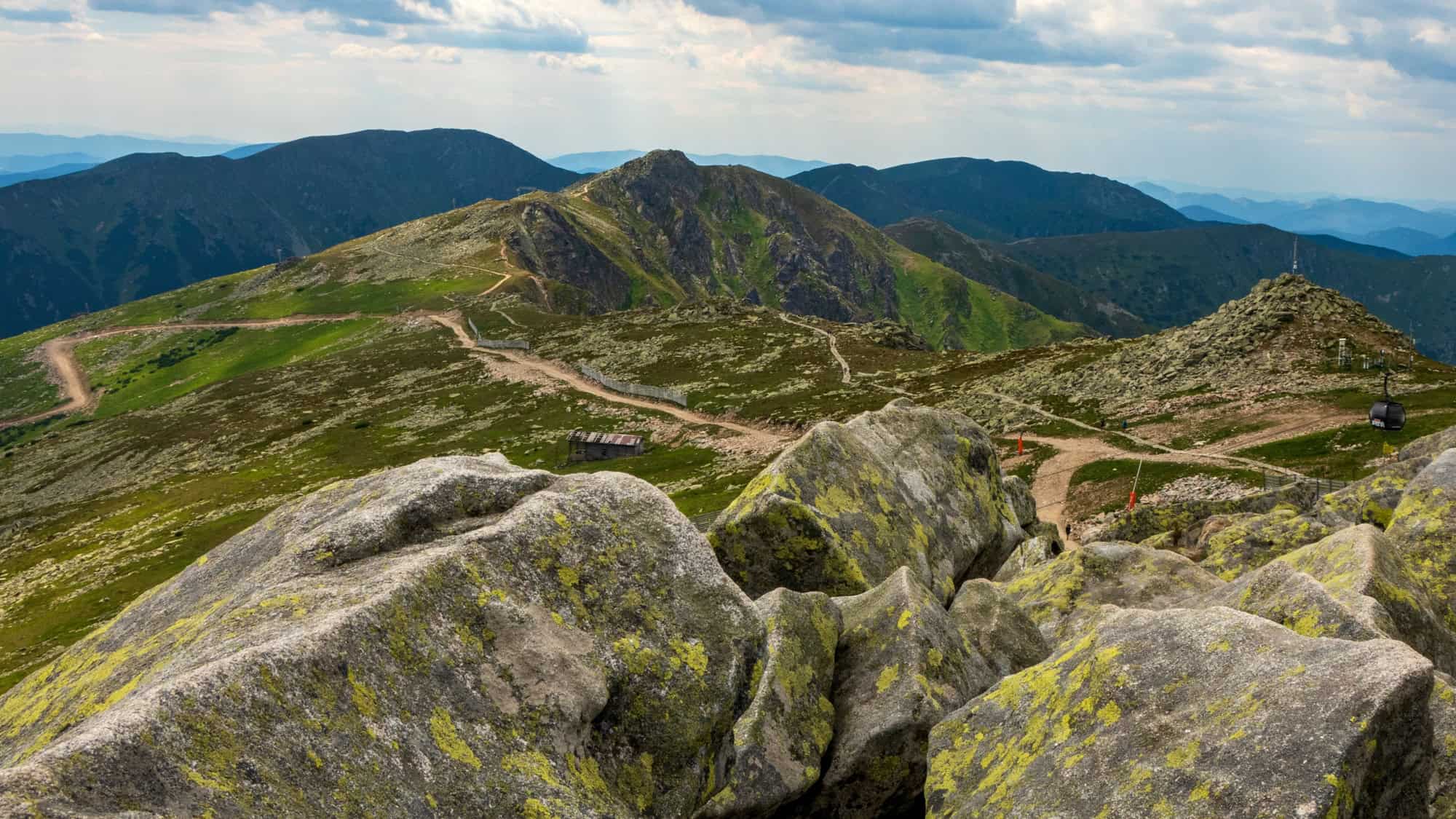
The Tatras are Slovakia’s crown jewels, and Tatra National Park protects their sharp peaks and glacial valleys with fierce pride. Straddling the border with Poland, it’s part of the Carpathian range, though these mountains look distinctly alpine.
Gerlachovsky Stit, the tallest peak at 8,711 feet, looms over a landscape that feels made for postcards and hiking boots. And the park’s trails lead to over 100 mountain lakes, including the emerald-green Strbske Pleso, a favorite for both photographers and ducks with great taste.
You’ll also find waterfalls, caves, and forests that shelter bears and lynx. Cable cars make some of the higher terrain accessible, but once you’re up there, it’s all about quiet air and sweeping views.
Tatra huts, known as “chaty,” serve hearty soups and tea for tired hikers, keeping alive a mountain culture that’s both practical and endearing. Just know that the weather can flip fast, so be prepared for all conditions.
Vikos–Aoos National Park, Greece

Greece’s Vikos–Aoos National Park proves the country isn’t all beaches and ruins. Located in the Pindus Mountains of Epirus, it’s home to Vikos Gorge, one of the world’s deepest gorges relative to its width. The gorge stretches roughly 20 miles through limestone cliffs that rise over 3,000 feet, and hiking its central segment between stone-built villages takes about seven to eight miles, offering some of Europe’s most dramatic canyon scenery.
The Voidomatis River at its base runs so clear it looks invisible, and its water stays cold enough to make your toes instantly regret a dip. Stone arch bridges from the 18th century connect trails between villages that seem frozen in time.
The park also includes Mount Tymfi and the Aoos River valley, offering a mix of alpine meadows and dense forests. In spring, the gorge bursts with wildflowers, while winter brings snow that muffles everything into silence. It’s rugged, remote, and hauntingly beautiful. And it’s a Greece most people never see.
Sarek National Park, Sweden
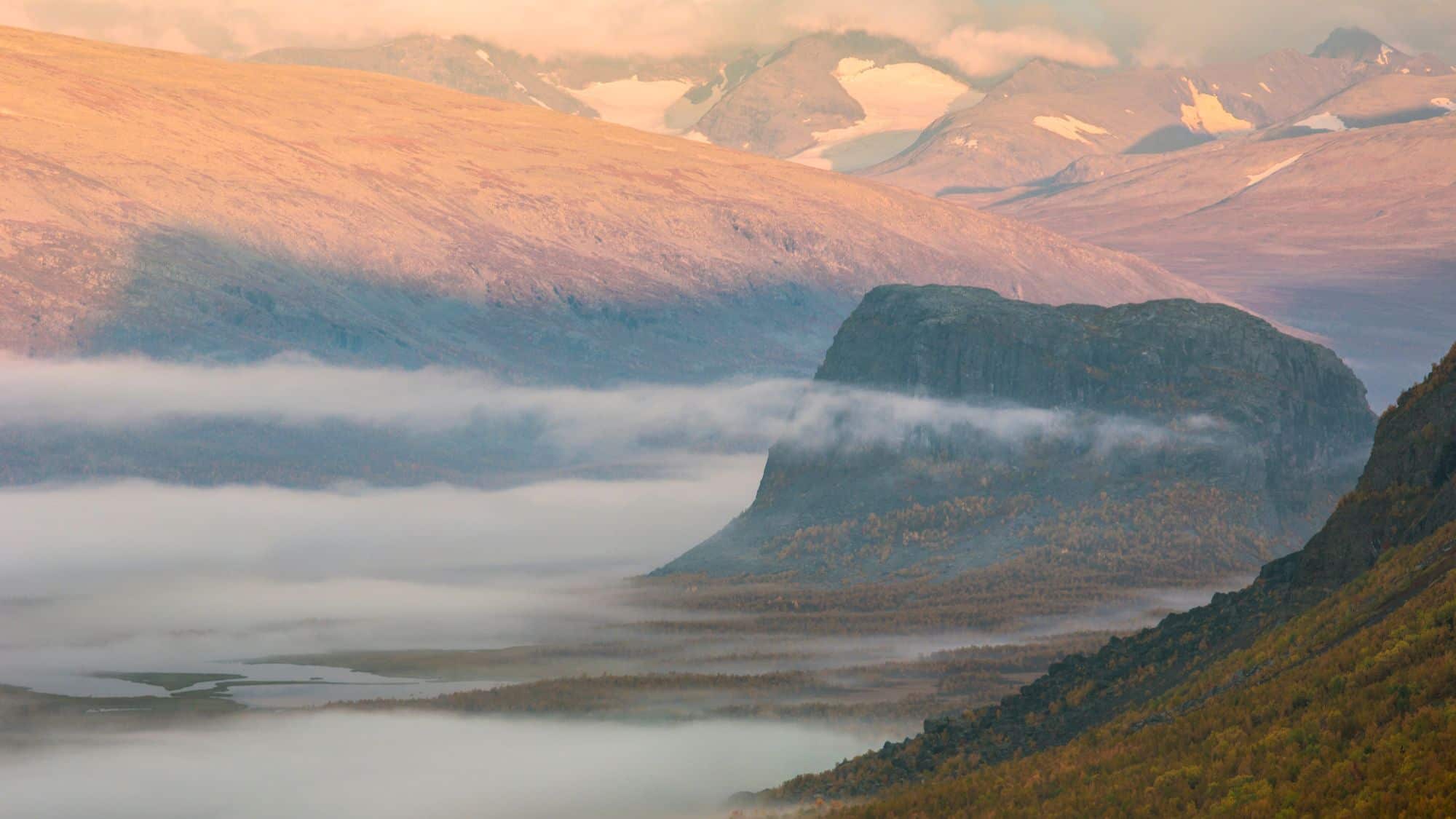
Sarek is where the map starts looking empty, and that’s exactly the point. Deep in Swedish Lapland, this 760-square-mile wilderness has no roads, no marked trails, and no visitor centers. It’s often called Europe’s last true wilderness, and once you step in, you understand why.
Six of Sweden’s highest peaks rise here, surrounded by glaciers and valleys carved by ancient ice. The Rapa River Delta fans out in sweeping curves, especially stunning when viewed from Skierffe Mountain. And you might spot reindeer herds moving through the tundra or see the northern lights if the sky cooperates.
Because Sarek demands self-sufficiency, it draws serious trekkers. But even if you never camp there, just knowing such a place exists feels comforting. It’s proof that untouched wilderness still survives on this crowded continent.
Like Our Content? Follow Us on MSN (or click the Follow Button above) for more from Discover Parks & Wildlife.
17 National Parks for the Ultimate Hiking Adventure

So, you’re thinking about taking a hike in some national parks, huh? This adventure is going to make your couch potato status seem like a distant memory, and trust me; you won’t regret trading your living room for some fresh air and a side of “How the heck did I sign up for this?”
9 National Parks That Are Some Of The Most Beautiful In The World
Ready to have your socks knocked off by stunning landscapes that’ll make you question why you ever thought your backyard was impressive? Check out these national parks where Mother Nature shows off her most fabulous outfits.
11 Best National Parks For Incredible Waterfalls

Time for a liquid adventure as you plunge into the ultimate lineup of national parks where waterfalls are so jaw-droppingly gorgeous, you’ll be questioning whether water should come with its own red carpet treatment.