Discover Parks & Wildlife contains affiliate links and is a member of the Amazon Services LLC Associates Program. If you make a purchase using one of the Amazon links, we may receive compensation at no extra cost to you. We may also use select AI tools to support our creative process, but all content is reviewed, refined, and finalized by our human team. See our disclosure policy and our AI use policy for more information.
12 Unforgettable Dark-Sky Spots To See The Upcoming Leonid Meteor Shower
Every November, the sky has a little secret. Around the 17th or 18th, Earth drifts through the dusty trail left behind by the comet 55P/Tempel-Tuttle. And suddenly, the night starts throwing glitter. That glitter, of course, is the Leonid meteor shower, named for the constellation Leo, where those quick-flaring streaks appear to burst from.
Most years, it’s a gentle show, maybe ten or fifteen meteors an hour, just enough to keep you guessing which direction to look next. But every few decades, when our planet barrels straight through a thicker band of debris, the Leonids turn dramatic. We’re talking “meteor storm” levels of spectacle: hundreds, sometimes thousands, of streaks racing across the sky (and yes, that’s when you start shouting “did you see that?” every thirty seconds).
This cosmic encore repeats about every 33 years, so when it happens, it’s worth losing sleep for. But whether you catch the quiet shimmer of a typical year or the once-in-a-generation storm, you’ll want the darkest skies you can find.
These places aren’t just good for the Leonids; they’re where stargazing still feels like a lost art form, where the night sky doesn’t just sparkle, it completely steals the show.
Great Basin National Park, Nevada

Great Basin doesn’t do crowds or noise. It does silence, stars, and a sense of timelessness that feels almost prehistoric. The park’s altitude, over 10,000 feet in spots, gives you air so clear it feels scrubbed clean.
When the Leonids arrive, they streak through skies untouched by artificial glow, often leaving long, ghostly trails that hang for seconds. The park hosts astronomy programs through the summer, but by November, it’s all yours. Bring a blanket, find an open meadow near Wheeler Peak, and give your eyes time to adjust.
You’ll notice not just meteors, but satellites, faint constellations, and the Milky Way stretched from horizon to horizon. Great Basin is one of those rare places where darkness feels luxurious. The Leonids are simply the finishing touch (a quiet reminder that the universe occasionally likes to show off).
Big Bend National Park, Texas

Big Bend’s night skies feel almost theatrical. Down along the Rio Grande, far from any major city, darkness isn’t something you search for; it’s something that finds you. On a clear November night, you’ll see the Milky Way stretch so boldly overhead that it almost looks painted on.
For the Leonids, this setting gives those meteors maximum contrast, streaking through a sky that feels impossibly deep. But even if you miss a few, you’ll have the desert symphony to keep you company: coyotes calling, the hush of the wind, and the kind of silence that makes you whisper without realizing it.
The park covers over 800,000 acres, so solitude comes standard. Set up near the Chisos Basin or along the Ross Maxwell Scenic Drive (basically anywhere with a wide horizon ) and you’ll understand why this place tops nearly every stargazing list. Bring a chair, lean back, and let the show unfold.
You might not get a “meteor storm” every year, but Big Bend makes even one streak of light feel like a personal performance.
Moab & Arches National Park, Utah

Moab has the kind of scenery that makes you forget you’re on Earth, and when the Leonids peak, the effect doubles. Both Arches and nearby Canyonlands (which we will discuss next) have earned International Dark Sky Park designations, so you can expect inky darkness and pin-sharp stars.
The red rock formations create dramatic backdrops for meteor photography… even if all you’ve got is a phone camera that’s pretending to be fancy. The area’s dry air means excellent visibility, and the long, open spaces give you maximum sky real estate.
Locals swear by viewing from the Windows Section in Arches, where giant stone arches frame the night like a natural cathedral. Between the arches, the constellations stretch out in perfect symmetry, and when a Leonid streaks across, it feels almost choreographed.
Canyonlands National Park, Utah

Canyonlands is proof that emptiness can be beautiful. It’s one of those places where “remote” stops being an inconvenience and becomes the reason you came. Under its enormous desert sky, meteors from the Leonids blaze brighter against the backdrop of red cliffs and winding canyons.
But what makes Canyonlands so special is how immersive it feels. There’s nothing but you, the open air, and that impossible bowl of sky. Watching the Leonids here isn’t a quick glance-up-and-done affair. It’s an all-night meditation, a slow build of streaks that turn into patterns you can almost predict.
The Island in the Sky district offers vast panoramic views, but if you prefer quiet solitude, the Needles area delivers. Bring something soft to lie on and maybe a thermos of something comforting (the desert doesn’t care that you’re “warm-blooded”).
By the time dawn creeps in, the canyon rims start to glow, and you’ll realize the show never really stopped, it just traded meteors for morning light.
Joshua Tree National Park, California

In Joshua Tree, the night sky looks sharper than it has any right to. The combination of dry desert air and minimal light pollution means even faint meteors from the Leonids pop like quick brushstrokes across velvet. But here, the setting steals half the scene: jagged rocks, twisty Joshua trees, and that eerie desert stillness that feels cinematic.
You don’t need a telescope, just a blanket and some patience. One of the best viewing areas is around Cap Rock or Hidden Valley, where the horizons open up just enough for uninterrupted sky. Because this is Southern California, the night air is often cool but not punishing, so you can linger longer than you meant to.
The trick is to settle in early and let your eyes adjust. If you’re lucky, a slow, glowing meteor will drift by, leaving a faint trail, the kind that makes you whisper “wow” before realizing how quiet it is. Between the celestial fireworks and the surreal silhouettes, Joshua Tree doesn’t just offer a stargazing night. It offers a memory that insists on replaying itself.
Kitt Peak National Observatory (surroundings), Arizona

Kitt Peak is best known for its observatory, but the surrounding desert is every bit as perfect for amateur skywatchers. The mountain’s elevation and commitment to light control make the stars almost unnaturally bright.
While professional astronomers use massive telescopes to track galaxies, you can sit just beyond the facility and enjoy the Leonids doing their annual dance (no scientific credentials required). And the dry Arizona air adds extra sharpness, making even the faint meteors stand out.
Some of the best viewing spots are along the mountain roads below the observatory, where you’ll have wide views and minimal light interference. There’s just something poetic about watching a meteor shower near one of the country’s leading centers for studying the cosmos, don’t you think? It’s like sitting at the edge of a library where the books are written in starlight.
Capitol Reef National Park, Utah

Capitol Reef feels like someone designed it just for skywatchers: enormous sandstone cliffs by day, infinite starfields by night. This central Utah park has been recognized for its exceptionally dark skies, with visibility that stretches all the way down to the horizon.
During the Leonids, when the constellation Leo climbs higher each hour, the clear air and high elevation give meteors a clarity that’s hard to beat. But Capitol Reef’s magic isn’t only in what you see. It’s the silence between each streak, the sense of standing inside a natural amphitheater where the universe is the headliner.
The lack of major crowds adds to the charm. In fact, you’re more likely to share the moment with a curious fox than another human this time of year. If you can get a reservation, stay overnight at the Fruita Campground; the surrounding cliffs create a sense of privacy that makes the night sky feel like your own secret.
Death Valley National Park, California

Death Valley may have an intimidating name, but at night, it’s full of life. Think stars, meteors, and the kind of hush that makes every small sound seem meaningful. This vast basin is one of the largest Dark Sky Parks in the U.S., and its near-perfect horizons make it an ideal stage for the Leonids.
Out on the salt flats, where the air feels still and space stretches endlessly, each meteor stands out like a flare. On a good year, the Leonids might offer you a steady rhythm of light; on a great year, it’ll feel like the sky is unzipping itself. Either way, you’ll forget the world has clocks.
Pick a spot near Badwater Basin or Mesquite Flat Sand Dunes, where your view stays wide and clear. And the temperatures in November are cool but pleasant, which helps you linger longer than common sense would recommend.
Cherry Springs State Park, Pennsylvania

In the middle of Pennsylvania’s forested “Wilds,” Cherry Springs holds a reputation that borders on legendary. Astronomers whisper about it, photographers rave about it, and anyone who’s seen the Milky Way here never forgets it.
Officially, it’s one of the darkest places east of the Mississippi (meaning you can actually see your own shadow from starlight alone). The park’s Astronomy Field gives you 360-degree access to the sky, making it ideal for meteor showers like the Leonids. The best part? It’s civilized darkness.
There’s a designated overnight viewing area, basic amenities nearby, and rangers who genuinely understand why someone would drive for hours to sit in the cold staring upward. Because the Leonids radiate from Leo, rising in the east after midnight, you’ll want an open view in that direction.
If you’re patient, the show builds gently: a few streaks, a few gasps, and then a sudden flurry that makes everyone clap like it’s fireworks. Just be warned: once you see a meteor shower from here, backyard stargazing will never feel the same again.
Bryce Canyon National Park, Utah

Bryce Canyon looks like another planet by day, and at night, it almost convinces you that it is one. Those red hoodoos (the tall, spindly rock formations) create surreal silhouettes against a star-studded sky. During the Leonids, they become quiet witnesses to each streak of light slicing through the dark.
Bryce’s high elevation and clean, dry air make stars appear unusually crisp, as if someone turned up the contrast. But it’s the atmosphere that wins you over: peaceful, vast, and just eerie enough to make you forget how late it’s getting.
The park regularly hosts astronomy events, but even on your own, the viewing is spectacular from Sunset Point or Inspiration Point. Watch long enough, and you’ll start to notice faint color changes in the meteors (quick oranges, pale blues, fleeting whites). It’s a cosmic light show with a geological frame, and together they form one unforgettable night.
Cedar Breaks National Monument, Utah

Perched at over 10,000 feet, Cedar Breaks is the kind of place that makes you rethink the definition of “quiet.” The high elevation thins the air, and that clarity turns the night sky into something electric. Meteors from the Leonids look sharper here, more deliberate, as if the atmosphere itself is collaborating.
Because it’s smaller and less visited than Utah’s bigger parks, Cedar Breaks offers a sense of intimacy. It’s just you, the sky, and the sweeping amphitheater of stone around you. Bring a friend if you want conversation, but it’s just as magical alone.
The sweeping bowl shape of the monument creates an odd acoustic trick: even your whispers seem to echo. For night photography, it’s spectacular, though the experience is even better unplugged. When the Leonids pass overhead, the streaks feel close enough to reach… and for a fleeting second, you might actually try.
Natural Bridges National Monument, Utah

Natural Bridges holds a special distinction: it was the very first International Dark Sky Park in the world. And that title isn’t just ceremonial. The darkness here feels pure, untouched, almost reverent.
The park’s natural rock arches make perfect foregrounds for night viewing, and during the Leonids, you might even see meteors framed by their curves. It’s a small park, quiet and wonderfully remote, which means when the wind dies down, you can actually hear your own heartbeat.
Stargazers often describe it as “soul-cleansing,” though that might just be the altitude talking. Still, it’s hard to argue with the view: a sky so dark the Milky Way looks like spilled chalk dust. When a Leonid flashes across it, the contrast is breathtaking.
If you stay late, the stars seem to multiply by the minute, reminding you that the show isn’t just about the meteors, it’s about remembering what real darkness looks like in a world where we rarely see it.
Like Our Content? Follow Us on MSN (or click the Follow Button above) for more from Discover Parks & Wildlife.
14 Towns Near U.S. National Parks Perfect For A Cozy Retreat
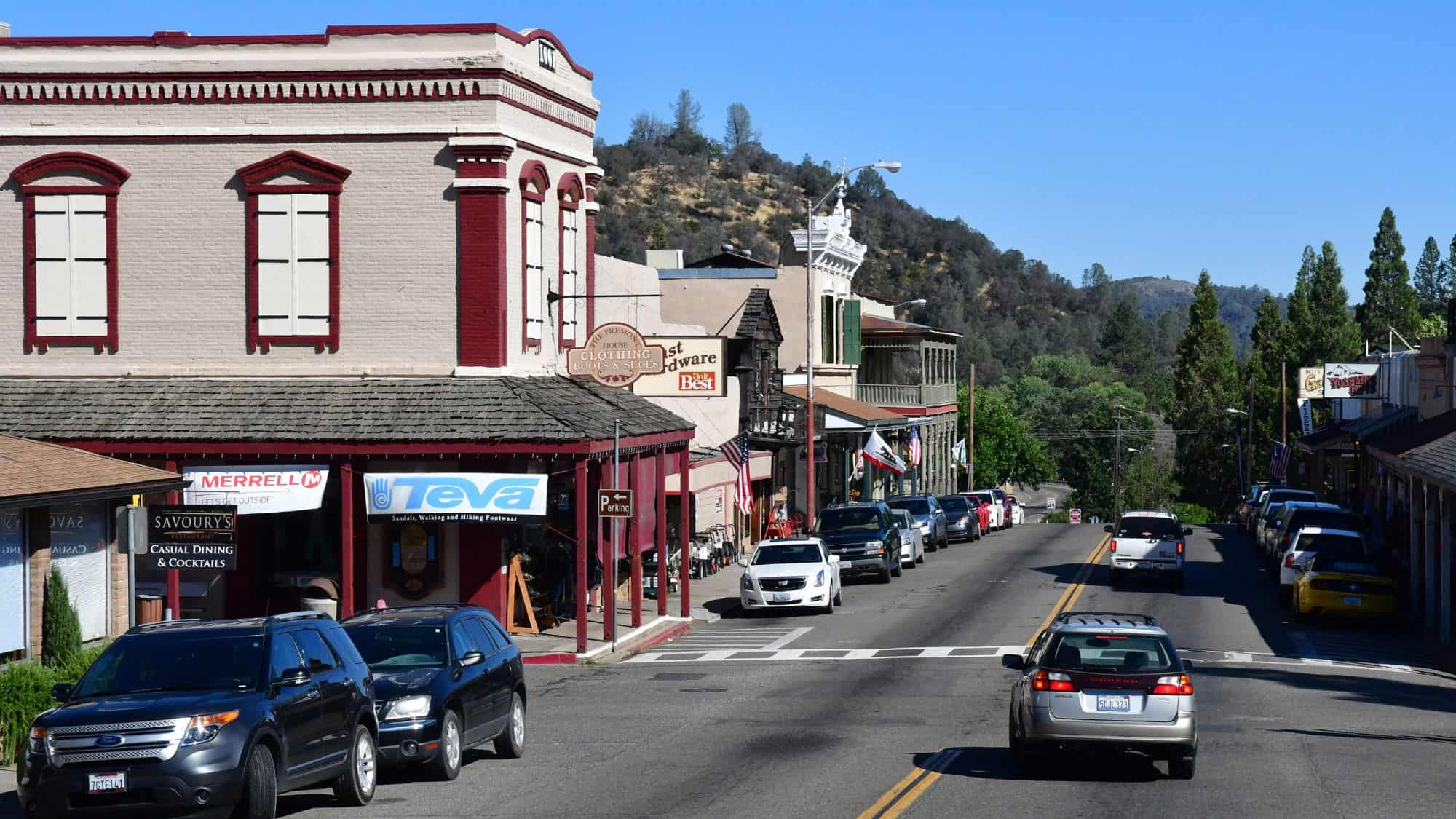
Dreaming of a cozy getaway? Explore charming towns near National Parks that’ll have you packing your favorite sweater or flip flops and hopping on a plane ASAP.
12 National Parks You Can Easily Explore Over A Weekend

Think you’re too busy to soak up some nature? Think again. These National Parks are perfect for a quick weekend escape.
12 Stunning National Treasures That Welcome Cyclists

Feeling the need to pedal your way through some breathtaking scenery? Check out these stunning spots that roll out the red carpet for cyclists. Who needs a gym when you’ve got National Parks?