Discover Parks & Wildlife contains affiliate links and is a member of the Amazon Services LLC Associates Program. If you make a purchase using one of the Amazon links, we may receive compensation at no extra cost to you. We may also use select AI tools to support our creative process, but all content is reviewed, refined, and finalized by our human team. See our disclosure policy and our AI use policy for more information.
12 Best Sun-Kissed Desert Parks for Retirees’ Winter Escapes
Late fall and winter can be the sweet spot for desert parks, when mild afternoons replace summer scorch and sunsets linger in soft pastels. For retirees plotting a warm-weather escape, the right desert delivers dependable sunshine, manageable temperatures, and easy logistics.
You want trailheads that start close to parking, scenic drives with frequent pullouts, and campgrounds or nearby lodgings that keep evenings simple. And the parks listed below shine from November through February, with daytime highs often landing in the 60s or 70s°F and cool, starry nights made for stargazing.
You can plan short nature walks, photograph cholla glowing at golden hour, and settle into calm communities that welcome snowbirds. Because these places balance comfort with scenery, offering everything from easy loop trails to sweeping backroad panoramas.
Saguaro National Park, Arizona

Set beside Tucson, Saguaro National Park offers winter days that often hover in the 60s and low 70s°F, which makes its wide desert basins and saguaro forests a pleasure to explore this time of year. The park is split into two districts, East and West, and both sit within an easy drive of Tucson International Airport and medical services.
Start with the Cactus Forest Drive in the East, an eight-mile loop with pullouts for short, level walks to stands of towering saguaros and clusters of prickly pear. In the West, the Bajada Loop’s graded dirt road leads to the Desert Discovery Trail, a flat, half-mile stroll with interpretive signs and benches.
The Arizona-Sonora Desert Museum lies just outside the West district and pairs well with a morning hike. Winter light makes the spine-covered arms glow a soft green, and birds flit through ocotillo and mesquite. Aim for sunrise at Mica View or sunset at Gates Pass to see the silhouettes stretch across the valleys.
Campgrounds sit at higher elevations and require advance reservations, so many visitors base in Tucson’s RV parks or casitas, then day-trip into the park.
Joshua Tree National Park, California

When temperatures settle into the 50s and 60s°F, Joshua Tree’s granite playground becomes wonderfully comfortable for retirees who appreciate big views without heat stress. The park bridges two deserts, the higher Mojave with its namesake Joshua trees and the lower, warmer Colorado Desert with creosote flats and spiky cholla gardens.
For gentle walking, try the Hidden Valley Nature Trail, a one-mile loop through boulders and yuccas, or stop by the Cholla Cactus Garden for a short boardwalk at sunrise when the spines glow. Paved pullouts along Park Boulevard make it easy to step out for photos, then continue to Keys View for a broad look over the Coachella Valley.
Night skies are a highlight, with clear starfields and the hush of desert silence. And Palm Springs sits about an hour away, with a convenient airport and excellent dining for rest days. Plan grocery runs early in the week to avoid weekend crowds, and keep a paper map handy where cell service fades.
Death Valley National Park, California
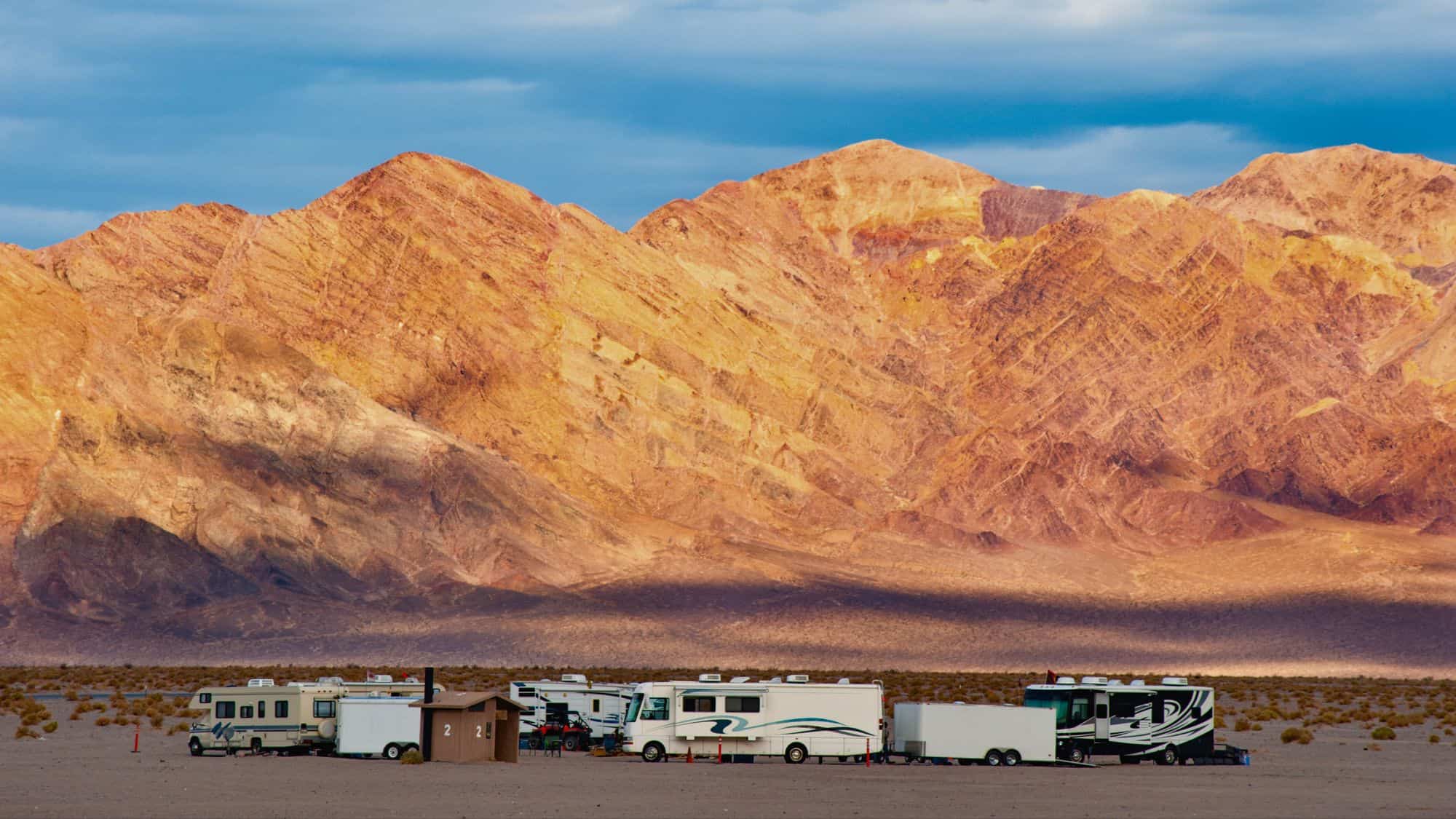
Winter flips Death Valley from a punishing furnace to a surprisingly pleasant playground, with many afternoons reaching into the 60s°F. Roads thread through vast basins and painted badlands, offering classic views with minimal hiking.
Zabriskie Point has a paved path to a ridge that overlooks rippled golden clay, perfect for sunrise without a long climb. Artist’s Drive winds through pastel hills, and Furnace Creek provides a central base with lodging, a visitor center, and services. Plus, the salt flats at Badwater Basin are easy to reach from the parking area, and the packed crust near the entrance keeps walking simple.
Daylight hours stay short in December and January, so plan drives in loops, then linger for the blue and pink glow that follows sunset. Nights dip into the 40s°F or cooler, which makes stargazing comfortable with a warm jacket. If you want a quiet picnic, the Mesquite Flat Sand Dunes near Stovepipe Wells offer gentle rambles along firm sand.
Anza-Borrego Desert State Park, California

California’s largest state park spreads across arroyos, badlands, and palm oases that shine under clear winter skies. Daytime highs often sit in the 60s°F, with crisp nights that make a fireplace or propane heater feel luxurious.
Base in the friendly town of Borrego Springs, where you will find small inns, RV resorts, and easy dining, then set out on scenic drives that start right from town. The paved road to Fonts Point turns to graded dirt, ending at a cliff-edge overlook across the Borrego Badlands, a labyrinth of golden ridges.
For a relaxed walk, the Borrego Palm Canyon Trail begins at the main campground and leads to a shaded oasis with a year-round stream. Keep an eye out for bighorn sheep stepping quietly across the slopes.
The visitor center, tucked into the earth, offers short garden paths that label desert plants, which helps you tell brittlebush from chuparosa once you hit the trail. Just remember that winter is high season here, so book sites ahead and arrive with groceries, since distances between markets can be long.
Big Bend National Park, Texas

Remote and remarkably serene, Big Bend National Park rewards retirees who enjoy long horizons and empty roads. Winter days often land in the 60s°F along the Rio Grande, with cooler air up in the Chisos Mountains.
Start with Ross Maxwell Scenic Drive, where pullouts overlook volcanic mesas and the sheer walls of Santa Elena Canyon. The canyon’s riverside path begins on flat sand and hardpack, with benches for breaks before the trail climbs. In the Chisos Basin, stroll the Window View Trail at dusk to see the gap glow orange. The night sky here is also famously dark, with the Milky Way arching over ocotillo and sotol all around you.
Keep in mind that services are limited, so stock up in Alpine or Terlingua, and know that the nearest commercial airports sit several hours away. Winter crowds concentrate over holidays, yet many dates remain pleasantly quiet. Campgrounds accommodate RVs, and the lodge in the Basin provides rooms with grand views for those who prefer not to tow.
Big Bend Ranch State Park, Texas

West of the national park, Big Bend Ranch State Park feels wilder and more solitary, a good fit if you enjoy quiet roads and broad panoramas. The River Road, also called FM 170, hugs the Rio Grande for miles, with turnout after turnout where you can step out, listen to the water, and watch red bluffs rise on the Mexican side.
Winter temperatures usually stay mild at lower elevations (60s that can nudge into the 70s°F some days), so short walks to scenic overlooks feel comfortable by late morning. The Big Hill viewpoint delivers one of the region’s most dramatic roadside views, while the hoodoo formations near the Contrabando trailhead invite an easy wander among balanced rocks.
The park’s interior backroads require high clearance, so many retirees visit as day trippers from Terlingua, Lajitas, or Presidio, pairing coffee stops and art galleries with scenic pauses. And the Barton Warnock Visitor Center near Lajitas offers exhibits that explain desert plants and geology, which adds context to the views.
Organ Pipe Cactus National Monument, Arizona

Down near the border at Lukeville, Organ Pipe Cactus National Monument protects the only U.S. stronghold of its namesake cactus, a many-armed cousin of the saguaro. Winter suits this far south, with sunny days that often reach the 60s°F.
The Ajo Mountain Drive is a graded loop road with frequent pullouts for photos and short walks into washes lined with palo verde and ironwood. Stop at Arch Canyon View to see a double arch tucked into volcanic cliffs, then continue to the picnic area for a level stroll among organ pipes and saguaros mixed together.
Twin Peaks Campground sits near the visitor center, with spacious sites and dark skies. But if you prefer a roof and a cafe latte, the small town of Ajo lies about an hour north, centered on a tidy plaza and public art.
Important tip: Border crossings nearby mean checkpoints on the highway, so carry identification, even if you aren’t the driver. A full tank of gas wouldn’t hurt either.
Red Rock Canyon National Conservation Area, Nevada
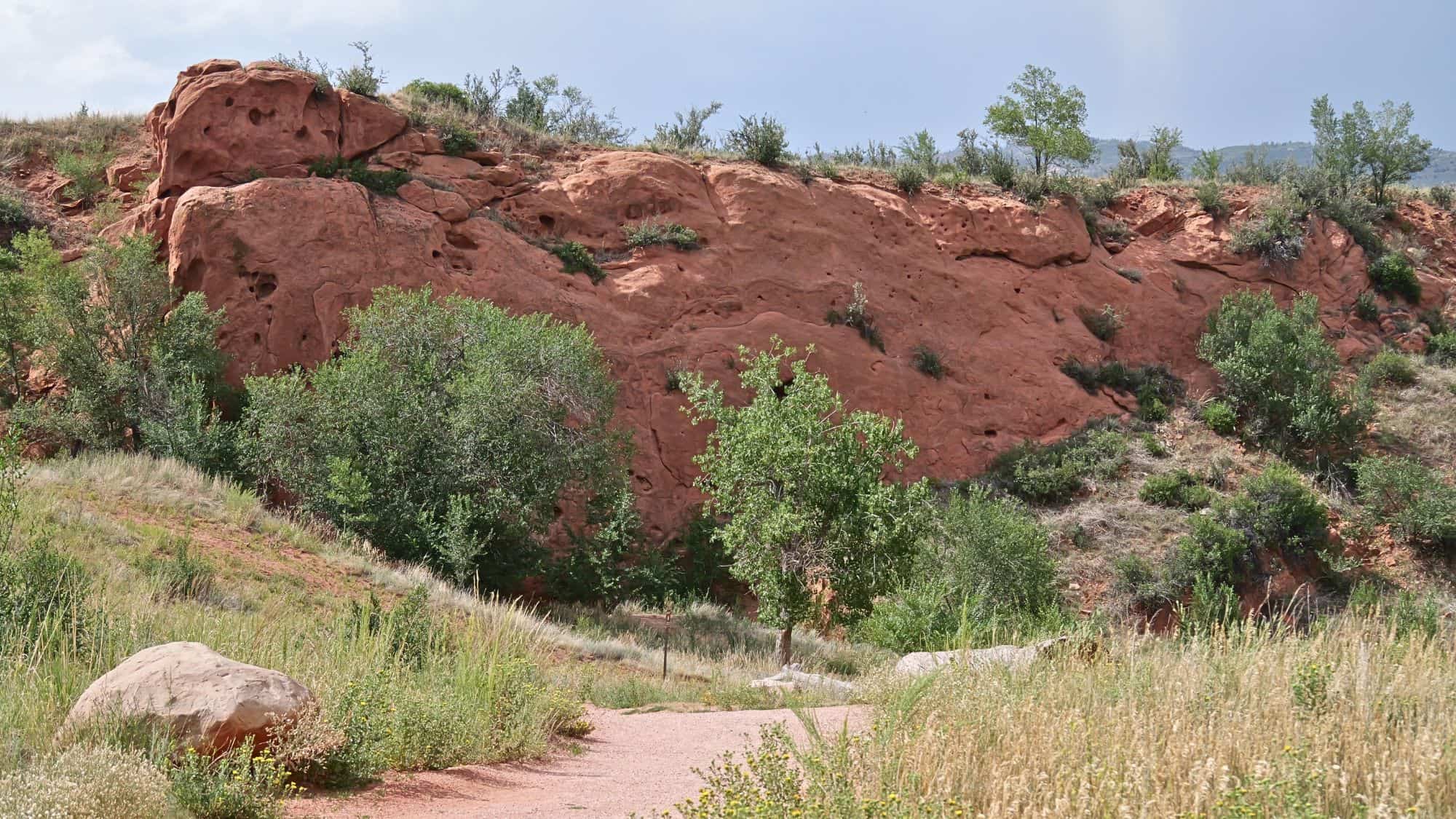
Just west of the Las Vegas Strip, Red Rock Canyon offers a quick trade from neon to sandstone walls streaked in crimson and cream. Winter is prime for easy exploration, with highs often in the 50s and low 60s°F, and a scenic one-way drive that loops past trailheads and overlooks.
You can stop at Calico I and Calico II for short scrambles on firm sandstone, or follow the Willow Springs area’s gentle paths beneath petroglyph-marked cliffs. Reservations are required for timed entry on popular days, which keeps traffic light and parking manageable. And the visitor center sits at the start of the loop with exhibits, shade, and a broad deck for sunrise views.
If you prefer pavement, simply roll the 13-mile drive, pulling out for photos of the Keystone Thrust or the wide expanse of Calico Basin. Many retirees base in Summerlin or Spring Mountains gateway towns, where grocery stores and medical care are close at hand.
Valley Of Fire State Park, Nevada

An hour from Las Vegas, Valley of Fire lives up to its name with ridges and fins of bright red sandstone, balanced rocks, and pale washes that glow in late-day light. Winter is the time to explore, with daytime highs often in the upper 50s or low 60s°F, and a steady breeze that keeps walks pleasant.
The park road threads from the west entrance to White Domes, passing photogenic stops such as Atlatl Rock with its petroglyphs and the short, sandy path to Fire Wave. Pullouts appear frequently, which means you can tailor the day to your energy. And the visitor center has exhibits and restrooms. The nearby campgrounds also offer spacious sites tucked among red boulders.
If you want to keep stairs to a minimum, focus on Mouse’s Tank Road, where overlooks deliver big payoffs without long climbs. Weekdays are calmer than weekends, so sunrise strolls can feel wonderfully quiet. After a few hours on the sandstone, many travelers return to lodging in the Moapa Valley or the north side of Las Vegas. The drive back at dusk often comes with pastel skies that turn the entire park rosy.
Lake Mead National Recreation Area, Nevada and Arizona

Stretching along the Colorado River behind Hoover Dam, Lake Mead National Recreation Area pairs winter warmth with broad water views. Daytime highs frequently sit in the 60s°F, and the low sun lights up volcanic hills that frame blue coves.
For retirees, this is an easy place to settle in. The paved Lakeshore and Northshore Roads thread to marinas with cafes, picnic tables, and level paths along the water. Short trails depart from places such as the Historic Railroad Tunnel segment near Hoover Dam, where a gentle grade leads through old rail cuts and offers sweeping views.
Boat tours operate year-round on many dates, and are a relaxed way to see the dam’s concrete arc and the stark cliffs it holds back. Plus, winter brings clear skies for stargazing, and calm mornings ideal for rental kayaks in protected coves. Just keep an eye on wind forecasts, since afternoon gusts can push waves across open water.
White Sands National Park, New Mexico
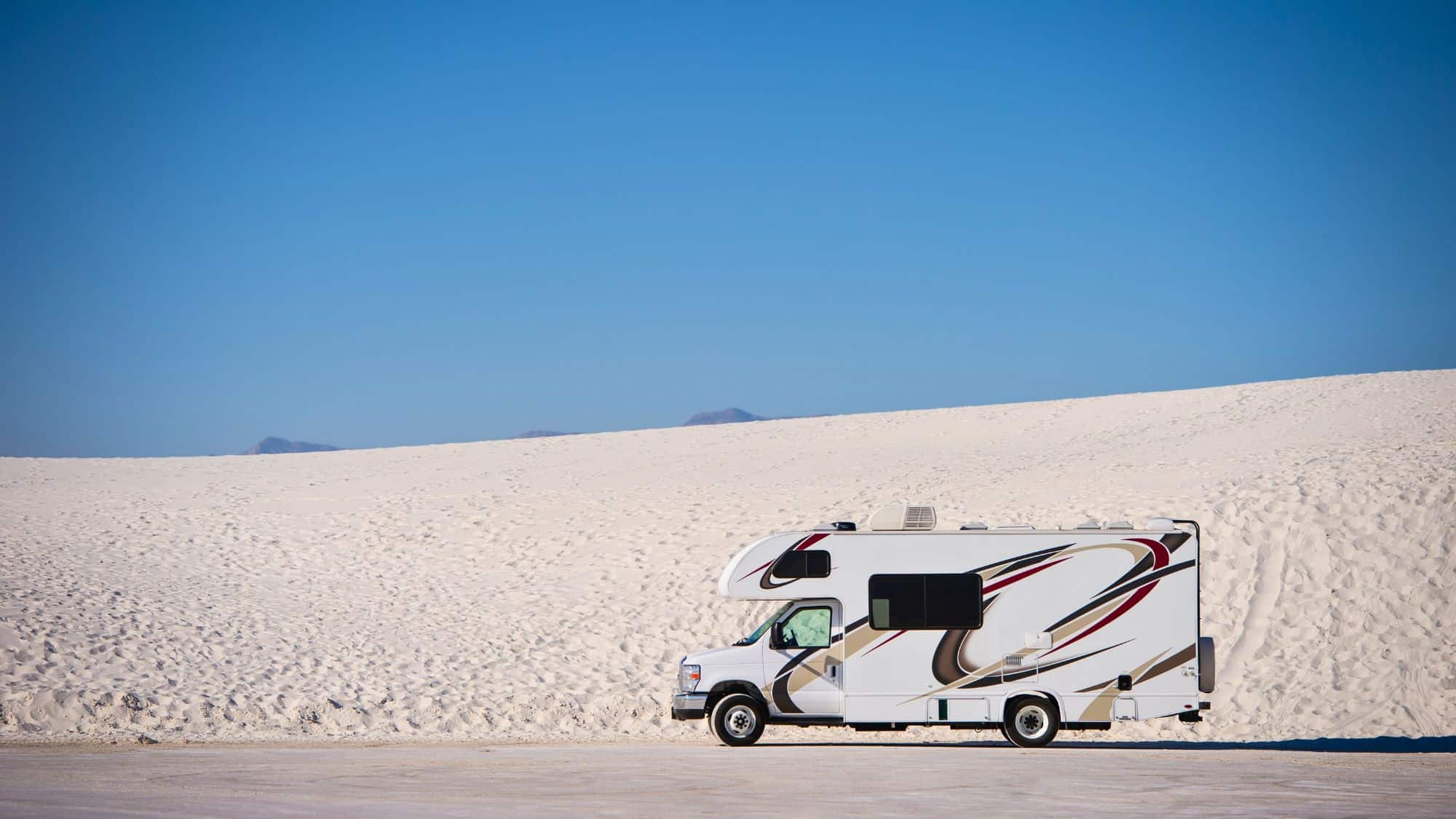
Winter turns White Sands National Park into a serene, pearly landscape of gypsum dunes that stay cool to the touch even under bright sun. Daytime highs reach the 50s and 60s°F, and the park’s paved Dunes Drive leads to wide pullouts where you can step straight onto firm, white sand.
The Interdune Boardwalk offers a short, level stroll with railings and interpretive signs that explain how this unusual desert formed. For a little more movement without strain, follow a marked trail for a half-mile and enjoy the quiet. Even in cool weather, carry water and consider trekking poles for stability on gentle slopes.
Sledding is popular and easy to watch from the car if you would rather keep to level ground. And winter sunsets turn the dunes peach and lavender, and the sky often fills with stars once darkness settles.
Many retirees base in nearby Alamogordo for lodging and supplies, with El Paso’s airport a reasonable drive away. Pair your visit with an early dinner in town, then return for the moonrise on select evenings when the park extends hours.
Organ Mountains–Desert Peaks National Monument, New Mexico
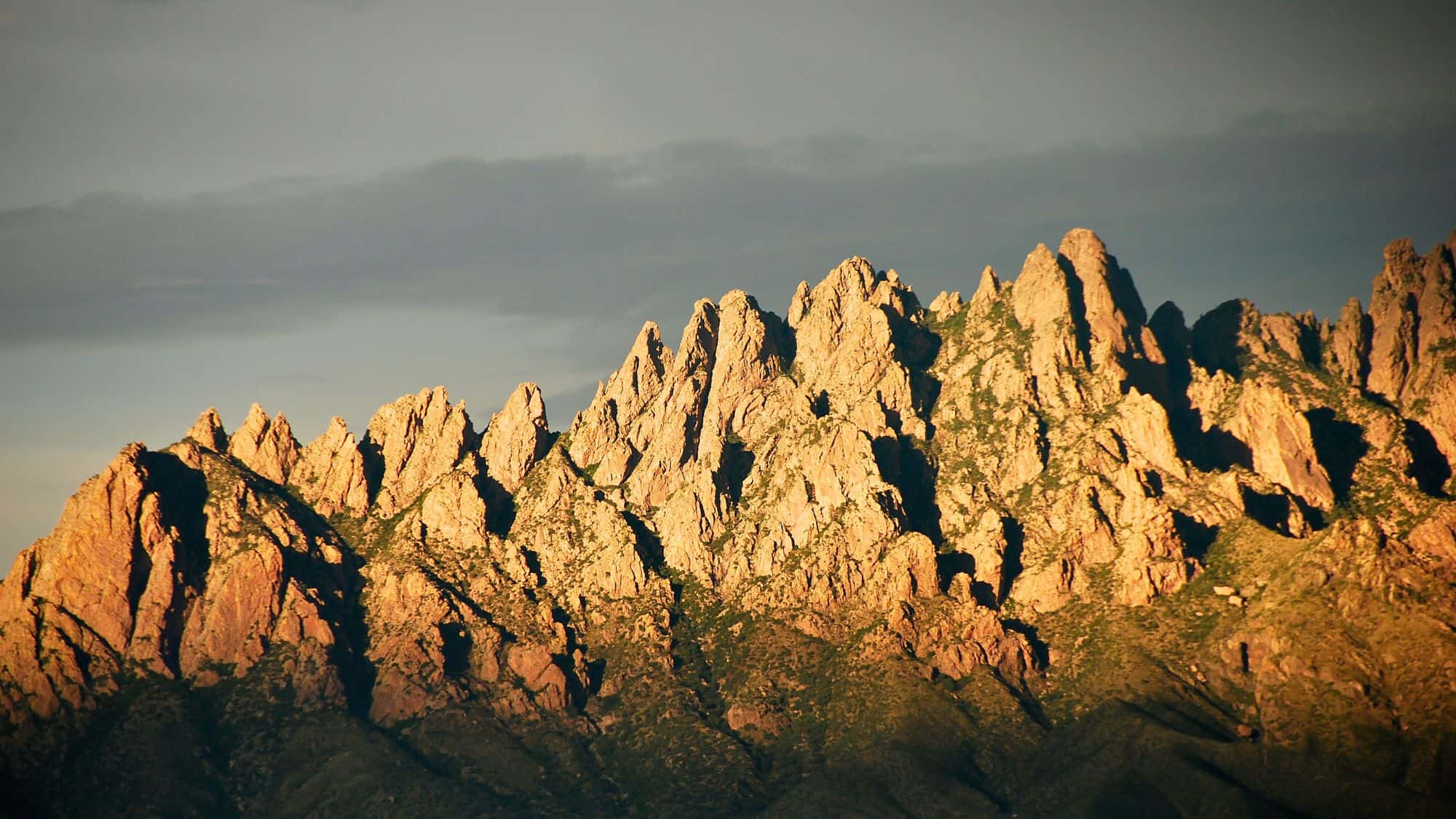
On the west side of the Organ Mountains near Las Cruces, this national monument spans rugged spires, sandy basins, and historic sites that sit comfortably in winter’s cooler air, with average temperatures in the 50s and 60s°F most days.
The Dripping Springs Natural Area has a broad, well-graded path that climbs gently toward a stone resort ruin tucked beneath steep cliffs, with shady benches along the way. At Soledad Canyon, a loop trail crosses open desert to a seasonal waterfall, and you can turn around at the first overlook if you prefer to keep it short.
The monument’s trails are less crowded than many national parks in winter, which suits travelers who value quiet. But know that winds can pick up in the afternoon, so start early and carry a warm layer. After hiking, enjoy green chile stew in town, then take a sunset drive along Dripping Springs Road to watch the spires shift from silver to rose.
Las Cruces provides a convenient base with inns, RV parks, and medical services.
Like Our Content? Follow Us on MSN (or click the Follow Button above) for more from Discover Parks & Wildlife.
14 Stunning Parks That Prove You Don’t Have To Suffer In Winter
Who says winter has to mean freezing your face off? Check out these warm parks that’ll have you swapping snow boots for sunglasses and asking, “Wait, is it really winter?”
11 Covert Critters To Spot In National Parks During The Snowy Months
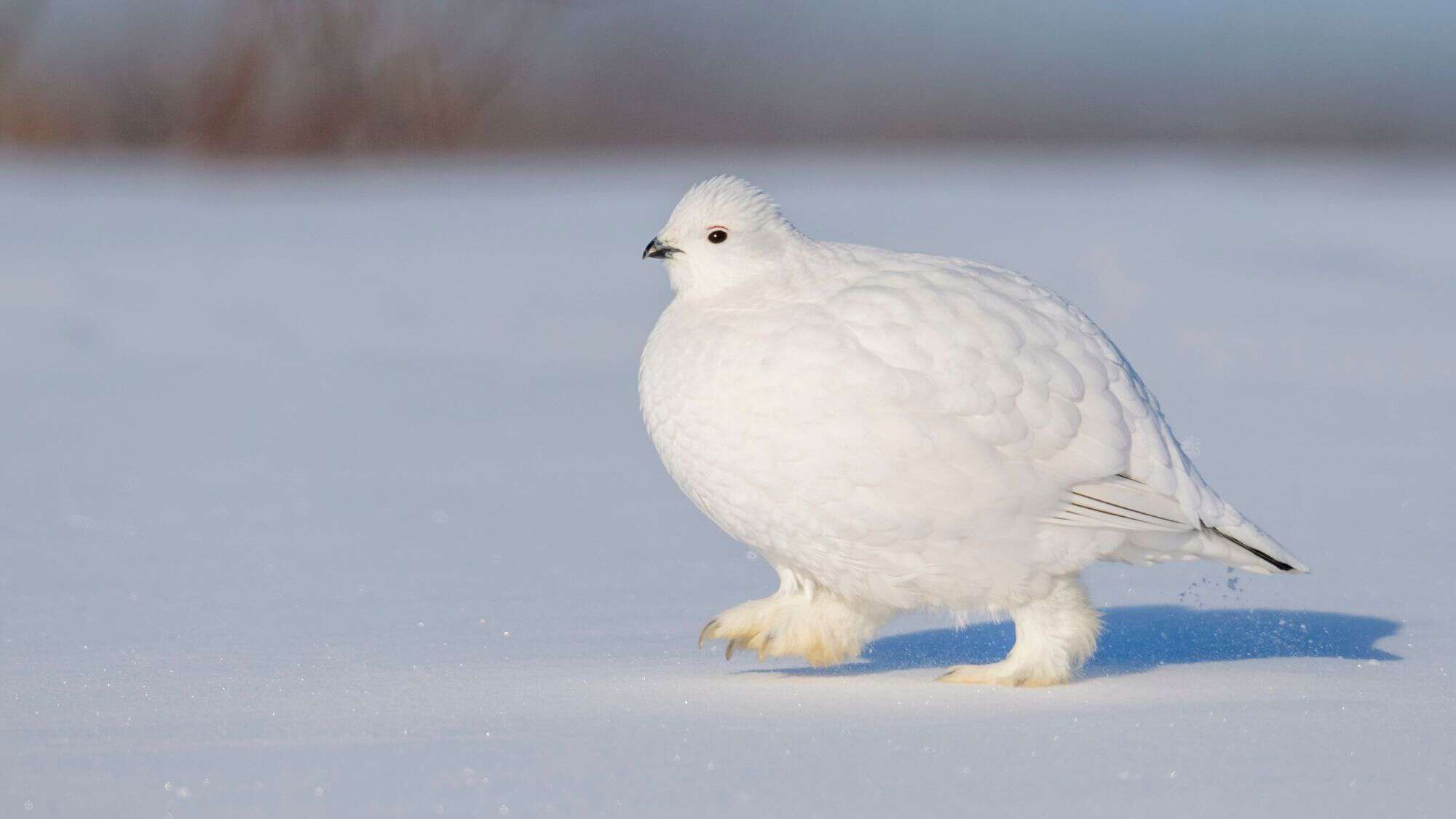
Think you’ve mastered winter wildlife spotting? Think again. This dives into the sneaky critters blending into snowy landscapes. You’ll never look at a white patch the same way.
11 Treacherous National Park Trails That Will Make You Think Twice In Winter
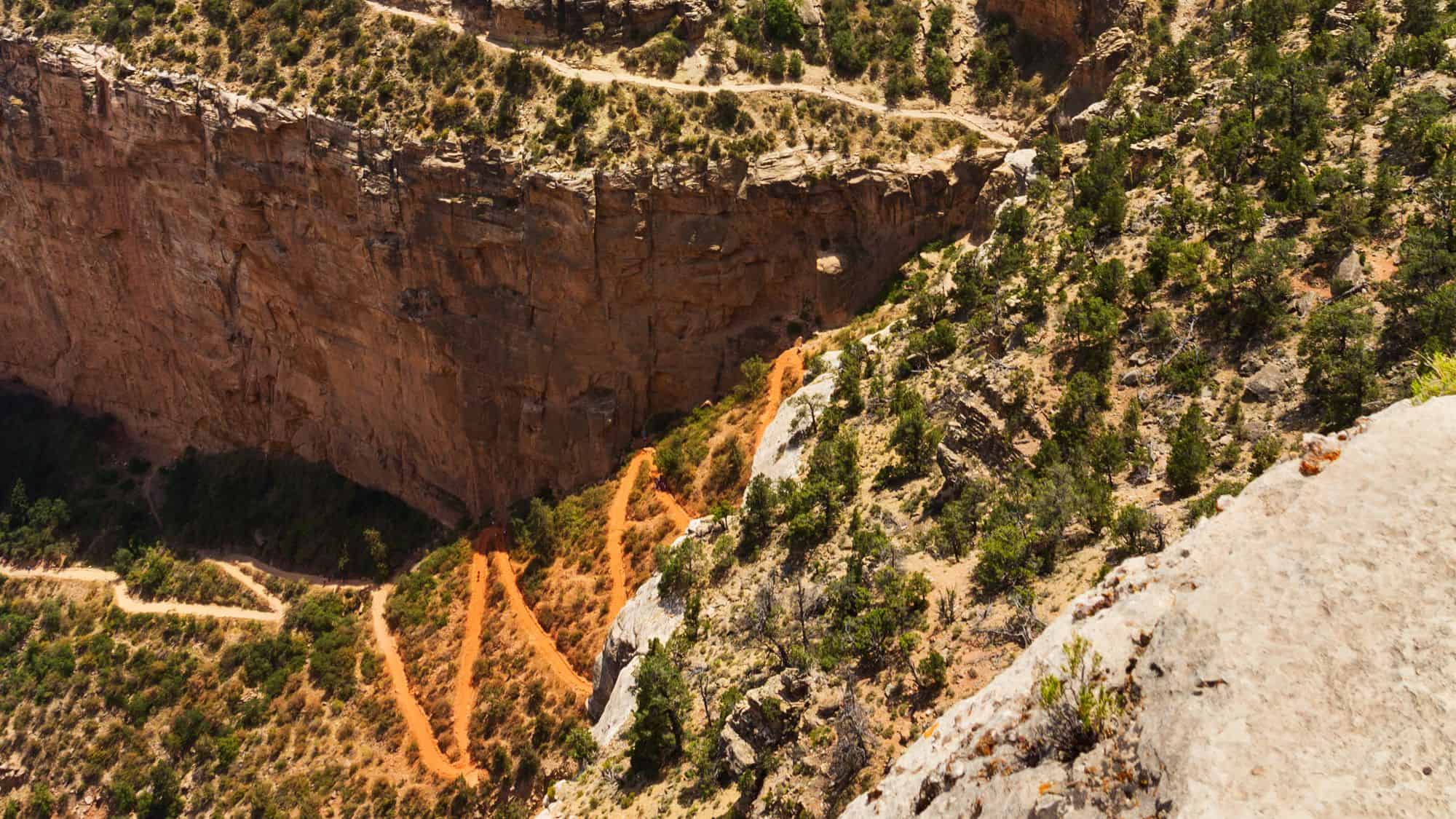
Feeling brave? Then you’ll love diving into these winter trails that are as stunning as they are slightly terrifying, perfect for your next adrenaline-packed adventure.