Discover Parks & Wildlife contains affiliate links and is a member of the Amazon Services LLC Associates Program. If you make a purchase using one of the Amazon links, we may receive compensation at no extra cost to you. We may also use select AI tools to support our creative process, but all content is reviewed, refined, and finalized by our human team. See our disclosure policy and our AI use policy for more information.
12 Ultimate Eco-Friendly Adventures For First-Time Green Travelers
Traveling more responsibly is becoming a priority for many people. The idea of “eco-friendly travel” isn’t just about offsetting carbon emissions or choosing sustainable hotels, although those are important steps. It’s about making conscious choices that support local communities, protect natural environments, and leave a positive impact on the places you visit.
For first-time eco-travelers, navigating this landscape can seem overwhelming, but it doesn’t have to be. Simple decisions can make a significant difference. Choosing to visit a national park that reinvests fees into conservation, volunteering for a beach cleanup, or staying at a lodge that employs local staff are all accessible ways to start.
This approach transforms a simple vacation into a meaningful exchange, where you not only see the world but also contribute to its well-being. And the following adventures allow you to explore incredible destinations while making a tangible, positive difference.
From the rainforests of Costa Rica to the wildlife sanctuaries of Kenya, these experiences are perfect for anyone looking to begin their journey into sustainable tourism, proving that you can have an unforgettable adventure that also gives back to the planet.
Explore The Osa Peninsula In Costa Rica

Often called one of the most biodiverse places on Earth, Costa Rica’s Osa Peninsula is a prime destination for first-time eco-travelers. This remote corner of the country is home to Corcovado National Park, which protects a stunning array of wildlife, including jaguars, Baird’s tapirs, and scarlet macaws.
Many lodges in the area are leaders in sustainable tourism, operating entirely off-grid with solar power and sourcing their food from local organic farms. You can spend your days hiking through lush rainforests with local guides who can point out rare species and teach you about the intricate connections within the ecosystem.
The region’s commitment to conservation is serious; in fact, about 2.5% of the world’s biodiversity is found here, packed into a relatively small area. So choosing to stay at an eco-lodge directly supports these efforts, as many reinvest their profits into reforestation projects and community development.
Simple activities like kayaking through mangrove forests or taking a guided night walk offer low-impact ways to witness nature’s wonders. The experience is a powerful reminder of how tourism, when done right, can be a force for good.
Volunteer At A Sea Turtle Conservation Project

Participating in a sea turtle conservation project is an incredibly rewarding way to engage in hands-on environmental work. Destinations like Mexico, Greece, and Costa Rica offer numerous opportunities for volunteers to assist with vital conservation efforts.
Your tasks might include patrolling beaches at night to protect nesting turtles from poachers, collecting eggs to move them to a safe hatchery, and ensuring hatchlings make it safely to the sea. These projects are crucial, as nearly all species of sea turtles are classified as endangered. For example, light pollution from coastal development can disorient hatchlings, causing them to wander inland instead of toward the ocean. By helping at a hatchery, you directly increase their chances of survival.
Most programs require no prior experience, making them perfect for beginners. You’ll work alongside trained biologists and local conservationists, learning firsthand about the threats these ancient creatures face and what is being done to protect them. It’s a deeply moving experience to witness a mother turtle nesting or to release a tiny hatchling into the waves, knowing you played a small part in its journey.
Stay At a Community-Owned Lodge In Kenya
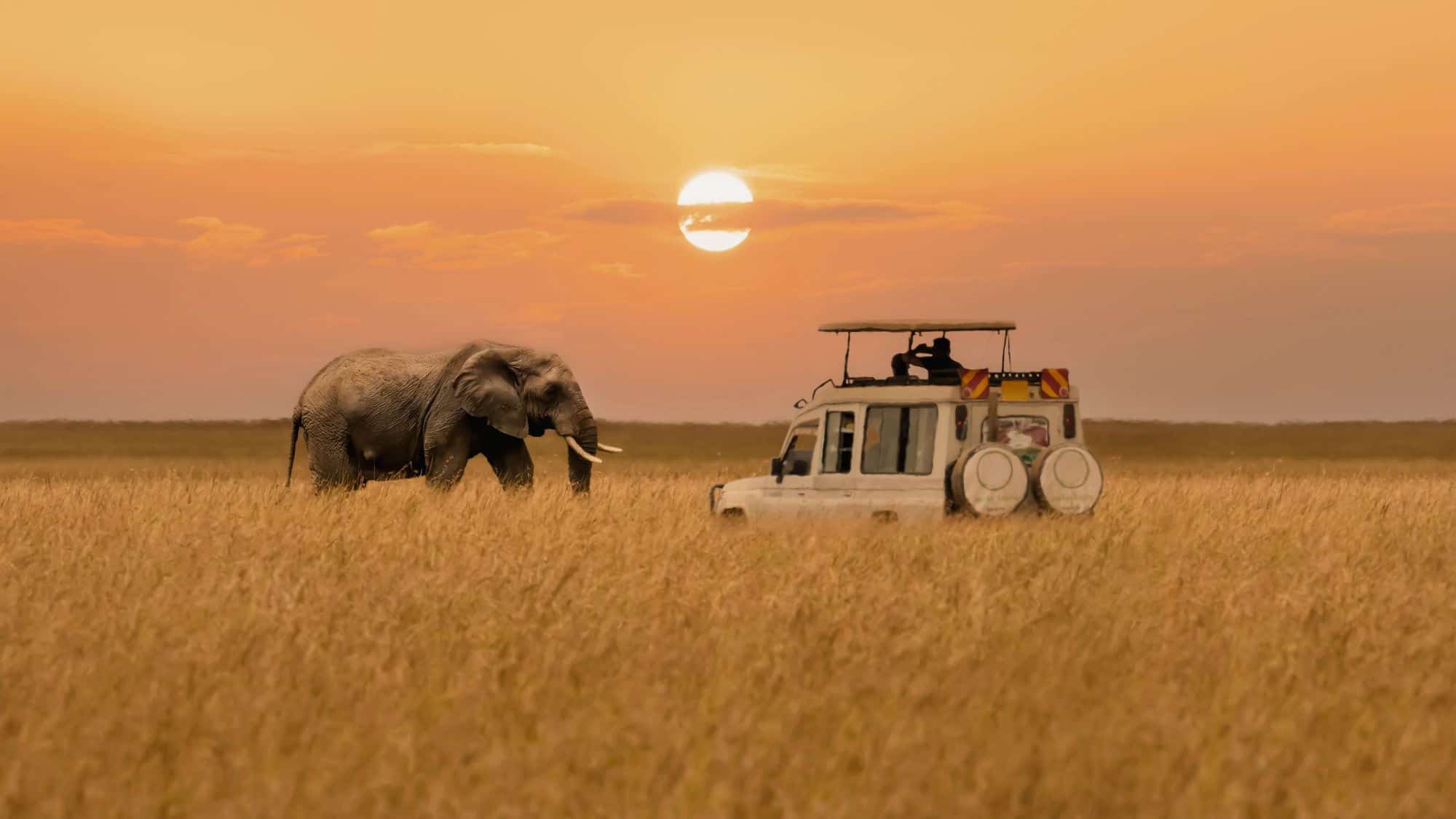
For a truly immersive and impactful safari experience, consider staying at a community-owned conservancy in Kenya. These conservancies, often located adjacent to major national reserves like the Maasai Mara, are a pioneering model of sustainable tourism.
The land is owned by the local Maasai people, who lease it for wildlife conservation and tourism. In return, they receive a steady income and employment opportunities, which creates a powerful incentive to protect the wildlife that shares their home. This model has proven highly effective; some conservancies report higher wildlife densities than the neighboring national reserves.
As a visitor, you’ll enjoy exclusive safari experiences with far fewer crowds. Game drives are led by local Maasai guides whose ancestral knowledge of the land and its animals provides a perspective you won’t find anywhere else. You might also have the chance to visit a local village, learn about Maasai traditions, and see how the conservancy directly benefits the community.
Your stay contributes to everything from funding local schools to supporting anti-poaching units, making your trip a direct investment in both cultural preservation and wildlife protection.
Go On A Low-Impact Kayaking Trip In New Zealand

New Zealand’s pristine coastlines and tranquil fjords offer the perfect setting for a low-impact kayaking adventure. Places like Abel Tasman National Park, with its golden beaches and clear turquoise waters, are ideal for beginners.
You can paddle from one secluded cove to another, camping on the shore or staying in Department of Conservation huts. The only traces you leave behind are your footprints in the sand. Kayaking also allows you to access areas that are off-limits to larger boats, giving you a chance to observe marine life like seals and dolphins without disturbing them.
Companies that specialize in guided kayak tours often have strong sustainability practices, adhering to strict guidelines to minimize their environmental footprint. They teach visitors about the local ecology and the importance of conservation.
In Fiordland National Park, paddling through the silent, towering fjords of Milford or Doubtful Sound is a humbling experience. The scale of the landscape is immense, and traveling by kayak fosters a deep sense of connection to the natural world. It’s a physical activity, but the pace is slow and meditative, encouraging you to appreciate the subtle beauty of your surroundings.
Hike The Inca Trail With A Responsible Tour Operator

Trekking the Inca Trail to Machu Picchu is a bucket-list adventure for many, and it can be done in a way that respects both the environment and the local culture.
Peru’s government has implemented strict regulations to protect the trail, limiting the number of hikers to 500 per day, including porters and guides. This helps minimize erosion and preserve the ancient stone paths.
When choosing a tour operator, look for one that is committed to ethical practices. Responsible companies provide fair wages, proper equipment, and meals for their porters, who are the backbone of the trek. They also follow Leave No Trace principles, carrying out all waste and using designated campsites.
The four-day hike takes you through breathtaking mountain scenery, past cloud forests and ancient ruins, culminating in your first view of Machu Picchu at sunrise from the Sun Gate. Along the way, your guides will share insights into Inca history and the spiritual significance of the mountains.
By choosing a reputable operator, you ensure that your journey not only fulfills a personal dream but also supports the local communities and helps preserve this iconic piece of world heritage for future generations.
Participate In A Reforestation Project In Iceland
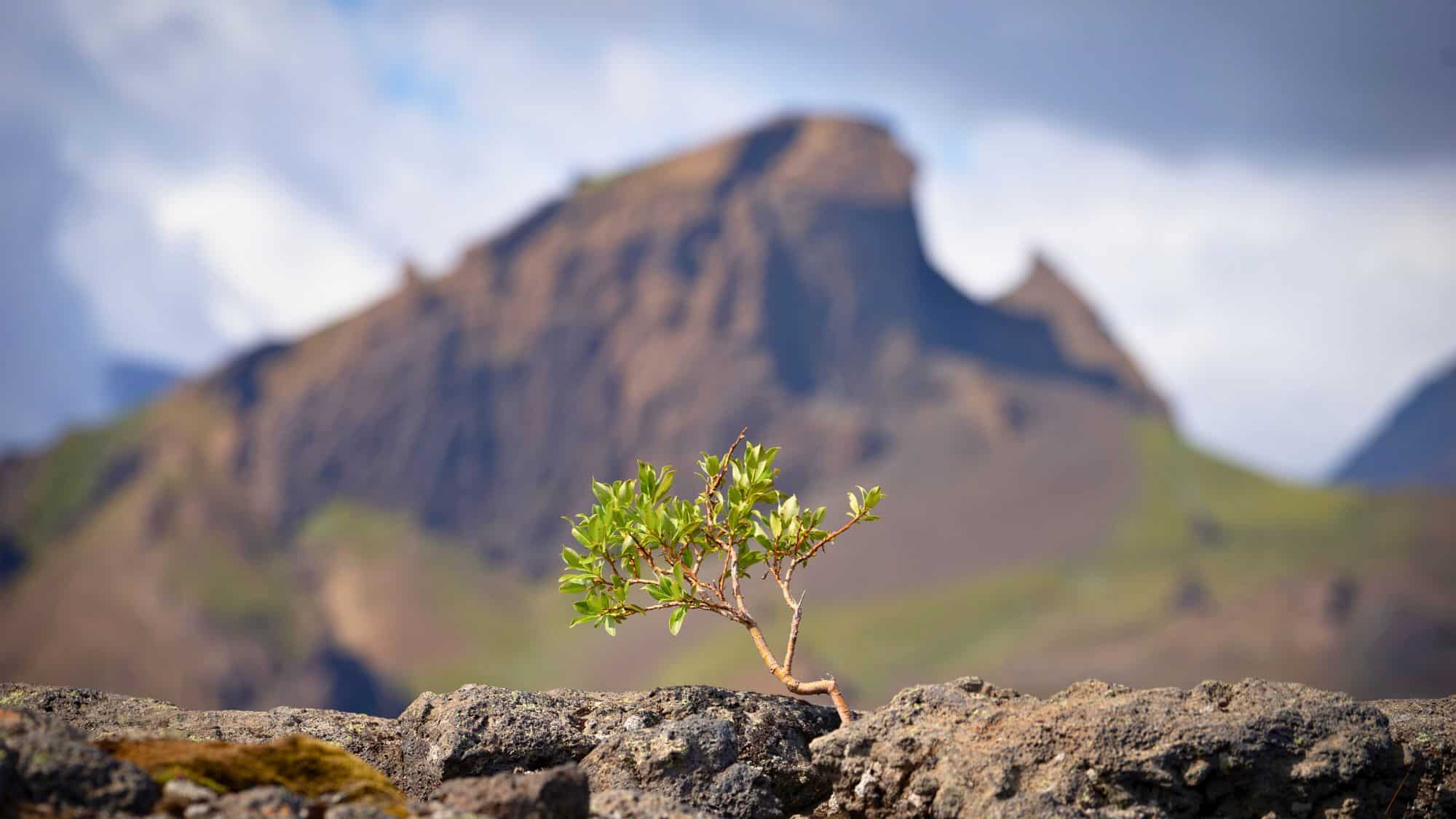
Iceland’s dramatic landscapes of volcanoes and glaciers are a powerful sight, but the country has a surprising lack of forests. It is estimated that when the Vikings first arrived, forests covered up to 40% of the island. Today, that number is closer to 2%.
In response, numerous reforestation projects are underway to restore Iceland’s native woodlands, and many of them welcome volunteers. This is a unique opportunity to contribute directly to the country’s ecological restoration. You can spend a day or more planting native birch and rowan saplings, helping to create new habitats for birds and other wildlife.
These projects also play a crucial role in combating soil erosion, a significant environmental problem in Iceland due to its volcanic soil and harsh winds. Several organizations connect travelers with these opportunities, often combining the volunteer work with tours of the surrounding area.
Imagine spending your morning planting trees and your afternoon exploring a nearby waterfall or hot spring. It’s a fulfilling way to connect with the Icelandic landscape on a deeper level, leaving behind a living legacy that will grow for decades to come.
Go Whale Watching In The Azores

The Azores, a remote archipelago in the middle of the Atlantic Ocean, is one of the world’s best destinations for responsible whale watching. This is a designated “Whale Heritage Site,” recognized for its commitment to sustainable practices.
The islands are a permanent home or migratory point for more than 20 species of whales and dolphins, including sperm whales, blue whales, and fin whales. And tour operators here are required to follow strict codes of conduct.
Boats must keep a safe distance from the animals, limit their viewing times, and cut their engines to minimize noise and stress. Many tours also have a marine biologist on board who collects data for research and educates passengers about the animals and their behavior. This focus on education and conservation turns a simple sightseeing trip into a valuable learning experience.
The waters here are so rich that sightings are practically guaranteed, especially between April and June when the massive baleen whales migrate through. It’s an awe-inspiring experience to see these magnificent creatures in their natural habitat, and doing so in a place that prioritizes their welfare makes it all the more meaningful.
Clean Up A Beach In Thailand

Thailand’s beautiful beaches are a major draw for tourists, but they also suffer from the global problem of plastic pollution. Participating in a beach cleanup is a simple yet powerful way to make an immediate, visible difference.
Many local environmental groups and even some hotels organize regular cleanup events, providing volunteers with bags and gloves. Spending a few hours collecting trash from a stunning beach on an island like Koh Lipe or Koh Samui might not sound like a typical vacation activity, but it can be surprisingly satisfying. It’s a chance to connect with other like-minded travelers and locals who care about protecting their environment.
These events also serve to raise awareness about the impact of single-use plastics and the importance of proper waste management. The experience can be eye-opening, as you see firsthand the types of debris that wash ashore. It often inspires volunteers to become more conscious of their own plastic consumption long after their trip is over.
Cycle Through The Countryside Of Vietnam

Exploring Vietnam by bicycle is a fantastic way to slow down and immerse yourself in the country’s stunning landscapes and vibrant culture. Cycling has a minimal environmental impact and allows you to travel at a pace that fosters genuine interactions.
You can ride through lush green rice paddies in the Mekong Delta, waving to farmers as you pass, or pedal along the coast with its fishing villages and sandy beaches. And several tour companies specialize in cycling trips, offering routes for all fitness levels.
They handle the logistics, like transporting your luggage and providing support vehicles, so you can focus on the ride. A good operator will also ensure that your trip benefits the local economy by staying at family-owned guesthouses and eating at local restaurants. One popular route is the journey from Hue to Hoi An via the Hai Van Pass, offering spectacular views of the coastline.
Cycling gives you the freedom to stop whenever you want, whether it’s to sample street food from a roadside stall, take a photo of a water buffalo, or simply soak in the scenery. It’s an intimate and rewarding way to experience the real Vietnam.
Learn About Organic Farming In Belize

Belize is a small country with a big commitment to conservation, making it a great place for an eco-friendly adventure. Beyond its famous barrier reef, the country’s interior is home to lush jungles and a growing number of organic farms.
Staying at a farm or eco-lodge that practices sustainable agriculture offers a unique insight into a different way of life. You can learn about traditional farming techniques, like those used by the Maya, and see how crops like cacao, coffee, and vanilla are grown without synthetic pesticides or fertilizers.
Many of these farms welcome guests to participate in daily activities, from harvesting vegetables for dinner to learning how to make chocolate from scratch. It’s a hands-on experience that reconnects you with the source of your food.
By staying at these farms, you support a local economy that values biodiversity and environmental stewardship. It’s a peaceful and grounding experience that provides a welcome contrast to the more adventurous side of Belize.
Take A Train Journey Through Switzerland

Switzerland’s public transportation system is a model of efficiency and sustainability, making it one of the best places in the world to explore by train. And the Swiss Travel Pass offers unlimited travel on trains, buses, and boats across the country, encouraging a mode of transport that is far more eco-friendly than renting a car.
The scenic train journeys here are legendary. You can ride the Glacier Express, which winds its way through the Alps, crossing 291 bridges and passing through 91 tunnels on its route between Zermatt and St. Moritz. Or take the Bernina Express, a UNESCO World Heritage route that climbs to an altitude of over 7,000 feet as it travels from Switzerland to Italy.
The trains are clean, punctual, and powered largely by hydroelectricity. Traveling by train also allows you to relax and enjoy the journey itself, rather than focusing on the destination. It’s a civilized and sustainable way to see some of the most spectacular scenery in Europe, proving that adventure doesn’t always have to involve an adrenaline rush.
Explore Guyana’s Iwokrama Forest

For a truly off-the-beaten-path eco-adventure, consider a trip to the Iwokrama Forest in Guyana. This vast, one-million-acre rainforest is managed by a unique partnership between the government and the local Makushi communities, with a mission to prove that conservation, environmental balance, and sustainable human activity can coexist.
The Iwokrama River Lodge serves as a center for research and tourism, offering visitors a chance to experience one of the most pristine rainforests left on Earth. You can take guided boat trips to spot giant river otters and black caiman, or hike to the top of Turtle Mountain for an incredible view of the forest canopy.
The Iwokrama Canopy Walkway, a series of suspension bridges 100 feet above the forest floor, provides an opportunity to see wildlife like red howler monkeys and countless species of birds up close. And the guides are all local Makushi people, whose deep knowledge of the forest has been passed down through generations.
Tourism here is carefully managed to have a low impact, and the revenue it generates funds conservation research directly and provides sustainable livelihoods for the local communities, reducing the pressure to engage in destructive practices like logging or mining.
Like Our Content? Follow Us on MSN (or click the Follow Button above) for more from Discover Parks & Wildlife.
15 Astonishing Natural Rock Formations That Defy Belief
Prepare to have your mind twisted like a pretzel as you explore mind-blowing rock formations that look like nature was inhaling sand and exhaling pure magic.
12 Volcanic Wonders You Can Actually Walk On

Take a stroll through a smoldering landscape that’s more than a little fiery. Because who wouldn’t want to tiptoe across nature’s hot plates and feel like a contestant on a daring survival show where the ground could literally be lava?
12 Natural Wonders You Have To See To Believe

Get ready to have your mind spectacularly blown as you embark on a whirlwind tour of natural wonders so jaw-dropping that they’ll make your social feed look like it’s been all dressed up with nowhere to go.