Discover Parks & Wildlife contains affiliate links and is a member of the Amazon Services LLC Associates Program. If you make a purchase using one of the Amazon links, we may receive compensation at no extra cost to you. We may also use select AI tools to support our creative process, but all content is reviewed, refined, and finalized by our human team. See our disclosure policy and our AI use policy for more information.
11 Fascinating Animals That Change Color With The Seasons
In the wild, survival is an art form mastered through adaptation. Across the planet’s most extreme environments, from the frozen expanse of the Arctic to the dense, quiet forests of the north, a remarkable transformation unfolds with the turning of the seasons.
For some creatures, the shift from summer’s vibrant greens and earthy browns to winter’s stark, white canvas is not just a change in scenery but a trigger for a profound internal change. This is the world of seasonal camouflage, a silent, yet powerful, tool in the daily struggle for life.
Here, the very color of an animal’s fur or feathers becomes a moving tapestry, blending seamlessly with the surrounding landscape. And this incredible ability is more than just a clever disguise; it is a critical strategy for survival, allowing predators to stalk their prey undetected and prey to vanish from a predator’s gaze.
It’s a testament to the intricate and often startling ways life adapts, turning the simple act of blending in into a breathtaking spectacle of natural engineering.
Arctic Fox
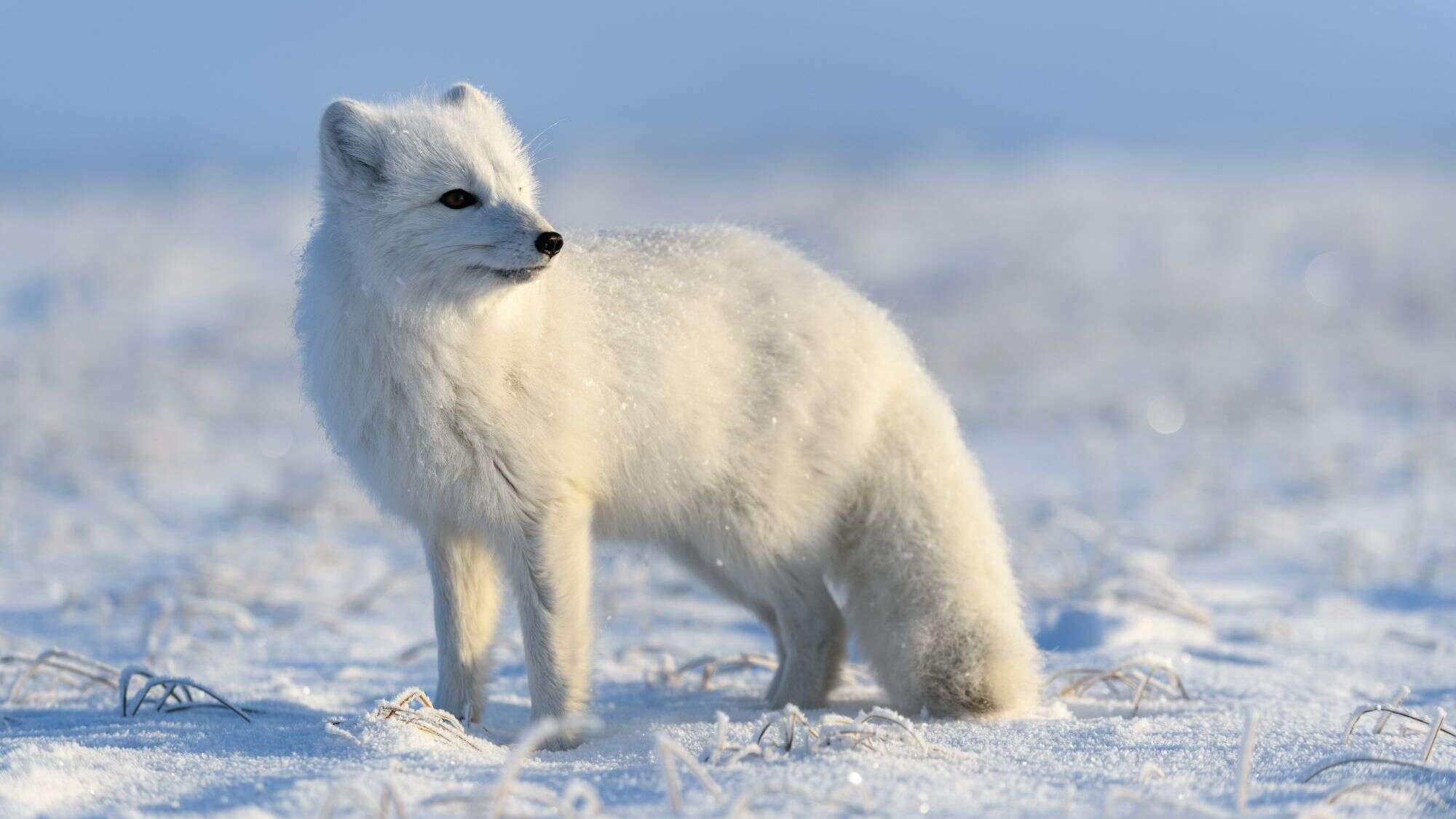
The Arctic fox is a master of disguise, its survival intrinsically linked to its ability to vanish into the vast, unforgiving landscapes of the Arctic tundra. This small, resilient carnivore undergoes one of the most dramatic seasonal color changes in the animal kingdom.
In the short Arctic summer, when the tundra is a mosaic of exposed rock, hardy plants, and damp earth, the fox wears a coat of brownish-gray fur. This coloration allows it to blend in with the rocky terrain and sparse vegetation, making it nearly invisible to both its prey, such as lemmings and voles, and its predators, like polar bears and golden eagles.
But as winter approaches and the first snows begin to fall, a remarkable transformation begins. The fox sheds its summer coat and grows a thick, dense layer of pure white fur. This new coat provides exceptional insulation, allowing the fox to survive temperatures that can plummet to as low as -58°F.
The white fur also serves as perfect camouflage against the snow and ice, turning the fox into a ghostly predator.
Rock Ptarmigan

The rock ptarmigan is a bird of the high mountains and Arctic regions, perfectly adapted to a life of extreme seasonal change. It is about 14 inches long and weighs just over a pound. Throughout the year, this medium-sized grouse undergoes a series of molts that alter its plumage to match its surroundings with uncanny precision.
During the summer, when the alpine tundra is a patchwork of lichen-covered rocks and low-lying shrubs, the ptarmigan sports a mottled brown, gray, and black plumage. This pattern breaks up its outline, making it incredibly difficult to spot against the textured ground. It moves with a slow, deliberate gait, further enhancing its camouflage.
As autumn arrives, its feathers begin to transition, becoming grayer to match the fading landscape and early snowfalls. By the time winter sets in, the rock ptarmigan is almost entirely white, save for a black stripe through its eye and its black tail feathers, which remain hidden when the bird is at rest.
This snowy-white coat makes it nearly invisible in the winter wonderland it calls home. The ptarmigan’s diet also shifts with the seasons, from summer insects and berries to winter buds and catkins.
Snowshoe Hare
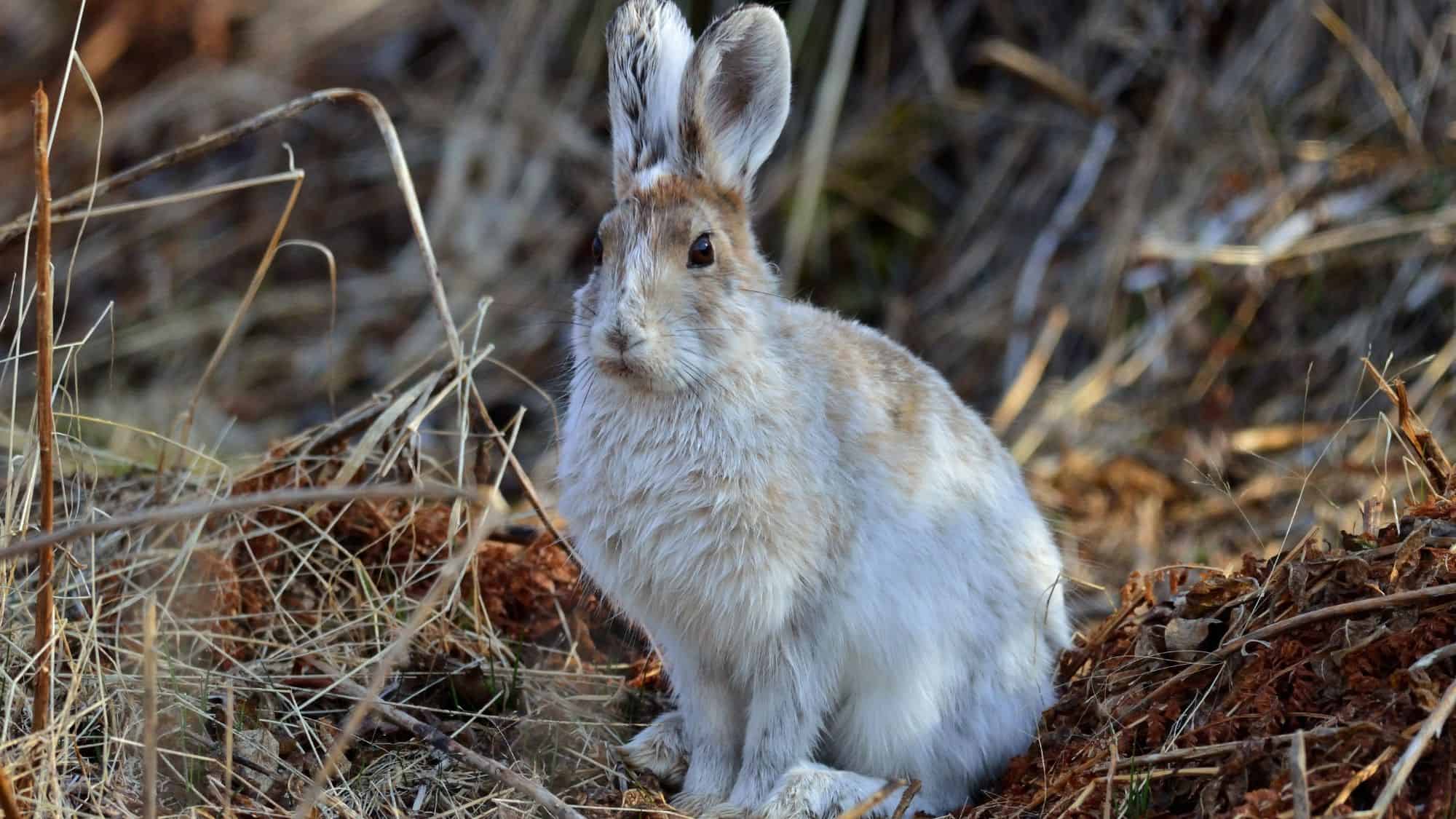
The snowshoe hare is a classic example of seasonal camouflage, its life a continuous dance of blending in to survive. Named for its large, furry hind feet that act like snowshoes to distribute its weight and prevent it from sinking into deep snow, this hare is a key species in the boreal forests of North America.
Its fur undergoes a dramatic color change twice a year, cued by the changing length of daylight. In the summer, the hare’s coat is a grizzled rusty or grayish brown, providing excellent camouflage against the forest floor, with its carpet of fallen leaves, soil, and underbrush. This allows it to hide from a host of predators, including lynx, bobcats, and coyotes.
As autumn days shorten, the hare begins to molt into its winter attire. The brown fur is gradually replaced by a thick coat of pure white. This transformation takes about 10 weeks to complete and renders the hare almost invisible against a snowy backdrop. The only part of its body that remains dark is the tip of its ears.
This remarkable adaptation is crucial, as the snowshoe hare is a primary food source for many predators, most notably the Canada lynx, whose population cycles are closely tied to the hare’s.
Stoat
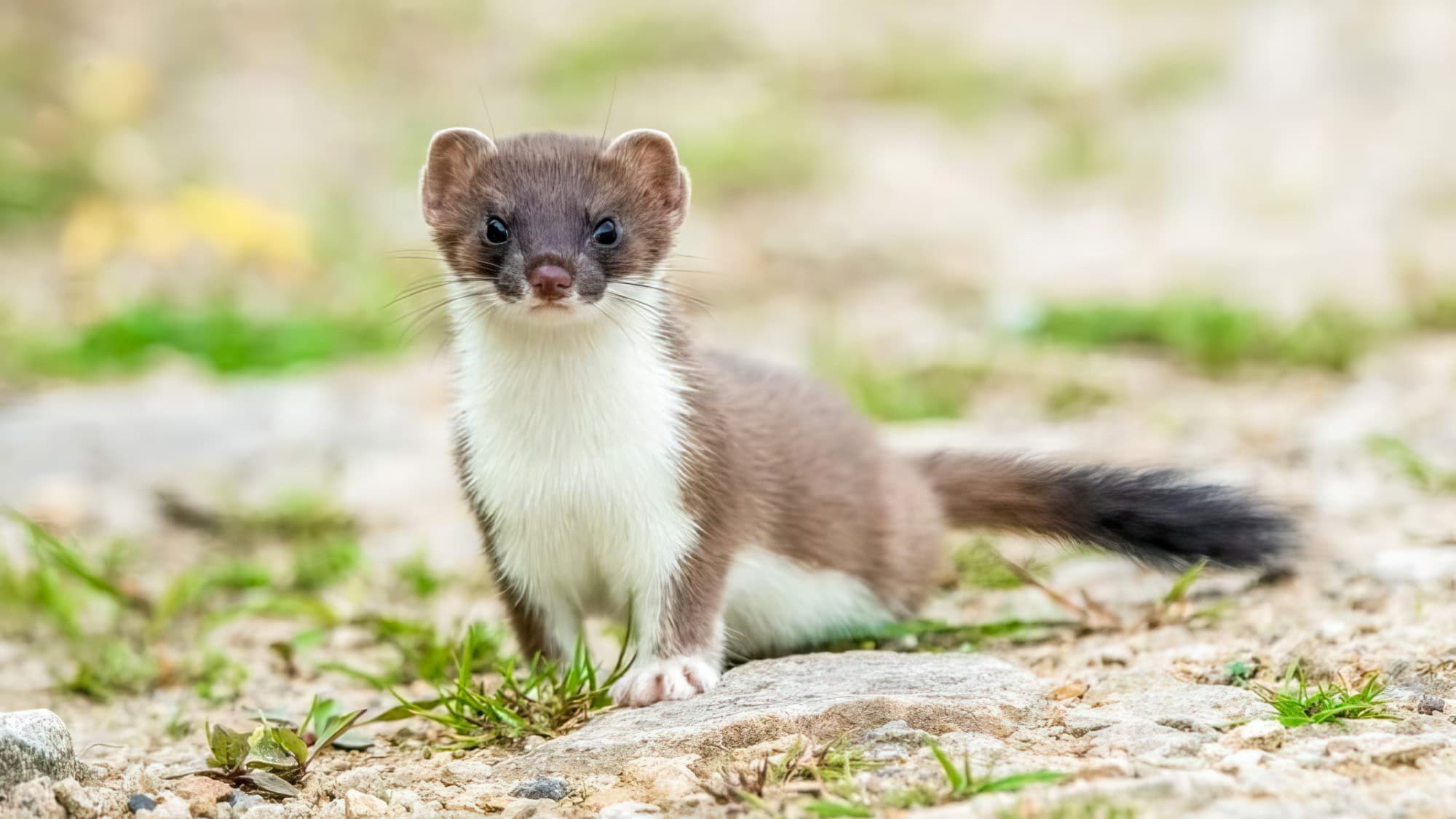
The stoat, also known as the short-tailed weasel, is a small but fierce predator found across North America, Europe, and Asia. Its slender, agile body allows it to pursue prey like rabbits and rodents into their burrows.
While its cunning and ferocity are notable, it is the stoat’s seasonal color change that is truly remarkable, at least for those living in northern climates. In the summer, the stoat has a brown back and a white or yellowish belly, a color scheme that helps it merge with the soil, grasses, and shadows of its environment.
However, as winter approaches and the landscape is blanketed in snow, stoats in colder regions undergo a molt to become entirely white. In this winter phase, the animal is often called an ermine. And the only feature that retains its original color is the black tip of its tail. The pure white fur of the ermine was historically prized by royalty and used to trim ceremonial robes.
But this stark white coat provides perfect camouflage for hunting in the snow, and the black tip is thought to distract predators by drawing their attack away from the stoat’s body. Stoats are impressively energetic hunters, capable of killing prey much larger than themselves.
Ruffed Grouse
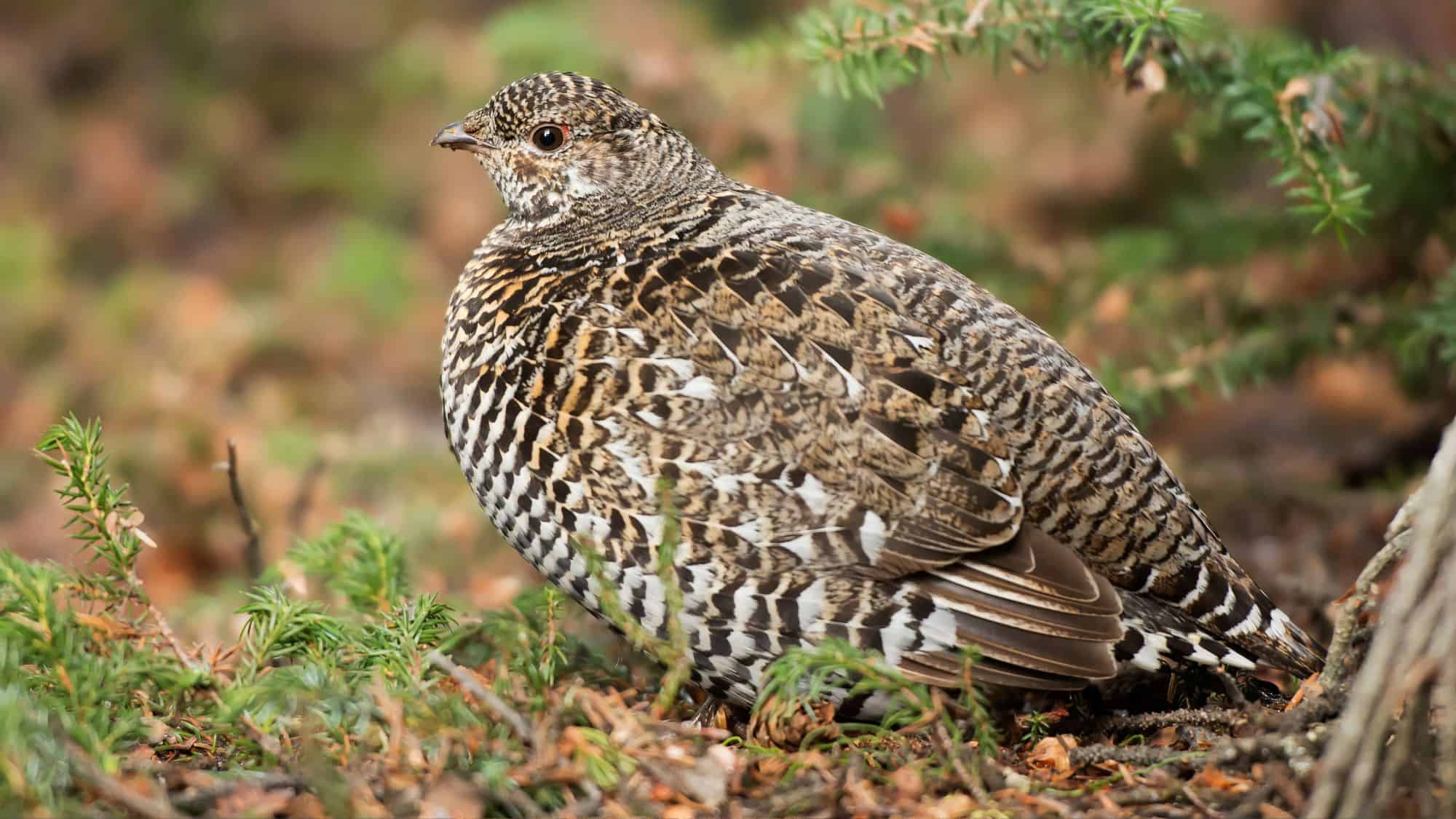
The ruffed grouse is a common bird in the forests of North America, known for the distinctive drumming sound the males make by beating their wings. While it may not undergo as complete a color transformation as some other animals, its seasonal plumage adjustments are a subtle yet effective form of camouflage.
The grouse comes in two primary color morphs: gray and red-brown. The gray morph is more common in the northern parts of its range, where forests are dominated by birch and aspen trees, while the red-brown morph is more prevalent in the southern parts, with more oak and hickory trees.
Throughout the year, its intricately barred and spotted feathers provide excellent camouflage against the leaf litter and tree bark of the forest floor. In winter, the feathers of the gray morph, in particular, appear paler, helping the bird blend in with the snowy and gray-toned winter woods.
Additionally, the grouse grows small, comb-like growths called pectinations on the sides of its toes in the fall. These act like snowshoes, helping the bird walk on top of the snow during the winter months.
Peary Caribou
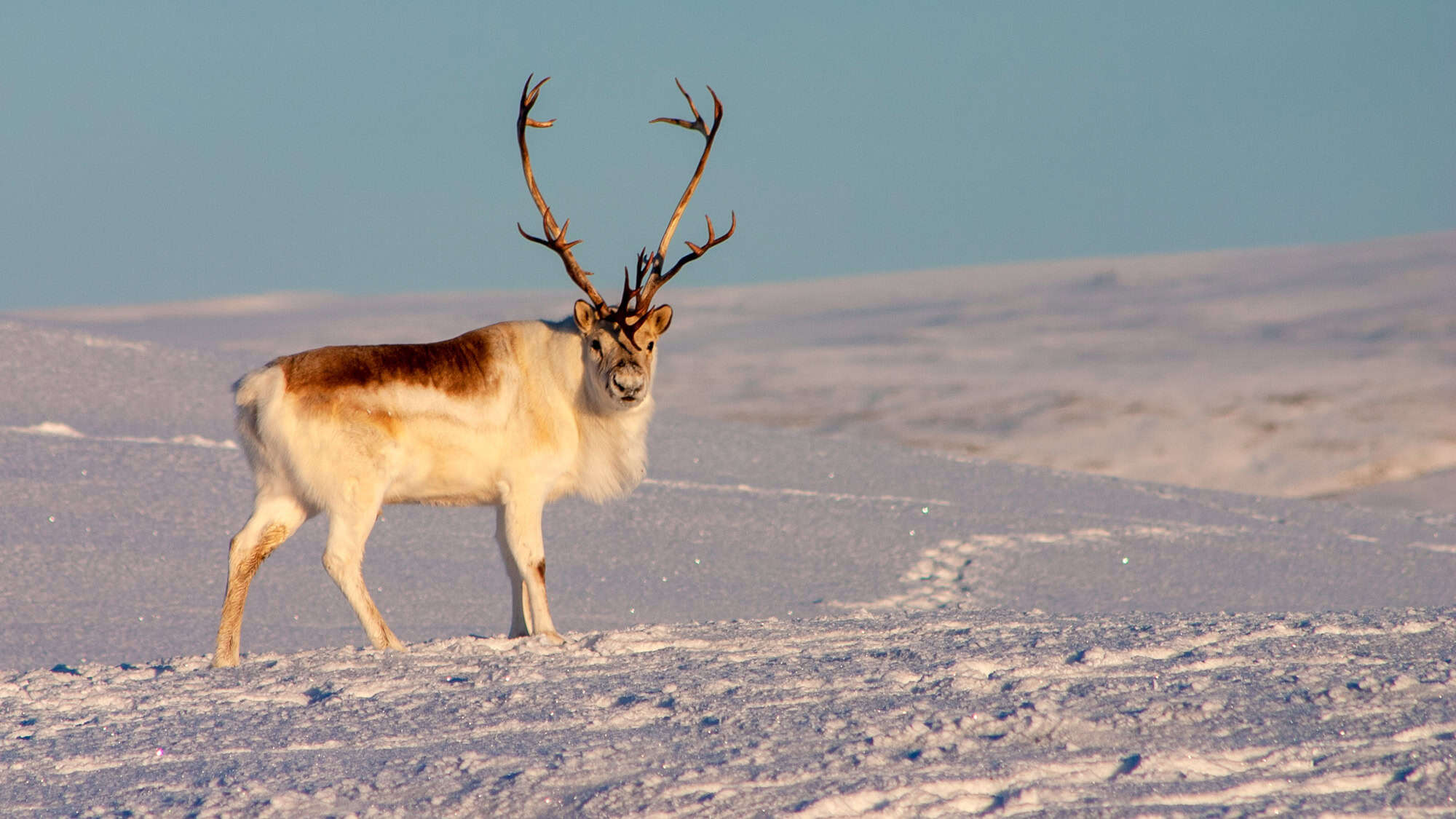
The Peary caribou, the smallest subspecies of North American caribou, inhabits the remote and harsh landscapes of the Canadian Arctic Archipelago. These hardy animals have adapted to one of the most extreme environments on Earth, and their coat is a key part of their survival strategy.
In the summer, the Peary caribou has a coat of slate-gray with white legs and underparts. This coloration helps it blend with the rocky, sparsely vegetated tundra during the brief summer months.
However, as the long, dark winter descends, the caribou’s coat undergoes a stunning transformation. It molts to a creamy, almost pure white color. And this thick, hollow-haired winter coat provides superb insulation against the brutal cold and biting winds, while also serving as excellent camouflage against the endless snow and ice.
This makes it harder for predators, primarily wolves, to spot them from a distance. The change is triggered by the decreasing daylight hours. Peary caribou also have wide, crescent-shaped hooves that act like shovels, allowing them to dig through the snow to find the lichens and sedges that make up their winter diet.
Unfortunately, their population has faced significant declines due to severe weather events, making their conservation critical.
Siberian Hamster
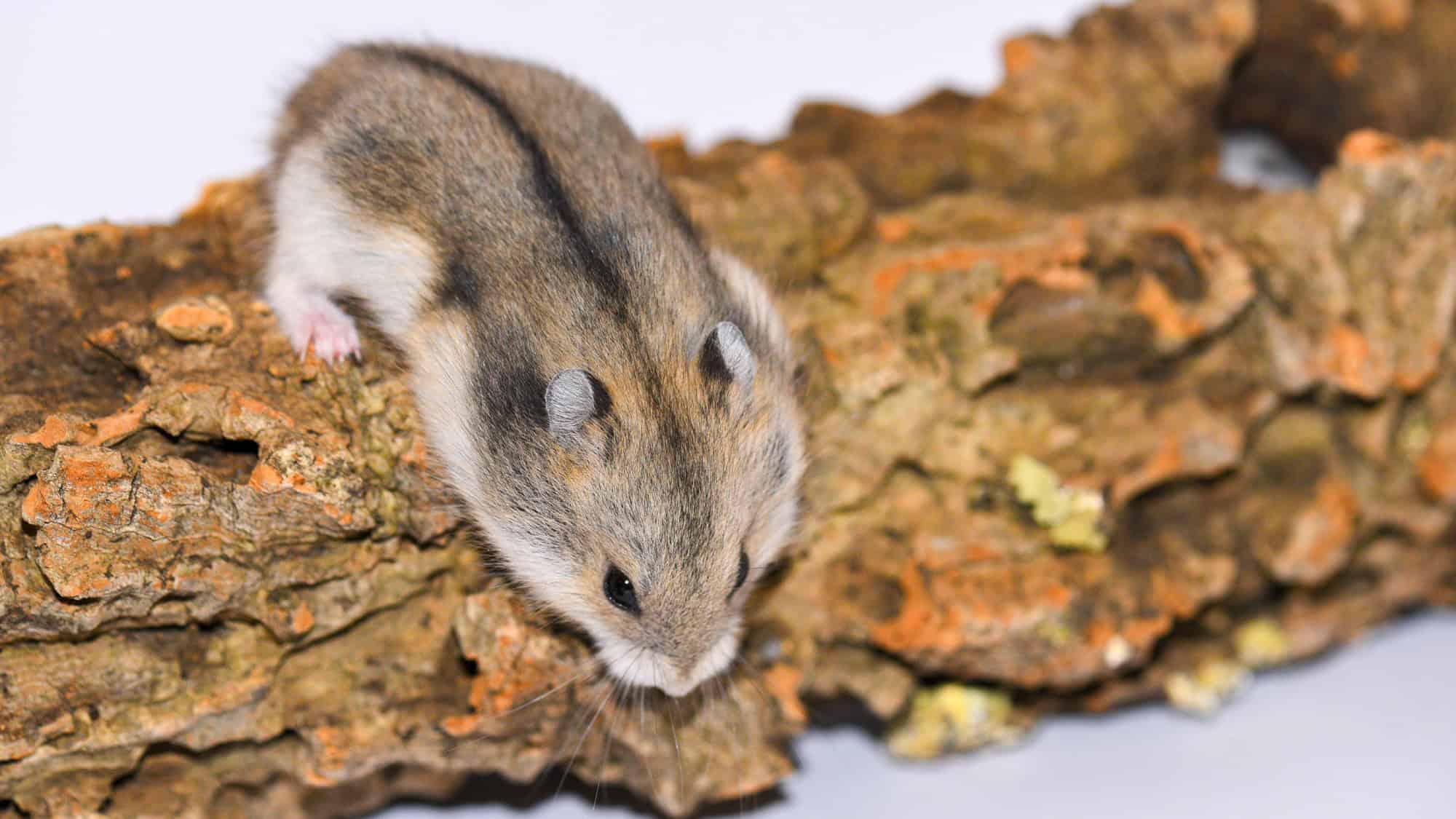
The Siberian hamster, also known as the winter white dwarf hamster, is a small rodent native to the steppes of Siberia and Kazakhstan. These hamsters are tiny, typically measuring only about 3 to 4 inches in length. And while often kept as a pet, in the wild, this hamster displays a remarkable adaptation to seasonal changes.
During the summer, its fur is a dark brownish-gray with a distinct dark stripe running down its back and a white belly. This coloration provides effective camouflage against the earthy tones of the grassy steppes. As the days shorten and winter approaches, a fascinating change occurs.
The hamster’s fur begins to turn white, starting from the belly and spreading upwards. In the depths of winter, it becomes almost completely white, helping it blend in with the snowy landscape and avoid predators like owls and weasels. This change is directly linked to photoperiod (AKA the length of daylight).
In captivity, this color change can be induced by controlling the amount of light the hamster is exposed to each day during the year. In the wild, they are social animals that live in burrows, which provide protection from the extreme temperatures of their native habitat.
Collared Lemming
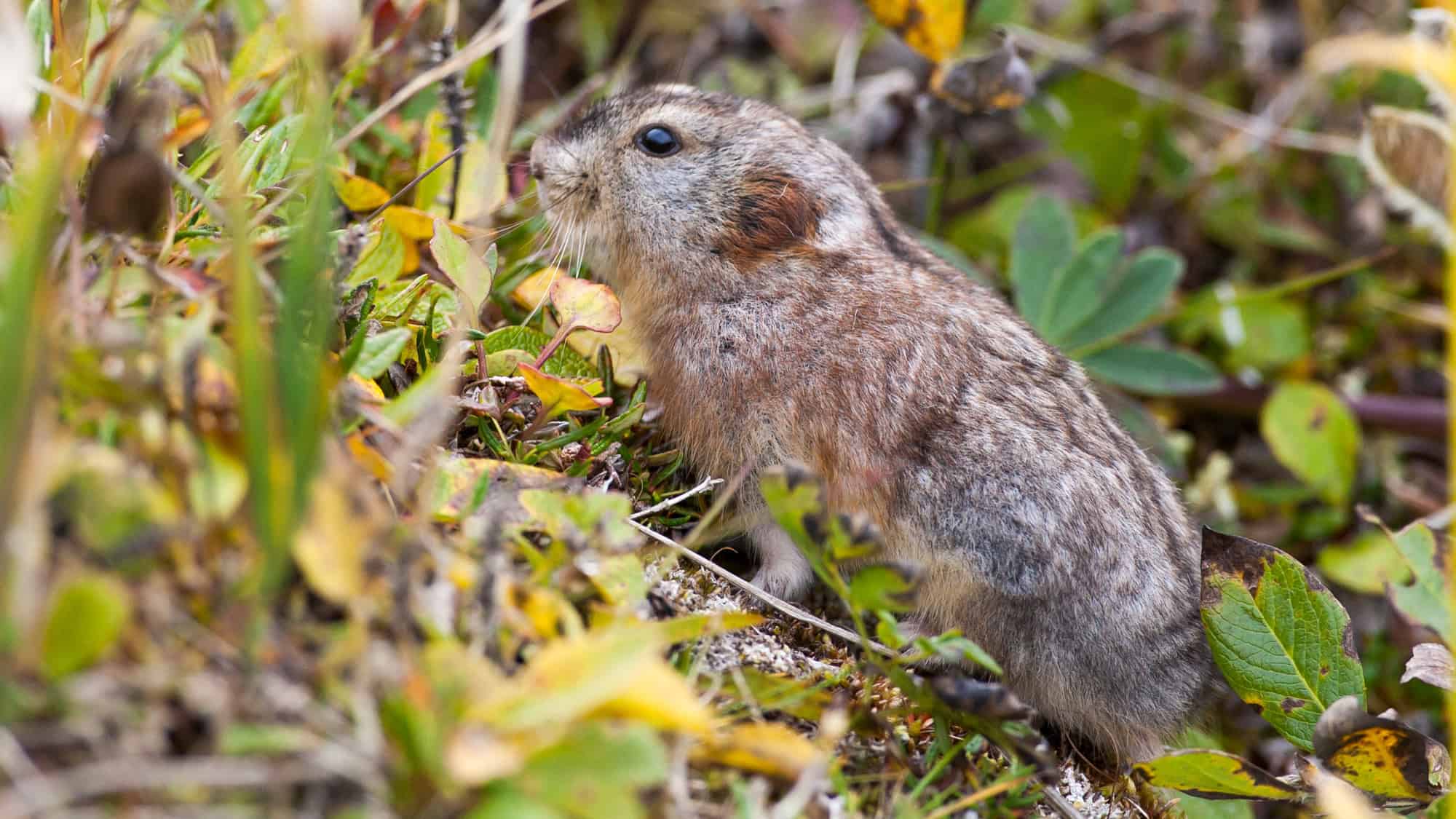
The collared lemming, found in the Arctic tundra of North America and Eurasia, is a small rodent that plays a vital role in the Arctic ecosystem. It is a primary food source for many predators, including the Arctic fox, snowy owl, and stoat.
To survive in this high-stakes environment, the collared lemming has developed some unique adaptations, including a seasonal color change. In the summer, its coat is a mix of gray and reddish-brown, allowing it to blend in with the tundra’s vegetation and soil.
As winter arrives, the lemming sheds this coat and grows a new one that is entirely white. This provides excellent camouflage against the snow, helping it to avoid the keen eyes of its many predators. But the collared lemming’s winter adaptations don’t stop there.
It also grows specialized, enlarged claws on its front feet, which act like tiny shovels. These “winter claws” help it dig through the hard, wind-packed snow to find food and create networks of tunnels for shelter. These special claws are shed in the spring.
Collared lemmings are one of the few rodents that turn white in the winter, a trait that is crucial for their survival in a world where they are constantly being hunted.
Alpine Ibex
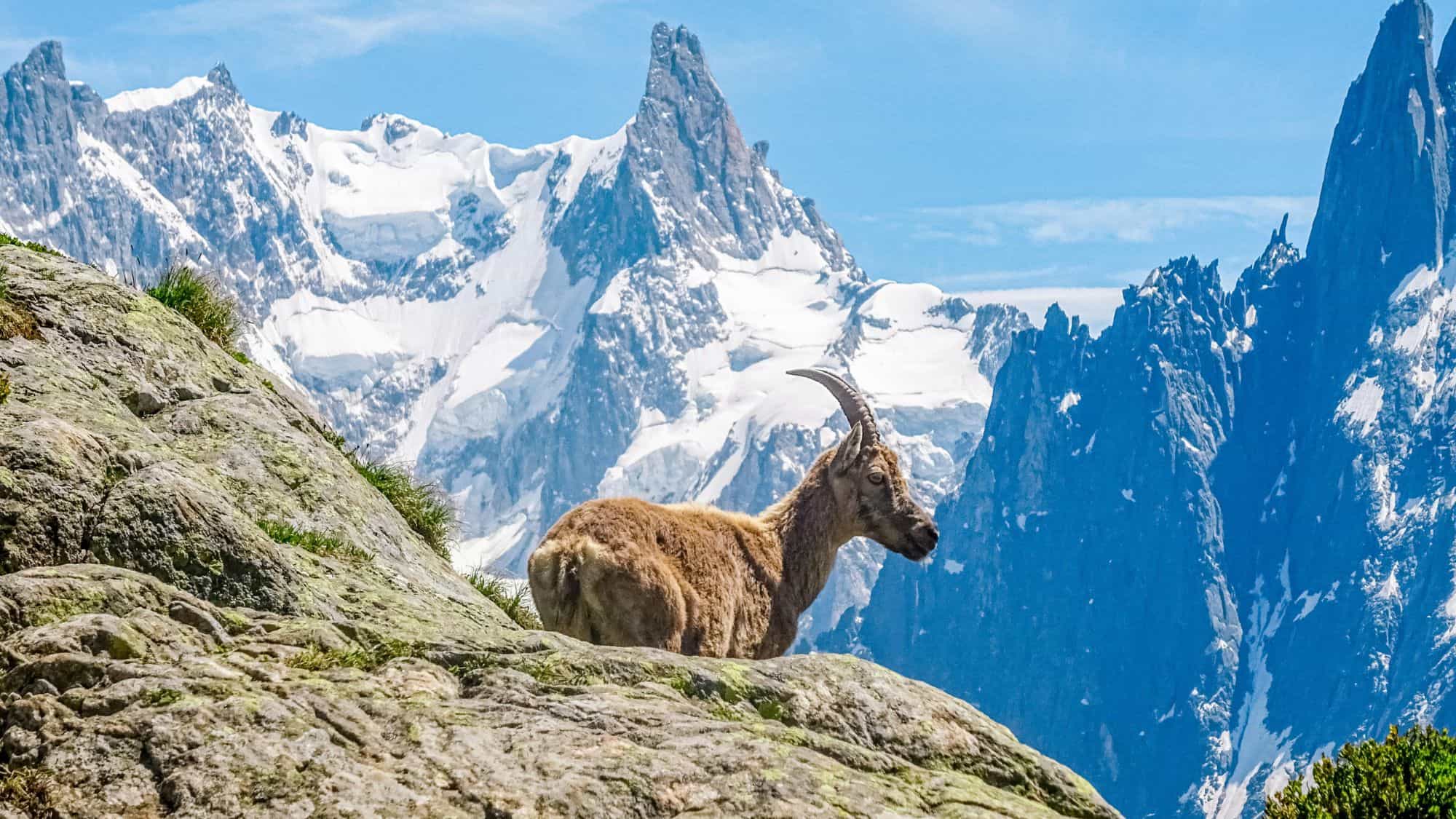
High in the rugged peaks of the European Alps lives the alpine ibex, a wild goat known for its magnificent, curved horns and incredible agility on steep, rocky terrain. These animals are masters of mountain living, perfectly adapted to a world of extreme altitudes and dramatic seasonal shifts.
Their habitat spans the alpine meadows and precipitous cliffs between the treeline and the permanent snow line, often at elevations from 5,000 to 11,000 feet. In the summer, their coat is a grayish-brown, which allows them to blend in with the exposed rock and sparse vegetation of the high mountains. This coloration helps them avoid predators like eagles and wolves.
As winter approaches, their coat becomes thicker and longer, providing essential insulation against the brutal cold. While the change in adult coats is more about warmth than color itself, young ibex, known as kids, exhibit a more noticeable lightening of their fur for the season.
This paler winter coat offers them better camouflage against the snow-covered slopes, a critical advantage for survival during their vulnerable first year of life. This adaptation helps conceal them from predators while they rest or forage in the stark, white landscape of the alpine winter.
Their diet also shifts with the seasons, from abundant grasses and herbs in the summer to nutrient-poor lichens, mosses, and twigs in the winter.
Least Weasel
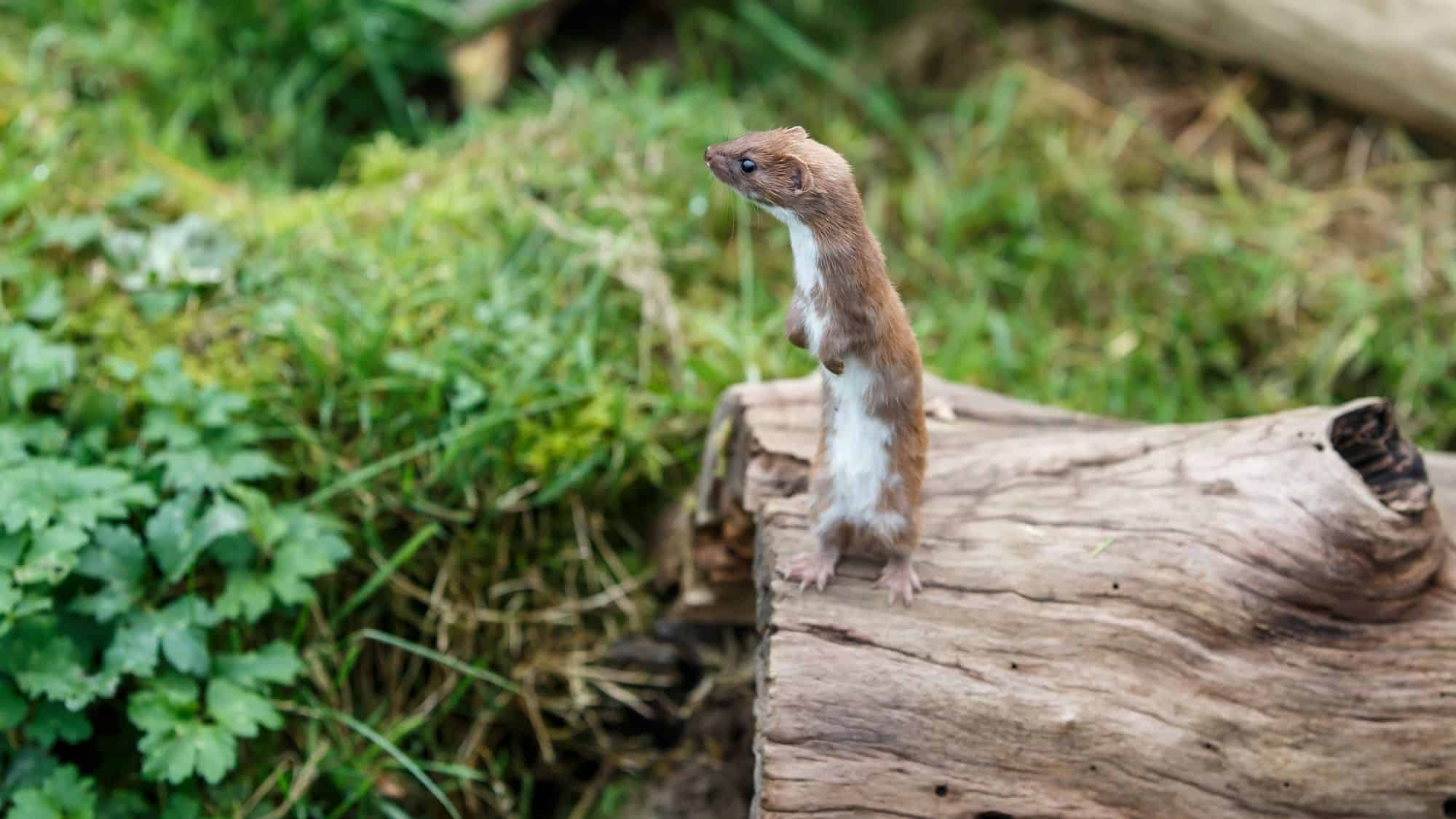
The least weasel is the smallest carnivore in the world, but what it lacks in size, it makes up for in boldness and energy. Found across North America, Europe, and Asia, this tiny predator has a long, slender body that allows it to chase mice and voles directly into their burrows. A least weasel may be only 6 to 8 inches long, including its short tail, and can weigh less than two ounces.
Similar to its larger cousin, the stoat, the least weasel undergoes a seasonal color change in the northern parts of its range. During the summer, it has a reddish-brown back and a white belly, which helps it blend into the undergrowth and shadows of its habitat.
But when winter comes, these northern populations molt into a coat of pure white fur. This transformation turns the diminutive hunter into a nearly invisible predator against the snow, giving it a significant advantage when stalking prey.
Despite its small stature, it has a very high metabolism and must eat 40-60% of its body weight every day to survive, meaning it is constantly on the hunt. It’s a tiny, white ghost in the winter landscape.
Crested Auklet
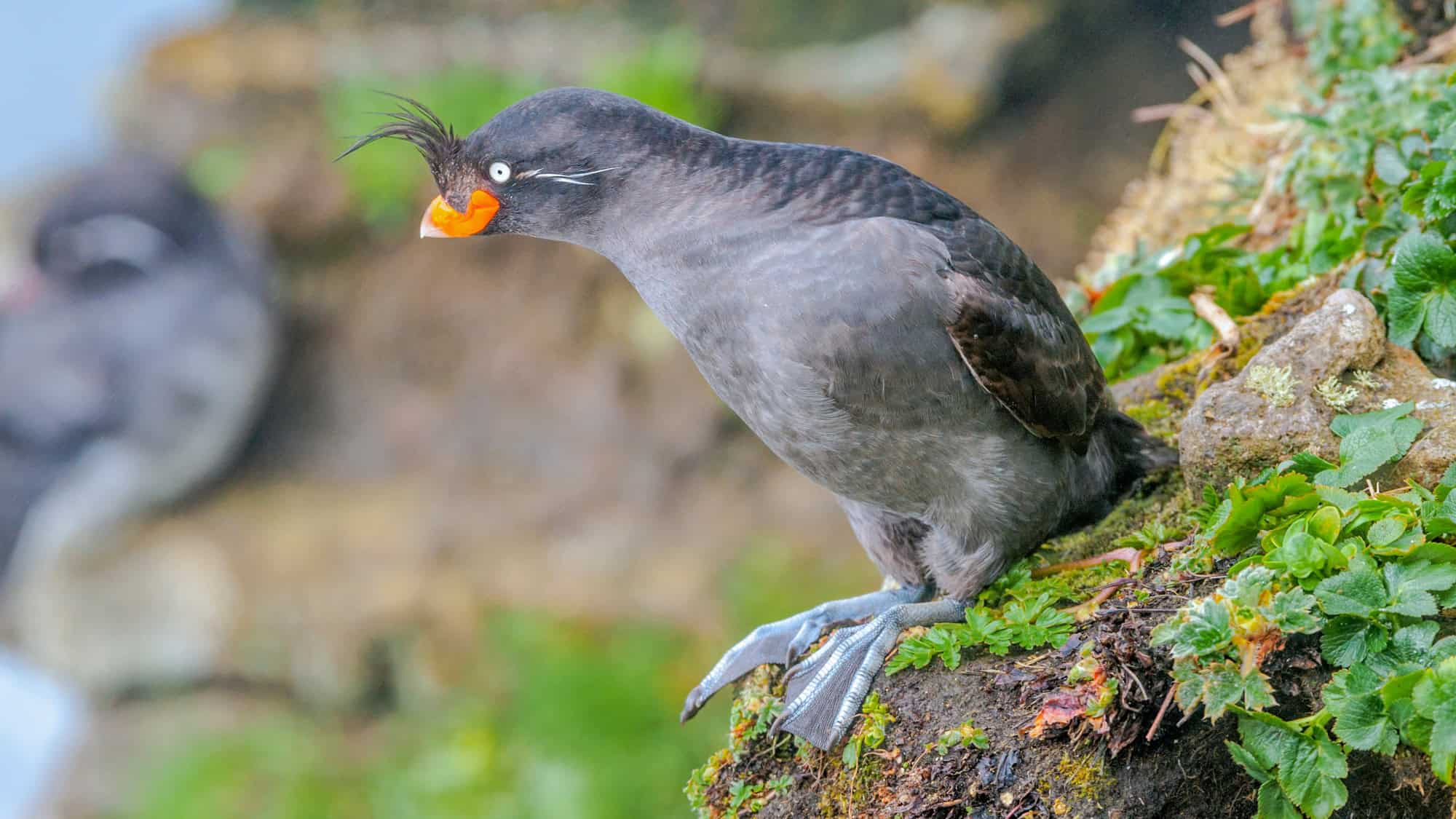
The crested auklet is a small seabird that lives in the remote and frigid waters of the Bering Sea and North Pacific. While it doesn’t change its feather color in the dramatic way a ptarmigan does, it undergoes a significant seasonal change in its appearance linked to breeding.
During the breeding season in the spring and summer, the crested auklet is at its most spectacular. It sports a prominent crest of forward-curling black feathers on its forehead, a bright orange-red bill, and white plumes extending from behind its eyes.
These ornaments are believed to play a role in courtship and signaling social status. These birds are highly social, forming huge, dense colonies on remote islands during the breeding season.
Perhaps most unusually, during this time, the birds emit a strong tangerine-like odor from their feathers, a scent that is thought to function as a chemical signal or even a parasite repellent.
Once the breeding season is over, the auklet’s appearance becomes much more subdued. It loses its bright bill plates, the white eye plumes, and its crest becomes smaller and less pronounced. This “winter” look is less flashy, a practical change for a non-breeding bird spending its time at sea.
Like Our Content? Follow Us on MSN (or click the Follow Button above) for more from Discover Parks & Wildlife.
16 Animals With Nose Skills That Will Astonish You

Prepare to have your mind blown by these furry, feathered, and downright fascinating sniffing machines. They’ll sniff out things you didn’t even know existed. Who knew noses could be this impressive?
14 Galapagos Exclusives: Animals You Won’t See Anywhere Else

Curious about creatures that make unicorns seem ordinary? You’ll want to check this out. It’s like unlocking a secret level of wildlife wonder.
15 Dangerous Rainforest Animals That Command Respect
Curious about the kind of animals that laugh in the face of danger? You’re in for a wild ride with rainforests’ most respect-demanding residents. Don’t say I didn’t warn you.