
Discover Parks & Wildlife contains affiliate links and is a member of the Amazon Services LLC Associates Program. If you make a purchase using one of the Amazon links, we may receive compensation at no extra cost to you. We may also use select AI tools to support our creative process, but all content is reviewed, refined, and finalized by our human team. See our disclosure policy and our AI use policy for more information.
Glowworm Caves Will Ruin Regular Caves For You Forever (And Leave You Mesmerized)
Have you ever wandered into a place that makes you question if you’ve accidentally stumbled into some otherworldly realm? Like, “Did I just step through a portal, or is this real life?” That’s exactly the feeling glowworm caves deliver.
It’s equal parts eerie and enchanting, as if nature decided to throw a rave… but, you know, one that’s softly glowing and way more serene. And these caves are not your typical tourist fare. There’s just something undeniably magical about them (and no, it’s not just the marketing hype).
If you’ve got even an ounce of curiosity left in you, you’ll want to know what the deal is with these luminous little critters. Spoiler: it’s worth every second.
And when you’re done reading this, drop me a comment on MSN and tell me if you’re as intrigued as I am!
What Are Glowworms, Anyway?
Alright, let’s clear this up right away… glowworms are the biggest frauds in the underground cave scene. Because it turns out, they’re not worms at all. Nope, these glowing little prima donnas are actually larvae of fungus gnats. That’s right, they’re basically baby flies doing their best Christmas light impersonation.
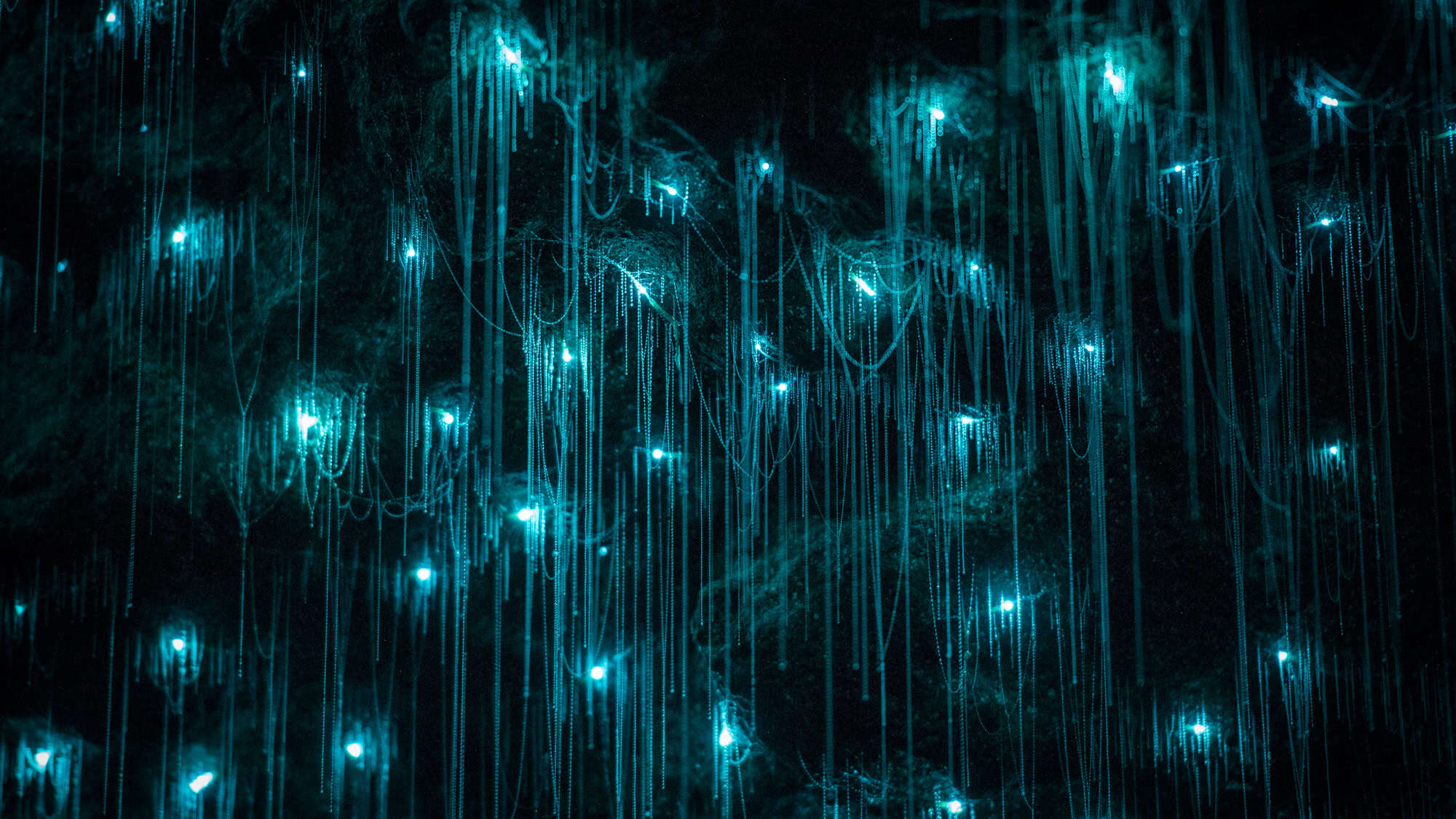
But don’t hold their sketchy marketing against them; they’ve got a pretty cool trick up their sleeve (or slimy little body, as it were). Glowworms produce bioluminescence, which is nature’s version of neon lighting, except way more efficient and, you know, alive.
These larvae light up to lure unsuspecting insects into their sticky silk threads, which they spin like spiderwebs to snag dinner. It’s both fascinating and mildly terrifying.
Think of it as a beautiful, twinkling death trap. Somehow, it’s way less creepy in a cave.
Science Behind The Glow
Here’s where it gets really “lit.” The glow is caused by a chemical reaction involving luciferin (not a demon, just a molecule), an enzyme called luciferase, oxygen, and some high-stakes bug drama.
The whole thing is like a chemistry class demo turned artwork… you can’t make this up. The light they emit is typically bluish-green, optimized for cutting through the darkness of their cave habitats. And get this: these glowworms only do the whole glowing thing when they’re hungry.
Nothing screams “feed me” quite like creating a cosmic light show, right?
If you’re already floored by their glow-getting talents, just wait. Female glowworms stop glowing entirely after they grow up and start laying eggs, which feels metaphorically accurate for anyone who’s skipped a night out to stay home in sweatpants.
And while their glow may dim, the legacy lives on with a new generation of hungry larvae.
Where On Earth Do You Even Find These Things?
Glowworms have pretty specific demands when it comes to real estate. High humidity? Check. Dark and damp surroundings? Double check. They’re basically the goth kids of the insect world.
So you’ll find them in moist caves, dense rainforests, and occasionally some overly enthusiastic backyard landscaping.
And before you ask, no, you can’t just bring a glowworm home as a fancy bedside lamp. Leave them in their caves, where they thrive (and can properly ghost other bugs).
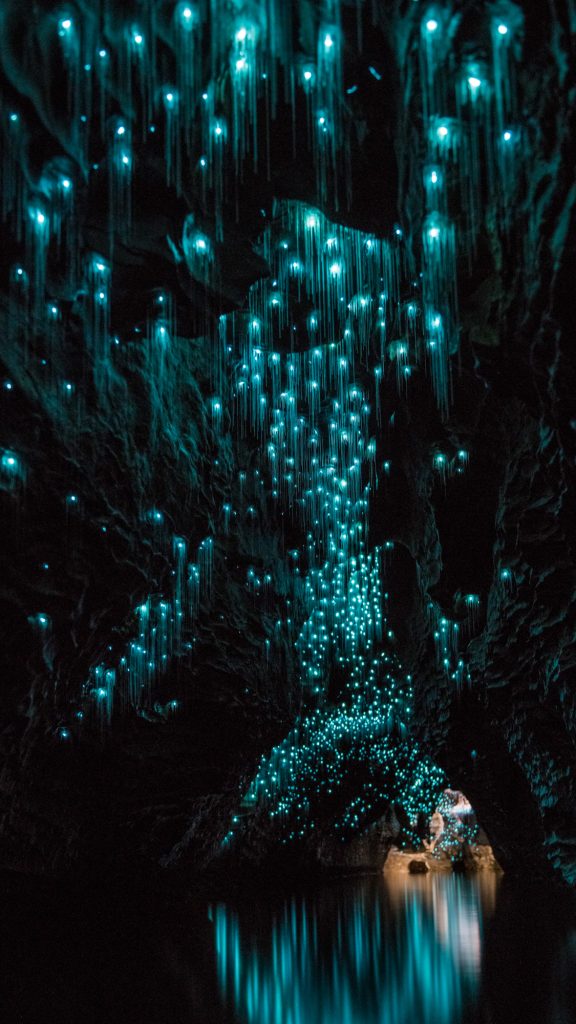
There are a number of places around the world where you can tour a glowworm cave. Here are a few options.
Waitomo Caves, New Zealand
This place is basically glowworm Mecca. The Waitomo Caves are known for their stunning displays of Arachnocampa luminosa, a species of glowworm native to New Zealand.
Just picture yourself gliding silently on a boat through an underground river as hundreds of little lights sparkle above. It feels magical until you remember they’re technically hanging out in webs waiting for their next snack.
Some say it’s one of life’s must-see experiences. Others say it’s also an excuse to take a break from Wi-Fi for an hour.
Glowworm Tunnel, Australia
Australia, the land of creatures that can kill you, also happens to have a soft and glowy side. The Glowworm Tunnel is an abandoned railway tunnel in New South Wales that’s become a thriving glowworm habitat.
It’s like these little guys said, “Hey, no one’s using this tunnel? Party time!”
Bring a flashlight (you know, to see the non-glowing parts), but keep it pointed at the ground so you don’t disturb their light show.
Dismals Canyon, Alabama
Yes, glowworms have made it to Alabama, proving they’ve got range. This canyon is home to a species called Orfelia fultoni, lovingly dubbed “dismalites.” Talk about branding gone wrong.
But despite the name, they give off a dazzling blue-green glow, and hiking to see them turns into an adventure of its own. Just remember the bug spray... unless you enjoy becoming a mosquito buffet.
How To Tour Glowworm Caves Without Looking Like A Rookie
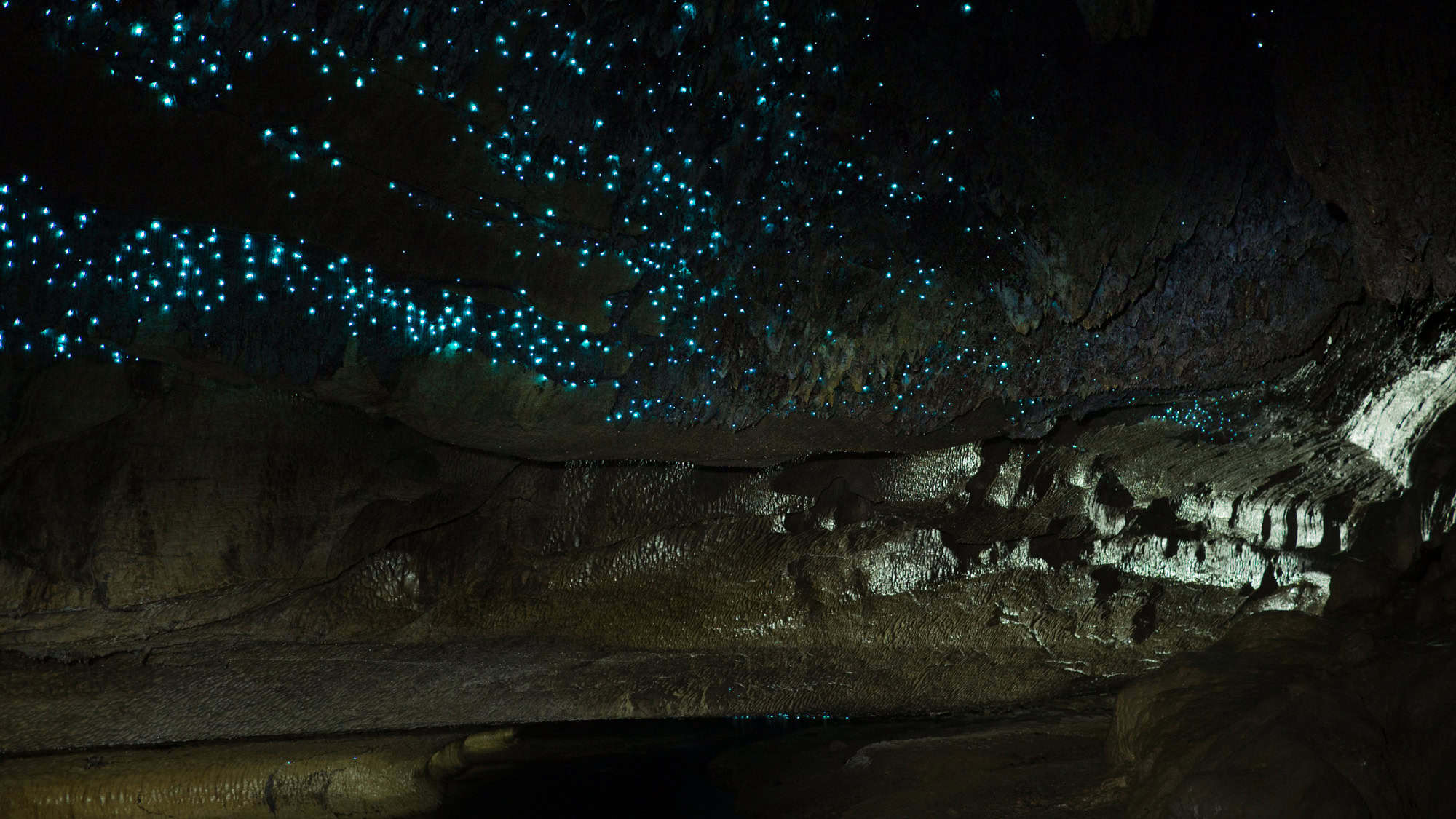
First off, dress for the occasion. No one’s impressed by your new sneakers when you’re knee-deep in a muddy path. Opt for shoes that say, “I can handle slippery rocks and questionable puddles.”
And while you’re at it, layer up – those caves are often cold enough to make you regret skipping those long sleeves.
Next, follow the rules. Tour guides don’t say “don’t touch the glowworms” for kicks. A slight touch could harm their delicate silk threads or even the larvae themselves. Besides, why would you want to poke something that literally depends on slime for survival? That’s a no from me.
Oh, and keep your flash photography at bay. The glowworms are there to hypnotize bugs, not make a cameo in your camera roll. Bright lights can mess with their delicate ecosystem – and honestly, you’d look better appreciating the view than fiddling with your phone.
Why Glowworms Are Nature’s Overachievers
Can the glowworms get even cooler? Yet bet. Their glow isn’t just for show – it’s a survival masterpiece. That bioluminescence? It’s all about deception.
Other insects wander into the glow, thinking it’s the way to freedom (or the moon… poor bugs), only to meet their sticky end. It’s the ultimate bait-and-switch tactic, and while it’s ruthless, you’ve got to respect the hustle.
And if you think glowworms are a one-hit wonder of the biological world, think again. Their glow is incredibly efficient. About 100% of the energy used in their light is science-worthy brilliance.
Compare that to your average light bulb, which wastes energy like it’s going out of style, and you’ll see how glowworms are doing eco-friendly lighting right.
Are Glowworms In Danger?
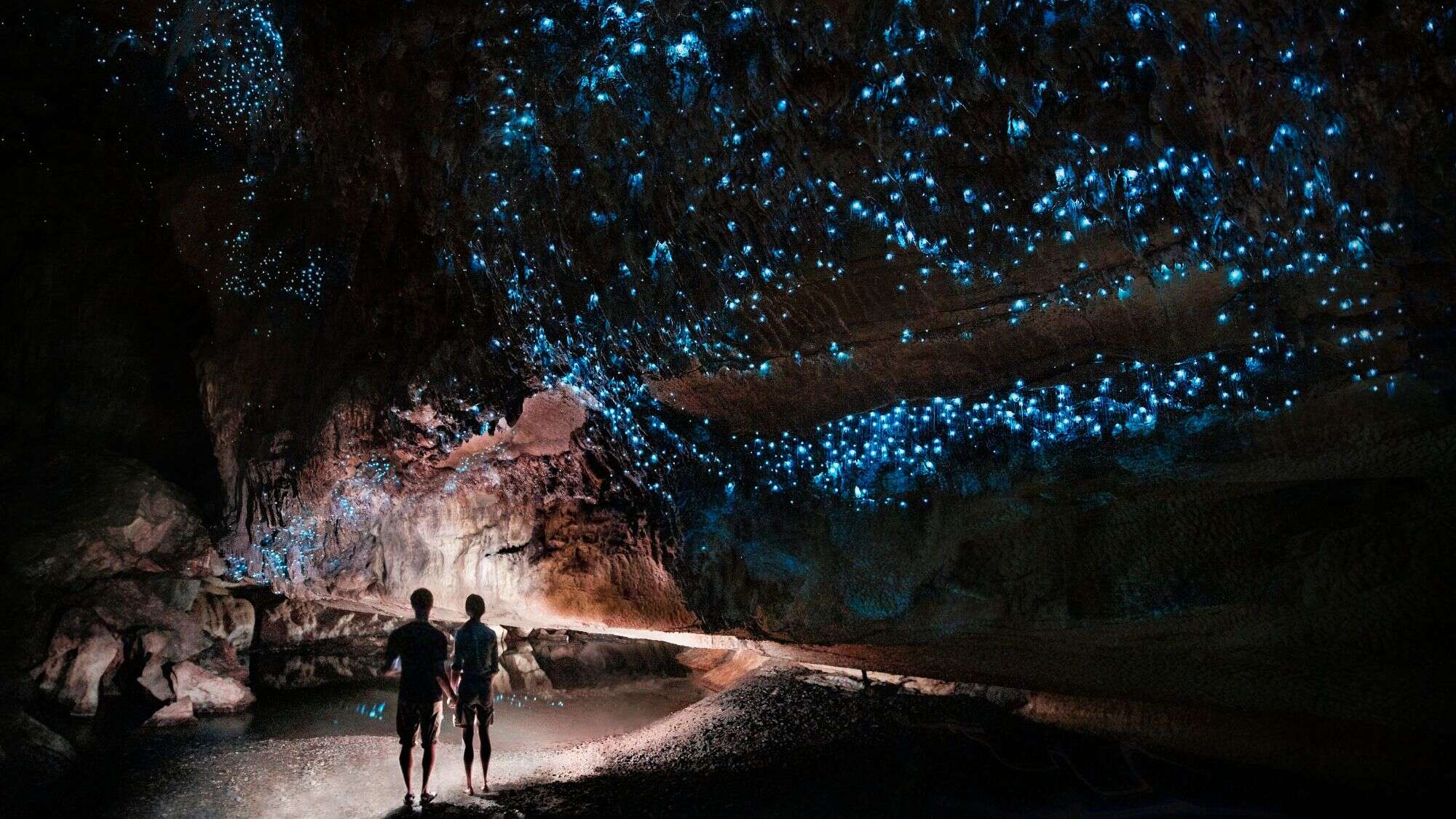
Here’s the not-so-fun part. Like many unique species, glowworms are facing threats due to habitat loss and human interference. Increased tourism, pollution, and changes in land use have all had an impact.
While we love the idea of seeing these creatures up close, conservation efforts are essential to ensure they don’t lose their glow… literally.
So if you’re visiting a glowworm cave, follow all guidelines and tour instructions to minimize your impact. These little guys light up the world, so maybe it’s time we helped them out a bit, too.
Like Our Content? Follow Us on MSN (or click the Follow Button above) for more from Discover Parks & Wildlife.