Discover Parks & Wildlife contains affiliate links and is a member of the Amazon Services LLC Associates Program. If you make a purchase using one of the Amazon links, we may receive compensation at no extra cost to you. We may also use select AI tools to support our creative process, but all content is reviewed, refined, and finalized by our human team. See our disclosure policy and our AI use policy for more information.
This National Park Is One Of The Last Strongholds For Snow Leopards
High in the Himalayas, where the air thins and the wind carries a dry chill through stone valleys, Hemis National Park protects one of the most secretive big cats on Earth, the snow leopard.
Spread across roughly 1,700 square miles of Ladakh in northern India, Hemis remains one of the last refuges where these predators still roam freely. Scientists estimate that this park and its surrounding landscape host the world’s highest density of snow leopards, supported by the region’s rugged terrain and low human interference.
The park’s steep ridges, icy rivers, and sparse vegetation create the perfect stage for a hunter that blends seamlessly into its environment. Yet Hemis is more than a wildlife sanctuary; it is a living balance between people, animals, and an unforgiving landscape.
As pressures from tourism, development, and climate change grow, Hemis National Park stands as both a sanctuary and a test case for coexistence. One that shows how local culture, careful science, and patient observation can keep the “ghost of the mountains” alive.
Hemis National Park: Landscape Of Extremes
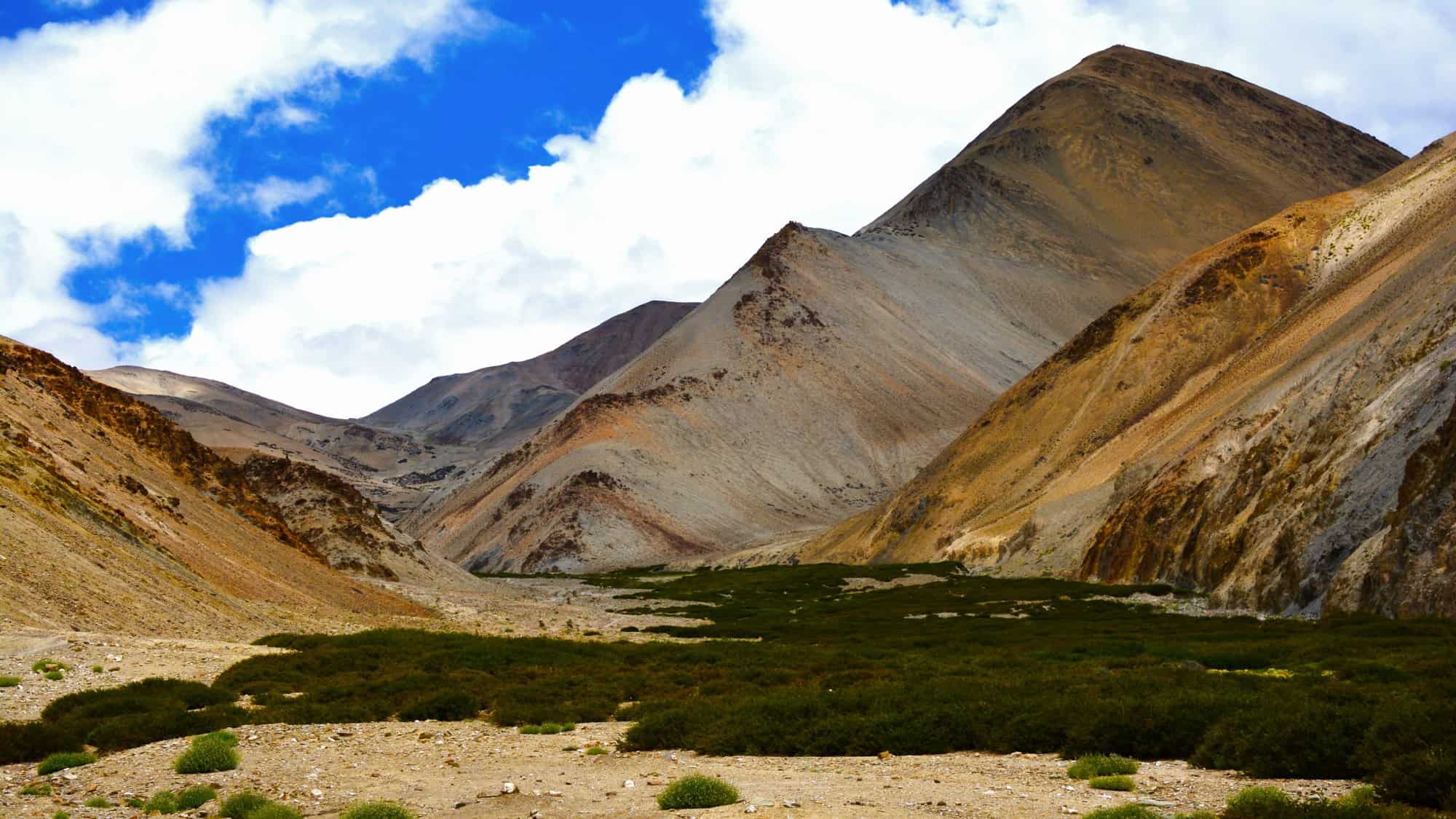
Set between 9,800 and 20,000 feet above sea level, Hemis National Park stretches across a high-altitude desert where jagged peaks rise above dry valleys and glacial streams. It lies in the rain shadow of the Himalayas, so rainfall is minimal, leaving the landscape painted in muted shades of brown, gray, and ochre.

Sparse shrubs, hardy grasses, and scattered juniper patches cling to the slopes, providing the foundation for a delicate ecosystem that supports both predators and prey. And within the park, several major valleys (Rumbak, Markha, and Shang) cut deep into the mountains, forming corridors that snow leopards use to patrol and hunt.
Human habitation within the park is minimal, limited to small villages and seasonal herding camps. So the remoteness of Hemis, combined with its sharp elevation gradients, has helped keep the area relatively untouched by modern infrastructure.
This isolation, while harsh for visitors, benefits wildlife that requires wide, undisturbed ranges.
For those who reach it, the park feels almost completely different than any other on the planet. Its silence broken only by the wind, the occasional cry of an eagle, and the soft crunch of snow underfoot where the snow leopard leaves its faint trace.
The Life Of The Snow Leopard
The snow leopard’s survival in Hemis National Park depends on a complex web of adaptations.
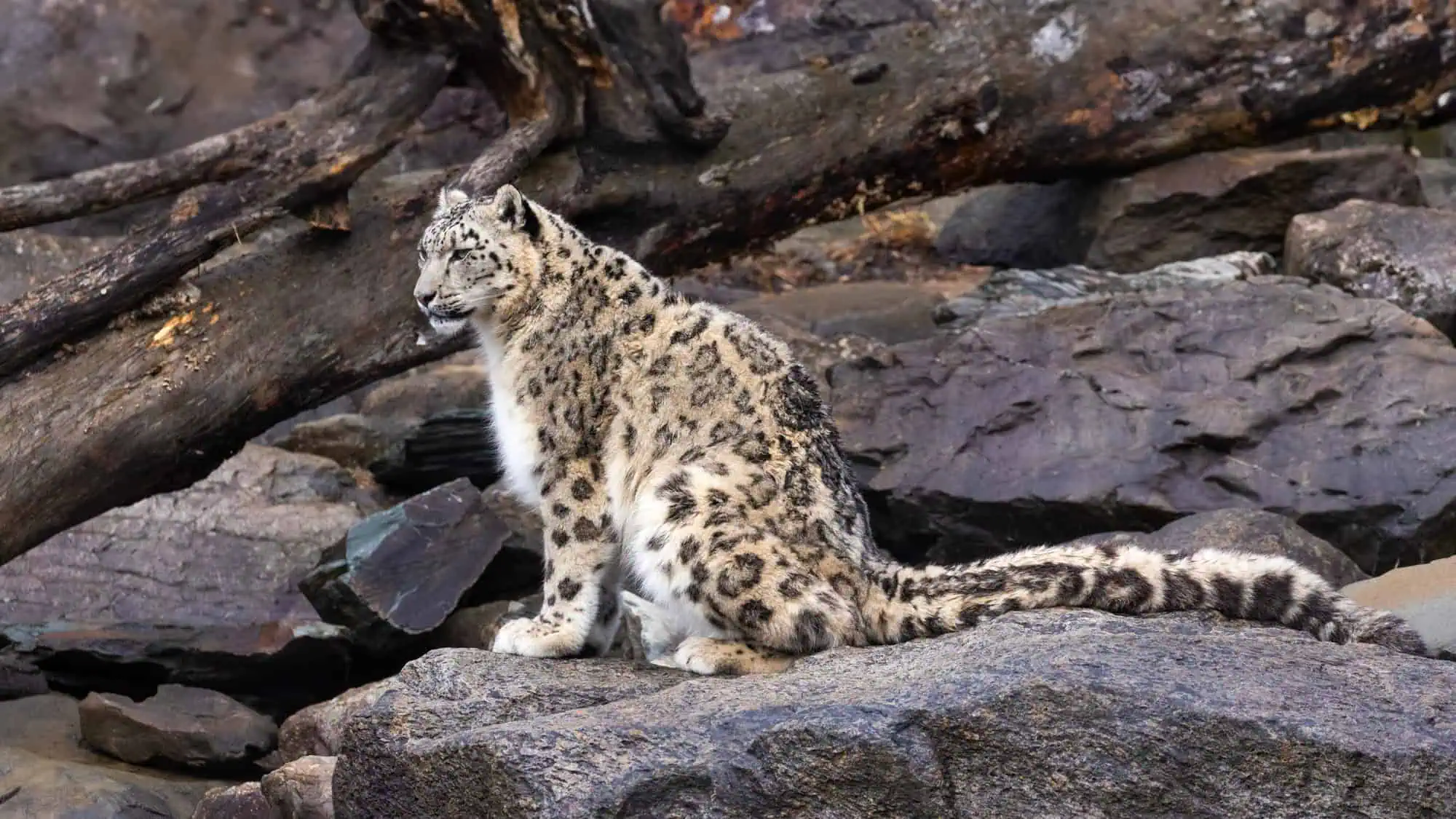
Its dense, smoky-gray coat provides both warmth and camouflage in the shifting light of rock and snow. Its long tail acts as a counterbalance when moving across cliffs and doubles as insulation when wrapped around the body at rest.
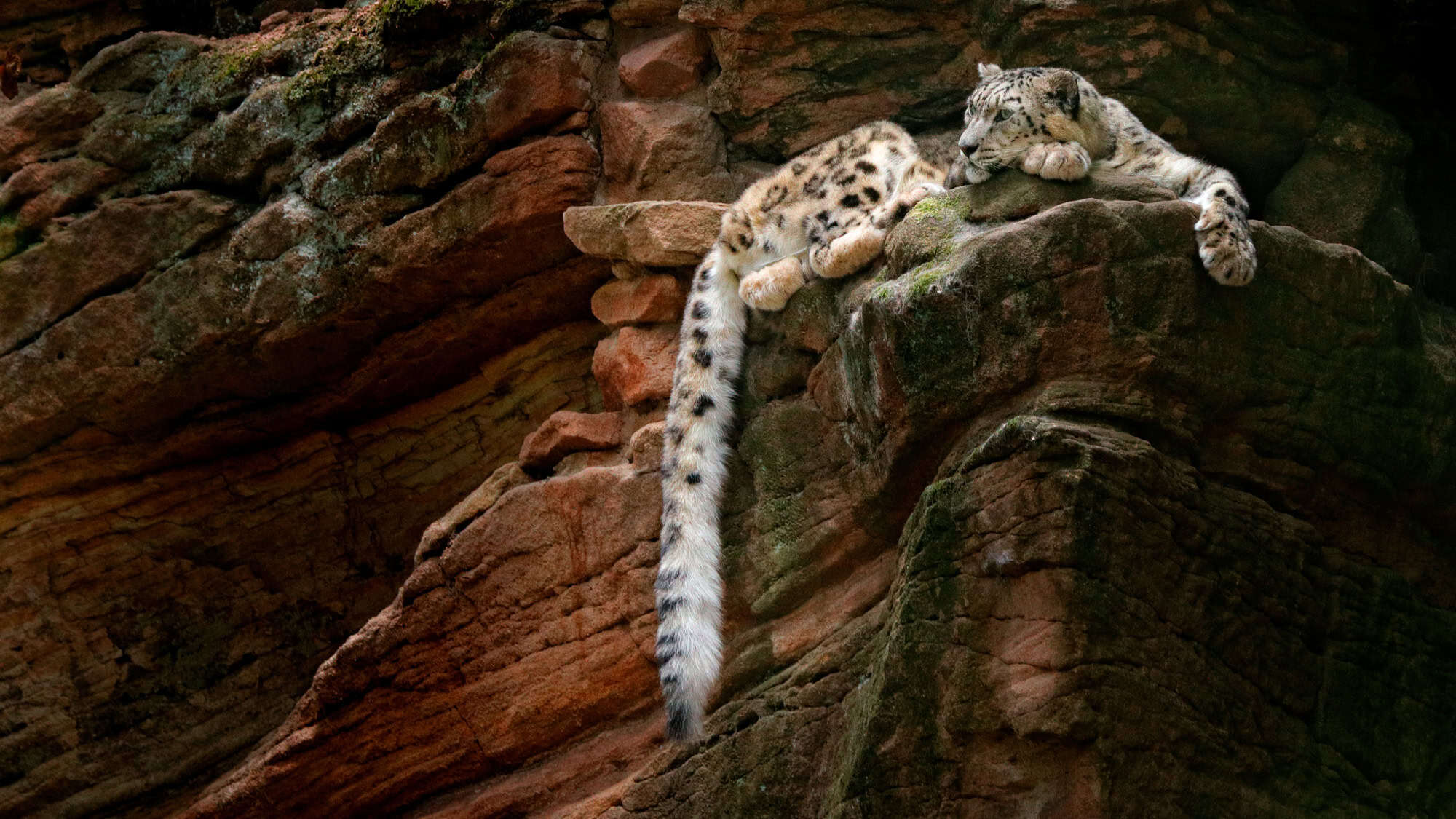
Solitary by nature, snow leopards mark vast territories through scent and scrape marks, often traveling miles each day in search of prey. Their main food sources include bharal (blue sheep), ibex, and Himalayan marmots, though they occasionally take livestock when wild prey is scarce.
Mating occurs in late winter, with cubs born during the summer months when food is more plentiful.
But despite their size and strength, snow leopards are vulnerable. They rely on healthy populations of wild ungulates and large expanses of undisturbed terrain.
On the positive, the population in Hemis has remained relatively stable in recent years, thanks in large part to community-based conservation and limited human encroachment. Yet this stability is fragile, dependent on continued respect for both the land and its wild inhabitants.
Visiting Hemis National Park
Exploring Hemis is both a privilege and a responsibility, where every thoughtful choice helps protect its fragile balance.
How To Get There And Explore
Reaching Hemis National Park begins in Leh, the capital of Ladakh, which sits at about 11,500 feet. Leh connects to major Indian cities by air and a few high mountain roads that open only in summer.
From Leh, travelers drive roughly 30 miles south toward the park, where villages such as Rumbak and Zingchen serve as entry points.
Treks into the park often follow narrow trails along the Markha or Indus valleys, passing over ridges that rise above 13,000 feet. Because of the thin air, it’s essential to spend at least two days acclimatizing in Leh before hiking.
Most visitors explore with local guides who understand the terrain and wildlife movements. Guided snow leopard tracking trips, usually held in winter, combine patient observation with the expertise of local spotters and have a better chance of spotting the animals than on your own.
The terrain demands steady footing, layered clothing, and respect for conditions that can change within minutes in these high-altitude mountains.
Best Time To Visit
The best time to visit Hemis National Park depends on what you hope to experience.
From June through early October, the trails are clear of snow, temperatures hover between 45°F and 75°F during the day, and the valleys bloom with hardy alpine flowers. This is the most comfortable season for trekking and staying in village homestays. The sky tends to stay bright and dry, offering wide views of the surrounding peaks.
Winter, from December to March, transforms Hemis into a stark, frozen expanse where snow leopard expeditions take place. During these months, wildlife descends to lower elevations in search of prey, increasing chances of a sighting, but the cold can dip below 0°F at night. Travel becomes slower, accommodations are basic, and the altitude feels harsher.
Each season has its appeal: summer for accessibility and cultural immersion, winter for solitude and the possibility of witnessing the park’s elusive predator.
Responsible Travel Tips
The terrain is fragile, the air thin, and the ecosystem finely tuned to survive in extremes. Move quietly along trails, keeping voices low and steps light to avoid startling wildlife or dislodging loose rock.
Carry reusable bottles and pack out everything you bring in, since the region has limited waste facilities.
The dry air can dehydrate you quickly, so drink often and rest when needed. Altitude affects everyone differently, and patience is the best tool you can bring.
When meeting local residents or visiting monasteries, follow their lead. Accept tea, observe customs, and show respect for the slow rhythm of mountain life. And photography should never take precedence over courtesy or safety.
Conservation and Community Collaboration
The protection of snow leopards in Hemis is as much a human story as it is an ecological one. Local communities have embraced conservation programs that connect traditional Ladakhi values with modern wildlife management.
Predator-proof livestock pens reduce losses from leopard attacks, while compensation programs help herders recover quickly when incidents do occur. Many villagers now host eco-conscious travelers in homestays, offering income that rewards coexistence rather than conflict.
Trained local guides assist scientists in tracking snow leopards and monitoring prey populations, creating a shared sense of stewardship. And education has also played a powerful role; school programs in Leh and nearby villages teach children about the snow leopard’s importance in maintaining ecological balance.
These efforts are supported by partnerships between the Snow Leopard Conservancy India Trust and the Department of Wildlife Protection. Over time, this cooperation has turned former adversaries into allies, helping to reduce retaliatory killings and protect the park’s fragile food web.
Hemis stands as proof that conservation success does not depend solely on isolation from people, but on collaboration with them.
Like Our Content? Follow Us on MSN (or click the Follow Button above) for more from Discover Parks & Wildlife.