Discover Parks & Wildlife contains affiliate links and is a member of the Amazon Services LLC Associates Program. If you make a purchase using one of the Amazon links, we may receive compensation at no extra cost to you. We may also use select AI tools to support our creative process, but all content is reviewed, refined, and finalized by our human team. See our disclosure policy and our AI use policy for more information.
11 National Parks With Astonishingly Clear Night Skies
The night has a way of slowing your pulse. It trims away chatter, it hushes the edges, it opens a ceiling that feels endless. Out in wild country, the dark is not empty. It is busy with quiet things, the rustle of grass, a coyote’s far call, the hush of water moving through rock.
Above you, the Milky Way drapes across the sky, a pale river with stars clustered so densely that it looks almost solid. When you stand in that kind of darkness, you start to notice how your eyes adjust, how minutes pass and more detail appears, how the sky keeps rewarding patience. You think about how rare true night has become for most of us, and how precious these protected places are. You feel small in a steadying way.
And you begin to plan, not for crowds or souvenirs, but for long stretches of time outside, warm layers, a red-light headlamp, and a thermos that stays hot. These parks are not about fast thrills. They are about time well used.
Find a safe pullout, settle into a camp chair, let your phone stay dark, and give your attention to the quiet show overhead. The payoff is simple and unforgettable.
Big Bend National Park, Texas

Big Bend sits hundreds of miles from major cities, which is why the stars here look needle sharp. Dry desert air and high terrain stack the odds in your favor. On a moonless night, you can spot the Milky Way arcing over the Chisos Mountains, and on many spring and fall evenings, you may see its bright core.
The park’s paved roads make access easy, but do not waste time hopping all over. Pick one or two areas and let your eyes adjust for at least twenty minutes. The Chisos Basin offers shelter from wind and a clear window to the sky. For a wider horizon, head toward Sotol Vista or the Rio Grande floodplain, then keep headlights low when you arrive.
Bring extra water, even after sunset, since night temperatures can stay in the 70s and 80s°F. Wildlife is active here at night, so give space to javelinas and foxes. And if you want to learn while you look, check the ranger programs offered most months.
Death Valley National Park, California

Death Valley’s reputation for extreme heat hides a softer advantage. Dry air, very low humidity, and enormous open basins create sky clarity that surprises first-timers. And you don’t need a telescope to get a great show. A reclining chair and patience will do.
The park lists several reliable viewing areas, and for good reason. Sand dunes provide clean horizons and textured foregrounds, and salt flats mirror the starlight on still nights. If you plan a late walk, mark your route during daylight and use a red light to protect your vision.
Summer can stay hot even after dark, so carry plenty of water and do not overextend. Winter nights are longer and often clearer, which is a smart trade if you prefer cooler air. But wind can kick up and move sand, so protect camera gear and be ready to relocate.
Cell service is spotty. Download maps in advance and tell someone your plan.
Great Basin National Park, Nevada

Great Basin is a high desert park with a mountain heart. Wheeler Peak rises over 13,000 feet, and the air at these elevations is crisp and thin. That helps stars pop. The park hosts summer astronomy programs with rangers and volunteer astronomers, often near an amphitheater set up for easy viewing. You can hear a short talk, then take a turn at a telescope to see clusters and planets.
Good stargazing spots are close to paved roads, but quieter pullouts off the main scenic drive often produce the calm you want. Keep food sealed, since nocturnal animals patrol campgrounds and trailheads.
The park’s isolation, roughly four hours west of Salt Lake City and five hours north of Las Vegas, keeps light domes low on the horizon. That isolation also means limited fuel and dining, so stock up before the climb. Late summer can bring brief storms. Wait them out, because clear air often follows, and the sky opens in dramatic fashion.
Canyonlands National Park, Utah

Canyonlands spreads across a high mesa and deep river canyons, and the sky here feels huge. The Island in the Sky district offers pullouts with panoramic views that translate to excellent horizons at night. The Needles district feels more remote, and its campgrounds are well placed for quiet stargazing after the campfires cool.
Light pollution is low in every direction, which helps the Milky Way stand out from late spring through early fall. Warm days can drop to chilly nights, so stash a fleece and a hat. And the slickrock can be disorienting after dark, so stick to established viewpoints or known routes. Photography is popular here, but do not crowd a ledge or ignore drop-offs.
The park service periodically offers night sky programs that teach you the basics of reading the heavens and protecting dark places at home. If you plan to split time between sunrise and stars, choose a campsite instead of long night drives.
Grand Canyon National Park, Arizona

The Grand Canyon under a dark sky feels wider than daylight suggests. On the South Rim, you can walk short paved paths to several viewpoints with safe railings and big horizons. Desert View and Lipan Point are popular because the inner canyon lines up below, which adds depth to the scene. The North Rim, open seasonally, is darker still. Services are limited there, but the trade is a very quiet experience.
The park runs star parties on many June nights, where volunteers set up telescopes and help visitors find Saturn’s rings or the Andromeda Galaxy. But if you prefer solitude, arrive late, after the early crowds head to bed. Mind your step, since edges are close.
The Milky Way climbs over the canyon from late spring to early fall, and in winter, you get clean views of Orion and bright stars like Sirius. If you plan to photograph, do not crowd railings or block paths. Let the scale work on you while you sit in the dark and listen for the river far below.
Capitol Reef National Park, Utah

Capitol Reef’s long reef of folded stone runs through one of the least developed corners of Utah. That means small towns, few lights, and a strong chance for clear skies. Fruita, the historic orchard area, sits in a deep valley with cliffs that frame a bright strip of stars above.
For wider horizons, pull off along the scenic drive and pick a safe turnout well away from traffic. You gain better clarity if you arrive before full dark, settle in, and give your eyes time to adjust. The park often hosts night talks during high season that explain how outdoor lighting affects bats, birds, and plants. Those sessions can even teach you a thing or two about how you light your own backyard.
Summer crowds thin out after dinner, and the park grows quiet by ten. Dirt roads into the backcountry open huge skies, but do not head out unless you are experienced and prepared. Remote tracks can become rough, and navigation challenges multiply after dark. A smarter plan is to enjoy the paved access, nurse a warm drink, and trace constellations as they wheel toward the western horizon.
Black Canyon of the Gunnison National Park, Colorado
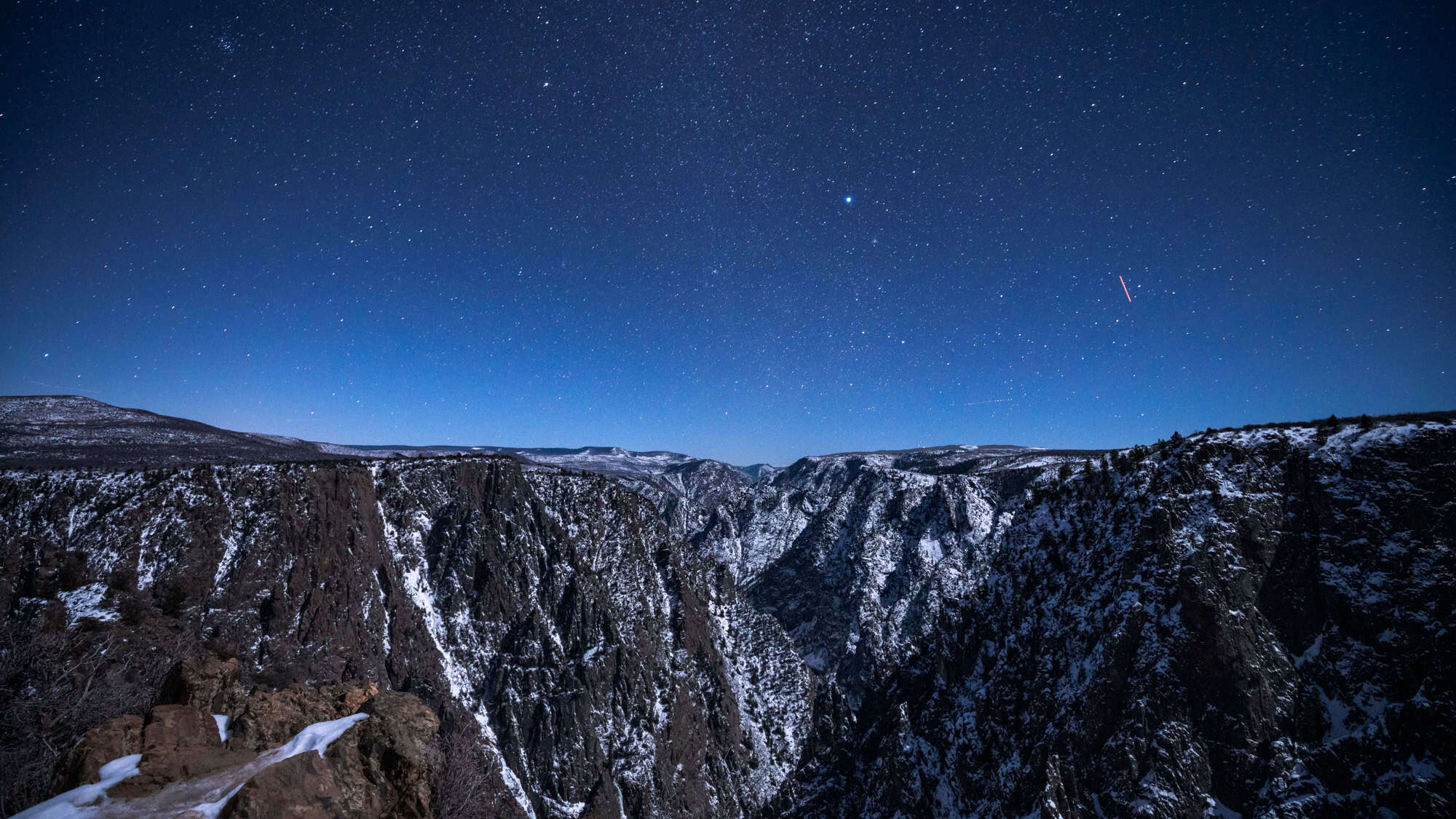
Black Canyon’s walls drop steep and tight, so daytime can feel compressed. Night gives you the opposite. The plateau above the canyon offers clean views in all directions, with very little light on the horizon. Rangers and local astronomy groups often host viewing nights in summer, which is a helpful way to learn the basics and peek at globular clusters through a telescope.
On your own, aim for pullouts along the South Rim road for easy access. The North Rim is even quieter, but it requires more driving and planning. Make sure to keep your footing in mind if you explore near the rim. Edges here are abrupt and not well-lit. Tripods and chairs work best when placed well back from drop-offs.
If you photograph, use a red light, cover your camera screen, and keep noise down for others. When the air is stable, the Milky Way shines bright, and the dark rift within it shows structure you will remember. This is also a solid park for spotting meteor showers.
Great Sand Dunes National Park, Colorado

Sand and stars pair well here. The tallest dunes in North America rise more than 700 feet above the valley floor, and the Sangre de Cristo Mountains frame a clean sky window. Dry air, high elevation around 8,000 feet, and a rural setting give you strong odds of clarity.
A new Moon is ideal if you want the Milky Way, but a bright Moon turns the dunes silver and makes night hiking easier. Both are worth planning for. Pinon Flats Campground is close to the main dune field, so you can stroll out with a headlamp set to red and then switch it off. If you want to try simple astrophotography, this is a friendly place to start. The sweeping dunes lead the eye, and a 15-second exposure can pick up more stars than you can see.
The sand holds daytime warmth, which helps on cool evenings, but nights can still dip into the 40s°F outside in summer. Jenny mentioned that it was much colder than she expected when they went to photograph the stars. So bring layers and remember that the dunes are farther away than they look when trying to pick a spot to stargaze.
Joshua Tree National Park, California

Joshua Tree sits close to Southern California cities, yet the heart of the park still holds firm darkness. The key is to aim for its quieter central and eastern sections. Pinto Basin and Cottonwood areas often deliver the darkest conditions, with broad horizons and a desert floor that glows softly under starlight.
Plan your arrival before dusk to pick a safe pullout and to avoid wandering off established paths after dark. The park identifies several lots as stargazing areas to keep traffic safe and focused. So follow posted guidance and keep noise down. If you want to learn, seasonal festivals and ranger talks explain how to reduce light pollution at home and how to read the seasonal sky.
Winter brings long, crisp nights with Orion bright in the south. Late spring through early fall favors the Milky Way. And Cottonwood Campground tends to be quieter after dark than campgrounds near the rock climbing hubs. Just keep an eye out for cholla and give plenty of room to nocturnal wildlife.
Voyageurs National Park, Minnesota

Voyageurs is water-rich, with broad lakes and island clusters that spread out under a northern sky. But that watery landscape helps, because large open surfaces create uncluttered horizons and reflect starlight. Summer is prime for warm nights and Milky Way views, but shoulder seasons can surprise you with crisp, clear air.
The park is also one of the few places in the lower 48 where you might catch the aurora during strong solar activity. Do not plan a trip only for that, since the lights are unpredictable, but consider them a bonus. For easy access, start near visitor centers and day-use areas where parking is straightforward.
Boat-in campsites take planning and rentals, but reward you with deep quiet and clean views in every direction. Just know that mosquitoes can be intense from late spring into midsummer, so prep clothing and repellent. Even breezy points can help. Night boating adds risks, so keep it simple and stick to shore unless you have experience and proper lights.
Bryce Canyon National Park, Utah

Bryce Canyon gives you darkness at altitude, which is a powerful combo for crisp stars. The rim sits around 8,000 to 9,100 feet, so the air is thin and usually dry. That helps the Milky Way stand out from late spring through early fall.
Start near Sunrise, Sunset, or Inspiration Points for safe railings and clear horizons. If you want more space, walk a short stretch along the Rim Trail before full dark and settle in with a chair and a warm layer. Temperatures drop fast after sunset, even in July, so plan for a fleece, hat, and gloves.
The park runs frequent evening programs in peak season, and the summer Astronomy Festival brings volunteer telescopes that reveal clusters and planets. If you photograph, cover your camera screen and avoid standing near the edge. Hoodoos can trick depth perception at night.
If a bright Moon is up, do not skip it for another day. The amphitheater glows silver, and the rock shapes look theatrical. On a moonless night, you get dense star fields, meteors, and a sky that feels close enough to touch.
Like Our Content? Follow Us on MSN (or click the Follow Button above) for more from Discover Parks & Wildlife.
14 Towns Near U.S. National Parks Perfect For A Cozy Retreat
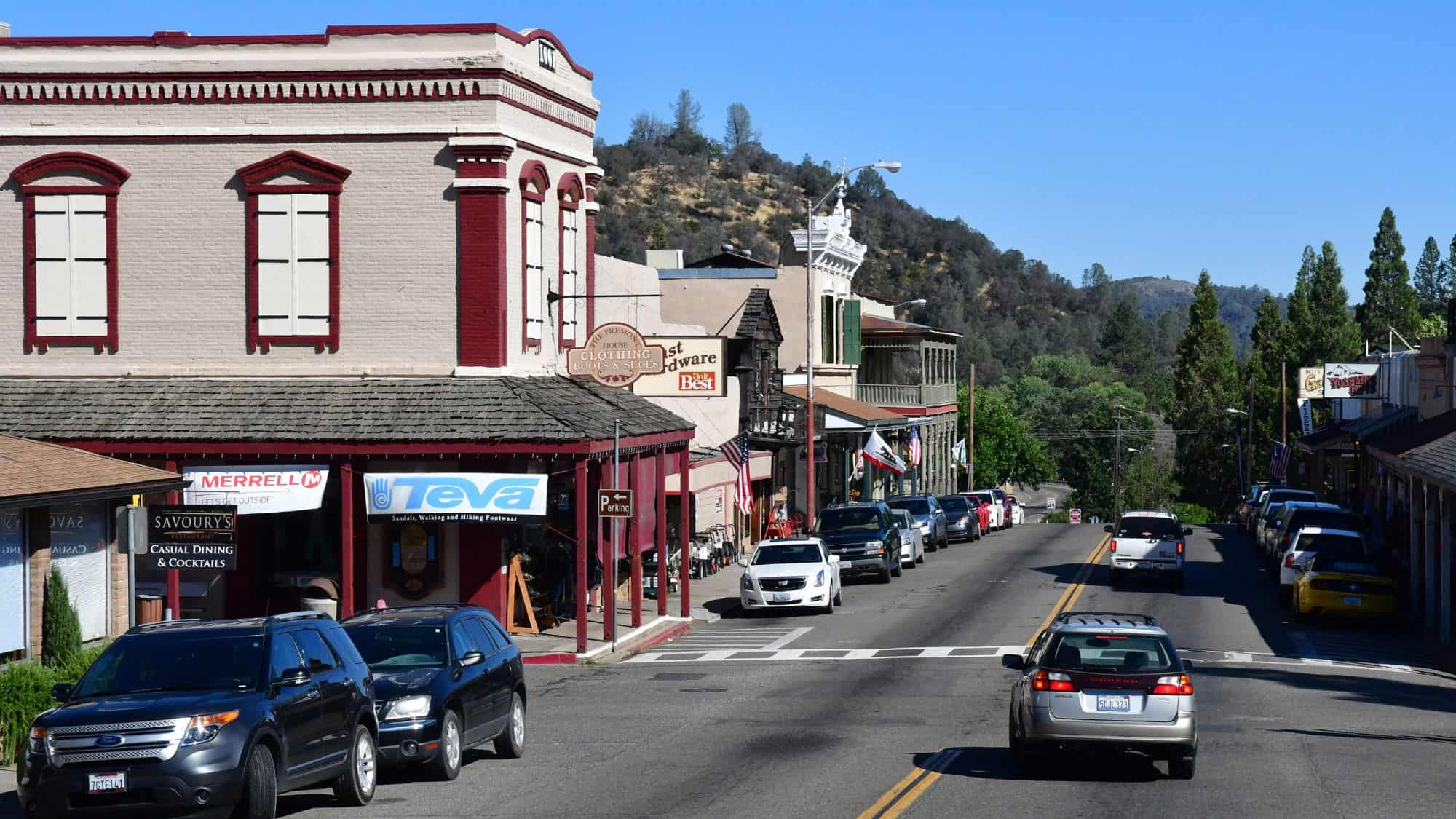
Dreaming of a cozy getaway? Explore charming towns near National Parks that’ll have you packing your favorite sweater or flip flops and hopping on a plane ASAP.
12 National Parks You Can Easily Explore Over A Weekend

Think you’re too busy to soak up some nature? Think again. These National Parks are perfect for a quick weekend escape.
12 Stunning National Treasures That Welcome Cyclists

Feeling the need to pedal your way through some breathtaking scenery? Check out these stunning spots that roll out the red carpet for cyclists. Who needs a gym when you’ve got National Parks?