Discover Parks & Wildlife contains affiliate links and is a member of the Amazon Services LLC Associates Program. If you make a purchase using one of the Amazon links, we may receive compensation at no extra cost to you. We may also use select AI tools to support our creative process, but all content is reviewed, refined, and finalized by our human team. See our disclosure policy and our AI use policy for more information.
The Earth Is Loud—And These 12 Noisy Natural Wonders Are Proof
The planet isn’t silent. It hums, hisses, groans, and sometimes it straight up yells, then pretends it didn’t. From deserts that buzz like distant engines to winter forests that crack like a fireworks finale, Earth runs its own soundtrack that doesn’t need a playlist.
These sounds aren’t fantasy. They’re physics you can feel in your chest and folklore you’ll retell at dinner. Think grains of sand moving in perfect sync, winds threading stone like a flute, and ice shifting with the drama of a stadium mic check.
Scientists measure some of these noises with seismometers and hydrophones. Others are so faint you catch them only on windless nights when the air feels charged and your breath fogs in front of your face. But what ties them all together is movement. Air squeezes through narrow gaps, water rubs at frozen edges, and rocks and magma shift underfoot.
The result is a chorus that ranges from bassy rumbles to tiny crackles, a reminder that our world is very much alive and sometimes a little theatrical. Ready to eavesdrop on the planet and compare notes with your goosebumps?
Booming Dunes (Singing Sand Dunes)

I bet you didn’t know that some deserts hum. But stand on the slipface of certain dunes, take a controlled slide, and the sand booms with a note that can hover around 70 to 110 hertz, similar to a small plane idling. The sound comes from dry, well-sorted grains shearing together during a mini avalanche.
As they collide, they synchronize, a bit like a choir finding pitch. Researchers have recorded this at places like Kelso Dunes in California, Badain Jaran in China, and Morocco’s Erg Chebbi. And the pitch depends on grain size and humidity. Coarser grains sing lower, and moisture kills the performance by adding friction.
For the best chance, go on a hot, dry day when the surface is baked and the top layer is free of dust. Then start a small slide with your heels and listen as the dune answers back. Yes, the hill just “talked,” and no, you didn’t imagine it. Turns out, the desert’s secret talent show starts when gravity hits play.
Howling Rock Arches

Rock arches may look quiet, but give them wind and they turn into instruments. Air squeezing through openings like the North Window or Turret Arch in Utah sets up pressure waves that behave like a flute. And the tone depends on wind speed, the shape of the opening, and temperature.
Narrow gaps create higher, reedier notes. Wider spans tend to produce lower, breathy whooshes. You can hear it best during gusty afternoons and calm evenings that follow a breezy day. While Delicate Arch doesn’t always whistle, neighboring fins and alcoves around the Windows Section often do, especially in shoulder seasons when pressure gradients are jumpy.
Bring a hat, step back a safe distance from cliff edges, and let the air do the soloing. If it sounds like a giant bottle being blown across the top, you’re hearing the same physics kids use with soda bottles, just scaled up to cathedral size.
Volcanic Rumbling

It’s been discovered that volcanoes actually broadcast their mood if you’re listening. Yep, before and during eruptions, magma and volcanic gases move through fractures, producing low-frequency tremors that instruments detect and humans sometimes hear as a distant rumble.
Kilauea in Hawaii and Stromboli in Italy are famous for this. And the sound can travel farther at night when cooler air near the ground bends waves back toward listeners.
What you hear on the rim might be a mix of degassing vents, rockfall, and vent resonance acting like a giant pipe. Scientists parse these rumbles with seismograms and infrasound arrays to estimate gas flux and eruption style. If the tremor shifts pitch or intensity, that can hint at changing magma supply or conduit shape.
But always listen from approved viewpoints. Volcano soundtracks are thrilling, but their stage is unpredictable. Think of it as the planet clearing its throat, then deciding if it wants to perform a drum solo.
Northern Lights Hiss
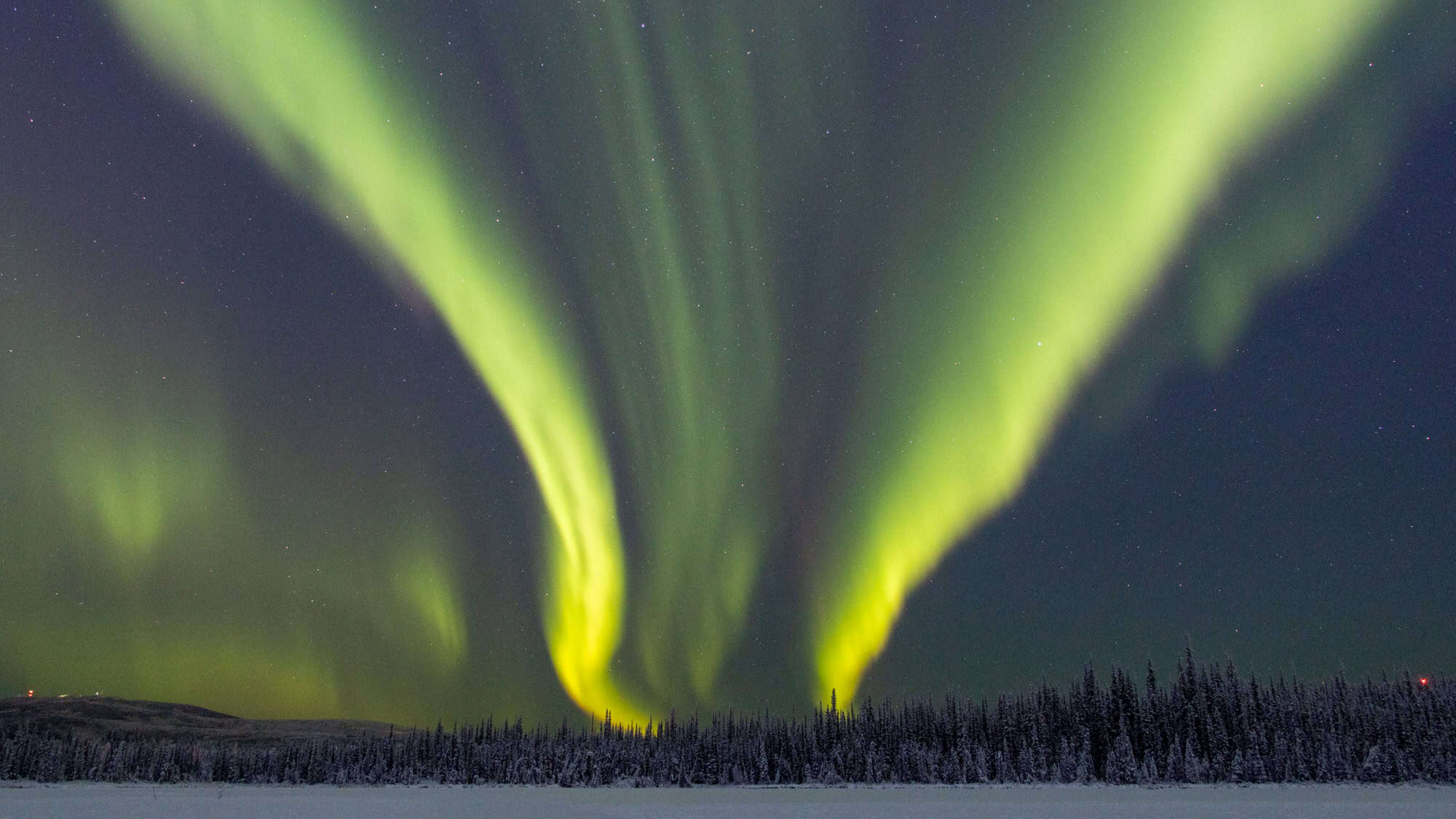
The aurora is mostly visual, yet people in very quiet, cold conditions report faint crackles like static, often described as soft popping or a gentle hiss. But this sky show happens around 60 to 185 miles up, far too high for sound to travel to you. So how could anyone hear it?
Experiments suggest a local effect near the ground during strong geomagnetic activity. Under temperature inversions, charges can build up a few dozen feet above the surface. When the electric field peaks, it can discharge as tiny sparks that create audible snaps. And the timing often correlates with bright auroral motions, which is why it feels “in sync,” even though the mechanisms differ.
You’ll only catch this in very quiet places with low wind and very low humidity. Think northern Finland, interior Alaska, or rural Lapland on a still night. It is faint, fleeting, and wonderful. So if your friend says the sky crackled, don’t roll your eyes. Offer them a high five (and better mittens).
Ocean Ice Singing

Sea ice is a noisy neighbor. When slabs drift, flex, and rub at pressure ridges, they emit squeals, groans, and pops that echo across the pack. Hydrophones add another layer. Underwater, Weddell and Ross Sea recordings reveal chirps and tonal “songs” as brine channels freeze or thaw and ice crystals shift.
Frequency can span from low rumbles below human hearing up to several hundred hertz. At the surface, even a light swell can fold and crack thin ice, so you hear a chorus of creaking doors, squeaky hinges, and the occasional rifle-shot pop.
Cold, calm nights carry the sound, and distant booms travel well since ice can transmit vibrations efficiently. Seals and penguins tolerate the racket, which says a lot about polar patience. For visitors on safe, guided routes, the soundscape is half the show.
Mountain Hums
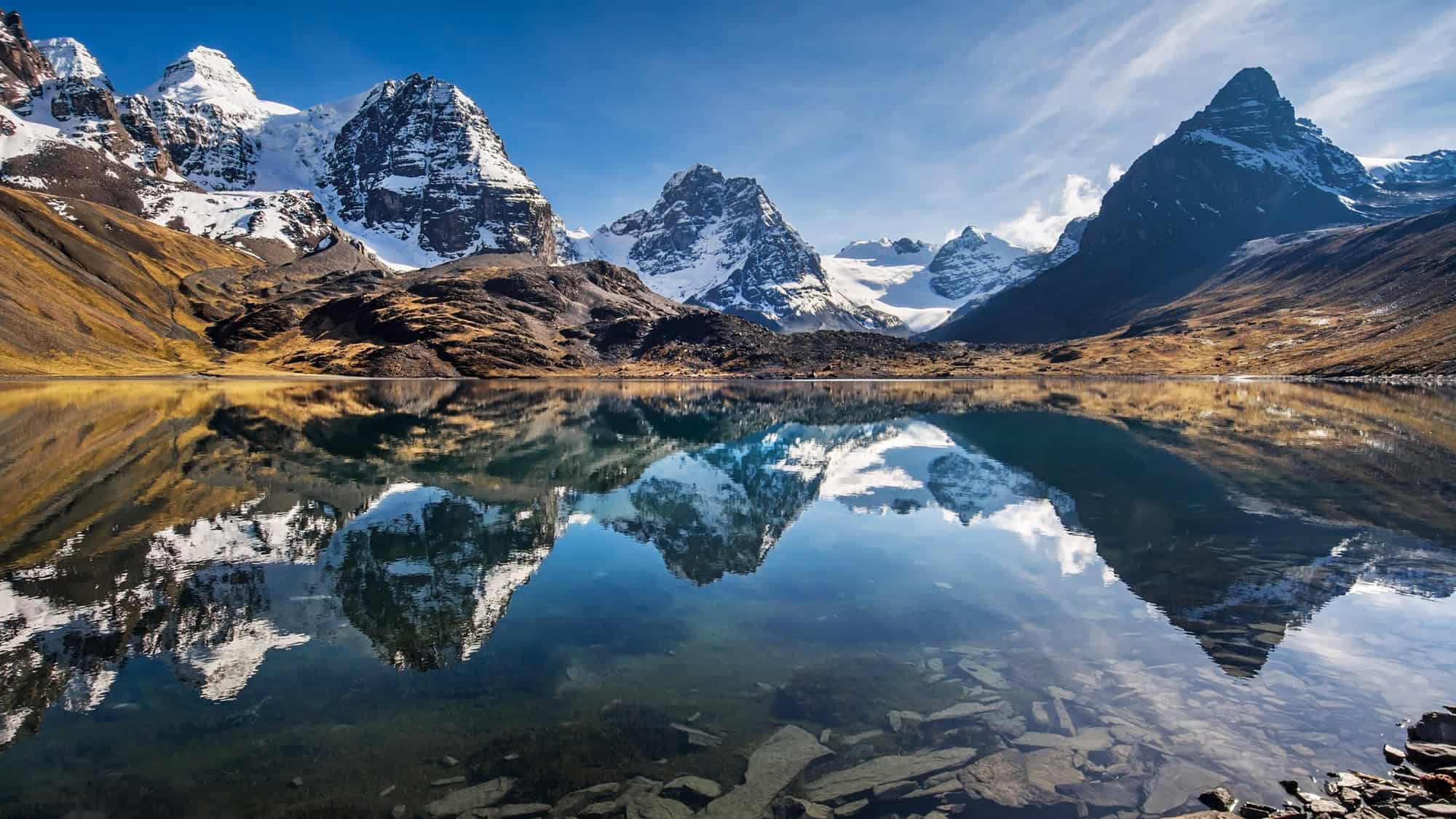
Even when the air is still, the ground never fully rests. Earth’s background “hum” sits in the microhertz to millihertz range, far below human hearing. And mountains simply help us imagine it. Ocean waves slamming coasts create microseisms that ripple through the crust, and big ranges can subtly ring like bell plates.
Seismologists have measured persistent signals near 2 to 7 millihertz that continue day and night. You won’t hear this with your ears, but sensitive instruments translate it into data that looks like a slow, steady pulse. On windy days, trees and ridge turbulence can add audible components, a low murmur you might notice as pressure changes around your ears.
Earth is always moving a little. Mountains just make that motion feel personal. If a viewpoint feels unreasonably calm and yet strangely alive, that’s your brain noticing countless small vibrations and calling it a heartbeat.
Frozen Tree Cracks

Walk a subzero forest at night and you might jump at sudden, sharp cracks that sound like distant firecrackers. As temperatures plunge, free water and sap inside trunks can freeze and expand. The rapid thermal stress fractures the bark and sometimes the outer wood.
The result is a loud report that carries far in crisp air. Maple, oak, and poplar can all produce it in cold snaps, especially during rapid drops where trees can’t adjust internal pressure fast enough. The pop is brief, but echoes between trunks stretch it into something dramatic.
If you check the tree later, you might see a vertical split called frost cracking. It looks serious, yet healthy trees often compartmentalize the wound and keep growing. Wear insulated boots, keep an eye on brittle branches, and enjoy the soundtrack from safe trails. Just think of it as the forest snapping selfies you can hear… minus the camera.
Wind Caves
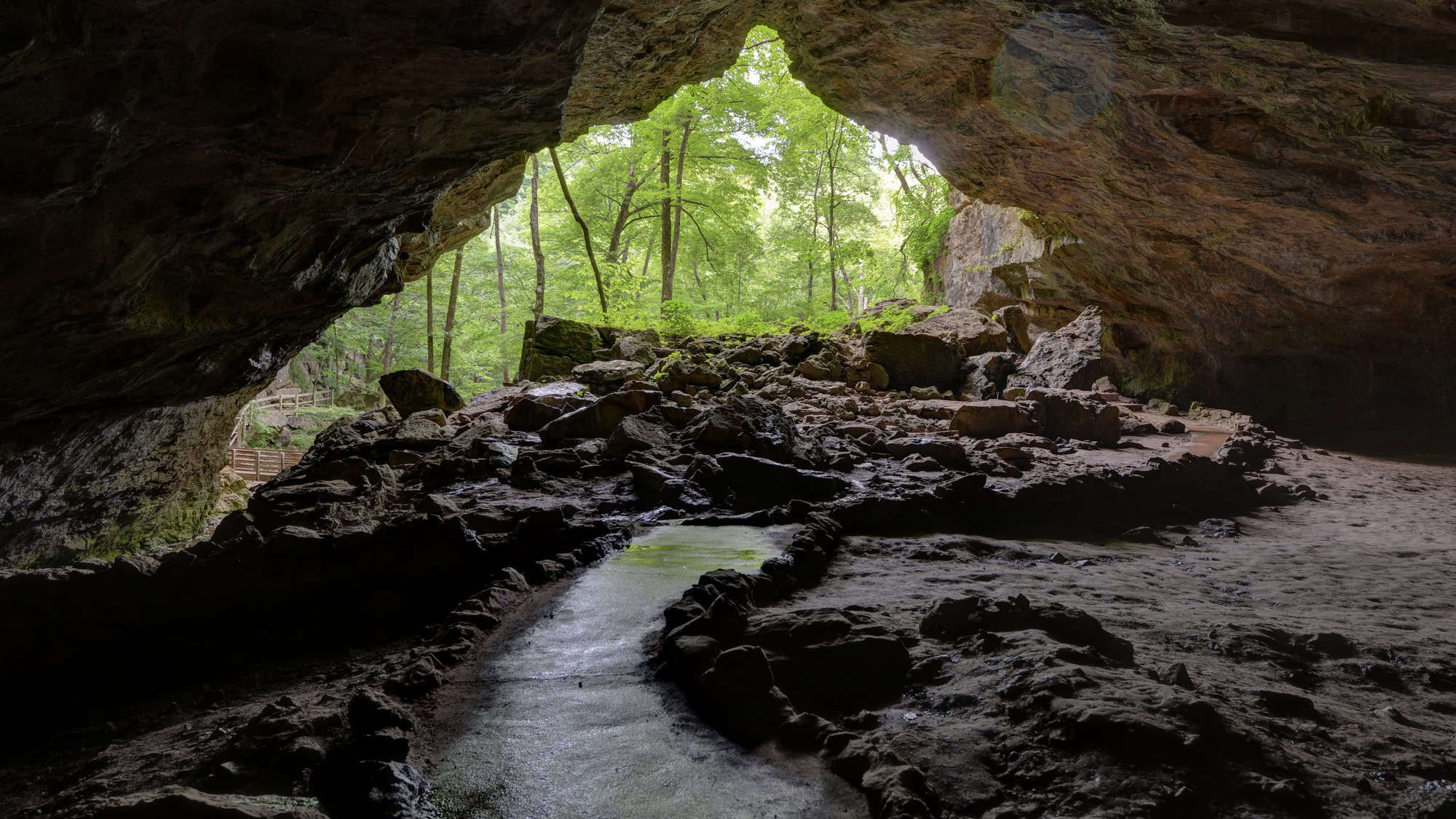
Some caves breathe. When outside pressure changes faster than the cave interior can match, air rushes through entrances to equalize. If the mouth narrows or curves, the flow produces resonant tones that residents call moans or chants.
“Blowholes” along coastal cliffs do the same, roaring on rising swells. In karst landscapes, stacked chambers act like organ pipes, each with a preferred pitch. You’ll notice stronger sound near storm fronts or large temperature swings.
But safety always needs to come first if you want to try to listen. Cave ceilings can shed fragments, and unseen drops await beyond the light. Stick to established tours or well-marked vestibules. And bring a scarf if you dislike gusts.
The physics are simple, but the effect is theatrical. Pressure wants balance, rock says prove it, and your ears get a wind concert. You may not get lyrics, but the rhythm section is reliable.
Mud Volcanoes

Mud volcanoes are not true lava volcanoes. They are gas-fed vents that push watery clay to the surface, often where hydrocarbons or geothermal fluids rise through faults. The bubbles you see are mostly methane and carbon dioxide.
As gas slugs rise through thick mud, they pop with bassy gurgles that repeat in patterns, like a metronome set by the underworld. You can hear this at Azerbaijan’s Gobustan fields, in Colombia’s Totumo, and at geothermal parks with mud pots such as Yellowstone.
The pitch depends on bubble size and viscosity. Thicker mud makes lower, slower blorps, thinner mud snaps and hisses. Just remember to stay on boardwalks and follow local guidance. The crust around vents can be fragile, and temperatures vary from pleasantly warm to flesh-melting hot.
Thunder Snow

Yes, lightning can happen in blizzards. Strong winter storms with intense lift can build charge separation inside cold clouds. When lightning fires, the thunder that follows is wrapped in snowflakes that absorb and scatter the high frequencies.
You still get the low-frequency thump, but it sounds muted, like someone drummed on a pillow right above you. Thundersnow is most likely to occur near lake-effect belts and strong coastal nor’easters, as well as in mountainous terrain where uplift is vigorous.
Visibility may be poor, so count seconds between flash and boom only if you are sheltered. The usual rule applies: 5 seconds equals about a mile. If it’s less, you are inside nature’s subwoofer and should move indoors.
Calving Glaciers

When a tidewater glacier front fractures, huge blocks splinter and plunge, creating acoustic fireworks that roll across fjords. The initial crack is a sharp report as fractures race through brittle ice. The splash and falling debris add a deep roar, then echoes bounce between walls.
In places like Alaska’s Columbia Glacier or Greenland’s Ilulissat Icefjord, calving can occur many times in a day during warm seasons. The sound can carry for miles, especially on still mornings. You can often catch a tour to the glaciers in the hopes of hearing it. Boats will keep their distance, since falling ice can trigger waves and submarine calving that rises without warning.
If you hear a rapid sequence of snaps escalating to a cannon-blast crack, enjoy the physics from a safe boat deck or viewpoint. That thunder comes from decades of snow compacted into ice deciding it’s time to rearrange the coastline.
We recently saw the event in Alaska when we did the Kenai Fjords tour by boat. It really is something else to hear the cracks and then water splashes as it hits the water below.
Canyon Whistles
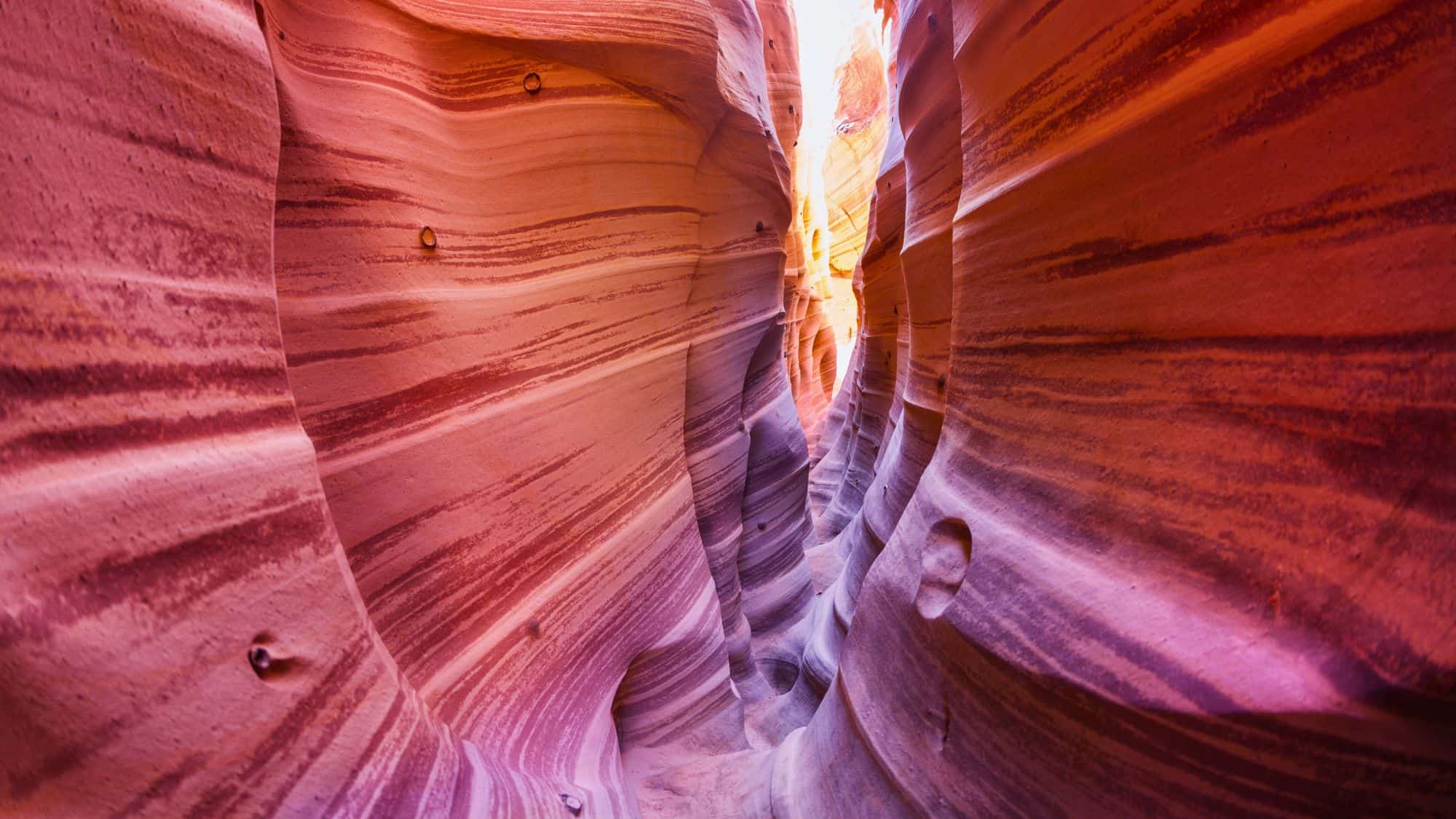
Slot canyons are tuning forks carved by water. When wind threads these corridors, it accelerates through constrictions, sheds vortices, and sets up tones that glide as gusts strengthen or fade. Think of Antelope Canyon in Arizona or lesser-known narrows across the Southwest.
Smooth walls help sound ping back and forth, and side alcoves act like resonators that add a ghostly harmony. You might hear a thin, rising whistle on one bend and a hollow moan a few steps later. But timing matters. Afternoon breezes build as surfaces heat, then continue even as the sun drops and cool air drains downslope.
Always check flash flood forecasts and follow local guidance before entering. Slot canyons are magical, but they demand respect.
Like Our Content? Follow Us on MSN (or click the Follow Button above) for more from Discover Parks & Wildlife.
12 Stunning USA Locations for a Magical Sunrise Experience

If you’ve ever wanted to pass out from beauty overdose, bask in this roundup of U.S. sunrise spots and overdose on golden landscapes that’ll make your alarm clock jealous.
17 Spectacular Natural Phenomena That Are Out of This World
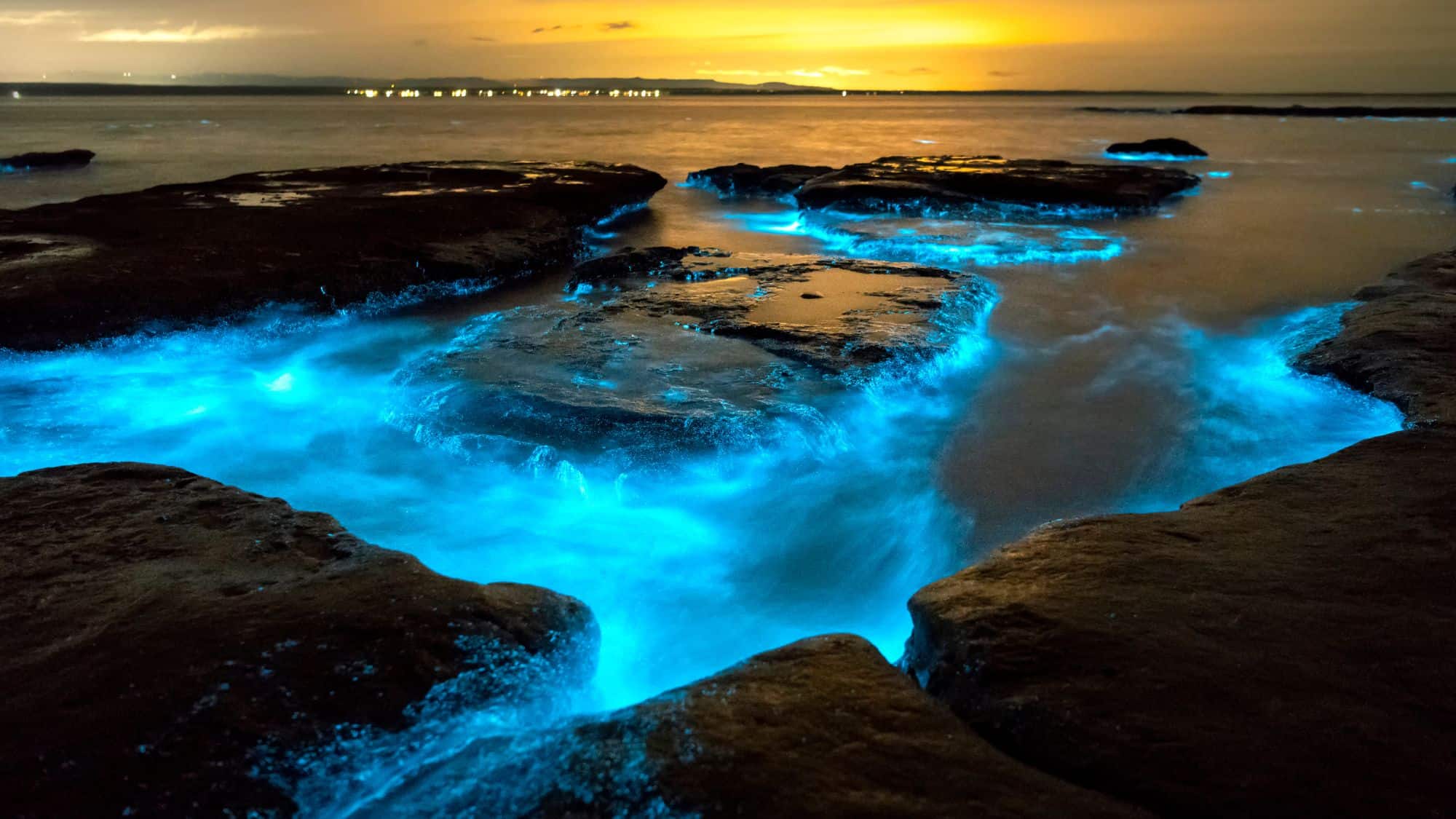
Think you’ve seen it all? Wait till you check out these surreal natural wonders that look straight out of a sci-fi movie.
12 Public Lands of America You’ll Regret Visiting Without Mosquito Deterrent

Trust me, you don’t want to tackle these mosquito-infested wilderness spots without some serious bug-blocking power. Don’t say I didn’t warn you.