Discover Parks & Wildlife contains affiliate links and is a member of the Amazon Services LLC Associates Program. If you make a purchase using one of the Amazon links, we may receive compensation at no extra cost to you. We may also use select AI tools to support our creative process, but all content is reviewed, refined, and finalized by our human team. See our disclosure policy and our AI use policy for more information.
These 14 National Parks Are Far More Dangerous Than Tourists Realize
The thing about America’s national parks is they wear their beauty like a disguise. Wide skies, serene valleys, crystal-clear rivers; it all looks calm until you realize those same rivers are icy torrents, those canyons shift temperatures faster than you can say “sunburn,” and those cute animals come equipped with teeth and warning signs.
The danger isn’t always loud or obvious; sometimes it’s the quiet cliff edge, the sudden storm, or the trail that looked easy until it wasn’t. But what makes these parks fascinating is that their hazards are often what keep them wild. You’re not walking through manicured lawns here; you’re stepping into landscapes shaped by fire, ice, wind, and water.
Every trail has its personality, and some have tempers. And even seasoned hikers can find themselves humbled by thin air or unpredictable terrain. Still, that mix of beauty and risk is what draws us in, the sense that nature still calls the shots.
You don’t have to be reckless to find adventure in these places, but you do have to pay attention. Here are the top parks where a postcard view can quickly turn into a reality check if you forget that part.
Yellowstone National Park, Wyoming

Yellowstone looks like nature’s science experiment: geysers that hiss, pools that bubble in neon shades, and steam rising like something out of another world. But beneath the picture-perfect surface lies a supervolcano, and the ground itself is thin enough in places to collapse underfoot.
Every year, some visitors wander too close to the colorful hot springs, ignoring the warning signs, and discover that those waters can reach temperatures over 190°F. That’s not a hot tub; that’s a chemical stew capable of serious burns.
Then there’s the wildlife, which, despite their photogenic appearances, don’t care about your camera settings. Bison and elk can move much faster than they look capable of, and bears occasionally remind people why it’s called the wilderness.
Yellowstone’s beauty is real, but so is its unpredictability. Respect the boundaries (both the literal ones marked on the ground and the invisible ones set by nature). It’s one of those places that reminds you curiosity is great, but caution is smarter.
Kings Canyon National Park, California

If you’ve ever driven into Kings Canyon, you know it feels almost prehistoric. Granite cliffs rise thousands of feet, rivers roar through narrow gorges, and the air smells sharp with pine and altitude. But this ruggedness is exactly what makes it deceptive.
Trails here can plunge quickly from mild forest strolls to steep switchbacks where one misplaced step means a long fall. And the park’s remoteness compounds the danger. Help isn’t just a quick call away. Plus, those deep canyons funnel weather in unpredictable ways. A clear sky can twist into a lightning storm in under an hour, and melting snow can turn calm creeks into raging torrents without warning.
Even advanced hikers can underestimate how much energy it takes to climb back out once you’ve descended into the canyon. And while the scenery makes it tempting to stop for photos near riverbanks, the current here is stronger than it looks. Kings Canyon rewards preparation and punishes assumptions.
Denali National Park, Alaska
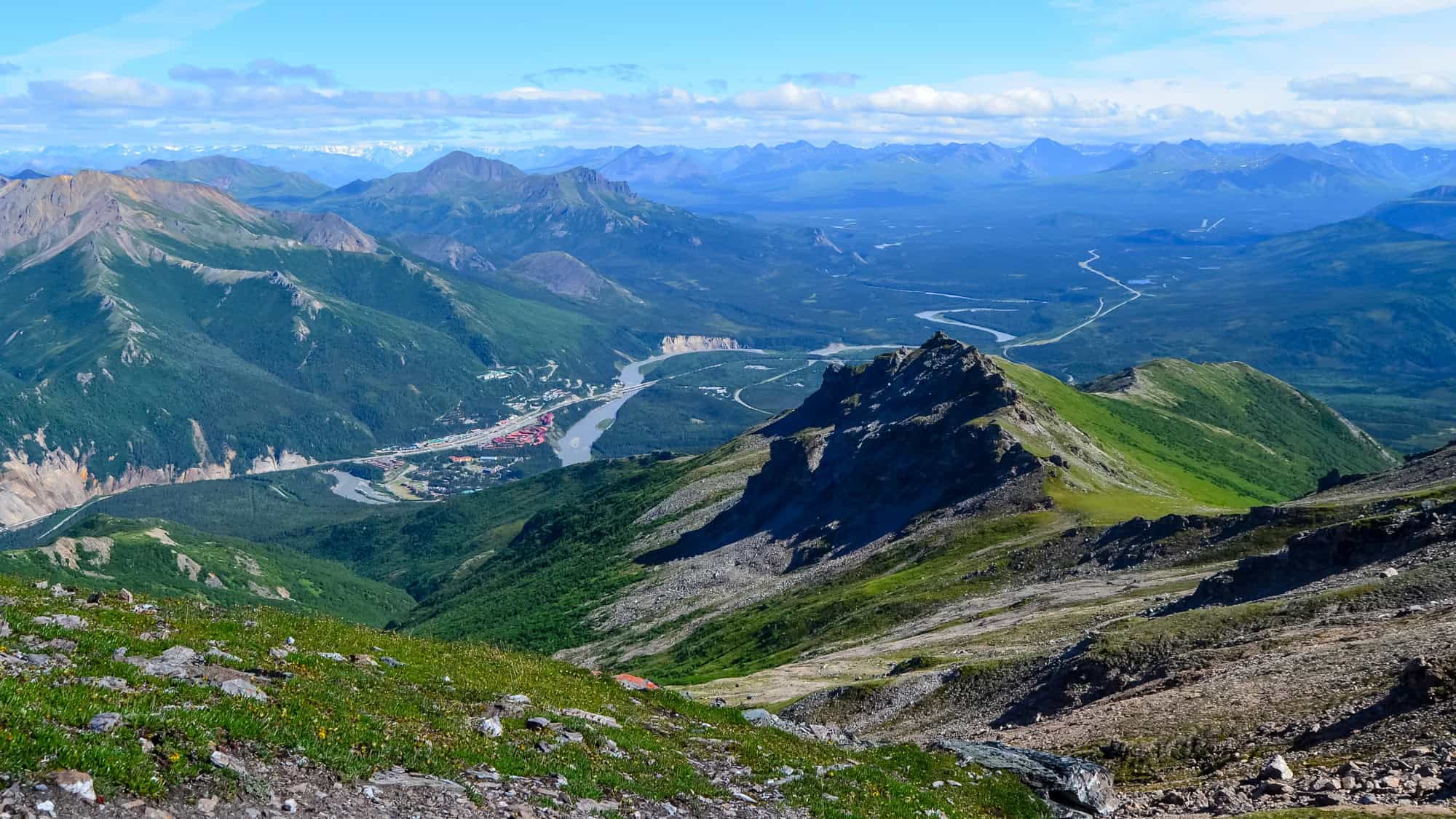
Denali feels larger than life even before you step out of your car. Its namesake peak rises above 20,000 feet, and the park’s six million acres stretch into a landscape that sticks to its own rules.
It’s not just cold here; this is the kind of cold that turns small mistakes into big emergencies. The weather can flip from sunshine to whiteout in minutes. And those vast open spaces might look inviting, but navigation can be difficult without landmarks. People have wandered off‐course before they realized it, and cell service is no help, as it is almost non-existent in the backcountry.
Wildlife doesn’t play by your itinerary. Grizzlies, wolves, and moose roam freely, and they don’t check trail maps. River crossings (fed by glacial melt) are colder and deeper than expected, adding to the risk.
The park’s remoteness is part of its appeal: this really is one of the few places left where nature makes the rules. It rewards respect, planning, and a strong sense of awareness. But underestimating the landscape here isn’t just risky; it’s something you’ll regret.
Grand Canyon National Park, Arizona

The Grand Canyon doesn’t need an introduction. It’s so vast it looks almost unreal and is one of the most visited parks each year. But those sweeping views can distract from the fact that this is one of the most deceptively dangerous parks in the country.
The rim temperatures might feel manageable, but head down into the canyon, and it’s a different story. Heat can soar past 110°F, and what goes down must come up (a detail many underestimate until halfway through the climb back). Dehydration and exhaustion are common here, especially when the dry air fools you into thinking you’re not sweating.
Then there’s the edge itself, with loose rock, strong gusts, and the temptation to step closer for “just one photo.” But people lose their lives this way every year. The safest way to enjoy it? Stay aware of your limits, and don’t let the horizon lure you farther than you can handle.
Yosemite National Park, California

Yosemite is a siren song for outdoor lovers. Towering waterfalls, granite monoliths, and meadows that glow gold at sunset. It’s paradise until you remember paradise comes with slippery granite, sudden storms, and curious black bears.
Those famous waterfalls? They’re breathtaking, but their mist makes rocks slicker than glass. Every year, visitors venture too close for photos and learn that Yosemite’s rivers don’t forgive mistakes. Then there’s the weather. A clear afternoon can turn into a lightning show without warning, especially near Half Dome.
High altitudes can leave you dizzy, and narrow trails mean one bad step could end badly. Even wildlife adds its own surprises. Bears here are pros at breaking into cars that smell faintly of food.
The best rule? Respect the warning signs; they’re not decoration. Yosemite’s grandeur is unmatched, but so is its ability to remind you that nature always has the final say.
Great Smoky Mountains National Park, Tennessee & North Carolina

The Smokies might look peaceful with their misty hills and soft blue ridges, but don’t let that fool you. Hidden beneath the haze are sudden storms, wildlife encounters, and trails that can vanish into fog without notice.
The humidity makes everything slick, especially after rain, turning roots and rocks into ankle-twisting traps. And yes, bears are common here, too. Black bears that have grown a little too comfortable around all the humans pouring into Cades Cove.
Flash floods are another sneaky threat. Streams that look ankle-deep can rise within minutes after a storm higher up the mountain. And the park’s vastness also means it’s easy to underestimate distances, especially with twisting trails that feel endless.
Heat and humidity take their toll faster than expected, even in the shade. But with its lush forests, waterfalls, and wildlife, it’s no wonder so many take the risk. Just remember that beauty and danger often share the same trailhead in the Smokies. Bring a map, carry water… and maybe don’t chase that bear for a selfie.
Death Valley National Park, California
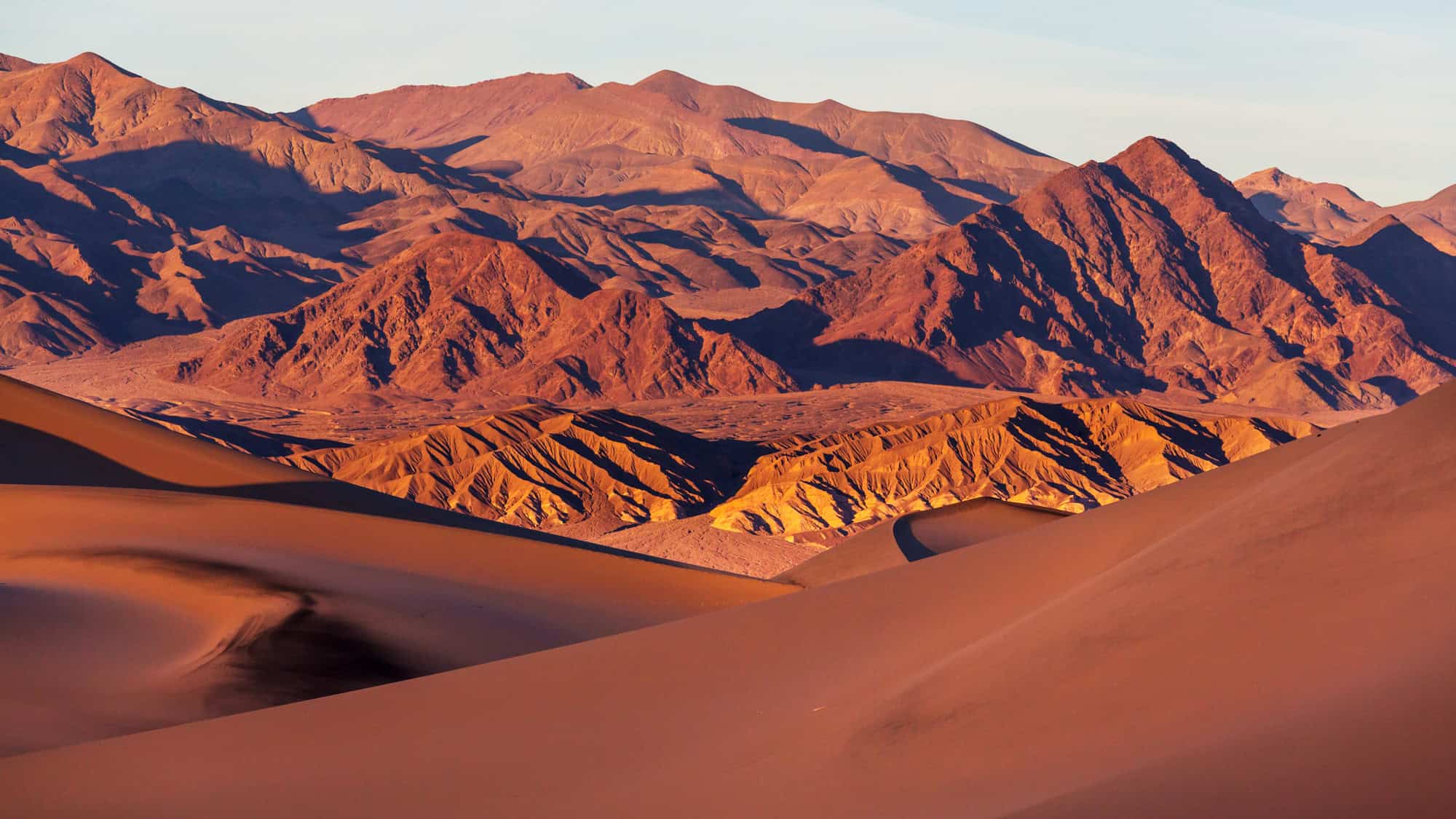
Death Valley earns its name honestly. It’s one of the hottest places on Earth, where summer temperatures can roast above 120°F. So the danger here doesn’t roar or charge; it slowly creeps up on you. Dehydration is common, and the dry air tricks you into thinking you’re fine until you’re not.
Cars struggle in this heat, with engines boiling over and tires softening on the pavement. And hiking here requires planning down to the hour. Stray too far from your vehicle without enough water, and the landscape offers little forgiveness. The salt flats, dunes, and canyons are mesmerizing, but distances are deceptive. What looks close might be miles away.
Then there’s flash flooding, an occasional surprise that turns dry washes into raging rivers within minutes. Respect the heat, travel early, and never underestimate a place that can cook an egg on its rocks.
Glacier National Park, Montana
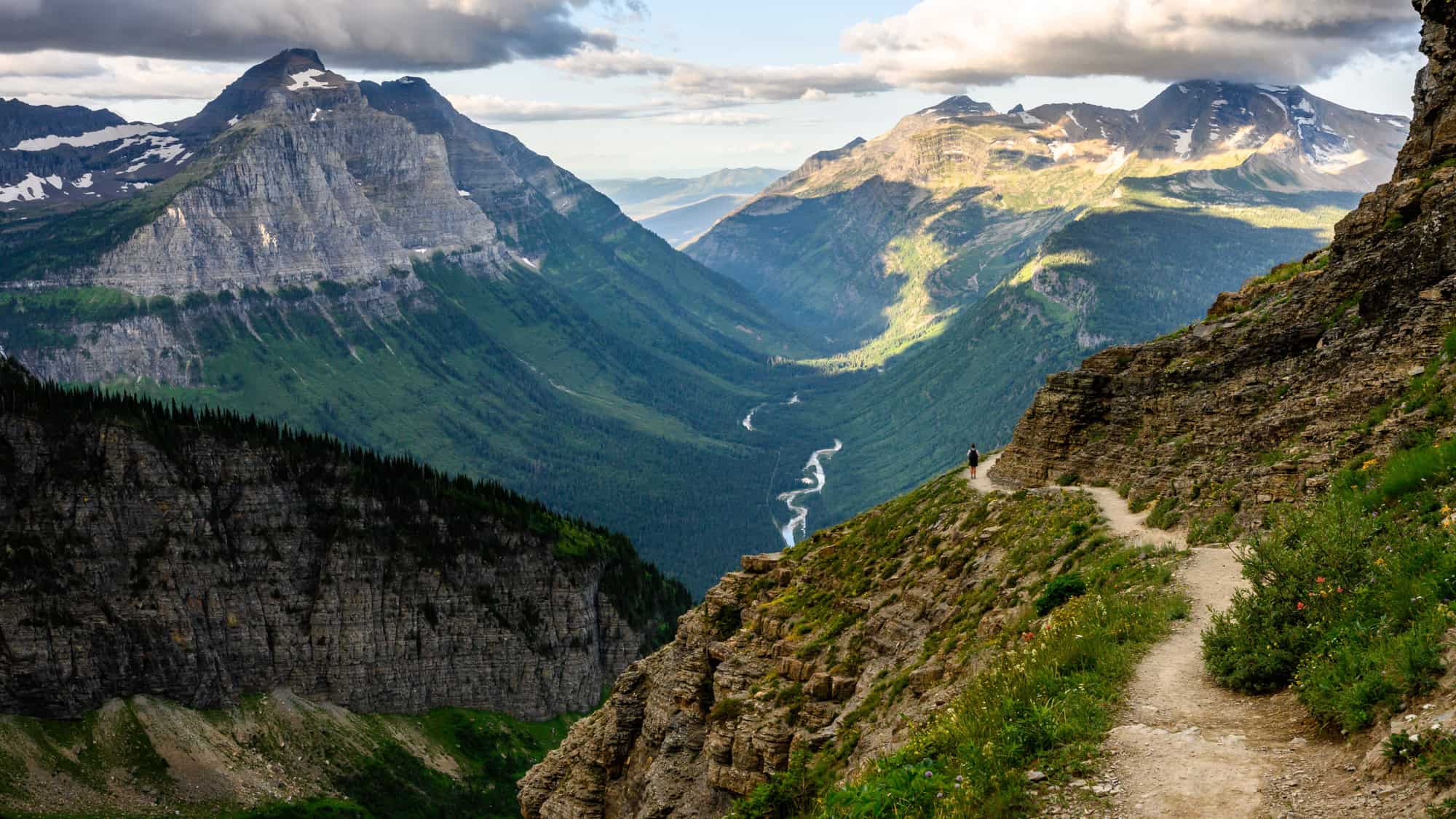
Glacier’s jagged peaks and turquoise lakes might look serene, but beneath the incredible views lies a landscape shaped by extremes. Snow lingers late into summer, and sudden weather shifts can turn trails treacherous.
Those charming alpine meadows? They’re also bear territory, and the park’s dense vegetation means surprises are common. Steep cliffs, loose rock, and narrow ledges make some hikes here breathtaking in more ways than one.
The Going-to-the-Sun Road, while spectacular, tests nerves with sharp turns and sheer drops. And then there’s hypothermia; the cold mountain water can shock the system in seconds. Turns out, Glacier’s danger lies in its contrasts: gentle wildflowers brushing your ankles one minute, ice-covered trails the next.
Hawaii Volcanoes National Park, Hawaii

On the Big Island, this park is equal parts beauty and danger. Here, molten lava meets ocean waves, and the air itself can turn hazardous. Volcanic gases, known locally as “vog,” can cause breathing problems, and unstable ground hides heat vents hot enough to melt shoes.
It’s the kind of place that looks like you’ve landed on another planet, yet reminds you the Earth is still alive and restless. The terrain changes constantly as lava flows reshape the landscape. So trails can close without warning, and steam vents pop up where none existed before. Even standing near the edge of old lava fields can be risky, as thin crusts may collapse under your weight.
Rain adds its own challenges, turning fresh lava rock slick and glassy. Still, the spectacle of glowing lava rivers and smoking craters draws crowds from around the world. Respect the warning signs, stay on designated paths, and remember this isn’t a theme park. It’s geology in action, and it plays by its own rules.
Isle Royale National Park, Michigan
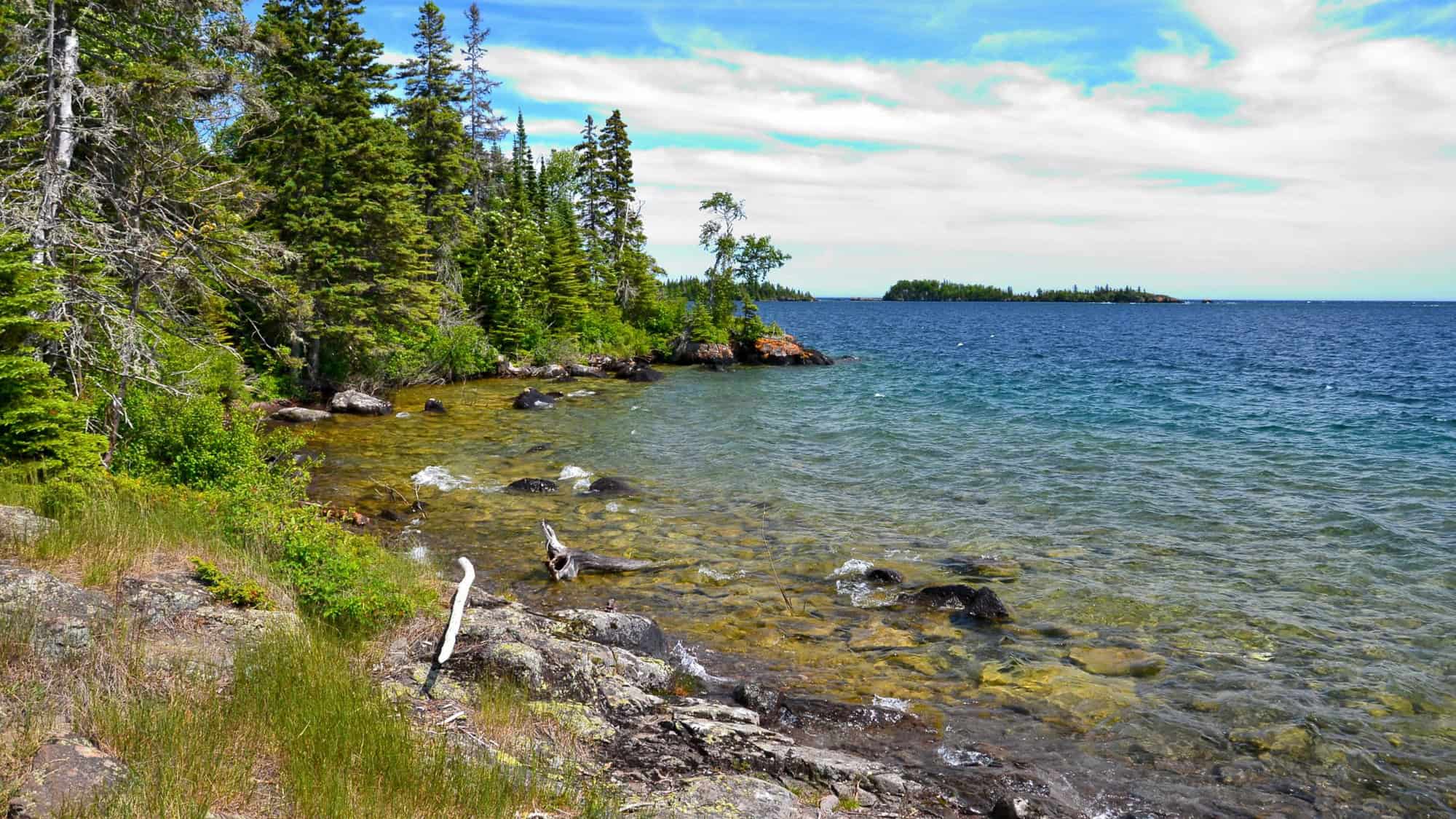
Set in the chilly waters of Lake Superior, Isle Royale feels isolated (and that’s because it is). You can only reach it by boat or seaplane, and once you’re there, you’re committed. The remoteness is part of its charm, of course, but it’s also what makes it dangerous.
The island has no roads, no quick exits, and unpredictable weather that can turn the lake’s surface violent in minutes. Wolves and moose roam the island, and while encounters are rare, they add to the wildness and risk.
The biggest risks, though, are from exposure and overestimation. Cold water temperatures mean even short swims can be deadly, and rescue resources are limited. Navigation can be tricky, too. Dense forest trails and minimal signage make it easy to lose your bearings.
Zion National Park, Utah
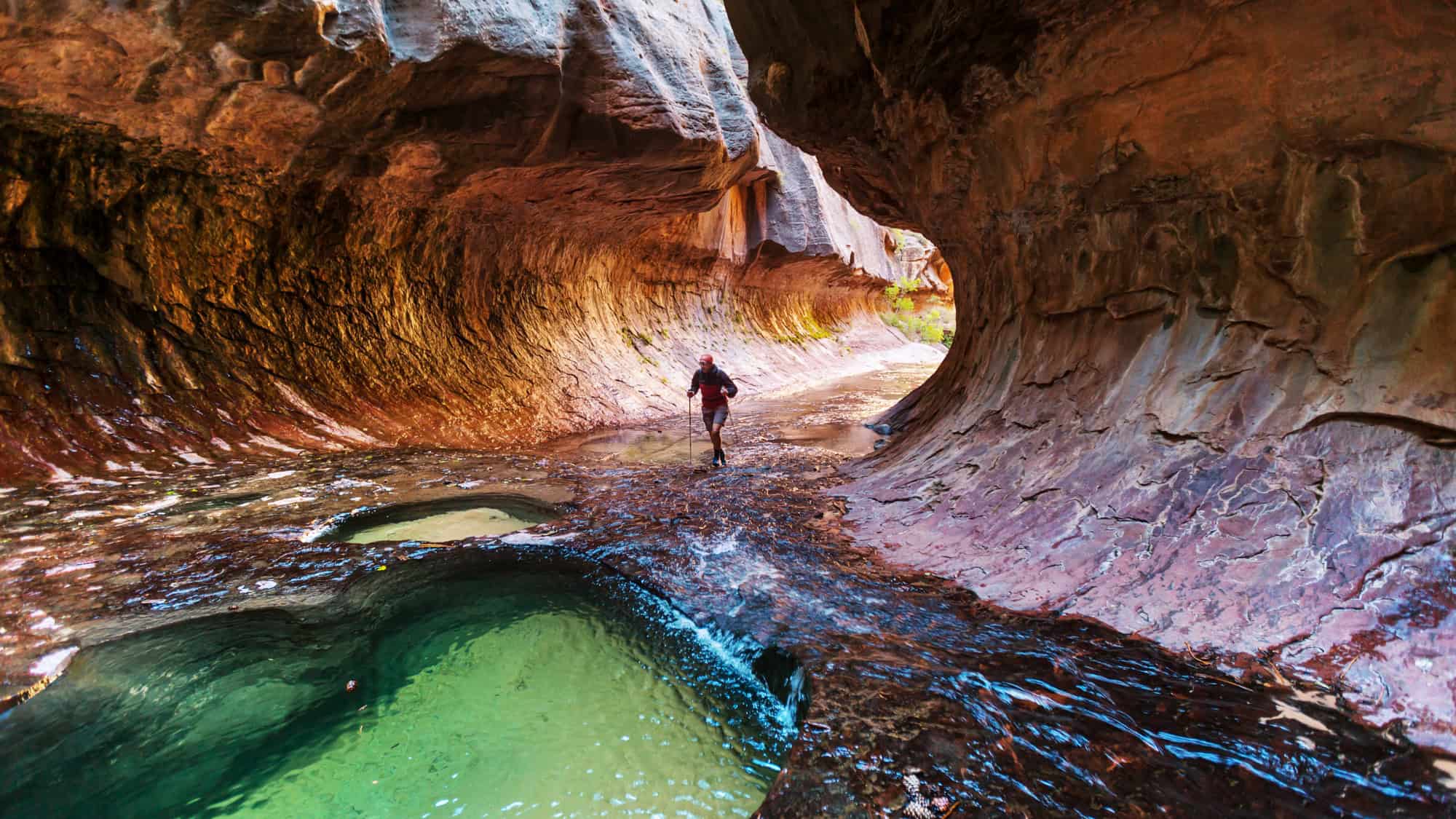
Zion’s red rock cliffs and narrow canyons look tailor-made for adventure, but they also hide some serious hazards. The famous Angels Landing trail is both spectacular and unforgiving. It’s a narrow spine of rock with steep drop-offs and chains to cling to when the wind picks up. Even those who handle heights can find their nerves tested.
Flash floods are another big threat here. The park’s slot canyons, carved by centuries of water, can fill within minutes after a storm, even from one miles away. And once the walls close in, there’s no way out.
Heat exhaustion also creeps up fast in summer, especially for those hiking in exposed areas without shade. Yet Zion’s pull is irresistible. The glowing cliffs at sunset, the hush inside the Narrows, and the sheer scale of it all.
But the key is timing and awareness. Start early, watch the forecast, and remember that beauty and danger often go hand in hand here.
Everglades National Park, Florida
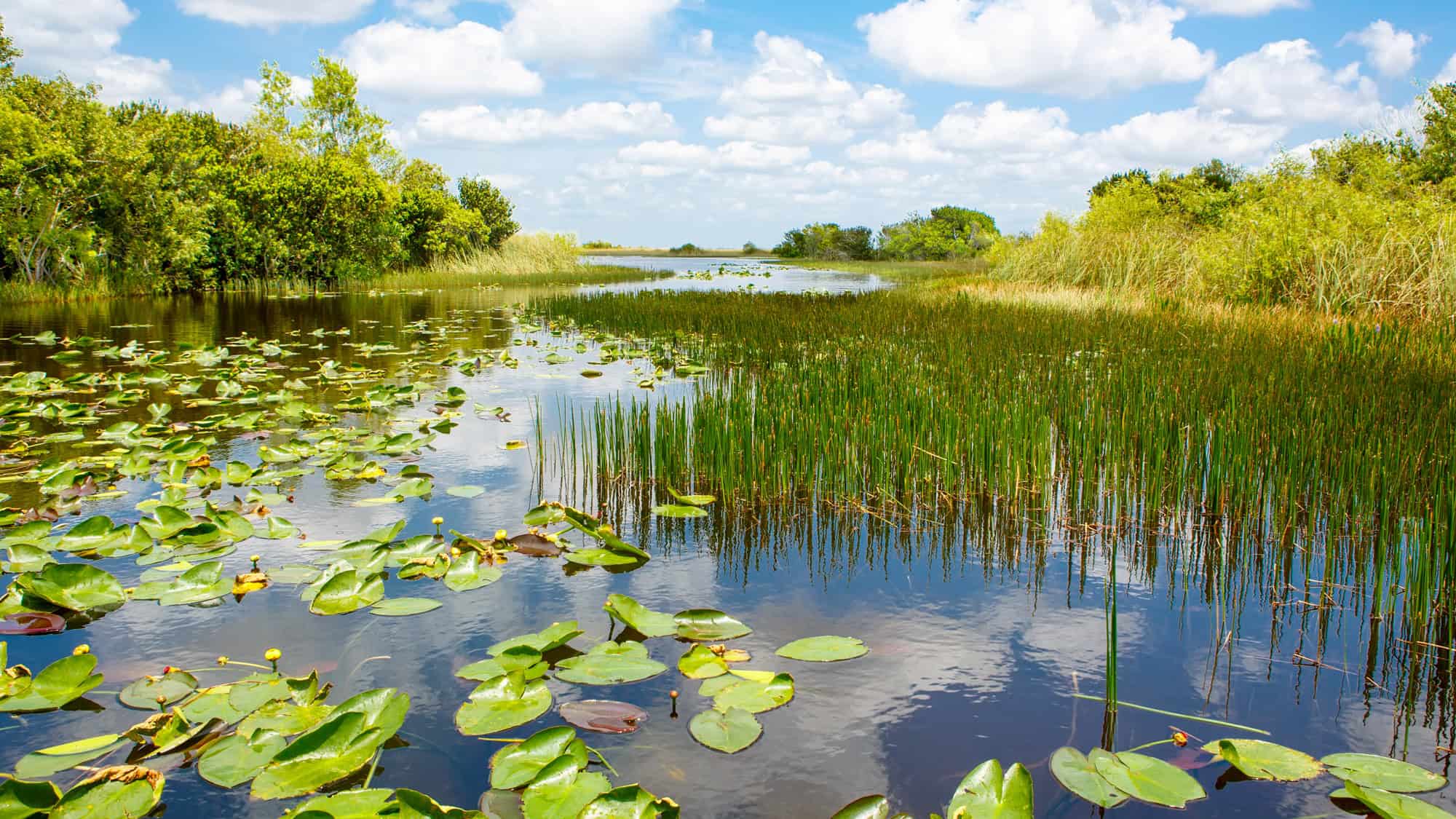
The Everglades seem calm, with flat waters, waving grass, and the slow glide of alligators. But beneath that still surface lies a swamp full of surprises. Heat, humidity, and biting insects are just the start.
The real hazards come from the mix of wildlife and environment: snakes, gators, and even the occasional crocodile share these waters. So wading off trail isn’t just discouraged, it’s downright unwise.
Then there’s dehydration and sun exposure, both easy to overlook in a place that feels more water than land. Storms roll in fast, and lightning is common, especially in summer. And the terrain itself can be disorienting, with few landmarks and endless stretches that all look alike.
Still, the Everglades hold a rare beauty, the stillness of a place that hasn’t changed much in centuries. Just remember, it’s their home first. Move carefully, bring insect repellent by the gallon… and keep your limbs inside the kayak.
Rocky Mountain National Park, Colorado
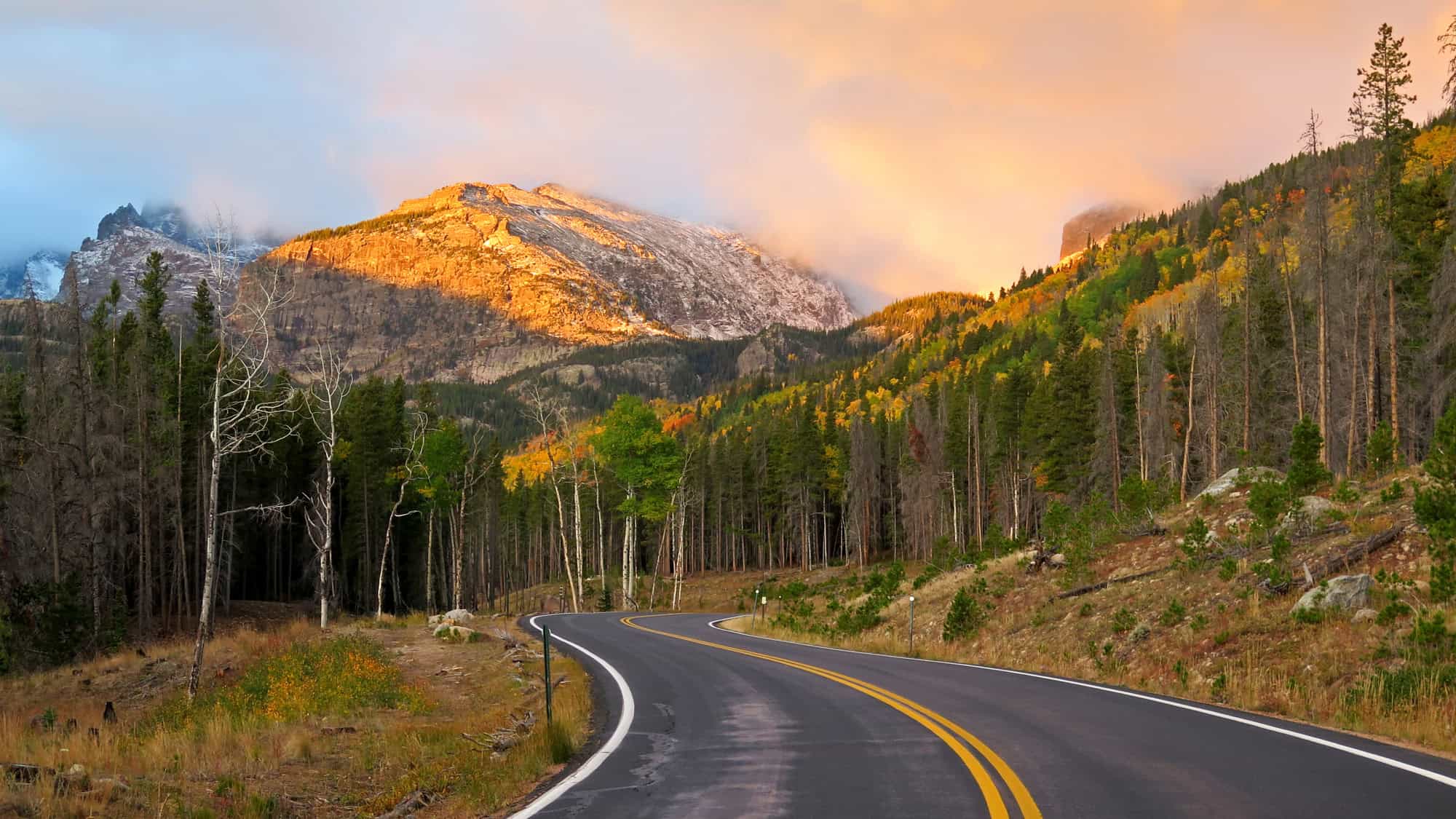
High altitudes, thin air, and sudden storms make this park as challenging as it is spectacular. Even short hikes here can feel like endurance tests when you’re thousands of feet higher than your lungs are used to. Altitude sickness is common, sneaking up with headaches and dizziness that can turn serious fast.
Lightning strikes are another real danger, especially above the tree line. Clouds build quickly in the afternoons, and exposed ridges become risky places to linger. In winter, avalanches add another layer of peril, shifting snowpacks that can bury trails in seconds.
Wildlife adds to the mix. Elk and moose are majestic but unpredictable, especially during rutting season, when they can be downright dangerous. On a visit, it’s important to hike early, hydrate constantly, and listen to your body (it’s the best survival tool you’ve got up there).
Joshua Tree National Park, California

Joshua Tree looks alien and strange, with its twisted yuccas and boulder-strewn desert stretching to the horizon. But that surreal beauty hides a few hard truths. The heat here can sap strength faster than expected, and shade is a rare luxury. Dehydration is the most common risk, followed by disorientation.
Trails blur into one another, and landmarks vanish in the glare of the afternoon sun. The park’s rocks invite climbing, but loose granite and sudden winds turn small slips into serious falls. Rattlesnakes and scorpions keep things interesting, and cold nights can catch campers unprepared.
Despite the harshness, there’s something magnetic about Joshua Tree. It’s the way the landscape glows under starlight, the silence so complete it feels alive. But it’s also a place that tests your limits without apology. Pack water like it’s currency, respect the desert’s moods, and remember: the line between adventure and accident can be as thin as the desert air.
Like Our Content? Make sure to join our newsletter for all the latest on outdoor adventures (and a FREE STARGAZING GUIDE). Click here to sign up!