Discover Parks & Wildlife contains affiliate links and is a member of the Amazon Services LLC Associates Program. If you make a purchase using one of the Amazon links, we may receive compensation at no extra cost to you. We may also use select AI tools to support our creative process, but all content is reviewed, refined, and finalized by our human team. See our disclosure policy and our AI use policy for more information.
14 Unforgettable Places In Arkansas That Show Why It’s America’s Most Underrated State
The “Natural State” wins you over in quiet ways. A river curves past bluffs that glow at sunset. Steam lifts from a spring on a chilly morning. You roll the windows down on a two-lane road, and the air smells clean, sharp, and a little wild.
Town squares feel friendly in a way that makes you slow your pace. You notice hand-painted signs, neon from an old theater, and murals that hint at a creative streak running through the hills. There is grit here, but it is paired with care. Trails are maintained. Historic districts are preserved. Barbecue portions are generous enough to feed a small crew. And art shows up in unexpected corners, inside former icehouses and along creek banks.
Water, rock, and forest set the scene, yet the human touch keeps it from feeling remote. You move from a calm lake to a busy gallery without losing the thread. The distance between a summery swim and a candlelit dinner can be measured in minutes.
But what makes this state unforgettable is not a single landmark. It is the way everything stacks together, easy to reach, easy to repeat. You come for one highlight, then you keep finding more.
Devil’s Den State Park

Deep in the Ozarks, Devil’s Den collects stone, water, and forest into a park that feels tucked away from the rush. The Civilian Conservation Corps left a clear mark here, from the sturdy dam that creates the pool to the trailside details that blend into the hillside.
The Yellow Rock Trail is a standout, climbing through boulders to a balcony of rock with a view over the valley. It is a moderate route, enough to raise your pulse without turning it into a grind. Caves and crevices have been sensitive areas in recent years, so check for any access restrictions meant to protect bats and habitat.
In wet seasons, small waterfalls and dripping ledges give the forest a soft soundtrack. Campsites, cabins, and a simple store make trip planning easy for families or groups, and staff keep maps handy with current notes on conditions. Plus, nearby mountain bike networks extend the fun with flowy sections and rock features, and many trailheads are minutes from picnic tables.
The park sits close enough to Fayetteville for a day trip, yet it feels much farther once you are on the trail.
Little Rock

Arkansas’s capital pairs riverfront energy with approachable neighborhoods that make exploring simple. Start where the Arkansas River takes center stage. The River Market District lines up restaurants, live music, and a seasonal farmers market, so you can graze without leaving the block.
A walk across the Big Dam Bridge gives you a wide view, and it is gentle enough for families and casual cyclists. For a deeper look at American history, the Little Rock Central High School National Historic Site tells the story of the Little Rock Nine with care and clarity. It is sobering and essential.
The ESSE Purse Museum in the South Main area brings a quirky lens to design and culture, and nearby murals prove the city’s creative side has reach. And when you need a green break, head to Pinnacle Mountain State Park on the edge of town. Short trails climb to a rocky summit with views that stretch on a clear day, or you can circle the base for something easier.
Hot Springs & Hot Springs National Park

This city grew up around thermal water, and the experience remains the point. Bathhouse Row lines Central Avenue with handsome early 20th-century buildings, each with its own personality. You can book a traditional soak in a private room, or choose modern pools that feel spa-forward while keeping the historic setting intact. The water arrives hot, so cooler days can be perfect.
Step behind Bathhouse Row and you are in the nature section of Hot Springs National Park, where trails climb gentle ridges and the Hot Springs Mountain Tower offers sweeping views over the forest and town. The Grand Promenade provides an easy shaded walk, with stonework and landscaping that slow your pace on purpose.
History buffs can tour Fordyce Bathhouse for details on hydrotherapy and the cultural life of early visitors. Central Avenue delivers classic neon, quirky shops, and bakery windows that test your willpower. And breweries in the district use thermal water in their recipes, a local twist you do not find elsewhere. Parking fills on weekends, so arrive early or be ready to walk a few blocks.
Mammoth Spring State Park
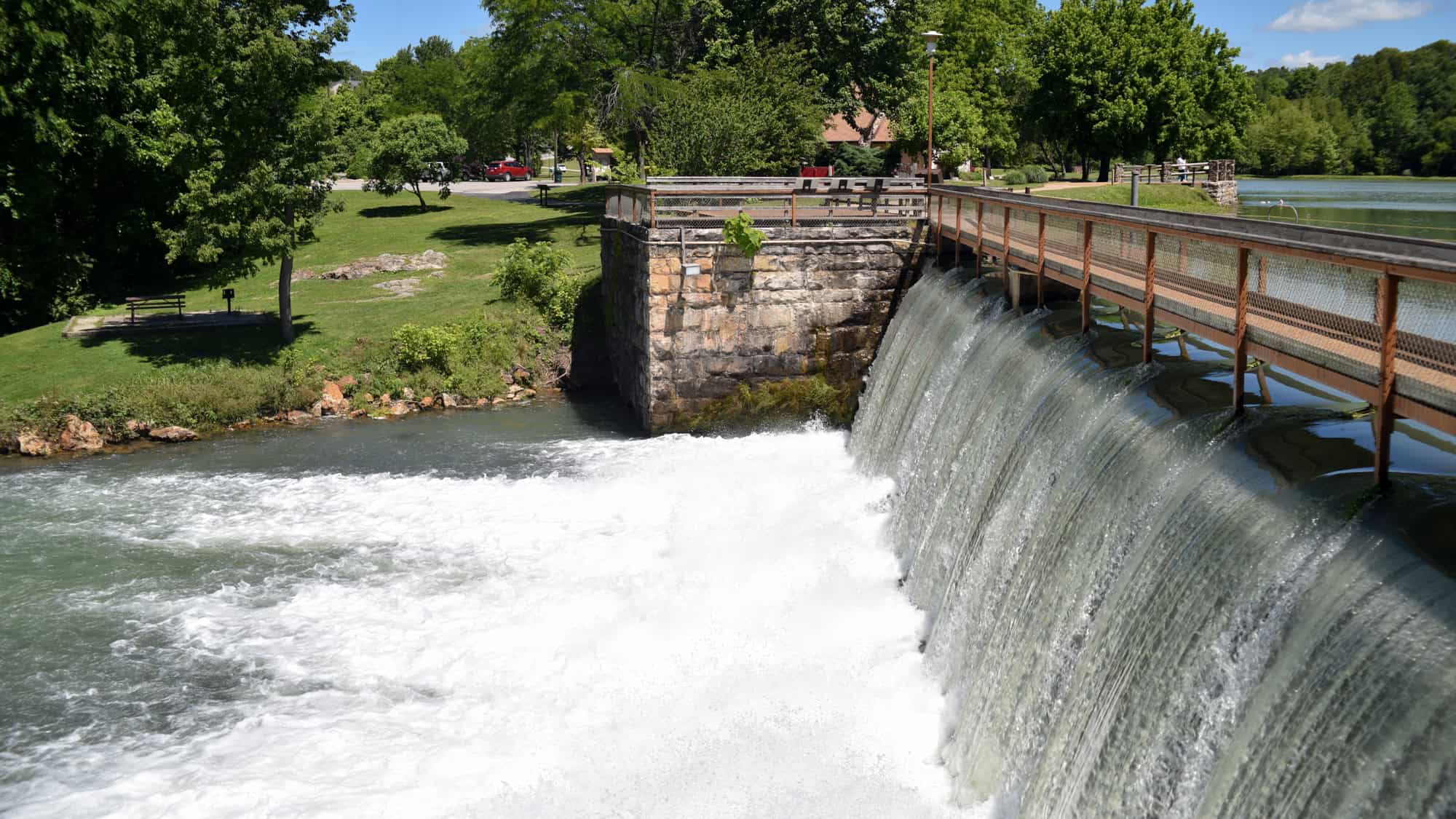
Near the Missouri border, Mammoth Spring earns its name with a powerful flow that feeds a clear lake, then drops over a dam into a trout-friendly stream. Paths circle the spring and connect to a restored 1886 train depot, where exhibits explain how railroads shaped the area. The loop is easy, shaded, and set up for a relaxed visit that fits families well.
You can rent a pedal boat in season, watch the water surge up from its source, then settle on a bench to spot turtles close to the bank. Anglers focus on the river below the dam for stocked trout, and even non-fishers enjoy the cool air close to the water on hot days. Picnic tables, a playground, and clean restrooms make it a solid stop on a longer road trip.
If you like small museums, the hydroelectric plant is an interesting look at early power generation using the spring’s steady output. Bring a light jacket in shoulder seasons, since the air near the water can feel cooler than the parking lot suggests.
Buffalo National River
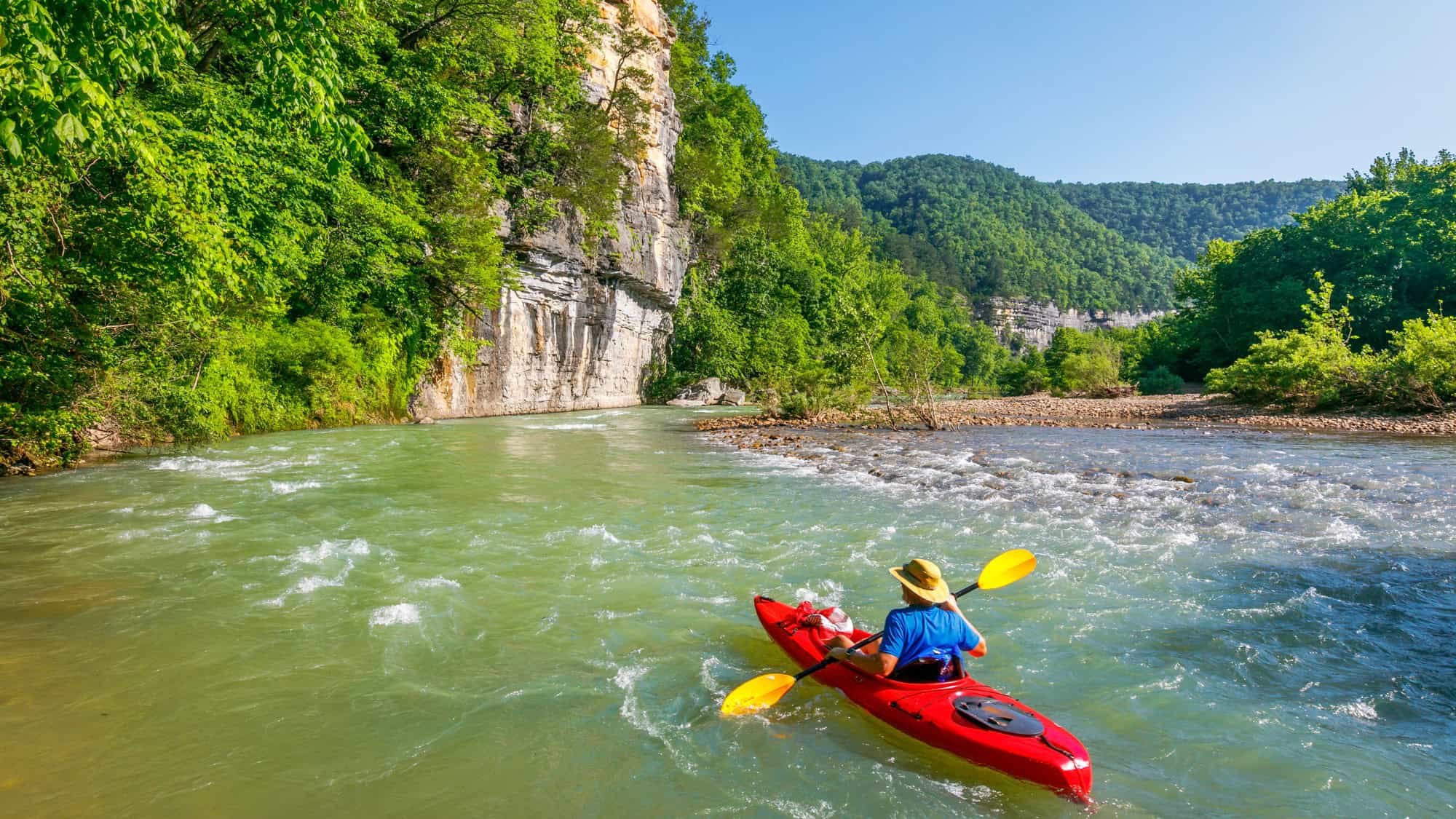
America’s first national river flows free through limestone country, with tall bluffs that make you slow your paddling. On calm days, the surface mirrors rock and sky, and a float can be as peaceful or as lively as your group decides. Outfitters along different sections offer shuttles and rentals, which keep logistics simple.
Water levels change throughout the year, so spring often brings the best paddling while summer favors swims and gravel-bar picnics. Along the way, trails climb from the river to overlooks that deliver a big reward for moderate effort. Hemmed-In Hollow Falls plunges into a pocket canyon after rain, and Lost Valley’s Eden Falls hides a small cave at the end of a family-friendly path.
lk gather in Boxley Valley, especially in cooler months near dawn and dusk. Give them space and use pullouts to keep the road safe. Campsites range from developed campgrounds to more primitive spots, so you can match comfort to your crew.
Petit Jean State Park
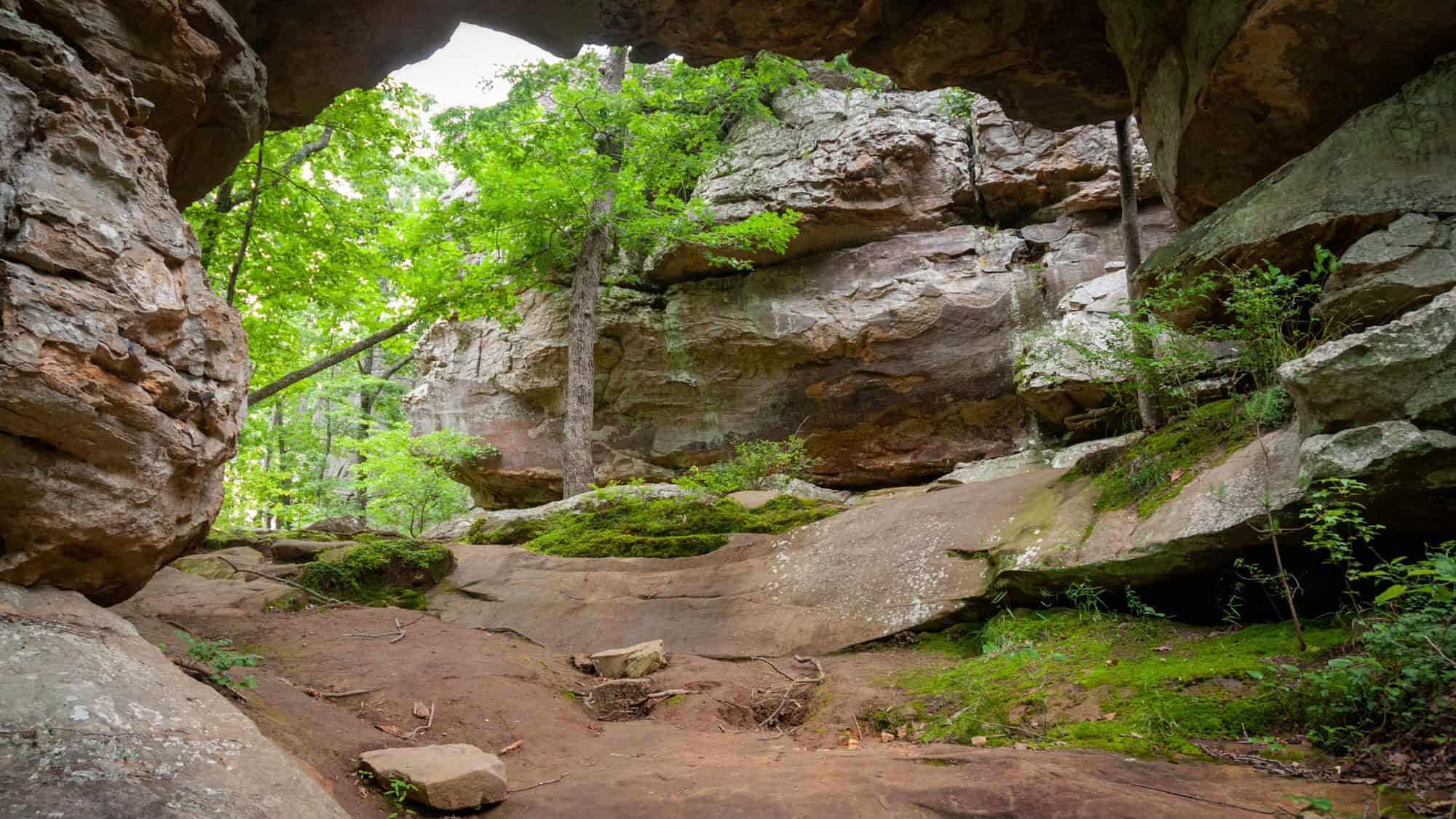
Arkansas’s first state park delivers a classic state-park experience wrapped in sandstone cliffs and hardwood forest. The story begins with the lodge and cabins built in the 1930s, sturdy structures of native rock that still feel right for the setting.
Trails fan out in loops that suit most hikers. The Cedar Falls Trail is the signature route, descending to a tall waterfall that cools the canyon even on warm days. If you prefer an easier walk, the Rock House Cave trail rewards you with a natural bluff shelter and visible markings from the past. Overlooks on the rim give broad views of the Arkansas River Valley, and sunsets here can be outstanding when haze softens the light.
The park’s location on Petit Jean Mountain keeps summer temperatures a touch cooler than the lowlands. Playgrounds and a small lake make it a simple choice for families for a day trip. You can rent a pedal boat, start a short hike, then return for ice cream without packing up the car.
Mount Magazine State Park
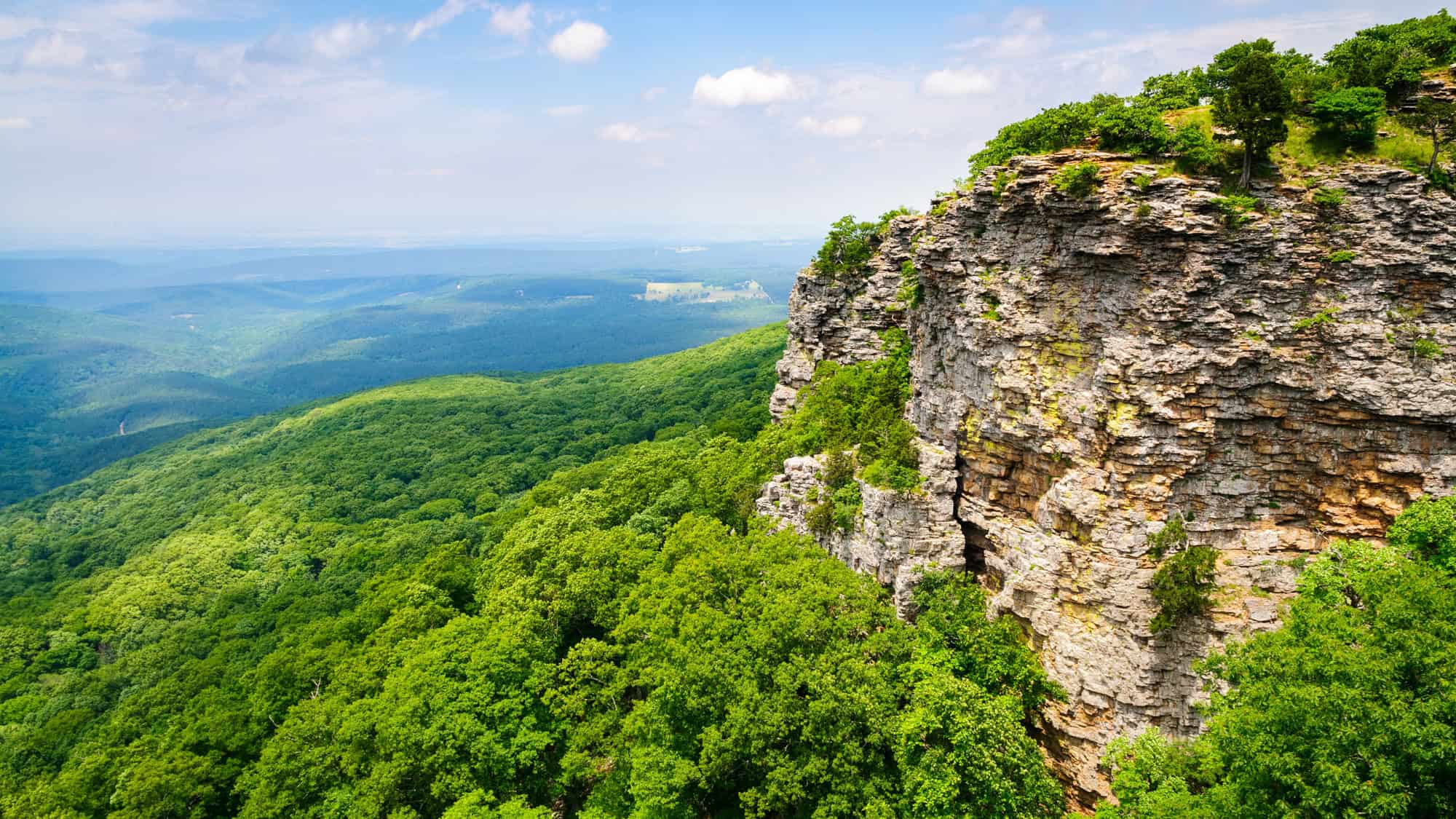
Arkansas’s highest point sits on Mount Magazine, a broad plateau that offers views reaching across layers of ridges. The road up is half the fun, with pullouts that tease the scenes to come. Once on top, you can stroll paved paths to overlook areas or set out on longer trails that trace the rim. The summit itself is a short walk from the parking area, making it quick and easy.
In spring and early summer, wildflowers brighten open glades, and butterflies gather in numbers that make you pause. Cooler months can bring rime ice that coats trees, turning the landscape into a fine white sculpture garden.
If you want more movement, mountain bikers use nearby routes, and hang gliding has a presence when winds align. Just remember that temperatures run cooler at the top of a mountain, so pack a light jacket even when towns feel warm. And storms can form fast along the rim, so keep an eye on the forecast and respect closures.
Fayetteville
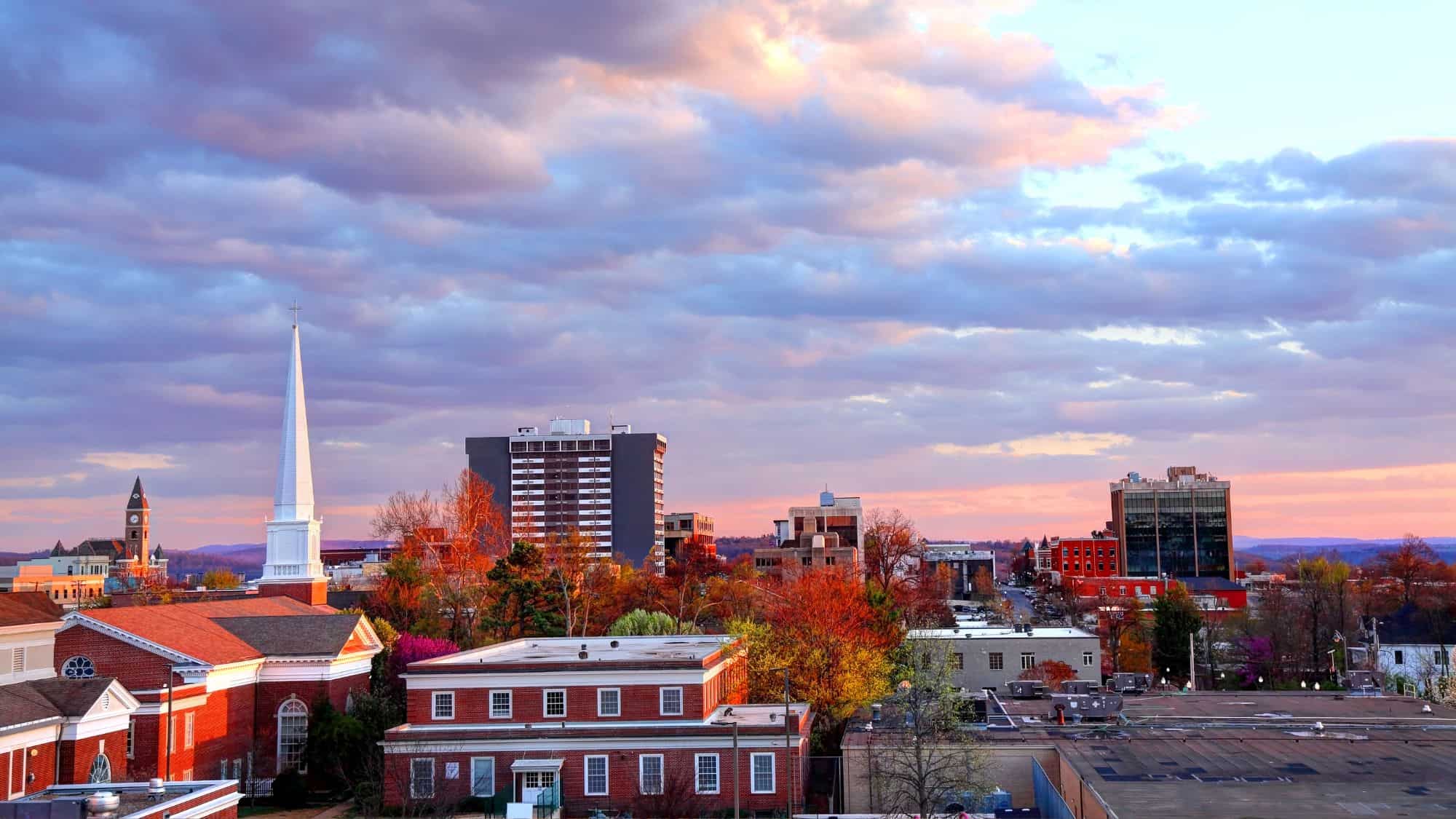
Set in the Ozark hills, Fayetteville mixes college-town spark with year-round outdoor access. Dickson Street is the heartbeat, with music venues, patios, and coffee shops that keep the energy high from morning to late night. The nearby square hosts a strong farmers’ market in season, and it is a good place to pick up local honey, flowers, or a pastry before you wander.
The Razorback Regional Greenway threads through town, which means you can bike to breweries, parks, and ballfields without tangling with busy roads. Sports fans time trips around fall Saturdays, yet spring brings its own charm with dogwoods and tulips. And the Botanical Garden of the Ozarks offers a calm loop for families, with kid-friendly features and plenty of shade.
Arts lovers should check the schedule at TheatreSquared for smart productions in an intimate space. Food ranges from brisket to banh mi, and the prices stay student-friendly. When you want a quick escape, Lake Fayetteville has an easy multi-use trail and simple rentals. The mix is the draw. You can hike in the morning, catch a matinee, then settle into a seat for an acoustic set after dinner, all within a short drive or ride.
Crater of Diamonds State Park
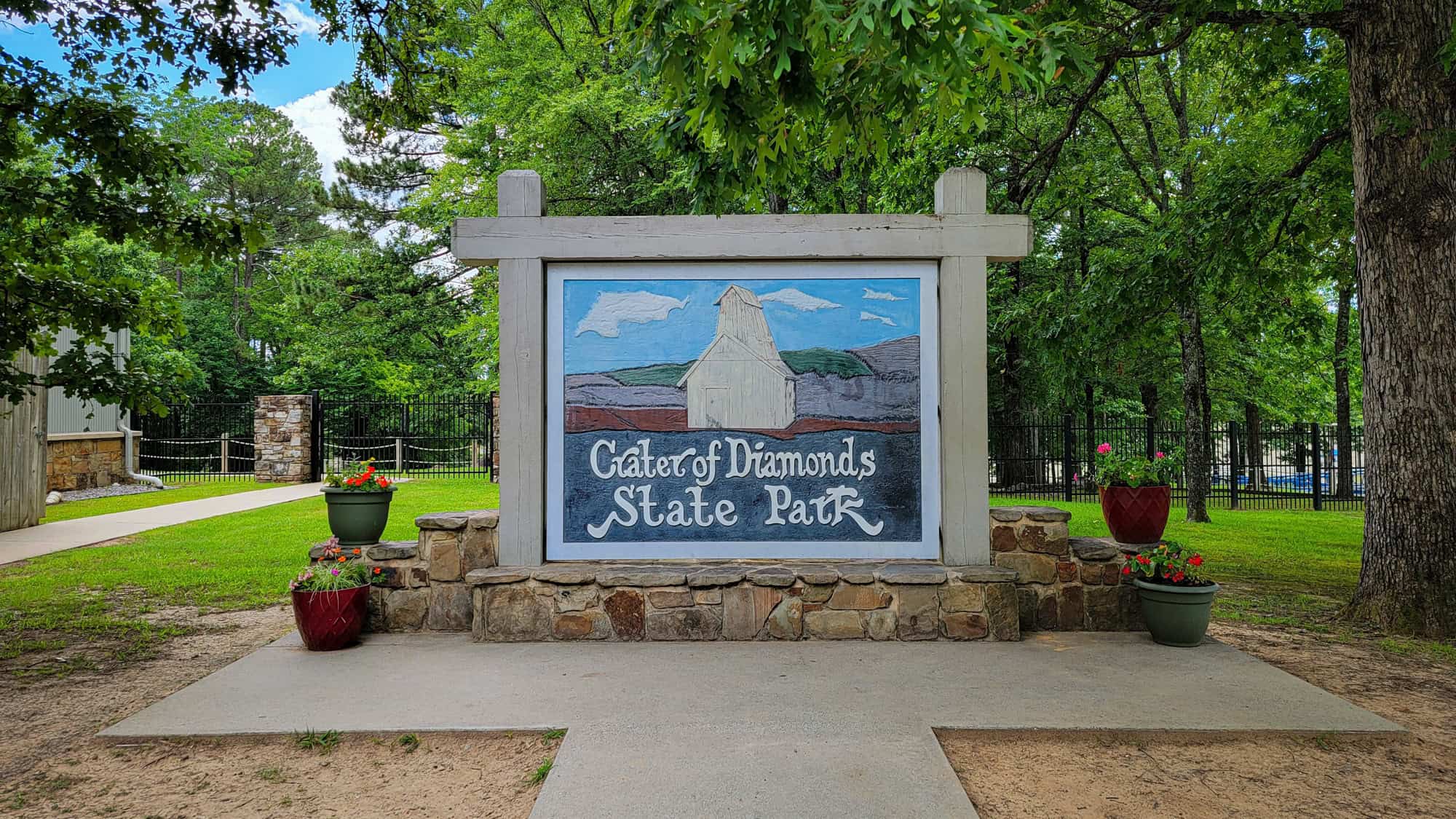
Where else can you pay a modest day fee and then walk into a real diamond field with a chance (however slim) to leave with a gem in your pocket? Crater of Diamonds is exactly that, a plowed volcanic field open to the public.
People find diamonds here every year, from small sparkles to stones that make headlines, and you get to keep what you find. The park provides simple rental tools, and staff share tips on how to spot the right shine on wet soil. After a rain, the surface can be easier to read, and cooler months help with comfort during longer searches. There are washing stations to sift gravel and shaded pavilions for breaks.
Even if you do not uncover a prize, kids love the hunt, and the story carries home well. A small water park opens in the warm season, giving families a fun afternoon activity after a dusty morning. Bring shoes that can handle mud and a hat matters in summer.
Whitaker Point, Also Called Hawksbill Crag
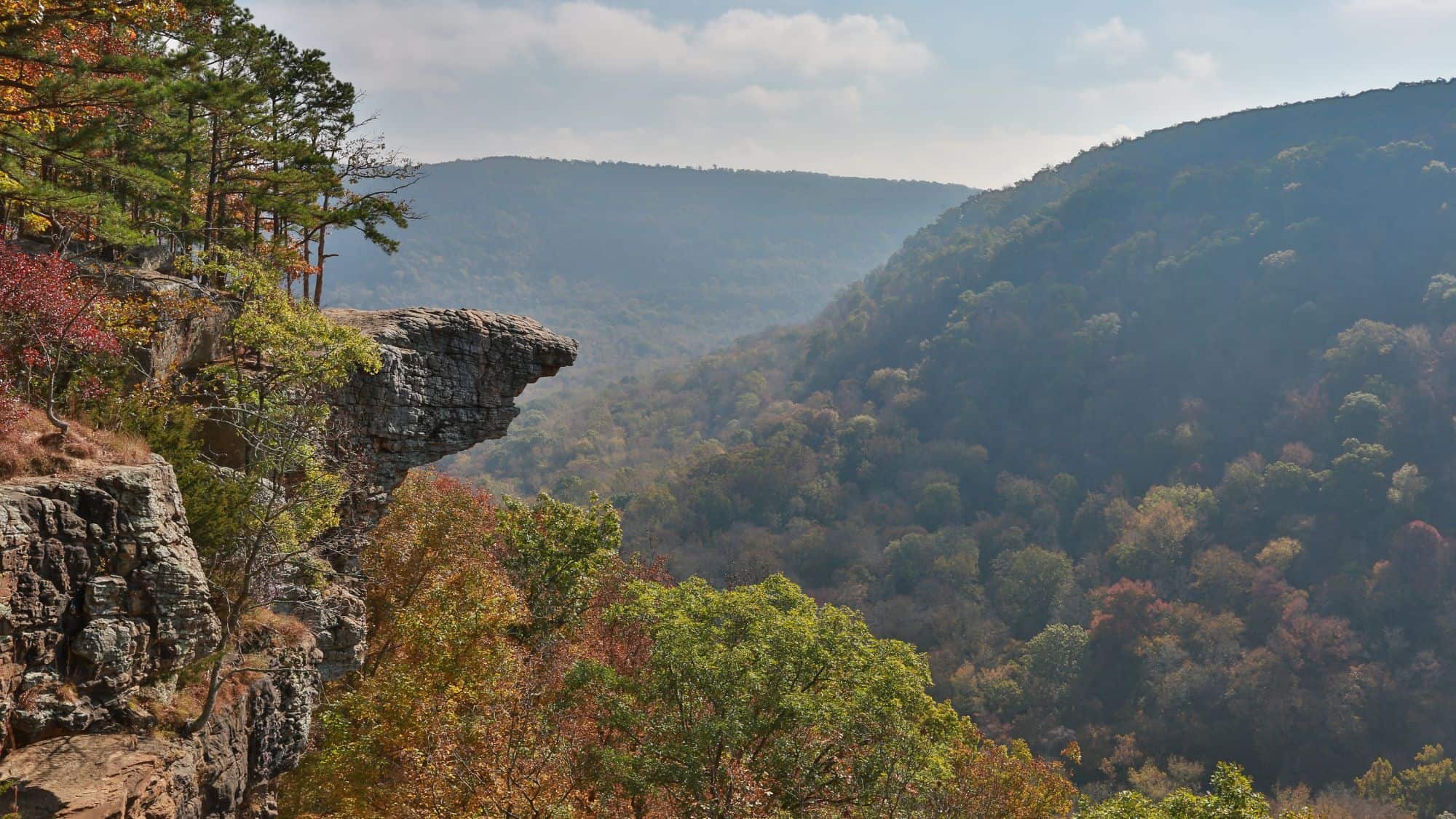
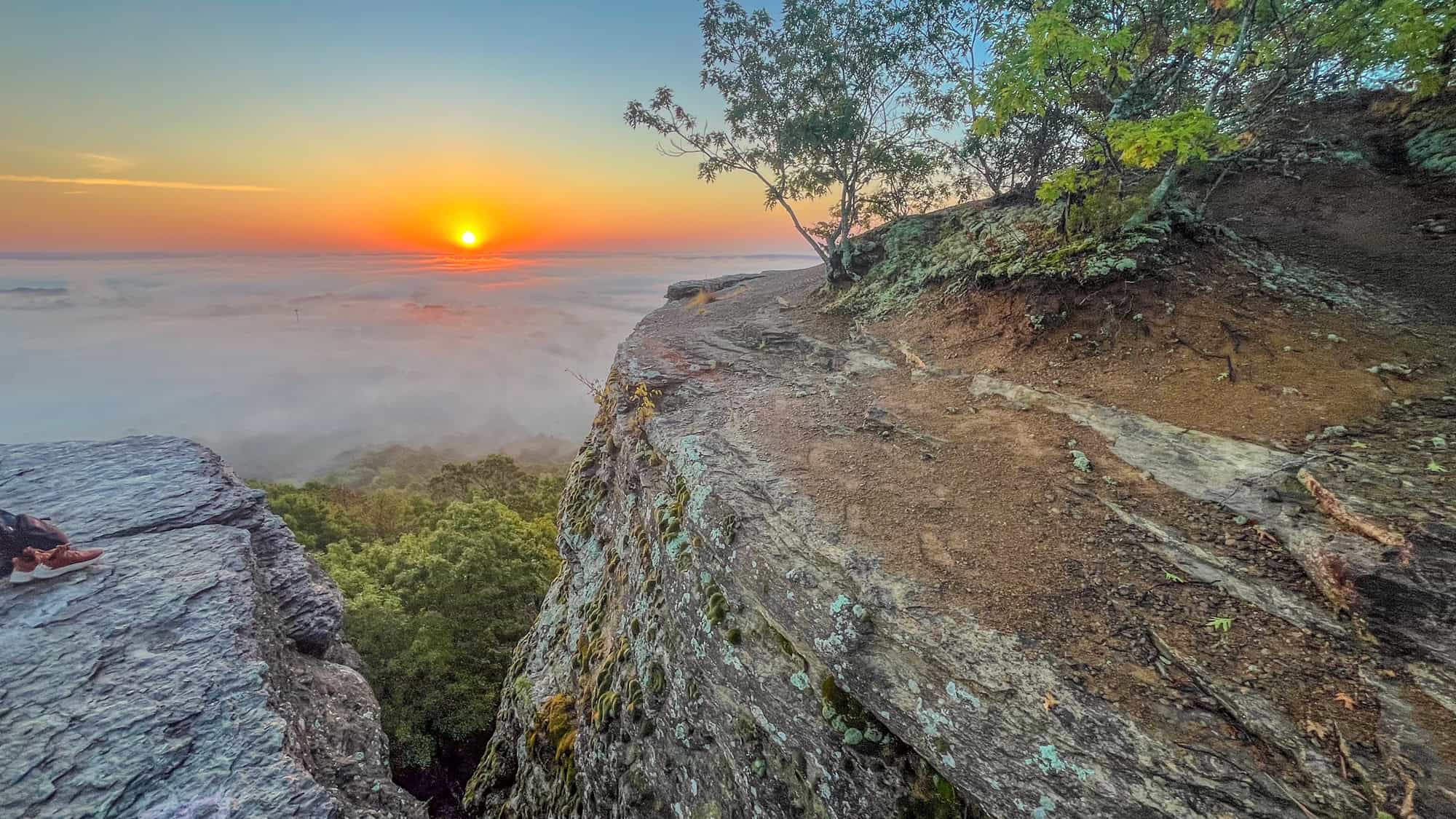
If there is a single scene that sums up Ozark drama, this is it. A rock ledge shaped like a beak projects from the bluff, and the view stretches over layers of forested hills. The hike is moderate, with roots and rocks underfoot, and it becomes slick after rain.
Allow time to share the ledge, since many hikers want their moment on the point. Morning and evening are the best for photos, with softer light and, in cooler months, fog that hangs in the hollows for a dreamy effect. Spring brings wildflowers along the path, and fall colors make the hills glow.
The gravel road to the trailhead can be rough in spots, so drive with care and avoid low-clearance vehicles when conditions are poor. Note that there are no services at the trailhead, so bring water and snacks, and carry out every wrapper.
Keep a safe distance from the edge. It is a long drop, and the wind can gust unexpectedly.
Lake Ouachita
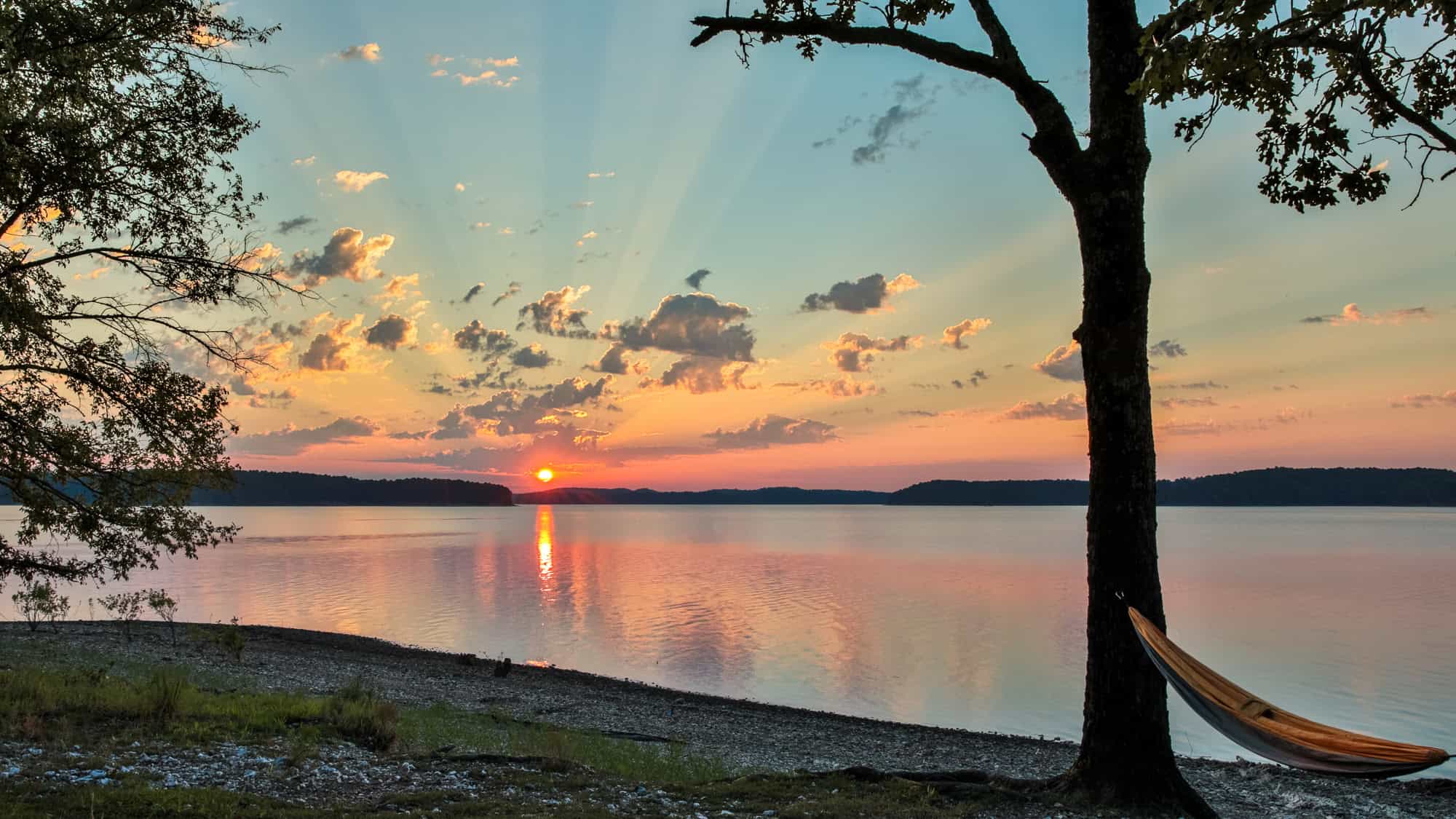
One of the clearest lakes in the region, Lake Ouachita, offers miles of shoreline and water that feels clean under a summer sun. Islands dot the main body, giving boaters places to pull up for a swim, and paddlers can navigate protected coves when the wind picks up.
The state park on the shore provides camp loops, a marina, and simple rentals. Scuba divers come for the clarity, and anglers chase striped bass and bream. If you prefer land, trails climb into the Ouachita Mountains for views back over the water, and the shade makes warm days manageable. Plus, nearby Hot Springs adds dining and a soft bed when you want to trade a tent for a hotel.
Water levels shift through the year, so check ramp conditions if you plan to launch. Like most lakes, summer weekends fill fast, and weekdays can feel roomy while most are at work. Sun protection matters out here, since the open water reflects light, and shoes that can handle rock and sand keep feet happy.
Eureka Springs
Curvy streets and steep hills give Eureka Springs a storybook look, and the layout is part of the charm. Victorian cottages cling to limestone ledges, and stairways cut between lanes to connect pocket gardens, galleries, and cafes. The entire downtown is on the National Register of Historic Places, which shows in the details, from iron balconies to stained glass.
Trolleys make getting around easier on busy days, a smart choice if parking hunts are not your thing. The Thorncrown Chapel sits in the woods just outside town, a soaring structure of wood and glass that seems to breathe with the forest. It is quiet, restful, and worth timing during open hours.
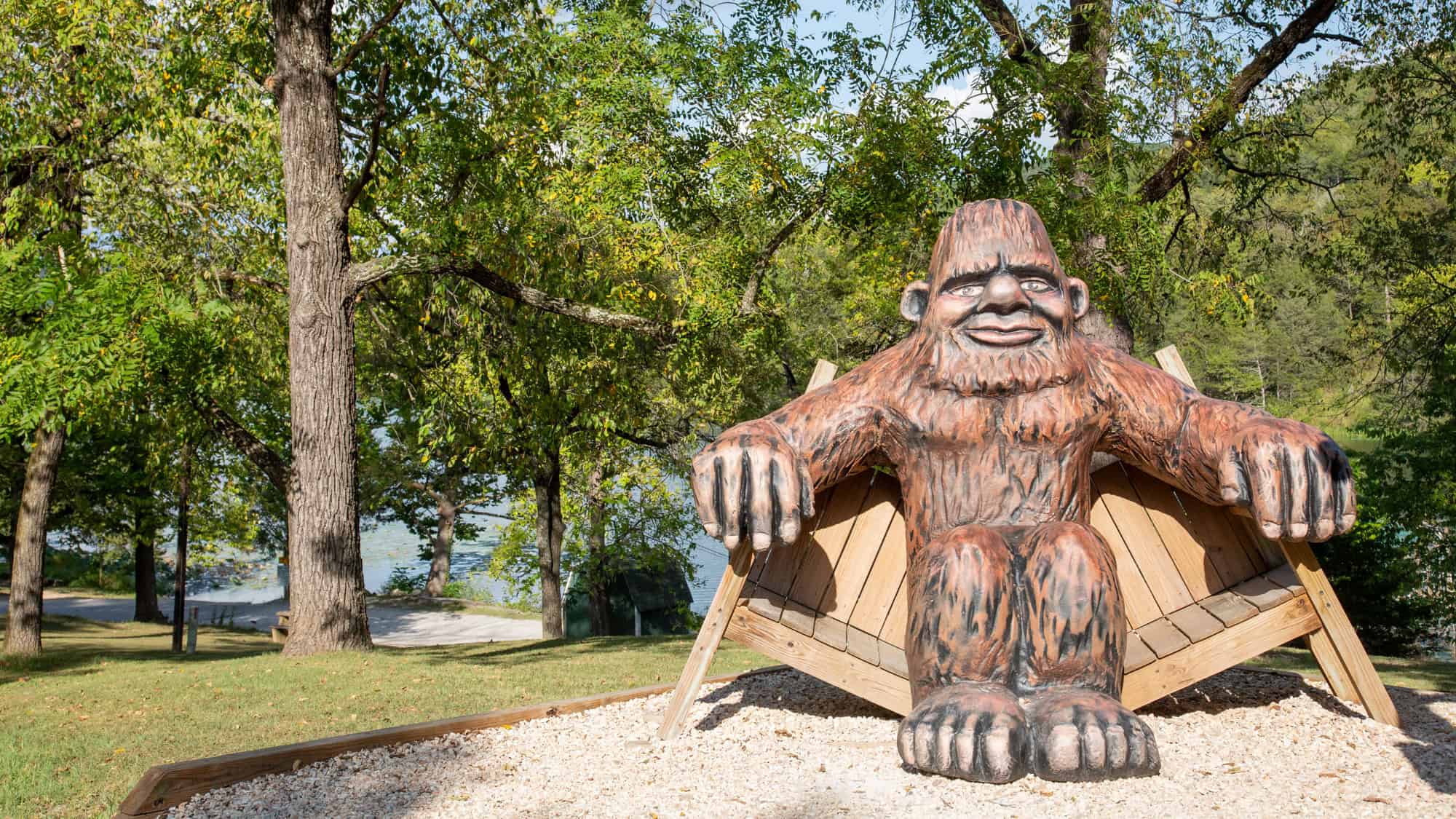
Live music and small theaters fill evenings with an easygoing buzz. Nearby lakes offer clear water for summer swims and paddles (and a chance to see Bigfoot), and leaf season turns the hills into an autumn show. But prices can spike on festival weekends, so book ahead if your dates are firm.
Ozark National Forest and Scenic Highway 7
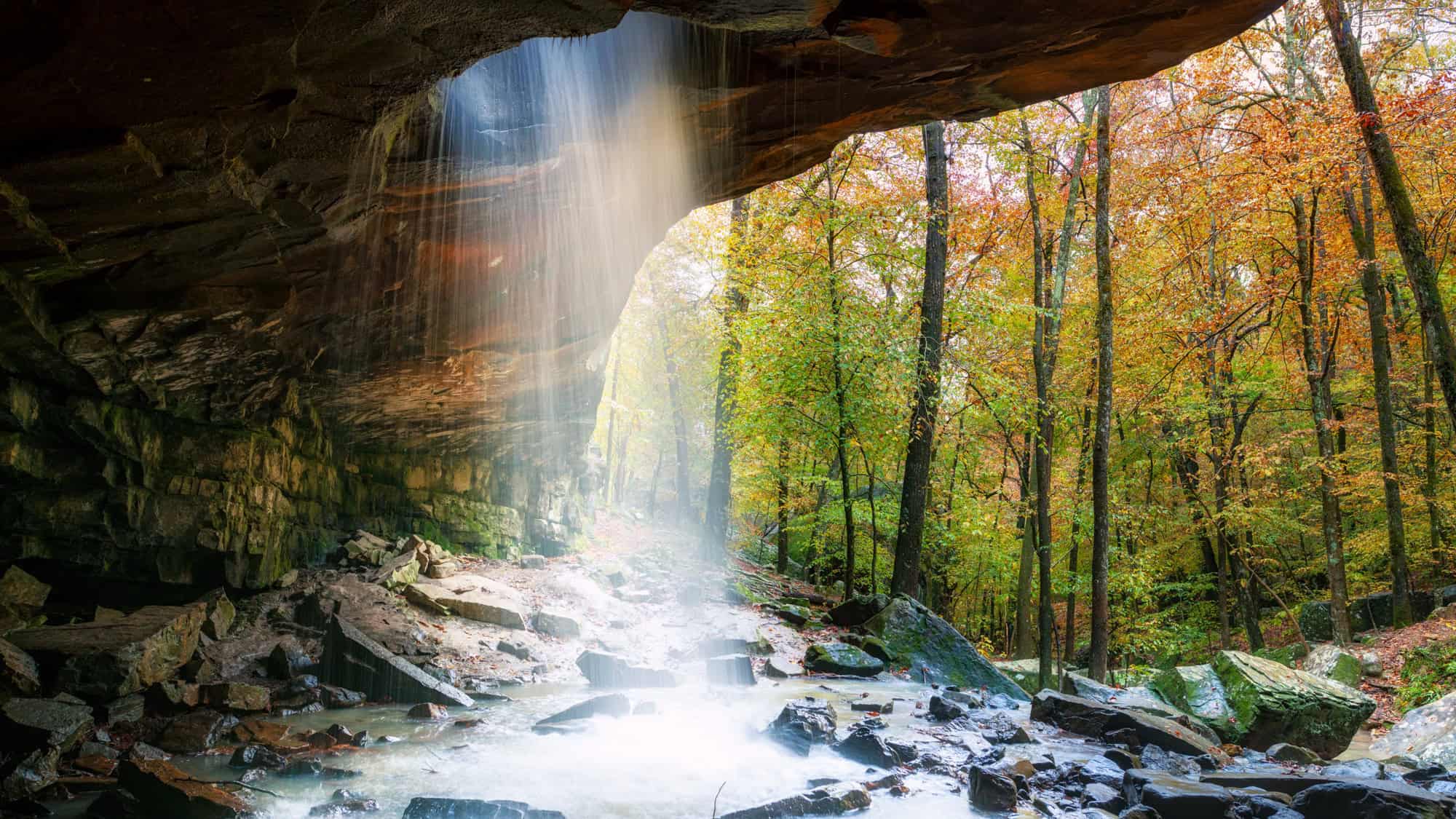
If your idea of a perfect day is a winding road, frequent overlooks, and trailheads that tempt you to stop every few miles, point your hood toward Scenic Highway 7. This route cuts through the Ozark National Forest, linking small towns with long views and quick access to short hikes.
The so-called Arkansas Grand Canyon appears along the way, a wide valley framed by ridges that catch sunrise and sunset in soft bands of color. Pullouts make photography simple, and seasonal produce stands add a small-town flavor to the drive. The forest holds waterfalls that wake up after rain, along with swimming holes that locals favor when the heat presses down.
Campgrounds and picnic areas appear at good intervals, so you can build a day that suits your pace. In the fall, this route turns into a rolling color show. In winter, bare branches reveal cliffs and rock faces you miss in leaf season. Just be aware that gas stations can be spaced out on the quieter stretches, so do not run low.
Greers Ferry Lake and Sugar Loaf Mountain
Greers Ferry Lake spreads out in blue arms with plenty of room for boaters, paddlers, and swimmers. Marinas provide rentals and fuel, and quiet coves become perfect hideouts on busy weekends. But one feature sets this lake apart.
Sugar Loaf Mountain rises from the water as a steep island with a trail to a summit plateau that delivers wide views over the lake and the surrounding hills. You reach the island by boat, then climb a short but steady path with stairs cut into rock. It is an adventure that mixes water time with a mini-hike, and it works for families with older kids who enjoy a challenge.
Sunset cruises glow here, with cliffs and trees catching the last light. But summer heat can be strong, so plan early starts and bring extra water. Shoulder seasons bring milder weather and quieter boat traffic.
This is a good pick when your group wants a bit of everything, from boating to a scenic climb, without committing to long drives between activities.
Like Our Content? Follow Us on MSN (or click the Follow Button above) for more from Discover Parks & Wildlife.