Discover Parks & Wildlife contains affiliate links and is a member of the Amazon Services LLC Associates Program. If you make a purchase using one of the Amazon links, we may receive compensation at no extra cost to you. We may also use select AI tools to support our creative process, but all content is reviewed, refined, and finalized by our human team. See our disclosure policy and our AI use policy for more information.
14 Wildly Stunning Alaska Spots That Leave You Speechless On Sight
There’s a certain feeling you get when you talk about Alaska. It’s a place that doesn’t just show up on a map; it commands its own section, often tucked away in a corner as if the rest of the country can’t quite handle its sheer size.
This is a land where the scale of everything feels cranked up to eleven, where mountains are unapologetically massive and glaciers move on a timeline that makes your daily to-do list feel hilariously insignificant.
It’s a world governed by its own rules, a place where wildlife doesn’t just exist but presides over the landscape with an ancient authority. And you don’t simply visit a place like this; you step into a story that has been unfolding for millennia, written in icy rivers and the determined gaze of a moose.
It’s a challenge to your sense of what “wild” really means, offering a type of quiet that is both humbling and deeply refreshing. This is a destination that promises to recalibrate your perspective, leaving you with memories that feel larger than life.
Denali National Park And Preserve

Denali National Park is the undisputed crown jewel of Alaska, and for good reason. It’s home to the tallest peak in North America, Denali, which looms over the landscape at a staggering 20,310 feet. The sheer size of the mountain is hard to comprehend, often shrouding itself in clouds as if to maintain an air of mystery. It even creates its own weather systems.
The park itself spans a mind-boggling six million acres, an area larger than the entire state of Massachusetts. And you can’t just drive your own car through most of it… which is probably for the best unless you enjoy playing chicken with a grumpy grizzly bear.
Instead, you hop on a park bus, which gives you the perfect vantage point for spotting wildlife. And what wildlife it is. You have a good chance of seeing the “big five”: grizzly bears, moose, caribou, Dall sheep, and wolves. The park road is the only road in the entire preserve, so the animals are pretty used to the buses, sometimes treating them as just another weird, mobile rock.
It’s a place that reminds you just how small you are in the grand scheme of things.
Kenai Fjords National Park
If Denali is Alaska’s mountainous heart, then Kenai Fjords is its icy, dramatic soul. This national park is where the massive Harding Icefield, one of the largest in the United States, spills down into the sea through dozens of glaciers.
The result is a breathtaking coastline of deep fjords, towering ice walls, and floating icebergs that look like abstract sculptures. The best way to experience it is by boat, cruising through the chilly waters while keeping an eye out for calving glaciers. This is when huge chunks of ice break off and crash into the water with a sound like thunder, a truly awesome and slightly terrifying spectacle.
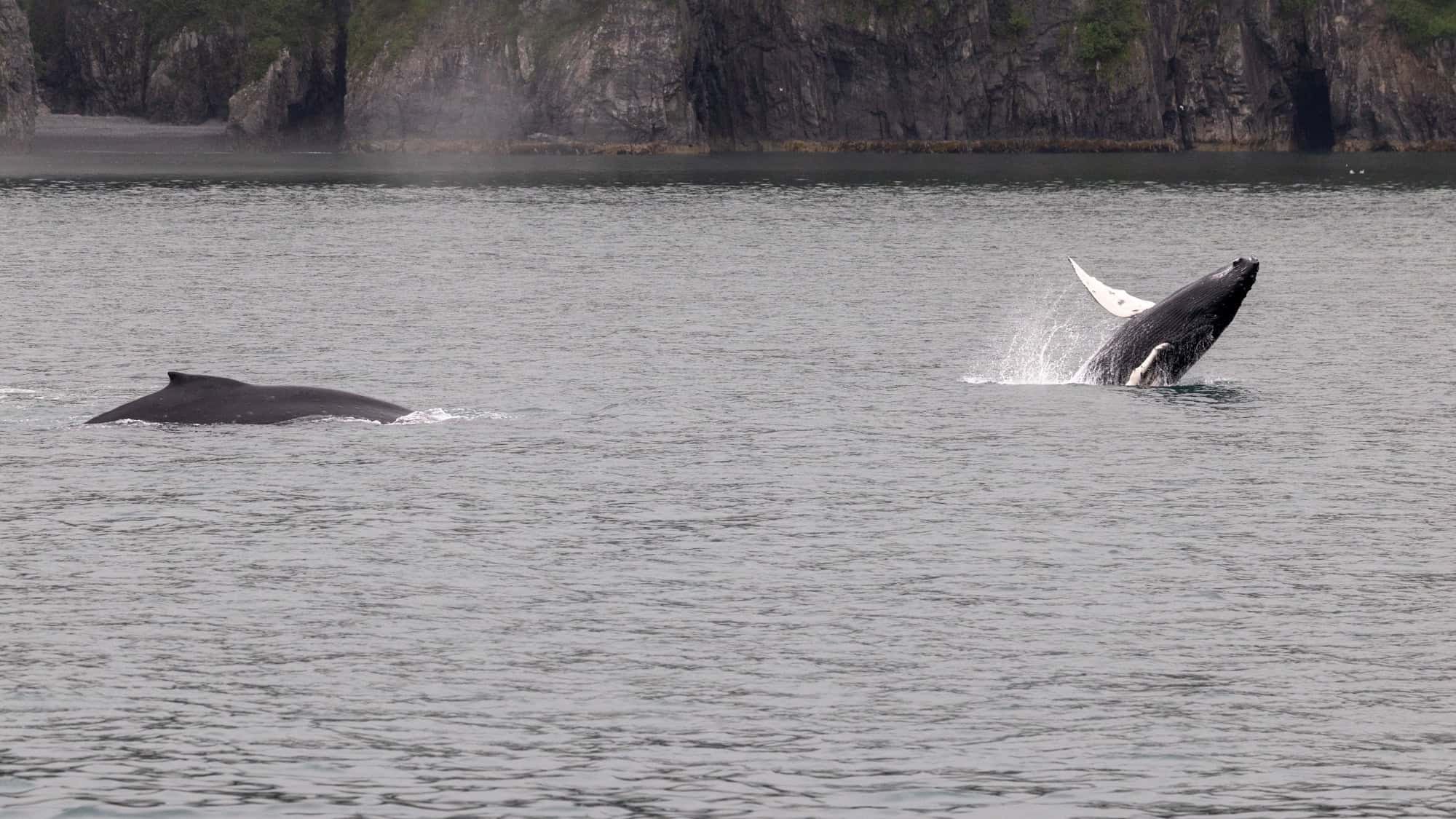
The park is also a haven for marine life. Humpback whales breach the surface, orcas patrol the waters, and sea otters float on their backs cracking open shellfish (the original dinner and a show).
The area is also home to thousands of seabirds, including the impossibly cute puffin. Just don’t get too close; their beaks are surprisingly sharp, a fact some overly friendly tourists have learned the hard way.
Inside Passage

The Inside Passage is less a single destination and more of an epic journey. It’s a network of waterways that weaves through the islands and fjords of Southeast Alaska, creating a protected marine highway stretching for about 500 miles.
Cruising this route feels like gliding through a postcard. On one side, you have the lush, temperate rainforests of the Tongass National Forest, the largest national forest in the United States, climbing up steep mountainsides. On the other side, you have the calm, protected waters dotted with islands and the occasional fishing boat.
The towns you’ll visit along the way, like Ketchikan, Juneau, and Skagway, are full of character and history. But the journey itself is the main attraction, offering a front-row seat to glaciers, whales, and eagles soaring overhead.
Mendenhall Glacier

Located just a short drive from Alaska’s capital city, Juneau, the Mendenhall Glacier is one of the most accessible glaciers in the state. But don’t let its convenience fool you; it’s still an awe-inspiring river of ice. Sadly, Mendenhall is retreating at a rapid pace due to climate change, having receded nearly 2 miles since the 1950s.
As of now, the glacier is about 13.6 miles long and flows from the Juneau Icefield, a massive expanse of ice that covers 1,500 square miles. And the visitor center offers fantastic views of the glacier’s face, where it meets Mendenhall Lake. From there, you can watch icebergs calve off into the turquoise water.
One of the most popular activities is hiking to Nugget Falls, a powerful waterfall that cascades down right next to the glacier. The trail is relatively easy, but be prepared to get sprayed.
The glacier is also known for its incredible ice caves, but accessing them is risky and requires a guide, as they are constantly changing and can be unstable.
Prince William Sound

Prince William Sound is the sort of place that makes your camera weep with joy (or maybe just with exhaustion, because you’ll never stop snapping photos). This breathtaking network of fjords, inlets, and islands on Alaska’s south coast covers around 10,000 square miles… basically, it’s cozy enough to feel intimate but big enough to lose your sense of direction and dignity if you forget your map.
The star attractions are the glaciers, more than 150 of them, quietly carving the landscape as if auditioning for the world’s slowest talent show. Columbia Glacier alone stretches over 30 miles.
Marine life here goes for the drama, too. Humpback whales, orcas, porpoises, and even the occasional sea lion are ready to steal the spotlight. Bald eagles patrol the air, and on the shore, black bears pop up without sending a calendar invite first. Someone on our cruise spotted one running along the bank.
Ketchikan

Ketchikan is the southernmost city in Alaska and often the first stop for visitors cruising the Inside Passage. Known as the “Salmon Capital of the World,” the city is built around its fishing heritage, and you can see salmon leaping up the ladder at Ketchikan Creek right in the middle of town. It’s a pretty impressive display of determination.
The town itself is a colorful collection of historic buildings perched on stilts over the water, connected by wooden boardwalks. Creek Street, the former red-light district, is now a charming area filled with art galleries, shops, and restaurants.
Ketchikan is also home to the largest collection of standing totem poles in the world, found at places like Totem Bight State Historical Park and Saxman Native Village. These intricate carvings tell the stories and histories of the Tlingit, Haida, and Tsimshian peoples.
With an average annual rainfall of around 150 inches, it’s one of the rainiest places in North America. Locals have a saying: “If you can’t see the mountains, it’s raining. If you can, it’s about to rain.” So, embrace the damp and enjoy the lush, green scenery.
Katmai National Park And Preserve

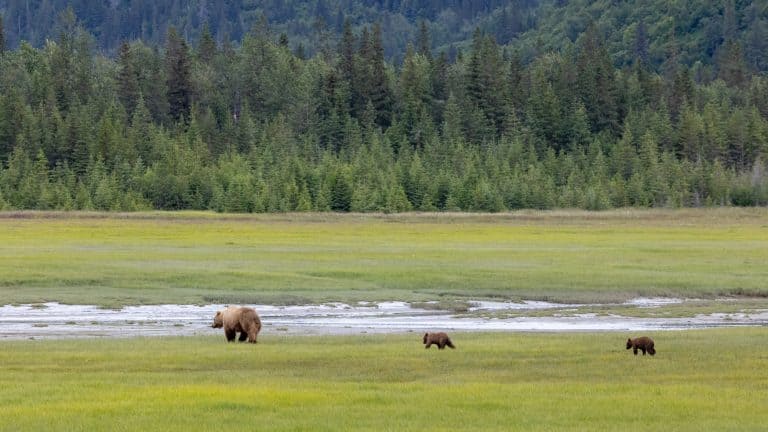
If you have ever seen that iconic photo of a massive brown bear standing at the top of a waterfall, mouth wide open to catch a leaping salmon, it was probably taken at Brooks Falls in Katmai National Park. This place is the undisputed kingdom of the brown bear. The park is home to an estimated 2,200 of them, one of the largest protected populations of bears on the planet.
The main event happens in July and September when sockeye salmon migrate up the Brooks River. The bears gather at the falls for an all-you-can-eat salmon buffet, and visitors can watch the spectacle from raised viewing platforms, safely out of reach of the hungry diners. It’s an incredible display of skill and brute force.
Besides the bears, Katmai is also famous for the Valley of Ten Thousand Smokes, a vast landscape of ash and pumice created by the 1912 eruption of Novarupta, the largest volcanic eruption of the 20th century. The eruption was so powerful that it was heard in Atlanta, Georgia.
Glacier Bay National Park And Preserve

Glacier Bay National Park is a testament to the power of ice. Just 250 years ago, this entire bay was filled with a single, massive glacier. Today, that glacier has retreated over 65 miles, leaving behind a stunning wonderland of fjords, inlets, and tidewater glaciers.
The park covers 3.3 million acres and is a UNESCO World Heritage Site. Most visitors experience the park via cruise ship or tour boat, which allows for up-close views of glaciers like the Margerie and Grand Pacific. The sound of a glacier calving, known locally as “white thunder,” while you are nearby, is something you’ll never forget.
The park is also a rich marine sanctuary. You’re almost guaranteed to see humpback whales, sea lions, and harbor seals. John Muir, the famous naturalist, was one of the first to document the bay’s rapid changes in the late 1800s. He described it as a place where you can witness “the processes of creation.”
The Dalton Highway

The Dalton Highway has a reputation that could make even the best GPS sweat. This 414-mile gravel adventure runs north from Fairbanks to the Arctic Ocean, with only three official towns and just enough services to keep your anxiety high and your credit card handy.
Originally built in the 1970s as a lifeline for the Trans-Alaska Pipeline, the Dalton is one of the most remote roads in the United States. Be prepared for truckers barreling past like they’re late for the Iditarod and dust clouds that turn SUVs a trendy shade of “Alaskan seasonal dirt.”
The highway delivers endless views of forests, tundra… and, just for good measure, enough potholes to teach you new words. Brave it, and you’ll pass over the Brooks Range, where the mountains make you look for the rewind button. If you make it to the end, reward yourself with stories no one will believe (and possibly a new respect for your car’s suspension).
Fairbanks

Located in the heart of Alaska’s interior, Fairbanks is the place to experience Alaska’s extremes (just try calling it “the Golden Heart City” around a local and see how many eye rolls you get). This energetic town is both a hub for culture and a launch point for outdoor escapades.
In summer, you’ll witness the midnight sun. That’s up to 22 hours of daylight (which means you’ll finally have a real excuse for losing track of time). Since you have plenty of light, head to Chena Hot Springs, just outside of town, where you can soak while surrounded by spruce forests and, if you linger into fall or winter, perhaps even see some green dancing across the sky.
Fairbanks is also home to the Morris Thompson Cultural and Visitors Center, where you can explore Alaska Native culture, and the University of Alaska Museum of the North, which has everything from ancient mammoth bones to contemporary art.
Don’t skip the quirky attractions, either. You might want to stop by the Fountainhead Antique Auto Museum or the annual Ice Art Championships that practically redefine “playing with your food.” Just don’t be surprised if you find yourself plotting ways to stay a little bit longer than planned. There’s a reason people come for a visit and end up calling Fairbanks home.
Wrangell-St. Elias National Park And Preserve

If you thought Denali was big, prepare to have your mind blown. Wrangell-St. Elias National Park is the largest national park in the United States, clocking in at an almost incomprehensible 13.2 million acres. That’s larger than Switzerland. It contains nine of the 16 tallest peaks in the country, including the second tallest, Mount St. Elias. It’s so vast and rugged that only two gravel roads enter the park, and much of it is accessible only by bush plane.
The park is home to the historic mining towns of Kennecott and McCarthy, which offer a fascinating glimpse into Alaska’s copper boom days. Kennecott was once a bustling company town, and its massive, red mill building still stands as a lonely sentinel against the mountains.
The park also contains the Bagley Icefield, the largest subpolar icefield in North America. It’s a place for serious adventure, from mountaineering and ice climbing to backcountry hiking.
This is not a park you simply visit; it’s one you confront, a truly wild place that demands respect and rewards with unparalleled solitude.
Anchorage

Anchorage might be Alaska’s biggest city, but calling it “urban” feels as accurate as labeling a moose a house pet. Wedged between the Chugach Mountains and Cook Inlet, it’s a place where you can grab coffee in the morning and spot a 1,500-pound neighbor (antlers included) by noon.
Anchorage boasts more moose than any other city in the world, which means stopping for wildlife on your way to dinner is just part of the local routine. Try explaining that to your boss in the south.
The city is a blend of outdoorsy spirit and welcoming hustle. You can conquer Flattop Mountain for sweeping views, then reward your effort at the vibrant Anchorage Museum. And miles of paved trail snake along the Tony Knowles Coastal Trail. It’s great for biking, jogging, or just pretending your marathon training is serious
Chugach State Park

Chugach State Park sits right at Anchorage’s doorstep, inviting you to trade your car horns for eagle calls (and the occasional bear sighting, just for some healthy excitement). It stretches nearly half a million acres, making it one of the country’s biggest state parks. That’s enough space for even the boldest “let’s go for a quick walk” to turn into a day-long adventure.
The Flattop Mountain Trail is the show-off here, drawing hikers with promises of panoramic city views and the chance to join a parade of people determined to beat their own personal best… or at least their neighbor’s.
If hiking’s not your thing, the scenic Seward Highway cuts along the park’s southern edge, offering unbeatable views of mountains and Turnagain Arm. Wildlife also keeps things lively; bears, moose, mountain goats, and Dall sheep seem determined to photobomb your outing without even asking permission.
Seward

Seward doesn’t just do “scenic.” It practically invented it, tucked between mountains and Resurrection Bay, where the pace is lively and every block hints at another adventure. Marine tours launch daily from the bustling port, with locals swearing that yes, the sea lions are loud enough to double as harbor alarms.
Downtown, the murals celebrate everything from sea otters to the town’s start as the end of the legendary Iditarod Trail (just in case you forgot, Alaska knows how to do distances). Seward is also the gateway to Kenai Fjords National Park, where you can watch glaciers tumble and puffins show off their undisputable “best hair” in the bird world.
The Alaska SeaLife Center doubles as both aquarium and animal hospital, both for sick seals and travelers who realize they’ve been outfoxed by the weather again. And in July, runners storm Mount Marathon, a race so intense the finish line should come bundled with extra socks and a medal for surviving gravity.
Of course, there’s also fresh seafood everywhere. Odds are, your sashimi had a more thrilling day than you did.
Like Our Content? Follow Us on MSN (or click the Follow Button above) for more from Discover Parks & Wildlife.
11 Scenic American Drives That Will Leave You Speechless

Ready to hit the road? Brace yourself for a journey that promises views that are so stunning that even your GPS might have a moment of silence.
11 Wildly Underrated Kansas Landmarks That Tourists Always Overlook

Think Kansas is all about flat stretches and endless wheat fields? Buckle up because the jaw-dropping images in this feature will have you rethinking that stereotype faster than you can say, “Who put that in the cornfield?”
15 Texas Hotspots That Will Spark Your Love for the State
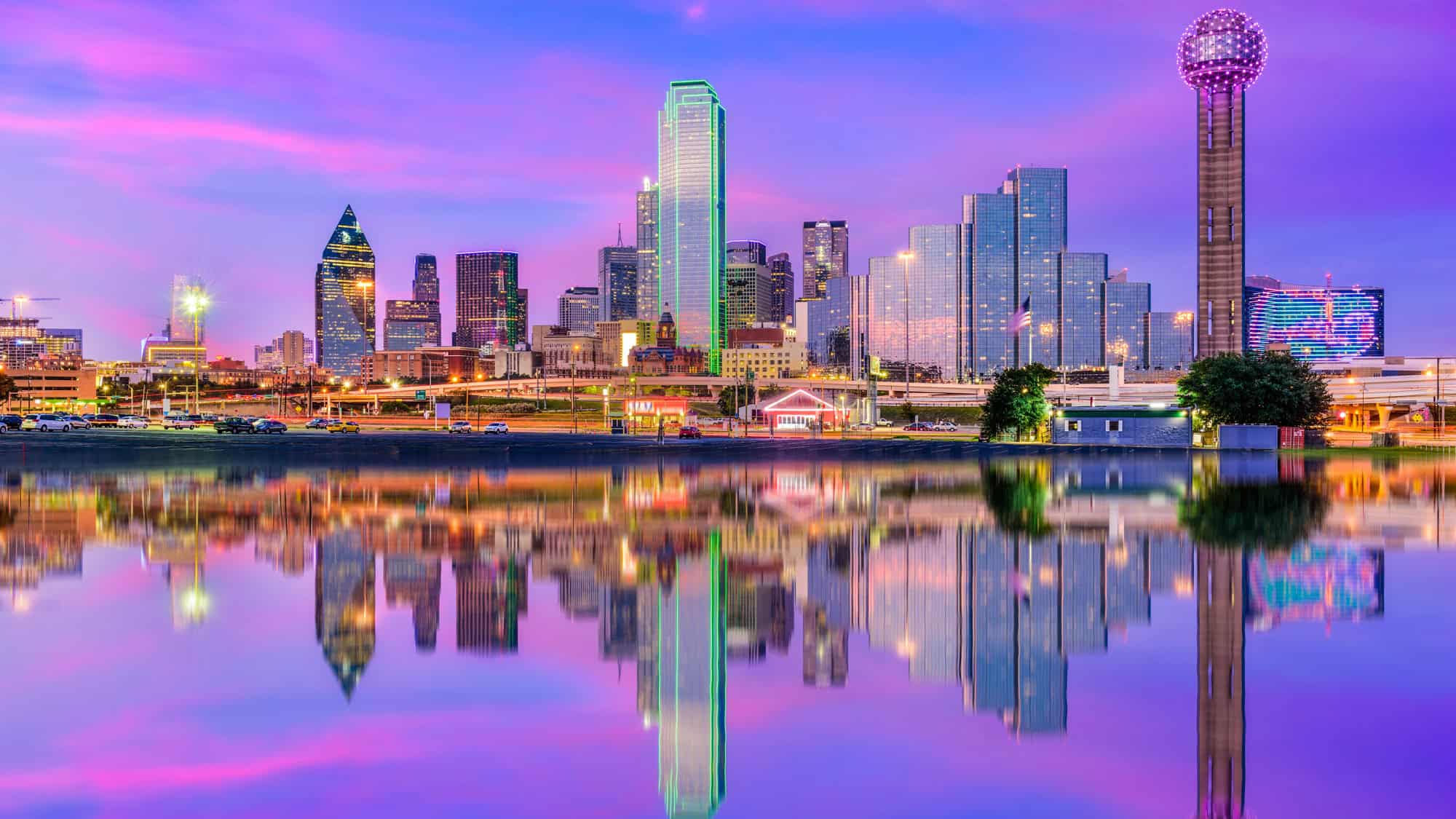
Prepare to have some Texan pride cranked up to eleven as you uncover a lineup of hotspots so delightful they’ll have you saying, “Forget what I thought I knew; bring on the BBQ and boot-scootin’.”