Discover Parks & Wildlife contains affiliate links and is a member of the Amazon Services LLC Associates Program. If you make a purchase using one of the Amazon links, we may receive compensation at no extra cost to you. We may also use select AI tools to support our creative process, but all content is reviewed, refined, and finalized by our human team. See our disclosure policy and our AI use policy for more information.
11 Underrated National Parks Around The World That Deserve Far More Attention Than They Get
If your travel list keeps cycling through the same poster parks, it is time to widen the lens. Because the world is full of protected places that run quieter, deliver bigger surprises, and feel more rewarding per mile. Think high plateaus where summer wildflowers brush your boots, laurel forests wrapped in mist, and river canyons that roar so hard you feel the sound in your ribs.
Some of these parks sit at the end of gravel roads. Others require a small plane or a ferry ride that only runs a few days a week. That inconvenience filters crowds and keeps the mood unhurried. You get room to breathe. You also get stronger details. The crunch of iron-rich rock underfoot. Clear pools tucked inside narrow gorges. Star fields bright enough to reset your sense of night.
Pick any of the parks below and plan with care. The terrain is real, the logistics matter, and the payoff is well worth it. You will come home with a story most travelers have not told, and a better sense of how big this planet still feels.
Sarek National Park, Sweden
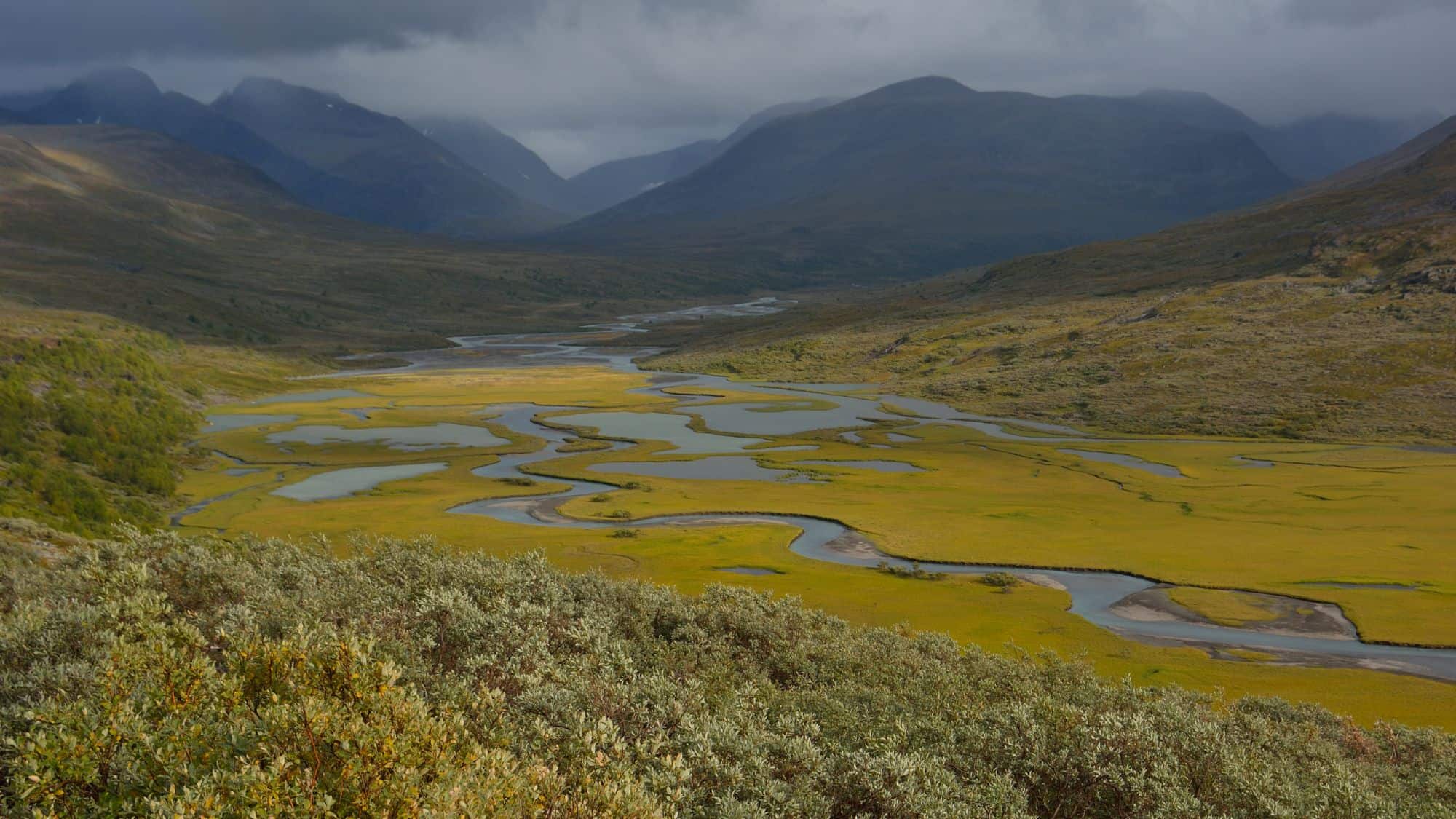
Sarek is wild in the purest sense. No roads, no lodges, just a lattice of glacial valleys and more than ninety glaciers feeding braids of cold, milky water. Peaks ring the horizon, including Sarektjakka, and the Rapa Valley sweeps toward a wide delta that looks hand-painted from the high ground. This is Sami reindeer country, so tread with care around grazing routes and seasonal camps.
Navigation is part of the draw. Maps matter, creek crossings demand judgment, and the weather turns quickly. Treat a week in Sarek like a light expedition with flexible plans and honest turnaround times.
For a preview, hike the Kungsleden along the park’s edge and gaze inward at the skyline. For the full effect, shoulder a pack and move valley to valley, camping on dry benches above the floodplain. You will likely see more reindeer tracks than boot prints, more shifting light than fixed views. But that is the point. Solitude, big relief, and a landscape that sets its own pace.
Karijini National Park, Australia
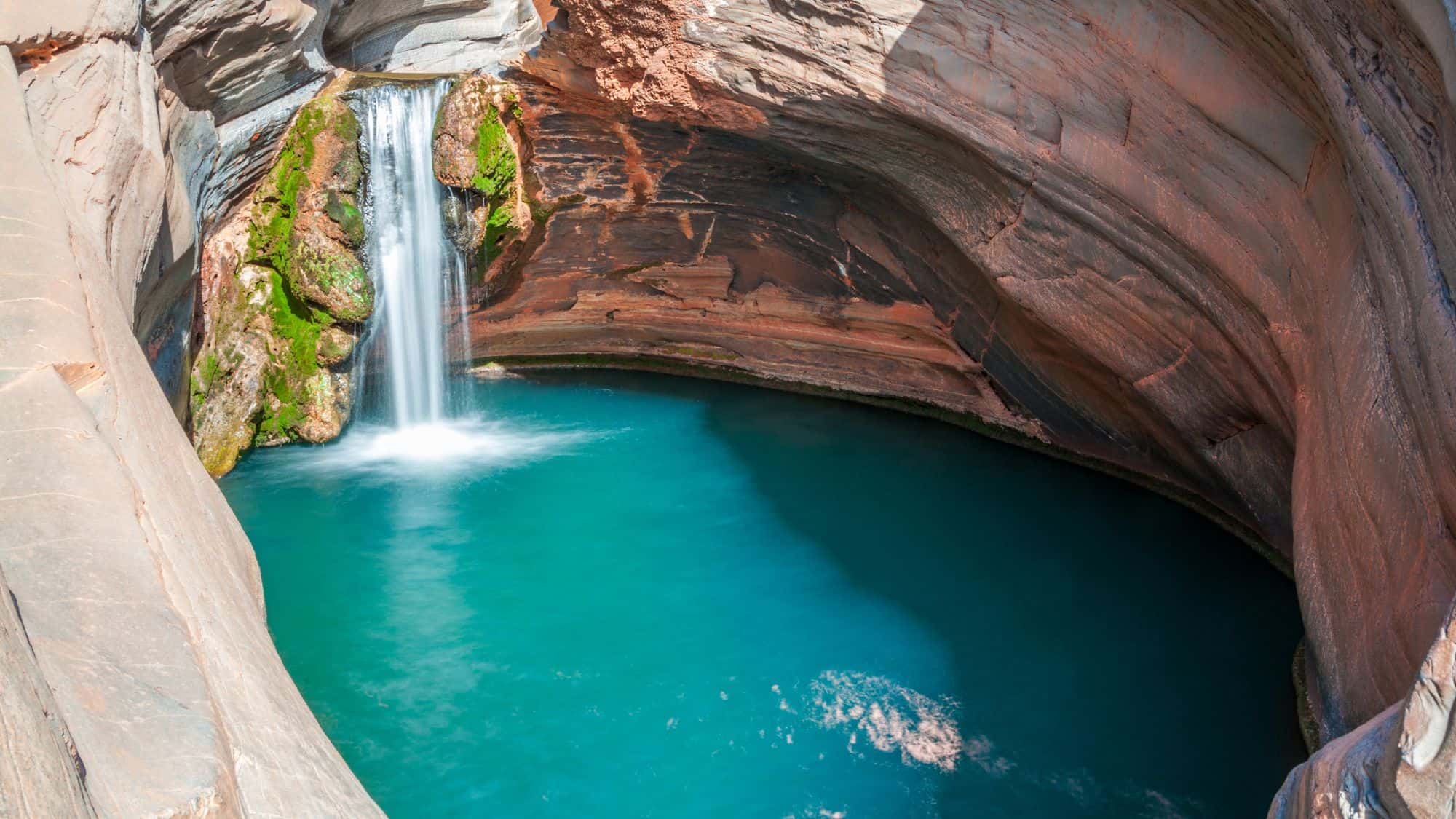
Karijini packs drama into every step. Ancient Pilbara rocks are banded iron, rust red, and deeply cut by water. Trails drop into narrow slots where you brace, stem, and wade toward shaded pools. Hancock and Weano are the classic starters, with short ladders and smooth chutes that lead to cold, glassy water.
Oxer Lookout frames a four-gorge junction that includes Weano, Red, Hancock, and Joffre. The view is a lesson in scale and time. Temperatures mellow from late fall through early spring, which is the sweet spot for long days outside (don’t forget this is in the southern hemisphere). And expect to get wet. Wear shoes with real grip and carry a dry bag for your phone and camera.
This is Banyjima, Kurrama, and Innawonga Country, so learn the basics before you go and treat cultural sites with respect. Tracks can close after heavy rain, and conditions shift quickly. Build slack into your plan and be ready to pivot. Do that, and Karijini rewards you with color, texture, and swimming holes that stay in your head for months.
Lencois Maranhenses National Park, Brazil
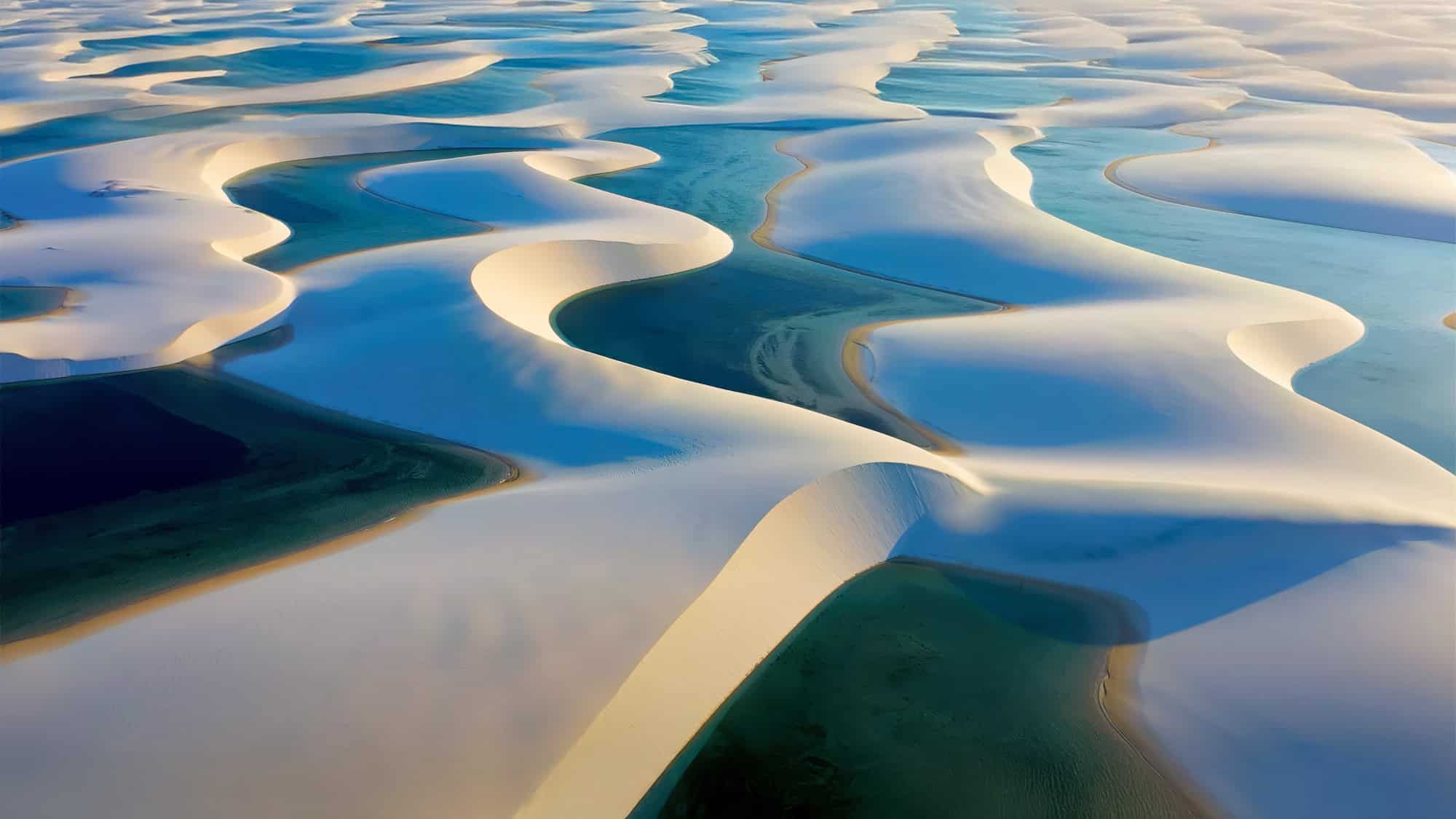
On paper this looks like desert. In person, Lencois Maranhenses becomes a shifting sea of white dunes laced with rain-fed lagoons that turn vivid after the wet season. The best window usually runs from June through September. Wade into warm freshwater basins that sit like hidden infinity pools between soft ridgelines.
Local drivers reach dune access points from Barreirinhas, Santo Amaro, and Atins, but the most rewarding experience is an overnight trek between oases. Go with a licensed guide, cover up for the sun, and pack more water than you expect to drink. The park spans a broad coastal swath with about 43 miles of shoreline, and wind and light change the look by the hour.
Skip the busiest buggy routes if you want silence, then climb a ridge at dusk to watch the sand take on blues and purples as the heat fades. It is simple travel with a big payoff.
Auyuittuq National Park, Canada
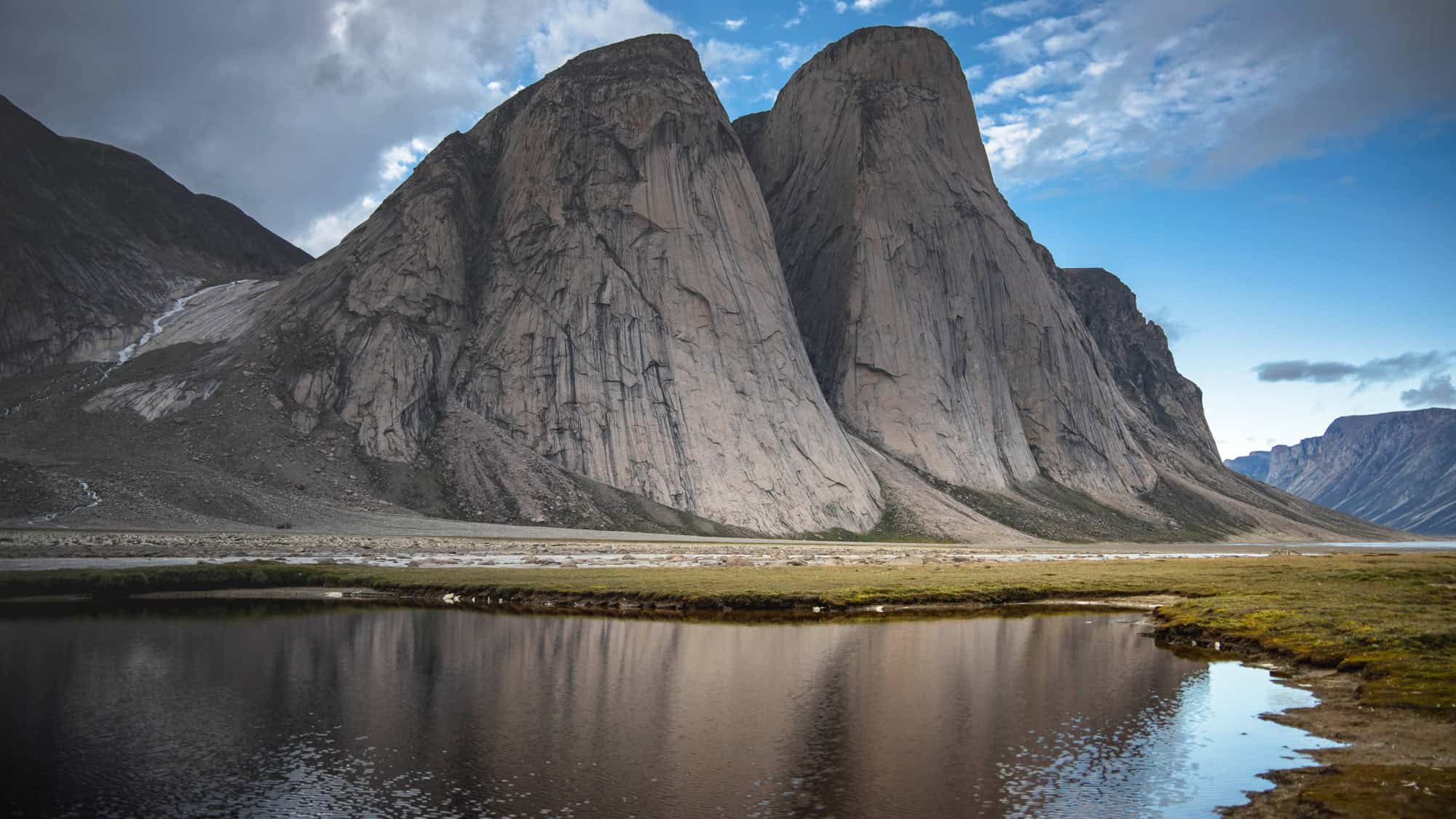
Auyuittuq stretches along Baffin Island’s Cumberland Peninsula, where granite walls guard a long, glacial corridor called Akshayuk Pass. The classic traverse runs about sixty miles with emergency shelters spaced a day apart.
Summer brings bright nights and braided channels that require cold, careful crossings. Late spring shifts the mode to skis and pulks. Peaks tower above the Weasel and Owl Rivers, and the Inuktitut name translates to “Land That Never Melts.” This is Inuit homeland, so be respectful around cultural sights.
The route is straightforward, but the environment is not forgiving. Storms blow in, water levels jump, and decision-making matters. But get the window right and the pass becomes a moving gallery. You will finish tired, proud, and very aware of how small a person feels in the big Arctic terrain.
Simien Mountains National Park, Ethiopia
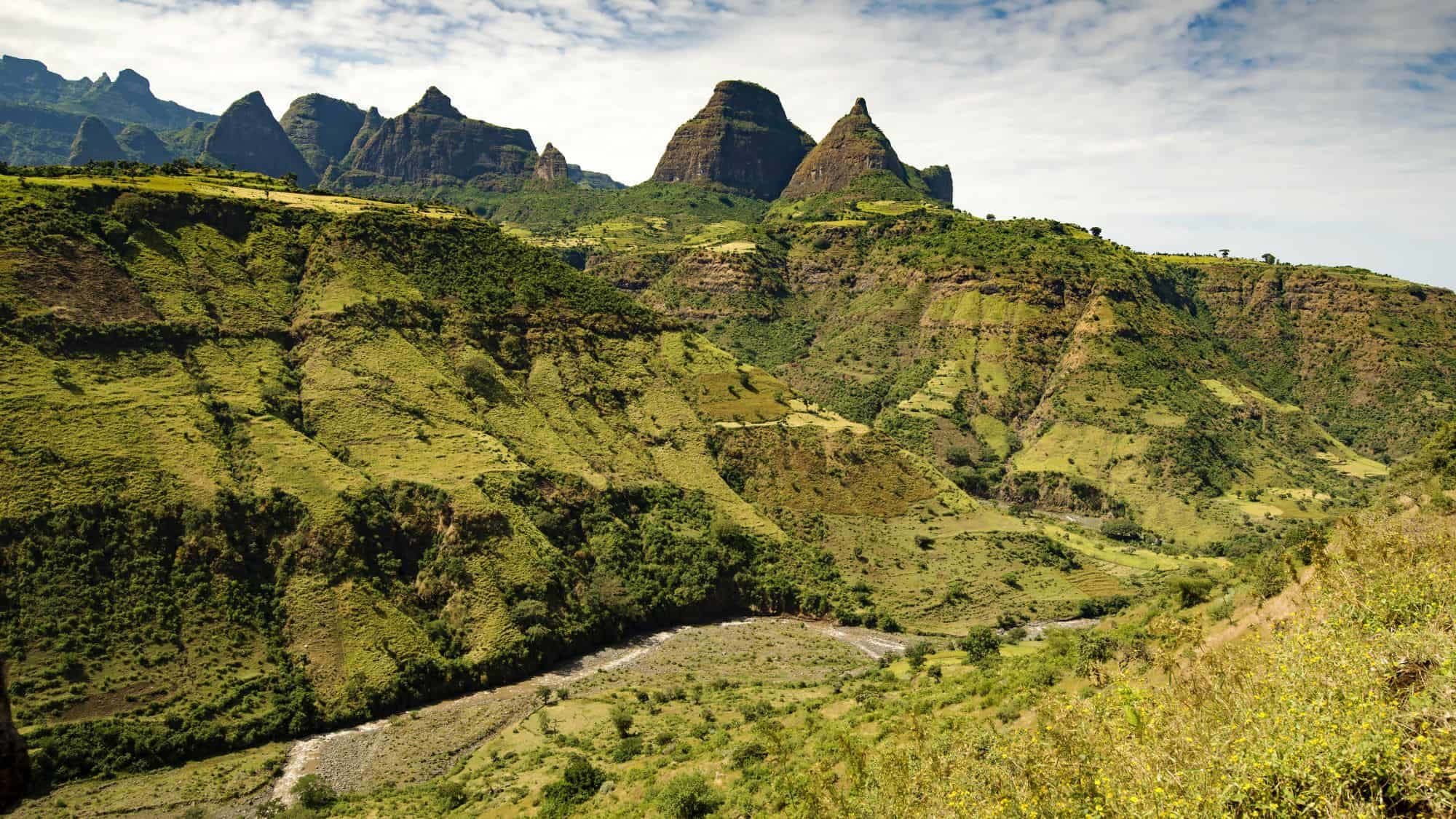
The Simiens rise in tiers, a highland kingdom of cliffs and grassy plateaus. Trails link villages and viewpoints where gelada monkey troops graze with casual confidence. Ras Dashen tops out above 14,900 feet, but the daily magic sits in the escarpments.
Wildlife draws birders and big-view hikers alike. Walia ibex hold precarious ground on ledges, and lammergeier circle on steady wings. You can move hut to hut with pack animals and local staff, or use a vehicle to hop between trailheads and string together day hikes. Just don’t forget to pack layers for chilly evenings and crisp mornings.
The park’s rhythm blends human life and high country in a way that feels rare. Hours pass quickly because every bend reveals another shelf, another village, another horizon that runs right off the edge of the plateau. Tip? Hire local guides and scouts to keep logistics smooth and to support the communities that live here.
Nahanni National Park Reserve, Canada
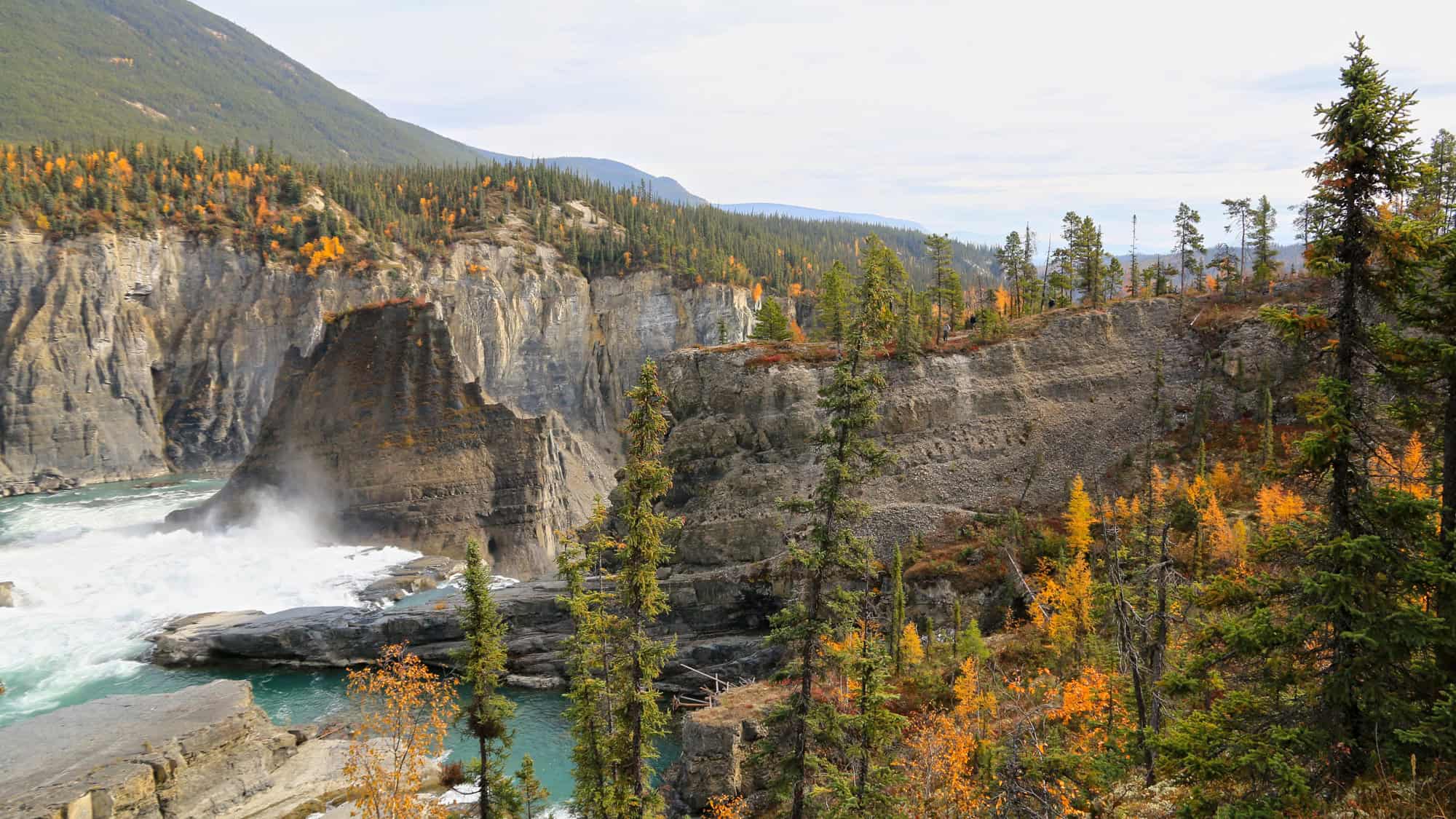
Nahanni is river country at a grand scale. The South Nahanni slices through limestone and drops at Nailicho, known as Virginia Falls, from a height that dwarfs more famous cascades. The sound hits first. Then the spray.
Most trips start with a floatplane and end days later at a gravel bar that feels like a private airstrip. On foot, short trails climb to overlooks where the river folds around cliffs and spruce flats. The Cirque of the Unclimbables spikes the skyline with granite that climbers dream about.
Outfitters can help with logistics, but you still earn every mile with weather, current, and decisions about side hikes. Build a layover day to explore canyons or just sit with the view. Just don’t forget to treat it like a true wilderness trip with conservative choices, a respect for bears, and a willingness to change course when conditions shift.
Conguillio National Park, Chile
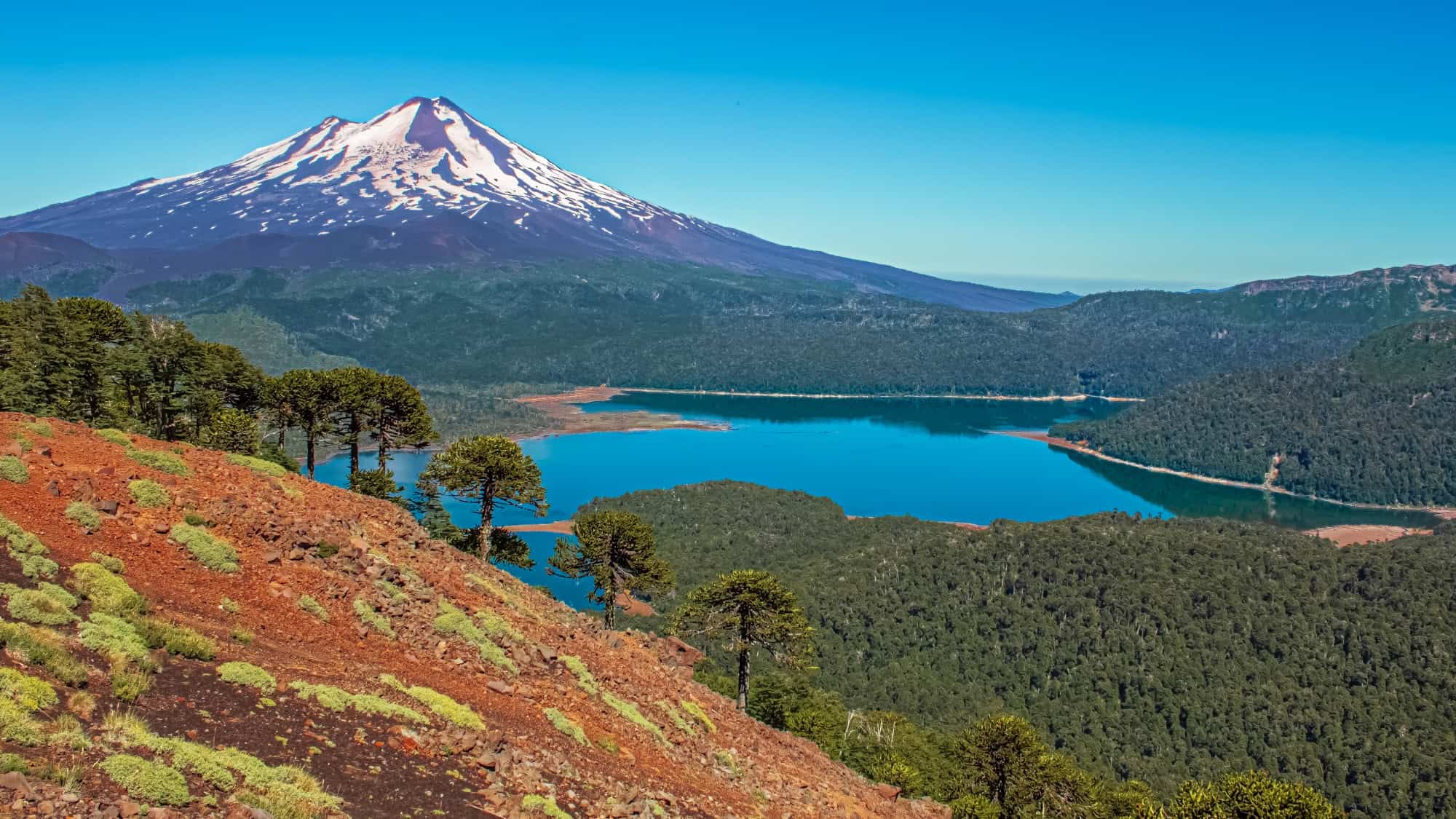
Conguillio is a study in contrasts. Black lava, turquoise lakes, and ancient araucaria forests share space with one of Chile’s most active volcanoes. Llaima rises to about 10,630 feet, its snow-covered cone mirrored in Lake Conguillio on calm days.
Trails climb through monkey puzzle groves to viewpoints where the water glows against fresh flows. The Sierra Nevada route is the crowd favorite, and for good reason. It switchbacks from forest to airy balconies with wide views of Llaima and the lake below, and you can tailor distance to time and fitness.
Getting here is pretty straightforward. Fly into Temuco, then drive about two hours to the northern Laguna Captren entrance or roughly ninety minutes to Melipeuco on the south side. Winter and early spring can bring closures, so expect the southern approach to open first (some gates stay shut until roughly November). Summer delivers long, dry days, though afternoon wind is common.
Deosai National Park, Pakistan
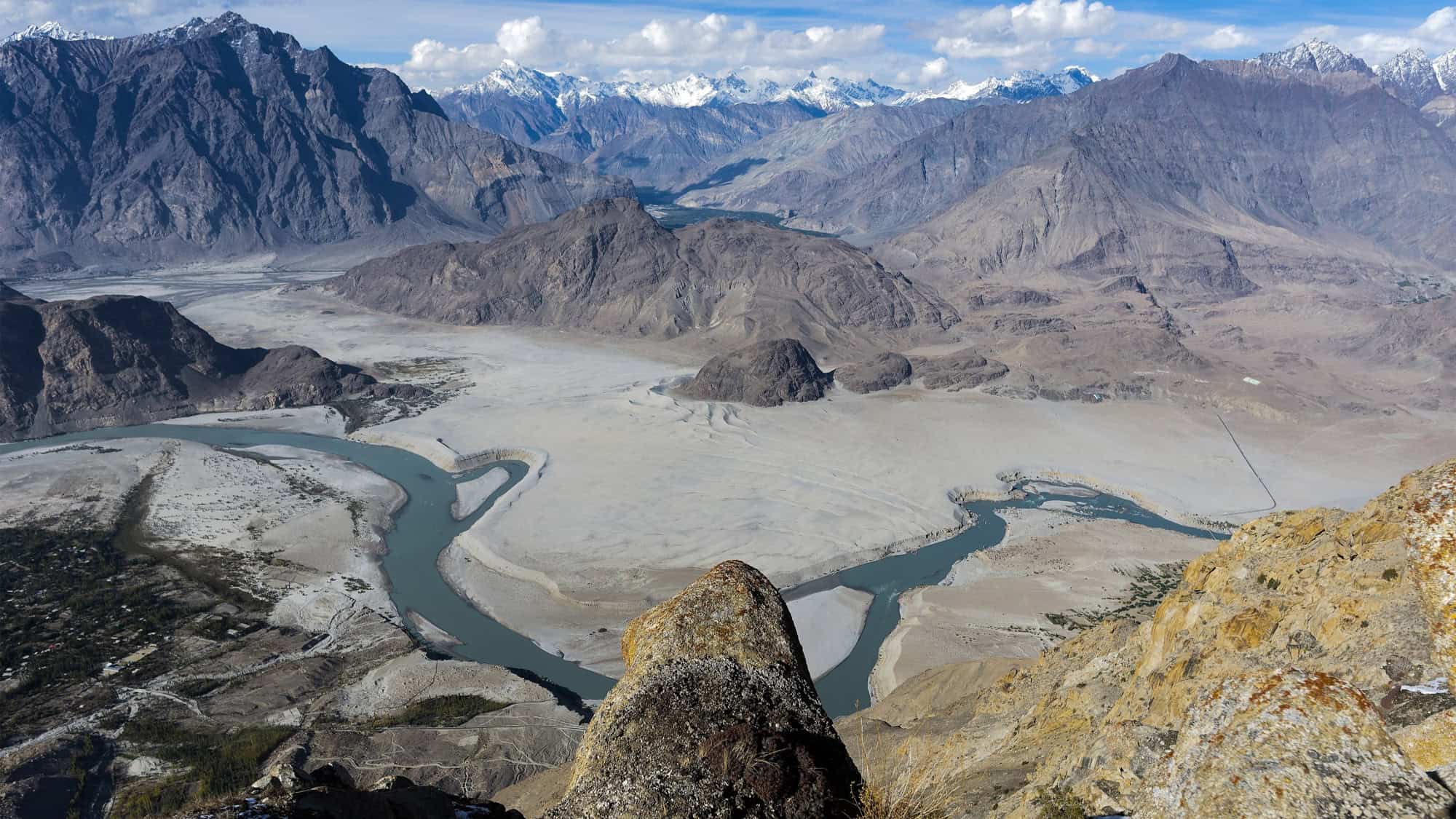
Deosai spreads across one of the world’s loftiest plateaus. And average elevation sits around 13,500 feet, which means thin air and big skies. In late summer, the grassland turns floral, and marmots whistle from burrows that pepper the tundra. The park is also crucial habitat for the Himalayan brown bear. Give them room and keep food locked away.
Gravel roads from Skardu and Astore reach the meadows when the snow retreats. But weather can flip fast, so start early and carry layers even in peak season. A day along the streams delivers the park’s simple pleasures. Clear water, long horizons, and a blissful lack of crowd noise.
The name often translates as “Land of Giants”, and the scale backs that up. A short stroll feels like a journey because distances stretch in the incredible light. If you want solitude with wildlife and a sense of altitude, Deosai delivers without fuss.
Tsingy De Bemaraha National Park, Madagascar

Tsingy means walking on tiptoes, which makes sense the first time you see the stone forest. Water and time carved the limestone into blades and fins that run for miles as far as the eye can see. Routes thread through slots, over suspension bridges, and across short ladders set into the rock.
The park feels like a natural maze with a rhythm all its own. You move carefully, then stop to watch as birds dart between spires. Below ground, caves and rivers hollow the massif. The dry forest adds lemurs and rare birds to the checklist.
Access is seasonal, and road conditions shift after rain, so build buffer days into your plan. Hire licensed guides for safety and for wildlife spotting that you would miss otherwise. It is unlike anywhere else in the world, and isn’t that the draw?
Guadalupe Mountains National Park, Texas

Texas keeps a secret in its far western corner. Real mountains. Guadalupe Peak tops out at 8,751 feet, offering a rewarding climb with approximately 3,000 feet of elevation gain and expansive views over the Chihuahuan Desert.
The range is the exposed spine of the ancient Capitan Reef, so every cliff tells a marine story in stone. Trails stay primitive, which keeps the mood unspoiled. Because it’s the desert, carry more water than you think you need and watch the wind forecast. Gusts can turn a calm day into a bracing push on the exposed switchbacks near the top.
Fall often brings ideal temperatures and clean air. Add a side hike to McKittrick Canyon for bright foliage and narrow walls that frame the sky. There are no tourist shuttles here, no easy shortcuts to the summit. Just steady work, starry nights, and the quiet satisfaction of a view you earned.
Garajonay National Park, Spain
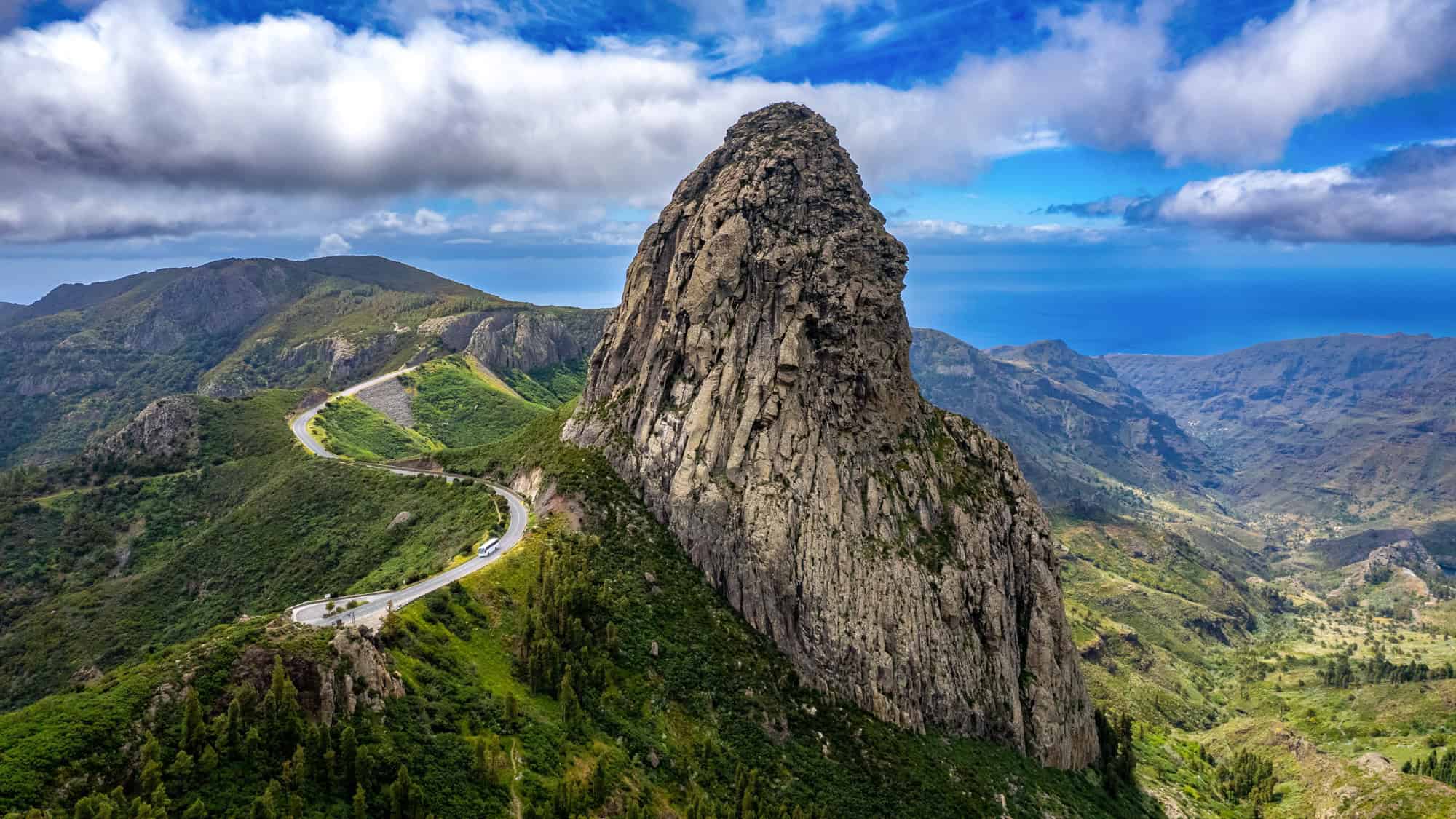
In the middle of La Gomera, trade winds feed a rare laurel forest that once stretched across parts of southern Europe. Mist collects in the canopy and drips from mossy trunks, softening sound underfoot.
Trails weave through the green and rise toward ridges where views open to neighboring islands when clouds lift. And the protected core covers about 15 square miles, topping out at 4,879 feet on the peak of Garajonay.
Drive times are short on the island, so it is easy to pair a morning ridge walk with an unhurried coastal lunch. Spring brings lush growth, winter offers quiet paths, and summer mornings reward early starts before the day warms. This is low-drama hiking in the best sense.
Like Our Content? Make sure to join our newsletter for all the latest on outdoor adventures (and a FREE STARGAZING GUIDE). Click here to sign up!