Discover Parks & Wildlife contains affiliate links and is a member of the Amazon Services LLC Associates Program. If you make a purchase using one of the Amazon links, we may receive compensation at no extra cost to you. We may also use select AI tools to support our creative process, but all content is reviewed, refined, and finalized by our human team. See our disclosure policy and our AI use policy for more information.
11 Unmissable U.S. Wildlife Hotspots For Your Thanksgiving Travel
Each November, something remarkable happens between the last blaze of autumn and the hush of winter. Fields quiet, trails empty, and the land itself seems to take a deep breath. Yet beneath that calm, life is anything but still. Rivers swell with the whisper of wings, forests pulse with hidden motion, and cold air carries distant calls that echo across half-frozen valleys.
Travelers who set out around Thanksgiving often find themselves part of this rhythm, crossing landscapes that hum with subtle energy. The crowds have gone home, but elk still step through snow-dusted meadows, and cranes rise through mist at dawn in astonishing numbers. The sound of a thousand wings, the flash of a white tail in morning frost, the ripple of breath from a manatee surfacing, each moment feels like a quiet secret offered to those with a bit of patience.
There is a beauty in the timing, too. The days are short, the air holds a bite, and every hour outdoors feels earned. It’s a reminder that wildness is not just summer’s gift but something that endures in the cold and the silence.
Bosque Del Apache National Wildlife Refuge, New Mexico
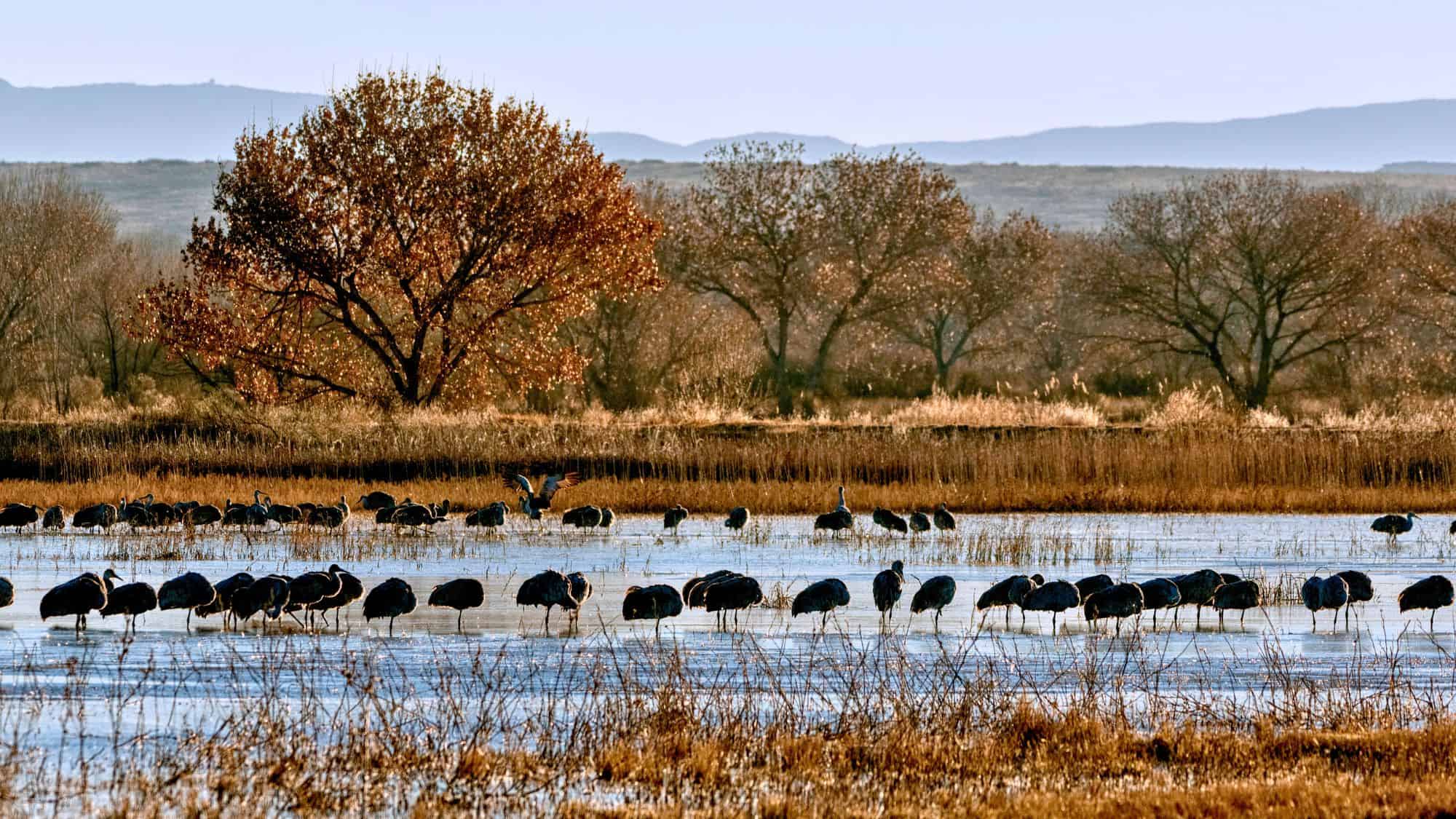
Late November concentrates thousands of sandhill cranes and snow geese at Bosque del Apache on managed wetlands, with fields of corn stubble drawing steady feeding flights. Plan for the 12-mile auto tour loop, open from before sunrise to after sunset, and pause at elevated overlooks.
Morning lift-offs pair beautifully with calm air and frost, while afternoons glow with backlit skeins streaming toward night roosts. Socorro makes a practical base, roughly twenty minutes north, with cafes open through the holiday week and fuel available late.
Stay well outside closed areas, and keep to pullouts to avoid blocking dikes used by staff and tractors tending habitat. And if water levels run high, focus on ponds along the north and south loops, where rafted ducks pack tight near levees. When north winds blow, birds often depart in loud sheets, then trickle back once thermals soften.
Give yourself two mornings, because the spectacle shifts daily, and the quiet between flights rewards patient watchers with coyotes and harriers.
Aransas National Wildlife Refuge, Texas
By Thanksgiving, whooping cranes have returned to the marshes along San Antonio Bay, tall white figures pacing oyster reefs and cordgrass edges. Boat tours from Rockport or Fulton reach the remote flats, where you scan with binoculars for red crowns and sweeping black wingtips.
Calm mornings bring reflections on slick water, revealing family groups shadowing blue crabs, mullet, and tiny shrimp tucked along tidal creeks. And on windy afternoons, climb the refuge observation tower for broader views toward marsh ponds, and linger for coastal sunsets.
Keep distances generous, since these birds remain threatened, and use a long lens rather than edging boats too near feeding birds. Alligators and feral hogs frequent roadside pool as wells, so watch the shoulders while you drive the refuge loop and boardwalk approaches.
Pack layers, since breezes shift from balmy to brisk within minutes, and bring a dry towel for spray on open decks of a boat. If tides run high, focus on sheltered backlakes where cranes forage, and listen for their carrying bugle across the spartina.
Tip: book tours in advance, because experienced captains know productive creeks, and they maximize calm light during short seasonal days.
Chincoteague National Wildlife Refuge & Assateague Island, Virginia & Maryland
Thanksgiving weekend aligns with a beloved “Waterfowl Weekend”, when the refuge opens extra routes and extends hours to match peak migration. Thousands of snow geese, wigeon, and pintails funnel into moist-soil impoundments, stacking into bright rafts that churn the water with constant feeding.
The Wildlife Loop admits vehicles earlier than usual during the holiday, and the gated Service Road opens midday for rare interior access. From pullouts, watch for tundra swans tracing white arcs between ponds, then pivot toward the dunes where harriers quarter over tawny grasses. Wild ponies graze year-round on Assateague’s maritime meadows, so keep cameras ready for shaggy bands crossing sandy tracks near pine thickets.
The Lighthouse Trail offers a sheltered stroll between scanning sessions, with songbirds working wax myrtle and bayberry. Bring cash for refuge entry, arrive before midmorning to beat lines, and expect brisk beach winds that call for windproof layers.
Great Smoky Mountains National Park, Tennessee & North Carolina
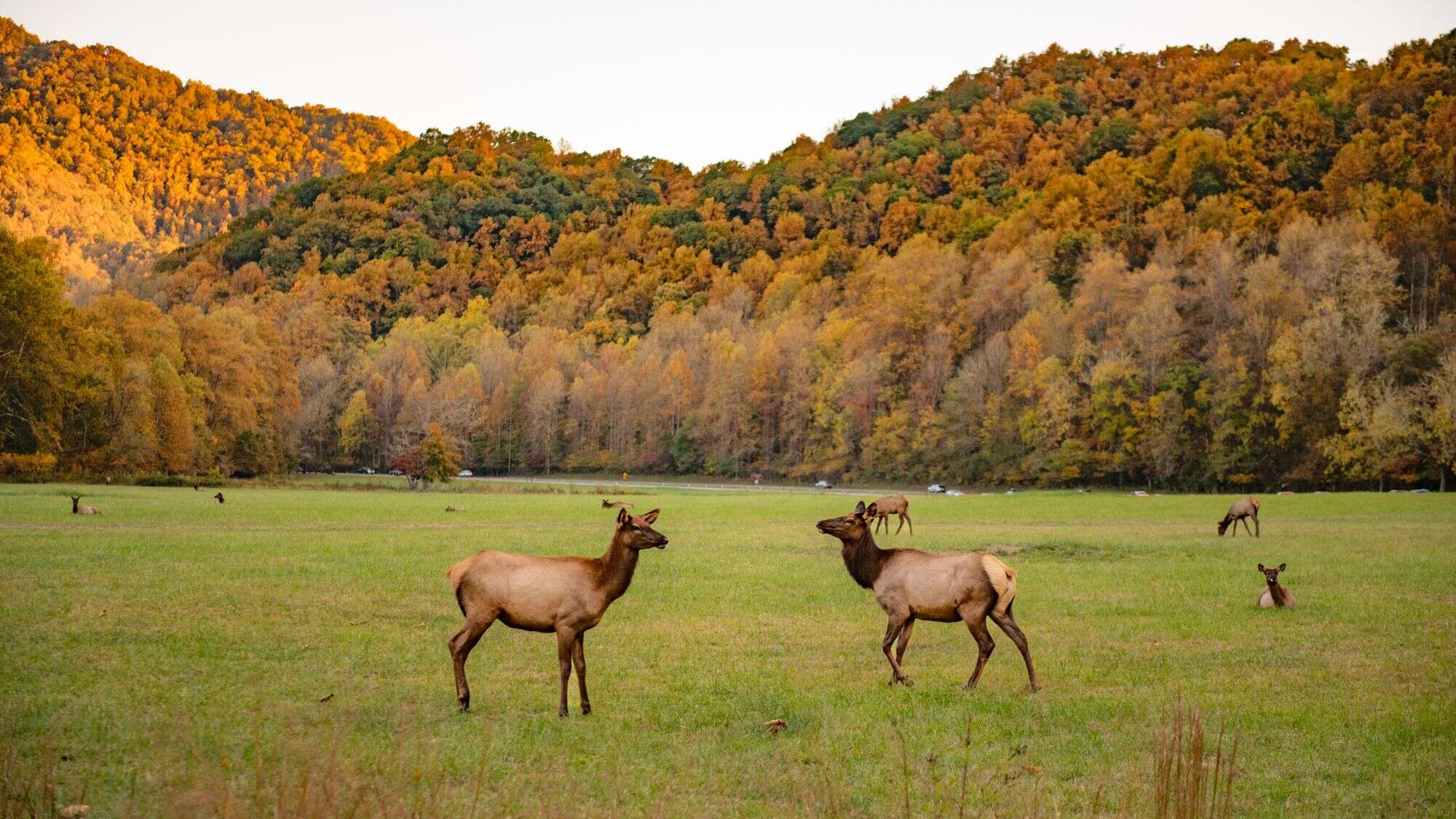
This time of year draws white-tailed deer into focused activity, especially around dawn in Cades Cove, where frosted fields frame wary, heavy-necked bucks. The primary mating season lands in November, so you can watch chasing, tending, and scraping along field edges lined with split-rail fences.
Cruise the one-way loop early, pausing at pullouts near Hyatt Lane and Sparks Lane to scan quietly from your vehicle’s window. Elk linger in the Oconaluftee and Cataloochee Valleys, often grazing river terraces at first light, with calves shadowing cows along pebbled shallows. Just be wary in shadowed places along the roadway if there has been any ice (we couldn’t get down to Cataloochee Valley on our visit for this reason).
Midday brings time for short forest walks, where piliated woodpeckers hammer dead snags and ravens call across still ridges. Sunset can be productive again, with deer edging into open meadows and coyotes coursing along mown margins hunting distracted fawns.
Expect cool days and cold nights, plus occasional frost that turns meadows silver. Nearby communities offer open markets around the holiday, useful for snacks before another slow roll through the valley.
Everglades National Park, Florida

Thanksgiving usually aligns with the opening weeks of the dry season, when water recedes and wildlife gathers tightly around sloughs and ponds. At Royal Palm, the Anhinga Trail’s boardwalk threads sawgrass and tree islands, where alligators, turtles, and herons hunt in close view.
Shark Valley’s tram road delivers long sightlines across marl prairie, with snail kites quartering above canals and purple gallinules stepping through lily pads. Mosquitoes drop during cool spells, although dawn and dusk still call for repellent, sleeves, and a head net if breezes stall.
Bring polarized sunglasses to spot gar and tarpon in tannic water, and use brimmed hats to shield low holiday sun. Rangers often add seasonal programs, from slough slogs to short talks at overlooks, so check schedules at the visitor centers on arrival. Keep to boardwalks, give gators a wide berth, and resist feeding birds near parking lots, which harms natural behavior and causes problems.
Crystal River National Wildlife Refuge, Florida

By mid-November, cooler fronts push Florida manatees into the spring-fed sanctuaries of Kings Bay, where constant warmth gathers gentle gray shapes. At Three Sisters Springs, a wheelchair-accessible boardwalk loops clear aquamarine water, offering nose-to-whisker views while animals rest in protected zones.
On chilly mornings, count snouts surfacing among clouds of breath, then watch calves drift beside mothers along sand boils and limestone vents. Guided in-water tours operate from marinas outside the springs, with mandatory briefings that teach slow approaches and quiet, passive observation. But if you prefer to stay dry, shuttle trolleys bring you to the boardwalk overlooks, where volunteers answer questions about behavior.
Pair the morning with a visit to nearby state parks, where roseate spoonbills, ospreys, and playful river otters often patrol brackish edges. Holiday weeks will be busy, so reserve early if you want to do a tour and plan parking buffers, especially on strong cold snaps that draw bigger congregations of manatees.
Pismo State Beach Monarch Butterfly Grove, California
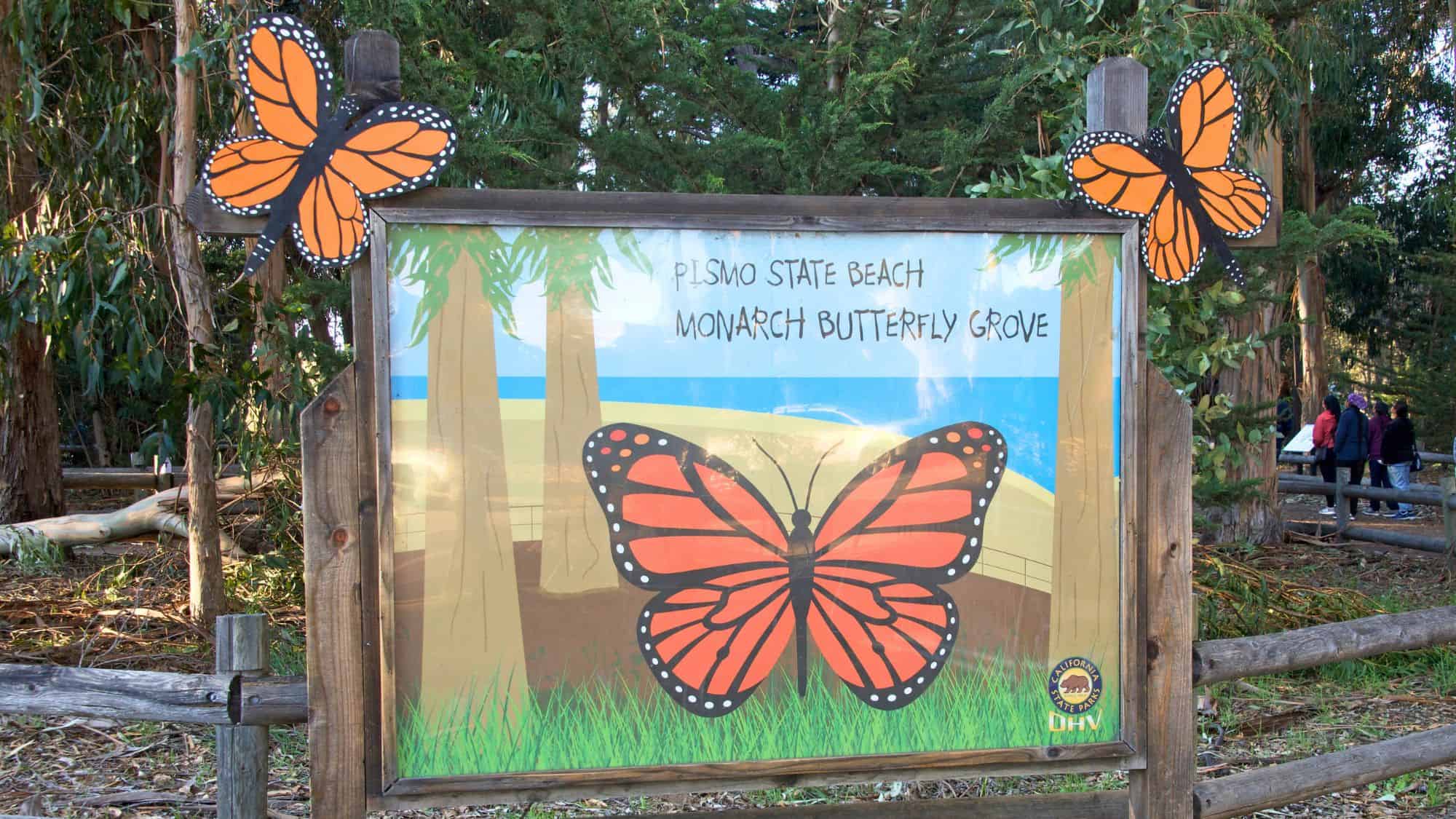
Along the central coast, the late fall season often brings the first substantial clusters of western monarchs to sheltered eucalyptus at Pismo State Beach. On calm, sunny afternoons, thousands hang in dense drapes, wings closed, then shiver open when light warms the grove.
Docents set up scopes and answer questions about migration, host plants, and the delicate way clusters shift during subtle breezes. Counts fluctuate by year, so treat the spectacle as a bonus and celebrate each cluster, focusing on careful viewing and habitat respect. Arrive midday, when temperatures climb and wings spread, then step back to watch swirling spirals above the treetops during brief activity bursts.
Parking sits beside Highway 1 near North Beach Campground, with a short, level path suitable for strollers and wheelchairs to reach viewing areas. Keep fingers off hanging branches, avoid standing beneath clusters, and follow posted ropes that protect fragile roost trees from trampling.
After you’ve had your fill, take in sunset on the adjacent beach, where shorebirds stitch wet sand and pelicans skim gentle, pewter swells offshore.
Loess Bluffs National Wildlife Refuge, Missouri
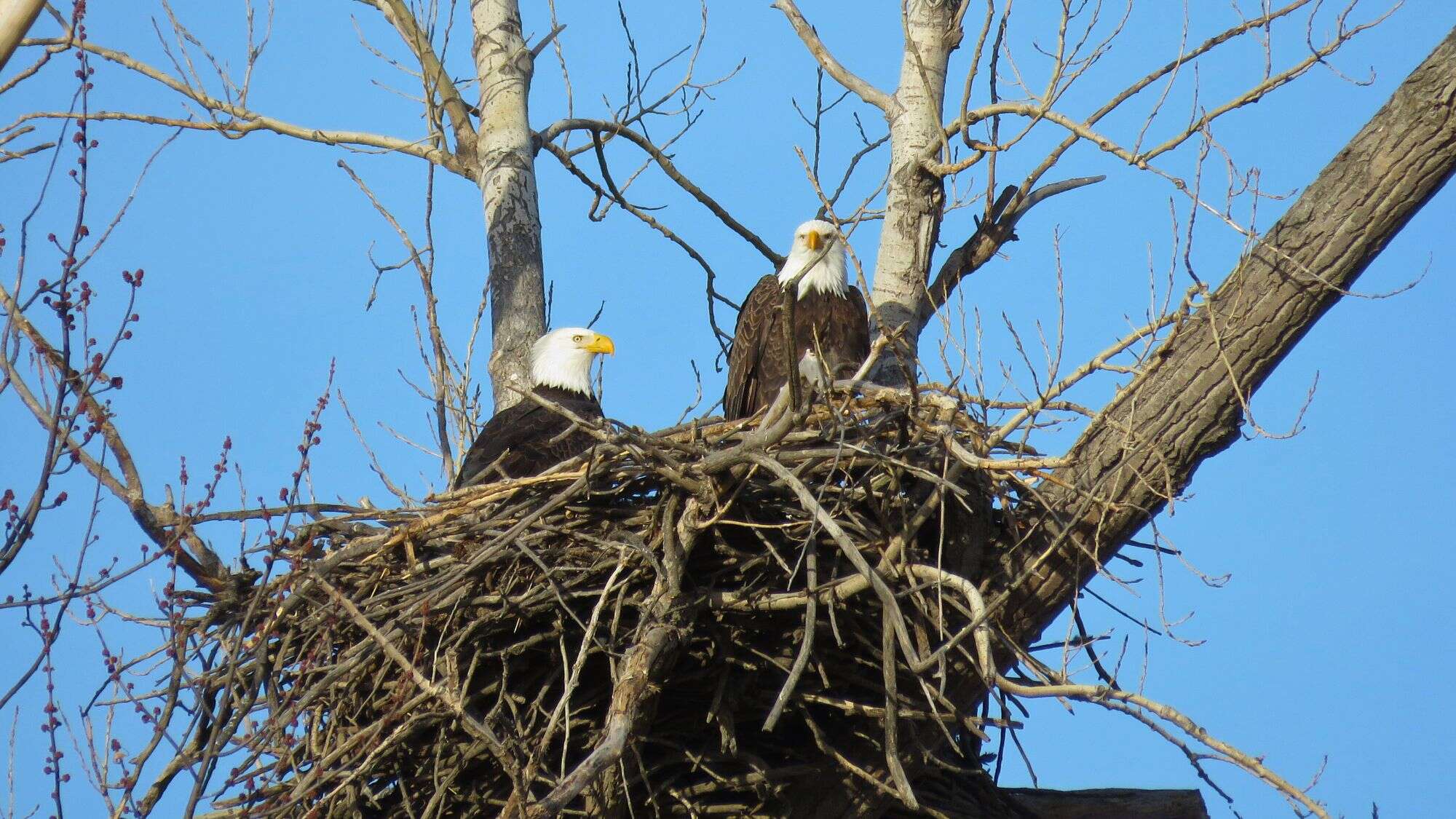
The Wild Goose Auto Tour loops ten miles around broad marsh pools that pulse with puddle ducks and blizzards of geese. Cold mornings spark raucous lift-offs, white sheets tilting into gray sky, then settling again among swans and dabblers tracking submerged smartweed.
The one-way dike road offers constant pullouts, so you can idle quietly while northern harriers quarter cattails and white-tailed deer slip along edges. Pack a spotting scope for distant rafts near tree islands, and bring a beanbag or window mount for steady viewing from inside. When north winds press birds south, look for bald eagles cruising above concentrations, tilting into stoops near wounded waterfowl and fish.
Afternoon sun swings across the pools, backlighting wingbeats and lifting spray into soft halos, great for photography from several western pullouts. Remain in your car near dense flocks to reduce disturbance, and watch for coyotes crossing dikes with purposeful, ground-eating strides. Restrooms cluster at the visitor area, so make a quick stop before committing to the full circuit on the gravel loop.
Sacramento National Wildlife Refuge, California
North of the Sutter Buttes, the refuge’s auto tour weaves through wetlands that host vast Pacific flyway flocks during late fall and early winter. By Thanksgiving, shovelers, pintails, wigeon, and white-fronted geese stack into rafts, chattering constantly while circling raptors test edges for weak birds.
The signed route opens from before sunrise to after sunset, allowing unhurried loops timed for low light and calm evening reflections. Stop at the observation deck to scan for hidden bitterns, then creep forward for close looks at teal tipping through flooded smartweed. Keep voices low, stay inside the vehicle near dense concentrations, and watch for pheasants darting across the road with sudden, head-high sprints.
If fog settles, use it, since silhouettes and sound create arresting scenes, with cranes bugling beyond reeds and swans calling overhead. Consider pairing your morning with nearby refuges in the complex for variety, rotating between auto routes and short wetland walks with accessible overlooks.
Expect cool mornings warming by midday. And leave time for sunset, when oranges reflect across open water and geese pour in to roost for the night.
Cape May Point State Park, New Jersey
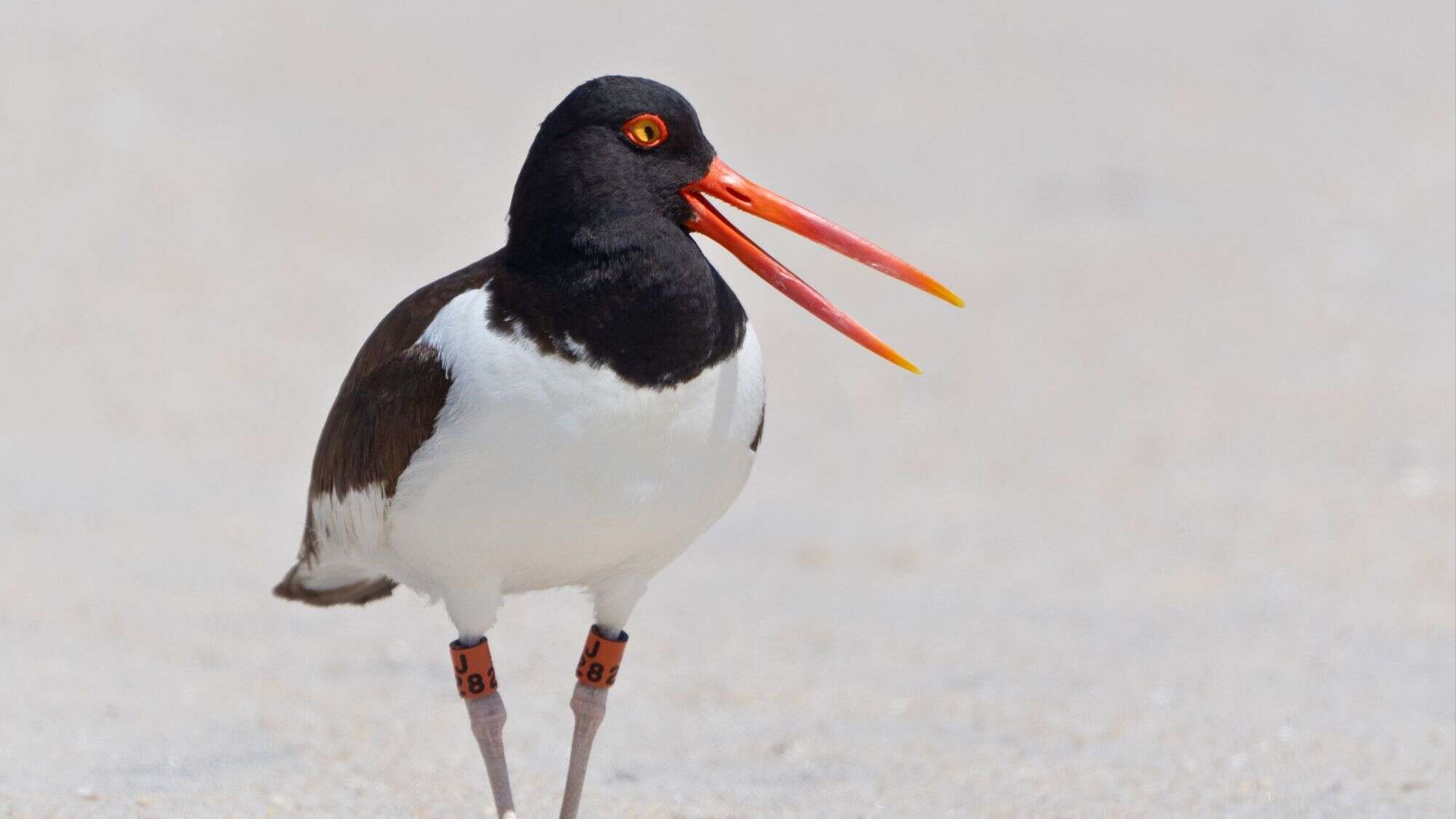
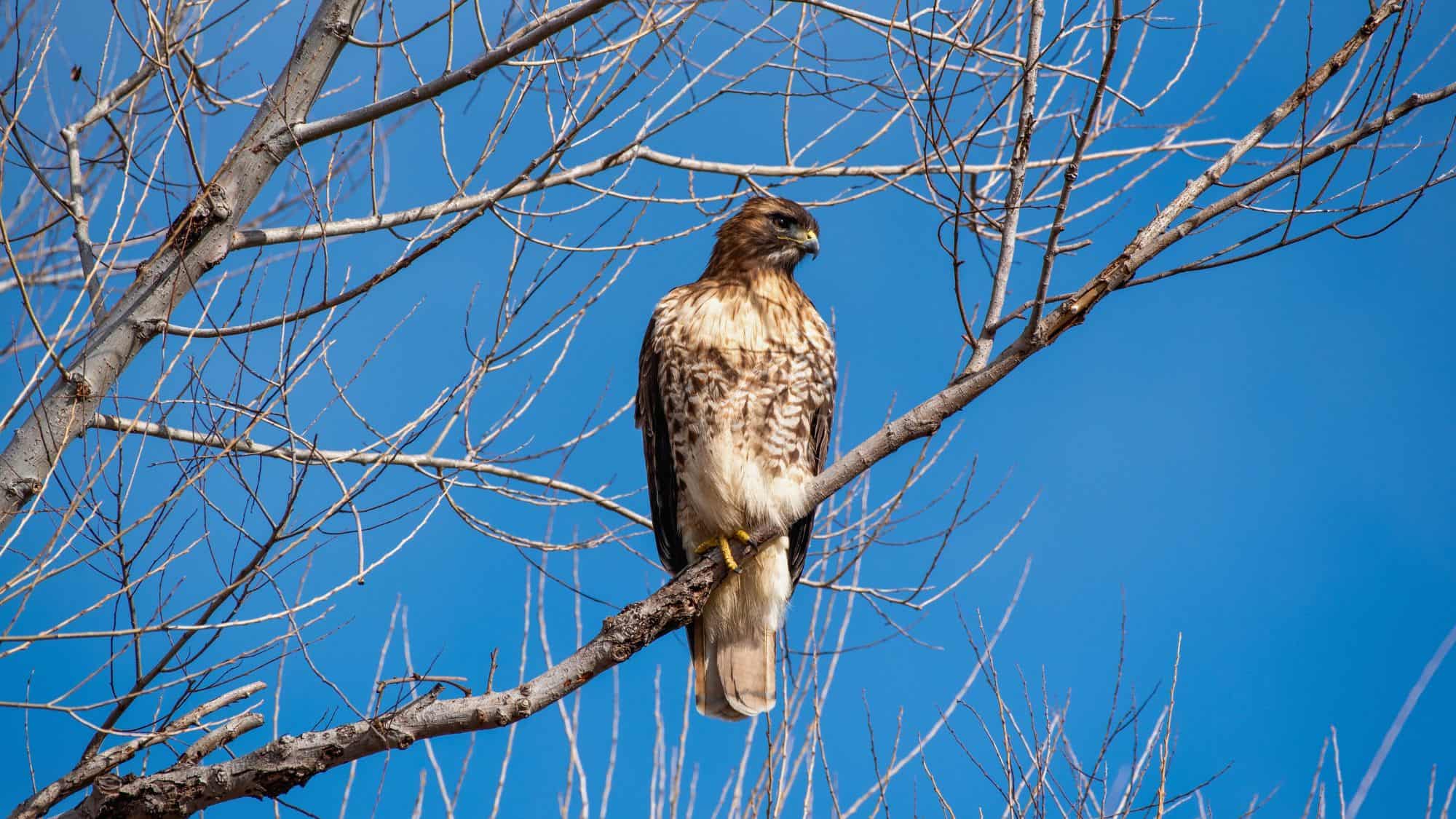
Thanksgiving weekend lands near the tail end of the famed raptor count, yet flights still spark on north or west breezes over dunes. The hawk watch platform sits steps from parking, offering sweeping views where sharp-shinned hawks, red-tails, and late falcons cross lighthouse sightlines.
Scan the ocean for scoters, gannets, and loons threading tidy lines past the point, then move inland for kettling vultures and cruising harriers. Mornings particularly shine after cold fronts, with raptors riding crisp air toward the bay, while afternoons bring sea ducks closer on calmer water.
Trails loop through coastal scrub and freshwater ponds, where shovelers spin tight circles and kinglets whisper through wax myrtle before dusk. Local bird centers often post daily totals, so check boards or chat with counters to pick productive wind directions and timing. And don’t forget to give other visitors space on the platform, since scopes and tripods cluster, and keep movement gentle to avoid bumping neighbors mid-scan.
National Elk Refuge, Wyoming
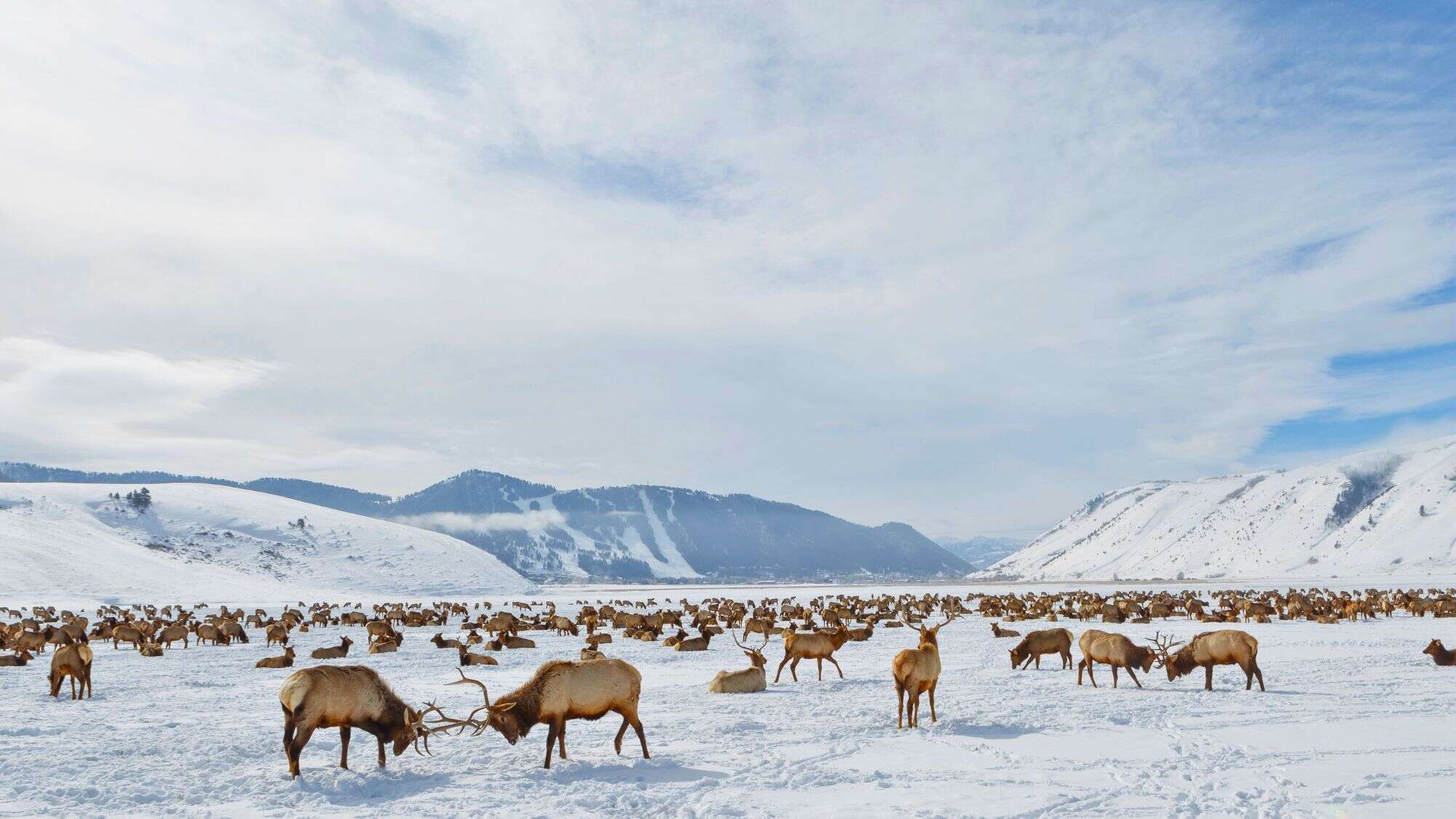
The first segments of the Jackson herd drift from high country to sage flats in November, gathering in loose bands across tawny benches. Drive the refuge road toward Miller Butte to watch bighorn sheep on sunlit slopes, stepping between limestone ledges and pausing to test rivals.
Cold mornings concentrate pronghorn and mule deer near windswept patches, while rough-legged hawks hover above snow-dusted flats scanning for voles. Keep binoculars handy at pullouts, and never approach animals on foot across open ground, since deep snow and distance drain winter reserves quickly.
The town sits minutes away, allowing warmups between passes, with hot drinks before another careful scan along the butte and flats. As snow deepens later, larger elk numbers arrive. So while Thanksgivng is a bit early (they typically arrive in bulk in mid-December), you might be able to spot wilder, looser bands of them strolling about.
Listen for bugling ravens and distant cow calls, then watch coyotes thread willows near open creeks holding late-season ducks. Respect closures protecting forage, and let the quiet pace guide measured viewing from safe roadside vantage points.
Like Our Content? Follow Us on MSN (or click the Follow Button above) for more from Discover Parks & Wildlife.
14 Galapagos Exclusives: Animals You Won’t See Anywhere Else

Curious about creatures that make unicorns seem ordinary? You’ll want to check this out. It’s like unlocking a secret level of wildlife wonder.
14 Animals That Only Have Eyes For Each Other Shows There is True Love In The Wild

You won’t believe the adorable, heart-melting stories waiting for you. Picture penguins, wolves, and even some unexpected critters showing us all how loyalty is done.
15 Dangerous Rainforest Animals That Command Respect
Curious about the kind of animals that laugh in the face of danger? You’re in for a wild ride with rainforests’ most respect-demanding residents. Don’t say I didn’t warn you.