
Discover Parks & Wildlife contains affiliate links and is a member of the Amazon Services LLC Associates Program. If you make a purchase using one of the Amazon links, we may receive compensation at no extra cost to you. We may also use select AI tools to support our creative process, but all content is reviewed, refined, and finalized by our human team. See our disclosure policy and our AI use policy for more information.
These Whale-Watching Destinations Prove You Don’t Need A Boat for Big Magic
Watching a massive whale breach the surface of the ocean is a moment that stays with you forever, but you do not necessarily need a boat ticket to experience it. While marine tours are popular, they often come with high costs, crowded decks, and the very real possibility of seasickness.
Staying on dry land offers a completely different, often more serene perspective. You have the freedom to stay as long as you want, bringing a picnic and a pair of binoculars to turn a quick sighting into a full afternoon of wildlife observation.
But the key to successful land-based whale watching is knowing exactly where the continental shelf drops off close to the coast, bringing nutrient-rich deep water, and the giants that feed there, within easy viewing distance. You also need to know the migration calendars, as timing is everything when it comes to intercepting these massive travelers.
From watching the spout of a gray whale along the foggy California coast or scanning for the dorsal fin of an orca in Scotland, the following destinations offer front-row seats to the show. You simply need patience, warm layers, and a keen eye to witness one of nature’s greatest spectacles from the comfort of solid ground.
Hermanus, South Africa

Located along the southern coast of the Western Cape, Hermanus is frequently cited as the world’s best land-based whale-watching destination, and for good reason. The geography here is perfectly suited for viewing, with a long, paved Cliff Path that stretches for roughly 7 miles along the coastline.
This elevated walkway provides an unobstructed view of Walker Bay, a protected sanctuary where southern right whales come to mate and calve. From June to November, the bay essentially becomes a nursery.
Because the water remains deep right up to the rocky shoreline, these massive creatures often swim within yards of the cliffs, allowing you to hear the distinctive sound of their breathing and see the barnacles on their skin without any magnification.
The town takes its status as a whale capital seriously, employing a “Whale Crier” who patrols the streets during the peak season. This is the only official whale crier in the world, and you can identify him by his kelp horn and sandwich board. When a whale is spotted, he blows a resonant code on the horn to alert visitors to the specific location of the sighting.
While the southern right whales are the main attraction, you might also spot humpback whales migrating past or resident Bryde’s whales further out.
The annual Hermanus Whale Festival, usually held in late September, celebrates the return of these creatures with food, music, and environmental exhibitions.
Cape Cod, Massachusetts
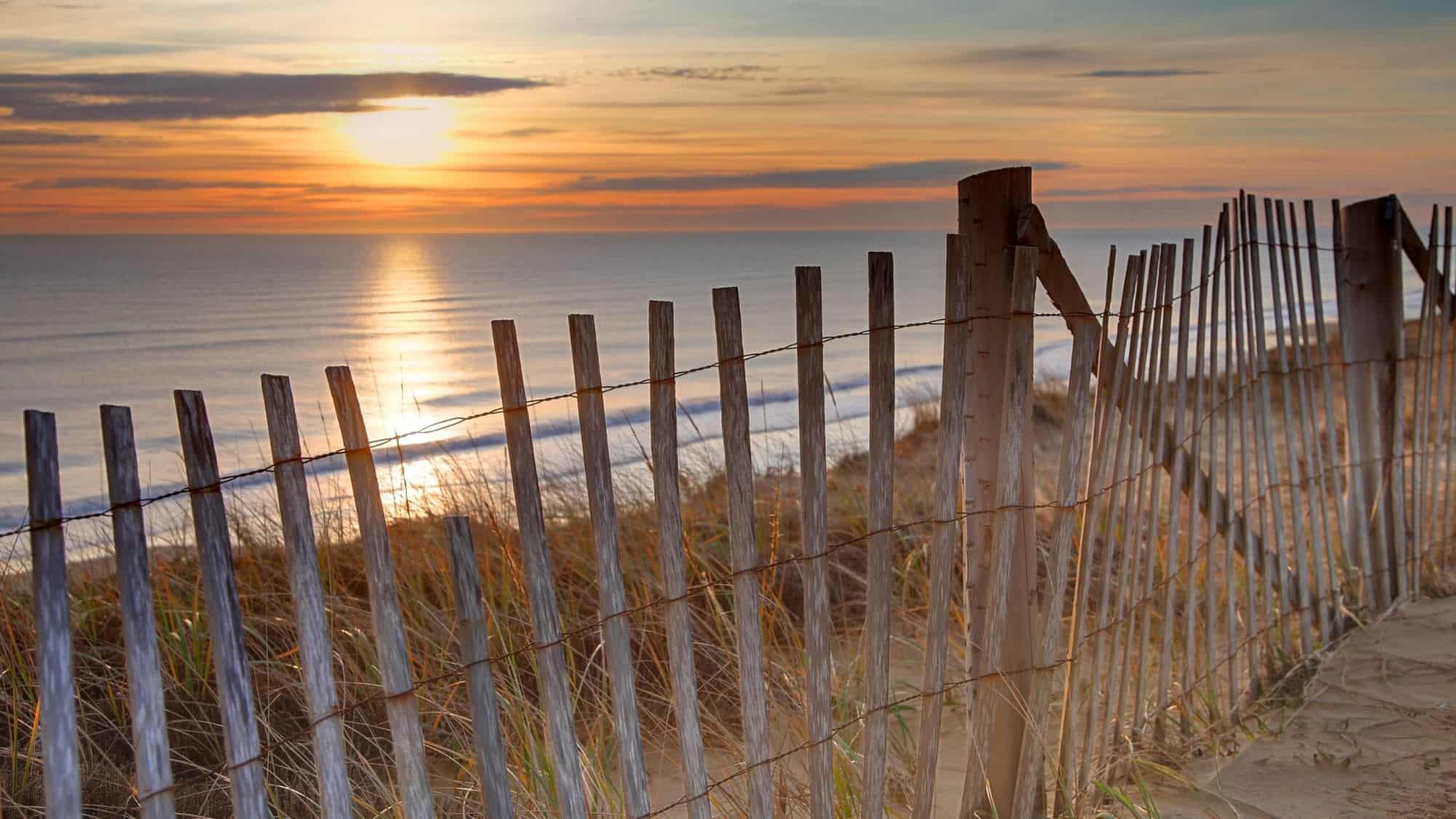
The hook-shaped peninsula of Cape Cod juts nearly 65 miles into the Atlantic Ocean, placing it in prime territory for intercepting marine life migrating along the east coast of the United States. And the waters surrounding the Cape, particularly the Stellwagen Bank National Marine Sanctuary to the north, are rich feeding grounds that attract a variety of species from April through October.
While many visitors head to the docks in Barnstable or Plymouth, those in the know head all the way to the tip of the peninsula at Provincetown.
Race Point Beach, part of the Cape Cod National Seashore, is renowned for its steep drop-off just offshore, which allows large whales to feed surprisingly close to the beachgoers.
The excitement here often centers on the humpback whale, known for its acrobatic breaching and flipper slapping, but the region is also critical habitat for the North Atlantic right whale. These are among the most endangered whales on the planet, and seeing one from the shore is a rare privilege.
You should also keep an eye out for fin whales, the second-largest animals on earth, and minke whales, too.
The best strategy at Race Point is to scan the horizon for spouts or flocks of diving sea birds, which often indicate a school of fish that whales are herding.
Kaikoura, New Zealand
On the east coast of New Zealand’s South Island, the landscape of Kaikoura is defined by the dramatic collision of the Seaward Kaikoura Range and the Pacific Ocean.
What makes this spot unique globally is the Kaikoura Canyon, a deep submarine trench that comes within a mile of the coast. This geological anomaly creates a nutrient-rich environment that supports a resident population of sperm whales.
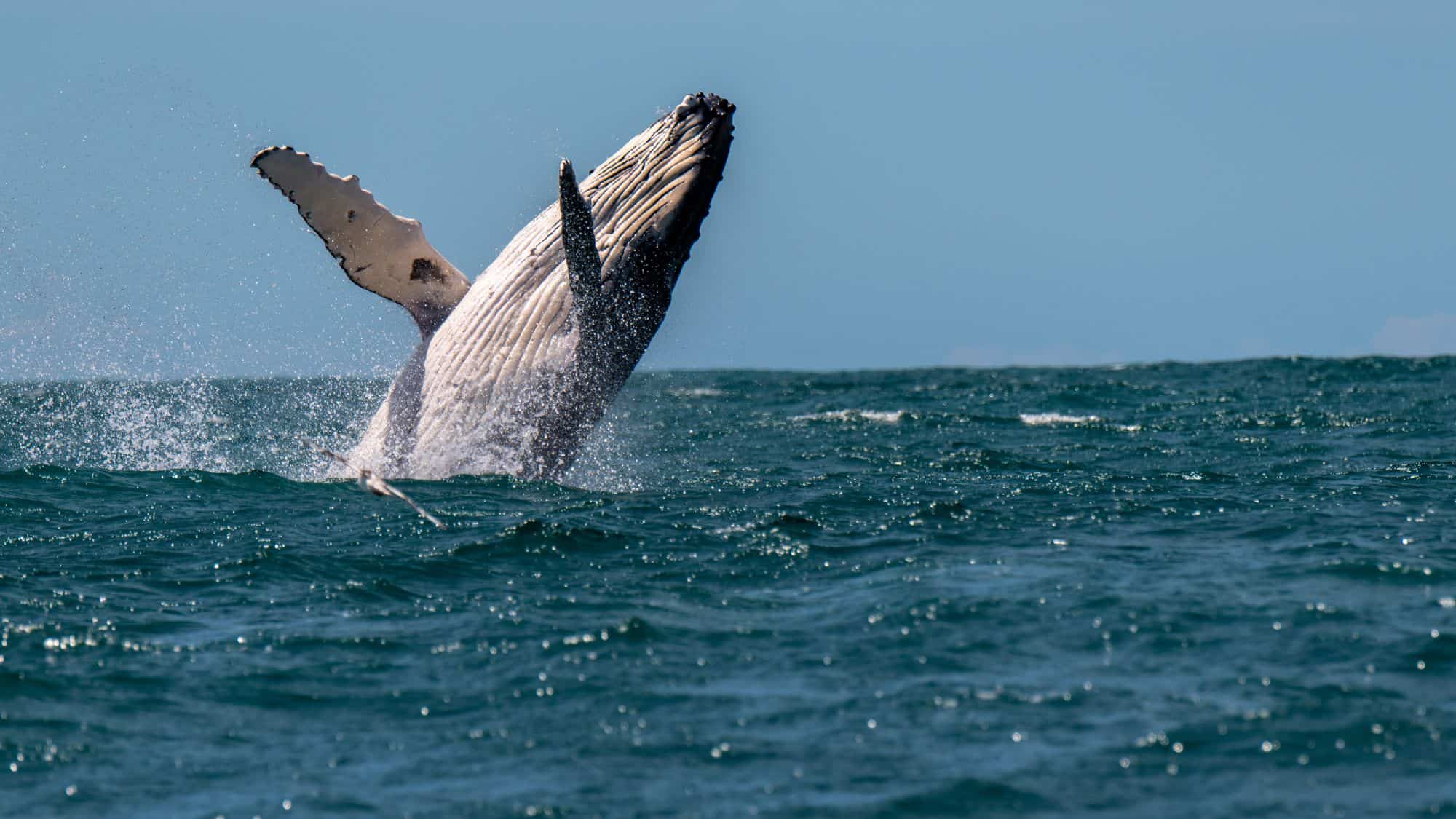
Unlike most other destinations that rely on seasonal migrations, Kaikoura offers a high chance of spotting these deep-diving giants year-round. And seeing a sperm whale prepare for a dive, arching its back and lifting its massive tail fluke into the air, is the signature sight of the region.
The Kaikoura Peninsula Walkway is the premier spot for land-based viewing. The trail winds across the top of the cliffs, offering wide views of the ocean against a backdrop of snow-capped mountains.
While sperm whales are the primary residents, they are far from the only visitors. Depending on the season, you might spot migrating humpbacks, pilot whales, dazzling pods of dusky dolphins, or even orcas patrolling the coastline. The area is also home to a large colony of New Zealand fur seals, which can be seen sunbathing on the rocks below the walkway.
The combination of accessible high-elevation viewpoints and the deep-water trench creates a reliable window into the marine world that few other places can match.
Saguenay–St. Lawrence Marine Park, Canada
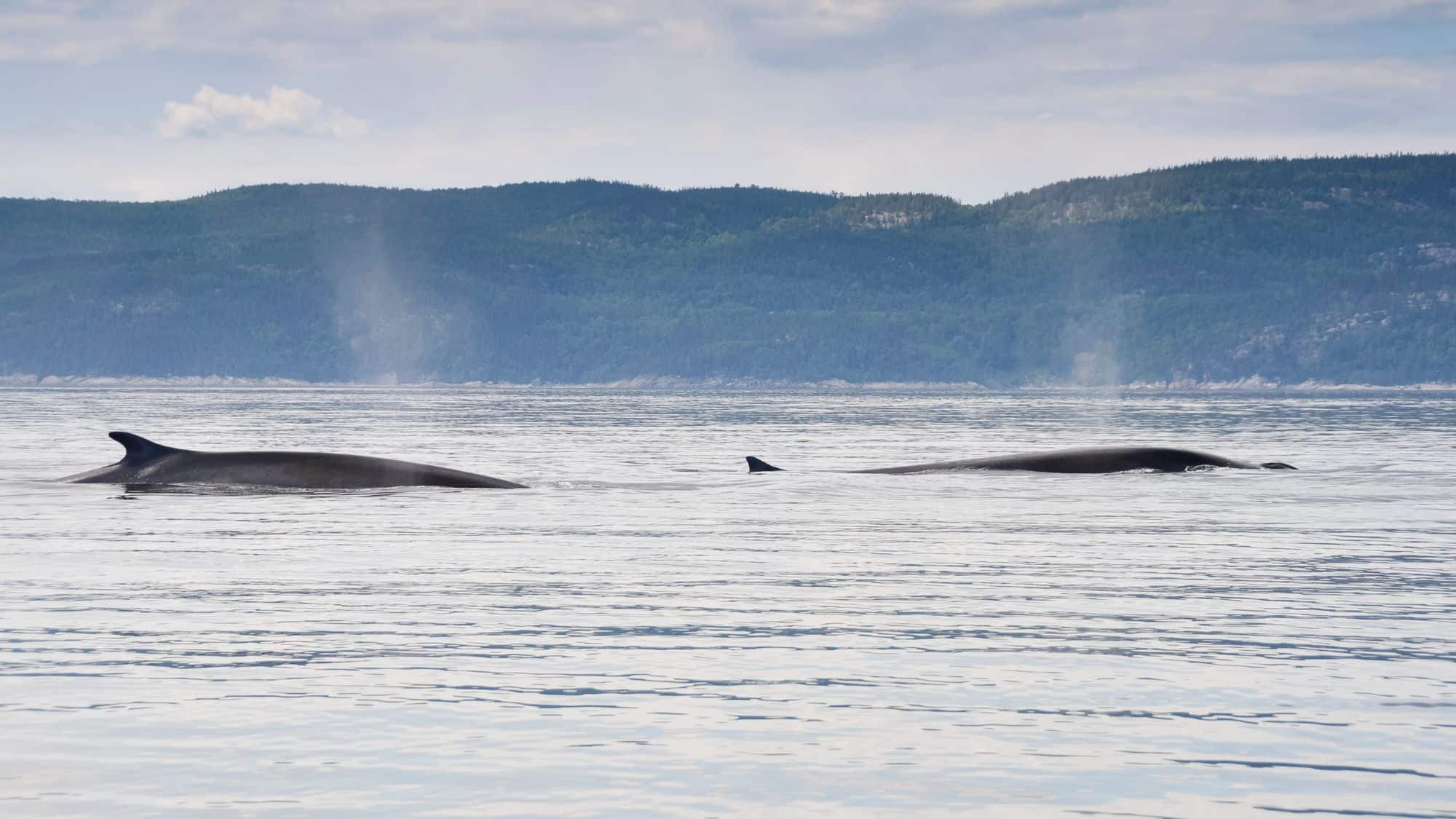
Where the Saguenay Fjord meets the St. Lawrence Estuary in Quebec, a unique underwater topography creates one of the most vibrant feeding grounds in North America. The collision of river currents and tides churns up krill and small fish, attracting a diverse crowd of cetaceans.
This area is famous for its resident population of beluga whales. These small, white whales are distinctive and easy to spot against the dark water, often swimming in pods near the shore. They live here year-round, but the best time for viewing is typically from May to October, when the weather is conducive to standing on the rocky outcrops.
For the best shore-based experience, head to the Cap-de-Bon-Desir Interpretation and Observation Centre. Here, the underwater shelf drops off rapidly, meaning large whales can swim within a stone’s throw of the granite rocks where visitors sit.
It is common to see minke whales, fin whales, and occasionally the colossal blue whale surfacing just yards away. And the silence of the park just enhances the experience, as you can often hear the “whoosh” of a whale’s breath before you see it.
The Pointe-Noire Interpretation and Observation Centre is another excellent spot, offering incredible views of the fjord entrance and frequent beluga sightings.
Big Sur, California
The rugged stretch of coastline known as Big Sur offers some of the most dramatic scenery in California, with the Santa Lucia Mountains plunging directly into the Pacific.
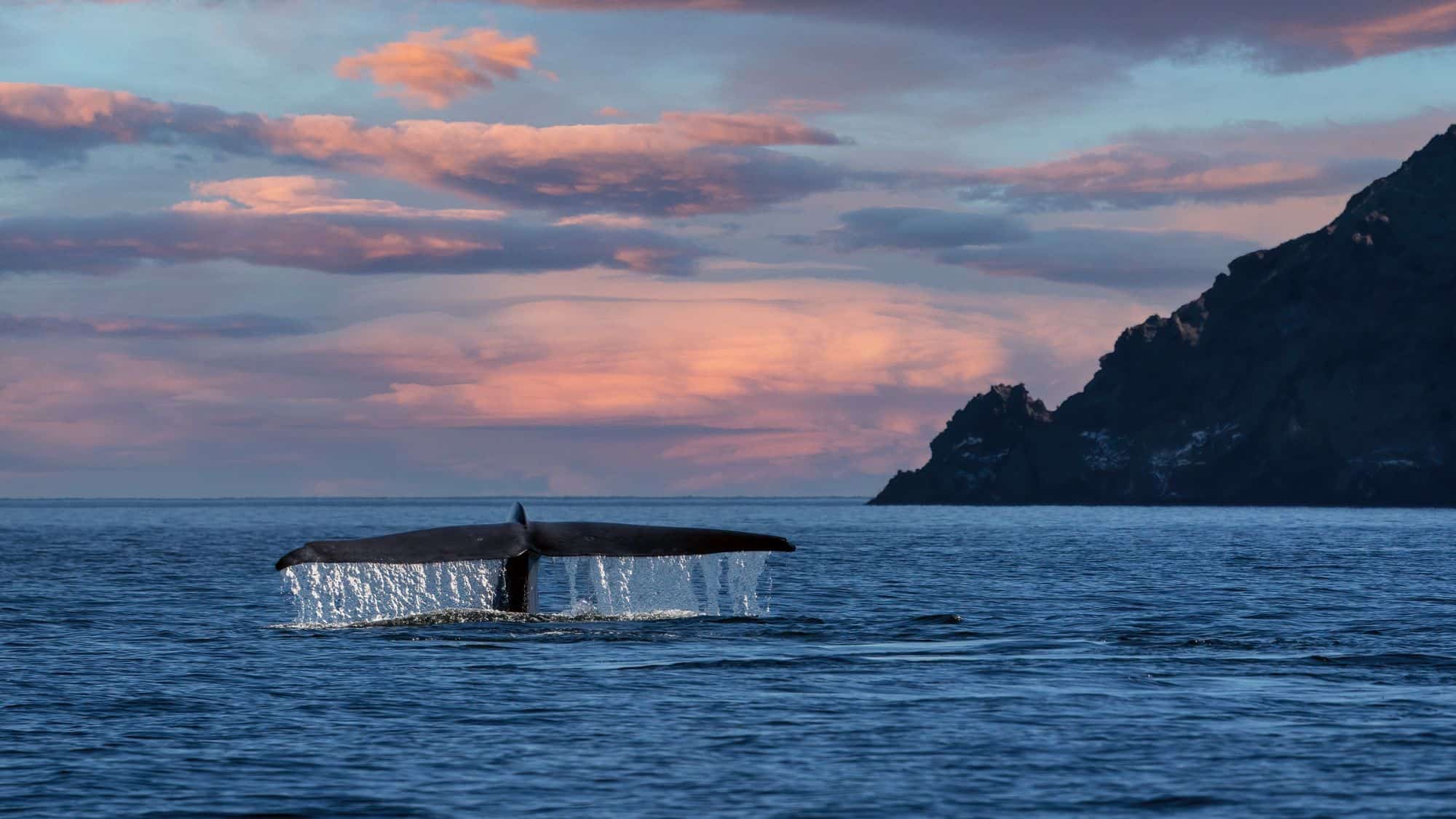
This topography is not just beautiful; the high elevation of Highway 1 provides a perfect vantage point for spotting gray whales during their annual migration. From December to April, roughly 20,000 gray whales pass by this coast on their way south to Baja for breeding and then back north to Alaska for feeding.
During the peak of the migration, it is possible to see multiple spouts per hour as the whales travel roughly 5 miles per hour, often close enough to shore to be seen without high-powered optics.
While winter and spring are peak times for gray whales, the region also sees blue whales and humpback whales during the summer and fall, feeding on the krill produced by coastal upwelling.
Pullouts along Highway 1, such as the areas near McWay Falls or the viewpoints near Garrapata State Park, are excellent places to stop and scan the ocean. You should look for the heart-shaped spout of the gray whale or the tall, columnar blow of the blue whale. And the height of the cliffs allows you to look down into the water, sometimes revealing the outline of the whale beneath the surface.
Binoculars are highly recommended here, as the sheer scale of the ocean view can dwarf even these massive animals.
Dondra Head, Sri Lanka
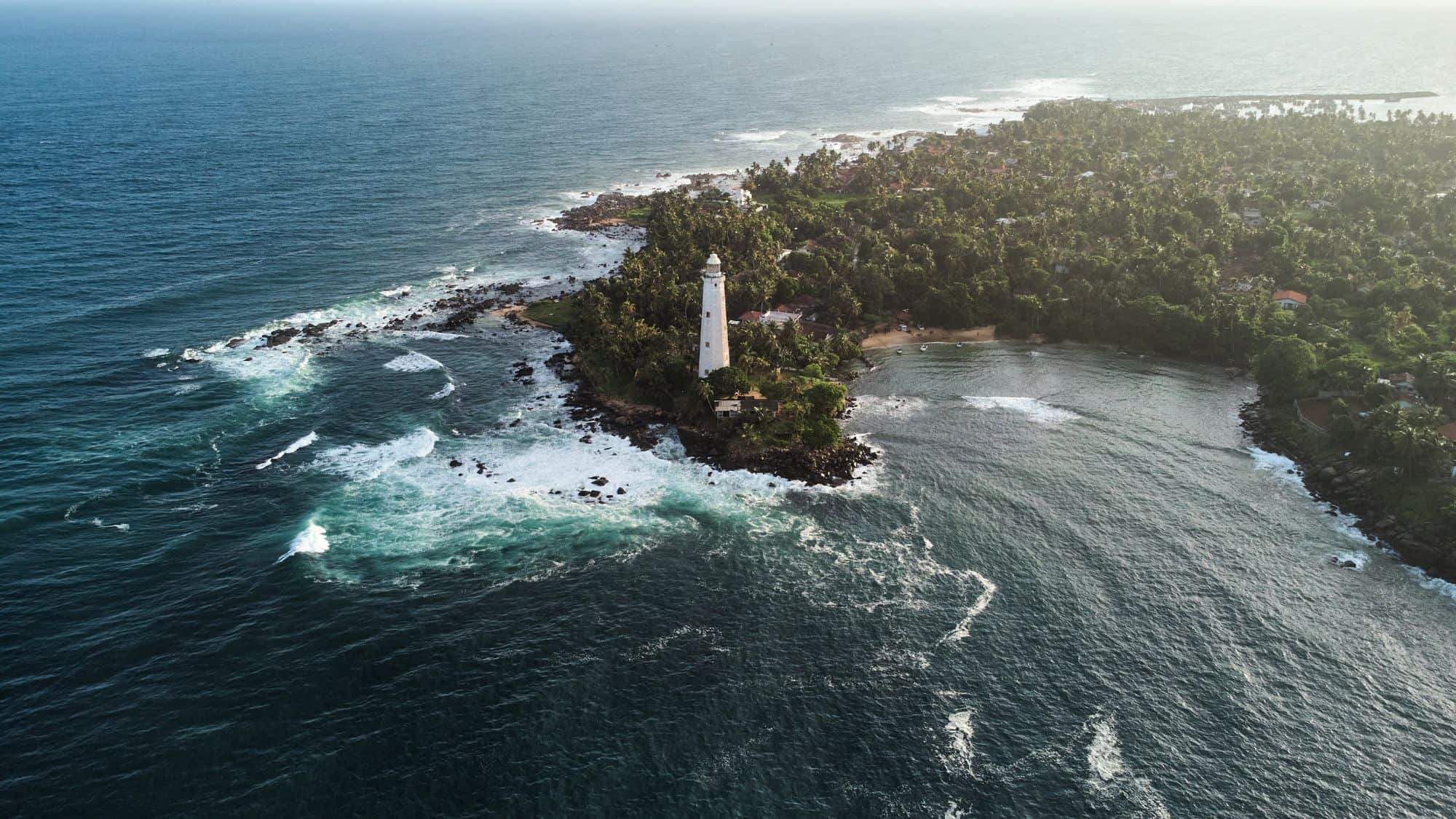
Dondra Head marks the southernmost tip of Sri Lanka, and beyond this point, there is nothing but open ocean until you hit Antarctica. Its position places it near the main shipping route but also right next to the deep waters of the continental shelf, which is exceptionally narrow here.
This creates an ideal environment for blue whales, the largest animals to have ever lived. The blue whales observed here are distinct because some populations are believed to be resident rather than migratory.
While boat tours are common in nearby Mirissa, the height and location of the Dondra Head Lighthouse provide a solid opportunity to spot these leviathans from land, particularly between December and April when the ocean is calmer, and the whales are most abundant.
Seeing a blue whale is a game of patience and sharp eyesight; you are looking for a vertical spout that can rise 30 feet into the air. The heat haze can sometimes make viewing difficult in the middle of the day, so early morning or late afternoon visits are usually more rewarding.
In addition to blue whales, sperm whales and spinner dolphins frequent these waters.
The setting itself, with the historic lighthouse towering over palm-fringed coastlines and the vast Indian Ocean stretching to the horizon, provides a stunning backdrop for any wildlife enthusiast willing to wait for the perfect moment.
Cabo San Lucas, Mexico
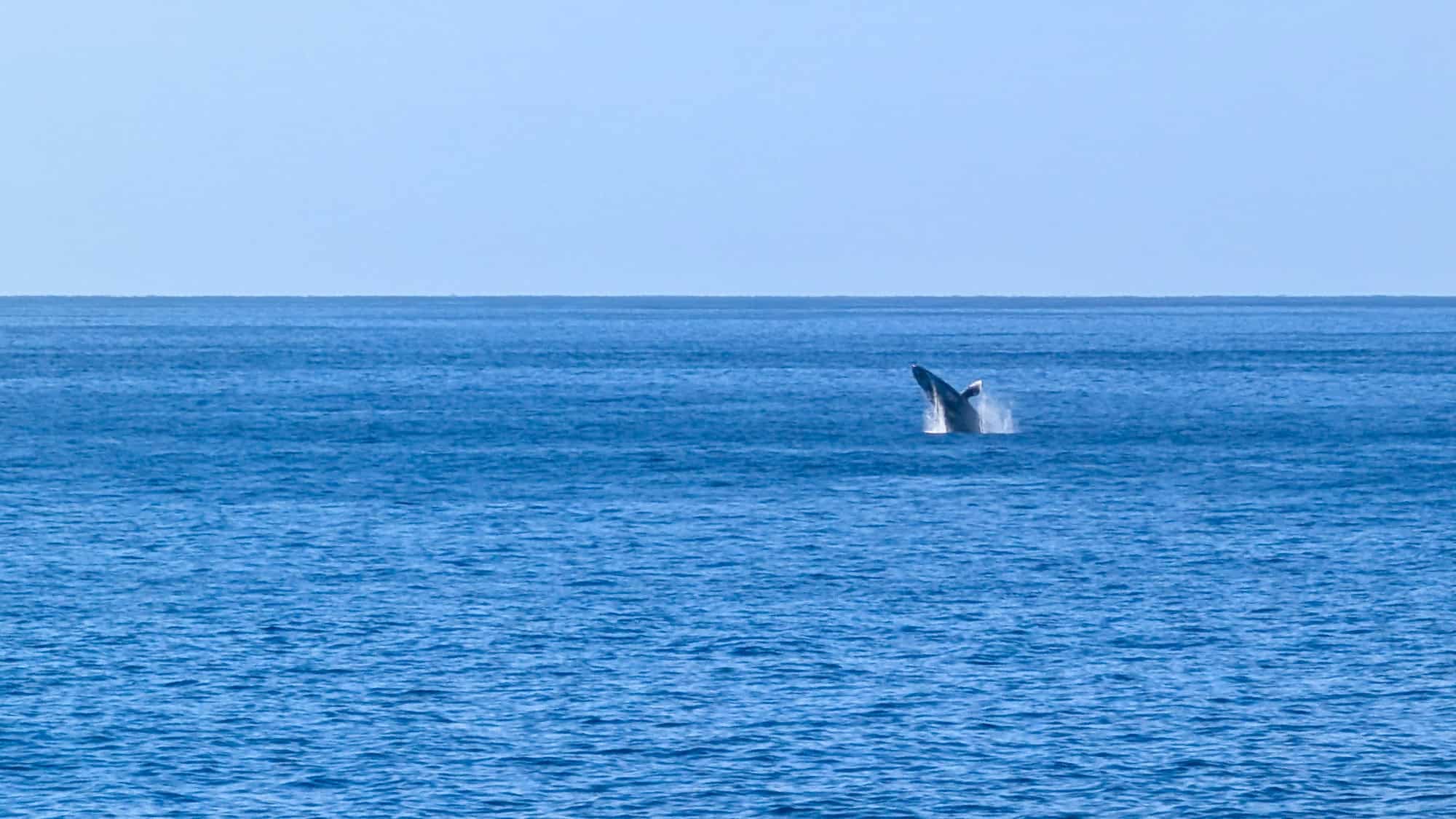
At the southern tip of the Baja California Peninsula, Cabo San Lucas sits where the Sea of Cortez meets the Pacific Ocean. This convergence creates a biodiversity hotspot that becomes a bustling hub for whale activity during the winter months.
From mid-December through April (though we frequently see them in early November during our annual trip), thousands of humpback whales and gray whales migrate to these warm waters to mate and give birth. The activity is often visible from the beaches and cliffs around Land’s End, the famous rock formation that marks the very end of the peninsula.
Hotels and resorts situated along the corridor often report guests watching whales breaching while sitting on their balconies or by the pool. In fact, my in-laws have a timeshare that we visit nearly every year in early November. Even then, before the “official season”, we see whales nearly every day, swimming and breaching as they pass right by the resort.
For a more active viewing experience, the beaches on the Pacific side, such as Solmar Beach or Pedregal, offer vast horizons to scan. Humpback whales are particularly active here and are known for putting on a show with breaches, tail slaps, and spy-hopping, where they raise their heads vertically out of the water to look around.
Because the water deepens quickly off the coast, these behaviors can happen surprisingly close to the sand. Just know that swimming is dangerous on the Pacific side due to strong currents, but the shore offers a safe and spectacular grandstand.
Reykjavik, Iceland
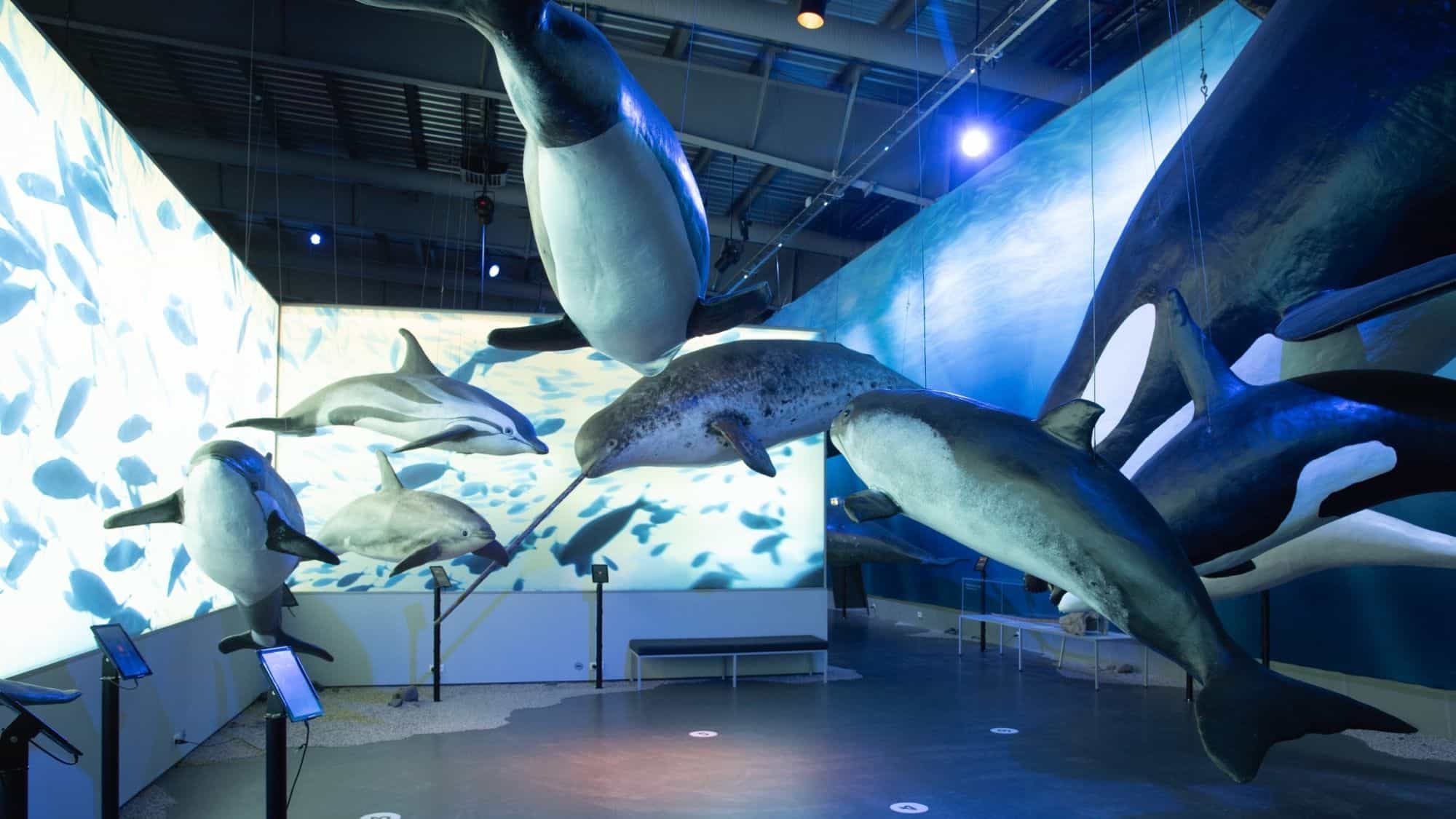
Iceland is a premier destination for marine life, and while many visitors flock to the north, the capital city of Reykjavik offers surprising opportunities to see whales from the shore.
The city sits on the edge of Faxafloi Bay, a large body of water that attracts minke whales, humpback whales, white-beaked Dolphins, and harbor porpoises.
A favorite local spot for viewing is the Grotta Lighthouse located at the tip of the Seltjarnarnes Peninsula, just a short drive or bus ride from the city center.
The best time to visit for whale watching is during the summer months, from May to August. The long daylight hours of the Icelandic summer, including the phenomenon of the midnight sun, mean you can watch for whales late into the evening when the winds often die down, and the water becomes glassy.
The area around the lighthouse is also a nature reserve rich in birdlife, so you can watch Arctic terns and eider ducks while scanning the bay.
Although the whales here may not come as close to shore as in deep-canyon destinations, the sweeping views of the bay and the majestic Mount Esja across the water make it a magical setting for patient observation.
Kalbarri, Western Australia
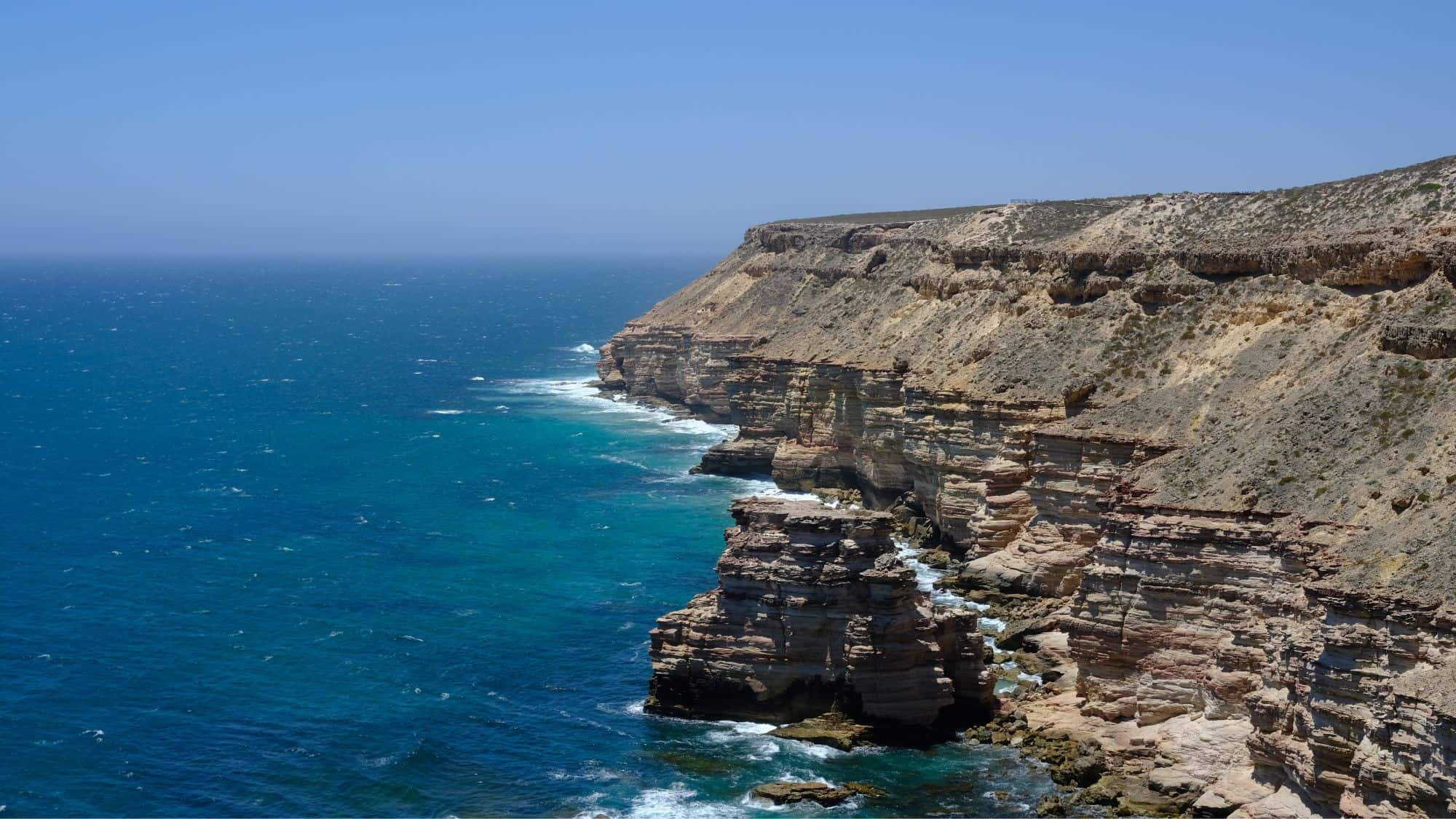
Located roughly 370 miles north of Perth, Kalbarri is famous for its dramatic red coastal cliffs that stand in stark contrast to the deep blue of the Indian Ocean.
This stretch of coastline is a prime location for watching Humpback whales during their annual migration. Between June and November, an estimated 35,000 humpbacks pass along the Western Australian coast. They head north to the Kimberley region to calve earlier in the season and return south with their young later in the year.
The elevation provided by the coastal cliffs at places like Red Bluff and Eagle Gorge offers a commanding view of the “Humpback Highway.”
The latter part of the season is particularly special as the whales are traveling more slowly with their new calves. Mothers will often bring their young closer to the shore to protect them from predators and rougher seas further out. This provides excellent opportunities to see cow-calf pairs resting or playing in the water.
The cliffs are also part of Kalbarri National Park, which is renowned for its wildflowers during the spring, allowing you to combine botanical sightseeing with whale watching. And the viewing platforms are well-maintained and accessible, making it easy to spend hours scanning the ocean for the tell-tale splash of a breach or the mist of a blow.
Point Reyes National Seashore, California
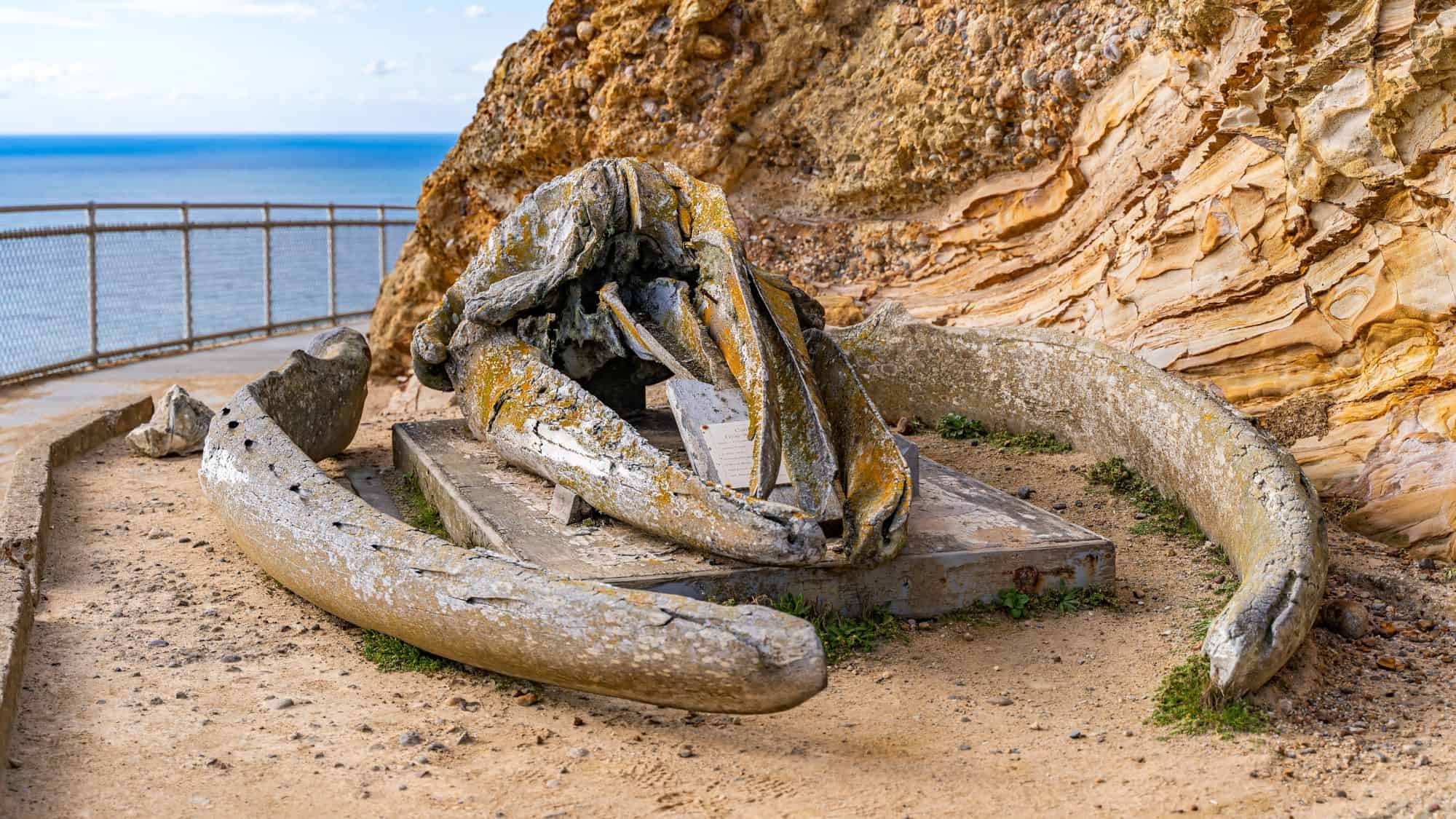
Point Reyes is a massive headland projecting 10 miles out into the Pacific Ocean, north of San Francisco. This geographical prominence acts as a natural interceptor for the gray whale migration. And the historic Point Reyes Lighthouse is the epicenter of the action.
To reach the viewing areas, you must often brave foggy, windy conditions and, during peak season, take a shuttle bus from the visitor center. However, the reward is one of the best observation points on the West Coast.
The whales pass Point Reyes twice a year: heading south in December and January, and returning north in March, April, and early May. The northern migration in spring is often preferred by whale watchers because the mothers and calves travel closer to the shoreline to avoid killer whales (orcas) in deeper waters and to navigate the coastline.
Looking down from the cliffs near the lighthouse, you can sometimes track the whales’ progress for miles. In addition to gray whales, elephant seals haul out on the beaches below the cliffs, adding another layer of wildlife viewing.
It is important to dress warmly, even in spring, as the point is one of the windiest and foggiest places in North America. When the weather clears, however, the visibility and the volume of marine traffic are spectacular.
Plettenberg Bay, South Africa
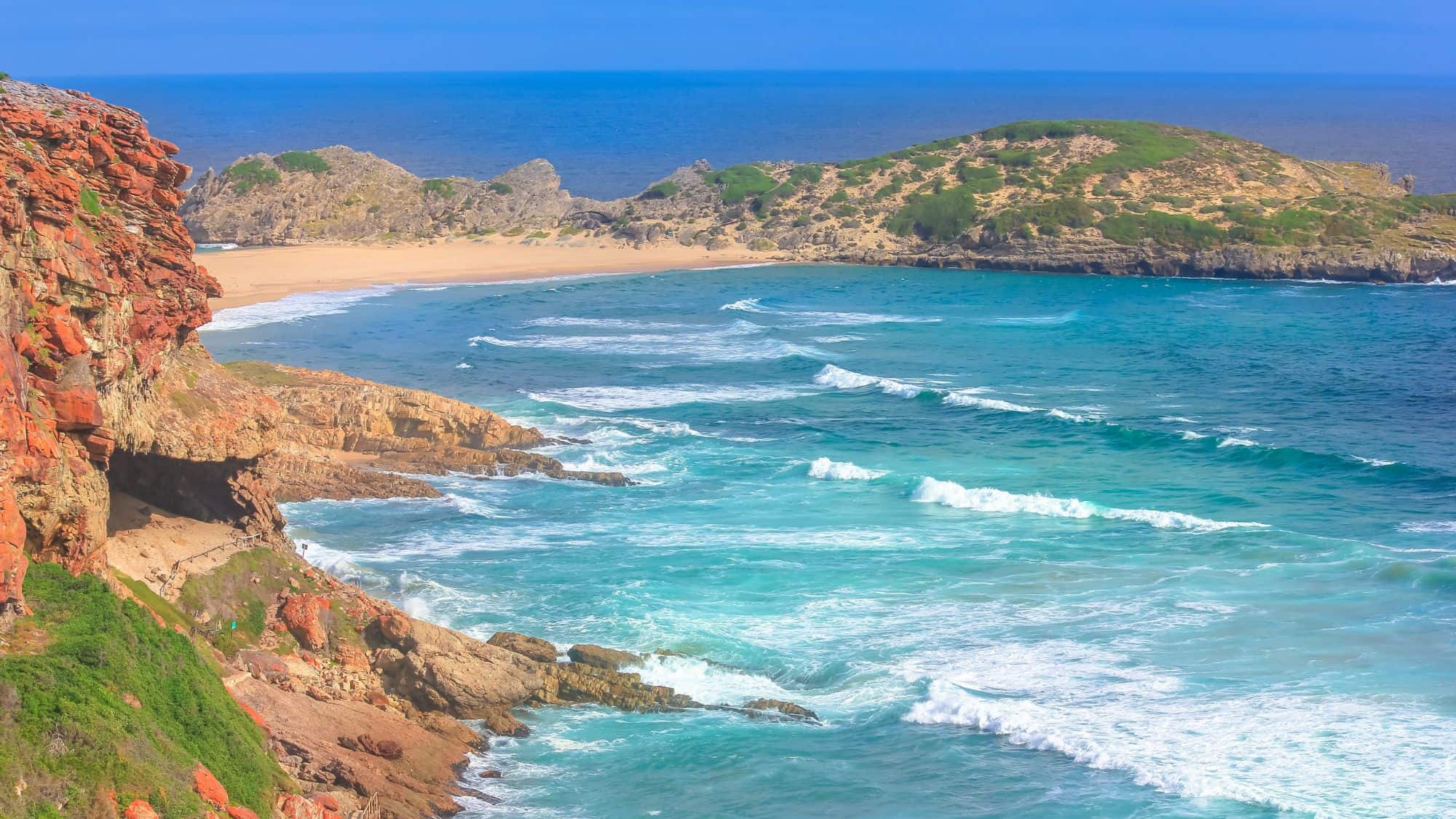
Another jewel on South Africa’s Garden Route, Plettenberg Bay, offers a different experience from Hermanus but is equally rewarding. The Robberg Peninsula, a nature reserve that juts into the ocean, acts as a barrier that creates calm, sheltered waters preferred by marine life.
Hikers walking the trails of the Robberg Nature Reserve can look down directly into the water to spot southern right whales from June to November and humpback whales during their migration.
The water clarity here is often exceptional, allowing you to see the entire body of the whale swimming beneath the surface, rather than just the parts that breach the water.
Great white sharks are also frequently spotted patrolling the seal colony at the foot of the peninsula, adding a thrill to the viewing experience. And the bay is also home to large pods of bottlenose dolphins and the rarer Indo-Pacific humpback dolphins, which can be seen surfing the waves along the beaches year-round.
If you aren’t in the mood to hike, there are various lookout points along the town’s beaches as well. But the elevation and immersion of the Robberg trails offer the most intimate and dramatic encounters with the giants of the deep.
Great Ocean Road, Australia
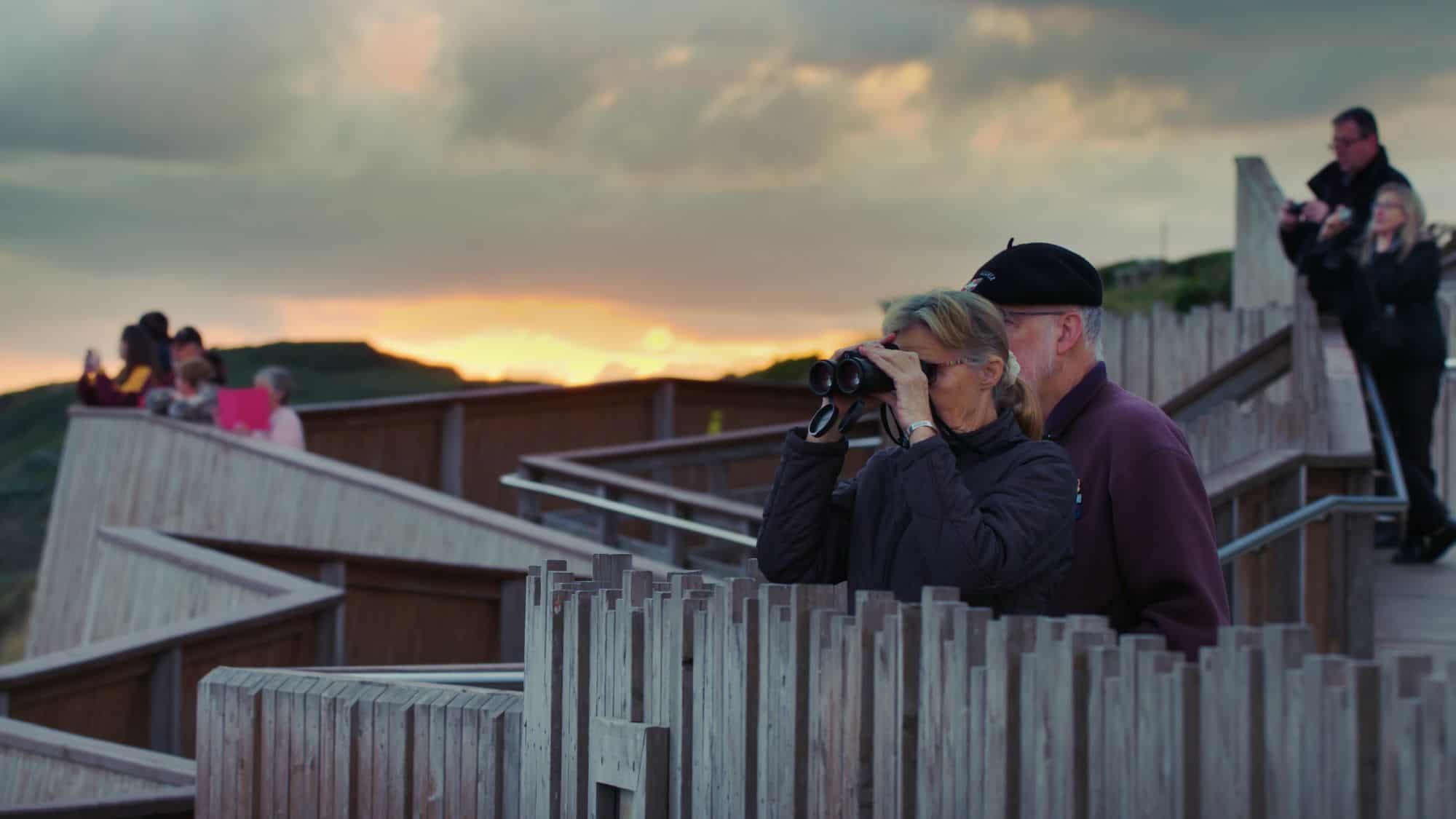
The Great Ocean Road is one of the world’s most famous scenic drives, winding along the Victorian coast of southern Australia. While the Twelve Apostles rock formations get most of the attention, the town of Warrnambool is a hidden spot for whale enthusiasts.
Specifically, Logans Beach is a designated southern right whale nursery. Between June and September, female whales arrive here to give birth and nurse their young in the protected, shallow waters. They often remain in the area for weeks, allowing for consistent and reliable viewing.
To protect the whales and facilitate viewing, a specially constructed platform has been built into the sand dunes at Logans Beach. This allows you to watch the mothers and calves without disturbing them or damaging the fragile dune ecosystem.
The calves are born weighing around one ton and must grow significantly before they can make the journey back to Antarctic waters. So watching a mother teach her calf to breach or simply seeing them rest together just beyond the breakers is a touching and memorable experience.
Keep in mind, the cold Southern Ocean winds can be biting in winter, so heavy coats and beanies are standard attire for whale watchers here.
Orkney Islands, Scotland
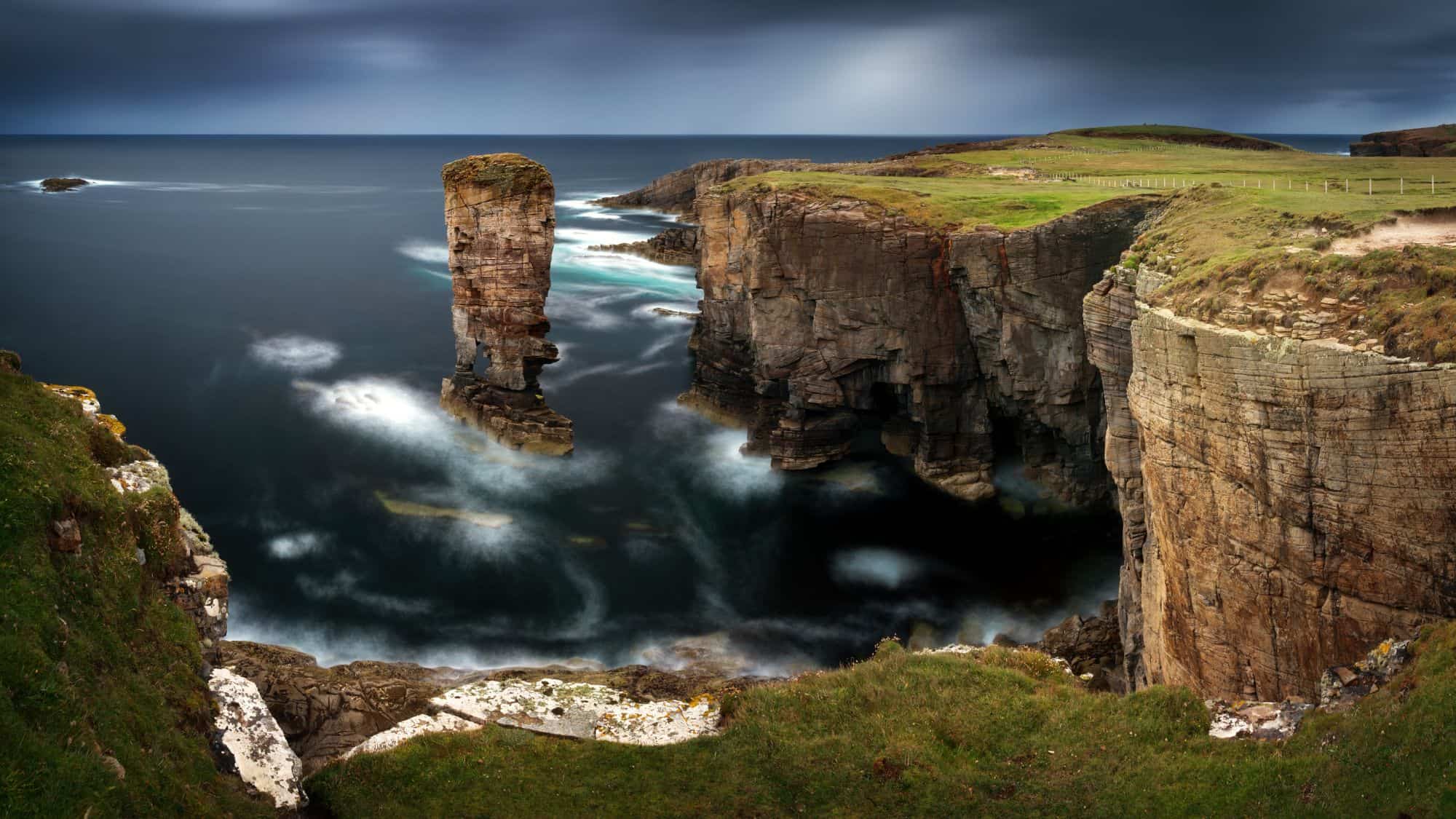
Off the northeastern tip of Scotland lies the Orkney archipelago, a place of ancient Neolithic sites and dramatic seascapes. It is also one of the best places in the United Kingdom to spot orcas.
While seeing them requires a bit more luck than seeing migratory baleen whales, the population of orcas around Orkney has been growing, and sightings are becoming more frequent, particularly between May and August.
The cliffs at Cantick Head on Hoy or the Brough of Birsay on the mainland are popular vantage points. Hopefully, you will spot these apex predators hunting seals close to the shore. In addition to orcas, you might spot minke whales, Risso’s dolphins, and harbor porpoises.
The local community is very active in tracking the orca pods, with social media groups dedicated to reporting sightings in real-time, which can be a huge help for visitors trying to be in the right place at the right time.
The backdrop of Orkney, with its sea stacks like the Old Man of Hoy and steep sandstone cliffs, makes the vigil worthwhile even if the whales are elusive. And the long summer days in this northern latitude provide ample light for scanning the turbulent waters where the North Sea meets the Atlantic.
Like Our Content? Follow Us on MSN (or click the Follow Button above) for more from Discover Parks & Wildlife.