Discover Parks & Wildlife contains affiliate links and is a member of the Amazon Services LLC Associates Program. If you make a purchase using one of the Amazon links, we may receive compensation at no extra cost to you. We may also use select AI tools to support our creative process, but all content is reviewed, refined, and finalized by our human team. See our disclosure policy and our AI use policy for more information.
15 Wild Species That Adapted So Well To Urban Life You’ll Mistake Them For Locals
The story of wildlife is often told as a tragedy of shrinking forests and disappearing habitats. We hear about species retreating further into the wilderness to escape the sprawling concrete of our expanding cities.
Yet there is another narrative unfolding right in our backyards, one that speaks to resilience and an uncanny ability to adjust. Nature is not always fragile or fleeing. Sometimes it is bold, clever, and willing to compromise. A select group of creatures has looked at the changing world and decided to stay put.
Their stories reveal just how extraordinary coexistence can be, especially when nature refuses to bow out quietly. These animals have swapped hollow trees for chimneys and rushing rivers for storm drains. They have learned to read the rhythm of traffic lights and navigate the complex grid of suburban streets.
Instead of fading away, they are finding new ways to thrive in environments that were never designed for them. This shift is not just about survival but about a remarkable behavioral evolution happening in real time.
We are witnessing a new chapter where the line between the wild and the urban is becoming increasingly blurred. It challenges our understanding of what it means to be wild and forces us to reconsider who exactly our neighbors are.
Coyote

Coyotes have staged one of the most impressive expansions of any North American mammal in history. While many species retreat when humans arrive, the coyote has done the opposite.
They have moved into the heart of our cities, from Los Angeles to Chicago, finding opportunities in the concrete landscape that others miss. Their success lies in their opportunistic nature.
A coyote is not a picky eater. They will hunt small rodents in a city park, scavenge fallen fruit from backyard trees, or raid unsecured garbage bins. This dietary flexibility allows them to survive in areas where specialized predators would starve.
You might be surprised to learn how well they navigate our infrastructure. Research shows that urban coyotes have learned to understand traffic patterns, often crossing busy streets only when the flow of cars breaks.
They have shifted their activity patterns to become more nocturnal in city centers, avoiding human contact by moving under the cover of darkness. This behavioral shift allows them to live in close proximity to millions of people who rarely see them. They use railway lines, utility corridors, and storm channels as highways to move undetected across metropolitan areas.
The expansion of the coyote is a testament to their intelligence and adaptability. They are not just surviving in the human world. They are flourishing in it. Their population density in some suburban areas now exceeds that of their rural counterparts.
Maned Wolf

The maned wolf is a striking creature that looks like a fox on stilts, wandering the grasslands of South America.
As agriculture and development cut into their native Cerrado habitat in Brazil and neighboring countries, these solitary canids have had to adjust. They are increasingly found navigating the edges of farmland and even venturing into towns.
Unlike their pack-hunting wolf cousins, maned wolves are solitary omnivores. Their diet is split evenly between meat and plants, a trait that serves them well in human-altered landscapes.
They have developed a taste for crops and will readily eat fierce amounts of lobeira fruit, which is essential to their health, but they also scavenge for chickens or food waste left behind by humans. This brings them into conflict with farmers, yet it also provides a steady food source when wild prey is scarce.
In some Brazilian towns, maned wolves have become regular visitors, tolerating the presence of humans to access resources. Their long legs allow them to see over tall grasses, but in urbanized areas, those legs help them trot swiftly across roads and through fences.
The adaptability of the maned wolf highlights the complex relationship between threatened species and the agricultural expansion that displaces them. Today, conservationists are working to find ways for locals to coexist with these tall canids, as their habitat continues to fragment.
White-Tailed Deer

White-tailed deer are perhaps the most visible example of wildlife thriving in the suburbs. In many parts of the United States, deer populations are higher today than they were when European settlers first arrived.
The patchwork of suburban lawns, gardens, and small wooded lots creates an ideal environment for them. It offers the perfect mix of edge habitat, providing both cover and an endless buffet of nutritious plants. We have inadvertently created a deer paradise by removing natural predators like wolves and planting lush, fertilized gardens.
In New Jersey, deer densities in some areas have reached over 100 animals per square mile, far exceeding the historical norm. But this overabundance has ecological consequences.
Deer browse heavily on the understory of forests, stripping away native seedlings and changing the composition of the woods. In residential areas, they have learned to jump fences and navigate backyards with ease.
They are remarkably tolerant of human presence, often grazing just feet away from busy roads or houses. This proximity leads to challenges, including a high rate of vehicle collisions and the spread of tick-borne diseases.
Yet deer continue to prosper. Their ability to digest a wide variety of plant materials and their high reproductive rate mean they can bounce back quickly from population losses. They have essentially become semi-domesticated neighbors in many communities, comfortable watching us from the edge of the woods.
Common Carp

Beneath the surface of our lakes and rivers, the common carp has quietly taken over. Originally from Europe and Asia, this fish was introduced to North America and has since become one of the most successful invasive species on the continent.
Their dominance is largely due to their tolerance for poor water quality. As urbanization increases, many water bodies suffer from runoff, sedimentation, and pollution. While native fish species like trout or pike might struggle in these murky, oxygen-depleted waters, the common carp thrives.
They are bottom feeders, rooting around in the sediment for insects and plants. This feeding behavior stirs up mud and releases nutrients, making the water even murkier and destroying the submerged vegetation that other fish rely on for habitat. In doing so, carp engineer the environment to suit themselves while displacing native competitors.
In some shallow lakes in the Midwest, carp have become the dominant biomass, outnumbering all other fish combined. Their ability to survive in degraded environments makes them a formidable presence in human-altered waterways.
They can endure high temperatures and low oxygen levels that would be fatal to other species. This hardiness has allowed them to spread through connected waterways and establish populations in 48 states.
Managing their numbers is difficult because they reproduce rapidly and grow large enough to avoid most predators.
Monk Parakeet

Walk through a park in Chicago or Brooklyn, and you might hear a squawk that sounds decidedly tropical. Look up, and you will see the bright green flash of a monk parakeet.
These birds, native to South America, were imported to the United States as pets in the 1960s. Many escaped or were released, and instead of perishing in the harsh winters, they adapted.
Today, there are breeding populations in at least 23 states, including areas with freezing temperatures that seem unsuitable for a parrot. In terms of diet, they are versatile foragers, visiting backyard bird feeders and eating ornamental fruit buds in urban gardens
But their secret weapon is their nest. Unlike other parrots that nest in tree cavities, monk parakeets build massive communal stick nests. These structures are feats of engineering, containing multiple chambers that house several pairs of birds. The thick walls of sticks provide excellent insulation against the cold, allowing the birds to survive sub-zero nights.
They have also figured out that electrical substations and utility poles radiate heat, making them prime real estate for nesting. This often puts them at odds with utility companies, as their nests can cause power outages.
Red Fox
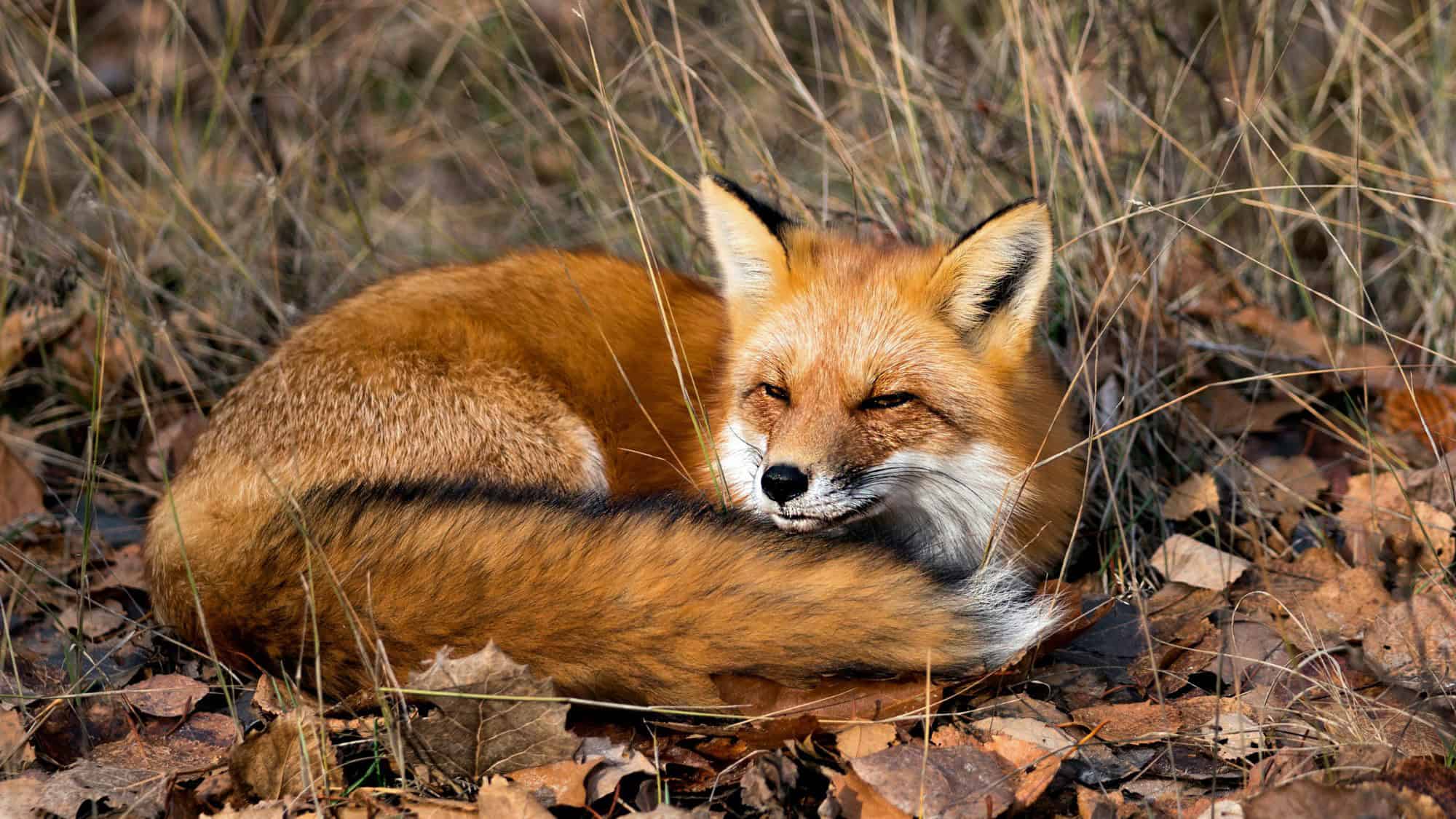
The red fox has become an iconic urban resident in cities like London, where thousands of them live side by side with millions of people. In North America and Australia, foxes are also making themselves at home in metropolitan areas.
These clever canids are opportunistic omnivores, which is the key to their urban success. While rural foxes hunt rabbits and rodents, their city-dwelling cousins have a much more varied diet. They scavenge from trash bins, eat pet food left outside, and hunt rats and pigeons.
Urban foxes have smaller home ranges than rural ones because food is so abundant in the city. They make their dens in surprising places, utilizing space under garden sheds, beneath railway platforms, or in overgrown patches of industrial land.
They are mostly nocturnal in the city to avoid humans, but it is becoming more common to see them trotting down a sidewalk in broad daylight.
They have learned to be less fearful of people, sometimes approaching homeowners who leave food out for them. This boldness helps them thrive in high-density areas. And studies have shown that urban foxes can live in densities far higher than in the wild.
They are also agile climbers and can scale fences and walls to move between gardens, treating the suburban landscape like a personal obstacle course.
Barn Owl
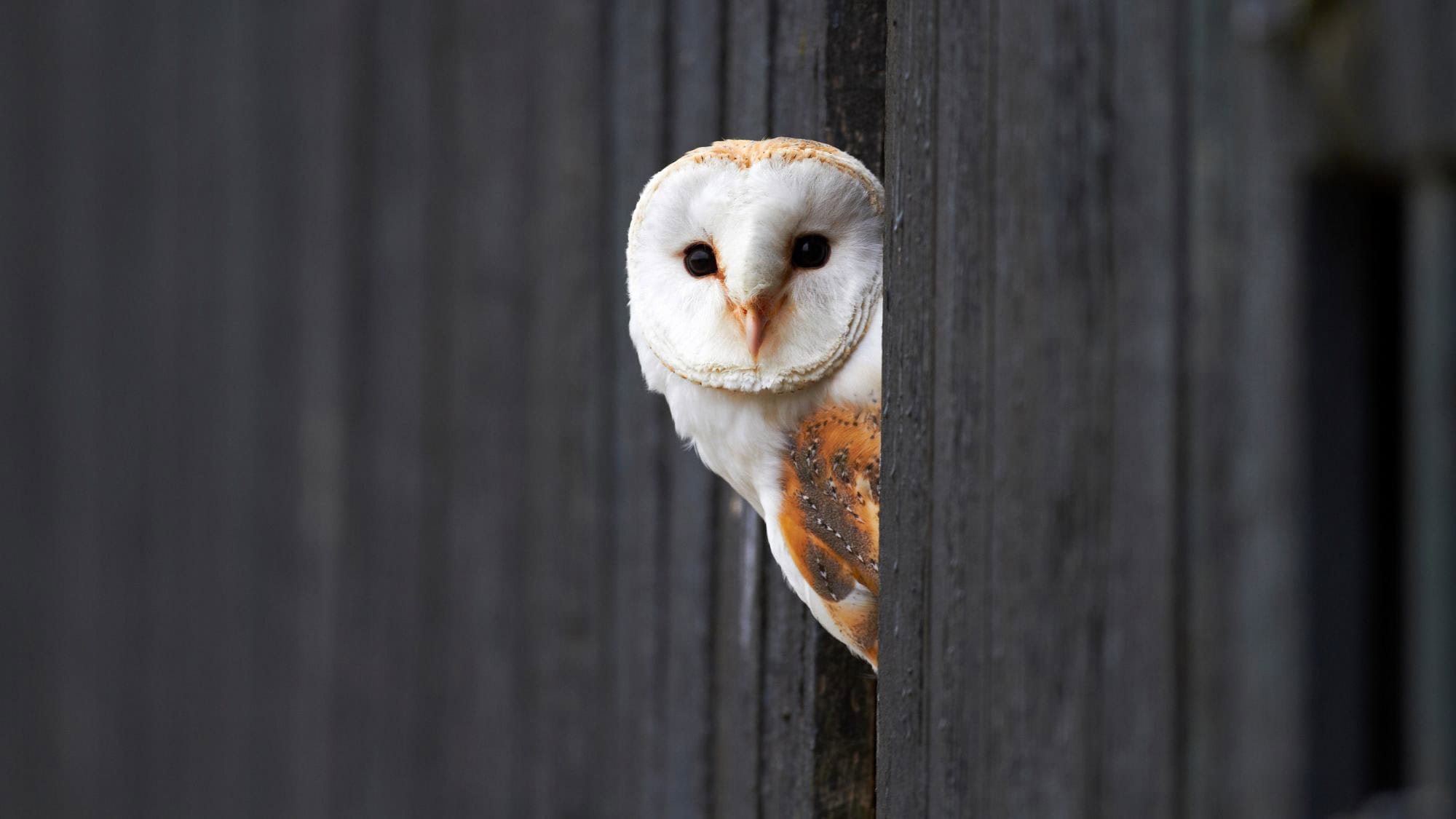
Barn owls have been living alongside humans for so long that they are named after our agricultural structures. These spectral hunters are widely distributed across the globe, and their relationship with humans is a classic example of mutual benefit.
As humans cleared forests for agriculture, we created the open grasslands that barn owls prefer for hunting. We also built barns, silos, and church steeples, which mimic the caves and hollow trees where they naturally nest.
In modern times, barn owls have continued to adapt to the built environment. They are frequently found nesting in abandoned buildings, under bridges, and in aircraft hangars.
Their primary prey is small rodents, and human settlements tend to attract plenty of rats and mice. A single family of barn owls can consume thousands of rodents in a year, providing free pest control for farmers and urban residents alike. This adaptability has allowed them to maintain a presence in areas that have been heavily modified by human activity.
While they face threats from vehicle collisions and rodenticides, they remain resilient. Their ability to hunt in total darkness using their acute hearing allows them to survive in areas where artificial light might disturb other nocturnal predators.
Indian Leopard

In the bustling metropolis of Mumbai, leopards are not a distant myth but a nightly reality. Sanjay Gandhi National Park sits within the city limits, surrounded by high-rise apartments and densely packed slums. And it has one of the highest densities of leopards in the world.
These big cats have adapted to the urban edge in a way that challenges our perception of large predators. They do not just stay in the forest. At night, they slip into the city streets to hunt.
Their diet in this urban landscape has shifted dramatically. Studies show that domestic dogs make up a significant portion of their prey, along with stray pigs and rodents. The abundance of these domestic animals supports a much larger leopard population than the wild prey base alone could sustain.
These leopards have learned to be incredibly stealthy, moving through populated areas without being seen. They use storm drains and narrow alleys to navigate the concrete maze. Living so close to humans is risky, and conflicts do occur, but the leopards generally go to great lengths to avoid people.
Their presence highlights a unique coexistence in which a large carnivore lives in the shadows of a megacity and uses the resources we unintentionally provide, turning the urban fringe into a hunting ground.
Mongoose

The mongoose is a small predator with a big reputation, known for its ability to fight snakes. In many parts of the world, particularly islands like Hawaii and those in the Caribbean, the mongoose was introduced by humans to control rat populations in sugar cane fields.
This attempt at biological control had mixed results, but the mongoose proved to be an expert at surviving in its new human-dominated home. They are now a common sight in gardens, parks, and roadsides across these regions.
Mongooses are bold and inquisitive. They have adapted to eat almost anything they can find, from insects and birds to human food waste and pet food.
In urban areas, they are often seen darting across roads or scavenging near trash cans. They use culverts and drains as travel corridors, moving safely beneath the traffic. Their agility allows them to thrive in the fragmented habitats of suburbs and resorts.
They are diurnal, meaning they are active during the day, so they are frequently encountered by people. They have learned to live in the margins of our developments, exploiting the resources we provide while avoiding capture.
While they are considered a pest in many of their introduced ranges because they prey on native birds, there is no denying their success in adapting to the environment we built.
Florida Panther

The Florida panther is a subspecies of cougar that has walked the fine line of extinction and clawed its way back. Once roaming the entire southeastern United States, they were pushed down to a tiny population in South Florida.
Today, they are learning to navigate a landscape crisscrossed by highways and encroached upon by development. While they are not urban animals in the traditional sense, their survival depends on their ability to move through a human-dominated matrix.
Conservation efforts have helped their numbers rise from fewer than 30 to an estimated 200 today. To survive, these large cats have had to adapt to a fragmented habitat.
They use underpasses specifically built for wildlife to cross beneath dangerous highways like Alligator Alley. These wildlife crossings are crucial, as vehicle collisions are a leading cause of death for the panther.
Telemetry data shows them moving through ranchlands and close to suburban edges, utilizing the cover of night to travel. Their ability to use these corridors and coexist with ranching operations is vital for their future range expansion.
The Florida panther is a symbol of wild Florida, but its modern existence is defined by how well it can negotiate the human infrastructure that surrounds it.
Black Rat

The black rat is arguably the most successful urban adapter on the planet. Originating in tropical Asia, this species hitchhiked on human ships to reach every corner of the globe.
They are commensal, meaning they effectively share our table. Wherever humans go, black rats follow.
They are incredible climbers, earning them the nickname “roof rat,” and they are perfectly suited for the verticality of modern cities. They nest in attics, wall voids, and the upper floors of buildings, staying high above the ground and out of sight.
Their diet is astonishingly broad. They consume our crops, our stored grains, and our garbage. In urban environments, they have learned to exploit the endless supply of food waste we generate.
They are cautious and intelligent, often avoiding traps and new objects in their environment, which makes them difficult to control. And their biology is tuned for rapid reproduction, allowing populations to explode whenever resources are available.
They are not just surviving near us. They are dependent on us. Their entire global distribution is linked to human migration and settlement patterns. From the sewers of London to the palm trees of Los Angeles, the black rat has turned our infrastructure into their ideal habitat.
Canada Goose

If you visit a park, golf course, or corporate campus in North America, you will likely encounter the Canada goose.
Historically, these birds were migratory, flying south for the winter and returning north to breed. However, distinct populations of “resident” geese have established themselves in suburban and urban areas.
They no longer migrate because we have created the perfect year-round habitat for them. Manicured lawns provide an endless supply of short, nutritious grass, and artificial ponds offer safety from predators.
These resident geese have lost their fear of humans. They graze on soccer fields and sidewalks, often aggressively defending their nests from passing pedestrians. Their numbers have swelled in these protected environments where hunting is restricted, and natural predators are few.
They raise their goslings in the safety of our parks, teaching the next generation that the suburbs are a safe and bountiful home.
They are large birds, and their presence in high numbers can lead to conflicts, particularly regarding their waste. Yet their success is undeniable. They have capitalized on the way we landscape our cities, turning our aesthetic preference for large lawns and water features into a survival advantage.
Eastern Grey Squirrel

The eastern grey squirrel is so common in city parks that it is easy to forget it is a wild animal. Native to the eastern United States, this squirrel has adapted perfectly to the urban forest. They utilize the large trees we plant for shade as nesting sites and travel routes.
But their real genius lies in their interaction with humans. In the wild, they are shy and elusive. In the city, they are bold beggars, approaching park benches and picnic tables looking for handouts.
They have mastered the art of raiding bird feeders, showing incredible problem-solving skills to bypass obstacles designed to keep them out. Their diet in the city is supplemented by our discarded food, allowing them to maintain higher population densities than in rural forests.
They use telephone wires as aerial highways to cross streets safely, navigating the cityscape without ever touching the ground. They breed twice a year, and the abundance of food in urban areas ensures a high survival rate for their young. They have even been introduced to cities in Europe and South Africa, where they have replicated their success.
The grey squirrel is a prime example of a species that views human development not as a loss of habitat, but as the creation of a new, resource-rich environment.
Peregrine Falcon

The peregrine falcon is the fastest animal in the sky, capable of diving at speeds over 200 miles per hour. After their populations crashed due to DDT poisoning in the mid-20th century, recovery efforts brought them back from the brink.
Surprisingly, they found a new stronghold in major cities. Why? Because to a peregrine falcon, a skyscraper is just a tall, vertical cliff perfect for nesting. Bridges offer similar high-altitude ledges that mimic their natural breeding grounds.
Cities also provide an ample food supply in the form of rock pigeons and starlings. These urban birds are easy prey for the aerial hunters.
Peregrines have adapted to the noise and lights of the metropolis, raising their chicks on the ledges of cathedrals and office towers. In New York City alone, there are dozens of nesting pairs. They use the updrafts created by tall buildings to soar effortlessly while hunting.
The absence of natural predators like great horned owls in city centers also gives their chicks a better chance of survival.
Their recovery is a conservation success story, but their adaptation to urban living is a biological triumph. They have turned our concrete canyons into their hunting grounds, reclaiming the skies above our busiest streets.
Raccoon

Raccoons are the bandits of the suburbs, famous for their masked faces and dexterous front paws. These mammals are legendary for their ability to thrive alongside humans.
Their hands are sensitive and capable of opening latches, unzipping tents, and tipping over secured trash cans. This mechanical aptitude allows them to access food sources that other animals cannot reach. And while they naturally live in deciduous forests, they have found that cities offer a life of luxury.
They make their dens in chimneys, attics, and storm sewers, finding our buildings to be warm and dry alternatives to hollow trees. Raccoons are nocturnal, foraging while the city sleeps to avoid confrontation. They are also incredibly smart, learning to navigate complex urban obstacles and solve problems to get a meal.
They are omnivorous and will eat everything from pet food and garden vegetables to insects and aquatic life in park ponds. Studies have shown that city raccoons are often heavier and live in smaller ranges than their country cousins because food is so easy to find.
Their population densities in cities can be 20 times higher than in the wild. They have not just accepted human presence. They have built their entire lifestyle around exploiting it.
Like Our Content? Make sure to join our newsletter for all the latest on outdoor adventures (and a FREE STARGAZING GUIDE). Click here to sign up!