Discover Parks & Wildlife contains affiliate links and is a member of the Amazon Services LLC Associates Program. If you make a purchase using one of the Amazon links, we may receive compensation at no extra cost to you. We may also use select AI tools to support our creative process, but all content is reviewed, refined, and finalized by our human team. See our disclosure policy and our AI use policy for more information.
14 Unbelievable Wildlife Moments You Could Witness While Boondocking Off Grid
You’re perched on the edge of nowhere, the kind of nowhere where the stars burn brighter than your city’s entire power grid and silence stretches so deep it feels alive. Then, out of that stillness, whoosh, a bald eagle slices through the air like it’s got somewhere important to be (spoiler: it’s your campfire leftovers).
Boondocking isn’t just about camping; it’s an unfiltered handshake with the wilderness, complete with all its untamed charisma. For centuries, explorers and nomads have ventured into the great unknown, chasing the epic, unpredictability, and interesting wildlife sightings.
And guess what? You’re next in line for the show. Think elk locking antlers in a primal standoff or a curious fox stealing your boot while you’re distracted by a desert sunset that looks like it was painted by someone who really, really loves red. So let’s take a look at the boondocking that comes with a side of wildlife.
Osprey – Flathead National Forest, Montana

The osprey isn’t just any bird; it’s a precision angler with a flair for theater. Hovering above the crystal-clear lakes of Flathead National Forest, it scans the water with laser-like focus. Then, with a sudden burst of movement, it plummets feet first, slicing through the surface like a feathered missile.
Moments later, it reemerges, victorious, clutching a slippery trout in its talons that sparkles like a forgotten piece of treasure. The setting adds to the drama, with towering pine forests framing glacier-fed waters so pristine they seem almost too perfect to be real.
The gasp-worthy showdown between osprey and trout is a front-row seat to survival, equal parts exhilarating and humbling. And locals say this majestic bird has been a seasonal resident here for centuries, repeatedly proving that sometimes, nature writes the best fishing stories.
Roadrunners – Lincoln National Forest, New Mexico

These pint-sized speed demons make crossing a campsite feel like a high-stakes adventure. The roadrunner, a master of zippy chaos, bursts from the shadows of towering pines in Lincoln National Forest like a streak of adrenaline on two legs.
With a comical gait and a diet that reads like a lizard’s worst nightmare, they dart between sun-dappled meadows and beneath scrubby junipers while looking like they’ve got somewhere far more important to be. And the dry, earthy scent of pine needles mingles with the faint hum of mountain breeze. It’s a perfect backdrop for the roadrunner’s antics.
Legend has it that these quirky birds have inspired folklore across New Mexico for centuries, their speed and wits earning them a reputation as feathered tricksters. And trust us, watching one snatch up a snack on the fly is oddly satisfying.
Javelinas – Coronado National Forest, Arizona
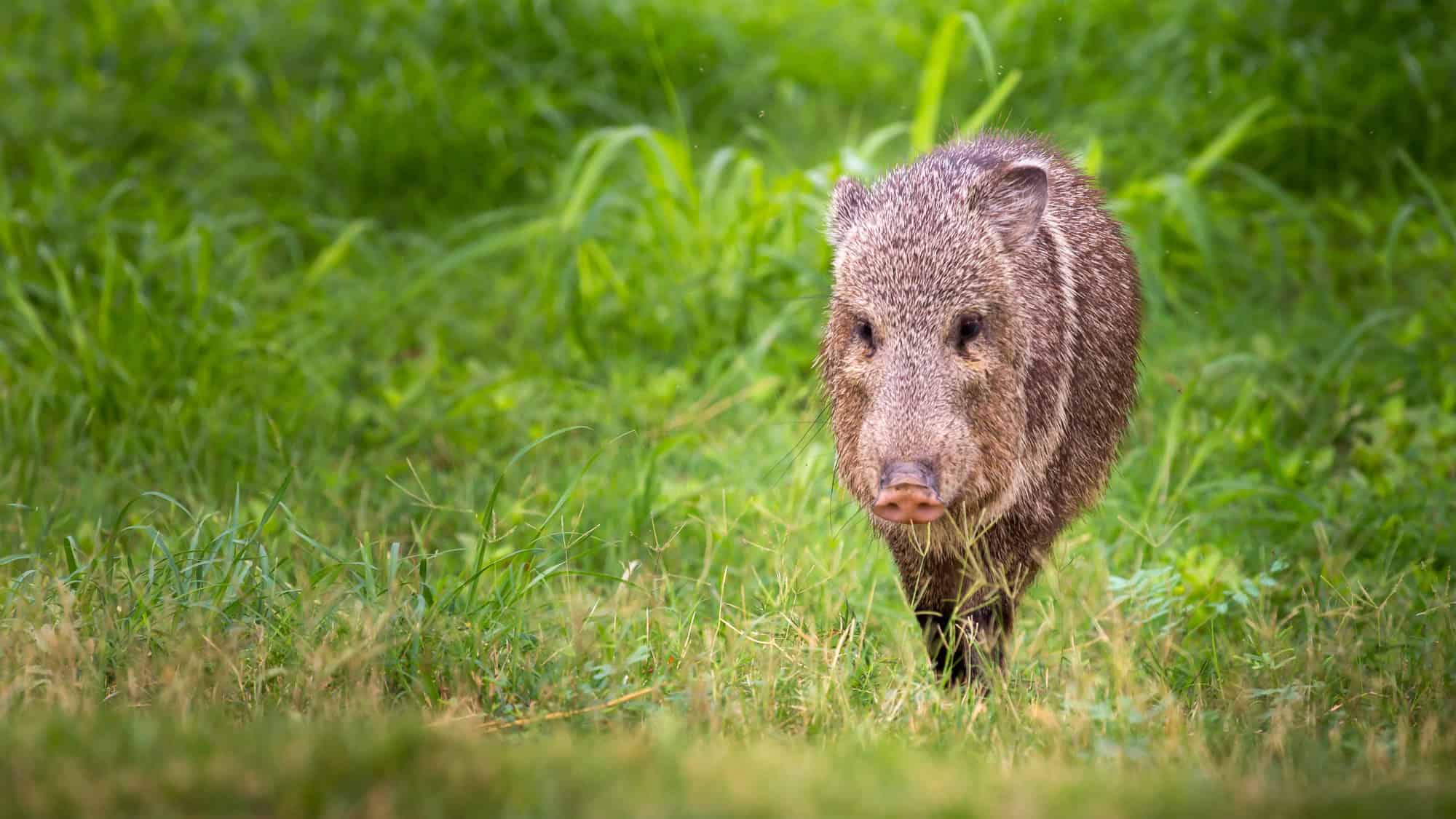
You think you’ve seen it all, until a javelina waddles into your campsite like you stole its spot. These desert dwellers, with their coarse, bristly coats and pig-like snouts, are nature’s most determined foragers. They rummage through thorny cactus patches and dry-arroyo beds with a tenacity that’s part endearing, part terrifying.
That faint crunching sound? Likely a group of them munching on prickly pear fruits, undeterred by the spikes. And their sharp tusks aren’t just for looks; they’re useful tools for survival in this arid expanse.
If you’re downwind, prepare for a surprise; their musky odor is a not-so-gentle reminder that you’re in their stomping grounds. Coronado National Forest, with its rugged canyons and sun-baked trails, sets the stage for this gutsy desert drama.
Alligators – Apalachicola National Forest, Florida

The only thing lazier than Florida’s swampy summer afternoons is the alligator sunbathing on the bank, looking prehistoric and totally unbothered. These scaly reptiles stretch out near ponds, their armored bodies absorbing the heat like living solar panels.
But don’t be fooled; they can launch into action faster than you can say “reptilian predator.” And at Apalachicola National Forest, they are hanging out as the wetlands hum with life, from the chatter of insects to the distant croak of frogs.
Keep your distance, of course, because while they look chill, they aren’t exactly inviting you over for tea. Want a brush with Florida’s primitive past? Just follow the sound of splashing.
Mountain Goats – Olympic National Forest, Washington

Who needs a hiking guide when the mountain goats of Olympic National Forest are giving masterclasses in balance? These sure-footed creatures defy gravity as they clamber up vertiginous cliffs and ridges, where the alpine world kisses the clouds.
Clad in snowy-white coats, they look like they’ve wandered off the set of a mythical adventure, but their sharp horns are all business. While you are busy watching them, the whisper of a cold mountain breeze and the faint tang of pine in the air create a setting so pristine, it feels as if time’s frozen.
Olympic’s rugged terrain might test your legs, but compared to these nimble legends, you’ll feel like a clumsy tourist on an escalator.
Wolves – Superior National Forest, Minnesota

The haunting echo of a wolf’s howl slicing through the stillness of Superior National Forest is nature’s ultimate mic drop. These gray wolves aren’t just symbols of the wild; they are the wild.
Moving through the dense pine forests and frozen lakes under the shimmer of northern starlight, they radiate both mystery and power. Occasionally, you’ll spot a paw print left in the soft earth near your campsite, a quiet reminder that you’re sharing this vast wilderness with these elusive predators.
Did you know that wolves operate in packs? Yep, their hierarchy is as structured as a corporate boardroom, but without the boring meetings. This is their domain, and you’re just a hushed spectator to their symphony of survival.
Moose – Bridger-Teton National Forest, Wyoming
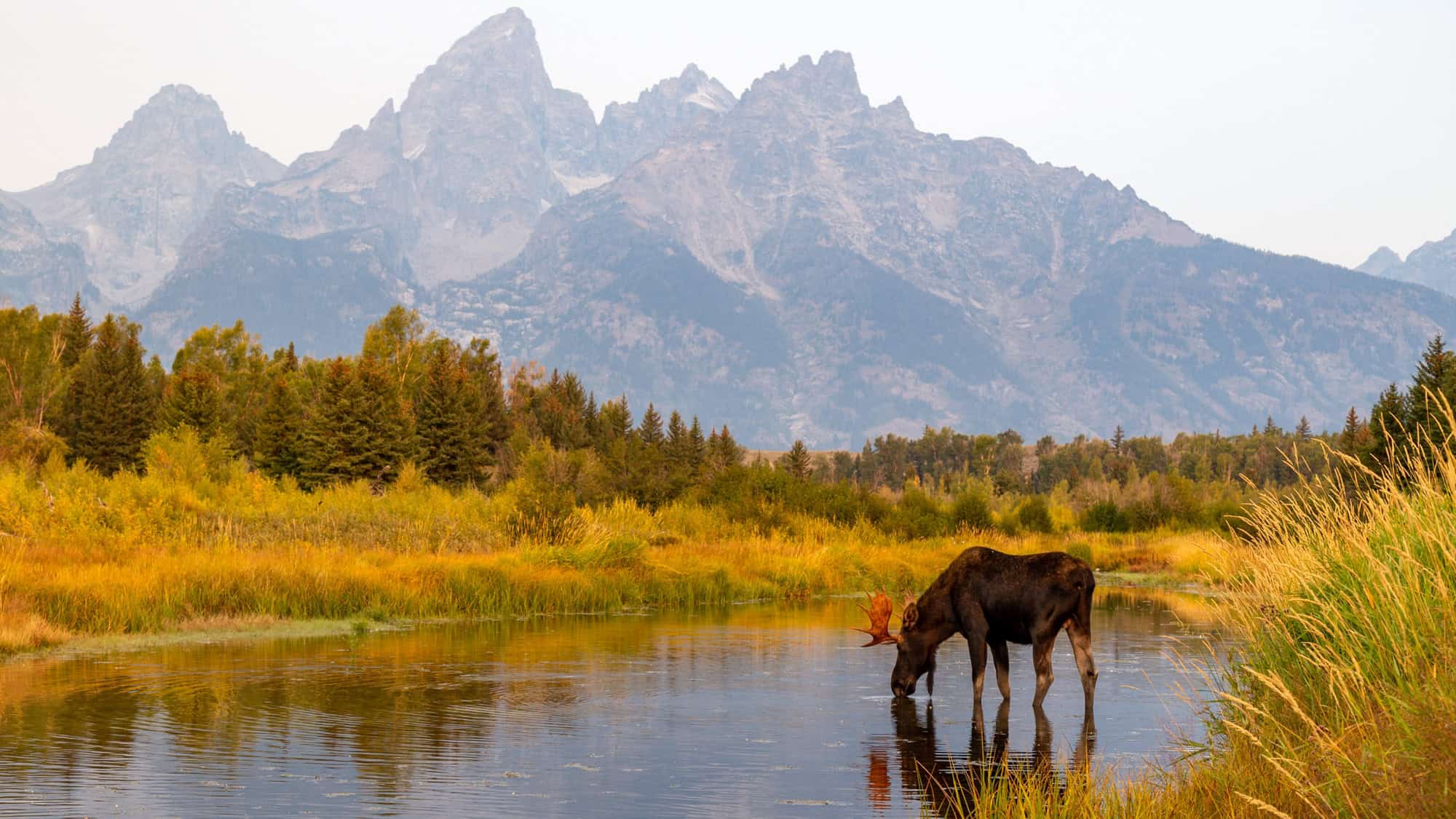
There’s something oddly poetic about watching a moose the size of a compact car casually saunter through a creek while chewing on a mouthful of willows like it’s a gourmet salad. Here in the rugged Bridger-Teton National Forest, these gangly, long-legged behemoths wade through alpine ponds with the grace of a cow in ballet slippers.
And the Snake River winds lazily nearby, its glassy surface reflecting some of the most pristine wilderness in the lower 48. Early morning fog clings to the water like it’s got nowhere else to be, and the air carries a faint mix of pine.
Moose are often spotted grazing alarmingly close to dispersed campsites, where you’ll likely hear the whisper of wind through the trees and the uncomfortably close sound of antlers rustling shrubbery. But it’s a serene kind of chaos, a wild spectacle in one of nature’s most beautiful places.
Bald Eagles – Lake Roosevelt National Recreation Area, Washington
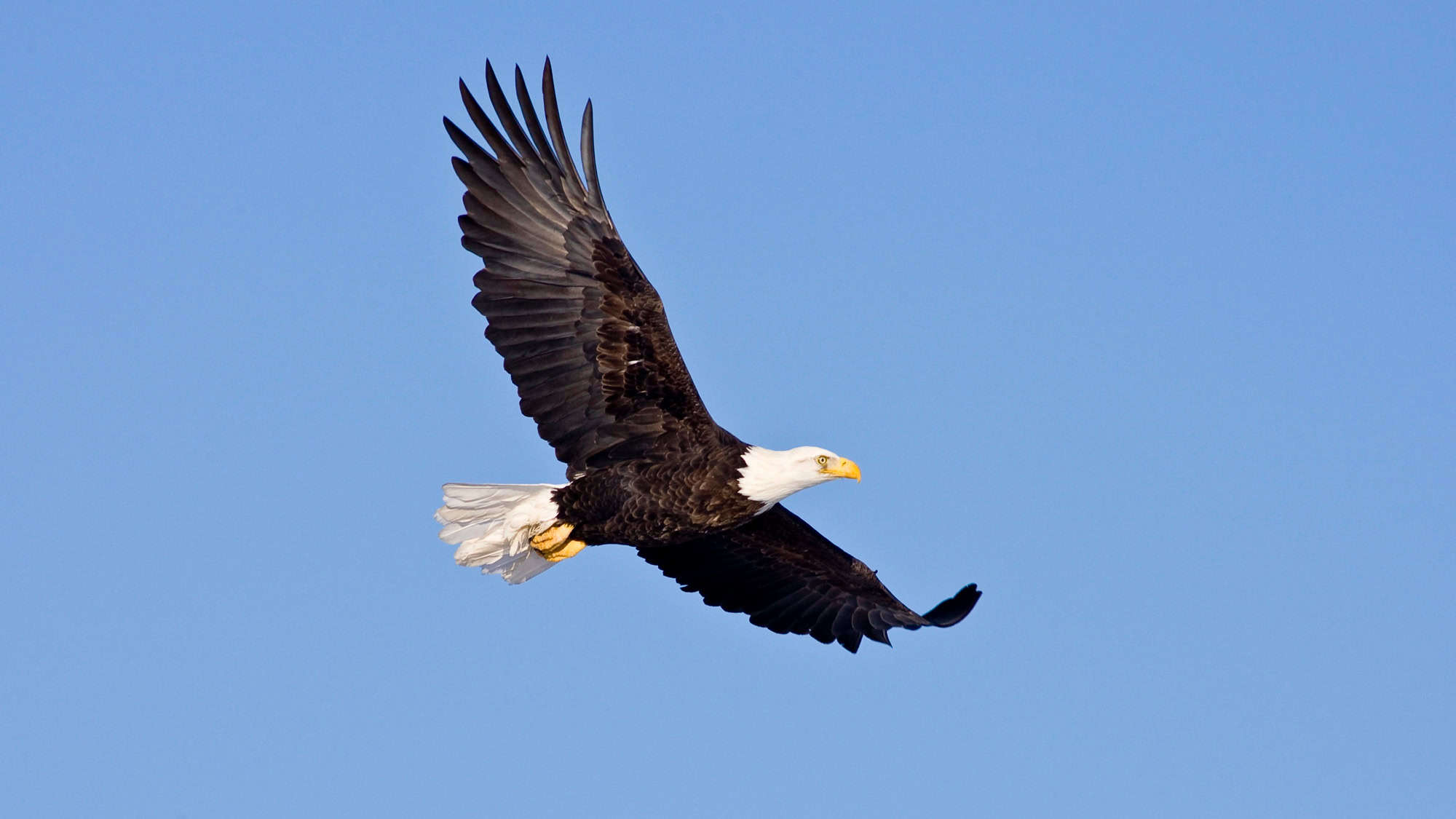
When a bald eagle swoops down like an aerial tank and plucks a fish straight out of the lake, it’s hard not to feel a little underwhelming as a human being. And along the rocky shorelines of Lake Roosevelt, these indomitable raptors perch high in towering pines, striking silhouettes against an ocean of sky so impossibly blue it feels like a marketing gimmick.
There’s a sharpness to their presence, their fierce gaze daring you to blink first. The quiet here is deceptive, broken only by the keening call of an eagle and the splash of trout that should’ve zigged when they zagged.
Watching these majestic creatures hunt reminds you why they’re the ultimate ambassadors of freedom and dignity (and unapologetic seafood theft).
Pronghorn – Buffalo Gap National Grassland, South Dakota

The open prairie of Buffalo Gap National Grassland could easily be mistaken for a painting, but then a pronghorn rockets across the horizon at a pace that makes your snack-craving sprint seem embarrassing.
Hailed as North America’s speed demon, these sleek ungulates boast a design that belongs more in a sports car showroom than a windswept grassland. Their tawny coats ripple in the breeze as they graze beneath the impossibly massive skies near the jagged rim of the Badlands.
The distant chorus of prairie birds mixes with the rustle of grass, creating a soundtrack that makes the experience feel timeless. Until, of course, a pronghorn bolts, reminding you of how slow you really are by comparison.
Bison – Custer National Forest, Montana
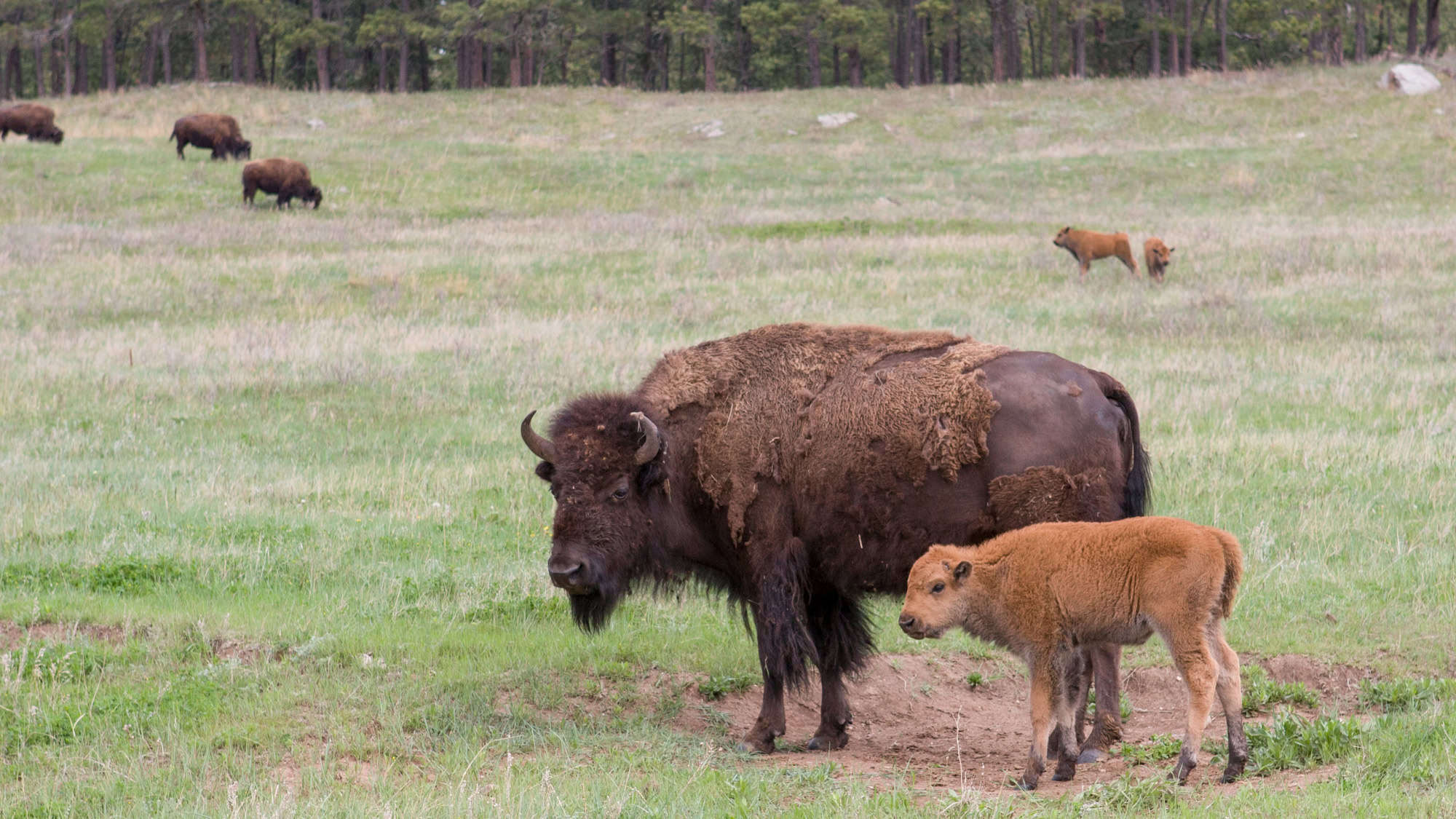
Standing in the remote stretches of Custer National Forest, with a bison in view, feels less like wildlife watching and more like traveling back in time to when America was first explored. There’s a primal energy in these lumbering tanks of fur and muscle, remnants of the mammoth herds that once ruled the Great Plains.
The crunch of dry grass under their hooves somehow echoes louder in the quiet expanse, as though the land itself hasn’t forgotten their dominion. Watching a lone bison nose through the grasslands is humbling; they wear the weight of history in every step, a living emblem of resilience.
And you can almost hear the whisper of centuries past in the Montana wind, telling you this land (and these creatures) endured long before roads, fences, and hashtags.
Sheep – Cowboy Camp, California

What’s fluffy, chill, and a scene from a pastoral calendar? The sheep at Cowboy Camp. These woolly nomads rule the chaparral hills near Lake County’s scenic backroads. They move with an elegance that speaks of no debt, no deadlines, and certainly no fences they can’t outsmart.
Their days are spent feasting on grasses and shrubs across the rocky slopes under the California sun. And stepping into their territory feels almost spiritual, until a sheep eyes you, asking, “New around here, are we? Got any treats?”
But these aren’t your typical farm-bound wool balls; they’re the free spirits of the flock, coming and going at their leisure. These ancient ridges, once paths for Native Americans, now draw adventurers seeking these independent sheep, who seem to hold their own keys to freedom.
Burros – Spencer Hot Springs, Nevada

Out in the sage-scented basins of Nevada’s Spencer Hot Springs roams a crew of wild personalities with names like Stubborn and Snack Thief. They are descendants of mining era burros who decided freedom suited them better than hauling ore.
These hardy rebels rule the desert, pawing through rocky valleys with hooves tough enough to outlast the driest patch of earth. And they’re often spotted meandering near the hot springs, their ears swiveling like tiny satellite dishes tuned to you. Not many animals could strut through a landscape this austere and look so unbothered.
Their ancestors might have headed west as laborers, but these burros live on their own terms now. Just don’t leave your food unattended; they have a knack for acquiring food-related memories.
Elk – Coconino National Forest, Arizona
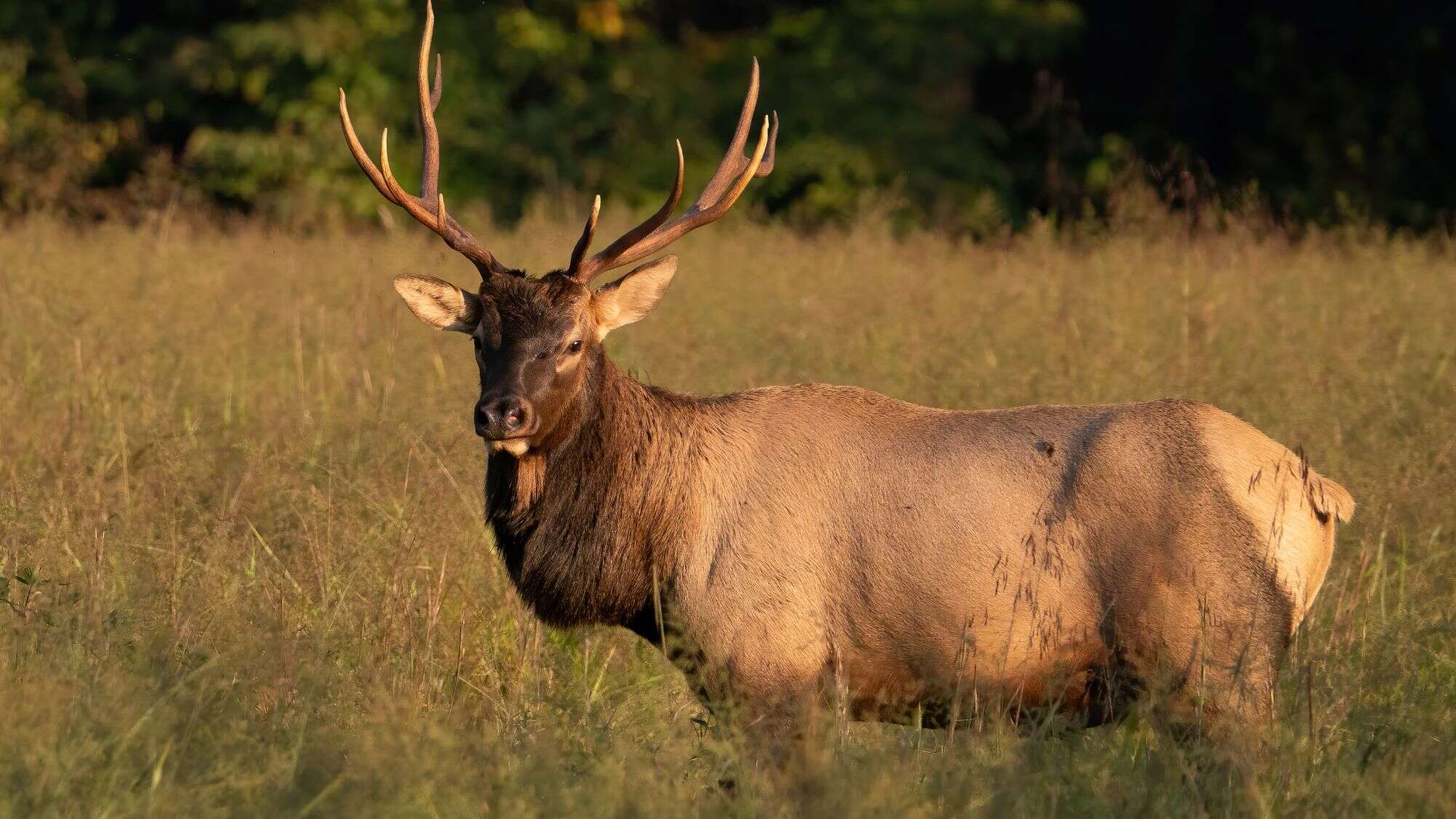
The sun hasn’t even shrugged off its blanket of pines when the call of a mighty elk bursts out like an ancient brass horn, slicing through the wilderness of Coconino National Forest.
During autumn’s rutting season, these massive beasts turn the forest’s meadows into their stage, bugling and sparring with an attitude that screams, “Top that!” And getting to watch these majestic herds as they spar and bugle is like attending nature’s oldest symphony, with a bit of attitude.
Pioneer roots run deep here from the past, and these elk are living echoes of a history where survival demanded grit. Just remember to keep your distance; nothing says bad day like being charged by a 700-pound forest heavyweight.
Black Bears – Pisgah National Forest, North Carolina

Quietly lumbering through the misty woods of Pisgah National Forest, black bears bring an oddly graceful edge to the Appalachian wilderness. Whether they’re snacking on berries or catching a quick dip in one of the forest’s clear-running streams, their every movement seems purpose-built for survival (but with an undeniable air of dignity).
Here in this lush green expanse of the Southeast, their dark coats blend seamlessly with shadowy undergrowth, making your first bear sighting feel like discovering a forest legend. And sure, they might pause to give you that unbothered once-over, but don’t expect them to stick around. These Appalachian royalty have places to be.
It’s untamed, awe-inspiring, and one of those experiences that leaves you flushed with both excitement and a lot of respect for the world’s original forest campers.
Like Our Content? Follow Us on MSN (or click the Follow Button above) for more from Discover Parks & Wildlife.
18 Elusive Creatures You’ll Need to Be Lucky to See In The Wild
Feeling like a wildlife detective? This will have you daydreaming about those rare critters you might just stumble upon if luck is on your side.
15 Most Venomous Animals on Earth

Ever fancied a trip through nature’s own horror movie? Dive into this venomous tale that will have you clutching your anti-venom kit!
18 Longest Animal Migrations That Redefine Endurance in Nature
Check out this mind-blowing tale about the thrill-seeking creatures with epic migration routes that make your daily commute look like a Sunday stroll.