Discover Parks & Wildlife contains affiliate links and is a member of the Amazon Services LLC Associates Program. If you make a purchase using one of the Amazon links, we may receive compensation at no extra cost to you. We may also use select AI tools to support our creative process, but all content is reviewed, refined, and finalized by our human team. See our disclosure policy and our AI use policy for more information.
13 Bear-Watching Hotspots That Deliver The Cutest Spring Wildlife Moments
Spring is here, and that means one thing. Baby bear season! If you’ve never seen a wobbly, fluffy little cub toddling around, you’re missing out on one of life’s greatest joys (and no, a video on your phone doesn’t count).
Finding the best spots to witness these tiny bundles of paws and curiosity isn’t just about luck. It also takes a bit of strategy and knowing where to look. Lucky for you, I’ve done the homework.
So prepare yourself for an adventure that’s equal parts adorable and awe-inspiring, but also demands giving these little guys (and their very protective moms) plenty of space.
Yellowstone National Park, Wyoming
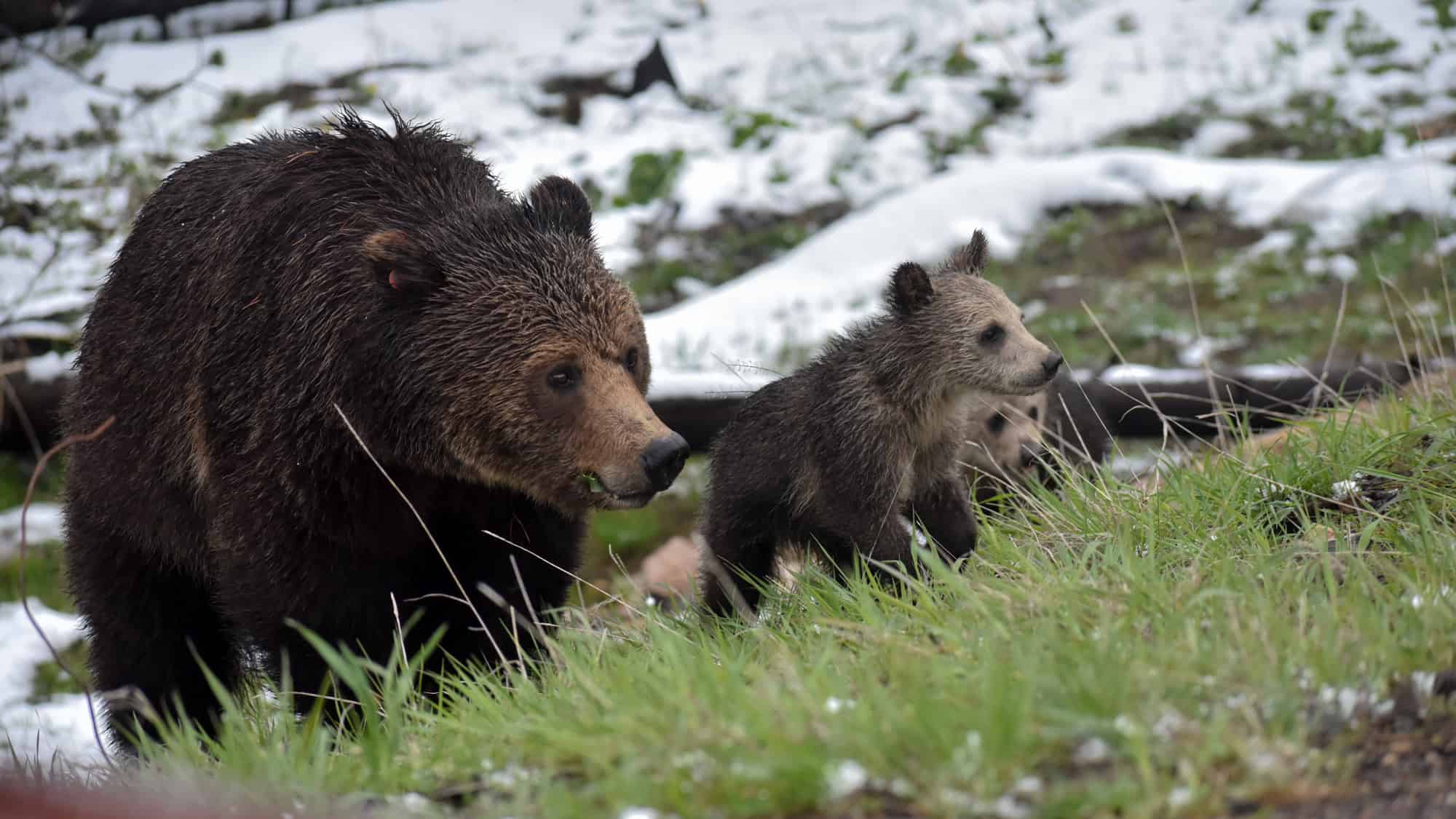
Yellowstone is practically the celebrity lounge for grizzlies, especially if you’re wandering through Lamar or Hayden Valleys. Picture this: wide open spaces, towering mountains, and, oh, just the occasional massive bear strolling around.
Spring is prime time for spotting these furry titans as they emerge from their snow-covered dens, probably grumpy and hungry after their long winter snooze. Pro tip? Pack your binoculars and a good dose of patience.
Glacier National Park, Montana
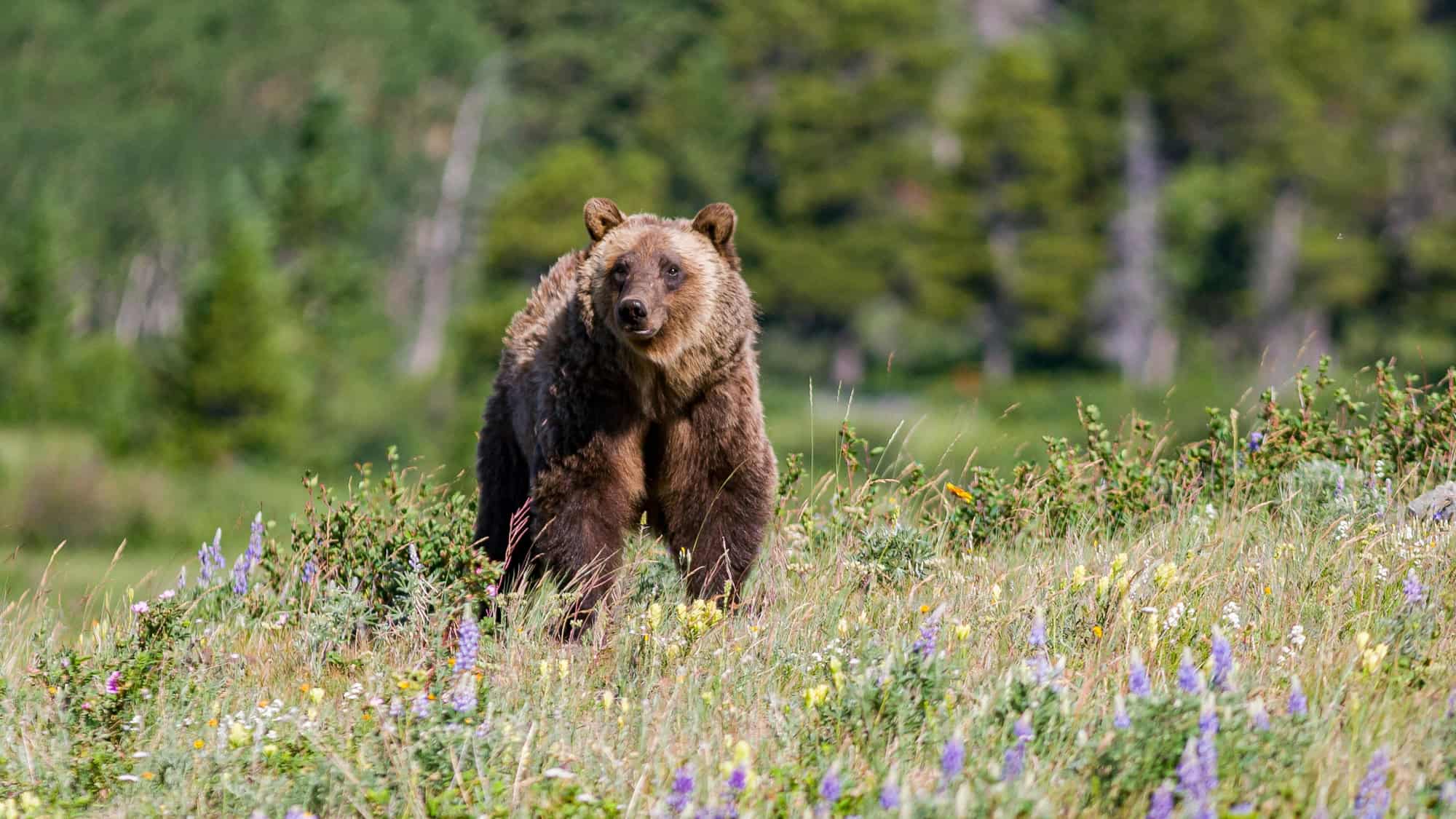
Glacier brings the drama with both black bears and grizzlies roaming its rugged landscapes. If you’re wandering the Many Glacier or Two Medicine trails in spring, be prepared for plenty of activity. These bears are just waking up and making a worthy entrance.
The key is to remember that they’re the stars, and you’re merely the paparazzi (at a very respectful distance). Keep your eyes peeled and your bear spray handy while enjoying these jaw-dropping encounters that remind you exactly who’s boss out here… hint, it’s not you.
Great Smoky Mountains National Park, Tennessee & North Carolina

The Smokies are the unofficial black bear capital of the East Coast. With one of the highest densities of black bears in the country, this place practically bursts at the seams with furry residents.
Wander around Cades Cove or Roaring Fork for your best chances to catch a glimpse, especially during the morning or evening hours when they’re most likely to be out and about. But don’t be the person who thinks a wild bear wants a selfie. It doesn’t.
Katmai National Park, Alaska

While Katmai is famous for its summer salmon feasts at Brooks Falls, spring offers its own magic if you’re lucky enough to catch brown bears stretching off the cobwebs of hibernation. It’s a quieter time to see the cubs sticking close to mom, learning the ropes of bear life (mostly involving food and not getting into trouble).
The dynamic Alaskan wilderness provides a surreal backdrop for these early sightings, with bears lazily roaming the park in search of snacks. It’s raw, wild, and entirely unforgettable. Just don’t even think about wandering around without the appropriate safety briefing.
North Cascades National Park, Washington
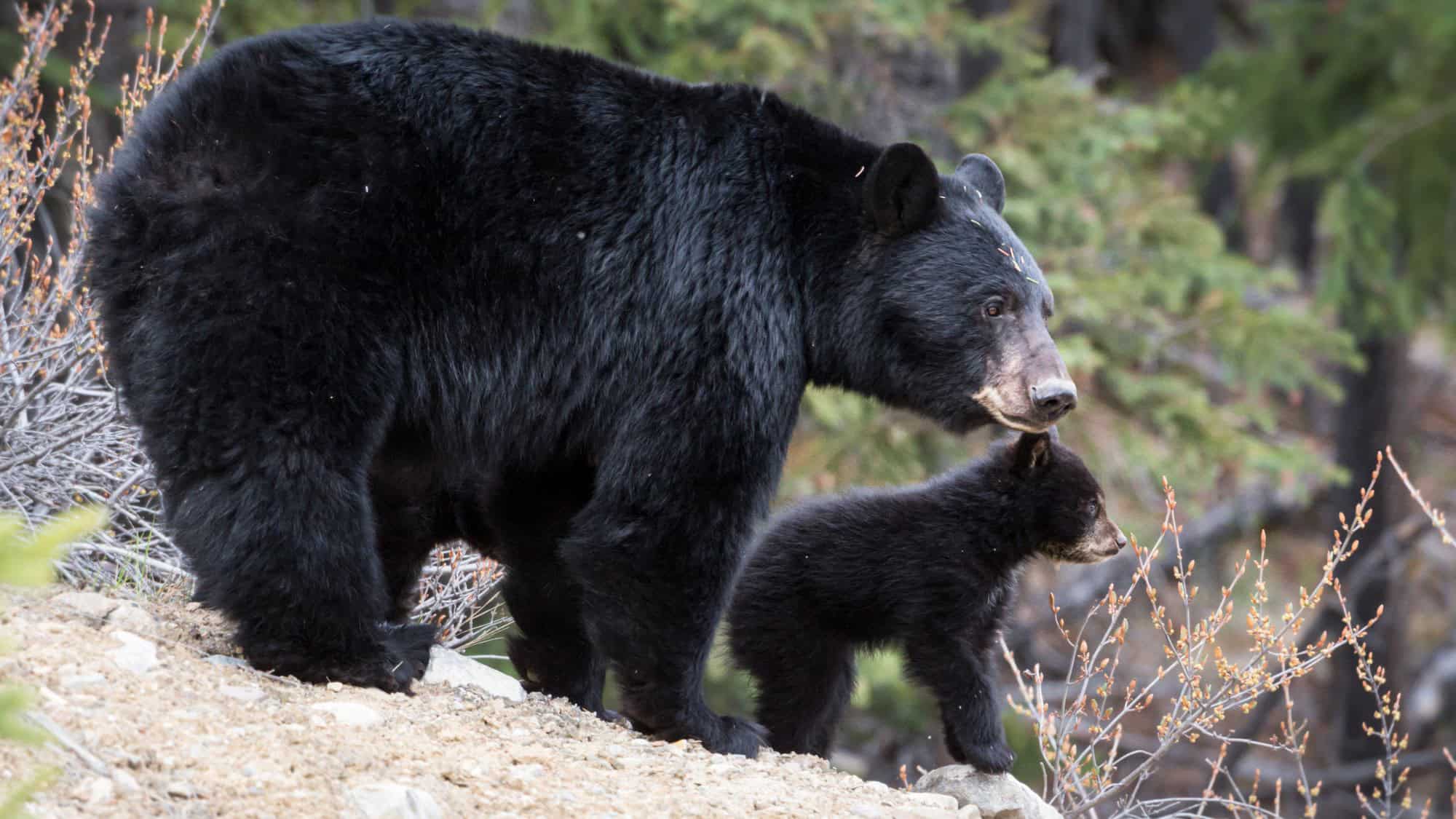
Springtime in the North Cascades is black bear rush hour, with these elusive creatures making their cameos on lowland forest trails. They’re waking up, stretching their legs, and sniffing out whatever edible treasures survived the winter.
Think of it as their brunch season (minus the avocado toast). This park, draped in lush greenery and dramatic mountain views, offers prime bear-spotting opportunities if you tread quietly and respectfully. Just keep to the trail and avoid startling the locals.
Shenandoah National Park, Virginia
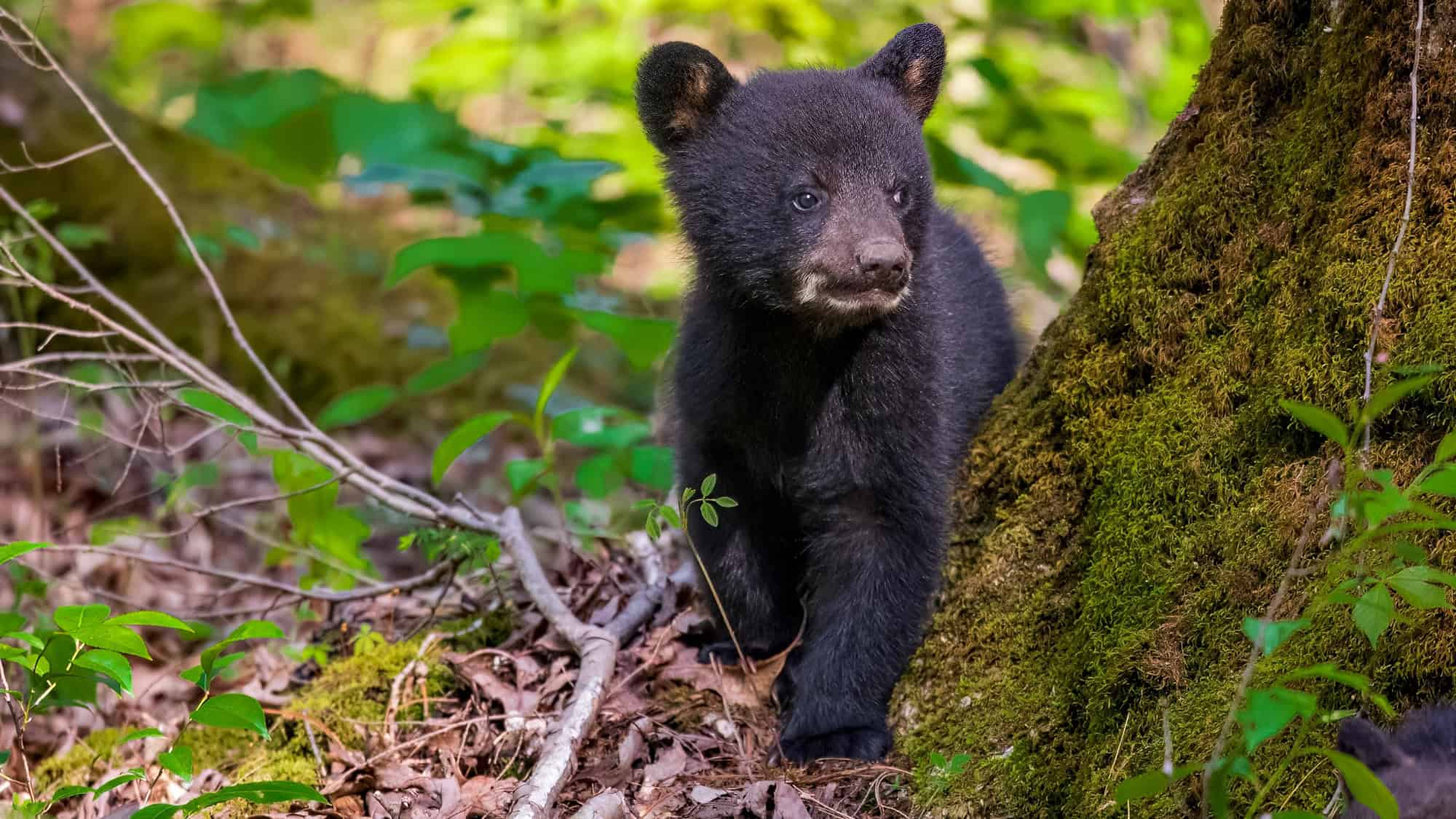
Shenandoah in spring feels alive with black bear energy, especially along Skyline Drive, where keen eyes might catch a mother bear juggling cub patrol and foraging duties. These bears are in their element amid the lush forests, and there’s no better place to see their post-winter antics.
Who can blame them for being a little extra after months in hibernation? But remember, this isn’t a wildlife drive-thru; it’s their sanctuary. Appreciate their beauty from your vehicle or a safe distance.
Sequoia & Kings Canyon National Parks, California
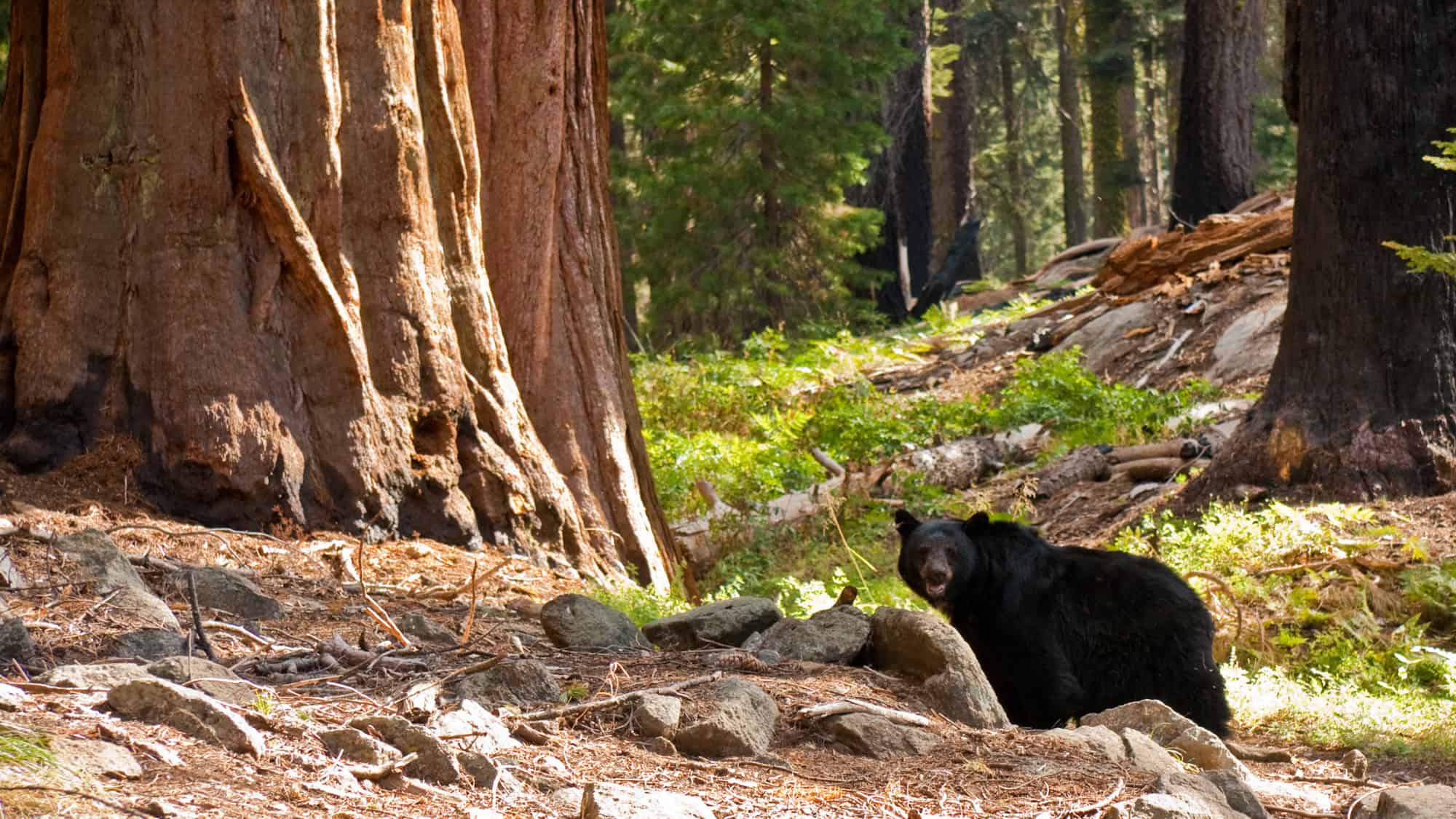
Springtime in Sequoia & Kings Canyon isn’t just for wildflower enthusiasts; it’s prime time for black bears making their grand reappearance. These mothers tend to linger around the foothills, sniffing out berries, roots, and well, anything remotely edible after their long nap.
It might feel like the bears are hosting a spring potluck, but keep your food to yourself unless you want to become part of their seasonal snack roster. Watching a bear rummage through the wild with cubs in tow feels oddly relatable… parenting never takes a holiday, even in the bear world.
Olympic National Park, Washington
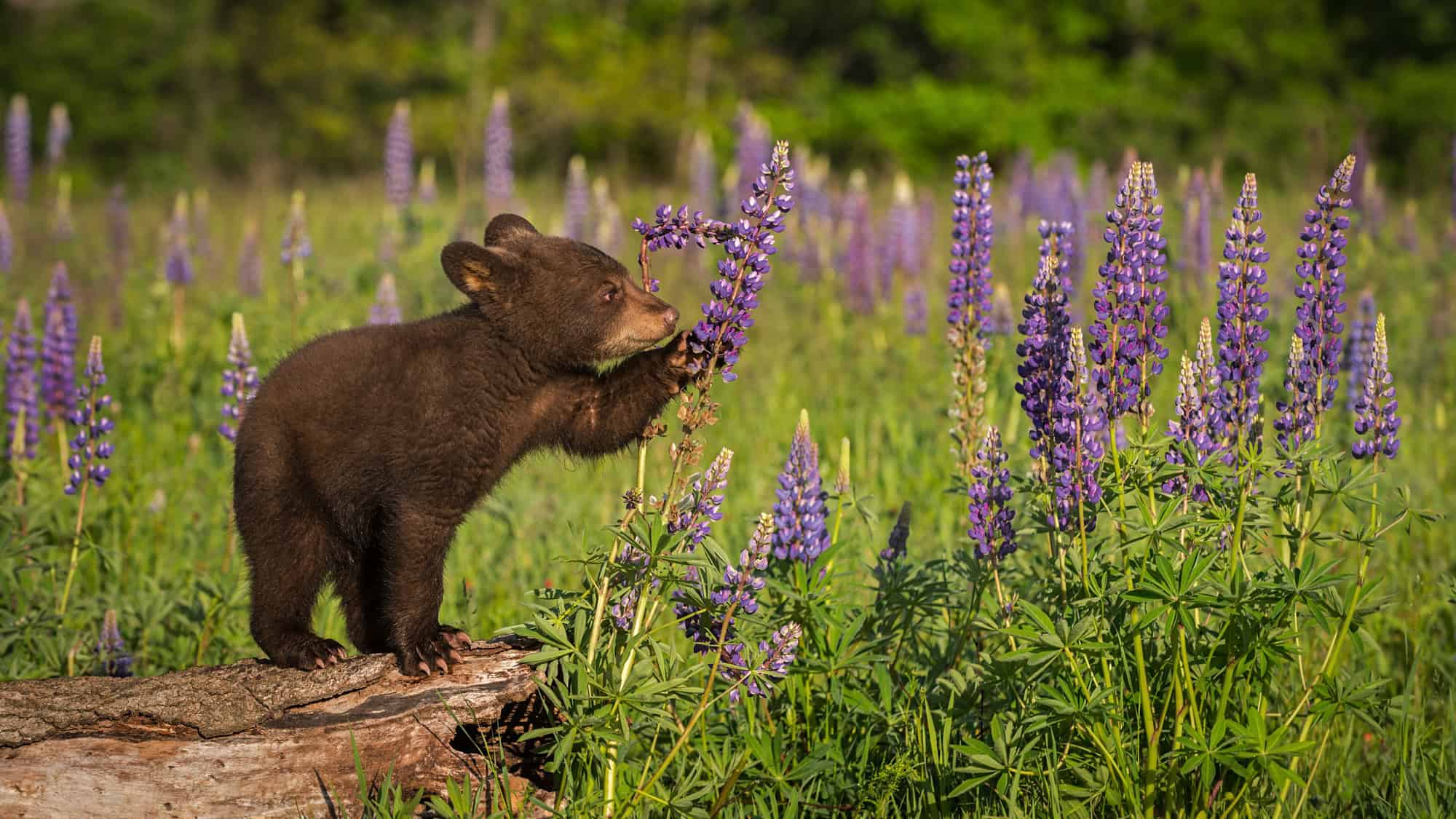
When it comes to diverse environments, Olympic National Park is like that overachieving friend who excels at everything. From rainforests to alpine meadows, the stages are all set for black bears and their cubs to come out of hibernation.
Watch for playful little bears testing boundaries while mom keeps a watchful eye (and probably a nerve of steel). Your best chance to catch this drama unfolds in the spring, as warmer weather entices the hungry bears toward berry-laden forests. Don’t overstay your welcome, though; black bears may look harmless, but they’re no teddy bears.
Denali National Park, Alaska
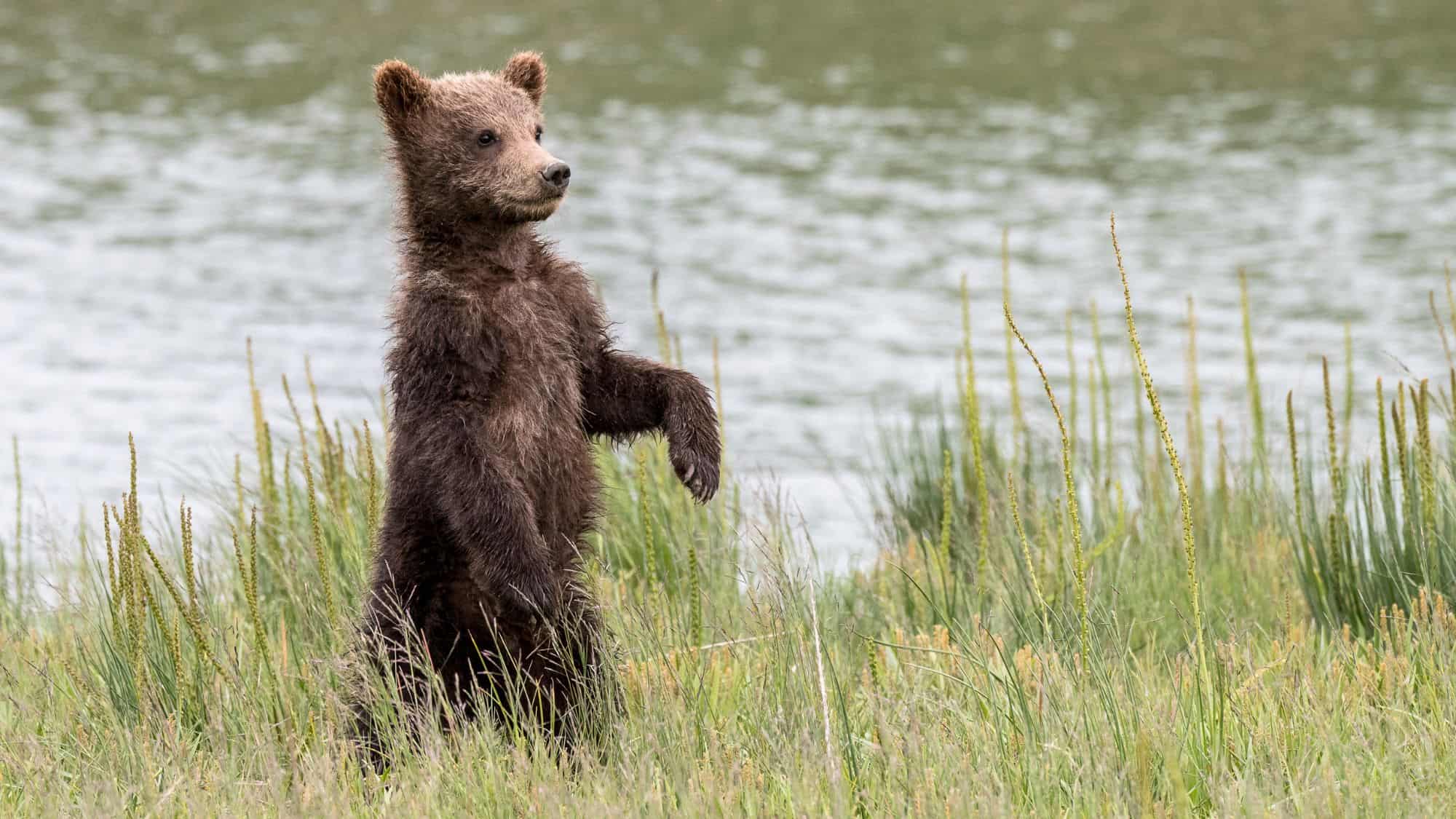
If you’ve got a thing for wide-open tundras and grizzlies making appearances like they’re headlining a nature documentary, Denali’s calling. The open landscapes mean that spotting a grizzly sow with her cubs from a park road is not only possible but also one of the most exhilarating experiences you can have.
These bears don’t just stroll, they strut, reminding you who’s running the show. Stay on the lookout, but please, don’t get so lost in bear-watching that you forget they’re faster, stronger, and way less interested in your picnic than you’d like to assume.
Voyageurs National Park, Minnesota

Up in Minnesota’s glorious wilderness, Voyageurs is less about voyaging and more about spotting some impressively busy black bears. Spring wakes up these furballs, and they waste no time bustling about, foraging for whatever the forest pantry offers.
The healthy bear population here makes your chances of seeing a family outing pretty decent. Just imagine a bear mama multitasking like it’s Habitat Hustle Hour, wrangling cubs and finding food amidst the backdrop of serene lakes. Our tip? Those lakes mean mosquitoes, so bring your bug spray.
Great Sand Dunes National Park, Colorado
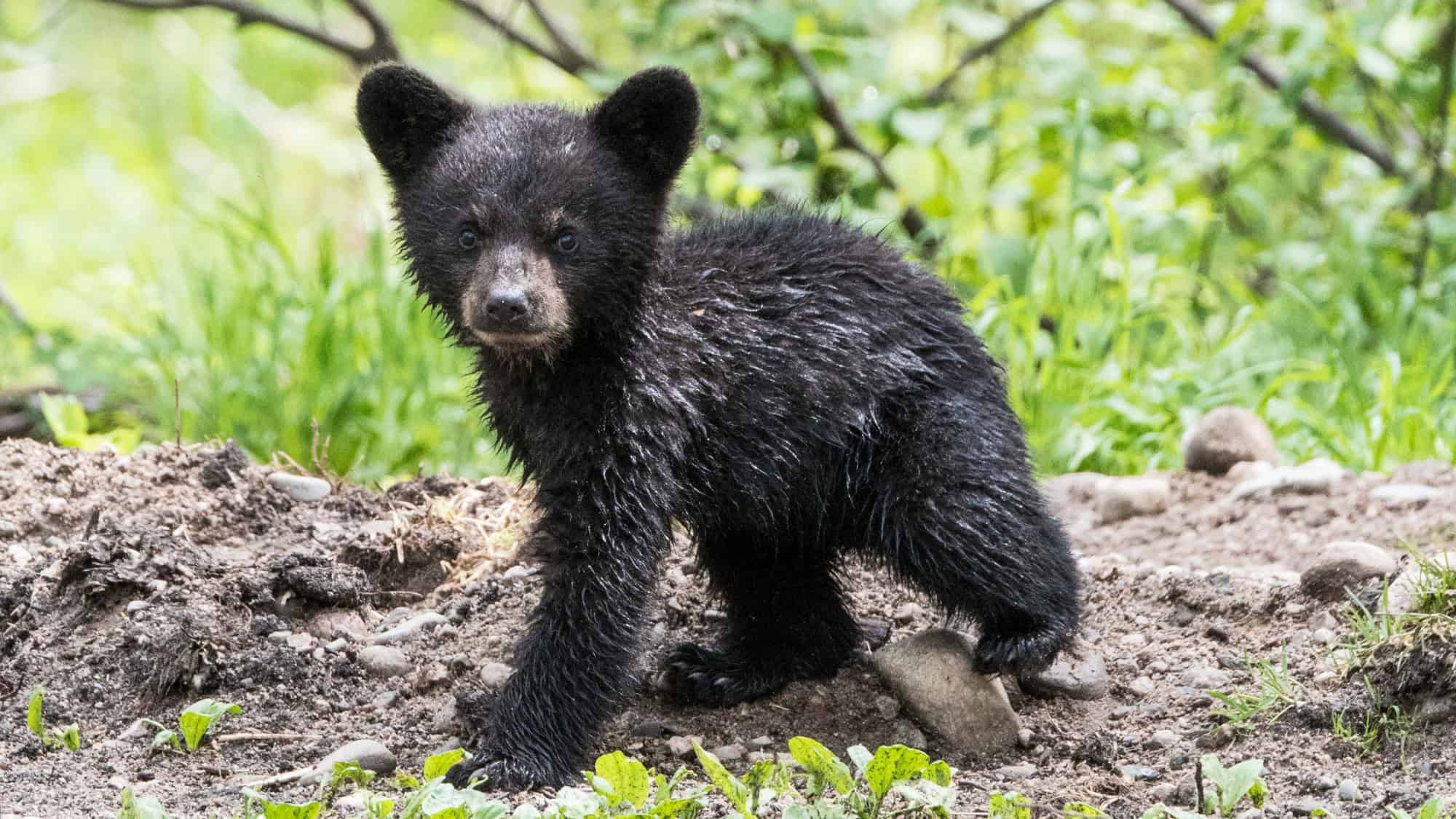
The stark sand dunes of Colorado might not scream “bear territory,” but head toward the forested edges, and you’re bound to stumble upon a black bear or two. Springtime is cub season, which, for bears, means teaching their little ones how to dig through logs while occasionally looking borderline adorable.
For you, it means keeping your distance while marveling at these skilled foragers. You can almost feel the parental energy when a cub wanders off… cue the hurried supervision and “get back here” energy in bear form.
Grand Teton National Park, Wyoming
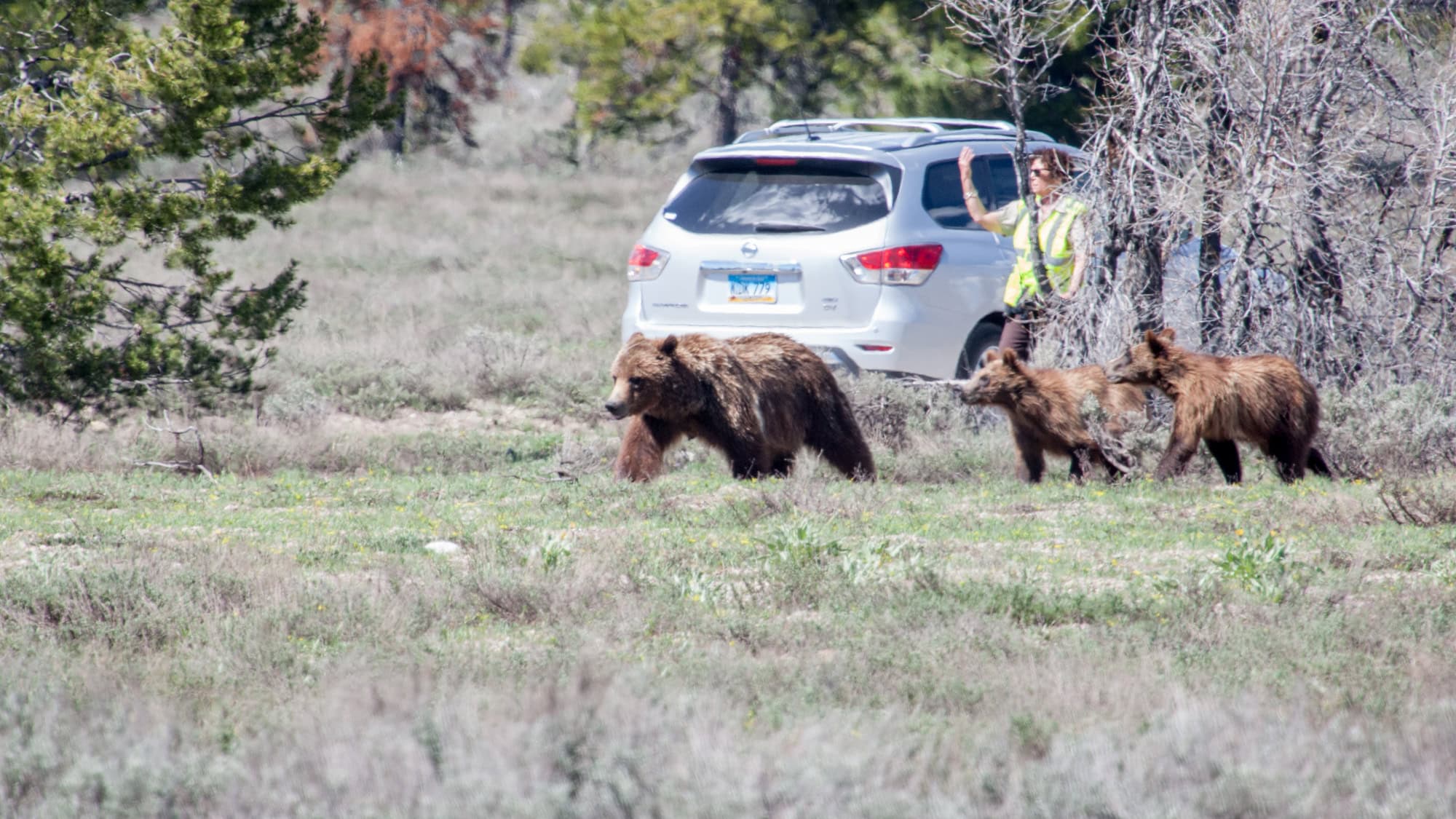
This park became the hotspot of the bear world, thanks to the famed Bear 399 and her cubs working the wilderness like it was their personal runway. While she’s unfortunately no longer with us, there’s always hope for new furry characters to emerge.
Grand Teton’s stunning landscapes and rugged terrain aren’t just for hiking. They’re also prime for spotting bears going about their day, doing bear things. Look for them near the open meadows and forested areas. And stick to admiration from afar.
Big Bend National Park, Texas
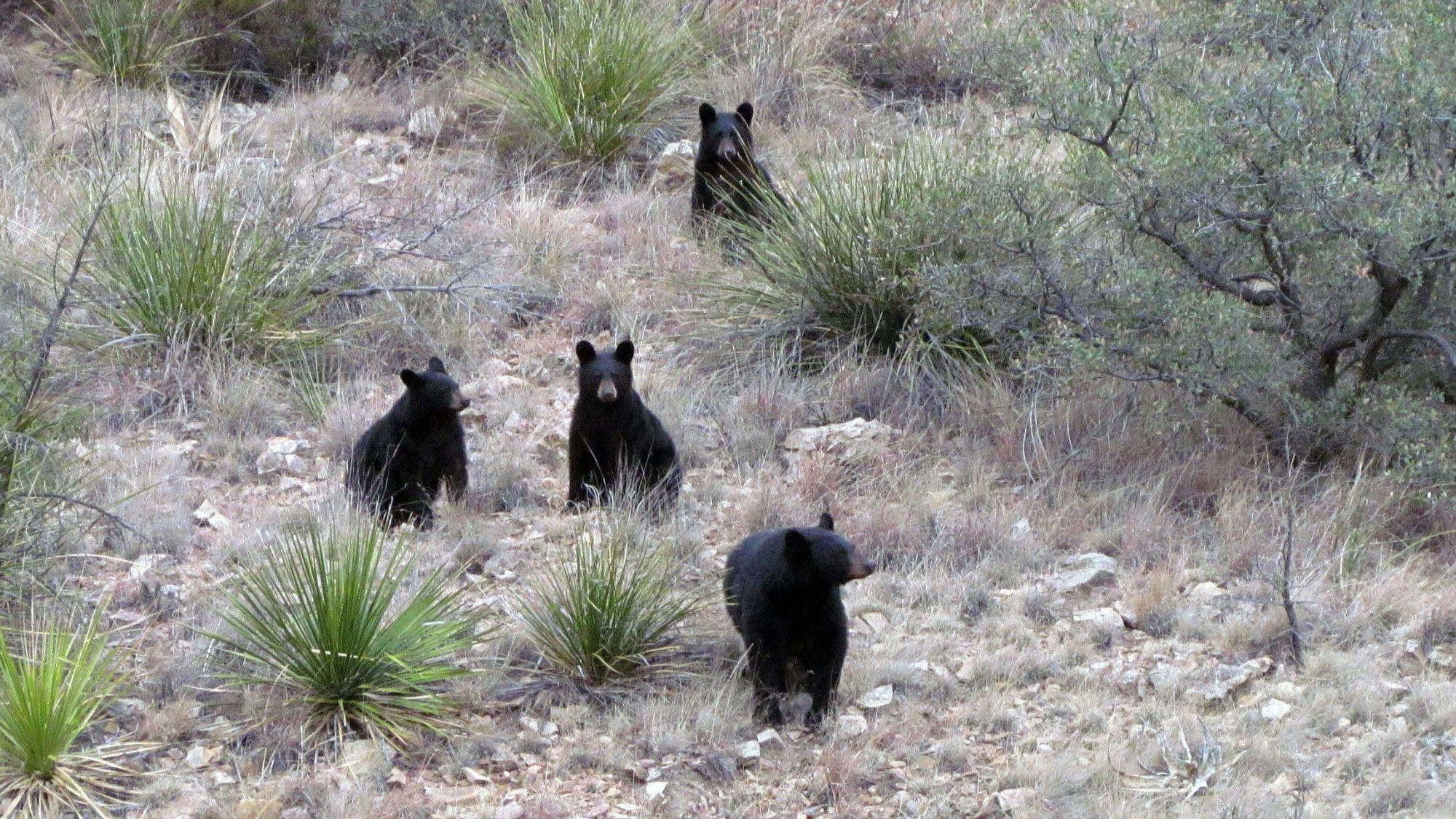
Texas doesn’t usually call to mind images of black bears, but Big Bend proves surprises are part of its charm. The bear population here has rebounded impressively, making spring the perfect time to spot young cubs tagging along with their parents.
Just imagine them learning the rugged lifestyle in the West Texas terrain, possibly pausing to sniff at blooming desert flora (or someone’s left-behind granola bar… don’t be that guy). But don’t be fooled by their fluffy cuteness; they’re still wild animals, not extras in some wildlife rom-com.
Like Our Content? Follow Us on MSN (or click the Follow Button above) for more from Discover Parks & Wildlife.