Discover Parks & Wildlife contains affiliate links and is a member of the Amazon Services LLC Associates Program. If you make a purchase using one of the Amazon links, we may receive compensation at no extra cost to you. We may also use select AI tools to support our creative process, but all content is reviewed, refined, and finalized by our human team. See our disclosure policy and our AI use policy for more information.
The Electric-Blue Waterfall That Tests Your Nerves And Rewards The Brave
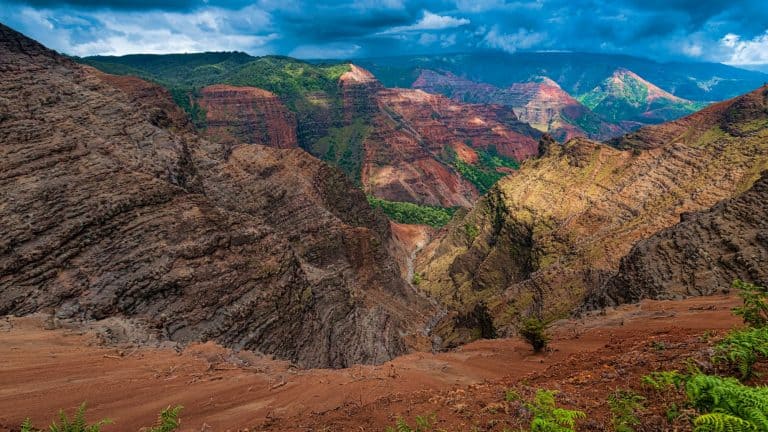
Deep in the remote reaches of the Arizona desert, a startling oasis waits for those willing to test their endurance. The hike to Havasu Falls demands respect, stripping away the comforts of modern travel as you navigate miles of sun-baked rock and shifting sand.
Reaching these cascading waters requires a grueling descent through an unforgiving, arid environment. Summer temperatures frequently soar well past 100 °F, making proper hydration and physical preparation an absolute necessity.
But the physical toll fades the moment you hear the distant roar of water echoing off the canyon walls. Standing at the base of the spectacular 100-foot drop of Havasu Falls offers a profound sense of scale and isolation.
We push ourselves through heat and fatigue for moments exactly as raw and powerful as this. It is a true test of grit that rewards you with one of the most magnificent natural wonders in the Southwest.
What You Are Actually Getting Yourself Into
Located deep within the Havasupai Indian Reservation, the hike begins at Hualapai Hilltop. This starting point is literally a paved lot at the very edge of an enormous, plunging canyon.
The Havasu Canyon Trail is nothing close to an easy walk. The route covers ten miles (each way) to the campground with a steep 2,500-foot descent, followed by stretches of rocky, shifting terrain that will test your balance and endurance.
The trail’s constant shifts in elevation and surface mean tired feet and legs are virtually guaranteed. And toward the village, you’ll cross streams and deal with unpredictable footing.
Weather in Havasu Canyon swings between extremes, with summer temperatures often surpassing 100°F and late summer posing a real danger from flash floods.
For this reason, most hikers aim for spring or fall, when mild weather draws bigger crowds and makes for safer travel. But no matter when you go, maintaining fitness is essential, as this is not a hike for casual walkers.
For those unable to complete the trek on foot, mules can haul gear for an extra fee, but be mindful of ongoing debates about animal welfare.
Helicopter rides sometimes offer an alternative, though they run strictly first-come, first-served and give priority to tribal members, so space for tourists is never certain, and costs are extremely steep.
Along The Trail
Reaching Supai Village serves as your midpoint and is a fascinating glimpse into one of the most remote towns in the contiguous U.S. Mail is still delivered here by trains of pack mules. And the quiet community features a small store and a required check-in station where you must show your permits.
It also provides the perfect spot to catch your breath and question why a ten-mile hike sounded fun in the first place.
Please follow a very important rule while passing through. Respect the posted signs stating that no photography is allowed in the town. You need to put your influencer dreams on hold because this is someone’s actual home, not a scenic photo backdrop.
Beyond the village lies Havasu Falls, the reservation’s undeniable poster child.
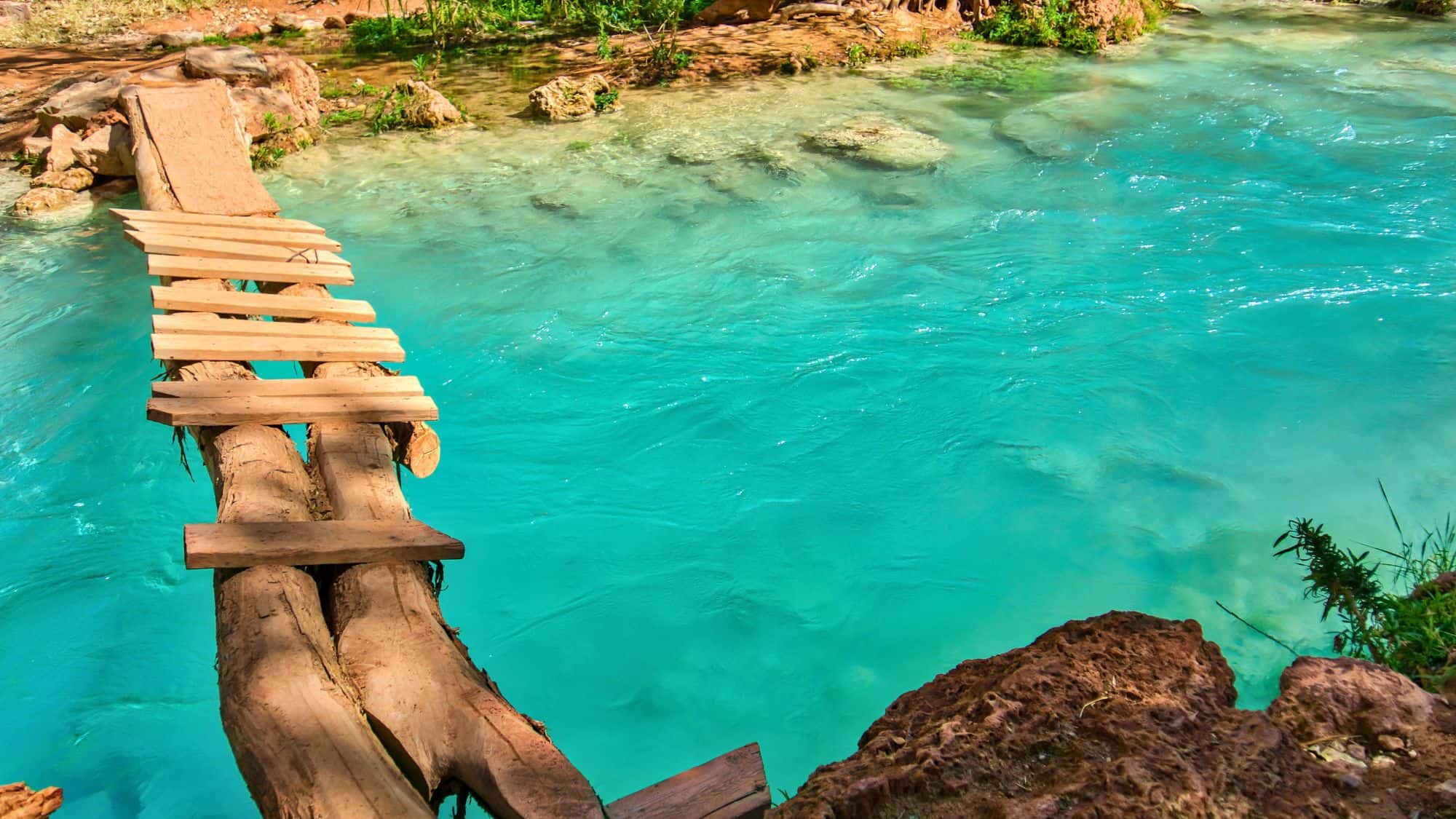
This iconic blue-green pool serves as a siren call for weary swimmers and eager photographers. It is easily the most photographed waterfall in the canyon, dropping an impressive 100 feet over bright red travertine cliffs. The stunning turquoise water gets its vibrant color from high concentrations of calcium carbonate dissolved in the limestone aquifer.
Swimming is permitted in the beautiful pools below, but you must respect all boundaries and behave appropriately.
Along the way to the main falls, you will encounter hidden surprises that make the grueling trek entirely worthwhile. Scenic side pools are scattered throughout the landscape, framed by narrow canyon walls that create dramatic shadows. You might find secret nooks for quiet moments of mental clarity (or existential dread, depending entirely on the current status of your leg muscles).
Wildlife sightings are also common, with lizards darting across the path and occasional bighorn sheep conquering the steep, rocky terrain surrounding you.
Beyond Havasu Falls
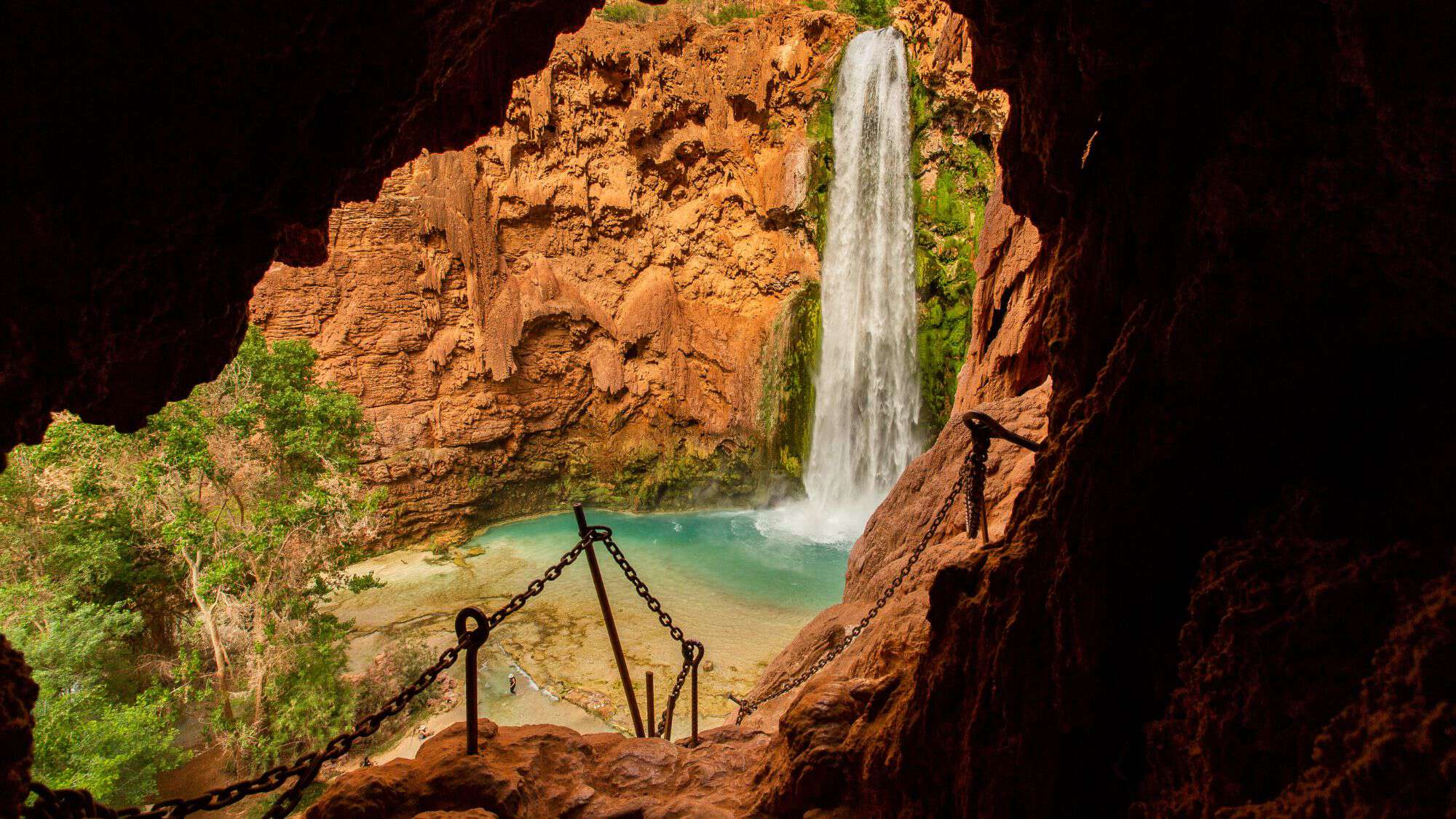
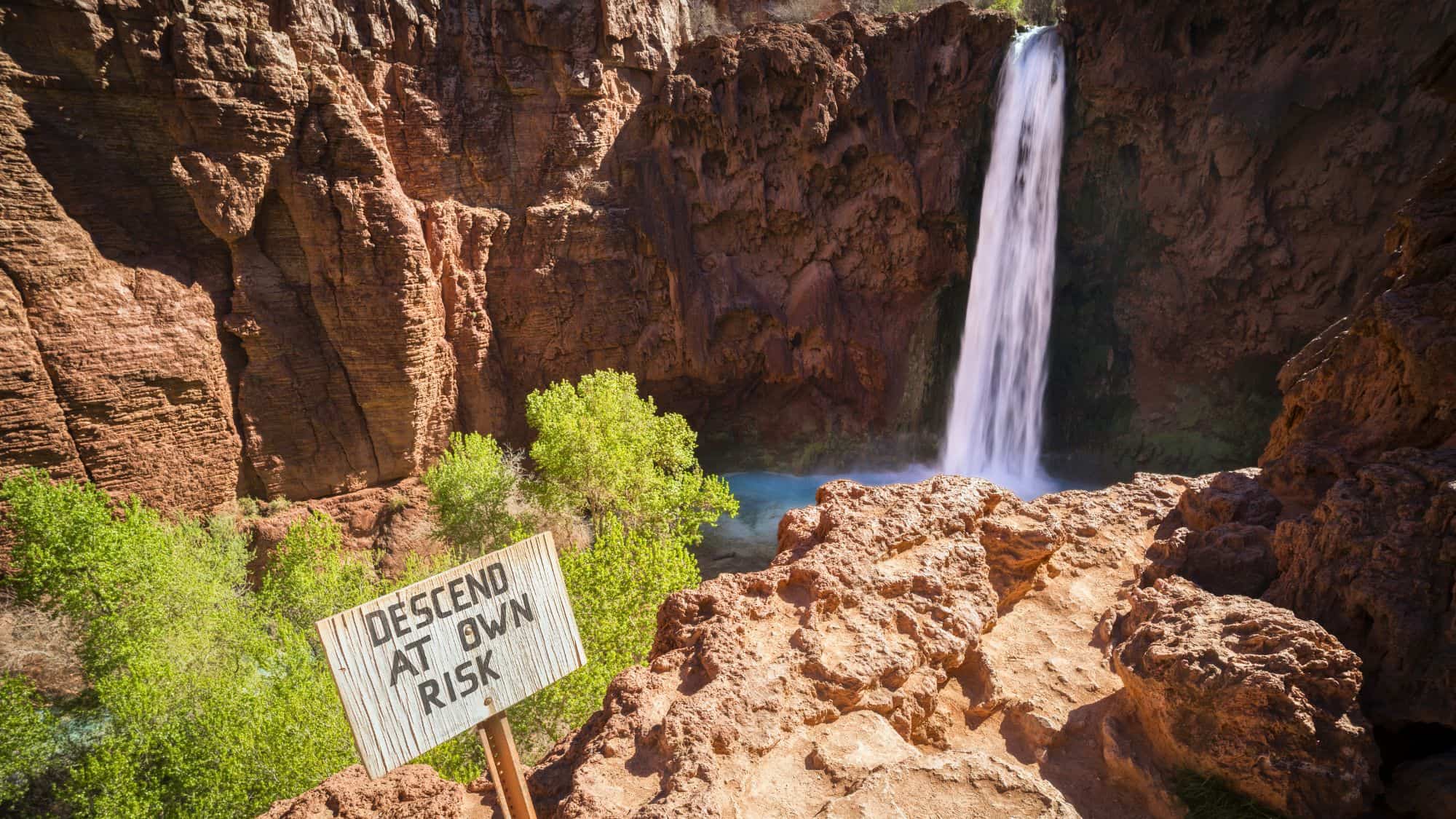
For those seeking more extreme thrills, Mooney Falls waits to test your courage. This massive waterfall drops 200 feet, making it significantly taller and more powerful than Havasu Falls. And reaching the base requires an incredibly steep and treacherous descent.
You must climb down through a dark tunnel in the rock wall, then navigate a series of wet, slippery chains and wooden ladders bolted directly into the sheer cliff face. The entire experience literally screams for you to face your fears.
This descent is definitely not recommended for anyone with height phobias or questionable upper body strength. But the reward for this terrifying climb is a stunning, mist-filled waterfall with far fewer crowds, as many hikers take one look at the chains and turn back.
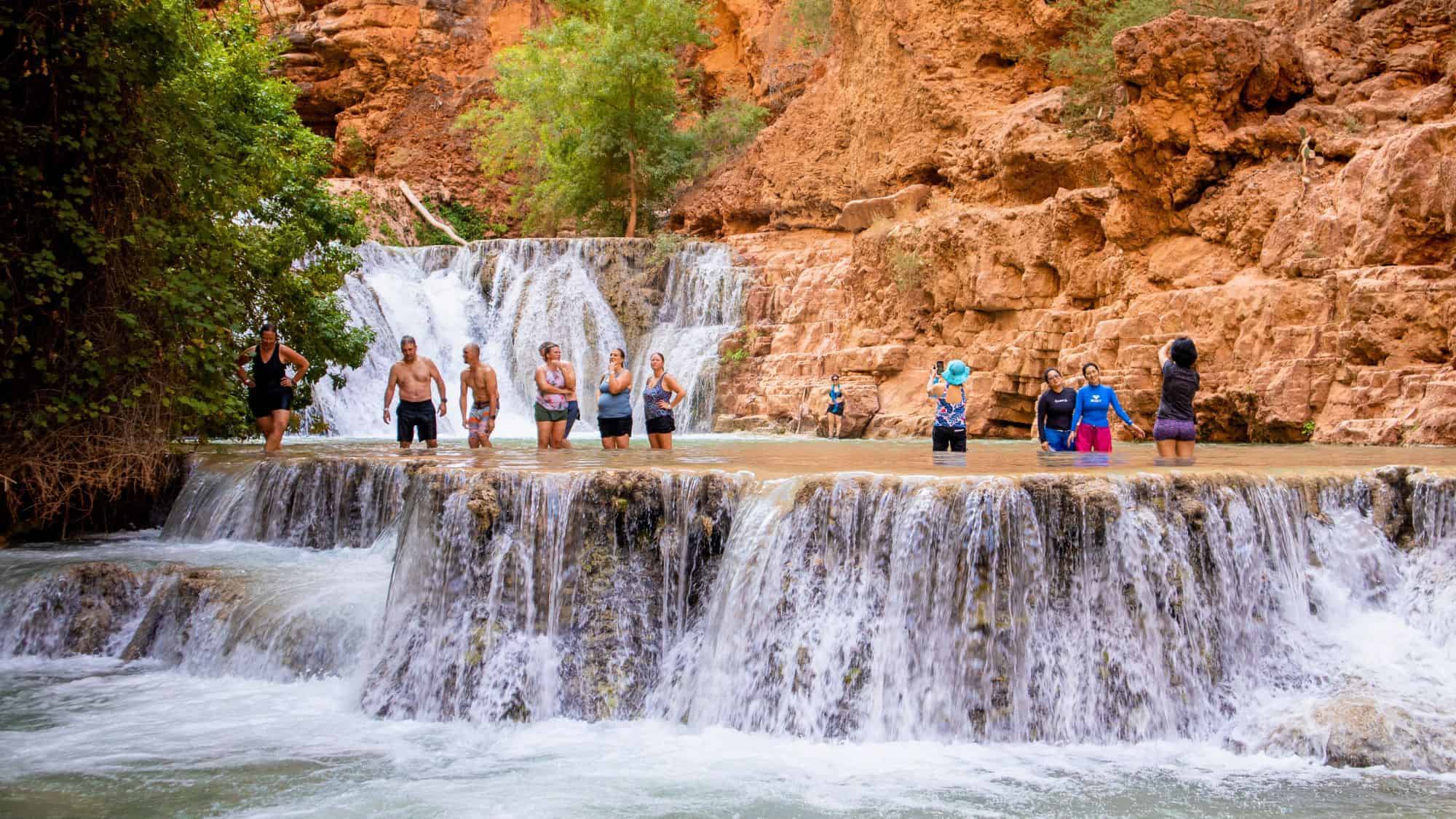
If you survive Mooney Falls and want to keep going, Beaver Falls offers a spectacular cascading playground. Located another few miles down the canyon, this area is brimming with lush scenery and multiple creek crossings. You will find several tiers of gorgeous travertine pools to explore.
As the most remote of the main waterfalls, reaching Beaver Falls requires significant additional hiking and a willingness to wade through waist-deep water.
Advanced and highly experienced hikers sometimes continue past Beaver Falls to reach the Confluence, where the vibrant blue Havasu Creek meets the muddy brown Colorado River. This challenging extension adds many extra miles over difficult, unmarked terrain.
Critical timing is required to complete this section safely. You should never leave Beaver Falls past mid-morning unless spontaneous combustion in the brutal summer heat sounds appealing. Also, attempting to traverse this remote canyon in the dark on the way back is incredibly dangerous and highly discouraged.
The Practical Guide For Securing Permits
Securing access to this canyon requires winning a fierce permit battle. Spots are snapped up incredibly quickly because thousands of people want to experience this turquoise heaven.
Booking early is absolutely essential, requiring you to have your calendar open and your credit card ready the moment sales begin. Campground permits cost around $450 USD per person for a mandatory three-night stay.
When the system opens in early February each year, you can expect intense competition, often resulting in website crashes and permits selling out within hours. You should also have multiple backup dates in mind and closely monitor the official Havasupai Tribe website for exact release schedules.
Essential Packing List For Havasu Canyon
Once you secure a permit, packing wisely becomes your next major hurdle. Hydration packs are an absolute non-negotiable requirement. You need to carry significantly more water than you think you will drink, especially for the dry stretch between the trailhead and the village.
Ensuring Safety
Safety essentials cannot be ignored under any circumstances. There is virtually zero cell service in the area, meaning you cannot rely on your phone in an emergency.
Basic first aid knowledge is an absolute must for every member of your group. And always notify someone back home of your exact plans and expected return date before departing the hilltop.
For daily survival in the campground, a vital pro tip is to refill your drinking water exclusively at the Fern Spring spigot.
Flash floods are a severe and deadly threat, especially if you show up during the unpredictable summer monsoon season. Heavy rains miles away can send massive walls of water tearing through the narrow canyon without warning. Nobody wants to see a search-and-rescue team shaking their heads in disappointment over poor decision-making.
So always stay aware of weather forecasts and move to high ground immediately if it starts raining.
Respecting The People
Visiting the canyon means you are stepping into someone else’s home, and the area should never be treated as your personal playground. So please follow all local regulations, particularly the strict rules regarding photography.
Taking pictures of tribal members, homes, or community buildings in Supai Village is entirely prohibited. And Leave No Trace principles apply heavily throughout the entire reservation. Contaminating the pristine creek water with soap or trash ensures you will be cursed by every hiker who arrives after you.
Wandering off the established trail is a major offense that damages fragile desert ecosystems and disrespects cultural sites.
You are a guest on sacred land and must conduct yourself with appropriate reverence at all times.
Like Our Content? Follow Us on MSN (or click the Follow Button above) for more from Discover Parks & Wildlife.