Discover Parks & Wildlife contains affiliate links and is a member of the Amazon Services LLC Associates Program. If you make a purchase using one of the Amazon links, we may receive compensation at no extra cost to you. We may also use select AI tools to support our creative process, but all content is reviewed, refined, and finalized by our human team. See our disclosure policy and our AI use policy for more information.
Why The Most Anticipated NPS Week In April Is Shifting In 2026
Springtime normally signals a familiar tradition for outdoor enthusiasts across the country. As the winter frost thaws and wildflowers begin to bloom across vast protected landscapes, millions of visitors pack their vehicles and head out to explore the great outdoors during National Park Week.
This annual celebration has long served as a gateway to the warmer months, encouraging families, solo travelers, and nature lovers to experience the vast beauty of public lands. It brings a collective energy to trails, campgrounds, and scenic drives. And visitors anticipate this nine-day stretch for its one day free admission and special programming all week long, plotting out road trips months in advance.
For years, this event has anchored the month of April to celebrate Earth Day. It provided an early opportunity to shake off cabin fever and discover new landscapes before the summer crowds arrive. The timing felt intentional, aligning perfectly with the rebirth of the natural world and revolving around a day about the environment.
But traditions occasionally evolve to make room for historic milestones, and this year brings a massive shift to this long-standing routine. A unique convergence of historic anniversaries is moving this beloved celebration from its usual spring slot to the final days of summer.
What Makes National Park Week So Special?
The annual celebration brings an unmatched level of access and education to public lands.
A Fee-Free Day That Opens Every Gate
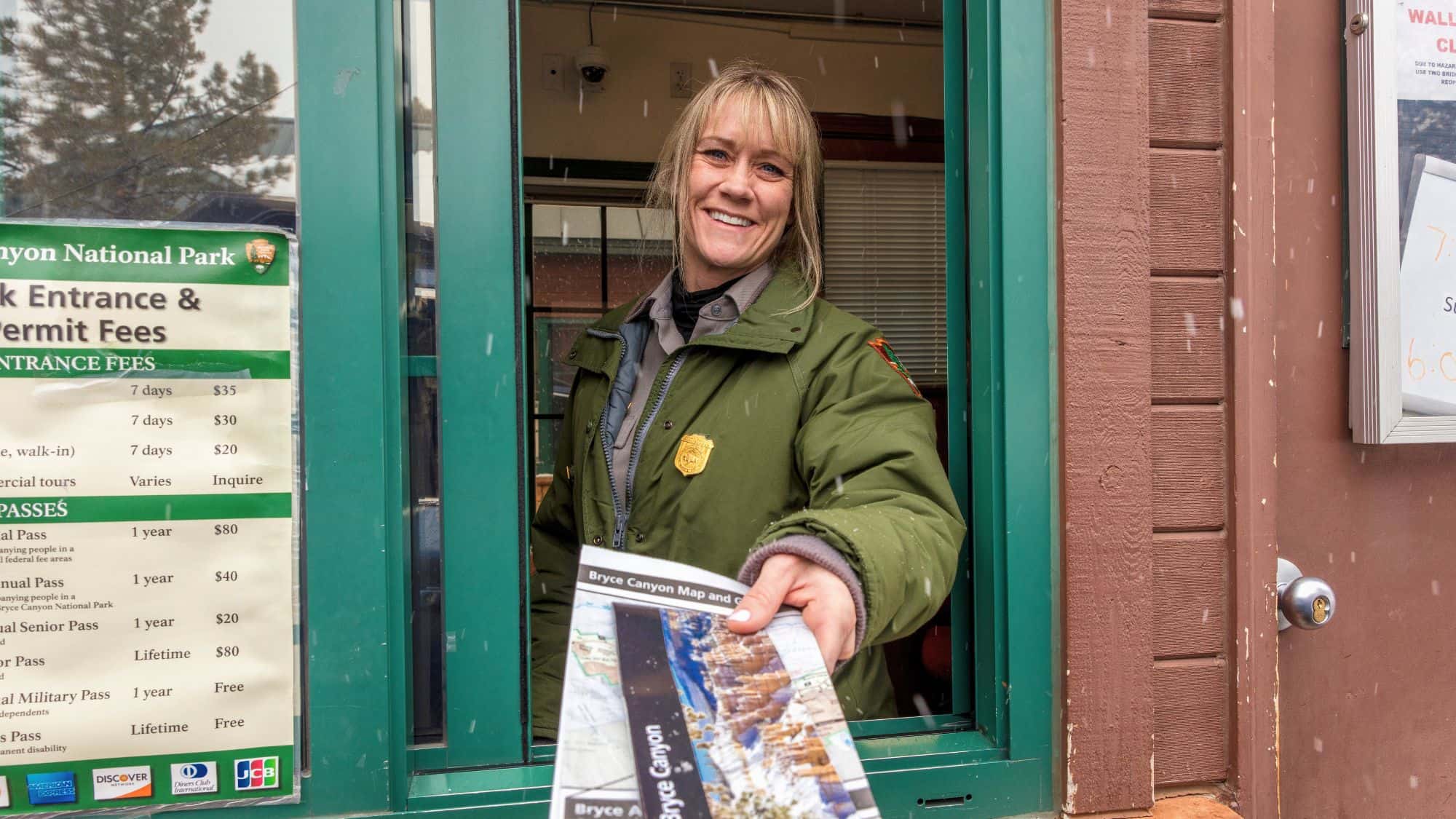
Removing financial barriers allows more people to experience these protected spaces. On one day of the celebration, entrance fees are waived across all locations.
This initiative saves visitors up to $35 per vehicle at major destinations. Families can allocate those savings toward local lodging, meals, or guided tours.
The fee-free day traditionally draws significant crowds to renowned spots, creating a festive atmosphere at entrance gates and visitor centers.
Ranger Programs, Junior Rangers & Earth Day
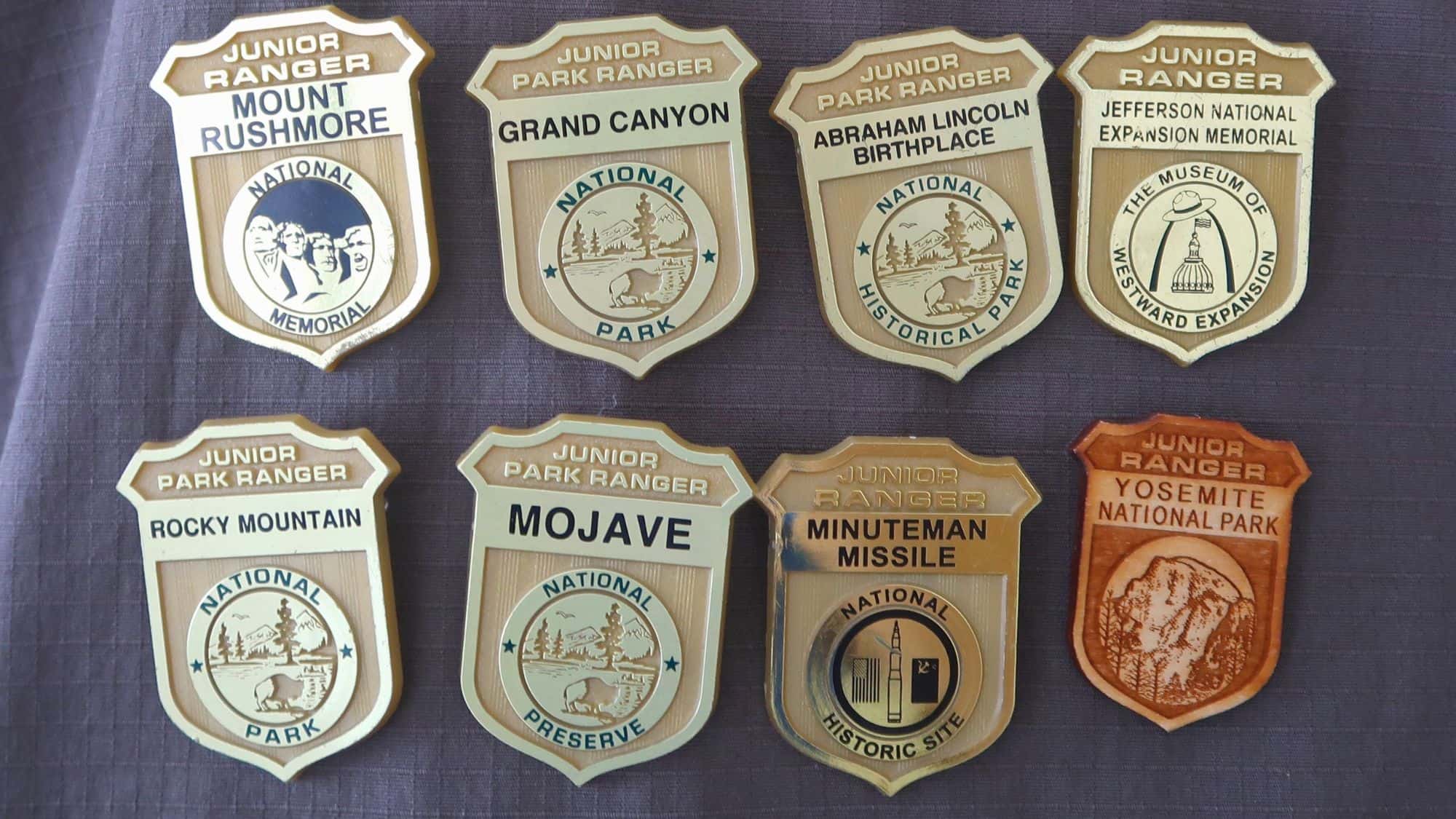
Educational programs expand significantly during this time. Park rangers host specialized talks, guided hikes, and evening astronomy sessions. The Junior Ranger program introduces a special badge, requiring young visitors to complete unique activity booklets focused on conservation.
Historically, this week overlapped with Earth Day on April 22, creating a natural synergy for environmental stewardship events. Volunteers frequently participate in trail maintenance and shoreline cleanups.
Beyond The Big Names, Hidden Parks That Shine In Spring
While famous destinations draw the most attention, lesser-known locations offer spectacular spring experiences. Congaree in South Carolina features synchronized fireflies and rising water levels perfect for kayaking through old-growth bottomland hardwood forests.
Pinnacles in California showcases vibrant wildflower displays and comfortable hiking temperatures before the intense summer heat arrives. These smaller destinations provide quiet refuge and excellent wildlife viewing opportunities during the spring season when National Park Week usually occurs.
Why Is National Park Week Moving From April To August?
A rare alignment of historical dates is reshaping the calendar for 2026.
2026 dates: August 22 – 30
This year, the celebration is shifting entirely, running from August 22 through August 30. This moves the event from the unpredictable weather of early spring right into the peak of late summer vacation season.
Families finishing up their summer breaks have a final opportunity to travel before the school year begins. And the warmer temperatures open up high-elevation trails and northern destinations that typically remain snowbound during the traditional April dates.
Aligned With The NPS 110th Birthday
August 25, 1916, marks the official creation of the National Park Service, the national agency that oversees these protected lands. The 2026 celebration directly aligns with its 110th birthday.
Hosting the event during this specific week allows locations to host official birthday festivities on the actual anniversary date. Visitors can expect commemorative events, historical exhibits, and perhaps even birthday cake at major visitor centers on August 25th.
250th USA Birthday Celebration
The year 2026 also marks the 250th anniversary of the United States.
This semiquincentennial celebration creates a nationwide focus on American history and heritage. Moving the week to August allows the agency to integrate its 110th birthday with the broader national 250th celebrations.
Historical sites and battlefields will feature prominent programming detailing the nation’s founding and subsequent development.
What Changes And What Stays The Same
The core elements of the celebration remain intact, including the fee-free access day (on August 25th) and robust ranger programming.
However, the seasonal shift changes the accessible landscapes. High-altitude scenic drives and backcountry alpine trails will be fully open, unlike in April.
The traditional Earth Day connection is lost, but the focus shifts heavily toward historical preservation and national heritage.

Hidden Parks Worth The Wait
Late August unveils pristine conditions in places that remain inaccessible during the usual spring event. The warmer weather of late summer transforms northern and high-elevation destinations into accessible wonderlands.
Crater Lake in Oregon features a surface elevation of 6,178 feet. In April, the rim drive is typically buried under feet of snow. But by late August, the entire loop is clear, offering unobstructed views of the deepest lake in the United States. The water temperature remains chilly, but boat tours to Wizard Island operate at full capacity under clear, sunny skies.
Mount Rainier in Washington presents another incredible late-summer option. The subalpine meadows require months of sunshine to melt their winter snowpack.
By late August, visitors can hike the Skyline Trail surrounded by vibrant asters and lupines. The mountain stands at 14,410 feet, and the late summer visibility offers the best chance to see the massive glaciers gripping the peak without the persistent spring cloud cover.
The North Cascades in Washington is one of the least-visited parks in the system, recording fewer than 40,000 visitors annually. And the rugged terrain and steep mountain passes make early-season travel treacherous.
But August provides the small window needed to hike the Cascade Pass and witness the turquoise waters of Diablo Lake. The lack of crowds combined with peak accessibility makes it a premier destination for this new August timeframe.

How You Can Celebrate Wherever You Are
Participation does not require a cross-country road trip or extensive planning if you just can’t fit it in this year.
Get Outside Near Or Far
Local engagement forms the backbone of the celebration. You do not need to visit a popular national park to participate. The system includes over 400 distinct units, including historical sites, national monuments, and seashores.
Many urban areas feature historic trails or recreation areas within a short drive. A quick afternoon visit to a nearby historic home or local battlefield fully captures the spirit of the event.
Give Back Through Volunteering
Service projects offer a hands-on approach to the festivities. Local site managers organize weed pulling, trail clearing, and historic preservation tasks. The agency coordinates thousands of volunteers who contribute millions of hours of service annually.
Participating in a single morning cleanup directly impacts the preservation of these spaces. Equipment and training are provided on-site, making it accessible for families and solo participants.

Celebrate Digitally And Support Park Partners
Digital access brings the outdoors directly to your living room. If you weren’t aware, NPS offers extensive webcams, audio tours, and historical archives online. You can watch brown bears catching salmon or view the eruption of a geyser in real time.
Supporting local non-profit partners through donations or purchasing merchandise also sustains educational programs. These partners fund crucial preservation efforts and youth engagement initiatives throughout the year.
Like Our Content? Follow Us on MSN (or click the Follow Button above) for more from Discover Parks & Wildlife.