Discover Parks & Wildlife contains affiliate links and is a member of the Amazon Services LLC Associates Program. If you make a purchase using one of the Amazon links, we may receive compensation at no extra cost to you. We may also use select AI tools to support our creative process, but all content is reviewed, refined, and finalized by our human team. See our disclosure policy and our AI use policy for more information.
15 Predators That Hunt So Horrifically You’ll Be Glad You’re Not Prey
Predators succeed because they turn meals into a strategy game. Some stalk like shadows, some sprint like missiles, and others invent tricks that feel uncomfortably clever. You will meet ambushers that stay motionless until the last possible heartbeat, ocean hunters that attack from below like a submarine launch, and tiny assassins that turn dinner into soup before sipping it through a built-in straw.
The fun part for us is that these behaviors are wildly different, yet each is dialed in to a specific habitat and prey. The not-so-fun part is realizing how often patience, teamwork, or one bizarre adaptation decides the entire outcome.
Think of this as a world tour of hunting styles, from forests and deserts to reefs and ice. So keep your arms inside the vehicle and let’s get started. Just remember, some of these techniques are equal parts brutal and brilliant, but all of them show how evolution rewards anything that works.
Praying Mantis
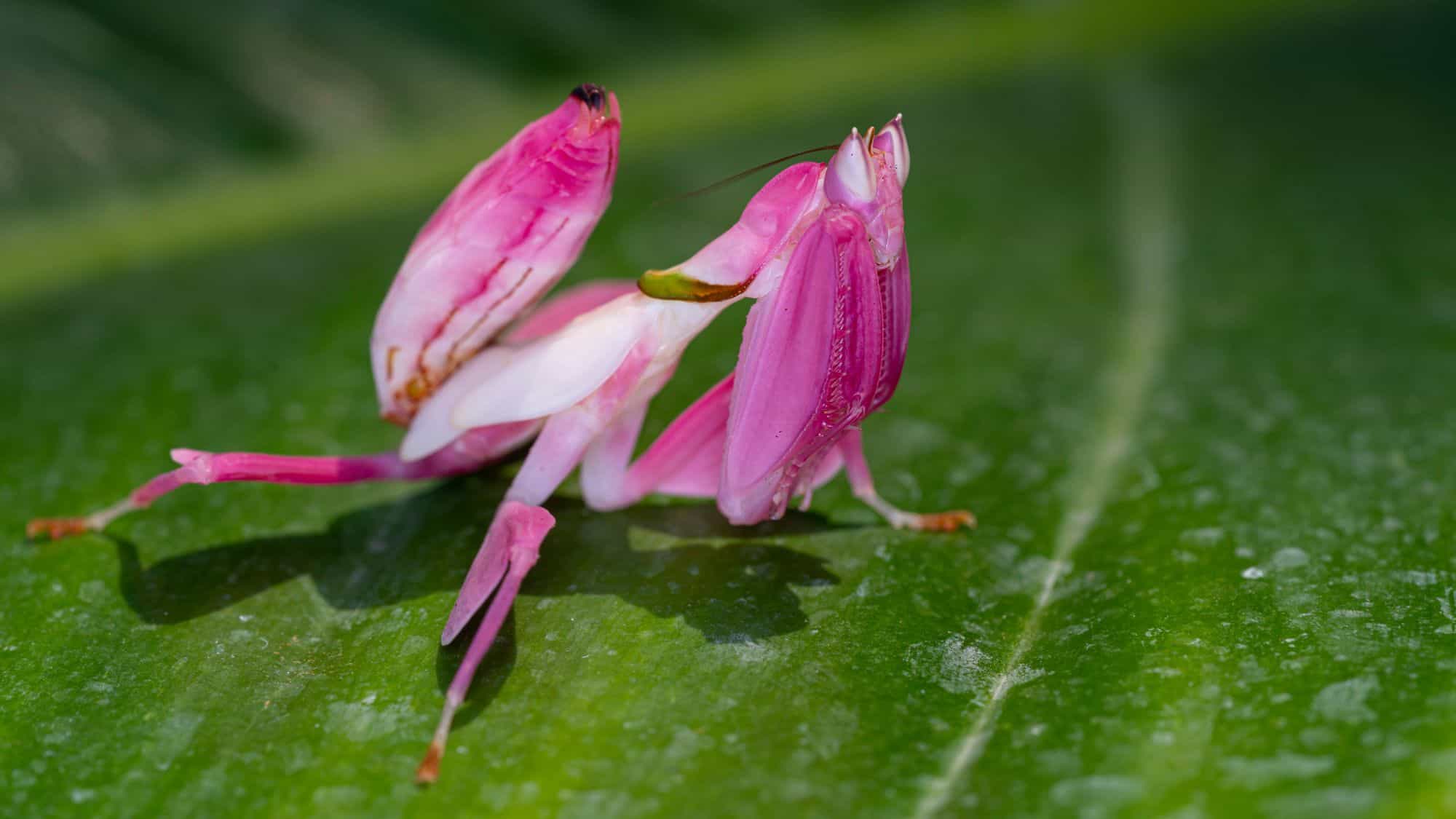
A mantis hunts like a coiled trap. It freezes among leaves and flowers, rocking gently to match the breeze, then snaps forward in a motion measured in mere milliseconds. Those folded forelegs are lined with spines, so once the strike lands, the grip is immediate and ugly.
Mantises can rotate their heads 180 degrees to track movement, which makes their stare feel uncomfortably personal. And they target flies, moths, bees, and even small lizards when size allows. Vision drives almost everything for them, from depth perception to the timing of that punchy lunge.
But the most chilling part is the composure. A mantis waits until prey drifts well inside range, then commits without hesitation and holds while feeding begins. This style is energy efficient because failed chases are rare. The insect basically turns surprise into a weapon, then lets anatomy do the rest. If patience were a sport, the mantis would make the podium every season.
Great White Shark

Great whites patrol coastlines and offshore islands, often below and out of sight, using countershading to blend with the dark water. And their sensory toolkit is stacked. Acute smell, lateral line to read vibrations, and electroreception to detect faint bioelectric fields.
Around seal colonies, they use an upward ambush. The shark rises fast, mouth open, and hits with enough momentum to breach the surface. That first strike aims for shock and blood loss. If the prey escapes, the shark often tracks the trail with unbothered patience.
Size helps. Adults can exceed 10 feet, and a single bite can deliver a serious dose of damage. This is a strategy built on stealth, timing, and raw acceleration. It continues to work because prey rarely sees the threat until it is already airborne. The ocean is wide, but for a seal silhouette on bright water, it can suddenly feel very small.
Nile Crocodile

The Nile crocodile is pure ambush physics. It waits near crossings and shorelines with just eyes and nostrils above the surface. When hooves splash close, the croc explodes forward, jaws first, and clamps down with one of the strongest bite forces recorded for any living animal.
That alone can end the encounter, but the follow-up is iconic. The death roll. The crocodile spins its entire body to rip, drown, or tear off chunks, especially when the prey is large.
Vertical pupils handle bright African light, and pressure receptors along the jaws detect tiny water disturbances. The water hides the approach, the bite anchors the target, and the roll multiplies damage. As a bonus, crocs stash carcasses underwater to soften for later meals. It is a patient, ruthless system designed for rivers that never run out of thirsty animals.
Assassin Bug
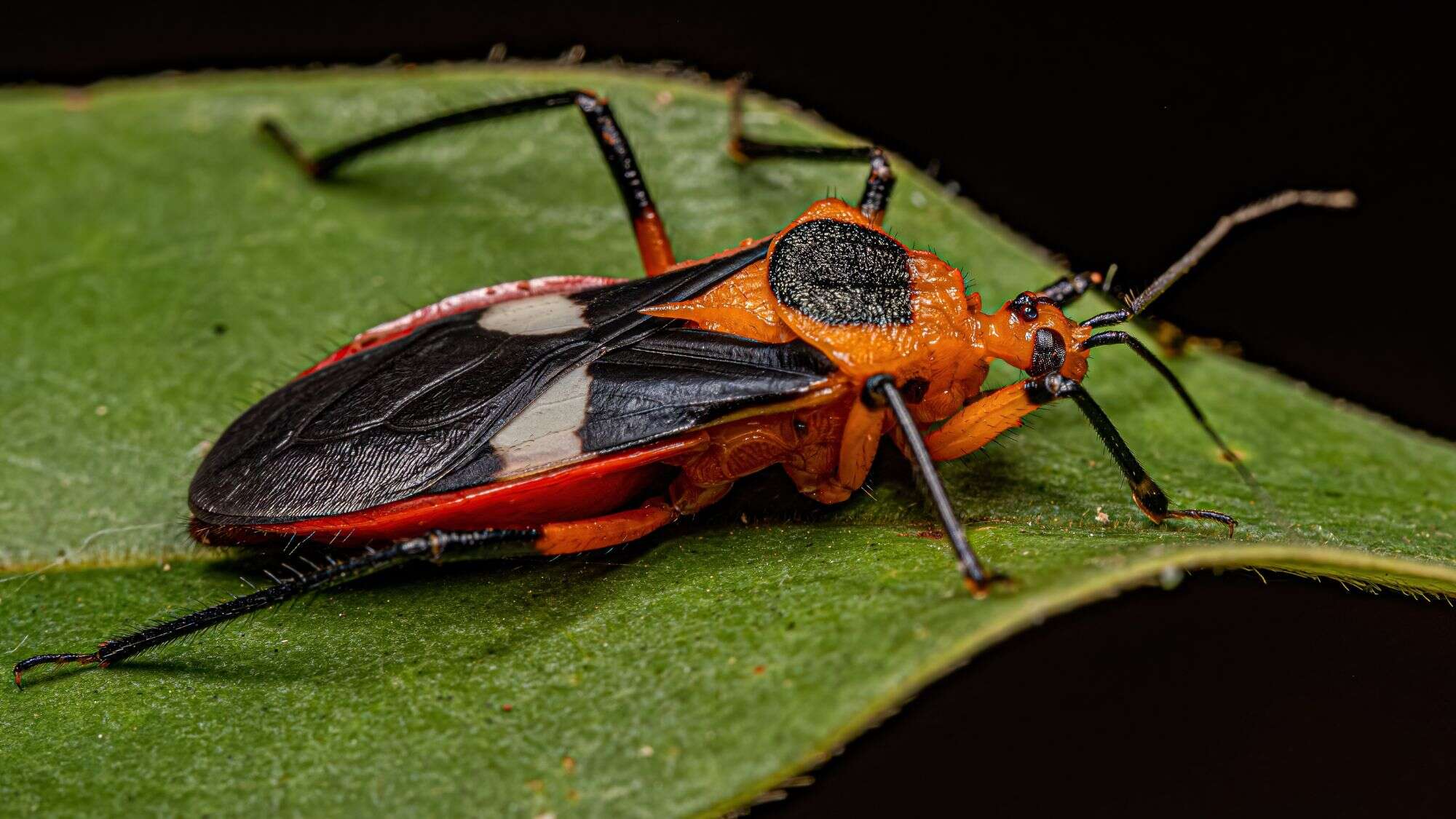
Assassin bugs package horror in a compact frame. That “beak” is a rostrum that pierces exoskeletons with unsettling ease. And once inside, enzymes go to work, breaking down tissues into a nutrient slurry. The bug then drinks the result like a protein shake.
The method avoids the risks of chewing through armor. Instead, chemistry does the lifting. And this style is efficient for an insect world filled with hard shells and sharp mandibles. The bug wins by punching through the code of the prey’s body, then bypassing the hardware entirely. It is basically carry-out dining, no utensils required.
Many species also use camouflage or a slow approach, then a quick stab to immobilize. Some even glue bits of debris or ant corpses to their backs to slip past guards.
Black Mamba

A black mamba moves with a speed that makes distance feel fake. It is among the fastest snakes, which pairs neatly with a long reach and quick strikes. The venom is neurotoxic, disrupting nerve signals and muscular control.
For prey like small mammals or birds, that means rapid paralysis and collapse, often within minutes. The snake often delivers multiple bites in a burst, then retreats while the venom takes over. The combination of speed, accuracy, and fast-acting venom lets the mamba cover open ground, hit, and wait out the biology.
Habitat matters too. It uses termite mounds, burrows, and bush cover to navigate and launch attacks. And contrary to scary myths, this species prefers escape over conflict. But humans still surprise these snakes from time to time, with disastrous consequences.
Orca (Killer Whale)

Orcas are strategy in motion. And different pods have different playbooks, learned and shared within the group. In some coastal zones, they surge together to push a wave onto ice floes, sweeping seals into the water.
Around large sharks, they will flip the animal to induce tonic immobility, then target rich organs with surgical focus. For schooling fish, pods corral prey into tight balls, then take turns slicing through the mass.
Communication is critical in these attacks. Clicks, whistles, and body language coordinate roles so no one wastes energy. This is social hunting that behaves like a team sport, complete with practice and tradition.
Calves watch and copy, which is how these behaviors persist for generations. So it is hard not to feel the intelligence at work. Orcas make complex choices in real time, and they do it together. At the end of the day, teamwork makes the meal work.
Komodo Dragon

Komodo dragons bring heavyweight tactics to island ecosystems. They stalk deer, wild boar, and sometimes water buffalo, using camouflage and patience to close the gap. And the bite is more than teeth. Glands in the lower jaw produce a complex venom that promotes bleeding, lowers blood pressure, and can induce shock.
That chemistry, combined with tearing teeth and head-shaking, leads to rapid blood loss. Then dragons will track a wounded animal for long distances, following scent and heat. Their neck muscles are powerful, and the skull is built to handle ripping and pulling rather than crushing.
On hot volcanic slopes or scrubby forest, a sudden charge ends the chase fast. The result is a predator that can topple animals several times its own mass. Think of it as a reptile that turned patience, venom, and persistence into a single package.
Bolas Spider
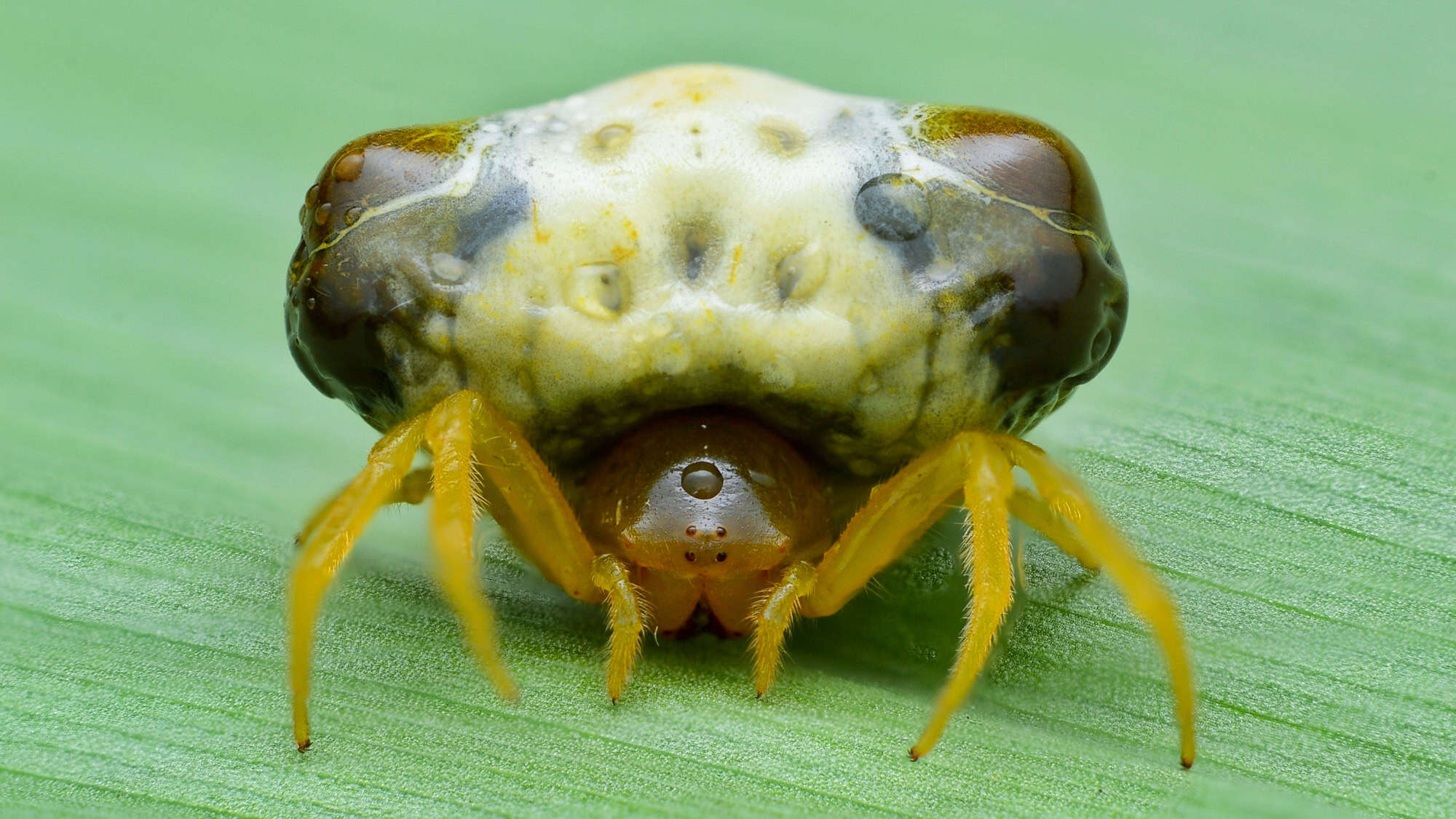
Bolas spiders skip the classic web. Instead, they hang from a thread and whirl a single glob of sticky silk on a line. Here is the twist. The spider then releases airborne chemicals that mimic a female moth’s pheromones.
Male moths hone in like guided missiles and fly straight into the swinging trap. And timing is everything. The spider senses wingbeats, starts the arc, and snags the moth mid-air. It is a custom lure paired with precision casting, which is both efficient and oddly theatrical.
The technique targets specific species that match the chemical blend, so some spiders adjust their scent through the night as different moths become active. No net to maintain. Just chemistry and aim. Fishing, but with perfume.
Margay
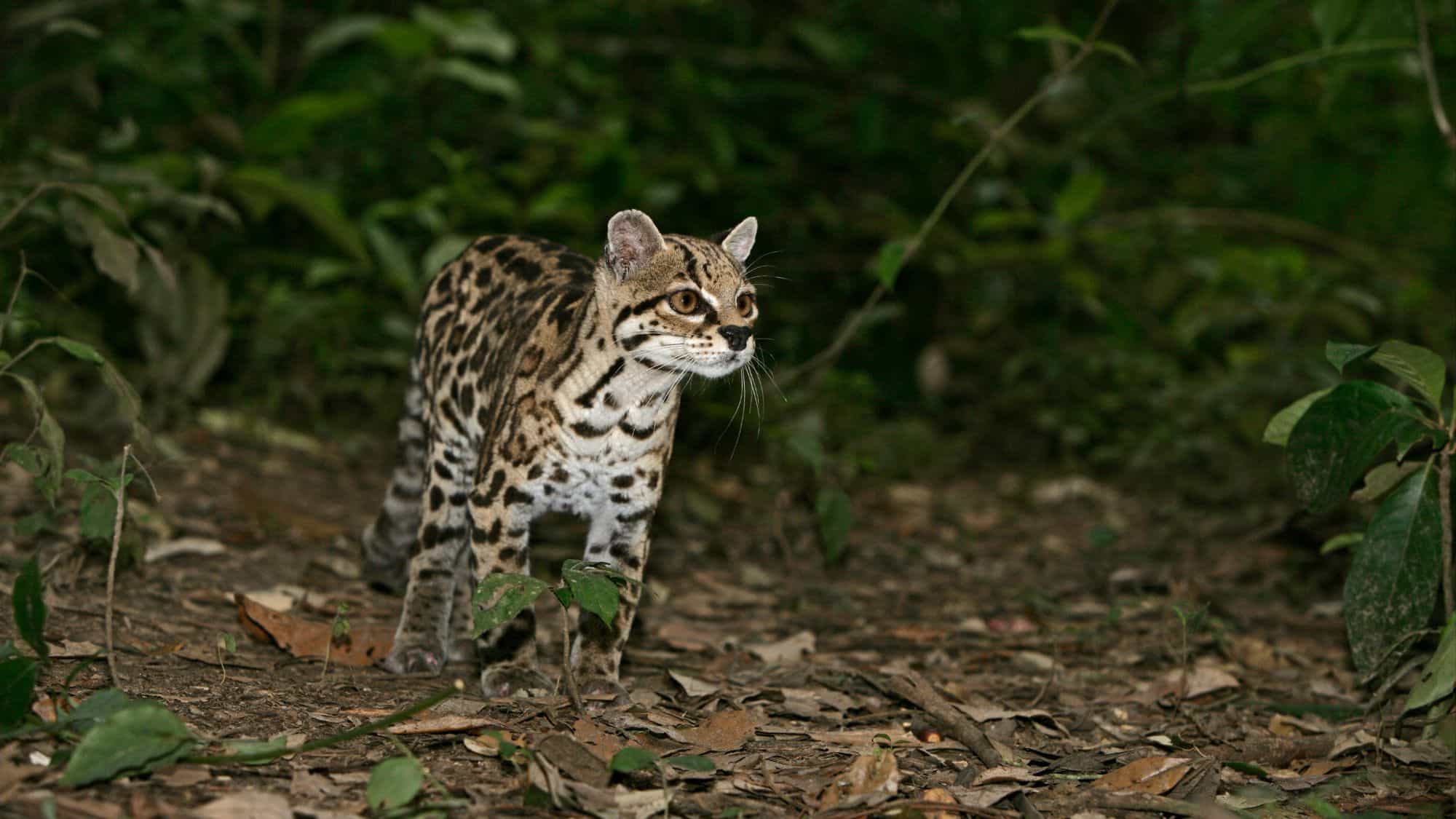
Deep in Central and South American forests, the margay hunts with silence and misdirection. It is a small wild cat with outsized agility, and able to turn its rear ankles to climb headfirst down trees. That gymnastic talent, paired with clever audio, makes them a predator to be reckoned with.
What audio, you might be asking? There are records of margays imitating the distress calls of young monkeys, drawing interested adults into a trap. But even without vocal tricks, the cat’s style is arboreal ambush.
It moves along branches with careful foot placement, freezes when eyes turn its way, and pounces when a gap opens. At night, big pupils drink in light, and whiskers help judge tight spaces. The forest is noisy, so a convincing sound like a distress call can be the difference between a blur of leaves and dinner.
It is stealth with a side of theater, and the audience rarely realizes it has bought a ticket.
Antlion
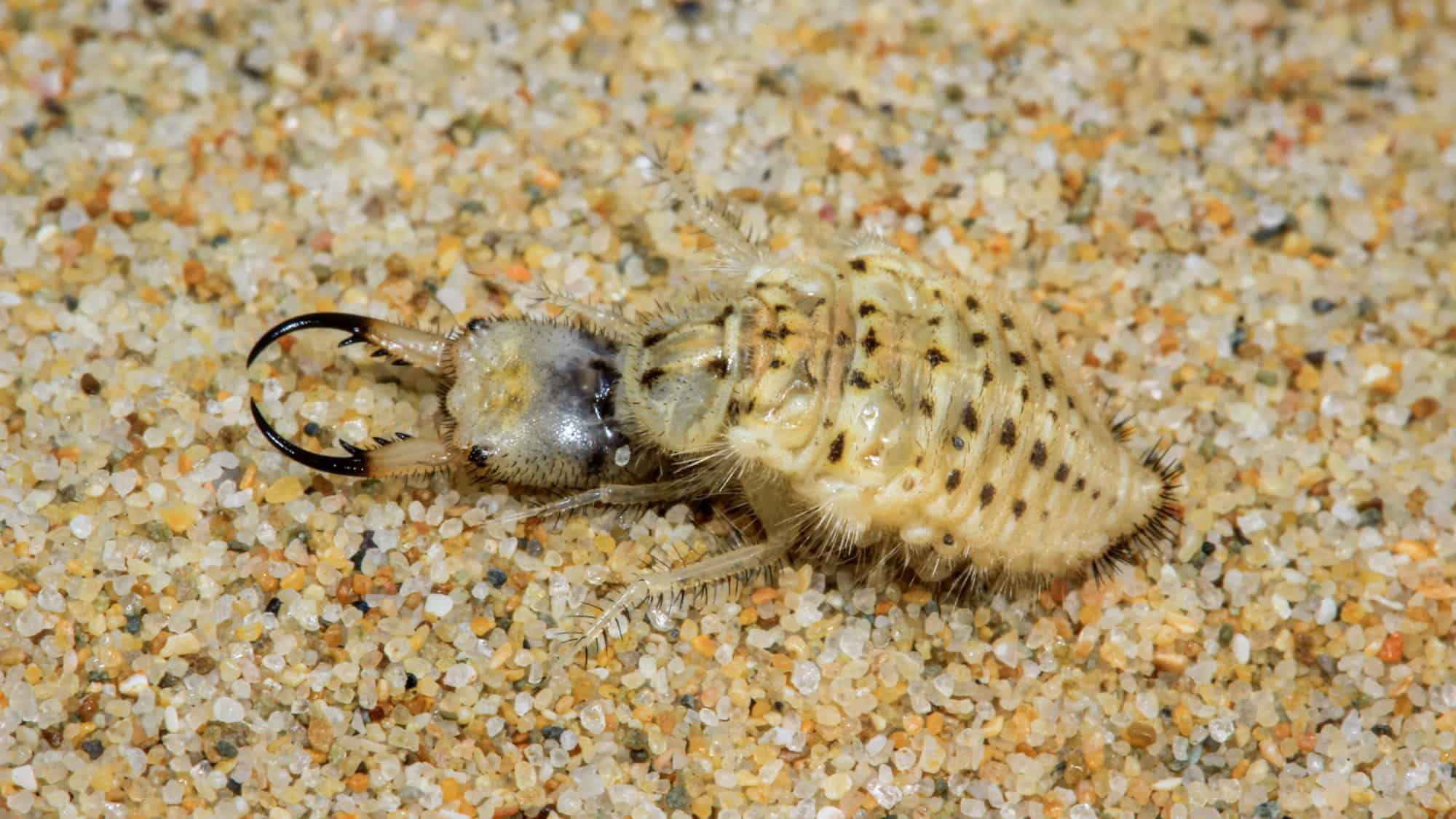
An antlion larva is a construction worker with sinister motives. It carves a conical pit in dry sand, then buries itself at the bottom with just the jaws exposed. The slope is fine and unstable, so an ant that steps inside begins to slide.
As it scrambles, the antlion flicks sand upward like a tiny excavator, triggering miniature landslides that pull the victim down further. Once within reach, those sickle-shaped mandibles snap shut. The larva injects digestive enzymes, then drinks the liquefied meal. Physics does the rest. The angle of the cone keeps prey moving, and the smooth surface denies traction.
This is passive hunting perfected. Minimal movement. Maximum return. It is basically quicksand… with teeth.
Cone Snail

The cone snail looks harmless, a patterned shell resting on a reef. But inside waits a harpoon on a flexible proboscis. When a small fish edges close, the snail shoots a hollow tooth that delivers a cocktail of conotoxins.
These peptides target nerve channels, locking muscles, and stopping escape within moments. The snail reels the fish in like a fisherman landing a cast, then swallows it whole. This is slow motion only until the strike. Then it is instant.
Some species of the snail are potent enough to threaten humans, which is why collectors learn to admire them with tongs. But the adaptation allows a mostly stationary animal to capture some of the fastest creatures in the ocean. Evolution said move or invent a spear. The snail chose wisely.
Golden Eagle

Golden eagles hunt with speed, vision, and topography. From high perches or soaring flight, they spot movement far below, then fold into a stoop that hits hard. Talons lock, and powerful legs clamp down with crushing grip strength.
In rough mountains, eagles sometimes push or drop heavy prey off ledges, turning gravity into a partner. And diets vary with region. Rabbits, marmots, foxes, young ungulates, even carrion in lean seasons.
Feathered legs insulate at altitude, and broad wings manage turbulent air near cliffs. The overall method is opportunistic, but the theme is control of height and angles. The eagle starts fights from a position that already favors a win, then lets physics close the deal. Turns out, when your launchpad is a cliff, the landscape is part of the toolkit.
Tiger Beetle
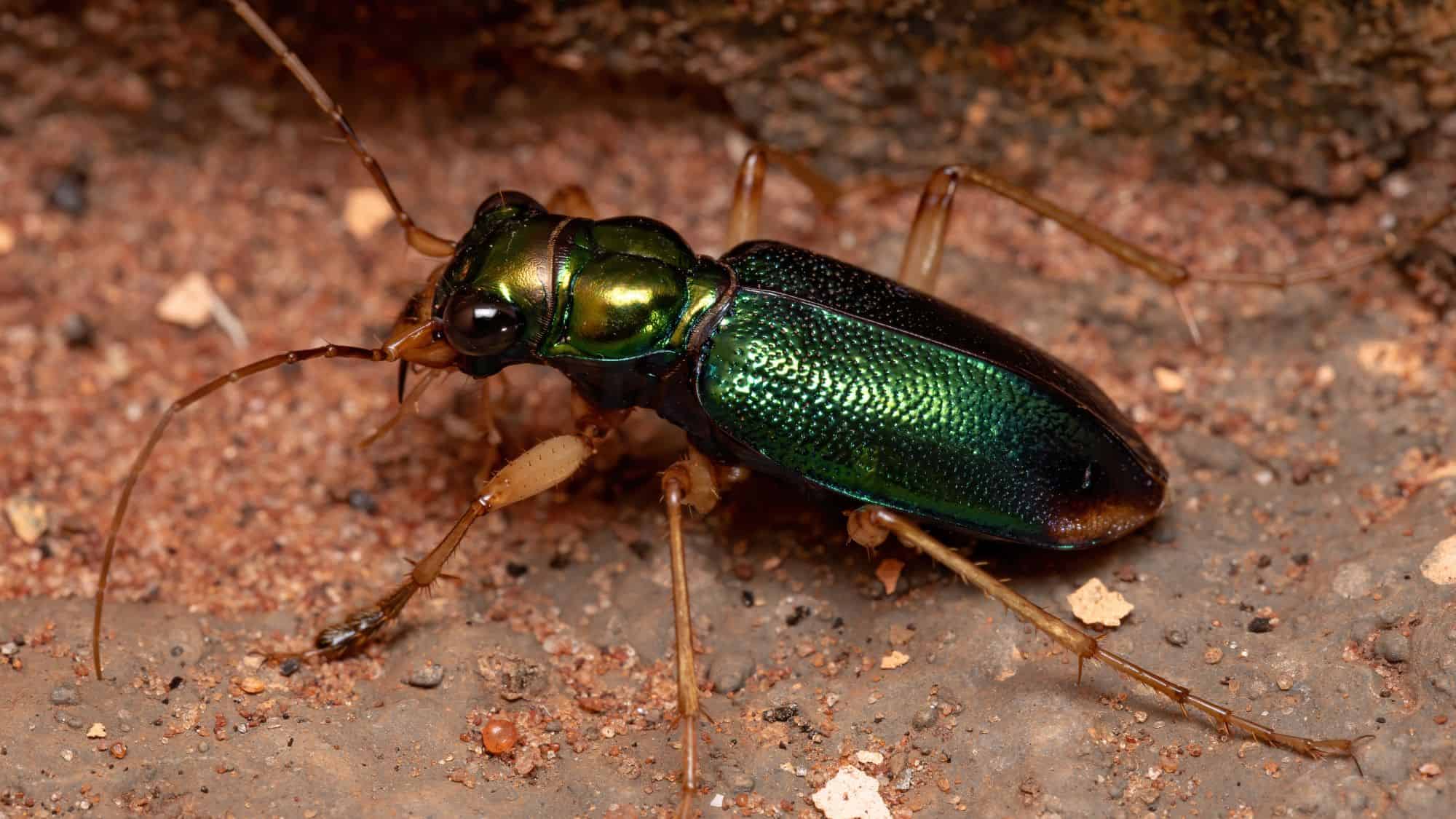
Tiger beetles are pursuit specialists that outrun their own vision. At top speed, their eyes cannot gather enough light to form a clear image, so the beetle performs a stop-and-go chase. Sprint, freeze, re-acquire the target, then sprint again.
The jaws are oversized for an insect of this size, which helps end the pursuit quickly once contact happens. And many species hunt on open sand or bare ground where speed matters more than stealth. Long legs, lightweight bodies, and rapid bursts of power give them a head start on anything that hesitates.
The whole act looks frantic, but it is intentional. By pausing, the beetle resets the picture and avoids overshooting. It feels like buffering, except the loading bar has teeth.
Snow Leopard
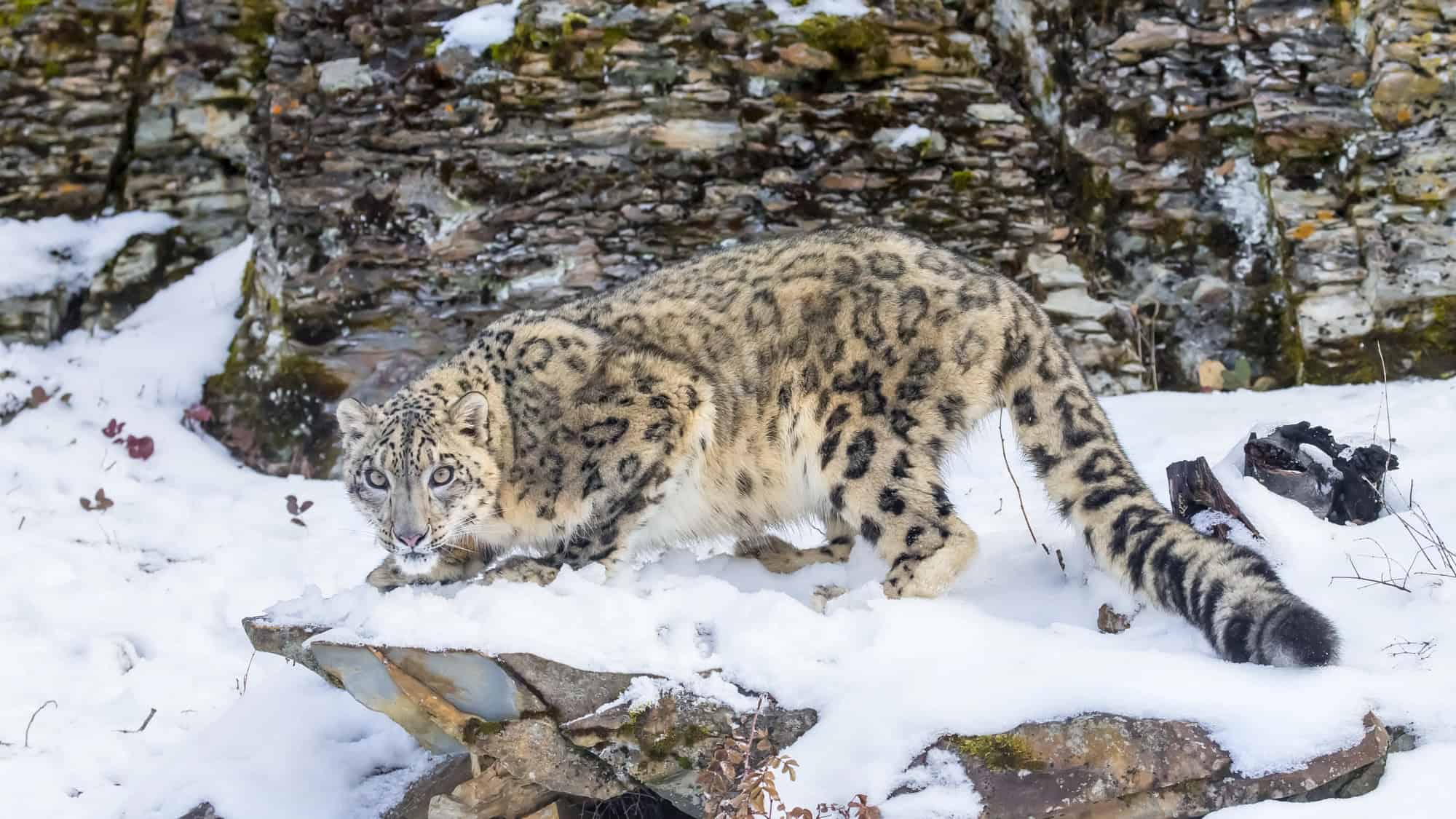
A snow leopard turns mountain terrain into an ally. Thick, soft-furred paws grip rock and cushion landings, while a long tail acts as a counterweight during leaps. Dense fur and a low profile keep heat loss down at high elevation.
The cat shadows blue sheep or ibex along ridgelines, using broken ground to hide its approach. When the moment arrives, it launches across gaps that would stop most animals cold. A swift neck bite ends the struggle, and the cat drags prey along ledges with a strength that looks impossible for its build.
The strategy: silent approach, explosive pounce, quick finish, then drag to safety before scavengers arrive.
Giant Water Bug
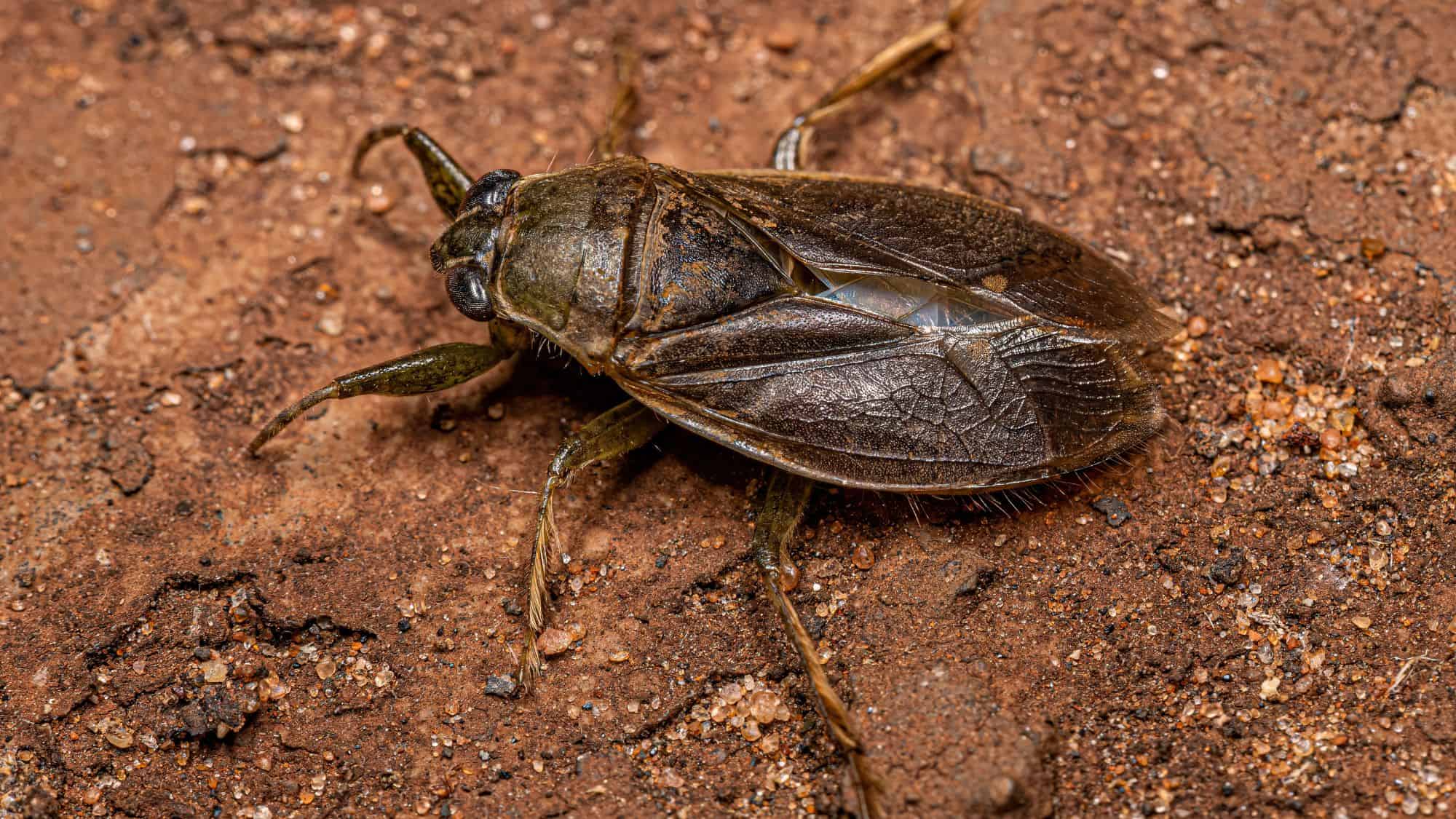
Giant water bugs wait among reeds in ponds and slow streams, gripping stems with raptorial forelegs. When a tadpole or small fish brushes close, they strike and inject digestive enzymes through a rostrum (the sharp beak). The result is external digestion, followed by careful sipping.
They can overpower surprisingly large prey for an insect, including young amphibians. Surface breathing lets them linger underwater, and flattened bodies help with stealth in weedy shallows.
Their nickname, toe-biters, hints at their confidence around much bigger animals. However, their strategy is the classic sit-and-wait approach, enhanced with chemistry that reduces energy expenditure on chewing. It’s the pond version of a horror straw.
Like Our Content? Follow Us on MSN (or click the Follow Button above) for more from Discover Parks & Wildlife.
16 Animals With Nose Skills That Will Astonish You

Prepare to have your mind blown by these furry, feathered, and downright fascinating sniffing machines. They’ll sniff out things you didn’t even know existed. Who knew noses could be this impressive?
14 Galapagos Exclusives: Animals You Won’t See Anywhere Else

Curious about creatures that make unicorns seem ordinary? You’ll want to check this ou. It’s like unlocking a secret level of wildlife wonder.
15 Dangerous Rainforest Animals That Command Respect
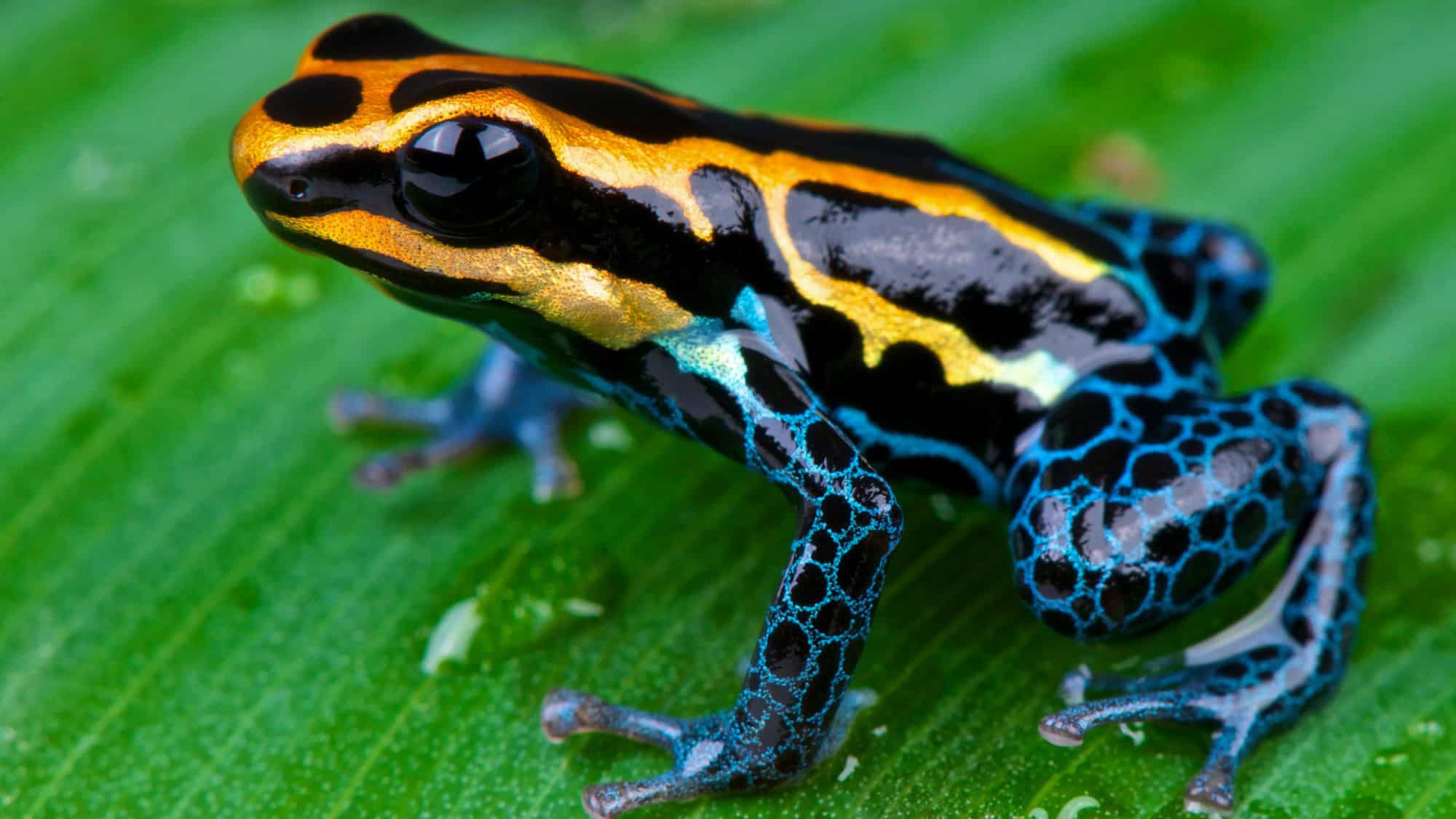
Curious about the kind of animals that laugh in the face of danger? You’re in for a wild ride with rainforests’ most respect-demanding residents. Don’t say I didn’t warn you.