Discover Parks & Wildlife contains affiliate links and is a member of the Amazon Services LLC Associates Program. If you make a purchase using one of the Amazon links, we may receive compensation at no extra cost to you. We may also use select AI tools to support our creative process, but all content is reviewed, refined, and finalized by our human team. See our disclosure policy and our AI use policy for more information.
15 Fun Things To Spot For A”Roadside Spotter Challenge” Game On Long Drives
Sometimes a long drive stretches on until even the road signs start to feel like old friends. That’s when the Roadside Spotter Challenge comes to the rescue. The idea is simple: make a game out of what you see along the way.
Everyone in the car gets points for spotting certain things. Common sights earn 1 point, uncommon ones get 3, and rare finds are worth a mighty 5. The beauty of it is that you can tailor it to your route. Cruising through flat farmland? Spotting a tunnel earns a whopping 5. Rolling through the Rockies? That same tunnel might be a 1-pointer, but a curious coyote might tip the scales instead.
The real fun comes from the bragging rights, especially when someone yells, “I saw it first!” at full volume. You’ll be surprised at how much you start noticing once there’s a little competition. What used to be “just a drive” becomes a moving treasure hunt filled with laughter, tall claims, and quick debates about what counts as rare.
So grab a notepad or use your phone, add some more options to my list, assign your point values, and hit the road with eyes wide open. Turns out, you’ve got some serious spotting to do.
Deer Or Elk Grazing In A Meadow

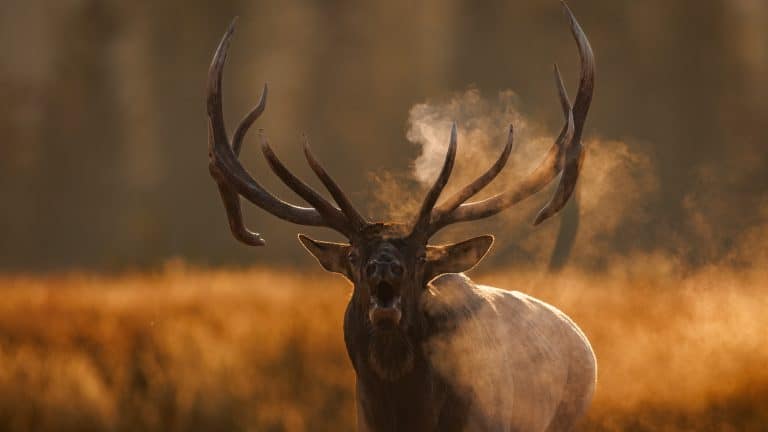
Spotting deer or elk grazing beside the road always feels a little magical, even if you’ve seen them before. They move so quietly you half expect them to vanish if you blink. And early morning and late evening are your best bets since that’s when they’re most active.
If you’re driving through places like Rocky Mountain National Park or Yellowstone, you might even catch a whole herd casually chewing away, oblivious to your squealing excitement. Keep a safe distance, though, elk especially aren’t shy about defending their personal space (and they’re a lot heavier than they look).
If you’re lucky, you might even spot a velvet-antlered buck during summer or a young calf trailing behind its mother. The trick is to scan gently along open meadows or tree lines, not the middle of the road. You’ll spot that flash of tan before anyone else does and score those sweet points while everyone else is still looking at a fence post.
Pro tip: slow down when “Wildlife Crossing” signs appear. They’re not just for decoration. Besides, if someone spots a majestic elk before you do, you’ll want to have time to pretend you saw it too (not that anyone would do that, of course).
Hawk Or Eagle Circling Overhead
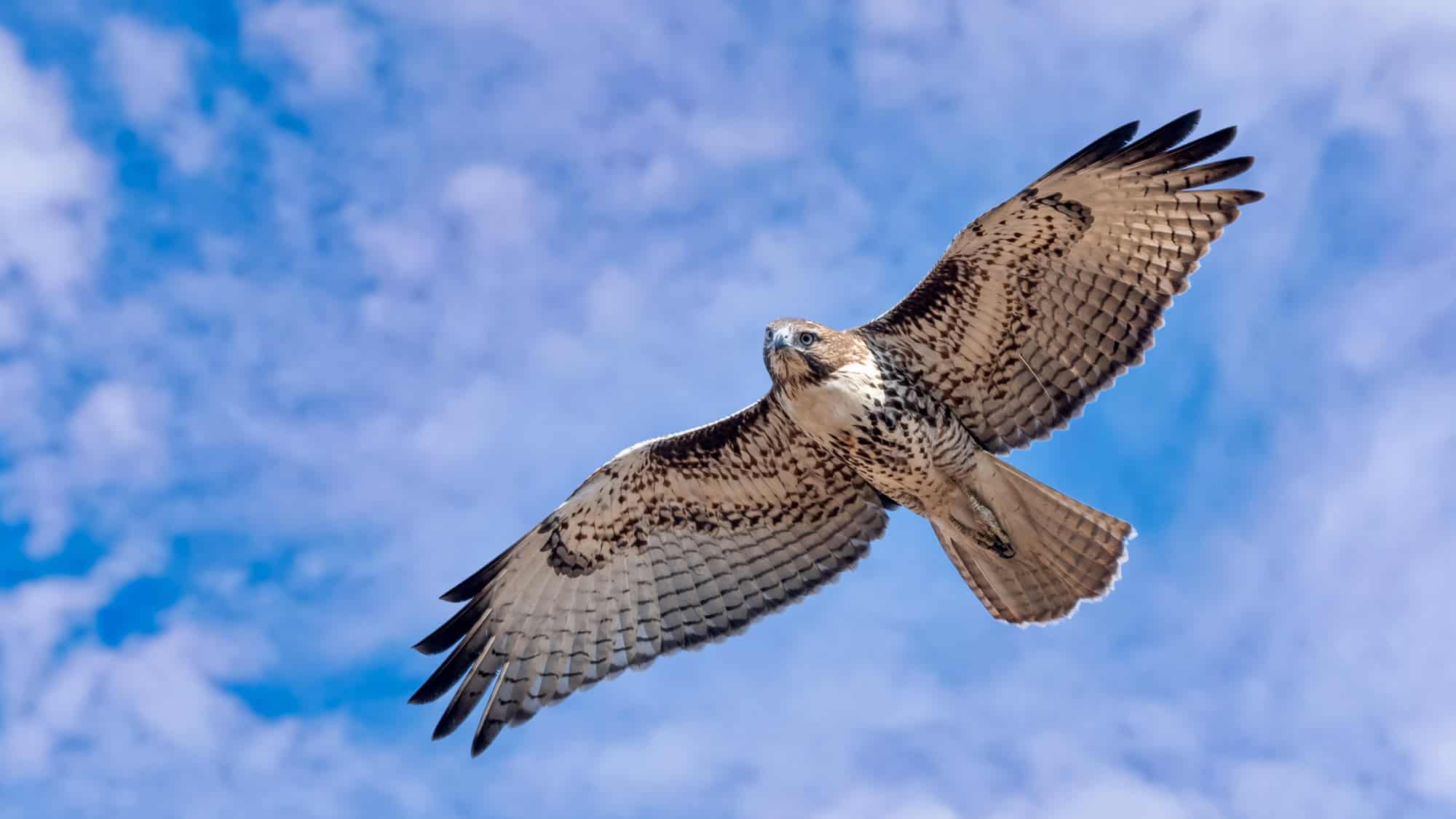
Keep your eyes skyward for a raptor riding the thermals. A hawk or eagle circling overhead adds a cinematic flair to any road trip. The larger wingspan usually gives them away, with eagles looking heavier and slower while hawks have that sharp, purposeful glide.
Western highways near cliffs or canyons are prime spots for eagle sightings, while open fields and farmland are hawk country. Some red-tailed hawks perch on fence posts, looking smug, while bald eagles often favor lakes or rivers for easy fishing. If you spot one swooping or diving, that’s bonus bragging material. Make it five points if anyone captures it mid-hunt on camera (good luck with that, though).
Don’t forget to scan telephone poles too; raptors love a high seat for spying dinner. Once you’ve seen one, you’ll start noticing how they almost blend into the rhythm of the sky, circling lazily but with an air of royalty. After all, it’s hard not to feel impressed when you realize that these birds have a better view than any of us could afford.
Wild Turkeys Near The Road Edge
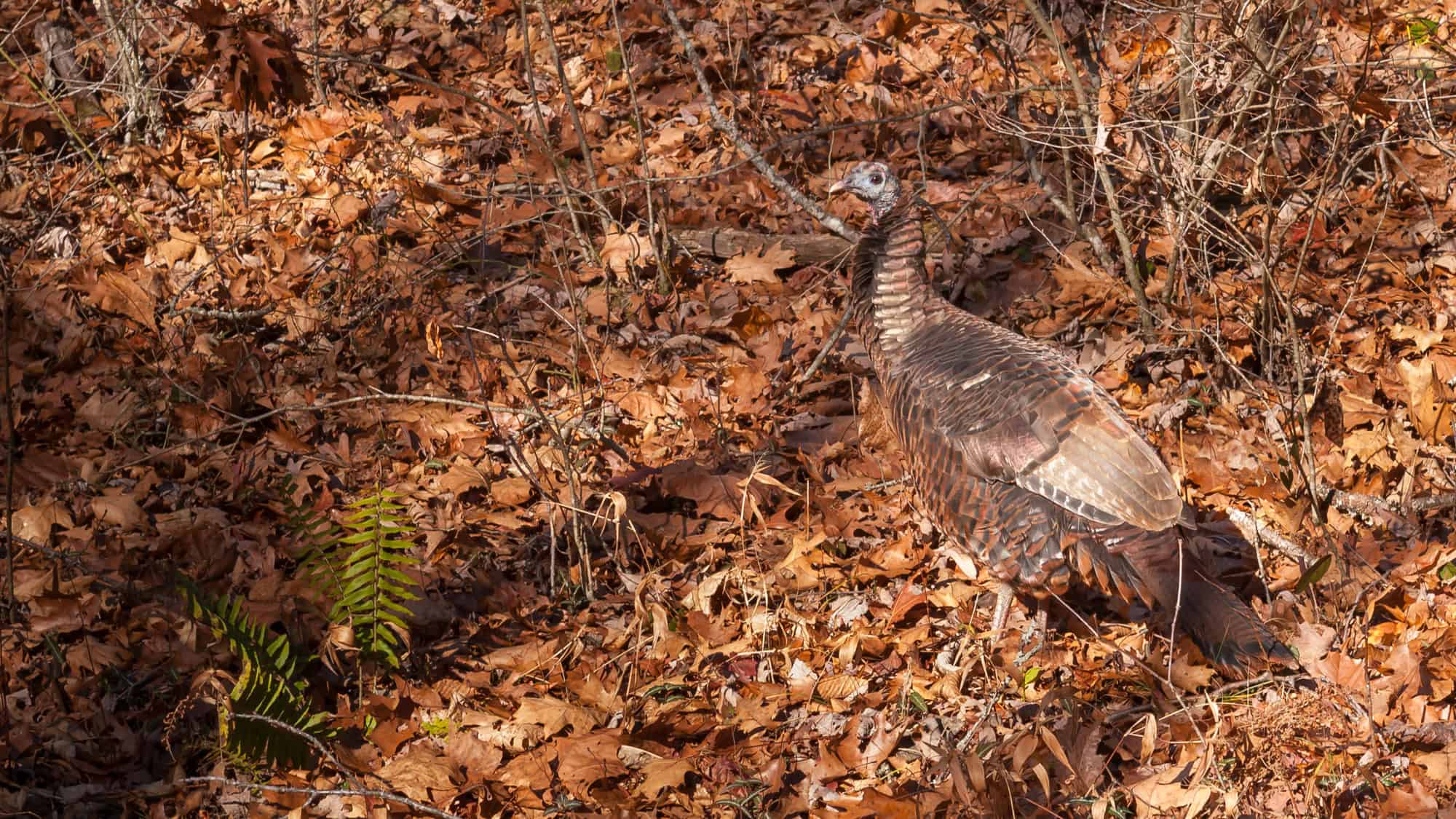
If you see a group of wild turkeys awkwardly trotting along the shoulder, you’ve just earned yourself a laugh and a few points. They move like they’re late for something important but forgot what it was halfway across.
Turkeys tend to show up near wooded areas, open pastures, and small creeks, especially around dawn or dusk. You’ll often hear them before you see them, a low “gobble” echoing through the trees. And their feathers catch sunlight beautifully, flashing bronze and green tones that photos never do justice.
They can fly short distances, so don’t be surprised if one suddenly launches upward when you least expect it. The key is to keep an eye on the edges of fields or roadside brush. Turkeys usually travel in groups called rafters… which somehow makes them sound fancier than they look.
Just try not to scare them; they’re easily spooked and scatter like someone spilled a box of marbles. And yes, there’s always one lagging behind that you’ll secretly root for (every rafter has its rebel).
Squirrel Or Chipmunk Carrying An Acorn (Or Other Object)
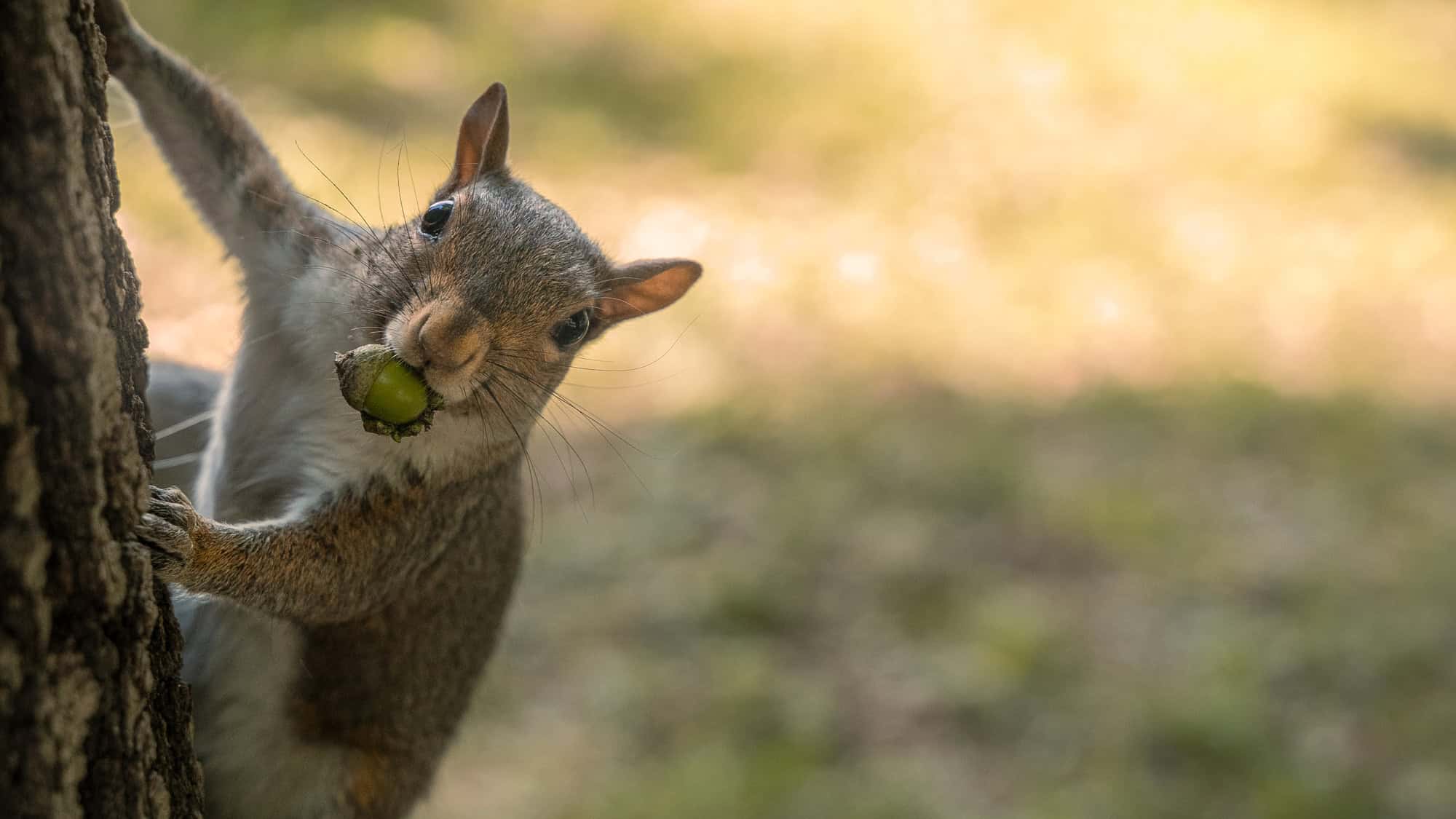
Here’s your chance to catch one of nature’s busiest overachievers in action. A squirrel hauling a cone or acorn across the roadside looks like pure determination wrapped in fur. They’re most active in the morning, so early drives through wooded areas or campgrounds give you the best shot.
Watch for sudden dashes of gray or brown near tree bases. Their tiny “I’ve got this” attitude is oddly inspiring, especially when the nut they’re carrying looks half their size. You’ll often see them stop mid-run, tail twitching as if they’re debating the life choices that led to this exact moment.
Squirrels are found pretty much everywhere in North America, so they’ll likely only be worth 1 point. Unless you catch one actually dropping its prize mid-run and scrambling back for it, which earns a generous 3 points for entertainment value.
While the points might be small for this one, few things say “victory” quite like yelling, “Squirrel!” before anyone else even knows what’s happening.
Clear Animal Tracks At A Safe Pullout
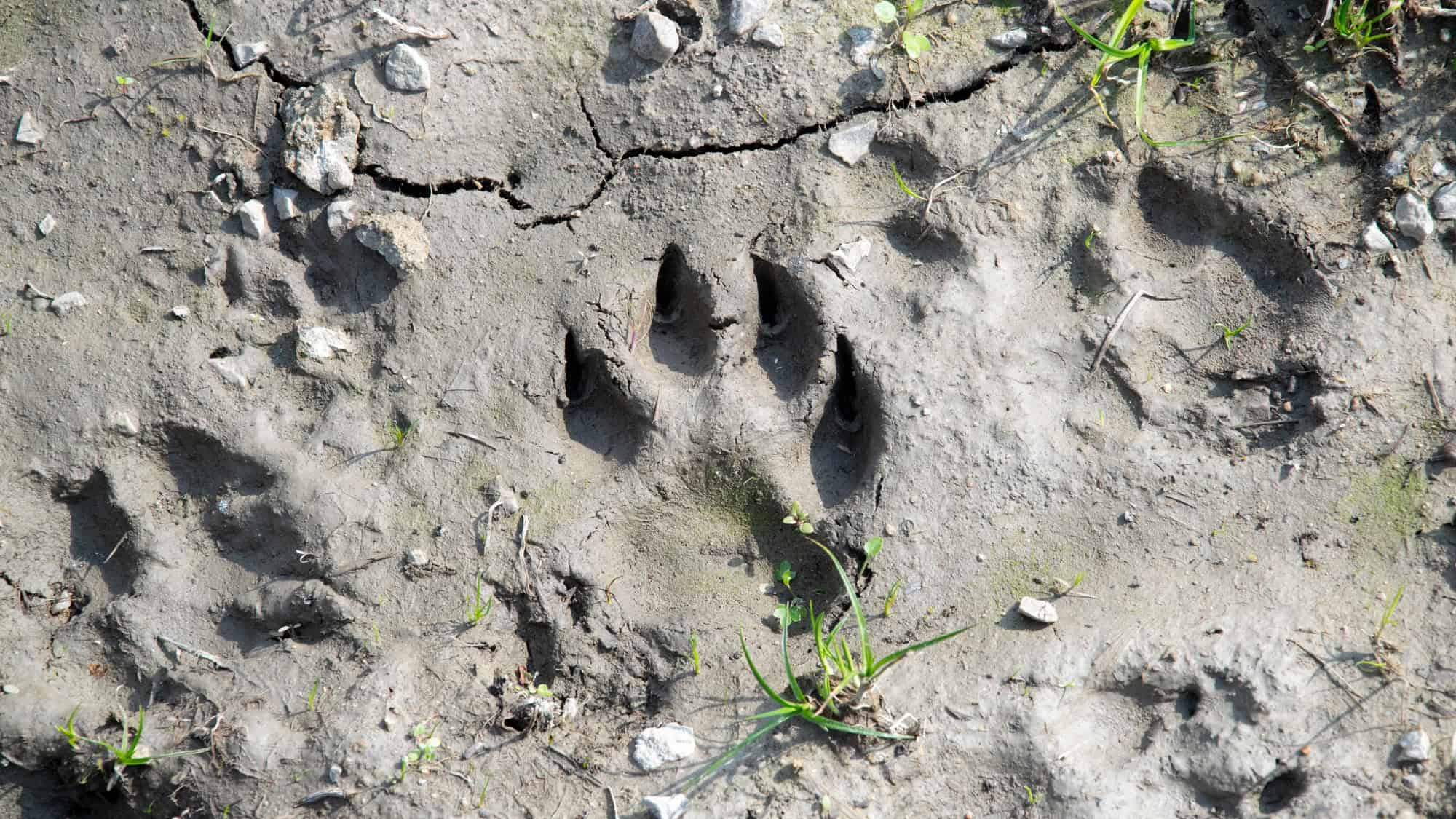
Sometimes the best sightings aren’t of the animals themselves but the traces they leave behind. Pull off safely on a gravel turnout or trailhead and look down. You might just find a set of clear tracks pressed into soft mud or sand. Deer, raccoons, and even coyotes often leave telltale signs near water crossings or shaded rest stops.
Bring along a small field guide or use a phone app to help identify what you see. Paw prints with claw marks usually mean a canine, while rounded toes without claws suggest a feline. If you find something with long fingers and a funny pattern, that’s likely a raccoon (points for that one just for cuteness).
The satisfaction of spotting wild evidence feels oddly thrilling. It’s proof that the wilderness is closer than you thought. And if you can convince the others that those smudges belong to a bear, well, you’ll either win big or spark the most dramatic roadside debate of the trip.
Dramatic Cloud Bank Over The Mountains
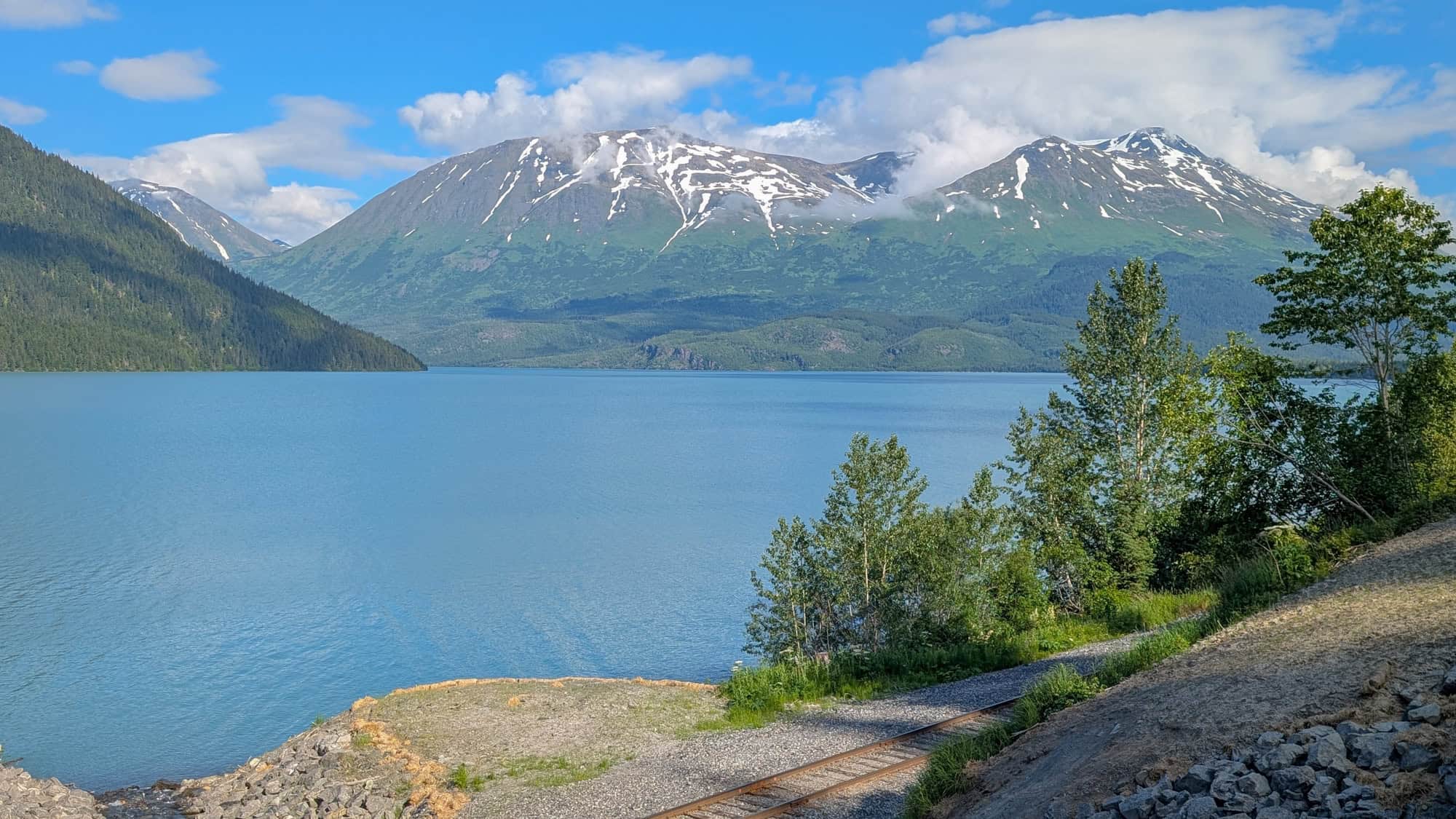
Few things make you feel smaller in the best way possible than a massive cloud bank rolling over the mountains ahead (you can almost hear a movie soundtrack swelling in the background). These cloud walls form when moist air climbs up a mountain ridge and cools, creating a thick, slow-moving blanket that spills like fog down the slope.
You’ll often see them in the Rockies, Appalachians, or along the Pacific Coast. And if you’re driving in late afternoon, sunlight can streak through gaps, giving the whole scene a golden, moody glow. It’s worth pulling over safely just to take it in.
Just remember that a dramatic cloud often signals a weather change, so keep an eye on the forecast. Sometimes these formations bring afternoon thunderstorms or sudden wind gusts, and it’s best to be off higher passes when that happens. If the sky suddenly turns from cottony white to steel gray, consider it a visual drumroll.
Sunbeam Spotlight Breaking Through Trees
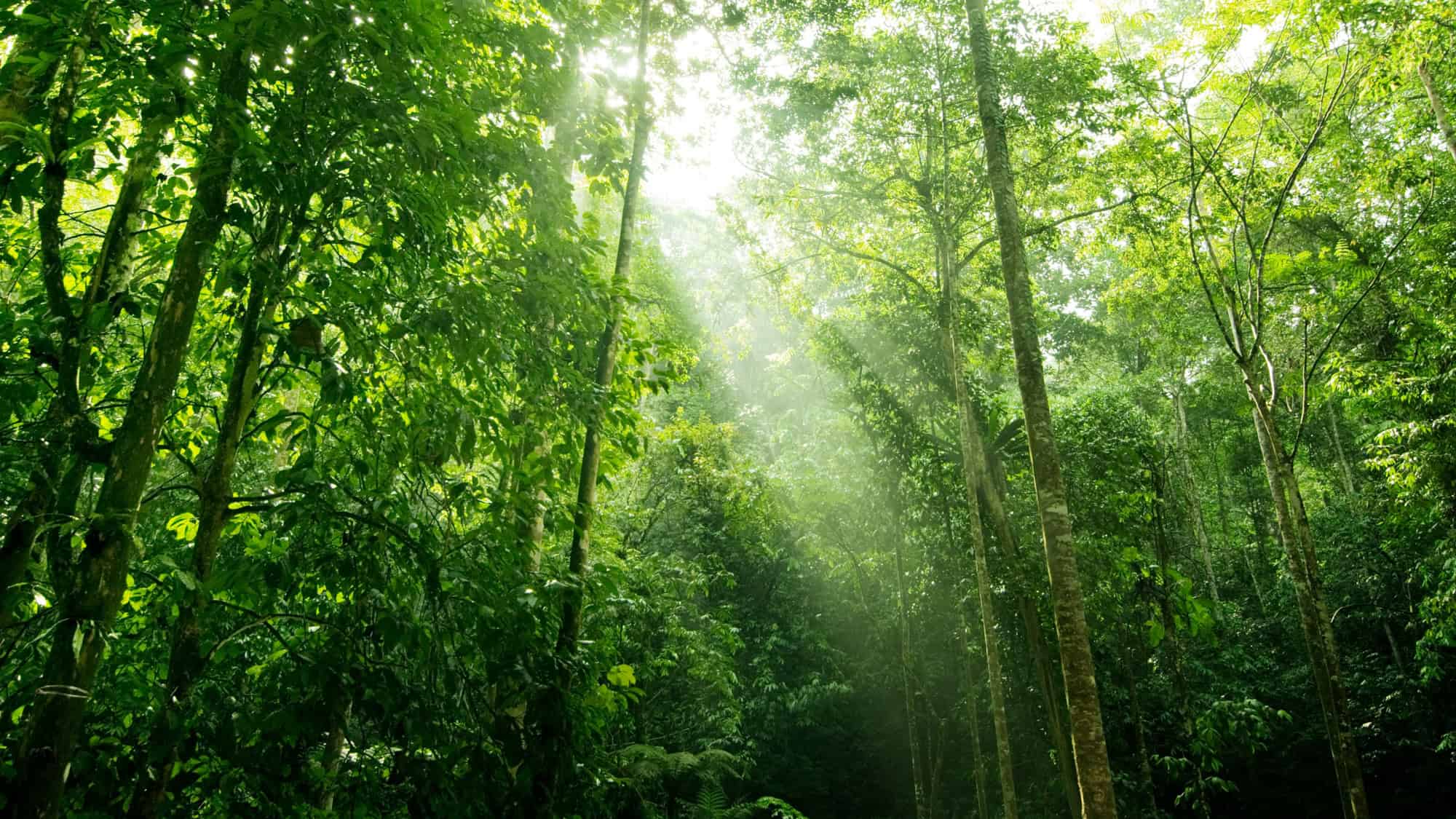
There’s a moment in every forested drive when sunlight slices through the trees just right, spotlighting a patch of mist or dust in the air. It’s like the world paused for its close-up. These streaks usually appear early in the morning or late in the day when the sun’s angle is low.
If you’re driving through places like Oregon’s coastal highways or the Blue Ridge Parkway, you’ll get front-row seats to nature’s light show. The trick is not to blink, because the scene can vanish faster than your passengers can say, “Wait, where?”
It’s hard not to get poetic when sunlight behaves this dramatically, but keep your eyes on the road. No one wins points for running into the guardrail while swooning over the scenery (that’s clearly an automatic deduction).
Scientists call this scattering effect “crepuscular rays,” but you can just call it “worth five points and a gasp.” Whether it lasts five seconds or fifty, that golden glow has a way of reminding you why it’s worth keeping the car windows cracked and your attention wide open.
Cliff Face, Hoodoo, Or Striking Rock Tower
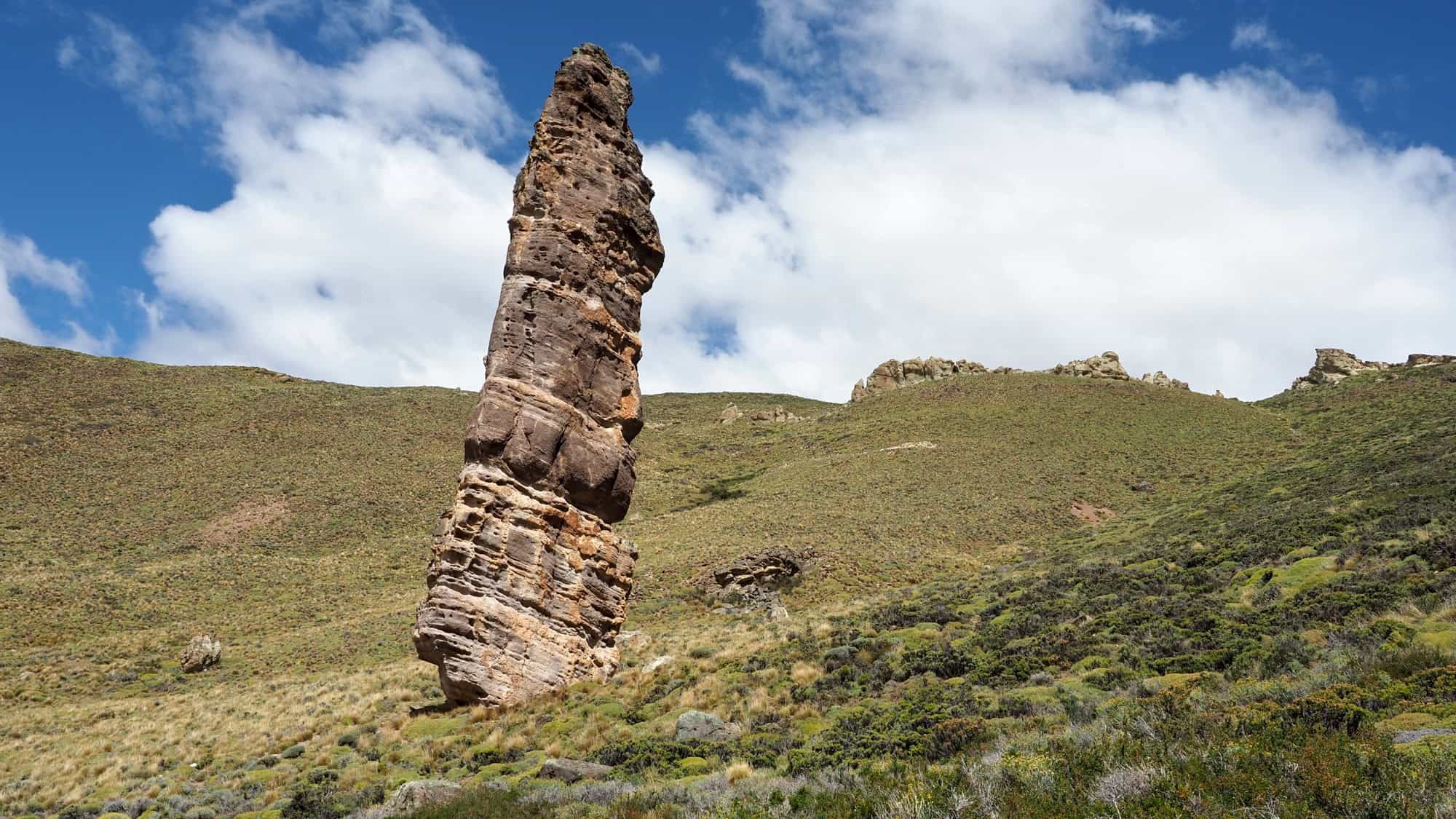
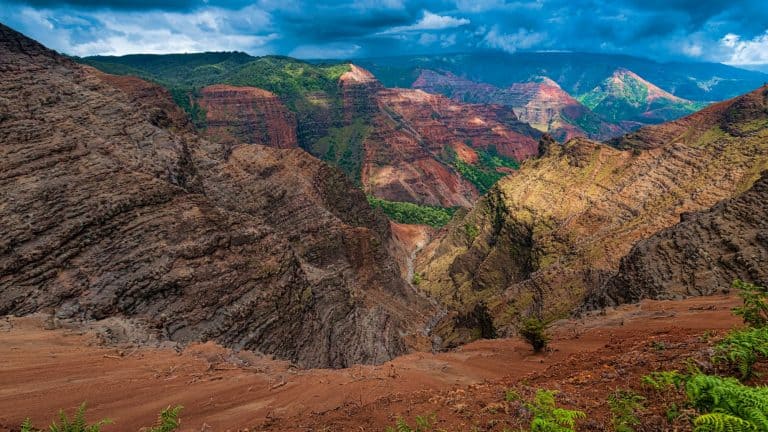
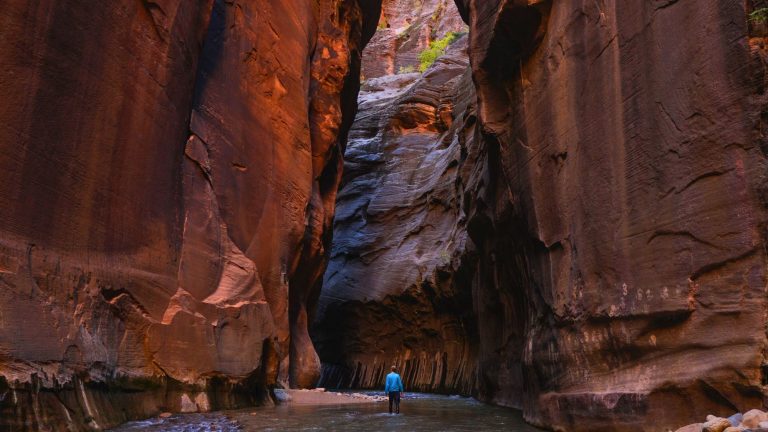
Every good road trip deserves a moment where someone says, “How did that even get there?” Enter the hoodoo, rock spire, or dramatic cliff face, those gravity-defying shapes that seem sculpted by a very patient artist. You’ll find them in spots like Bryce Canyon, Utah, or along South Dakota’s Badlands Loop.
Even small roadside formations can steal the show with streaks of red, gold, and gray stacked like layers of cake. Hoodoos form when wind and rain wear away softer rock, leaving the tougher sections standing tall, which is a pretty good life lesson in resilience. And if you’re traveling through desert or canyon country, keep your eyes peeled for shapes that resemble faces, animals, or castles. Yes, you’ll argue about what it looks like, but that’s half the fun.
These rock formations often mark scenic viewpoints, too, so use that as an excuse for a stretch break. Just don’t try to climb one for a better photo; erosion is sneaky, and gravity has a perfect attendance record.
Short Tunnel Or Rock-Cut Passage
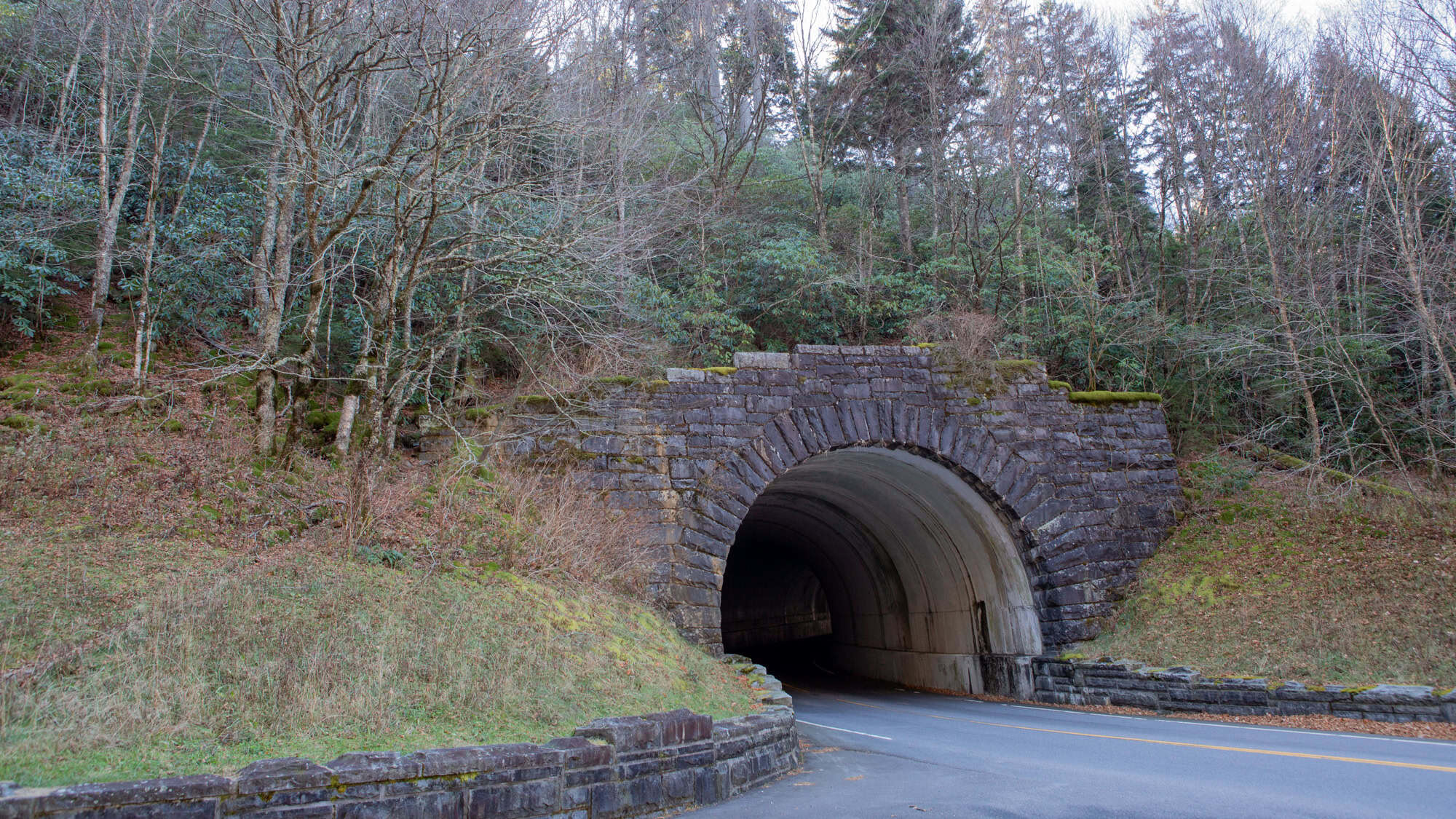
If you’ve been driving for hours with nothing but sky and open road, spotting a tunnel feels like striking gold. Short tunnels carved through rock are common in mountainous areas like the Smokies or Sierra Nevada, and every one of them feels a bit cinematic.
These passages were often blasted by hand decades ago, making them marvels of old-fashioned engineering. Most are lined with stone or concrete and measure anywhere from a few dozen to a few hundred feet long (that’s just enough to make you instinctively lower your voice when you pass through). Maybe give bonus points if someone honks while inside.
Keep headlights on and sunglasses off before entering; your eyes will thank you. And if you spot one that cuts through solid granite or has that perfect framed view of daylight at the other end, prepare for someone to yell, “We have to stop for a picture!”
Stone Bridge Over A Creek
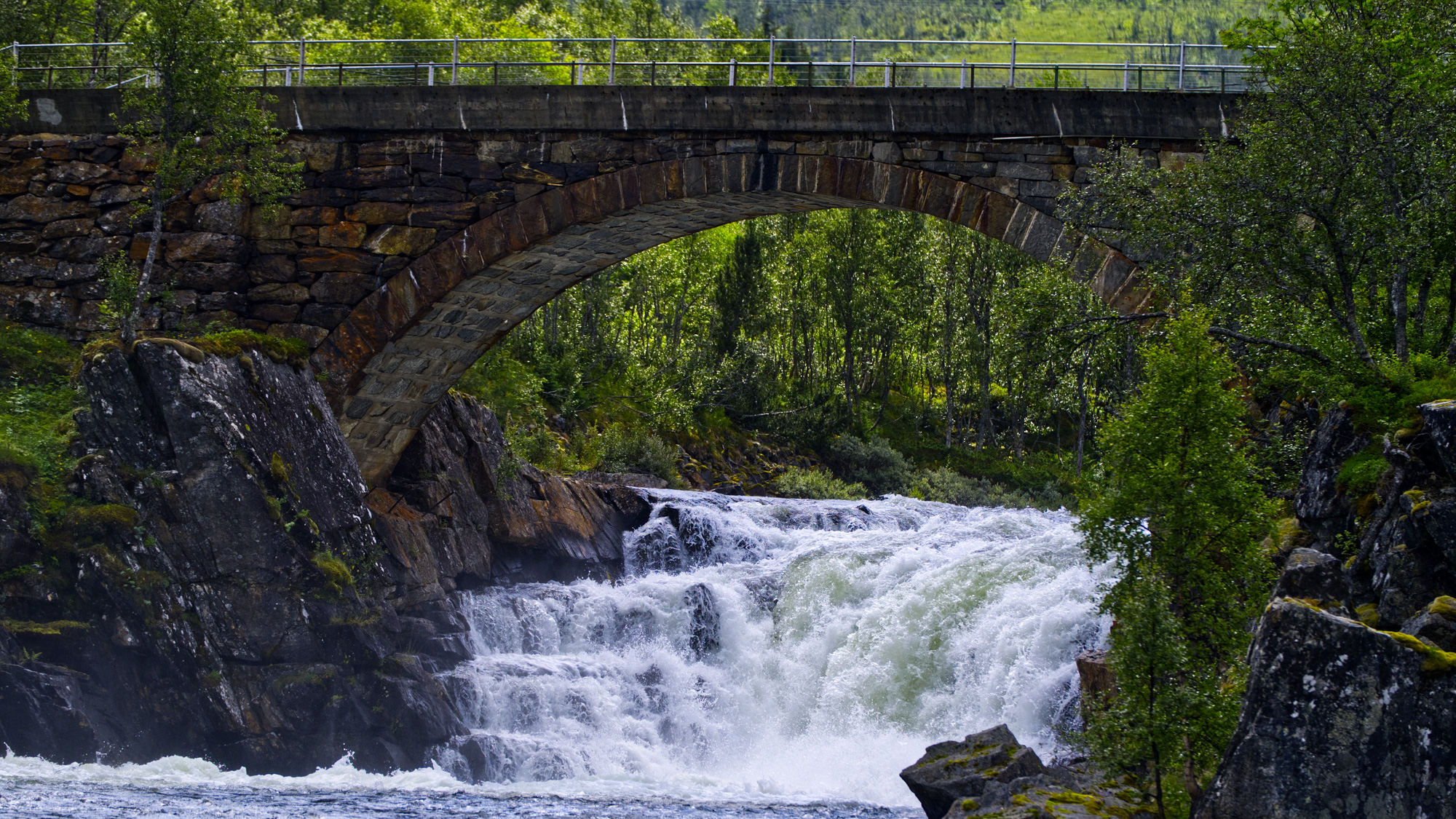
Stone bridges always make you feel like you’ve stumbled into a storybook. The oldest ones still in use were often built in the 1800s and can be found throughout New England, the Appalachians, and the Pacific Northwest.
Some have graceful single arches; others have double spans that look almost too delicate to support modern traffic. The craftsmanship still holds strong, though. Many were built by early stonemasons who probably had no idea their handiwork would become a travel highlight two centuries later.
You’ll usually find them near small towns, forest parks, or along historic byways. Pull over if there’s a safe turnout and take a closer look; the moss-covered stones, trickling water below, and the quiet hum of tires crossing make for a nostalgic scene that feels peaceful. And if the bridge happens to have a ghost story attached to it? Well, that’s some extra points and a free conversation starter for the next ten miles.
Roadside Waterfall Or Dripping Cascade
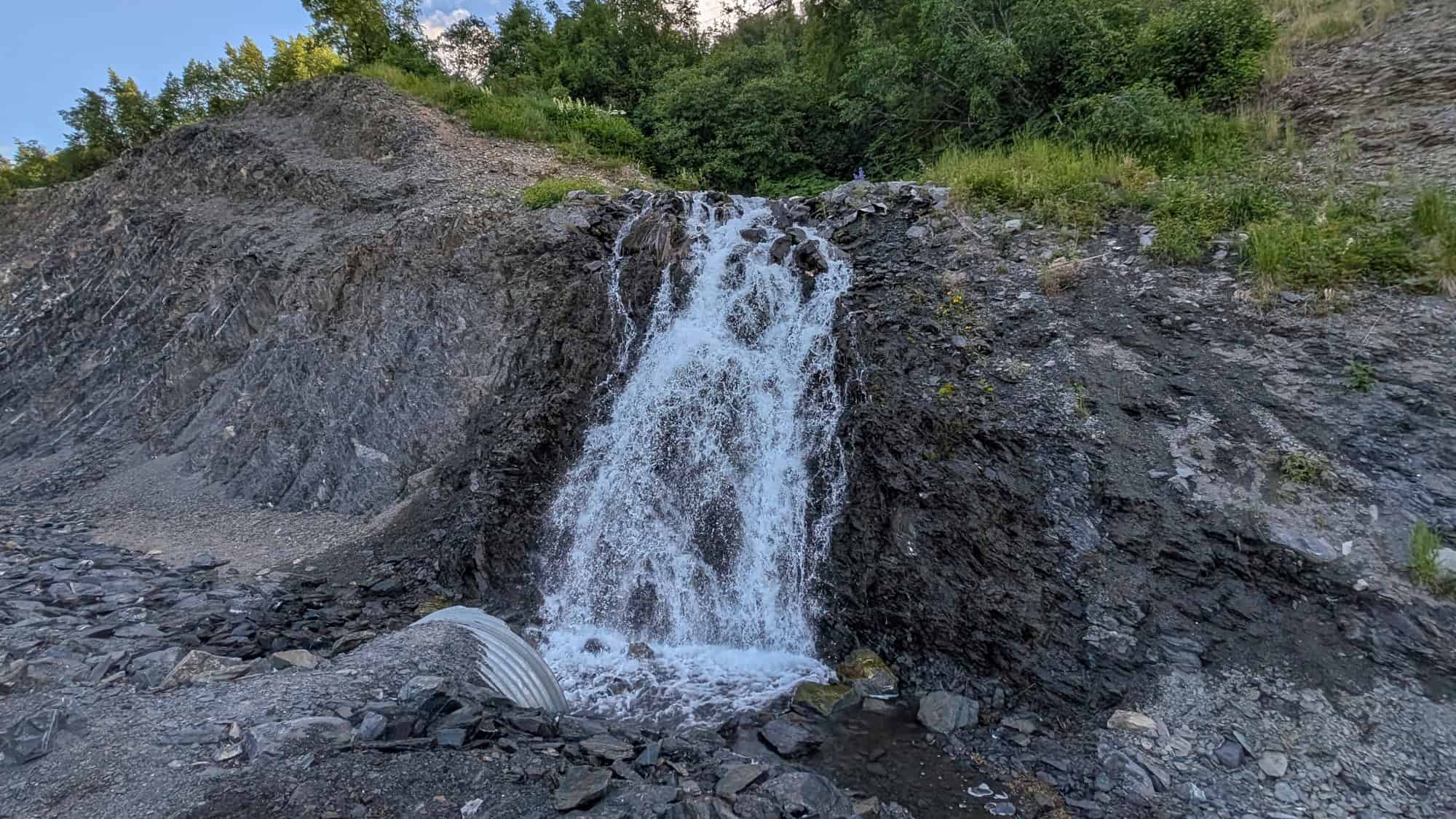
The holy grail of roadside sights has to be the unexpected waterfall. You’re just coasting along, minding your business, and suddenly there’s a ribbon of water spilling right off the cliff beside you. It’s the kind of thing that makes even the most road-weary traveler yell, “Pull over!”
Waterfalls form where streams drop over resistant rock, and roadside ones pop up all over the Appalachians, the Pacific Coast, and parts of the Rockies. The best time to see them in full flow is spring or right after a solid rain. But even a trickle counts for this game.
Look for areas where the road hugs a mountainside or passes through a shaded canyon. Some cascades are full-on spectacles with official names and signs, while others are just little silver streaks sneaking through mossy stone. Just resist the urge to stand directly under it for that “refreshing moment.” Runoff water can be freezing or, worse, full of surprise debris.
Lake Or River Mirror Reflection
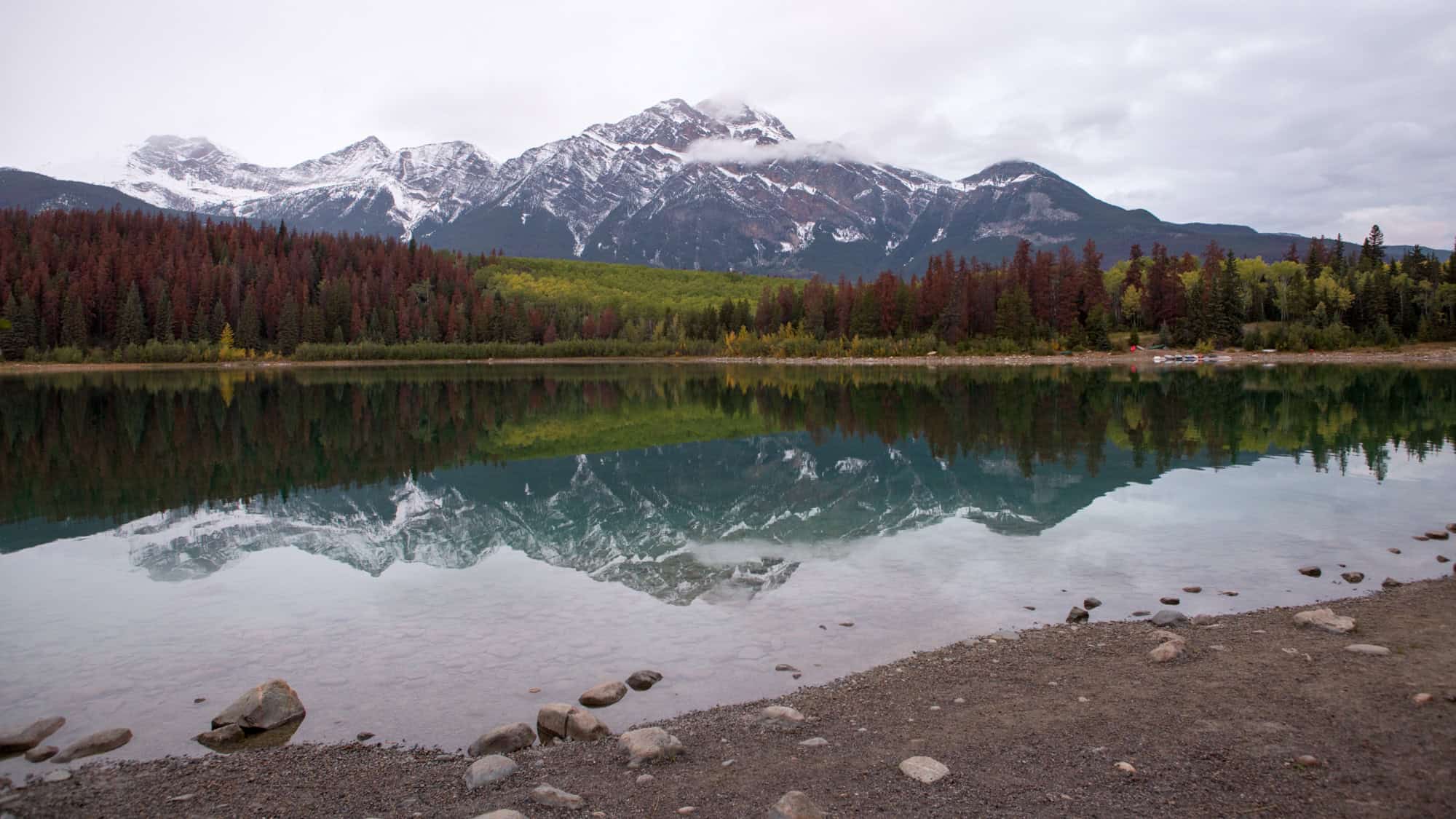
On a calm morning, lakes and rivers can turn into glassy mirrors, perfectly doubling mountains, trees, or even the clouds above. You’ll often find this effect in high-altitude lakes, forested ponds, or slow-moving stretches of river (especially before the wind picks up).
The trick is to spot them early in the day or after sunset when the air is still and light is soft. Maybe give out more points if it is a flawless reflection, and a few less if ripples blur the edges. Famous spots like Lake Louise in Canada or the Snake River near the Tetons get all the attention, but even small reservoirs along backroads can pull off that same magic trick.
The reflection effect happens because smooth water acts like a giant mirror, bouncing light back toward you (science can be beautiful sometimes, don’t you think?). If you’ve got a camera handy, this is your moment. And yes, it’s fine to let out a low whistle of admiration. It’s earned it.
Hairpin Turn Or Switchback Warning Sign

Nothing gets your heart racing like spotting one of those curly arrow signs that warn of a hairpin turn ahead. They look innocent enough, but they’re basically saying, “Hold on, this road is about to get dramatic.” You’ll find them on mountain passes, coastal routes, and canyon descents. Basically, anywhere the landscape refused to cooperate with straight-line engineering.
Some famous examples include California’s Highway 1 and Colorado’s Million Dollar Highway, where switchbacks test both patience and power steering. These turns often appear near scenic drop-offs or overlooks, which makes it even harder not to peek while driving (but maybe don’t for safety reasons).
The best part is that once you’ve wound through a few, you start to appreciate the rhythm of the road, the slow climb, the sharp curve, the quick glimpse of what’s next. Just remember: downshifting is your friend, and brakes are not eternal. If you pass a warning sign with more squiggles than you can count, that’s a 5-pointer… and maybe a good time to tighten your seat belt.
Scenic Overlook Name Sign
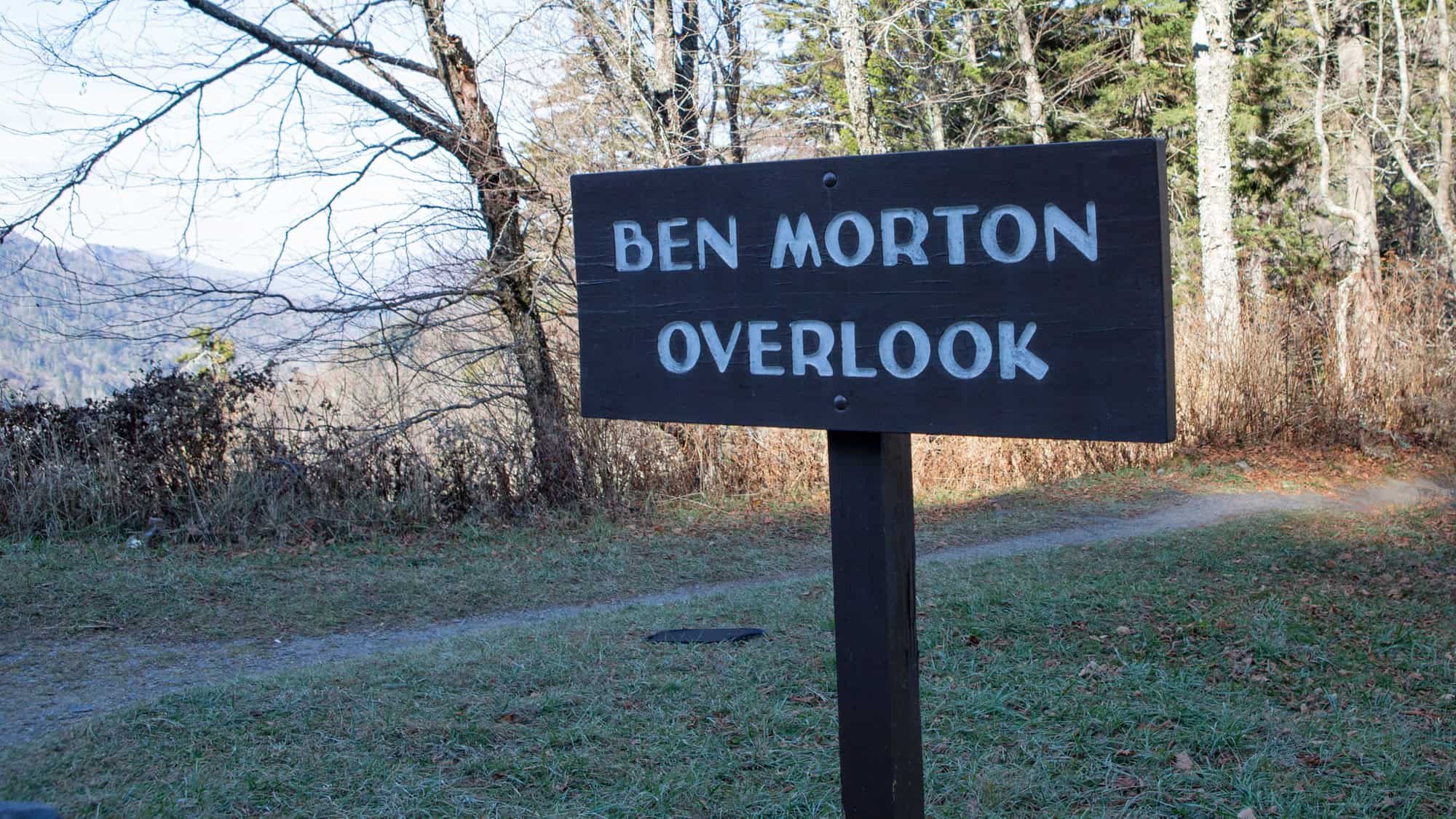
Every road trip has that one pullout where the view stretches so far it feels like you can see time itself. Scenic overlook signs are your cue to stop, stretch, and admire. They usually have poetic names like “Eagle Point,” “Sunrise Vista,” or “Lover’s Leap” (apparently, “Nice Hill View” didn’t sound majestic enough).
You’ll find them all across the country, from the Great Smoky Mountains to the Sierra Nevada. And the signs often list elevation or give a clue about what’s visible in the distance. If you’re traveling with kids, this is a good time for a leg-stretch challenge: who can spot the most distant landmark from the viewpoint?
On clear days, you might even see storm cells forming miles away or an eagle riding the wind currents above (hey, now you get to check that off the list, too). But at the end of the day, these overlooks exist for a reason, so take advantage of them. Just don’t lean too far over the railing while trying to get that perfect photo.
Pullout With An Interpretive Panel Or Diagram
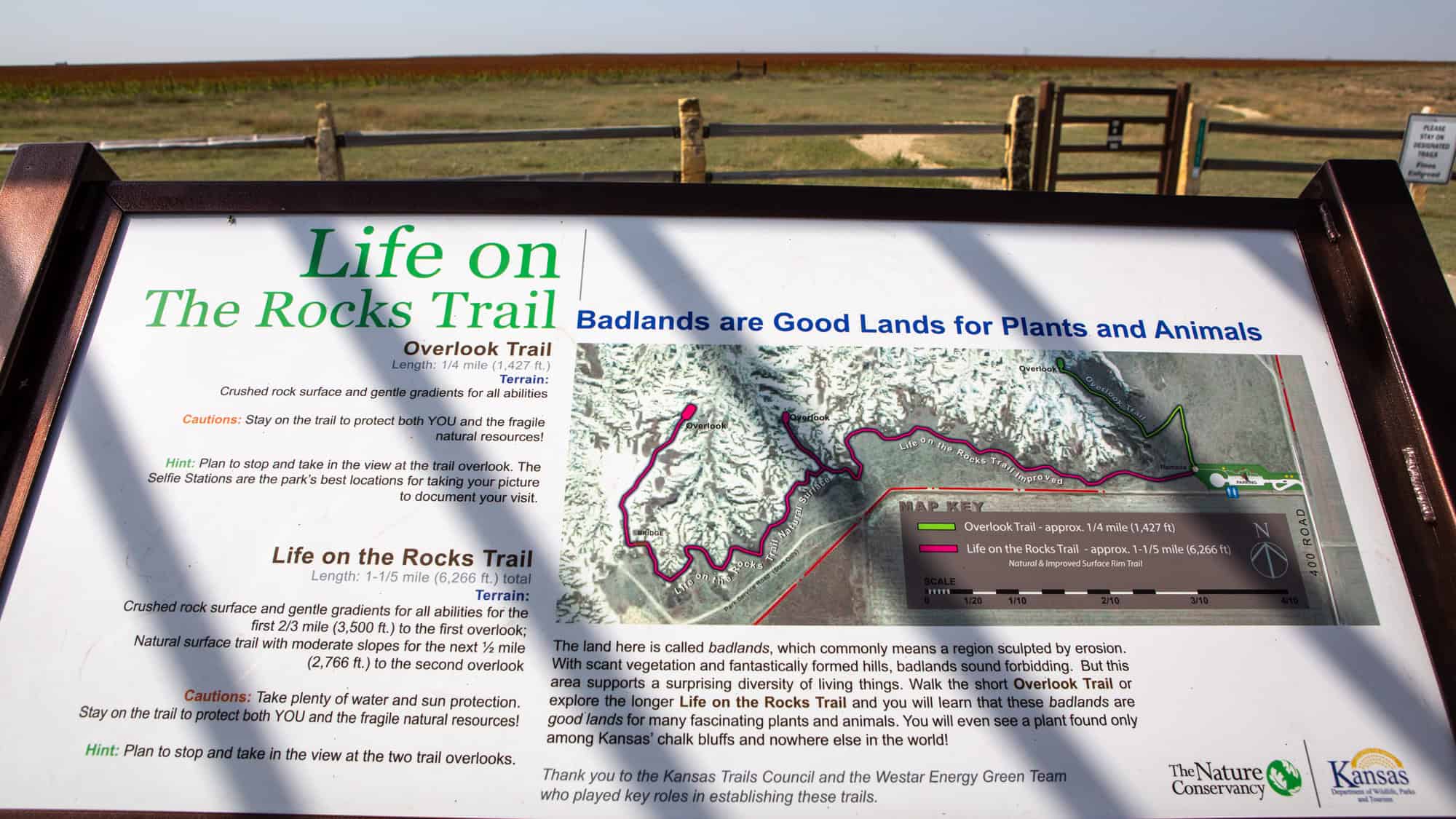
When you spot one of those roadside panels with maps, photos, and a bit of storytelling, you’ve found an interpretive pullout. These are the hidden lifelines of any long drive. They tell you exactly what you’re looking at: a glacier’s path, an old mining town’s footprint, or how the local wildlife survives in harsh terrain.
In fact, the one outside of White Sands National Park talks about how there are African oryx in New Mexico. Yep, true story. Bet you didn’t know that. And guess what? I didn’t either until I read the sign.
You’ll find them scattered through national parks, scenic byways, and heritage routes. The panels often feature diagrams that make you feel instantly smarter, even if you only read half before getting distracted by the view.
They’re perfect for a snack break, too, because you can nod thoughtfully between bites of trail mix while pretending to ponder geologic time. Some panels even have QR codes linking to short videos or maps, making them modern marvels of roadside education. And really, what better way to earn points than by being the person who says, “Hey, now we know what that weird ridge actually is”?
Like Our Content? Follow Us on MSN (or click the Follow Button above) for more from Discover Parks & Wildlife.
12 Stunning USA Locations for a Magical Sunrise Experience

If you’ve ever wanted to pass out from beauty overdose, bask in this roundup of U.S. sunrise spots and overdose on golden landscapes that’ll make your alarm clock jealous.
17 Spectacular Natural Phenomena That Are Out of This World
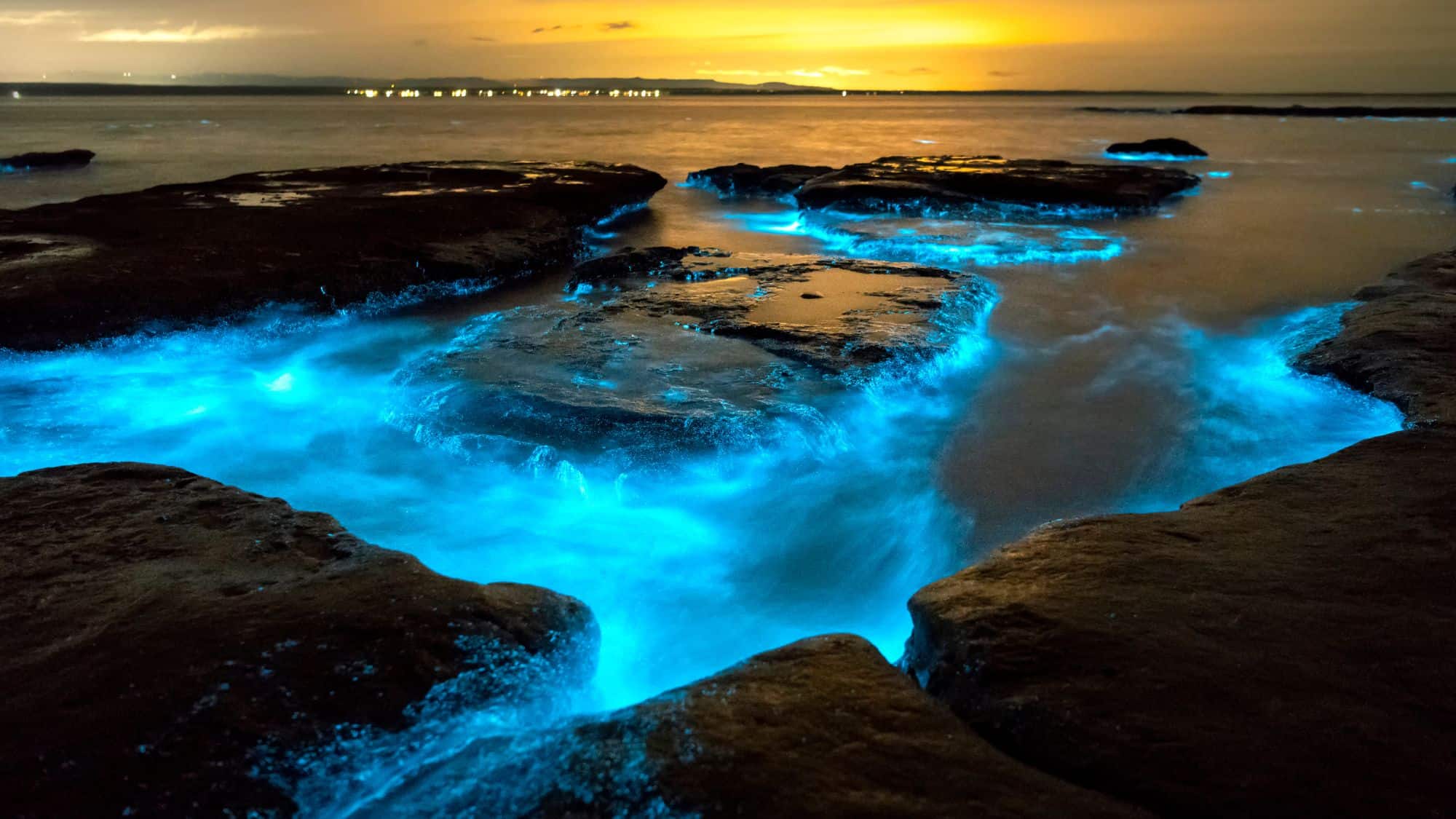
Think you’ve seen it all? Wait till you check out these surreal natural wonders that look straight out of a sci-fi movie.
12 Public Lands of America You’ll Regret Visiting Without Mosquito Deterrent

Trust me, you don’t want to tackle these mosquito-infested wilderness spots without some serious bug-blocking power. Don’t say I didn’t warn you.