Discover Parks & Wildlife contains affiliate links and is a member of the Amazon Services LLC Associates Program. If you make a purchase using one of the Amazon links, we may receive compensation at no extra cost to you. We may also use select AI tools to support our creative process, but all content is reviewed, refined, and finalized by our human team. See our disclosure policy and our AI use policy for more information.
14 Critical Timing Secrets For Catching Nature’s Most Elusive Spectacles
Nature operates on a schedule that ignores human calendars. The most breathtaking phenomena on Earth (mass migrations, synchronized blooms, and sudden shifts in light) happen during fleeting windows of time.
Missing these moments by a week, or sometimes even an hour, can mean the difference between witnessing a miracle and staring at an empty landscape.
Travelers often arrive with high hopes only to find that the wildflowers have wilted, the herds have moved on, or the mountain pass is buried in snow. Turns out, the planet rewards those who pay attention to its rhythms. It asks us to synchronize our watches with the tides, the moon, and the changing seasons.
Understanding these cycles transforms a simple vacation into a front-row seat for the world’s greatest performances. It requires looking beyond standard holiday dates and diving into the specific biological and meteorological triggers that set these events in motion.
This is about precision. It is about knowing that the angle of the sun at a specific latitude in September creates a light show impossible to see in June. It is about understanding that a full moon changes a waterfall from a scenic view into a ghostly prism of color.
When you align your plans with these natural clocks, you unlock access to experiences that few ever see in their full glory. Here are a few experiences that require critical timing if you want to make the most of the experience.
Trekking The Annapurna Circuit Before The Snow – Nepal
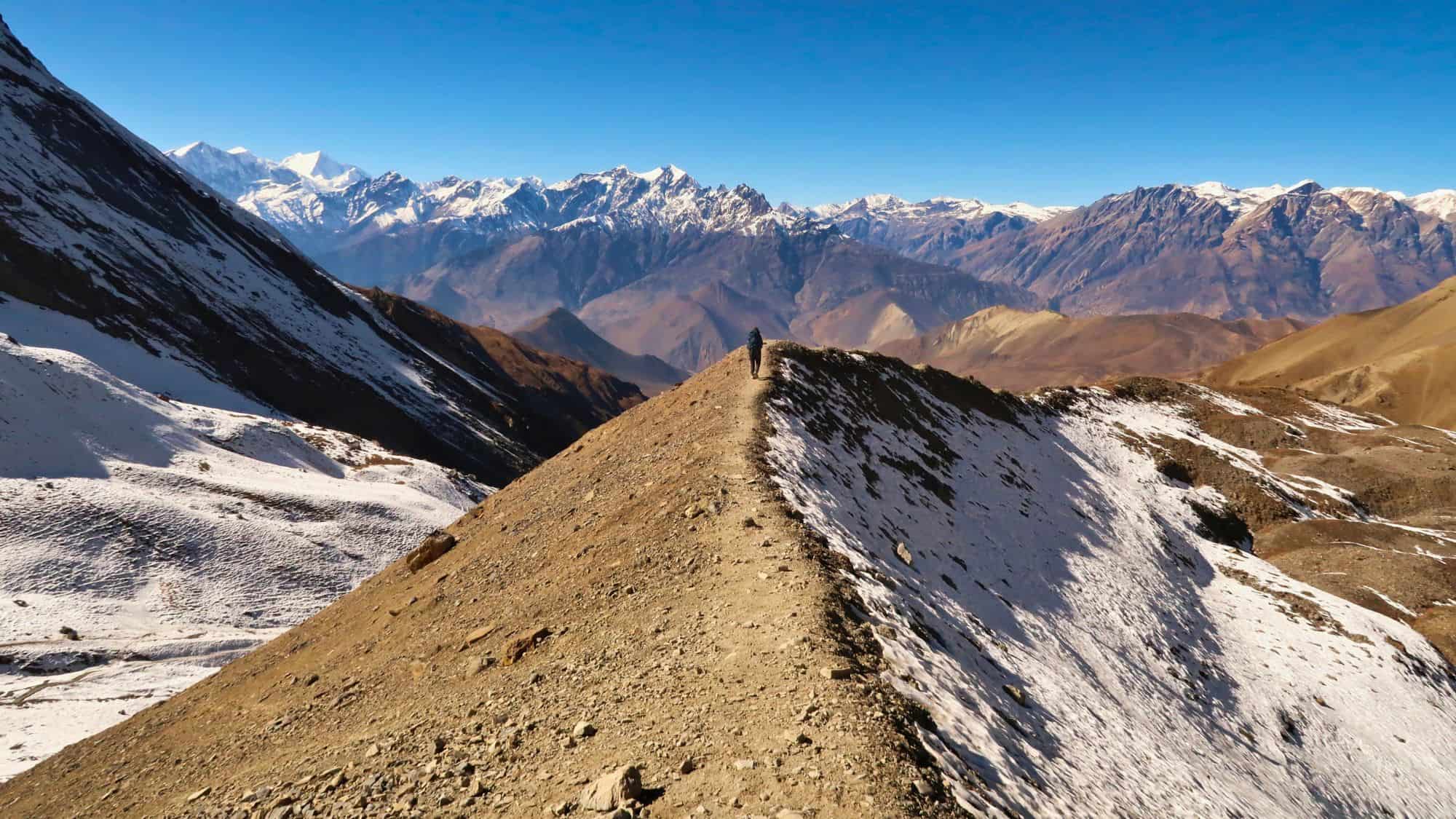
The Annapurna Circuit in Nepal offers one of the most dramatic high-altitude treks on the planet, but timing your arrival is the difference between a life-changing walk and a dangerous struggle.
The prime window for this journey is October. During this fall peak, the monsoon rains have just washed away the dust, leaving the air impossibly crisp and the mountain views unobstructed. The temperatures are manageable, allowing you to cross the Thorong La pass at 17,769 feet without the extreme risks of deep winter snow or the treacherous, leech-filled trails of the summer monsoon.
If you prefer solitude over guaranteed clarity, the shoulder season in spring creates a different kind of magic. From late February to early April, the forests come alive with blooming rhododendrons, painting the lower hills in vibrant shades of red and pink.
While the skies might be slightly hazier than in the fall, the warmer days make the daily hiking hours more comfortable. However, trekkers must monitor conditions closely in early spring, as winter snow can still block the high pass.
Avoiding the summer months of June through August is essential, as the heavy rains obscure the peaks and turn trails into mud, making the famous views nearly impossible to see.
Chasing The Pink Wave in Kyoto – Japan
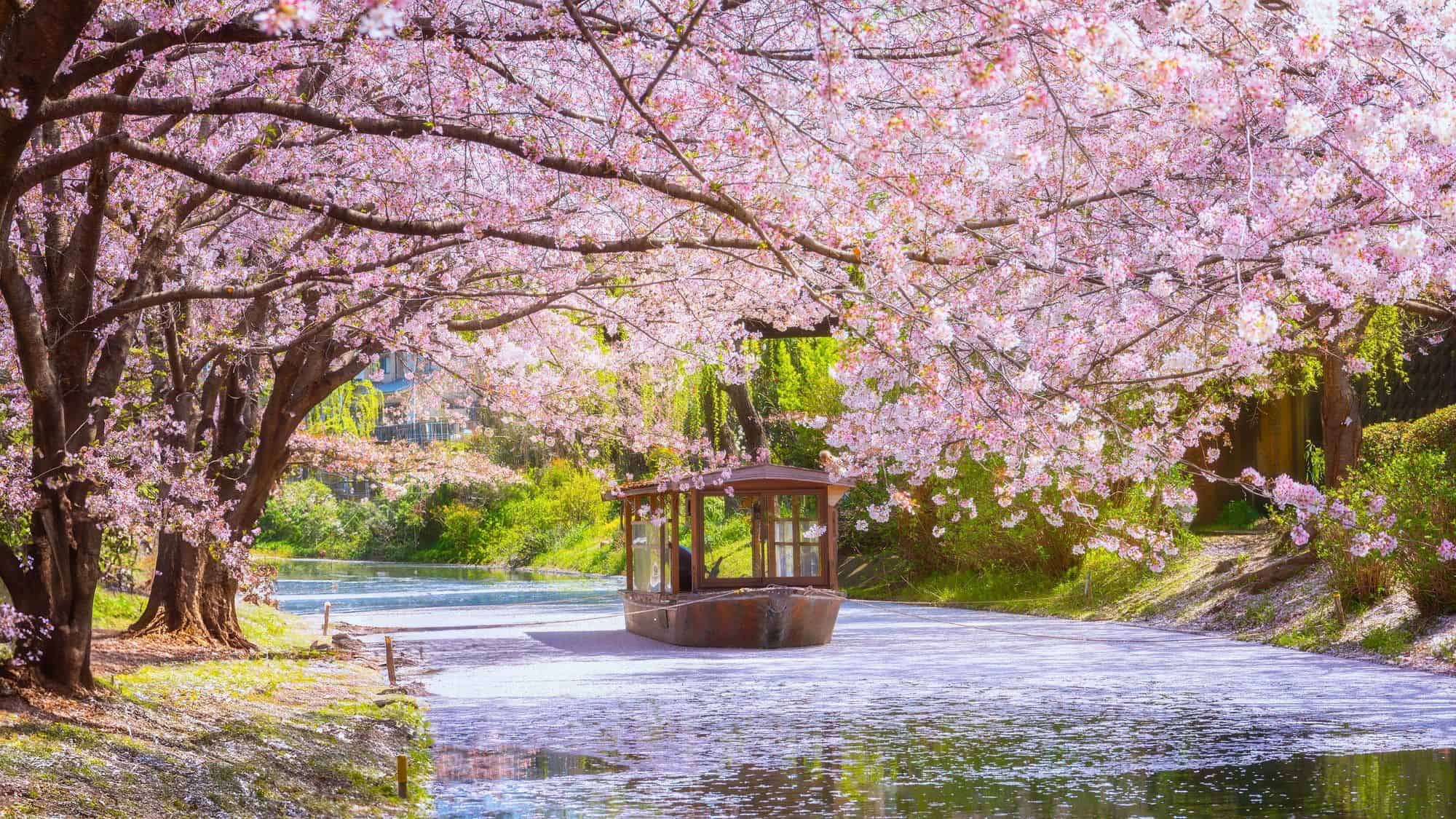
The blooming of cherry blossoms, or sakura, in Japan is perhaps the most famous seasonal event in the world, and for good reason. It transforms rigorous urban landscapes into soft, ethereal tunnels of pink and white.
In Kyoto, the ancient capital, this spectacle usually reaches its zenith from late March to early April.
The Philosopher’s Path, a stone walkway along a canal lined with hundreds of cherry trees, becomes a canopy of color that draws visitors from every corner of the globe. But the blooms are notoriously fragile and short-lived, often lasting only a week before the petals fall like pink snow.
Because the season is so fleeting, booking accommodation months in advance is necessary.
Forecasting the exact dates has become a national obsession in Japan. For 2026, meteorologists are predicting an earlier-than-average start, with flowering expected to begin around March 24 and full bloom hitting near March 31. This shift suggests that travelers should plan to arrive in the final week of March rather than waiting for April.
Catching the “mankai,” or full bloom, requires flexibility and a close eye on daily forecasts, but standing under the weeping cherry trees of Maruyama Park at peak vibrancy is worth the logistical effort.
Wildflower Explosions In The Rockies – Colorado
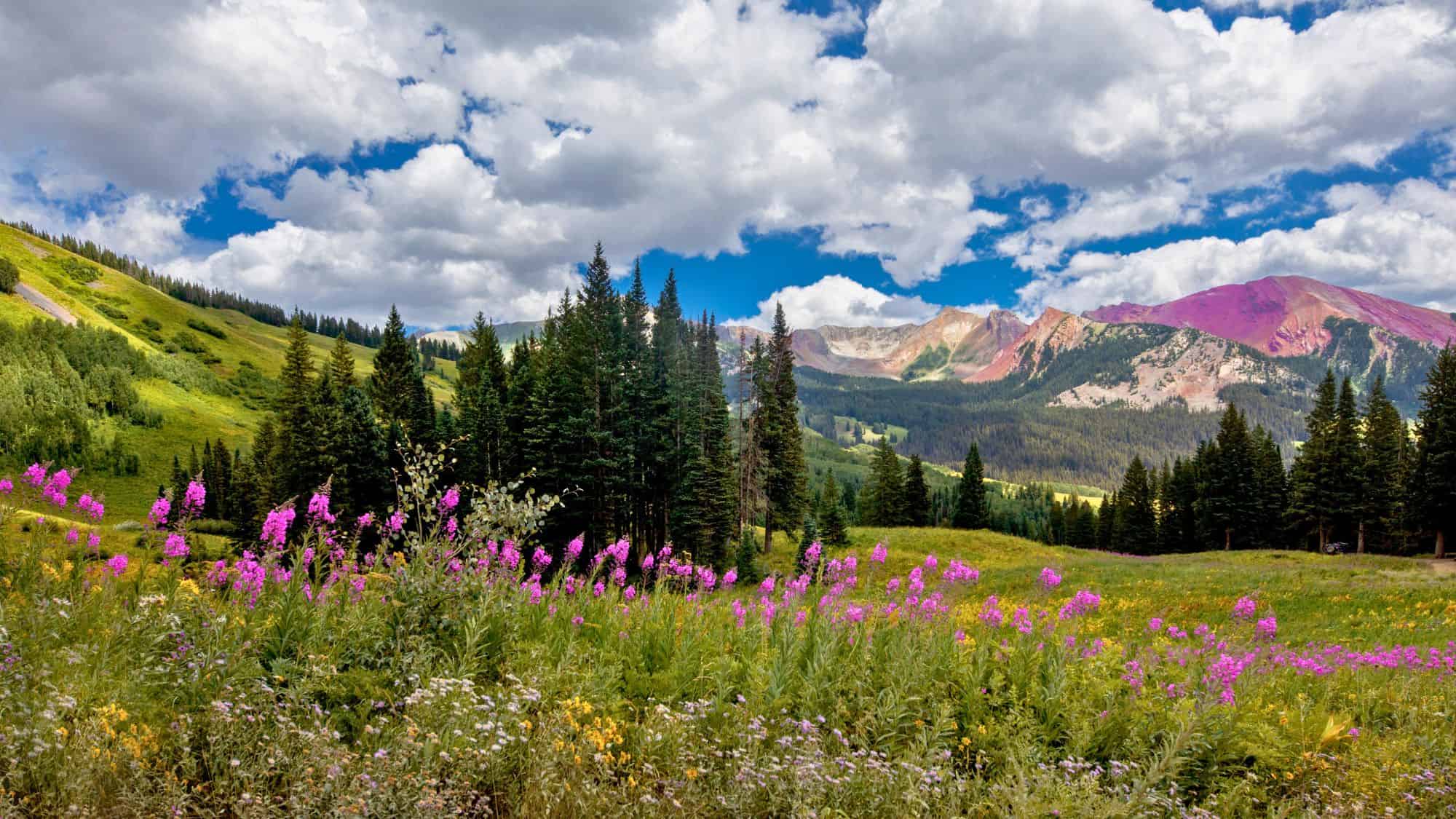
The high-altitude valleys of Crested Butte earn their title as the Wildflower Capital of Colorado every summer.
While you can spot blooms throughout the warmer months, the true peak occurs in July. This is when the alpine meadows explode in a riot of color, with columbines, lupines, and larkspurs creating a dense carpet that stretches to the horizon.
The specific timing depends on the winter snowpack; a heavy winter often leads to a later, more robust bloom, while a dry winter might shift the peak a few weeks earlier. For those specifically hunting for mule’s ear sunflowers, the window opens slightly earlier, often blanketing the hillsides in yellow from mid-June to early August.
The town celebrates this natural abundance with a festival usually held in mid-July, which is a reliable target date for visitors wanting the best odds of seeing the most variety.
Walking the trails during this window offers a sensory overload of color and scent that fades quickly once the high-summer heat sets in or the first frosts of fall arrive.
The Quetzal’s Green Season – Costa Rica
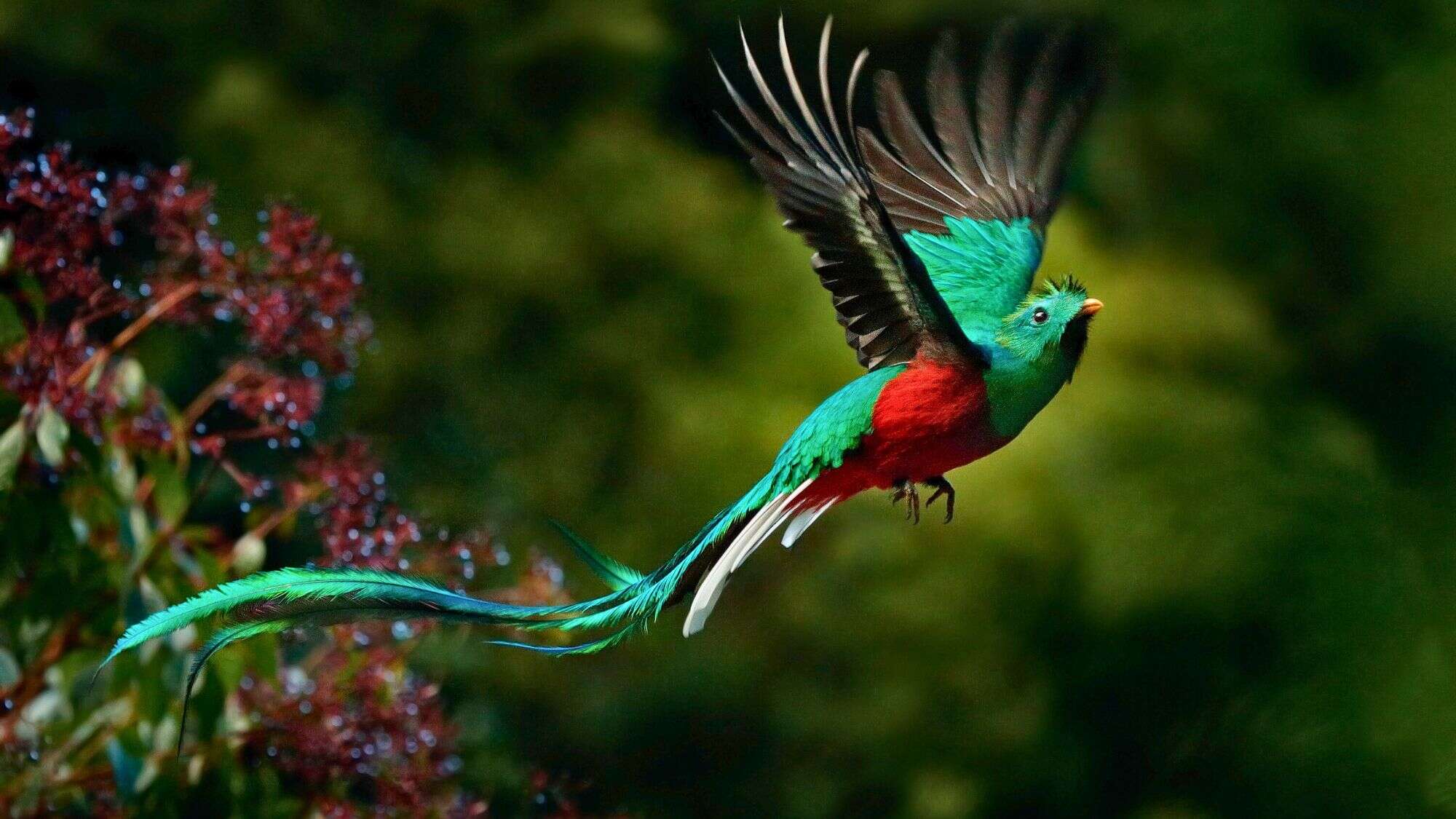
Spotting the resplendent quetzal is the holy grail for birdwatchers in Central America. These birds, with their iridescent green plumage and impossibly long tail feathers, are elusive and blend perfectly into the cloud forest canopy.
In the Savegre Valley of Costa Rica, your best chance to see them is during their breeding season, which typically runs from mid-February into early June. This period coincides with the fruiting of wild avocado trees, the quetzal’s primary food source, which draws them down from the higher canopy to feed.
During these months, the males are most active and visible as they court females and defend their nesting territories. This is also when their magnificent tail streamers, which can grow up to three feet long, are in full condition.
Later in the year, after the breeding duties are done, the males often lose these distinct feathers during a molt, making them less spectacular to behold.
Guides in the region know the specific trees where pairs are nesting, making a guided morning hike in the spring months the most reliable way to witness this shy, near-mythical bird.
Monsoon Blooms In The Valley Of Flowers – India

Most travel advice warns you to avoid the rain, but in Uttarakhand, the rain is the architect of the attraction.
Valley of Flowers National Park, a UNESCO World Heritage site, remains inaccessible and buried under snow for much of the year. It is only when the monsoon rains arrive that the valley thaws and transforms.
The park is generally open from June to October, but the visual peak occurs from July to September. This is when the moisture triggers the bloom of over 600 species of exotic flowers, including the elusive blue poppy and the brahma kamal.
Visiting during this window requires preparation for wet weather and potentially difficult trekking conditions, but the reward is a landscape that looks like a painting. Mist clings to the verdant slopes, and the carpet of flowers changes shade every few weeks as different species take their turn to bloom.
By October, the flowers begin to wither and the valley prepares to sleep under the snow again. This is a rare instance where the “bad” weather season is actually the only time to go.
Brief Blaze Of Red – New Hampshire

The White Mountains of New Hampshire put on one of the most intense displays of fall foliage in North America. And unlike the drawn-out color changes further south, the shift here is rapid and dramatic.
The prime window for seeing the brilliant reds, oranges, and yellows is typically from mid-September to early October. The vibrant red colors are produced by anthocyanin pigments, which leaves generate when days are warm and sunny but nights are cool and crisp, without freezing.
This chemical reaction means that the weather in late summer plays a huge role in the quality of the show. A cloudy autumn might result in duller colors, while a sharp frost can cause leaves to brown and drop prematurely.
To catch the peak, you need to aim for that specific multi-week window. The colors generally start at higher elevations and move downhill, so if you arrive early, you can drive up; if you arrive late, stick to the valleys.
Missing this window by even just two weeks often results in seeing bare branches rather than a canopy of fire.
Color On The Blue Ridge Parkway – Virginia & North Carolina

South of New England, the fall color show extends later into the year along the Blue Ridge Parkway in North Carolina. Here, the peak generally hits in mid-to-late October.
Because the Parkway traverses a wide range of elevations, the color change happens in a wave. The highest peaks turn first, often in early October, while the lower valleys might not reach peak vibrancy until the end of the month.
This geography gives leaf-peepers a bit of flexibility that flatland locations do not offer.
Driving the Parkway during this time allows you to chase the color by changing your altitude. If the trees are green at the bottom of the ridge, a twenty-minute drive up the mountain might land you in peak foliage. Conversely, if the peaks are past their prime, the lower overlooks will likely be ablaze.
The most spectacular displays occur in years with ideal rainfall, followed by the classic fall pattern of sunny days and cool nights, like we previously discussed. This preserves the sugars in the leaves, producing the deep crimsons and purples that define the Blue Ridge autumn season.
Desert Bloom Of Namaqualand – South Africa

In the Northern Cape of South Africa, an arid, semi-desert landscape undergoes a miraculous transformation known as the Namaqualand daisy season.
For most of the year, this region is brown, dry, and seemingly barren. However, following the winter rains, the dusty plains erupt into a carpet of orange, yellow, and white wildflowers that stretches for miles.
The peak of this phenomenon usually occurs from mid-August to mid-September. But here in South Africa, the time of year isn’t the only requirement.
Viewing these flowers requires more than just picking the right month; it requires picking the right time of day and weather. The flowers are heliotropic, meaning they only open fully when the sun is shining. On cloudy or rainy days, they remain closed.
The best viewing happens between 11:00 AM and 3:00 PM on sunny days when the temperature is at least 64°F.
Visitors driving through the region should travel from north to south so that the flowers are always facing them, maximizing the visual impact of this fleeting desert garden.
Dry Season Drama In South Luangwa – Zambia
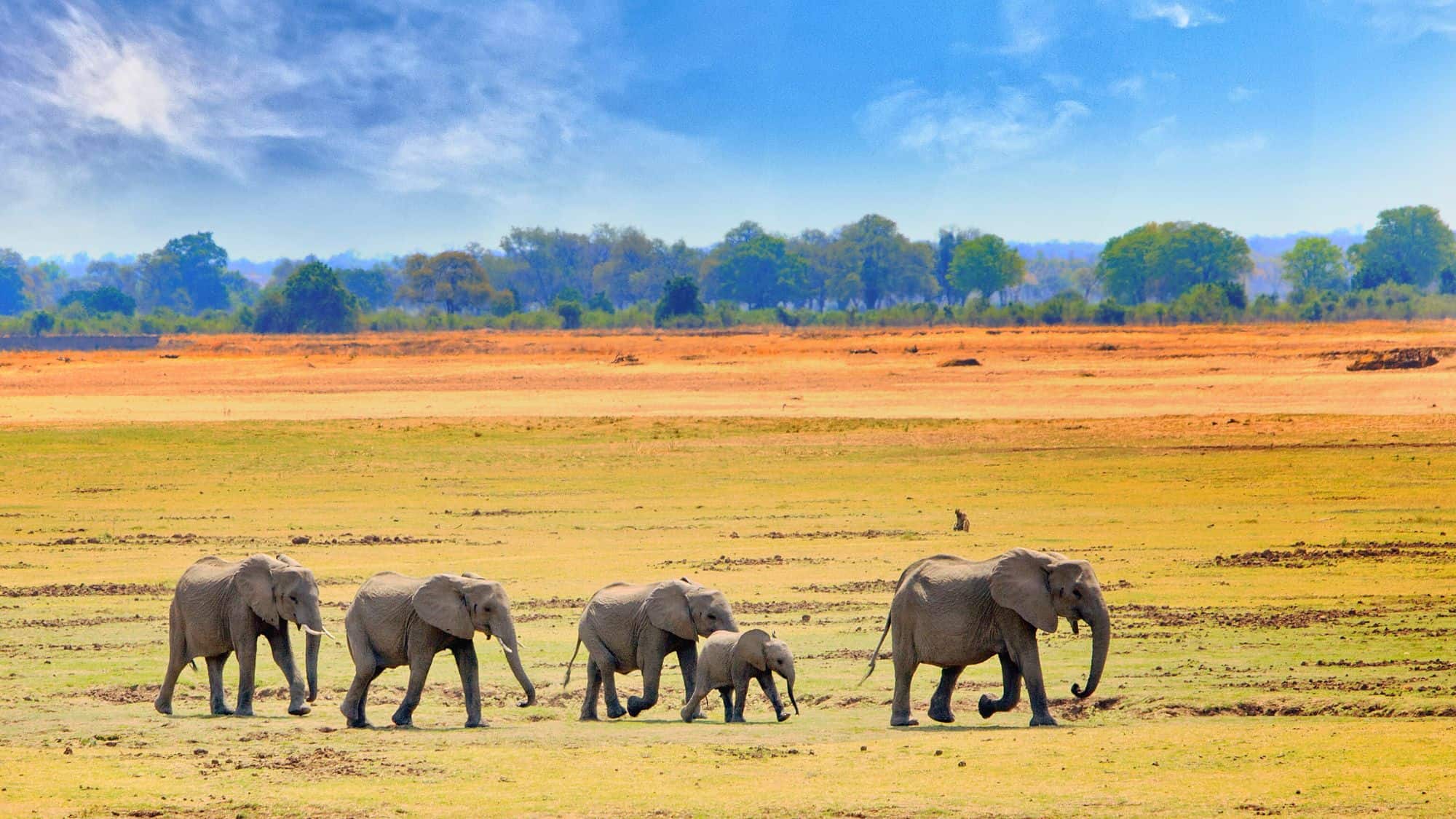
For wildlife enthusiasts visiting South Luangwa National Park in Zambia, the dry season is the undisputed king of safari timing.
From July to October, the lush vegetation of the wet season withers away, and the smaller water sources evaporate. This forces the animals to congregate around the Luangwa River and the few remaining permanent lagoons.
The result is a density of wildlife that is hard to match anywhere else. Predators like leopards and lions do not have to hunt far, as their prey is concentrated in predictable locations.
October is the peak of this intensity, often called “suicide month” due to the soaring temperatures, but it offers the most dramatic sightings. The bush is thin and brown, offering no place for animals to hide from your camera lens.
Conversely, visiting during the “green season” (the rains) offers a beautiful, verdant landscape and newborn animals, but the game is dispersed and harder to spot in the thick brush.
If your goal is to see maximum wildlife interactions, you must brave the heat of the late dry season.
River Crossing Of The Great Migration – Kenya
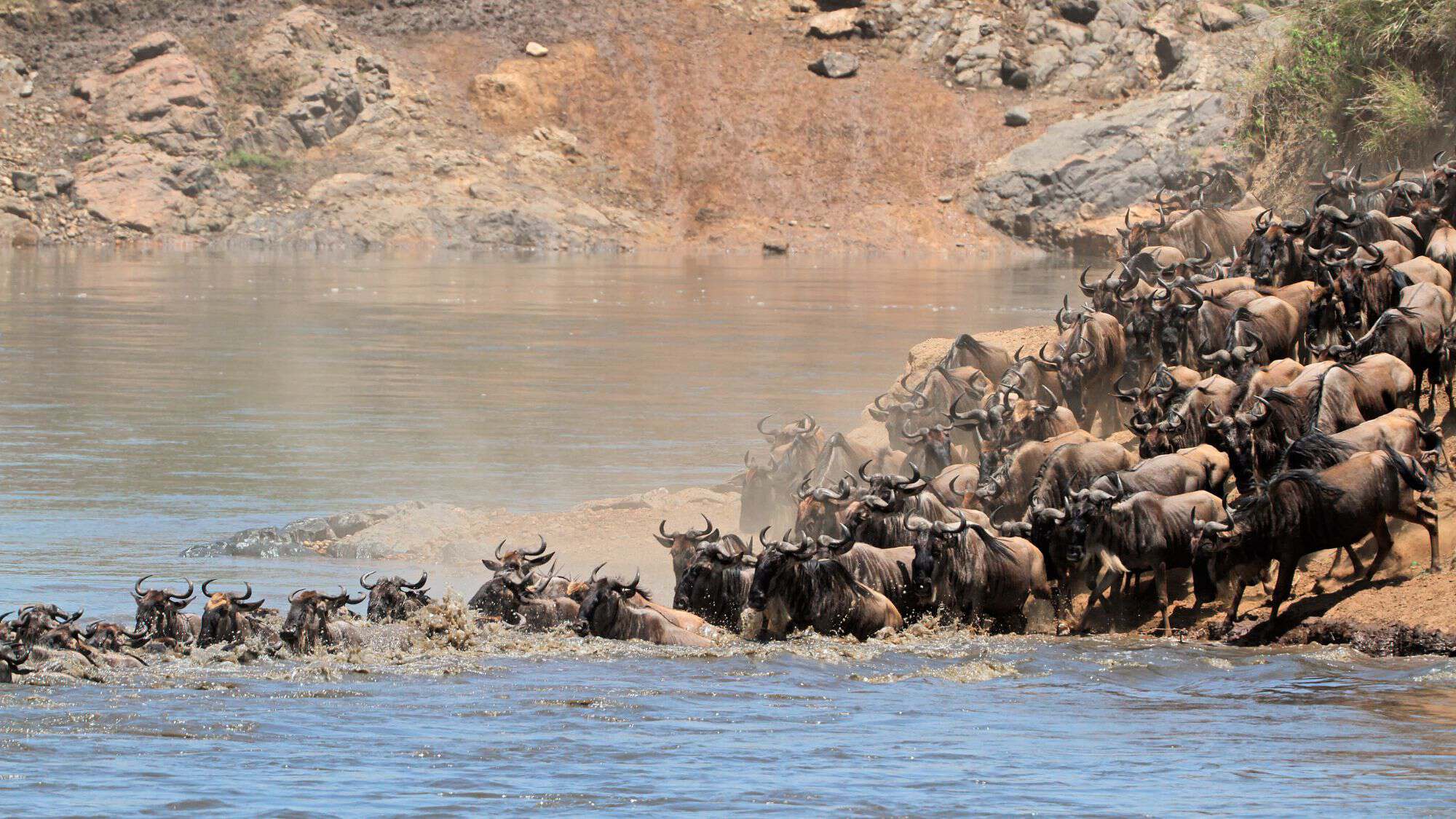
The Great Migration of wildebeest and zebra is a year-round cycle, but the most dramatic chapter, the river crossings, happens in a specific window. As the mega-herds move north from the Serengeti into Kenya’s Masai Mara, they must cross the crocodile-infested Mara River.
The timing varies with the rains, but generally, the herds arrive in the Mara in July and stay through September. The most reliable window to witness a crossing is usually late July through August.
This is nature at its most raw and unpredictable. You might wait by the riverbank for hours or days as the herd gathers, waiting for a single animal to take the first plunge.
August is widely considered the prime month to be positioned in the Masai Mara for this spectacle. By late October, the herds turn around and head south again, offering a second, often smaller, chance to see crossings.
But the mid-year window remains the classic time to see the sheer scale of the migration in action.
Whales In The Calm Waters Of Hervey Bay – Australia
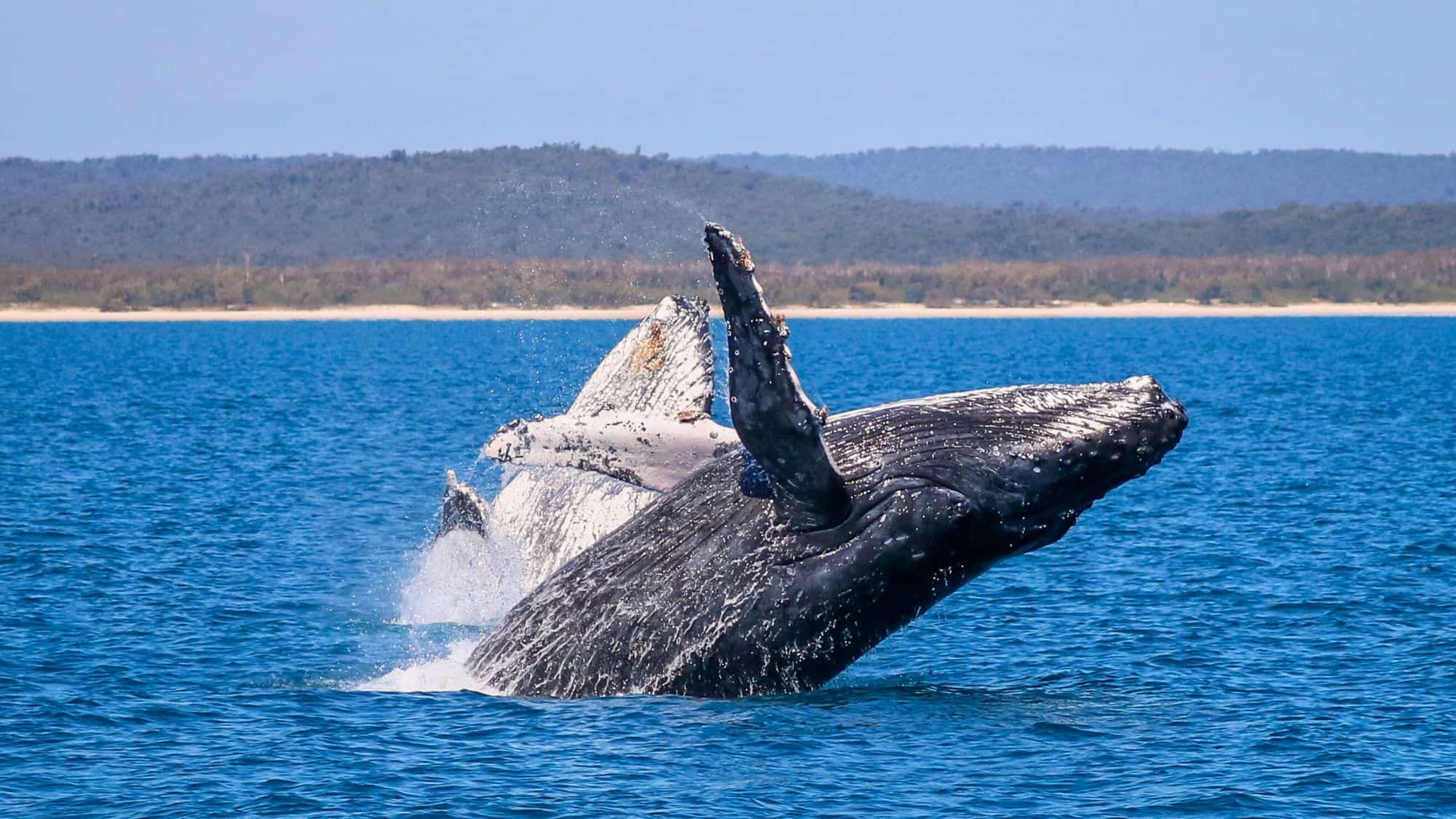
Hervey Bay in Queensland is known as the whale-watching capital of the world because of the unique behavior of humpback whales that stop there. Unlike other spots where whales are just passing through on a “humpback highway,” they actually stop and rest in the calm, protected waters of the bay.
The season runs from July to November, but the sweet spot for visitors is early August to late September.
During these weeks, you are most likely to see mothers with their newborn calves. The whales use the bay as a nursery to teach the calves survival skills before heading back to the Antarctic.
This period offers the most active surface behaviors, such as breaching and tail slapping. The whales are often curious and will approach boats, providing “mugging” experiences where they stick around to watch the humans watching them.
Visiting earlier in July catches the migration north, but the mid-season interaction with the calves provides the most emotional connection.
Avoiding The Bite In Milford Sound – New Zealand
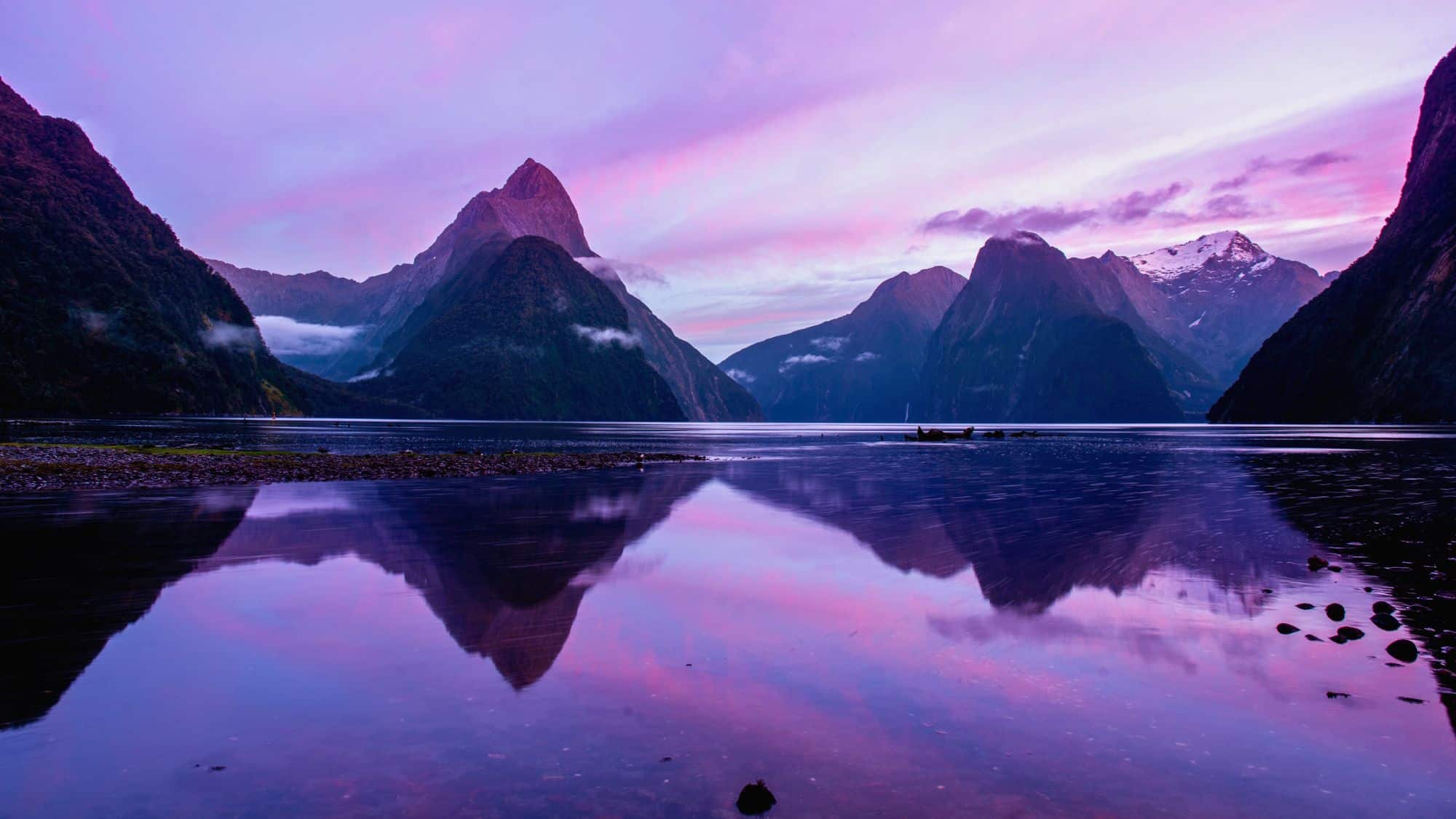
Fiordland National Park is breathtaking, but it is protected by a tiny, ferocious guardian: the sandfly. These biting midges are notorious for swarming tourists and leaving itchy welts that last for days.
They are most active and aggressive during the warm summer months, thriving on humid, overcast days. And while insect repellent is mandatory year-round, timing your visit can significantly reduce the annoyance.
Winter offers the best respite. The sandflies are far less active in the colder months, allowing you to enjoy the dramatic scenery of Milford Sound without constantly swatting at your ankles.
If you must visit in summer, they are least active at night and during heavy rain, which, fortunately, creates the thousands of temporary waterfalls that make the sound famous.
Understanding that these pests thrive on warmth allows you to dress appropriately and choose cooler days or seasons to minimize their impact on your experience.
Sun Beams Of Antelope Canyon – Arizona
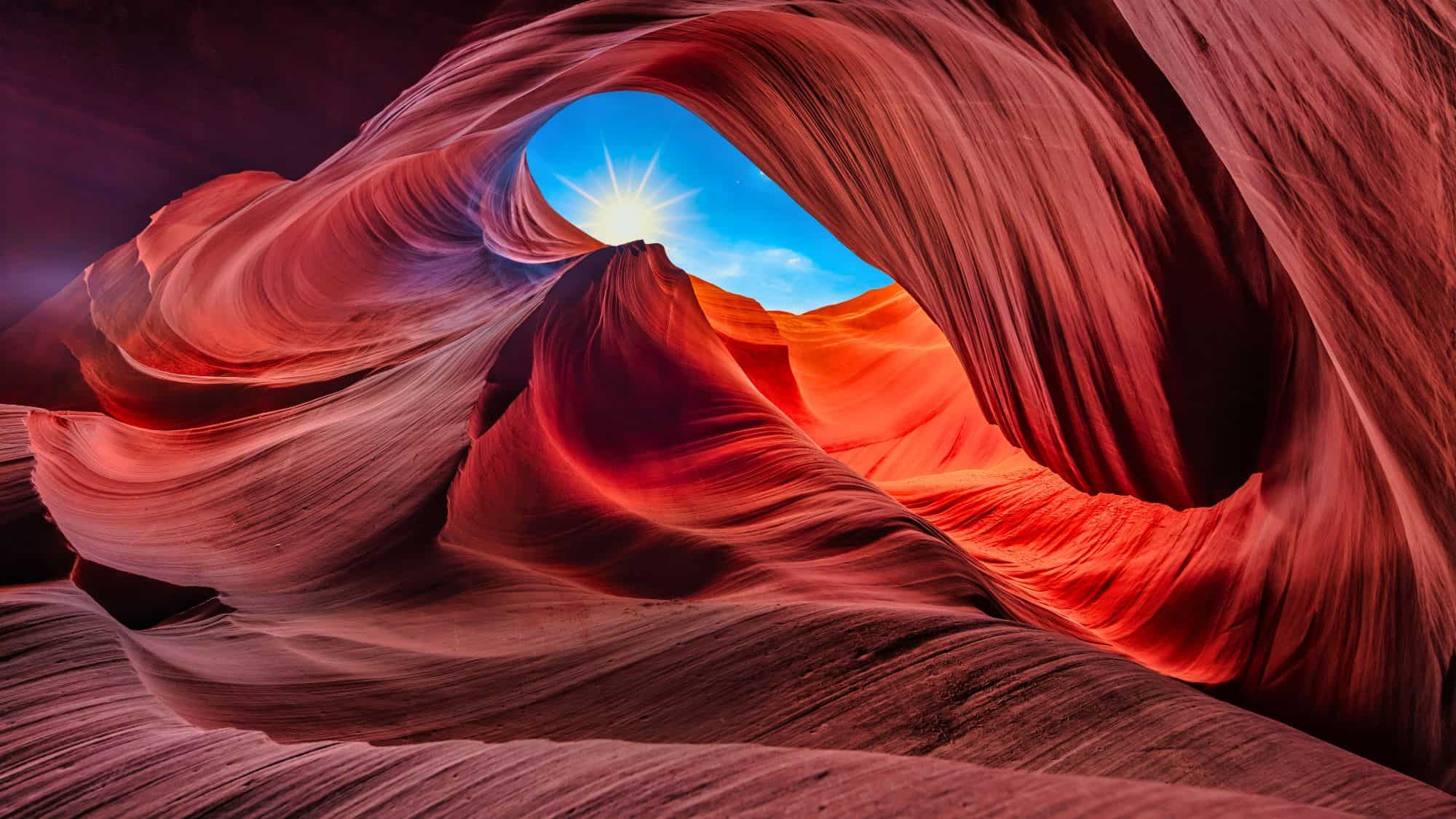
The famous light beams of Upper Antelope Canyon are a phenomenon of geometry and astronomy. But these ethereal shafts of light that cut through the dust and illuminate the red sandstone floor only occur when the sun is high enough in the sky.
The season for seeing them runs from late March to early October. Outside of this window, the sun’s angle is too low to penetrate the narrow slot canyon to the ground.
Within that seasonal window, the peak months are May and September. The timing of your tour is also critical; you must be in the canyon around midday, specifically between 11:00 AM and 1:30 PM. Photographers flock to these midday tours, so booking months in advance is essential.
Clouds will ruin the effect immediately, so a clear, sunny day is non-negotiable. This is hard to predict, so you will likely just have to cross your fingers that the tour you booked four months ago turns out to be on a sunny, beautiful day.
If you visit in winter or late afternoon, the canyon is still beautiful, but it will lack the signature spotlight effect that defines its most famous images.
Lunar Rainbows At Victoria Falls – Zambia & Zimbabwe
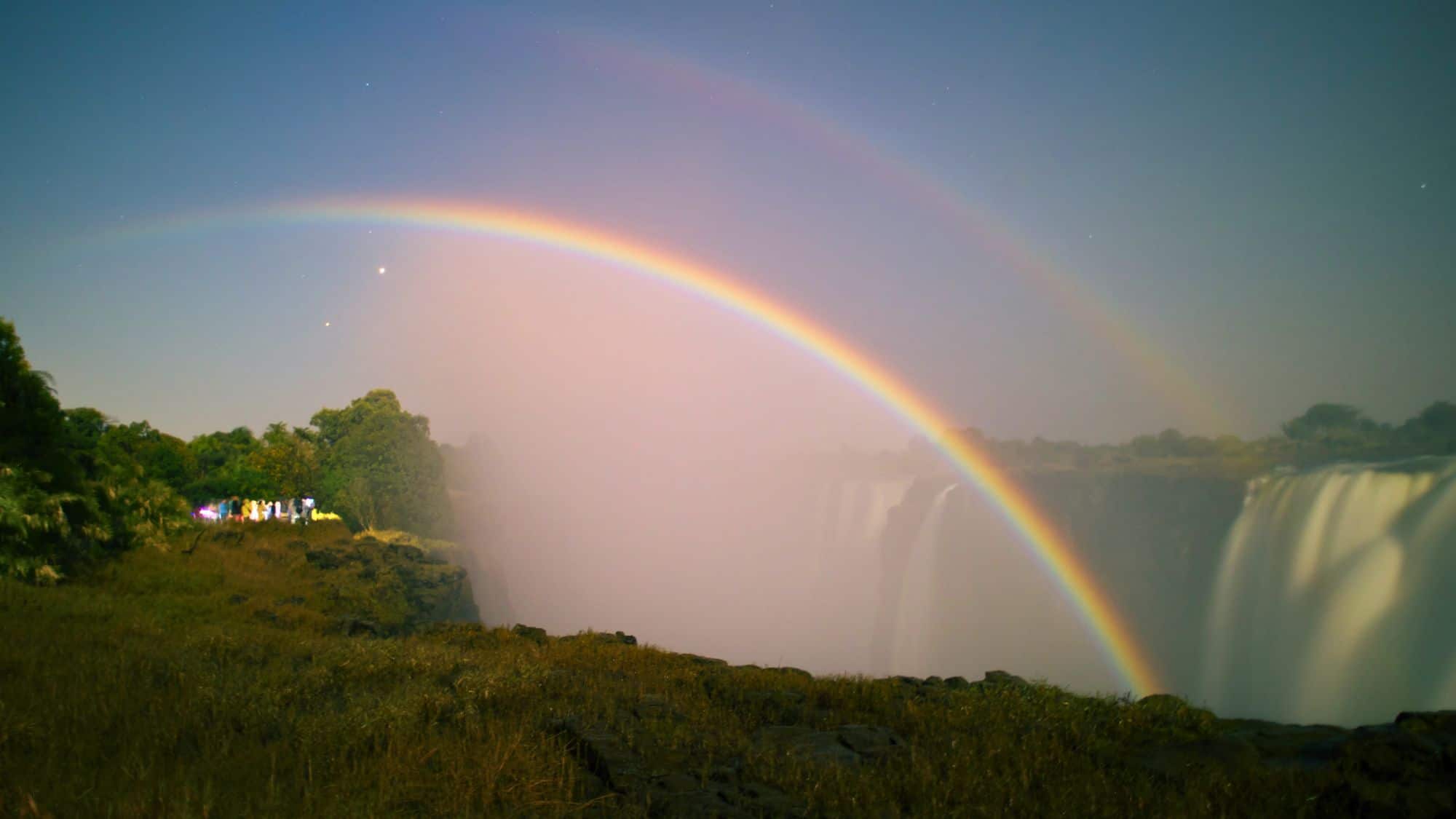
Victoria Falls is impressive by day, but under the light of a full moon, it hosts a rare atmospheric phenomenon known as a “moonbow” or lunar rainbow. This occurs when the light from the moon refracts through the spray of the falls, creating a ghostly, silver-white arch that the human eye perceives as a faint color (and cameras capture as vivid rainbows).
This is not a nightly event; it happens only during a three-day window around the full moon each month.
However, simply showing up during a full moon isn’t enough. The water levels must be right. So the optimal time is generally June, July, and August.
During these months, the spray is sufficient to create the rainbow, and the skies are clear (it is the dry season), allowing the moonlight to shine through.
In the high-water months of March to May, the spray can be so intense that it obscures the view entirely. Conversely, in the late dry season of October and November, the water level on the Zambian side may be too low to create enough mist.
Like Our Content? Follow Us on MSN (or click the Follow Button above) for more from Discover Parks & Wildlife.