Discover Parks & Wildlife contains affiliate links and is a member of the Amazon Services LLC Associates Program. If you make a purchase using one of the Amazon links, we may receive compensation at no extra cost to you. We may also use select AI tools to support our creative process, but all content is reviewed, refined, and finalized by our human team. See our disclosure policy and our AI use policy for more information.
The NPS Oversees More Than You Think — These Designations Redefine The System
Most travelers maintain a checklist filled with famous names such as Yosemite, Yellowstone, and the Grand Canyon. These 63 “capital N” National Parks dominate social media feeds and summer vacation plans, often leading to congested trails and competitive reservation systems.
But by focusing exclusively on these marquee destinations, you unintentionally overlook a vast network of equally spectacular protected lands that simply carry different titles.
It turns out that the National Park Service manages a diverse portfolio of landscapes that goes far beyond the famous headliners. And understanding the nuances of federal land designations is the secret to unlocking a richer, quieter travel experience.
The naming system is not arbitrary; it tells you exactly what to expect regarding scenery, crowds, and available activities before you even park your car. So decoding these designations allows you to swap frustration for discovery.
The National Park System Is Bigger Than Most People Realize
While the 63 national parks receive the bulk of marketing attention, they represent only a fraction of the National Park Service’s true footprint. The agency actually manages over 433 individual “units” that span more than 85 million acres across the country.

When you limit your travel scope to just the famous 63, you filter out hundreds of opportunities for recreation and education that are often more accessible and affordable than their celebrity counterparts.
This narrow focus creates a significant imbalance in visitation. Crowds flock to Zion or Acadia, creating gridlock, while nearby units with different designations sit relatively empty. Pictured Rocks National Lakeshore in Michigan serves as a prime example, offering sandstone cliffs and waterfalls that rival many coastal national parks, yet it falls under a different category.
What Are National Park Units?
The term “unit” officially describes any of the distinct areas managed by the National Park Service, regardless of size or title.
These units display immense diversity, ranging from the sprawling 13.2 million acres of Wrangell-St. Elias National Park and Preserve to the Thaddeus Kosciuszko National Memorial, which occupies a mere 0.02 acres in Philadelphia.
The specific title assigned to a unit usually indicates its origin and primary purpose. “National Parks” are generally large, diverse landscapes created by an act of Congress.
In contrast, “National Monuments” can be established quickly by a presidential proclamation under the Antiquities Act of 1906, often to protect a specific scientific or historic object.

Official Categories Of The NPS System
The diversity of the system is reflected in the nearly 20 different titles given to these areas. Some focus on nature. Others focus on history. Some are built purely for recreation.
Large-Scale Natural Landscapes
These designations cover vast areas of land and water protected primarily for their scenic, geologic, and ecological value.
National Parks: 63
This is the “crown jewel” designation. There are only 63 of these, and they are generally large swaths of land or water that protect a variety of natural resources. They must be established by an act of Congress.
These locations, such as the Great Smoky Mountains or the Grand Canyon, are managed to preserve the landscape in its natural state while providing for public enjoyment. You generally find the most infrastructure and the biggest crowds here.
National Monuments: 87
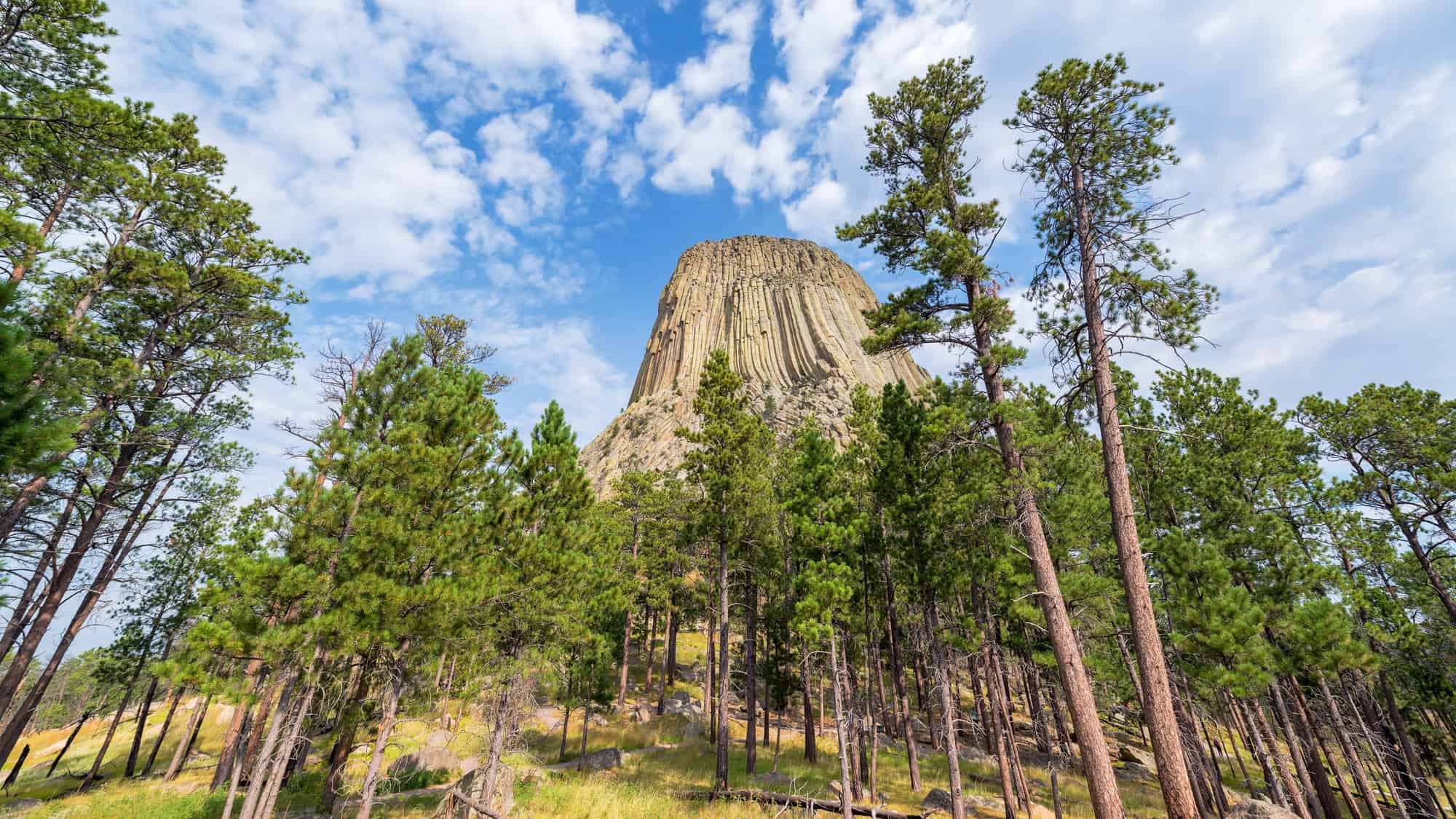
A national monument is usually smaller than a national park and aims to preserve at least one nationally significant resource. This could be a natural feature, like the Devil’s Tower in Wyoming, or a cultural site, like the Statue of Liberty in New York.
Presidents can establish these via the Antiquities Act without waiting for Congress, which is why there are so many of them. They offer a more focused experience than the sprawling national parks.
National Preserves: 19
If you want to enjoy nature but also want to hunt, fish, or perhaps extract minerals, you might look for a national preserve. Congress created this category in 1974 with Big Cypress and Big Thicket to protect resources while allowing activities that are usually banned in national parks. Many act as buffer zones for adjacent national parks.
History and Commemoration-Focused Units
This broad group protects places of cultural significance, military history, and the legacies of influential figures.
National & International Historic Sites: 76
These locations preserve a single historical feature. It might be the home of a famous president, like the Lincoln Home in Illinois, or an archaeological site associated with ancient cultures. They are often small and located within towns or cities, making them easy to visit during a regular afternoon.
National Historical Parks: 64
When a historical site is too complex or physically large to be just a “site,” it becomes a national historical park. These areas extend beyond a single building or feature. They often encompass multiple historic structures or districts. Examples include the architectural history preserved at New Orleans Jazz National Historical Park or the Revolutionary War sites at Valley Forge.
National Memorials: 31
A memorial is primarily commemorative. Crucially, it does not need to be located at the actual site where the event occurred or where the person lived. The Lincoln Memorial in D.C. is a perfect example. While Lincoln never lived in that specific spot, the structure serves to honor his memory. Many of these are clustered in the nation’s capital.
National Battlefield, Battlefield Park, Military Park, And Battlefield Site: 25
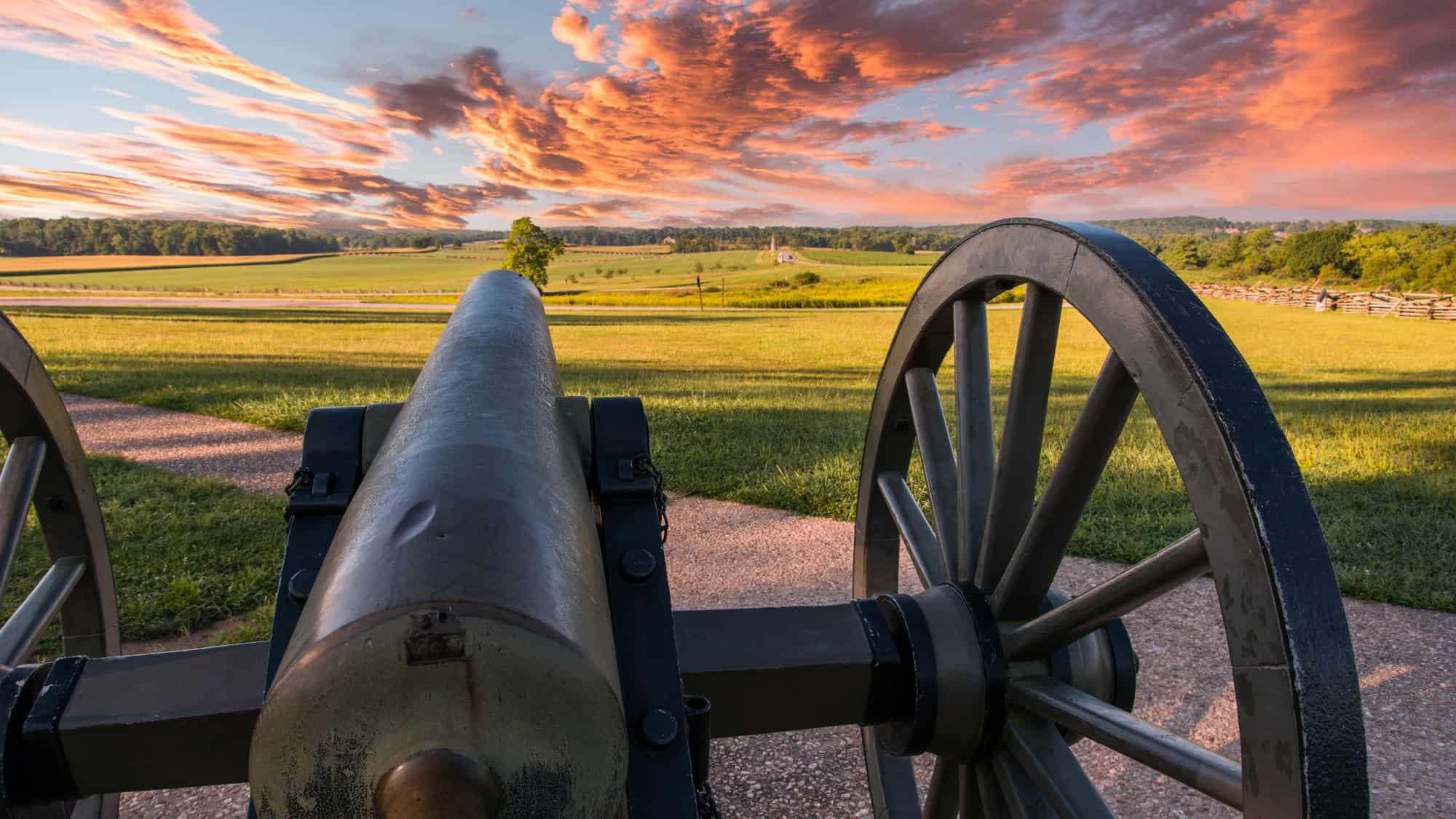
The naming conventions for military history can be confusing. Generally, a national battlefield or national battlefield park preserves the site of a specific battle. A national military park might cover a larger area involving military maneuvers. And a national battlefield site is usually much smaller.
All these designations focus on American military history, preserving the ground where soldiers fought and died.
Recreation and Scenic Corridor Units
These units prioritize outdoor activities and water access, often centered around major reservoirs.
National Recreation Areas: 18
Originally, these units were established around large reservoirs created by dams built by other federal agencies. The idea was to manage the water-based recreation that resulted.
Today, the concept has expanded to include large urban parks like Gateway National Recreation Area in New York and New Jersey. These areas prioritize outdoor activities like swimming, boating, and hiking.
National Seashores And National Lakeshores: 13
Seashores and lakeshores protect the natural values of coastlines while providing water-oriented recreation. You can visit national seashores on the Atlantic, Gulf, and Pacific coasts, such as Cape Cod or Point Reyes. The national lakeshores are all located on the Great Lakes, protecting dunes and clear waters.
National Rivers And Wild And Scenic Rivers: 14
These designations protect free-flowing streams. They aim to keep rivers in their natural state, preventing them from being dammed or altered. They also protect the immediate environment around the water and provide opportunities for canoeing, fishing, and hiking.
The Buffalo National River in Arkansas was the first river specifically designated to be preserved this way.

Routes, Living Landscapes, and Rare Designations
This final collection includes linear paths and unique management partnerships that don’t fit into standard boxes.
National Parkways: 4
A national parkway is a scenic roadway and a protected corridor of parkland. These are not expressways designed for speed. They are destinations in themselves, meant for leisurely driving through beautiful landscapes. The Blue Ridge Parkway is the most famous example, connecting Shenandoah National Park to the Great Smoky Mountains.
National Trails: 6
National scenic trails and national historic trails are long-distance routes. Scenic trails, like the Appalachian Trail, wind through areas of natural beauty and are usually for non-motorized use.
Historic trails, on the other hand, follow routes of past travel, such as the Oregon Trail. While the NPS administers many of these, the actual land is often owned by a mix of federal, state, private, and local entities.
National Reserves: 2
This is a rare designation, with only two in existence. National reserves are similar to preserves but are managed through a special partnership between local, state, and federal authorities.
The City of Rocks National Reserve in Idaho is one of the few places where you will see this title.

Commonly Misidentified Areas: National Forests VS. National Parks
A frequent source of confusion for travelers involves distinguishing between national parks and national forests. While both offer trails, trees, and campgrounds, they operate under entirely different government departments with opposing missions.
National park units fall under the Department of the Interior and operate under a preservation mandate, which aims to keep the land unimpaired for future generations.
In contrast, the 154 national forests are managed by the U.S. Forest Service, a division of the Department of Agriculture. Their mission is “multiple-use,” a directive that balances recreation with commercial activities such as timber harvesting, grazing, and mineral extraction.
This difference in management philosophy directly alters the visitor experience. National forests, covering 193 million acres, generally have fewer restrictions regarding dispersed camping and off-road vehicles. You can often camp for free along forest service roads, whereas national parks typically require you to stay in designated, paid campgrounds.
Recognizing who manages the land helps you predict amenity levels. If you want a developed visitor center and paved drives, head to an NPS unit. If you prefer solitude and primitive camping, a national forest is often the superior choice.

How Designation Affects Rules, Access, and Trip Planning
The specific designation of an NPS unit dictates the regulations you will encounter, a detail that is vital for planning logistics.
For instance, hunting is strictly prohibited in national parks but is permitted in over seventy-five distinct areas managed by the NPS, primarily within national preserves and national recreation areas. If you are seeking a quiet nature walk, visiting a recreation area during hunting season might not provide the tranquility you desire.
Similarly, pet owners often find national parks restrictive because dogs are rarely allowed on unpaved trails, yet national seashores frequently allow leashed dogs on specific beaches.
Infrastructure also varies wildly by category. Major national parks usually feature extensive visitor centers, lodges, and shuttle systems designed to manage millions of visitors. In contrast, national historic sites or national rivers may offer little more than a small ranger station or a gravel parking lot.
Knowing these differences fosters a deeper appreciation for the purpose of protection. When you enter a national battlefield, you understand the solemnity required. When you visit a national preserve, you recognize that resource use is part of the local agreement. You become a better steward of the land because you comprehend the specific reason behind its preservation.
So next time you open your map, look past the dark green squares of the famous parks. Investigate the tiny triangles and dotted lines of the monuments, historic sites, and riverways. The best version of your next vacation is likely hiding behind a title you used to ignore.
Like Our Content? Make sure to join our newsletter for all the latest on outdoor adventures (and a FREE STARGAZING GUIDE). Click here to sign up!