Discover Parks & Wildlife contains affiliate links and is a member of the Amazon Services LLC Associates Program. If you make a purchase using one of the Amazon links, we may receive compensation at no extra cost to you. We may also use select AI tools to support our creative process, but all content is reviewed, refined, and finalized by our human team. See our disclosure policy and our AI use policy for more information.
Don’t Let A Snowstorm Ruin Your Plans—17 National Park Activities For KidsThat Work Indoors
When the weather turns foul and outdoor adventures are off the table, the spirit of the national parks doesn’t have to vanish along with the sunshine. Millions of visitors flock to parks every year (record numbers hit over 331 million visits in 2024), but sometimes nature has other plans.
A sudden snowstorm or torrential rain can cancel hikes, scenic drives, and camping reservations in an instant. But instead of letting the disappointment settle in, you can pivot to creative, educational, and hands-on activities that bring the wilderness experience right into your living room.
It is entirely possible to keep the excitement alive and continue learning about nature, conservation, and survival skills without setting foot outside.
We’ve curated a collection of engaging ideas designed to save your trip or brighten a boring snowy winter weekend at home. These activities range from practical skills like whittling and survival preparation to fun family challenges like taste-testing trail mix and building indoor forts.
By embracing these indoor alternatives, you turn an otherwise boring TV day into an opportunity for connection and discovery, keeping the adventurous spark alive until the skies clear up.
Plan A National Park-Themed Road Trip

There is no better way to build anticipation than by sitting down with a large map and plotting out a future adventure. With over 400 national park sites across the country, the options are nearly endless. But successful trips require careful logistics.
You can start by marking the parks you are most desperate to see, then look for logical routes that connect them. This is the perfect time to research the best seasons for visiting specific regions, as high-elevation parks often have short summer windows while desert parks are best in spring or fall.
Dig into the details of each potential stop. Look up the specific “must-do” hikes and scenic drives for each location, noting their difficulty levels and time requirements. Check the distance between parks to ensure your driving days are manageable and allow for spontaneous stops.
You might also want to research campground reservation windows or lodge availability, as popular spots book up months in advance. By the time the storm clears or your vacation time arrives, you will have a solid, exciting itinerary ready to go.
Learn To Whittle Using Soap Bars
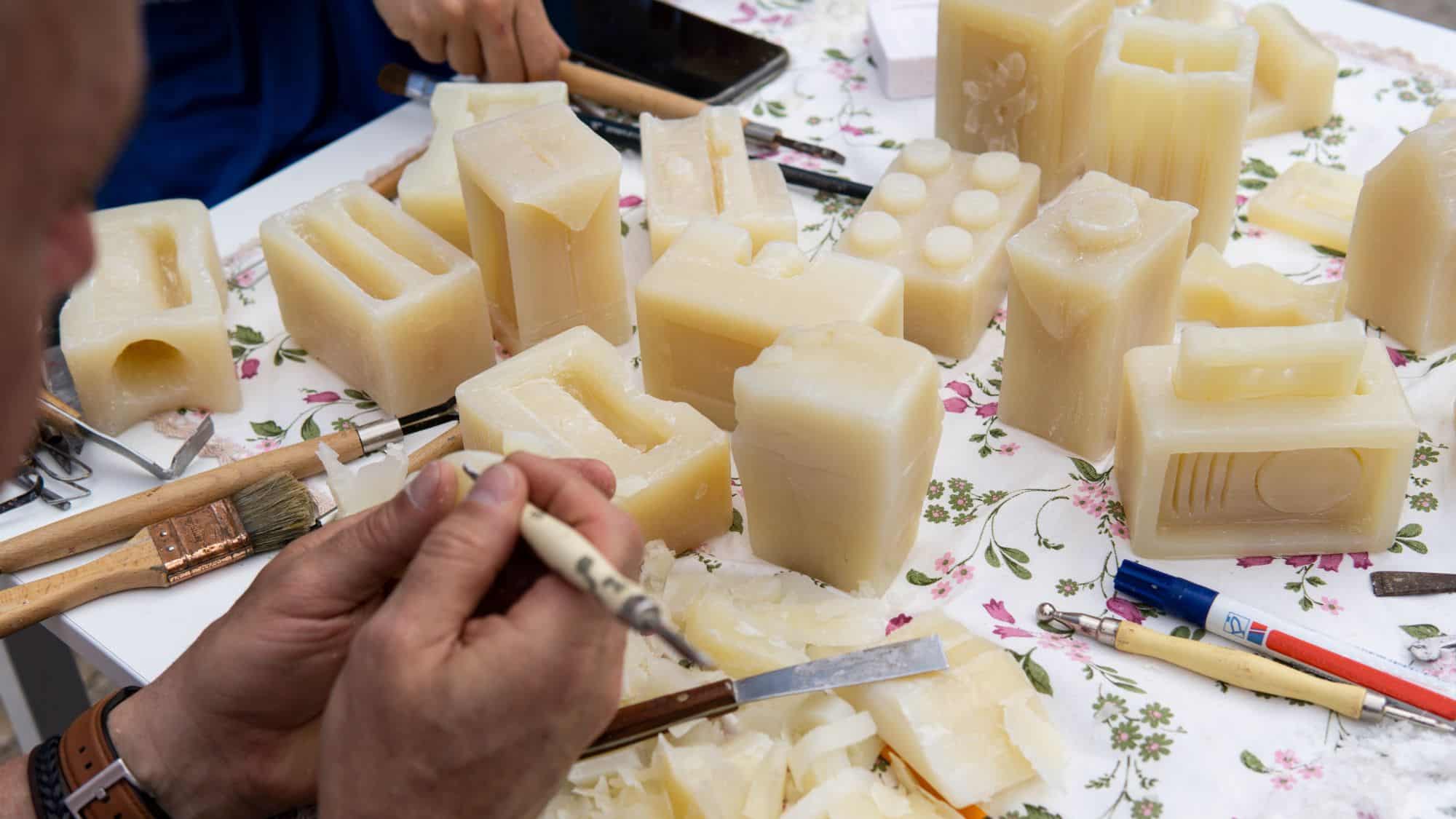
Whittling is a classic pastime often associated with sitting around a campfire, but it is a skill best learned safely indoors before you try it with hardwood.
Using a bar of soap is an excellent way to practice knife handling and carving techniques because the material is soft and forgiving. You can use a simple butter knife or a plastic carving tool if you are practicing with younger family members, or a standard pocket knife if you are an adult looking to refine your technique.
Start by gently scraping away the corners to round out the soap, getting a feel for how much pressure is needed to remove material without taking off too large a chunk. Simple shapes like a turtle, a bear, or an arrowhead are great starting points. As you carve, pay attention to the direction of your cuts, always moving the blade away from your body.
This activity teaches patience and fine motor skills, and the resulting soap carvings make fun, aromatic souvenirs of your indoor park day.
Design A Family “Trail Mix Taste Test” Challenge

Trail mix is the quintessential hiking snack, but everyone has different preferences for the perfect ratio of salty to sweet. Turning this into a competition is a tasty way to spend an afternoon.
Gather a wide variety of potential ingredients, such as different types of nuts, seeds, dried fruits, chocolate chips, pretzels, and even unexpected items like wasabi peas or coconut flakes. Set up a station where each family member can mix their own small batch.
Once the mixes are created, conduct a blind taste test. Have everyone sample the creations and rate them based on flavor balance, texture, and energy potential.
You can discuss which ingredients provide quick energy (sugar) versus sustained fuel (fats and proteins), making it a mini-lesson in nutrition for hiking. And the winning recipe can become your official family trail mix for your next actual hike, giving you something to look forward to when you can finally hit the trails again.
Build A Mini Campground In Your Living Room

If you can’t sleep under the stars, bringing the campsite indoors is the next best thing. Clear out the furniture in the living room to make space for a tent or a fort made of blankets and pillows.
Setting up a tent indoors is actually a great way to practice assembling it without the pressure of fading daylight or wind. And if a tent is too big, draping sheets over chairs creates a cozy, enclosed space that mimics the feeling of a shelter.
Fill your indoor campground with sleeping bags and camping pads to make it comfortable. You can even turn off the main lights and use headlamps or lanterns to create an authentic atmosphere. Tell stories, play card games, or read books by flashlight.
This setup allows you to experience the coziness of camping (the close quarters and the break from screens) without the bugs or the freezing temperatures outside.
Create A Family Hiking Challenge For Your Next Trip
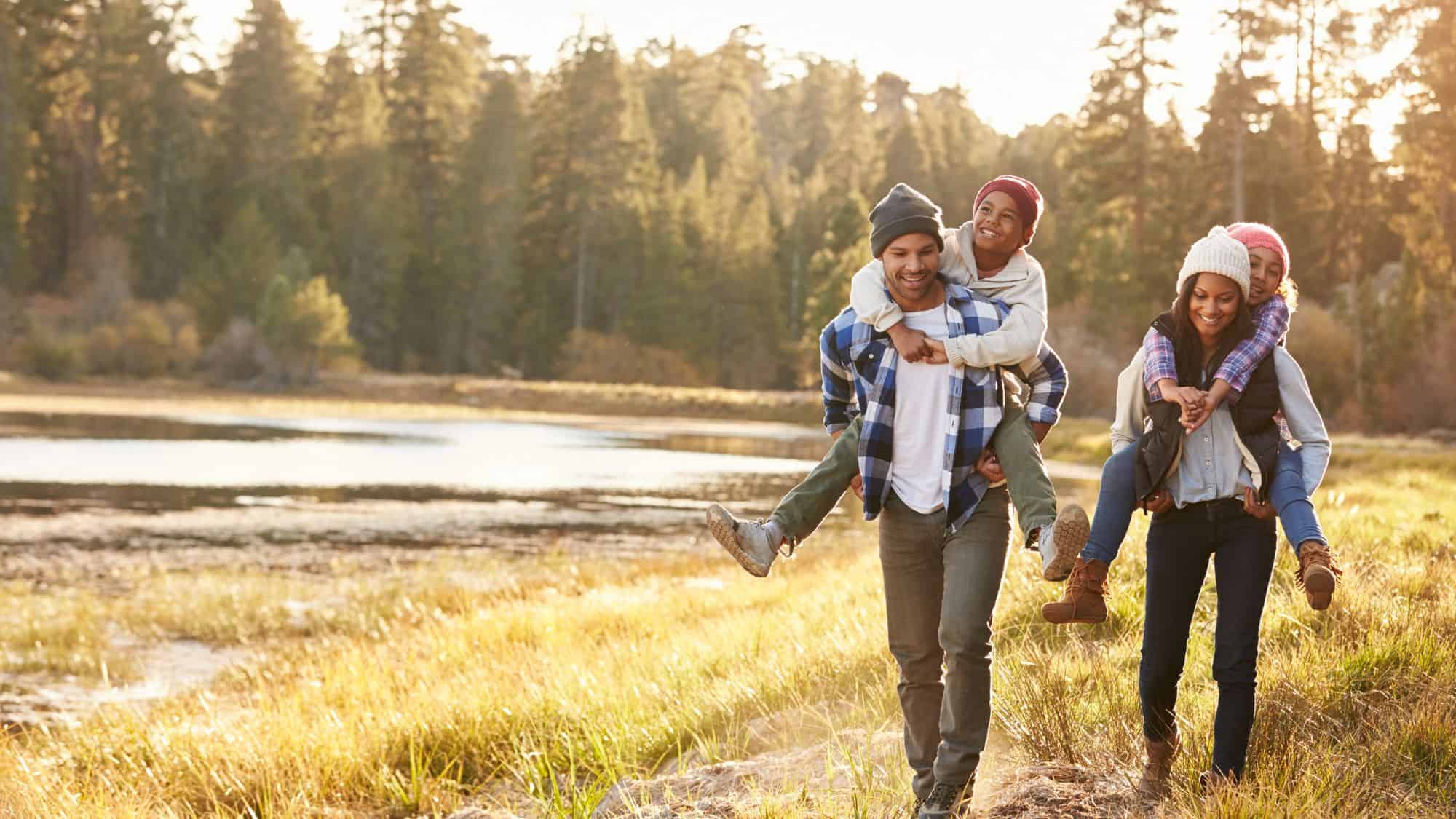
Motivation can sometimes wane on long hikes, so creating a challenge beforehand can keep spirits high when legs get tired. Sit down together and brainstorm a list of things to spot or achieve on your next park visit.
This could include finding specific types of leaves, spotting a certain number of wildlife species, or reaching a particular elevation gain. Definitely tailor the challenge to the specific park you plan to visit, researching its unique flora and fauna.
Design a physical checklist or a bingo card that you can print out and take with you. Include a mix of easy finds, like a pinecone or a park ranger, and harder tasks, like spotting a specific bird or hiking a trail without complaining.
Then decide on small rewards for completing rows or the whole card, such as picking the spot for dinner or getting a souvenir from the visitor center.
This preparation adds a layer of gamification to your hiking that encourages observation and engagement with the environment (and a whole lot fewer “are we there yet” moments).
Stage A Park-Themed Puppet Show

Creative storytelling brings the history and wildlife of the parks to life in an entertaining way. You can make simple puppets using old socks, paper bags, or cutouts attached to craft sticks.
Design characters based on the animals you might see, such as bears, moose, or eagles, or historical figures like John Muir or Theodore Roosevelt, who were pivotal in the park system’s creation.
Write a short script or improvise a story that takes place in a national park. It could be a lesson about “leave no trace” principles, a dramatic retelling of a park’s discovery, or a funny encounter between two animals.
Use a cardboard box or the back of a sofa as your stage. Performing the show for each other allows for silly, imaginative fun while reinforcing knowledge about the parks. It is a fantastic way for children to synthesize what they know about nature into a narrative format.
Paint Glow-In-The-Dark Constellations On Your Ceiling

Stargazing is a major draw for national parks, with over 80% of Americans living in places where they cannot see the Milky Way due to light pollution. While you might not be able to replicate the vast darkness of a designated International Dark Sky Park indoors, you can still bring the constellations to you.
Using glow-in-the-dark paint or adhesive stars, map out real constellations on a piece of dark poster board or directly on the ceiling if you are feeling bold.
Use an astronomy app or book to identify major constellations like Orion, Ursa Major, and Cassiopeia. As you place the stars, learn the stories and mythology behind them, which are often shared during park ranger programs. Then, when night falls, turn off the lights and lie back to enjoy your personal planetarium.
This activity sparks curiosity about the cosmos and helps you learn to identify these star patterns, so you will be ready to spot them for real on your next clear night in a park.
Start A National Park Family Picture Album

In the digital age, thousands of photos often sit forgotten on phones and hard drives. A snow day is the ideal opportunity to organize these memories into a tangible album.
Gather photos from past trips, ticket stubs, junior ranger badges, and brochures. Printing out your favorite shots allows you to physically arrange them, adding a tactile element to your memories that scrolling on a screen cannot match.
Write captions for the photos, recalling funny moments, the names of trails, or the way a specific view made you feel. You can organize the album chronologically or by park, leaving space for future adventures. And decorating the pages with park-themed stickers or drawings adds a personal touch.
A scrapbook or photo album not only preserves your family history but also allows you to relive the joy of those trips, reminding everyone why you love visiting national parks in the first place.
Learn Outdoor Survival Skills
Preparedness is essential for any outdoor excursion, and the National Park Service’s “10 Essentials” list is the gold standard for safety.
This list includes items like navigation tools, sun protection, insulation, and first-aid supplies. So use your time indoors to assemble or audit your own emergency kits, ensuring you have everything on the list and that items like medications or food haven’t expired.
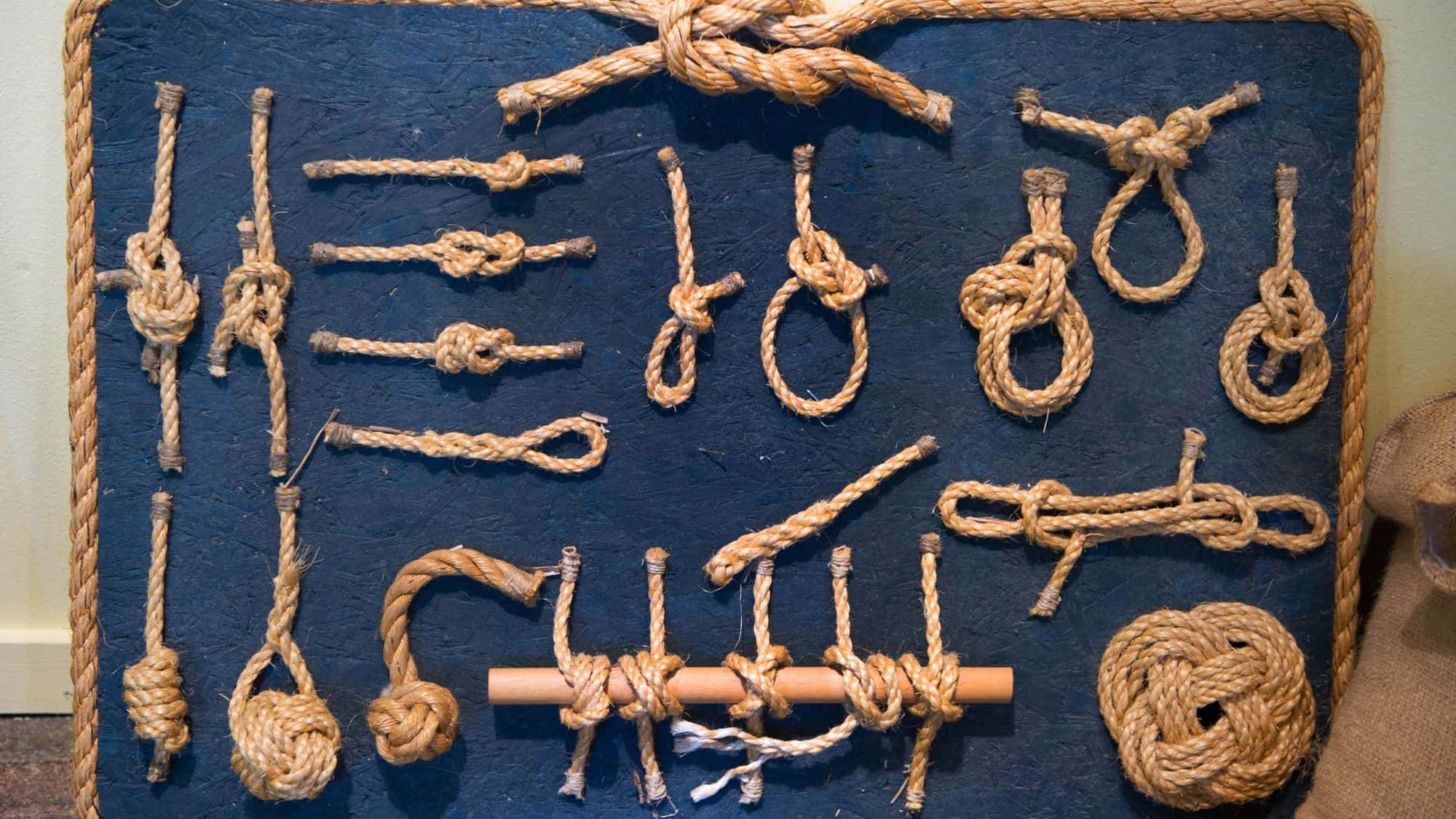
Beyond just gathering gear, practice using it. Learn how to read a topographic map and use a compass without relying on a GPS signal. Practice tying essential knots like the bowline or the taut-line hitch, which are invaluable for securing tents or bear bags.
You can also simulate first-aid scenarios, practicing how to bandage a sprained ankle or treat a blister.
Mastering these skills in a calm, controlled environment builds confidence and ensures you are actually ready when you need them in the wild.
Study Stargazing Techniques
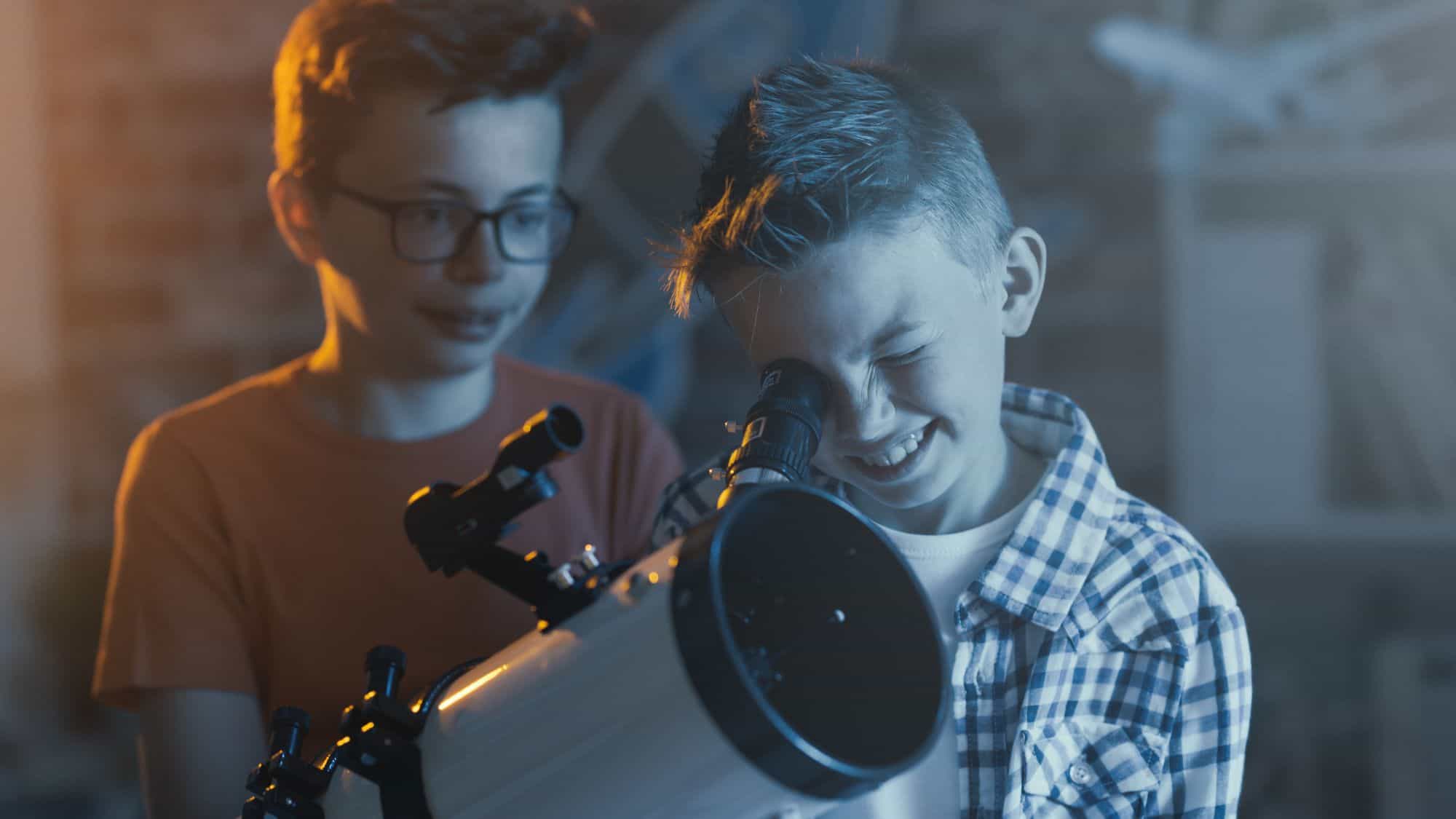
Since light pollution obscures the night sky for most of the residents in the United States and Europe, preparing for a trip to a dark sky park involves understanding what to look for.
Use your indoor time to research the phases of the moon; visiting a park during a new moon offers the darkest skies and the best chance to see faint celestial objects.
Learn about “dark adaptation,” the process of letting your eyes adjust to low light for at least 20 minutes, and why using red lights helps preserve this vision. You can also study star charts to understand how the sky changes with the seasons. Identify which planets will be visible during your next trip and look up when meteor showers are expected to peak.
Understanding the mechanics of the night sky transforms stargazing from a passive activity into an active hunt for celestial wonders. It deepens your appreciation for the natural darkness that the NPS works so hard to protect.
Hold A National Park Film Festival

Visual storytelling has played a huge role in the popularity of national parks. Create a cozy viewing area and queue up a marathon of documentaries and films that feature these landscapes.
The classic Ken Burns documentary series “The National Parks: America’s Best Idea” provides a comprehensive history, but there are also countless nature documentaries narrated by the likes of David Attenborough that focus on the wildlife and geology of specific regions.
For a more fictional approach, watch movies where the scenery plays a starring role. Discuss how the films depict the parks. Are they an accurate representation or Hollywood dramatizations? You can even pop popcorn and create movie tickets to make it feel like an event.
Make A National Park Themed Stop-Motion Movie

Stop-motion animation is a patient, detailed art form that is perfect for a day stuck inside. Using a smartphone or tablet with a free stop-motion app, you can create your own short film starring action figures, LEGOs, or even rocks and pinecones.
Set the scene using a printed photo of a national park as a backdrop, or build a set using household items to look like a forest or canyon. Then plot out a simple story, perhaps something like a LEGO hiker encounters a bear or climbs a mountain.
The stop-motion process involves taking a photo, moving the object slightly, and taking another photo. It requires focus and precision, making the time fly by. When you play it back, your inanimate objects come to life.
This creative project encourages you to think about movement and storytelling, and the final product is a fun, shareable video that celebrates the outdoors.
Build A Birdhouse Or Feeder

Bring the wildlife to your window by constructing a birdhouse or bird feeder. If you have wood and tools, you can build a sturdy house designed for specific local species like bluebirds or wrens.
However, you can also make simple feeders using pinecones coated in peanut butter and rolled in birdseed, or by cutting holes in a plastic bottle and inserting wooden spoons for perches. Make sure to research which birds are common in your backyard and what they like to eat.
Placing the finished product near a window allows you to observe bird behavior up close, honing your identification skills.
You can also practice using binoculars and looking up the birds you spot in a field guide, just as you would in a national park.
Create A National Park Bucket List

While our earlier road trip plan is about logistics, this bucket list is all about dreams. This is the place to list the specific, once-in-a-lifetime experiences you want to have, regardless of practicality.
Maybe you dream of climbing Half Dome in Yosemite, watching the sunrise at Haleakala, or seeing the brown bears at Katmai (which is epic and should definitely be on the list). Write these goals down in a dedicated journal or create a vision board with images cut from magazines.
Research the details of these big goals. Some, like rafting the Colorado River through the Grand Canyon, require lottery applications years in advance. Others require a high level of physical fitness. Understanding the requirements helps you start the long-term planning process to turn these dreams into an eventual reality.
Writing down big dreams serves as powerful motivation, giving you tangible targets to aim for in your future travels.
Simulate Geysers Using Science Experiments
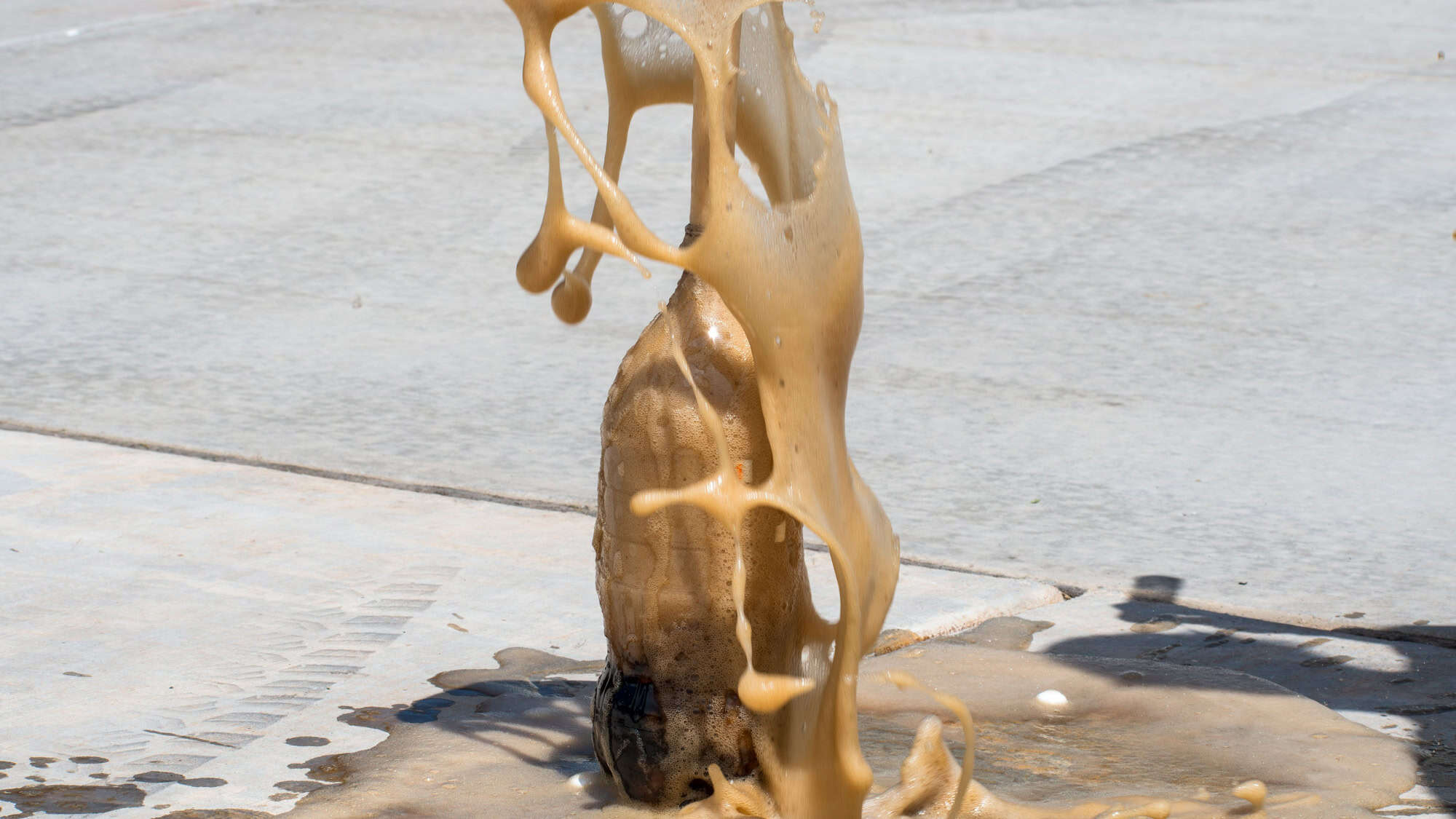
Yellowstone’s geysers are a marvel of hydrogeology, but you can demonstrate the basic principles of pressure and eruption with a classic kitchen science experiment.
The most famous method involves dropping Mentos mints into a bottle of diet soda. The science behind this is nucleation: the rough surface of the mints provides thousands of sites for carbon dioxide bubbles to form rapidly. This rapid release of gas forces the liquid out of the bottle in a powerful jet, simulating a geyser eruption.
This experiment is best done in a bathtub, sink, or an area that is easy to wipe down, as it is messy.
Observe how high the spray goes and discuss how this relates to the pressure building up underground in a real geyser. You can experiment with different variables, such as the temperature of the soda or the number of mints, to see how the eruption changes.
It is a hands-on, explosive way to understand the powerful geothermal forces at work beneath the surface of the earth.
Decorate Park-Themed Cookies

Baking is always a comforting activity, especially on a cold and snowy day. You can give it a wilderness twist by decorating cookies with national park themes.
Using cookie cutters shaped like evergreen trees, bears, mountains, or even bison is a great start. If you do not have those specific shapes, you can always roll out the dough and use a knife to carefully hand-cut your own designs. After the cookies are baked and have had a chance to cool down, you can use royal icing to bring them to life with details.
This activity is really as much about art as it is about baking. You could even challenge yourself to paint the familiar arrowhead logo of the National Park Service onto a simple sugar cookie. And mixing the icing colors to get just the right shades to match the natural palette of the parks requires a good eye and a steady hand.
Of course, the best part is getting to eat your beautiful creations once you are all finished with the decorating. It is a sweet and delicious way to celebrate your favorite landscapes.
Design Park-Inspired Family T-Shirts
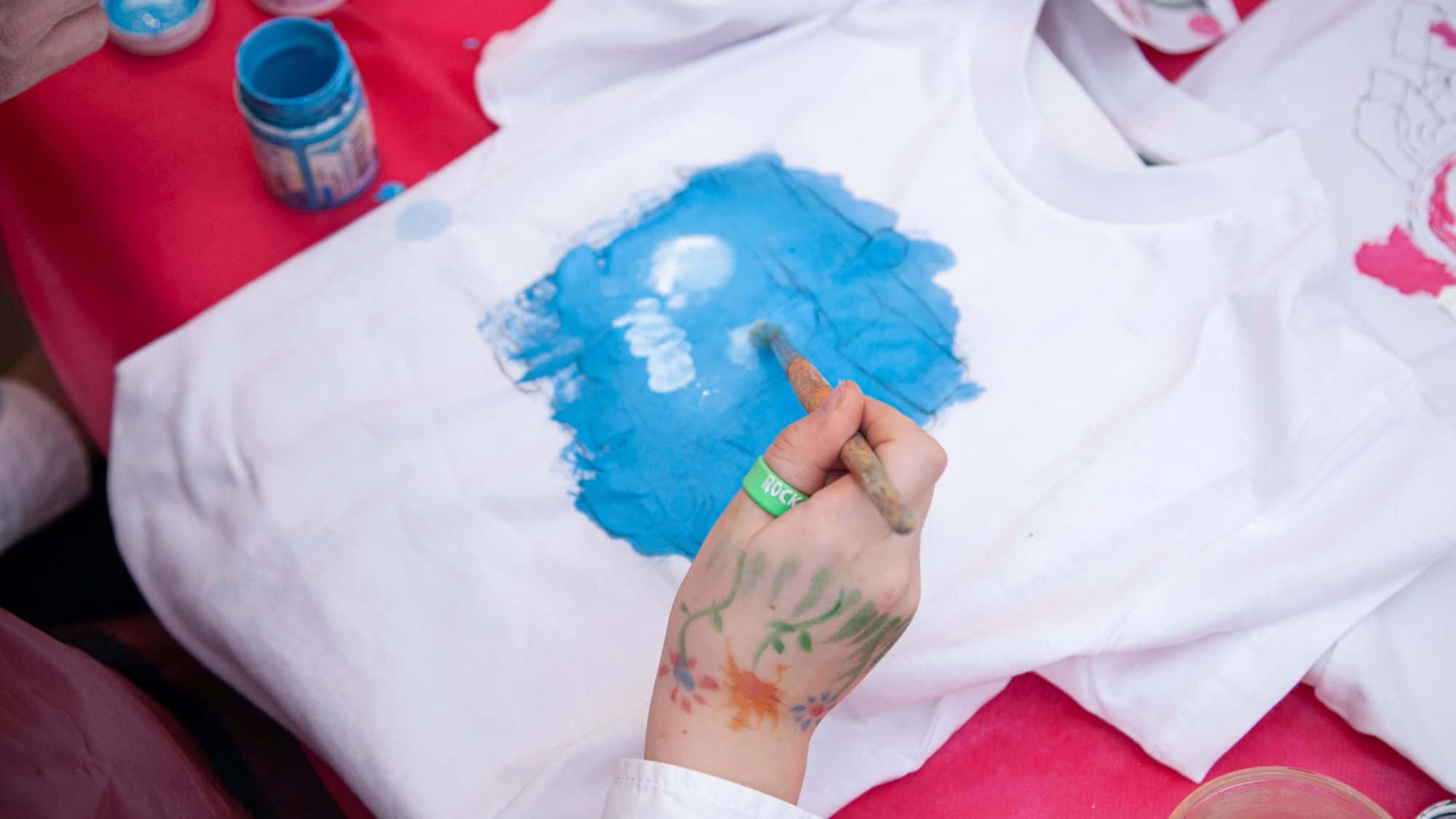
Designing custom t-shirts is a creative way to build excitement for a future trip or remember a past one without relying on standard gift shop merchandise. You can pick up simple cotton shirts and a set of fabric markers to sketch out famous landmarks, such as the massive General Sherman Tree in Sequoia National Park or the recognizable profile of Half Dome in Yosemite.
For a different approach, tie-dye techniques allow you to replicate the vivid colors found in nature, mimicking the deep blue water of Crater Lake or the distinct rusty orange hues of the sandstone in Zion.
Looking at vintage artwork is a great place to start if you feel stuck on what to draw. The iconic WPA posters created between 1938 and 1941 feature bold, graphic designs that are perfect for copying onto fabric. These historic images captured the essence of parks like the Grand Canyon and Yellowstone with simple lines and striking colors.
Once your wearable art is finished and the ink has set, you have a unique souvenir that stands out on the trail. And it serves as a fun conversation starter with rangers and other hikers who share your appreciation for these protected public lands.
Like Our Content? Follow Us on MSN (or click the Follow Button above) for more from Discover Parks & Wildlife.


