Discover Parks & Wildlife contains affiliate links and is a member of the Amazon Services LLC Associates Program. If you make a purchase using one of the Amazon links, we may receive compensation at no extra cost to you. We may also use select AI tools to support our creative process, but all content is reviewed, refined, and finalized by our human team. See our disclosure policy and our AI use policy for more information.
Why The Ocean’s Largest Voice Is Falling Silent
Once upon a time, the blue whale’s call was the ocean’s version of surround sound. Imagine a haunting, bass-heavy symphony echoing across entire ocean basins (one you probably wouldn’t just hear, but also feel in your bones).
But now? That once-epic whale karaoke is turning into something more like elevator music, and it’s fading fast. A recent study from Cornell University’s K. Lisa Yang Center for Conservation Bioacoustics (try saying that five times fast) reveals that blue whale song intensity has nosedived by nearly 40% in the last few decades.
The result? An eerie quiet that’s not so much peaceful as it is deeply unsettling, kind of like the ocean is trying to tell us something, and trust me, we don’t want to ignore it.
So let’s take a look at why it’s critical, what’s causing it, and if there is anything to be done.
Blue Whales: Nature’s Deep-Sea Vocalists
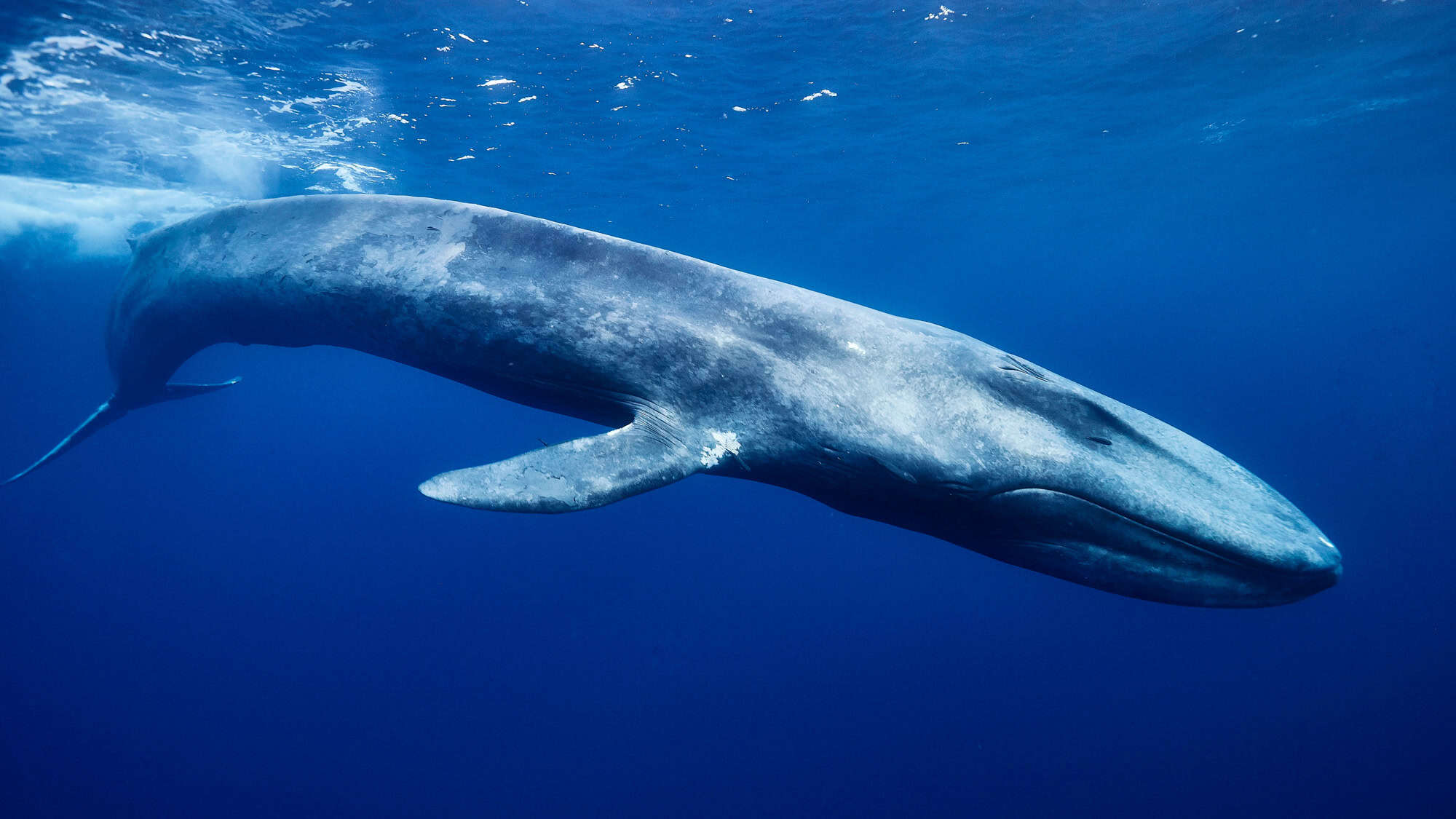
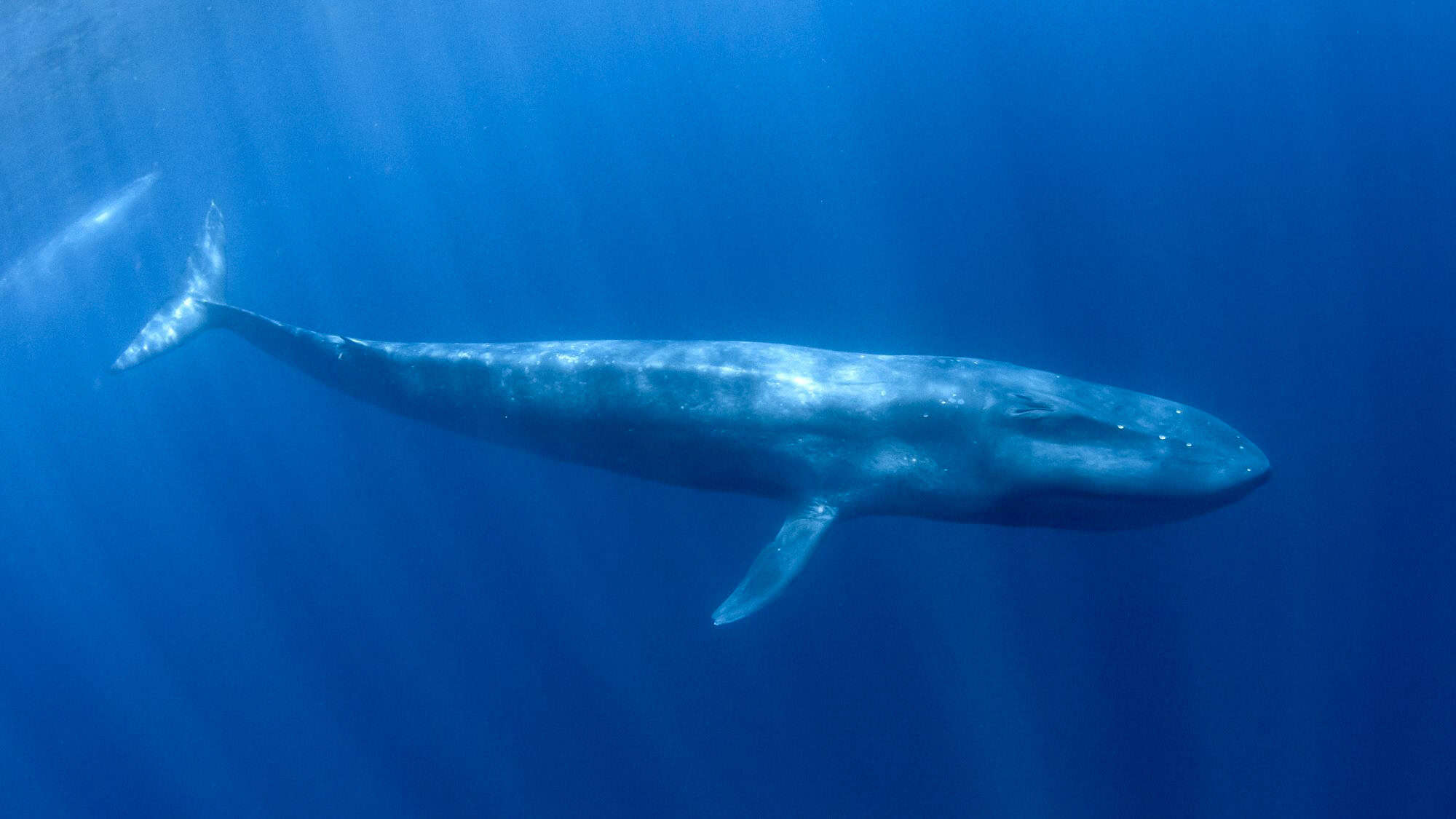
Blue whales, the ocean’s reigning giants (seriously, they make dinosaurs look like house cats and can weigh 200 tons!), are shockingly quiet when you’re up close. But their songs? Oh, that’s a different story.
These booming ballads roll out at such low frequencies that humans can’t even hear most of them (nature apparently thought “stealth mode, but make it musical” was a fun idea). But don’t be fooled; these underwater symphonies travel for hundreds, sometimes thousands, of miles to other blue whales.
Why Their Voice Is Important
These whales are actually a keystone species, which is just a fancy way of saying that when they’re not doing great, it’s bad news for everybody else in the neighborhood.
And guess what? When their underwater chats get muffled, things start to spiral. For one, mating calls are kind of a big deal during breeding season. If they can’t serenade their way into a match, we’re looking at fewer baby blues, smaller populations, and a weaker gene pool over time.
Feeding? Total teamwork moment. They depend on calls to point each other toward krill buffets, especially when food gets scarce and patchy. If communication breaks down, they’re stuck winging it (well, flippering it?) with instinctual hunting strategies, which aren’t as efficient.
And if they lose their voice? Well, their ability to find food, mates, or even figure out where they’re going… might just vanish faster than your New Year’s resolutions.
The Study’s Key Findings
The brainiacs over at Cornell University took a deep dive (pun fully intended) into decades of underwater acoustic data from oceans around the globe.
Armed with hydrophones (underwater eavesdropping gadgets), they tuned in to blue whale songs and tracked how their volume has changed over the years. And it turns out, the whales aren’t exactly belting it out like they used to.
Since the late 1990s, the big guys have dropped the mic by nearly 40% in volume. And no, it’s not just one moody whale population having an off decade. This volume dip has been detected across different populations and ocean basins, pointing to a global trend rather than some local hiccup.
And before you ask, it’s not because the scientists messed up their fancy equipment or took a decade-long coffee break. The study ruled out tech issues and inconsistencies, instead pointing the finger at environmental and biological factors.
Why the Songs Are Fading
The leading theory? Not exactly the feel-good story of the year.
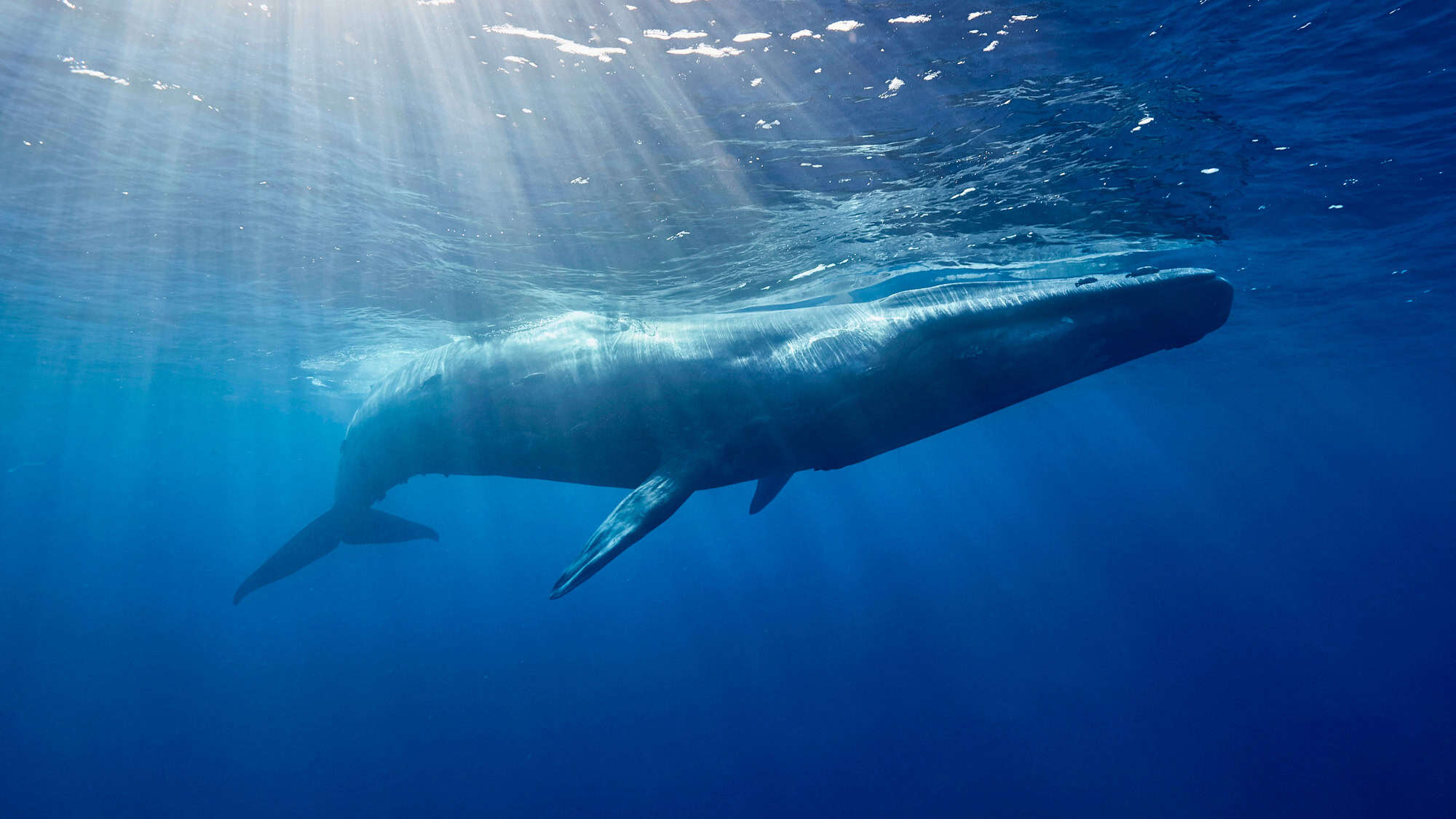
Turns out, warming oceans (thanks again, climate change) are throwing the marine food chain into chaos, starting at the very base.
Blue whales live off krill, a tiny, shrimp-like snack that only thrives in cold, nutrient-packed waters. But as sea temperatures climb and krill start pulling a disappearing act or relocating, whales are burning way more calories just to grab their dinner.
And when you’re living on a tight energy budget, belting out your greatest hits like a marine Adele is, well, not exactly priority number one. Singing takes effort, and if you’re hangry, finding your next meal outranks shouting across the ocean.
But the hits keep coming. With shipping lanes busier than rush-hour traffic and industrial noise levels climbing, it’s harder than ever for whale songs to cut through the chaos. Why bother singing if no one can hear you, right?
Add in ocean acidification and shifting migration patterns messing with underwater acoustics, and it seems like a nearly impossible task. And researchers are even seeing similar trends in other marine performers, like humpback whales and dolphins, so it’s not an isolated event.
What This Tells Us About the State of the Oceans
The fact that blue whales are lowering the volume can be seen as a giant flashing warning sign. Think of it this way: if a forest suddenly went quiet because the birds stopped chirping, you’d know something’s up, right? Same deal here.
When the biggest, loudest creatures in the ocean start mumbling instead of belting it out, it’s telling us that the marine world is stressed out in a major way.
And as we mentioned above, whales are a keystone species and the ocean’s health barometers. If the loudest voice in the sea is slipping into radio silence, it is a giant red flag. So it is never just about the whales themselves; it’s about the whole underwater party. Fish, seabirds, plankton, you name it, they all start to feel the ripple effects.
Can We Reverse the Silence?
So here’s the thing: scientists aren’t ready to throw in the towel just yet, which is exactly the kind of optimism we need.
Step one? Saving the krill buffet, because hungry whales are quiet whales. That means tackling greenhouse gas emissions to cool off the oceans and setting up marine protected areas in key feeding spots.
Sounds simple enough, right? It’s not, but it’s doable with everyone’s cooperation.
Meanwhile, folks are working to bring the noise levels down. Shipping companies are testing quieter propellers and creating slow zones in whale migration highways.
And on a global scale, groups like the International Whaling Commission are hashing out agreements to keep ecosystems in decent shape. Citizen science? Turns out, it’s having a moment too. Coastal communities are teaming up with researchers, using passive acoustic monitoring to track their activity.
Every whale song captured is like data gold, helping us figure out if these conservation efforts are actually working… or if we’re just rearranging deck chairs on the Titanic. Let’s just hope it’s the former and not a sinking ship.
Like Our Content? Follow Us on MSN (or click the Follow Button above) for more from Discover Parks & Wildlife.