Discover Parks & Wildlife contains affiliate links and is a member of the Amazon Services LLC Associates Program. If you make a purchase using one of the Amazon links, we may receive compensation at no extra cost to you. We may also use select AI tools to support our creative process, but all content is reviewed, refined, and finalized by our human team. See our disclosure policy and our AI use policy for more information.
12 Breathtaking Natural Destinations To Book Early For 2026
Planning travel ahead of time has always been an act of optimism. It’s a promise to yourself that there will be time to breathe, to stand still, to look at something vast and feel small. And that it is, in fact, coming, rather than a fleeting thought.
The year 2026 sits close enough to picture clearly, but still far enough away to fill with something extraordinary. And natural destinations ask for that kind of patience. They reward the early planner who studies seasons, watches flight routes, and picks dates before crowds do.
The best locations don’t rely on spectacle alone. They invite you into quiet mornings, slow trails, and light that changes everything it touches. These are places where weather sets the rhythm and small details, a shift in wind, a sound of water, guide your day.
Planning early means you can move deliberately instead of fast, giving yourself time to meet the landscape on its own terms. As 2026 approaches, consider the wide spaces that remind you how large the world still is and how much of it remains beautifully untamed.
Iceland’s Ring Road And Wild South Coast

If dramatic contrasts pull you in, Iceland’s Route 1 delivers them in steady waves. You trace a loop past coastal cliffs, steaming vents, and horses that graze on lava fields the color of coal. Aim for late spring or early fall to balance daylight with open roads.
You can land in Reykjavik, pick up an all wheel drive vehicle, and work clockwise so waterfalls and black sand beaches stack up without backtracking. Keep a flexible plan. Weather shifts by the hour, so build buffers between stops and travel with warm layers that dry fast.
Along the South Coast, basalt columns rise beside surf that pounds hard, so give the shoreline space and watch posted warnings. Inland, a short walk can carry you behind a curtain of water or onto a ridge with sea views that look stitched from silver and green. Hot pools dot the route, some rustic, some modern, so pack swimsuits near the top of your bag.
Food stops are cozy and simple, heavy on lamb, fish, and fresh bread. You can camp, book farm stays, or choose small hotels near trailheads.
Patagonia’s Torres del Paine And Los Glaciares

Down at the tip of South America, wind shapes everything. It sculpts grass into ripples and pushes clouds across horns of granite that seem to glow from inside. Torres del Paine in Chile and Los Glaciares in Argentina pair well, so plan space in your 2026 calendar to visit both.
Book refugios or campsites far in advance, then decide between point-to-point treks or day hikes from a base. The famous towers demand good weather windows, so keep two days free and watch forecasts closely. Trails are well-marked but exposed, which means sun, gusts, and quick temperature drops. So don’t forget sturdy layers, a raincoat, and gloves even in the peak of the season.
On the Argentina side, a boardwalk brings you close to the face of Perito Moreno, where ice calves with a sound that feels more felt than heard. Plan transfers across the border and allow buffer time. Lodges can be rustic or refined, both warm in their own way.
Italy’s Dolomites
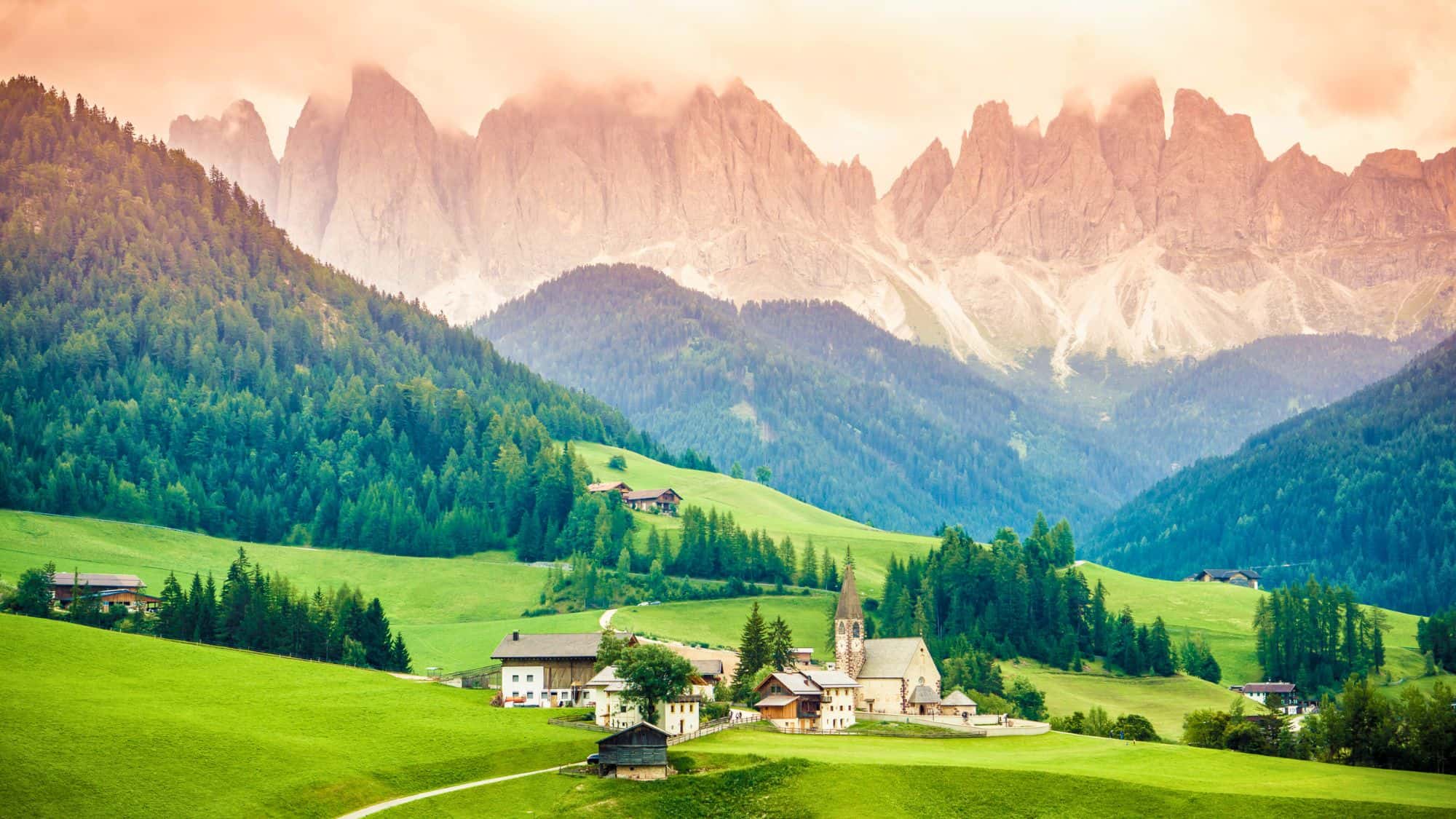
The Dolomites rise in pale tiers, a limestone theater where each pass opens to another set of jagged walls. Base yourself near Val Gardena, Alta Badia, or the Alpe di Siusi, and you can mix cable cars with satisfying walks across meadows that smell of hay.
Book rifugi (a mountain refuge) early. They sit in outrageous positions, serve hearty plates, and make sunrise feel easy. Trails range from family-friendly circuits to via ferrata routes, so sort out routes that match your comfort level. Afternoon storms can roll through in summer, so start early and build cushion time after lunch. The light is also worth chasing. When the sun drops, the peaks blush, a gentle pink that locals call enrosadira.
Roads are narrow and full of cyclists, so drive patiently and pull off only in signed areas. Expect crisp mornings, cool evenings, and midday warmth that invites a picnic near a lake with a tight ring of reeds. In September, larch trees begin to shift toward gold.
You will hear cowbells on breezy slopes, taste strudel in small bakeries, and feel that rare balance, a landscape both grand and welcoming, where daily plans come together with very little fuss.
The Azores

Set in the North Atlantic, the Azores feel far away yet reachable with a single flight from the mainland. Sao Miguel tends to be the entry point for most trips, with crater lakes edged by hydrangeas and tea fields that meet cool air off the sea.
Trails circumnavigate rims with steady grades and steady views, so you can walk for hours without heavy strain. Hot springs steam in fern-filled ravines and in town, pools lined with mossy stone, which turns a gray afternoon into a reward.
Driving is the simplest way to hop between miradouros, so reserve a compact car early. The weather is constantly changing, but that’s just part of the charm. So pack a light raincoat, then enjoy how clouds part and sun spills across pastures minutes later.
On Sao Jorge and Pico, the mood shifts, sharper and more volcanic, with vineyards trained between dark rock walls. Whale watching runs in season, and coastal natural pools offer safe places to swim when the ocean looks rough. Food leans on fresh cheese, fish, and pineapples grown locally.
Canadian Rockies

Banff and Jasper string together a set of lakes that almost look painted. And the drive between them on the Icefields Parkway rewards slow travel, so plan two or three nights in each park. Reserve timed access and parking where required, since popular spots fill early.
Trails vary from lakeside strolls to high passes with lingering patches of ice, which means trekking poles help on both ascent and descent. Mornings bring still water and clear reflections, so set alarms and keep coffee handy for first light departures. Afternoons are for gondolas, canyon walks, and hot springs that ease the legs.
Wildlife has the right of way. Give elk, bears, moose, and bighorn sheep generous space and lock food in vehicles at trailheads. Expect cool nights through much of the summer and pack layers for sudden shifts. In early fall, larches turn a bright citrus color that pops against gray rock. And if you’re lucky, you might even catch the northern lights like we did.
Yellowstone And Grand Teton

Yellowstone feels alive underfoot with pools hissing, geysers breathing, and elk calling across valleys that roll toward distant ridges. If you can, pair it with Grand Teton for next year’s trip, which balances color with silhouette. Reserve park lodging or nearby cabins early, and plan your days to start near sunrise. Boardwalks keep you safe beside thermal features, so stay on the planks and read posted signs even when crowds thin.
In the Tetons, the skyline is a perfect cutout, sharp and simple, with trails that lead to lakes under clean granite towers. Afternoon storms can crackle in midsummer, so carry a raincoat just to be safe.
Boat rentals, scenic floats, and ranger programs fill afternoons with calm. And nights turn cool, even in July. So pack a warm layer and a headlamp for late returns to the car. Plan a rest day in the middle to reset, laundry included. You will leave with clothes that smell faintly of pine and sulfur, plus a memory card full of geysers, bison, and peaks that refuse to stop.
New Zealand’s South Island

The South Island rewards unhurried plans. Distances look short on a map, but roads curve through mountains that ask you to slow down. Build a two-week block for 2026 if possible, then anchor nights in Queenstown, Te Anau, and the Mackenzie Basin.
Cruise a fjord on a day with steady weather and book early morning slots when the water sits glassy. In Aoraki country, glacier-fed lakes glow a milky blue and trails cut across open valleys with swing bridges that bounce underfoot. But wind can barrel through, so hold onto your hat and use straps on camera gear.
Penguins and seals rest along the southeast coast, a quiet treat if you give them space. And dark skies in the Mackenzie Basin make stargazing a pure pleasure.
Food is fresh and simple, heavy on lamb and flaky pastries, and coffee is taken seriously at small cafes. Lodging ranges from tidy motels to lodges where lake views carry the morning.
Raja Ampat
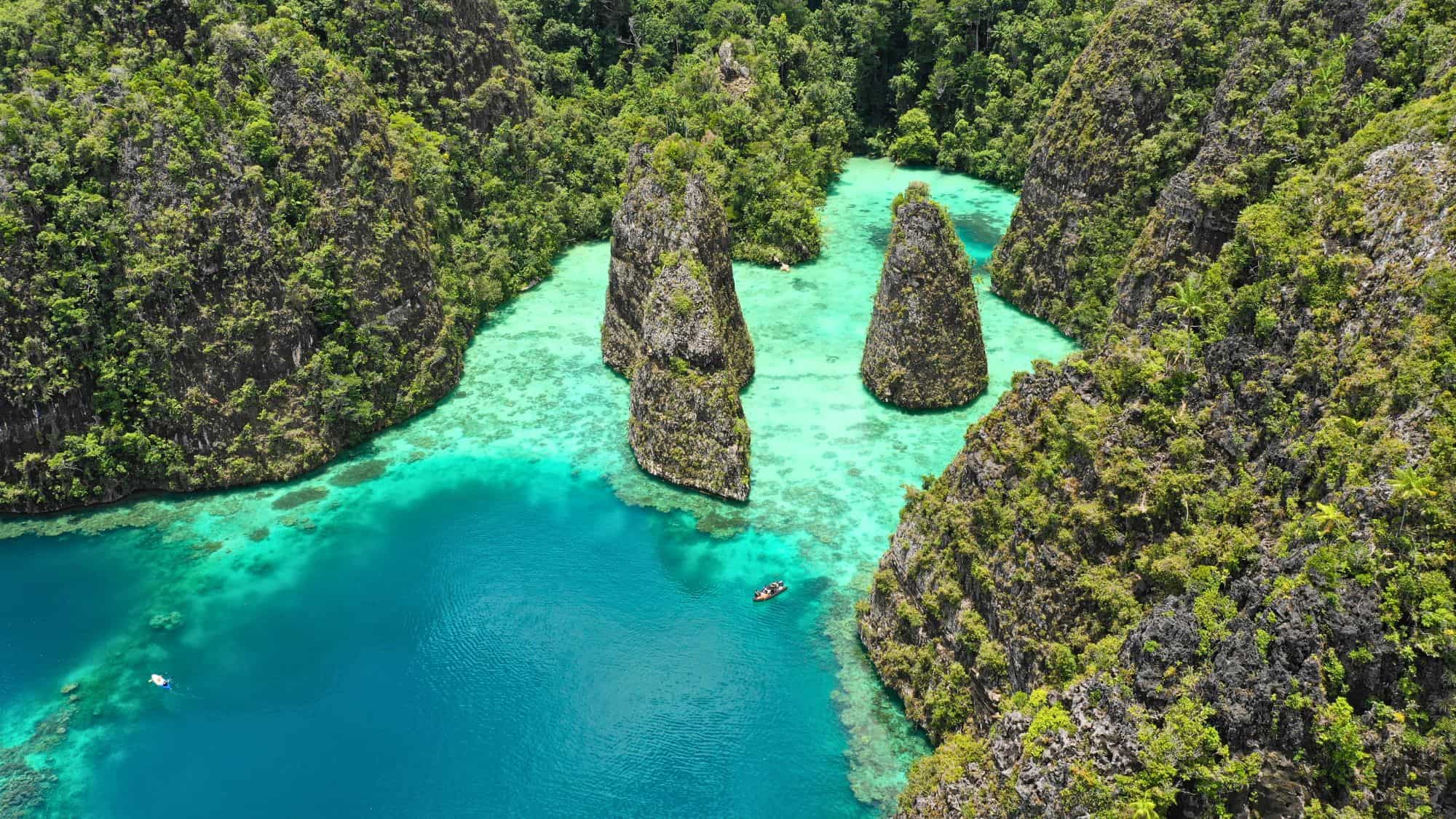
For warm water and rich reefs, Raja Ampat sits near the top of the list. It takes commitment to reach, which is why planning begins now. Flights connect through major Asian hubs to Sorong, then boats carry you to stays on islands so green they look painted.
The underwater world is the draw. Snorkelers float over coral gardens with fish in dizzying numbers, and divers add gentle drifts past soft corals and swirling schools. Currents vary, so work with local guides who read the water and choose sites that match your comfort level.
Above the surface, karst islets rise from clear channels, and viewpoints require short, steep climbs on wooden steps. Heat and humidity run high. So be prepared to hydrate and rest at midday. Evenings end early, with stars bright and air warm. This place leaves you calm, quiet, and the good kind of tired that comes from salt, sun, and hours spent in clear water.
Namibia’s Namib Desert And Skeleton Coast
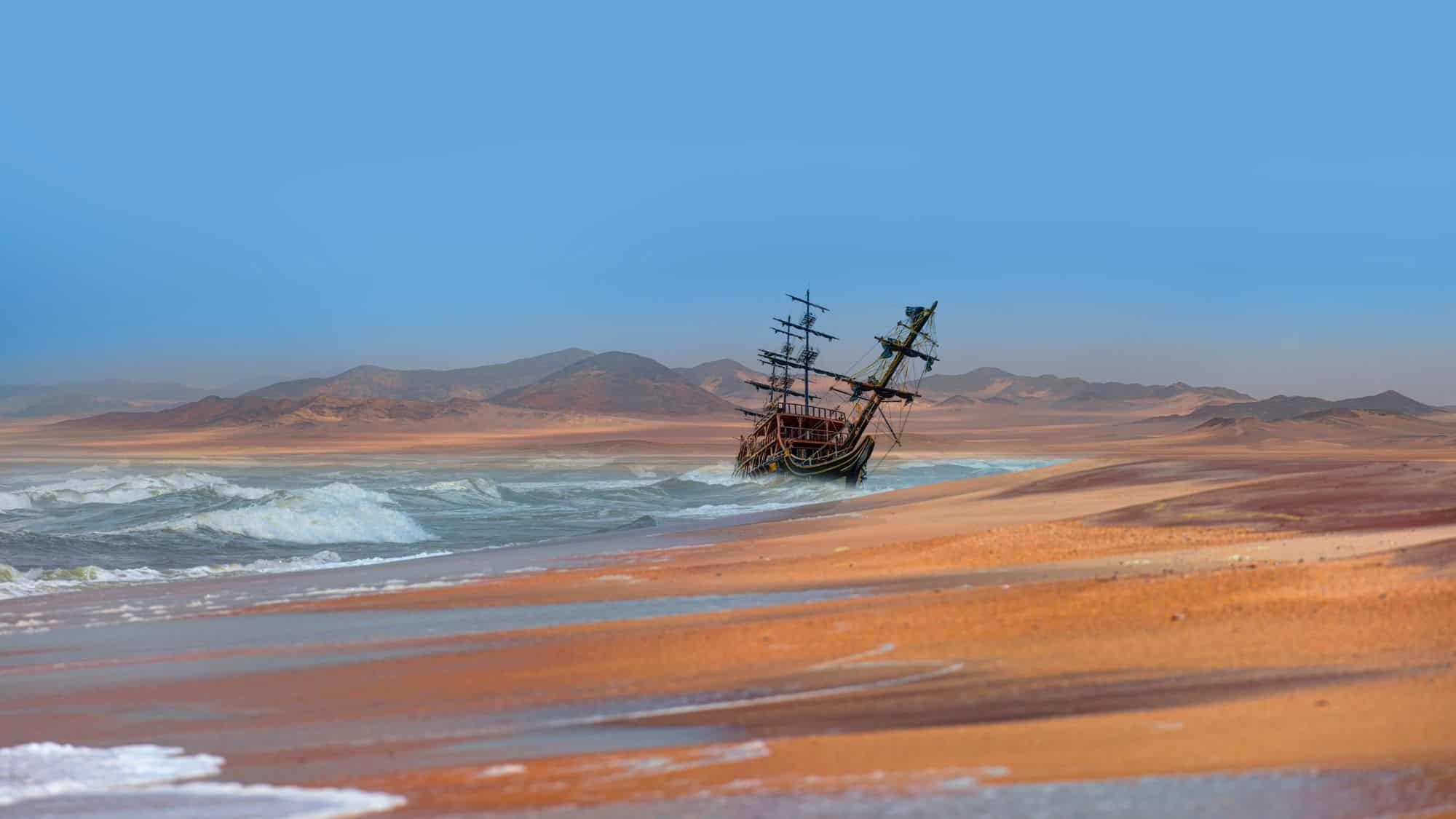
Dunes rise in smooth waves that hold the day’s light, and gravel plains run toward a horizon that feels endless in Namibia. Book lodges near Sossusvlei early, since sunrise access improves the experience. You can climb a crest on firm sand in cool air, then ease down into a salt pan where camel thorn trees stand like sculptures. Heat builds fast by late morning, so shift to shaded drives or stargazing plans after dark.
The Skeleton Coast delivers a colder mood, with surf that crashes hard, ship remains scattered along desolate beaches, and a fog that rolls in with its own quiet drama. Yet wildlife survives in these sparse conditions, which makes each sighting feel earned.
Roads are mostly gravel, so rent a high clearance vehicle and keep tires in good shape. Distances are real, so plan fuel and water with care. Lodges focus on conservation and set a relaxed pace built around sunrise and sunset outings when the heat is less scalding.
The Scottish Highlands And the Isle Of Skye

Moors, lochs, and a coastline carved into sea stacks. The Highlands reward slow days and weatherproof layers. For a trip next year, book cottage stays near Glencoe or Torridon and plan three nights on the Isle of Skye to explore.
Trails thread through glens and up to saddles where the wind carries heather scent and a steady hush. On Skye, rock formations line up like a storybook, from the Old Man of Storr to the Quiraing, with paths that climb quickly then level off on broad shelves. Rain can sweep through and leave just as fast. So don’t forget your raincoat, carry a dry bag, and treat puddles as part of the fun.
Roads are narrow with passing places, so practice patience and let locals through. Pubs lean warm and simple, and are a welcome end to days spent under soft gray light. Wildlife sightings add small sparks, red deer on a slope or seabirds riding a gust. And if you enjoy photography, dawn and late evening stretch out in summer, with a glow that flatters stone, water, and grass in equal measure.
Hawaii’s Volcanoes And Black Lava Shores
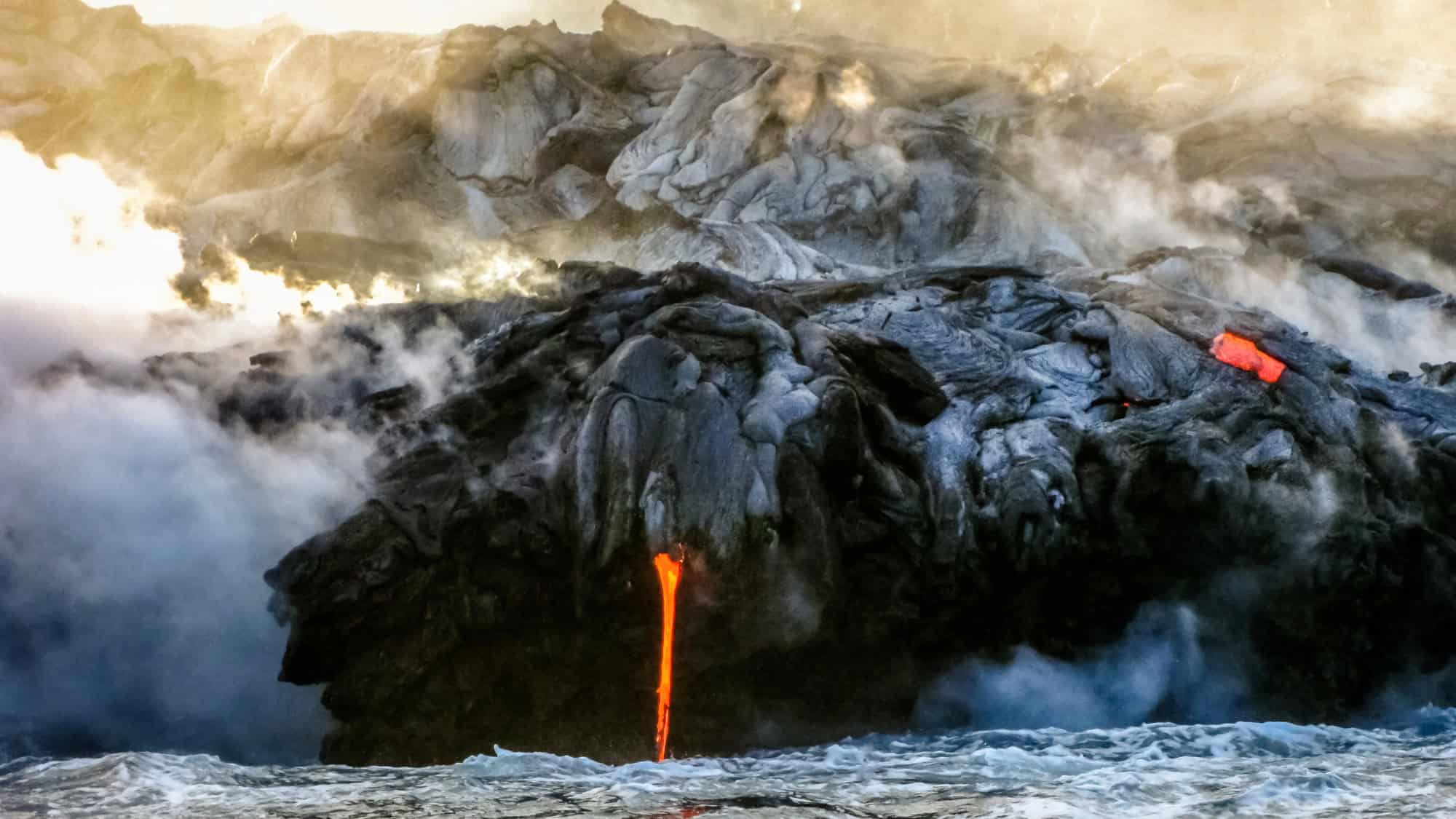
Hawaii Island mixes ever-changing landscapes with slow traditions. If you want rooms at a reasonable price near Hawaii Volcanoes National Park, you will want to book dates early. The park is incredible and has trails crossing recent flows, and steam rising from vents that hint at heat below. But conditions change quickly, so check current alerts before you set out and follow marked routes only.
Along the west coast, water stays clear and warm, with snorkeling coves that feel sheltered and friendly. Mornings are calm and bright, afternoons warmer with a chance of clouds. Bring reef-safe sunscreen, a hat, and plenty of water.
Coffee farms sit on cool slopes above the coast, and small stands sell fresh fruit by the road. Up high, Mauna Kea offers starry nights, but altitude demands respect. Dress for the cold and allow time to adjust.
The east side holds waterfalls and gardens that feel lush and a touch wild. Roads are good, but distances add up, so cluster your days to limit time behind the wheel. But the best moments are simple. A short walk over black rock to a quiet tide pool. The sound of coqui frogs at night. Air that smells faintly of plumeria.
Norway’s Lofoten
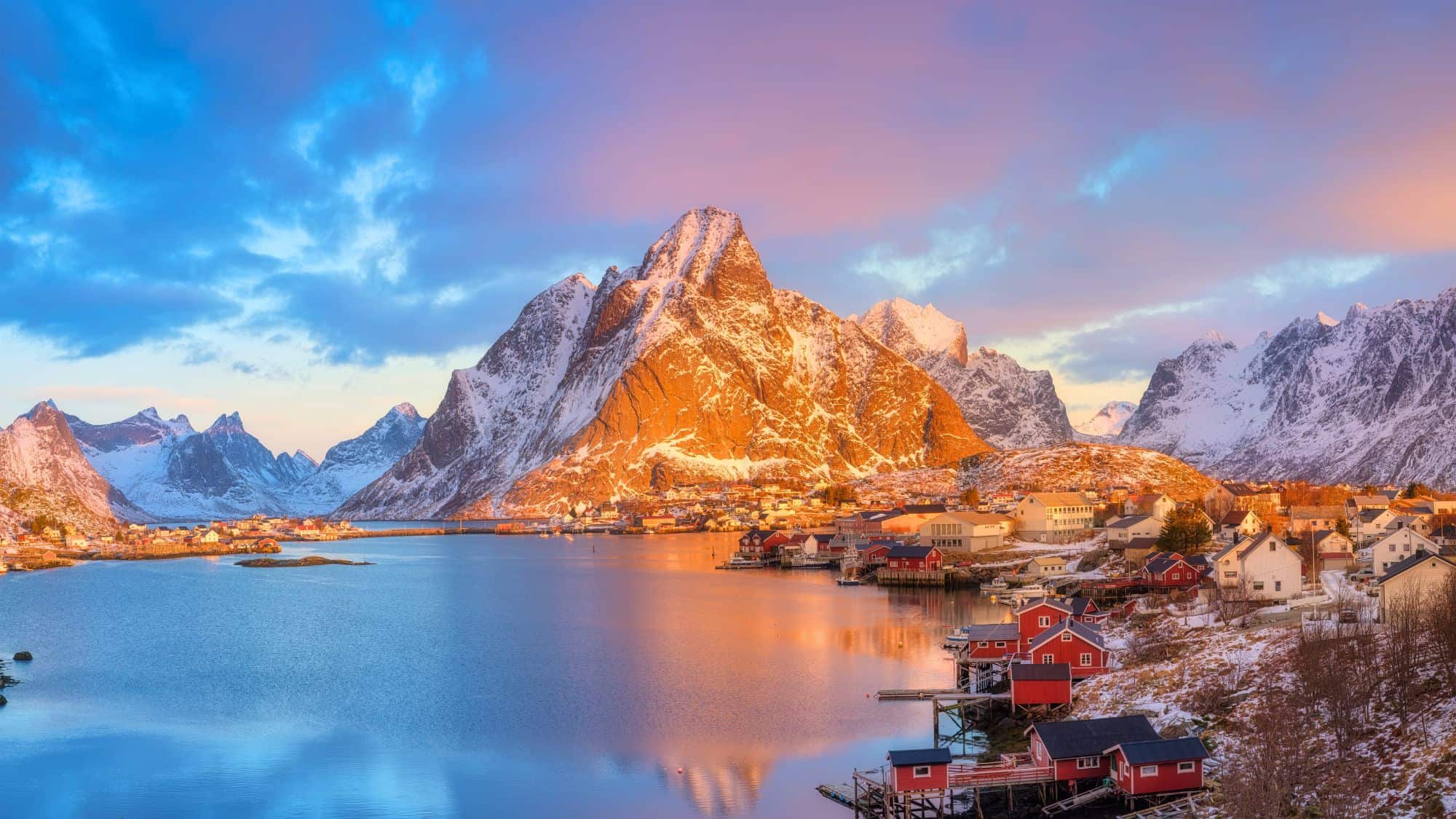
Lofoten strings sharp mountains over clear channels, like a row of teeth set against an Arctic sky. The light can feel endless in summer, with a sun that barely dips and colors that linger on peaks and sea. And trails climb quickly from sea level to viewpoints where red and yellow houses look scattered below. Just know that rock can feel slick after rain, so wear shoes with strong grip and move carefully on descent.
Kayaking suits calmer days and opens a new angle on steep shorelines. Fishing culture shapes the place, from racks that dry cod to boats that motor out at dawn. So respect working docks and read posted signs. Distances are short by miles yet long by minutes due to curving roads. That means planning fewer stops and giving each one time.
Food leans on fresh fish and cinnamon buns that taste better than they need to. Nights are quiet, and the water reflects a sky that never fully darkens, a steady, peaceful glow. But you need to plan early if you want cabins on stilts near the sheltered harbors.
Like Our Content? Follow Us on MSN (or click the Follow Button above) for more from Discover Parks & Wildlife.
14 Most Fascinating Forests In The U.S.

If you thought trees were just tall, leafy things, wait until you see this. These forests are so fascinating that they might just wipe the word “ordinary” from your vocabulary.
11 Reasons Colorado National Monument Should Be On Your Bucket List
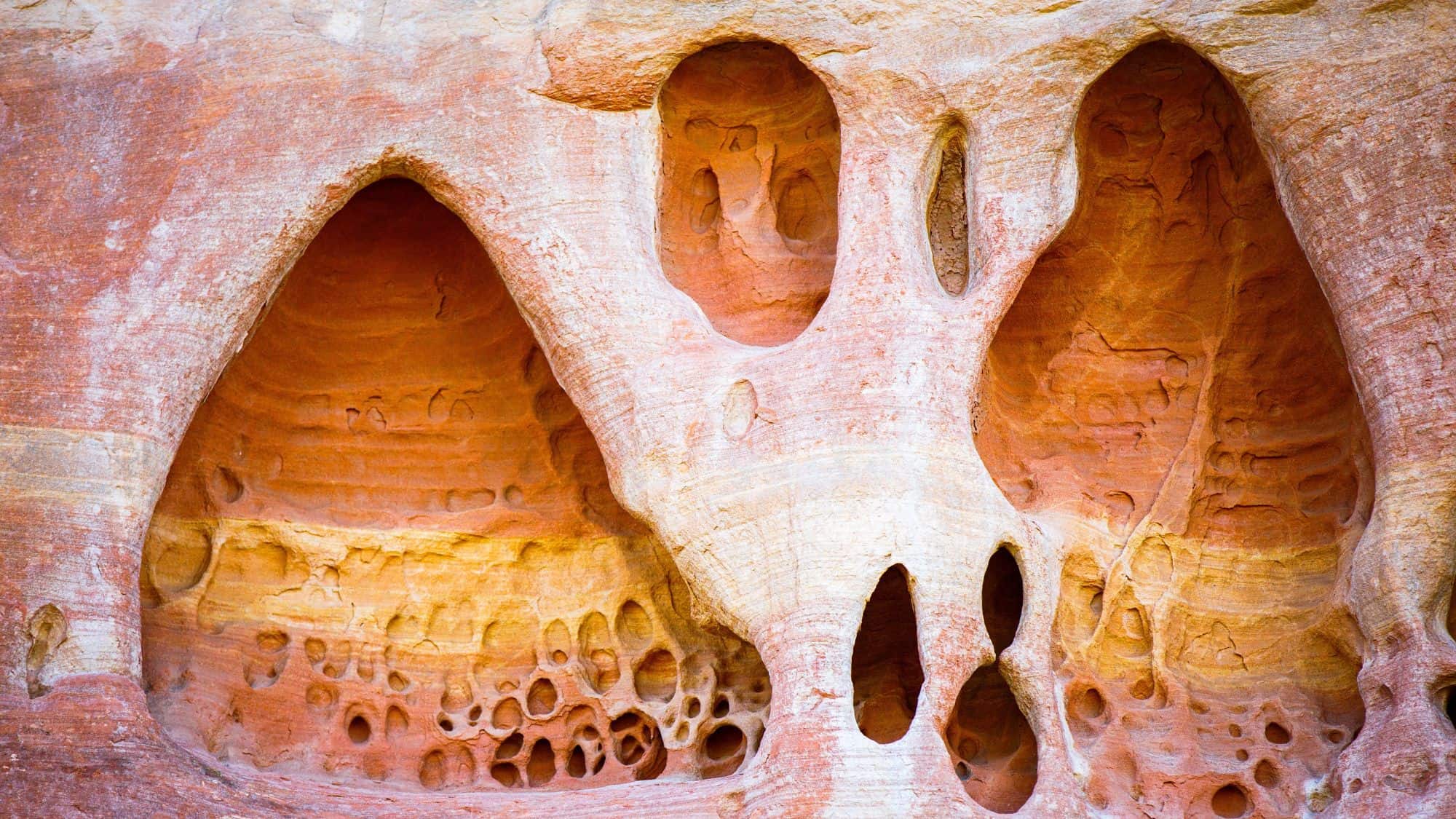
Ever wondered what it’s like to feel absolutely tiny in the best way possible? Colorado National Monument is here to serve up those larger-than-life vibes you didn’t know you needed.
13 Slovenian Trails Too Stunning To Capture On Camera (You Gotta See Them IRL)
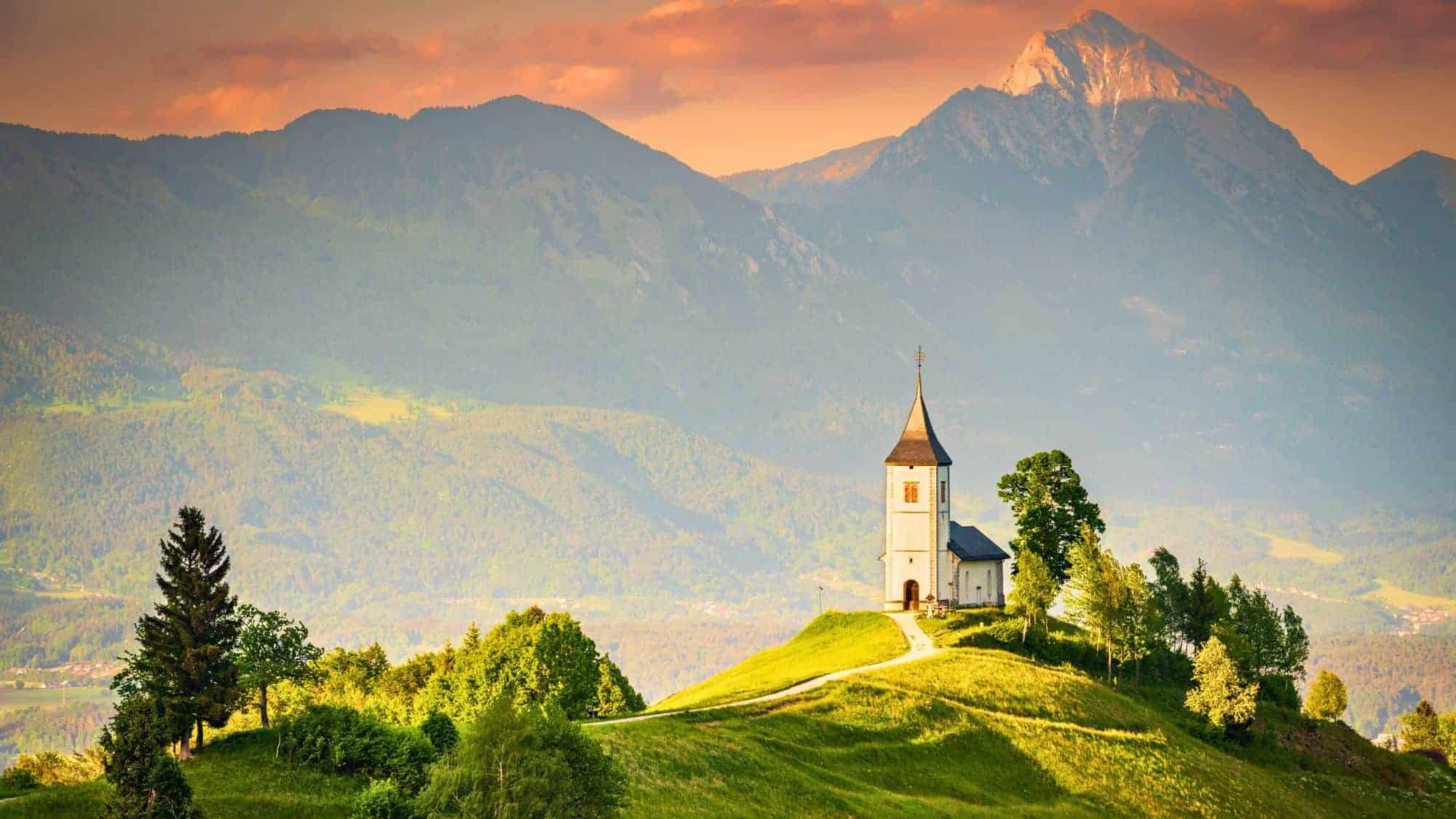
Feeling adventurous? Wait until you hear about the jaw-dropping Slovenian trail. Spoiler: your camera won’t do them justice, but your memory sure will.