Discover Parks & Wildlife contains affiliate links and is a member of the Amazon Services LLC Associates Program. If you make a purchase using one of the Amazon links, we may receive compensation at no extra cost to you. We may also use select AI tools to support our creative process, but all content is reviewed, refined, and finalized by our human team. See our disclosure policy and our AI use policy for more information.
14 Proven Health Perks Park Explorers Say You Can’t Replicate At Home
Most of us visit national parks for the incredible scenery or the chance to spot wildlife in its natural habitat. We plan our trips around the best viewpoints, the most iconic trails, and the perfect campsites.
But there is something much more profound happening to your body and mind when you step away from the pavement and into the wild. Beyond the beautiful photos you might take, spending time in these protected landscapes offers a powerful reset that modern medicine struggles to replicate.
When you trade the fluorescent lights of an office for the unfiltered sunlight of the high desert or the deep shade of an old-growth forest, you are doing more than just taking a vacation. You are engaging in a form of preventative healthcare that has been backed by increasing amounts of scientific research.
We undervalue the physical and mental toll that urban environments take on us, from noise pollution to chronic stress. And national parks provide a unique antidote, offering a specific set of conditions (cleaner air, natural soundscapes, and physical challenges) that work together to heal and strengthen us.
The benefits are not just in your head. They are measurable, physiological changes that leave you stronger, calmer, and more resilient long after you have packed up the car and headed back to civilization.
Strengthens Immune Function With Fresh Air And Sunlight

We often think of the immune system as something we boost with vitamins or diet, but your environment plays a massive role in how well your body fights off illness.
One of the most fascinating benefits of spending time in national parks, particularly those with dense forests, involves organic compounds called phytoncides. Trees and plants release these antimicrobial compounds to protect themselves from rotting and insects.
When you breathe in forest air, you are inhaling these protective oils. Studies suggest that exposure to phytoncides can increase the activity of natural killer cells in the human body, which are vital for fighting off infections and even tumor growth.
Sunlight is another critical factor that is often lacking in our daily routines. Many of us spend the majority of our daylight hours indoors, leading to a widespread deficiency in Vitamin D.
While supplements help, there is no true substitute for the way your skin synthesizes vitamin D when exposed to natural sunlight. This vitamin is essential for bone health and immune system regulation.
A few days hiking in the open air provides a natural way to replenish these levels. Of course, you need to be smart about sun protection, but the exposure you get while exploring a park is fundamentally different from the limited light you get through a window.
Improves Mental Clarity By Escaping Urban Noise

Noise pollution is an invisible stressor that plagues modern life. Even when we think we are in a quiet room, we are often surrounded by the hum of appliances, traffic outside, or the constant ping of digital notifications.
This background noise forces the brain to constantly filter and process information, leading to cognitive fatigue.
National parks offer a rare escape into true natural quiet. The NPS actually monitors soundscapes in many parks, recognizing that natural silence is a resource just as valuable as clean water or wildlife. In these protected spaces, the sound levels can drop significantly below what you experience in even the quietest residential neighborhoods.
This absence of mechanical noise allows your brain to enter a state of cognitive restoration. Instead of filtering out the sound of a siren or a leaf blower, your attention is captured by soft fascination, like the sound of wind in the trees or water flowing over rocks.
This type of auditory input is gentle and does not demand active focus, which gives the prefrontal cortex a chance to recover from the intense demands of daily decision-making.
You might even notice that after a day or two in the quiet of a canyon or a forest, your thoughts become less scattered. Problems that seemed overwhelming in the city suddenly feel manageable. It is not just that you have time to think. It is that your brain has stopped fighting a war against constant auditory intrusion.
Reduces Stress By Immersing You In Nature

The physical sensation of stress is something most of us have accepted as a normal baseline.
Our bodies are frequently in a state of low-level “fight or flight” response, triggered by traffic jams, deadlines, and crowded spaces. This keeps cortisol levels chronically high, which can lead to a host of health issues ranging from high blood pressure to heart disease.
Immersing yourself in a national park acts as a direct counterweight to this. Research has consistently shown that spending time in green spaces significantly lowers cortisol levels and reduces blood pressure.
This relaxation response happens relatively quickly. You do not need to spend weeks in the backcountry to feel it. Even a twenty-minute walk in a green environment can trigger a drop in heart rate and muscle tension.
When you visit a national park, you are removing the stimuli that trigger anxiety and replacing them with stimuli that trigger relaxation. The color green itself is processed by the eye in a way that requires less strain than other colors, contributing to this calming effect.
By stepping away from the concrete and steel of urban design and into the organic shapes of the wild, you allow your parasympathetic nervous system (the “rest and digest” mode) to finally take over.
This deep physiological relaxation is why a weekend in the woods often feels more restorative than a weekend on the couch.
Promotes Better Sleep After Active Days Outdoors

Sleep issues are an epidemic in the modern world, often driven by a disruption of our natural circadian rhythms. We stare at blue-light-emitting screens late into the night and rarely get enough bright natural light first thing in the morning. This confuses the body’s internal clock.
A trip to a national park naturally realigns this rhythm. When you are camping or staying in a remote lodge, you are exposed to the natural cycle of the sun. The intense brightness of daylight signals your brain to be alert, while the true darkness of a park at night triggers the production of melatonin, the hormone that tells your body it is time to sleep.
Physical exertion is the other half of this equation. Walking miles on uneven terrain, setting up camp, or even just navigating a new environment burns significantly more energy than a typical day at the office. This leads to what is known as “sleep pressure,” a biological drive for deep, restorative rest.
The temperature drop that often occurs at night in natural settings also aids sleep, as a cooler core body temperature is associated with falling asleep faster. You might find that after a day of hiking, you fall asleep almost immediately and wake up feeling genuinely rested.
This isn’t just because you are tired. It is because you have removed the artificial barriers to sleep and allowed your body to function as it was designed to.
Enhances Mindfulness And Emotional Well-Being
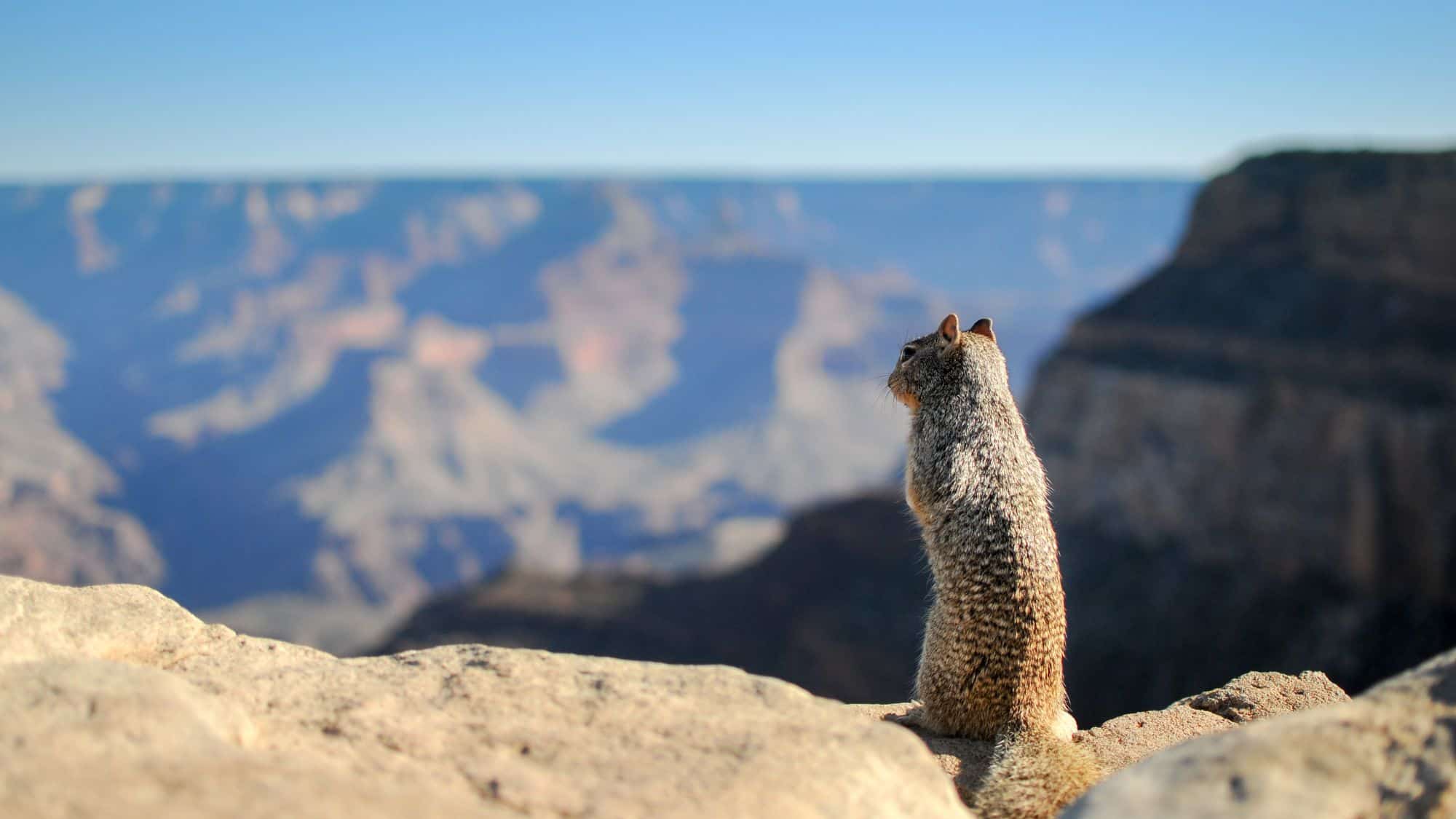
Mindfulness is often taught as a practice you have to work at, like meditation or yoga. In a national park, mindfulness often happens automatically.
When you are standing on the edge of the Grand Canyon or watching a herd of bison move across a valley in Yellowstone, you are fully present in the moment. The grandeur and immediacy of the natural world demand your attention in a way that makes it difficult to worry about the past or the future.
This natural engagement with the present moment is a powerful tool for emotional well-being. It gives your mind a break from the cycle of rumination that often drives anxiety and sadness.
Engaging your senses is a huge part of this. The smell of damp earth, the texture of sandstone, the chill of a mountain breeze; these sensory details ground you in reality.
In our daily lives, we often numb our senses or overload them with digital input. But reconnecting with physical sensations helps to regulate emotional responses. You become more attuned to how you are feeling physically and emotionally.
This heightened state of awareness can linger even after you leave the park. You might find yourself paying more attention to the sunset from your window or the sound of rain on the roof, carrying a small piece of that park mindfulness back into your everyday life.
Fosters Curiosity And Lifelong Learning Opportunities

National parks are massive, open-air classrooms that spark a sense of wonder we often lose as adults. But when you visit these places, you are almost forced to ask questions.
How was this arch formed? What kind of bird is that? Who lived here a thousand years ago? This reactivation of curiosity is vital for cognitive health.
Keeping the brain active and engaged with new information helps build neural pathways and keeps the mind sharp. And visitor centers in parks like Zion or Acadia are filled with exhibits on geology, biology, and history that turn a simple hike into an educational expedition.
Ranger programs offer another layer of engagement. Learning from an expert about the fragile ecosystem of a tidal pool or the history of the Civil War at a battlefield park provides context that enriches the experience. It connects you to the stories of the land.
This kind of learning is active and experiential, which often leads to better retention and understanding than reading a book. You are not just memorizing facts; you are seeing the evidence of them right in front of you.
This intellectual stimulation fosters a mindset of lifelong learning. It reminds us that there is always more to know about the world we inhabit, preventing the mental stagnation that can come from doing the same routine day after day.
Encourages Social Connections And Family Bonding

In our connected world, we are paradoxically more isolated than ever. We might be in the same room as our family or friends, but we are often staring at separate screens.
National parks provide a rare environment where technology often doesn’t work, which removes the biggest barrier to genuine connection. When the WiFi signal dies, conversation naturally starts back up.
Sharing a trail with someone creates a shared goal and a shared experience. You help each other navigate difficult sections, point out sights, and share the physical effort of the journey. This builds trust and camaraderie in a way that sitting in a movie theater or a restaurant simply cannot.
For families, parks offer a neutral ground where daily hierarchies and stressors fall away. Parents are not distracted by work emails, and children are not distracted by video games. Everyone is facing the same elements and the same adventure.
Setting up a tent together or cooking a meal over a camp stove requires teamwork and communication. These shared challenges create lasting memories and strengthen relationships. The bonds formed during a long hike or a night around a fire are often deeper because they are built on focused, uninterrupted time together.
We are social creatures who thrive on direct interaction, and the wilderness provides the perfect stage for those interactions to flourish without competition from the digital world.
Reduces Anxiety And Depression Through Calming Scenery
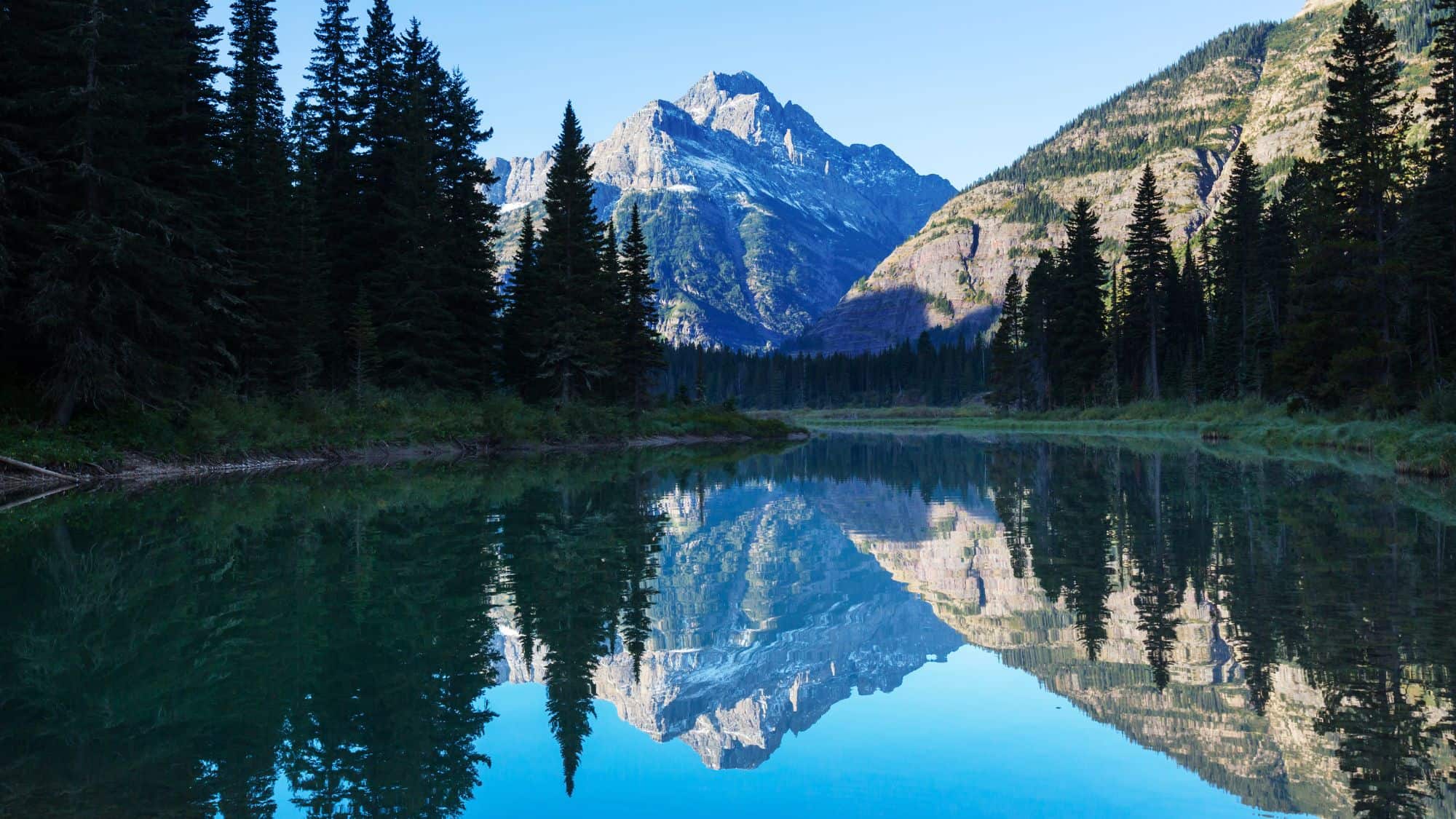
There is a growing field of psychology known as ecotherapy, which recognizes the specific therapeutic benefits of nature on mental health. Wide-open spaces and “blue spaces” (areas near water) are particularly effective at reducing symptoms of anxiety and depression.
Standing before a vast landscape, like in Glacier National Park or the Great Smoky Mountains, can induce a feeling of awe. What is “awe”? Psychological studies define awe as a feeling of being in the presence of something vast that transcends your current understanding of the world.
This feeling has been shown to reduce self-focus. When you feel small in comparison to a mountain range, your personal worries and anxieties also tend to feel smaller and less consuming.
The visual palette of nature also plays a role. The blues of the sky and water, along with the greens of the forest, are colors that the human brain associates with safety and abundance. In contrast, the chaotic visual environments of cities can trigger subconscious vigilance.
Spending time in a park allows your guard to come down. For those dealing with depression, the combination of physical activity and the serene environment can boost endorphins and serotonin. It provides a gentle, non-judgmental space to just be.
While it is not a cure-all, the calming scenery of a national park provides a respite that allows the mind to heal and reset, offering a perspective that is hard to find in the confines of a bedroom or office.
Builds Resilience By Challenging Comfort Zones

Growth rarely happens when you are perfectly comfortable. National parks are accessible, but they are still wild places that require you to adapt.
You might encounter a sudden rainstorm, a trail that is steeper than you expected, or a temperature drop that forces you to layer up. Navigating these minor adversities builds resilience. You learn that you can handle being cold, wet, or tired and still keep going.
This sense of self-efficacy (the belief in your own ability to succeed) translates directly to other areas of life. When you hike five miles to see a waterfall, you prove to yourself that you are capable of effort and endurance.
Navigating a trail also requires problem-solving and decision-making. You have to read a map, manage your water supply, and judge the daylight. These are practical skills that build confidence.
For children and adults alike, stepping outside the climate-controlled bubble of modern life is a healthy challenge. It teaches patience and flexibility. Nature does not care about your schedule or your comfort, so you have to adjust to it.
Learning to be adaptable in the face of changing conditions is a key component of mental resilience. And overcoming the physical and mental hurdles of a park visit leaves you with a sense of accomplishment that is far more satisfying than an easy day at home.
Inspires Healthier Habits

A trip to a national park often acts as a catalyst for better lifestyle choices. When you realize that you want to hike to that high alpine lake but feel winded halfway up, it provides a tangible motivation to improve your fitness.
The desire to explore more of these beautiful places can drive you to maintain a baseline of health in your daily life. You aren’t just exercising to burn calories; you are training for your next adventure.
This shifts the mindset from exercise as a chore to exercise as a tool for exploration. And many people find that after a trip, they are more motivated to walk, run, or cycle so they can enjoy their next park visit even more.
Nutrition often improves on the trail as well. When you have to carry your own food, you tend to prioritize fuel that gives you sustained energy rather than empty calories. You learn to appreciate the value of hydration and nutrient-dense foods.
The enjoyment of feeling good physically while outdoors is addictive. You want to replicate that feeling of energy and vitality. This can lead to small, sustainable changes at home, like drinking more water or spending more time walking outside.
The park serves as a reminder of how good the human body is designed to feel when it is active and well-fueled, setting a standard that you want to maintain even once home.
Cultivates Gratitude And Appreciation For Nature

It’s easy to take the natural world for granted when we see it only through screens or car windows. But being in a national park cultivates a deep sense of gratitude for the planet we live on.
When you see the massive sequoias in California or the pristine waters of Crater Lake, you understand the value of conservation. You realize that these places exist only because people before us had the foresight to protect them.
This appreciation is not just abstract; it is personal. You become grateful for your ability to walk, to see, and to experience the world.
In a culture that is often focused on what we lack (the new phone, the better car, the bigger house), nature reminds us of the abundance that is freely available. This shift in perspective is incredibly healthy. And gratitude has been linked to higher levels of happiness and lower levels of stress.
Standing in a quiet meadow or watching a sunrise over a desert landscape helps to reframe your priorities. It fosters a sense of thankfulness for the simple, fundamental experiences that make life rich and meaningful.
Sparks Creativity And Self-Reflection
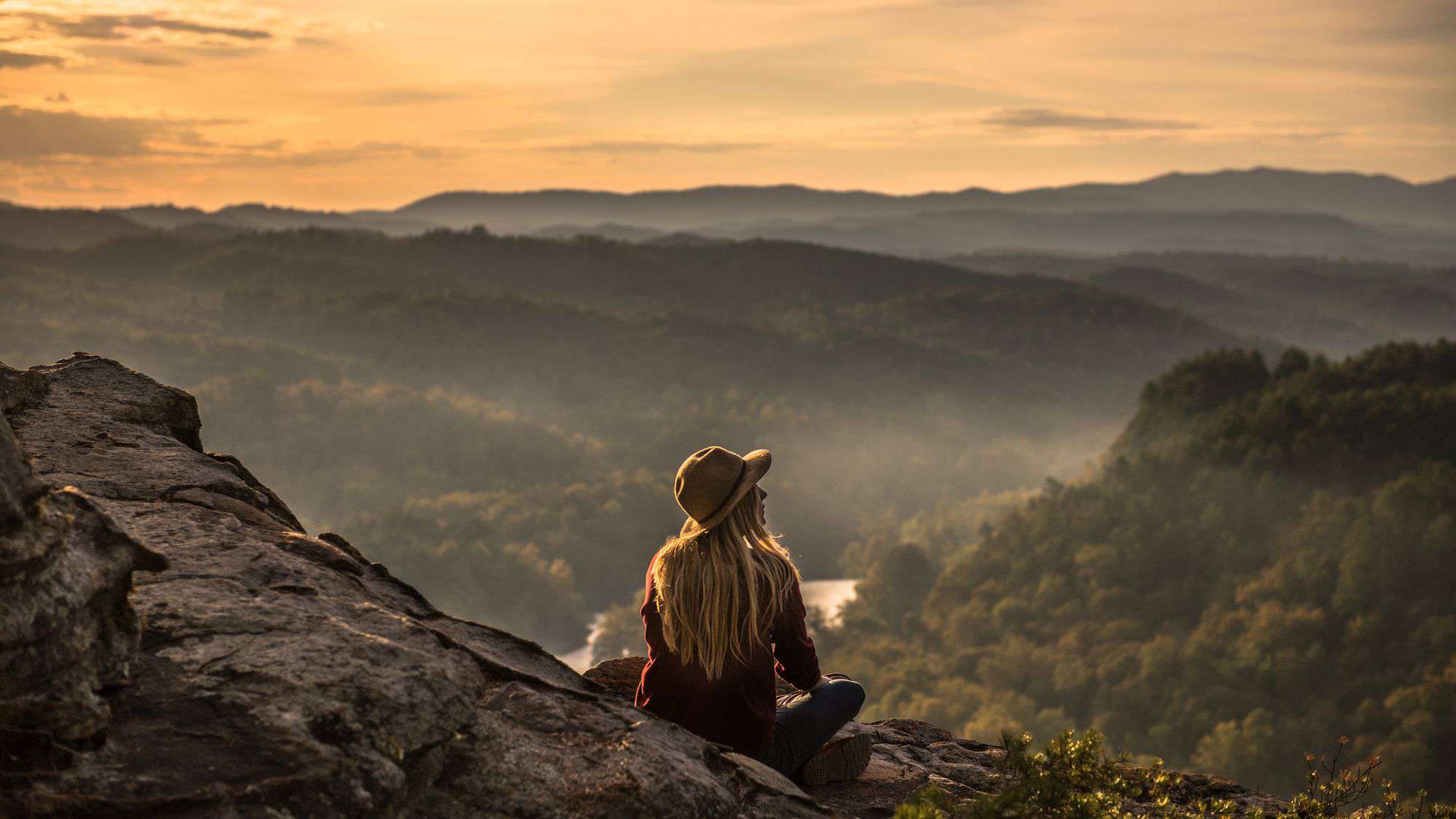
Writers, artists, and thinkers have sought refuge in nature for centuries, and for good reason. The prefrontal cortex, the part of the brain responsible for structured thinking and planning, gets a break when you are in nature.
This allows the brain’s “default mode network” to activate. This is the network associated with daydreaming, imagination, and self-reflection.
When you are not focused on a specific task or distraction, your mind is free to wander and make new connections. You might even find that the solution to a work problem or a burst of creative inspiration hits you when you are just staring at a river.
The solitude found in national parks allows for the kind of deep self-reflection that is hard to come by in a busy house. Without the constant input of other people’s opinions and social media feeds, you can hear your own thoughts more clearly.
You have the mental space to process emotions and evaluate your life from a distance. This creative and reflective time is essential for personal growth. It allows you to check in with yourself and ensure you are on a path that aligns with your values.
Provides Purpose Through Environmental Stewardship
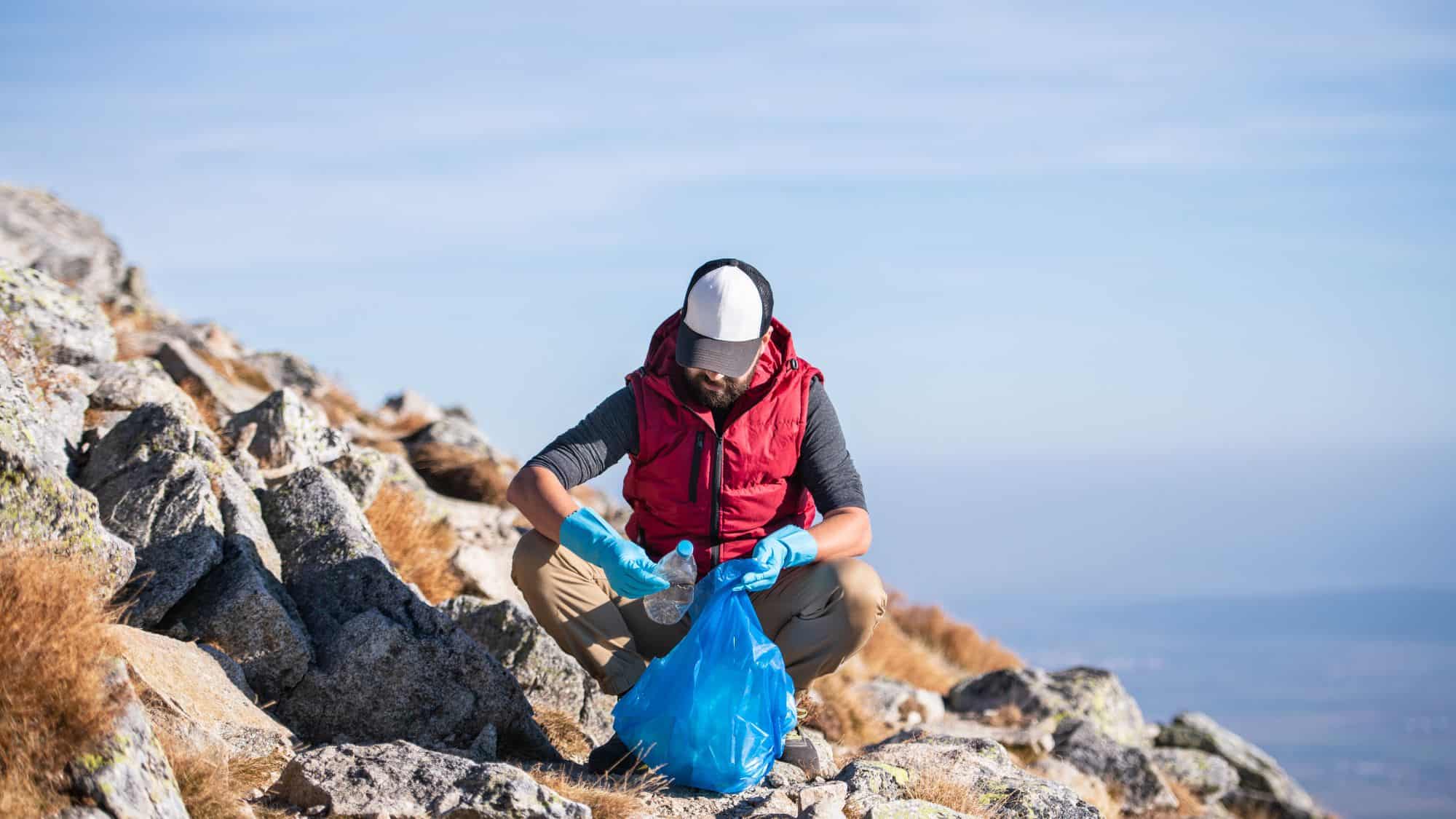
Visiting a national park often ignites a sense of responsibility. Most parks promote the principles of “Leave No Trace,” which encourages visitors to minimize their impact on the land. Practicing these principles gives you a sense of agency and purpose.
You are an active participant in preserving these places for future generations. And many visitors then take this a step further by volunteering in parks or supporting conservation efforts.
Engaging in stewardship acts, even something as simple as picking up a piece of micro-trash on a trail, creates a positive feedback loop. You feel good because you are doing good. And someone else might spot you doing it and then do it too, creating an even bigger impact.
This sense of purpose contributes to overall psychological health. Feeling like you are part of a cause greater than yourself is a key component of happiness.
Understanding the fragility of these ecosystems and your role in protecting them connects you to the community of park lovers and the land itself. It combats feelings of helplessness regarding environmental issues.
Instead of feeling overwhelmed by global climate news, you can see the tangible results of protection and care in the park around you. This empowerment is a vital health perk, transforming you from a passive tourist into an active steward of the world you enjoy exploring.
Boosts Physical Activity Through Hiking And Exploration

The most obvious benefit of a national park visit is the physical activity, but it is different from a gym workout. Hiking on uneven terrain requires you to use stabilizer muscles that you might neglect on a flat treadmill or pavement. Your core, ankles, and glutes are constantly engaging to keep you balanced on rocks, roots, and inclines.
The elevation gain found in many parks adds an intensity to the cardio workout that burns calories efficiently without feeling like a chore. You are distracted by the scenery, so you often push yourself harder and further than you would in a gym setting.
This “green exercise” has been shown to feel easier than indoor exercise of the same intensity. The distraction of the environment lowers the rate of perceived exertion. You might hike six miles to see a glacier and not realize how hard you worked until you sit down at the end of the day.
This builds cardiovascular endurance and muscle strength in a functional, dynamic way. It improves your balance and coordination, which is crucial as we age.
Plus, the variety of movement (climbing, stepping down, balancing, twisting) keeps the body agile. It is functional fitness in its purest form, strengthening your body to move through the world with confidence and ease.
Like Our Content? Follow Us on MSN (or click the Follow Button above) for more from Discover Parks & Wildlife.