Discover Parks & Wildlife contains affiliate links and is a member of the Amazon Services LLC Associates Program. If you make a purchase using one of the Amazon links, we may receive compensation at no extra cost to you. We may also use select AI tools to support our creative process, but all content is reviewed, refined, and finalized by our human team. See our disclosure policy and our AI use policy for more information.
Skip the Rental Desk: 12 U.S. National Parks That Are Amazingly Easy to Explore Car-Free
The great American road trip is a classic for a reason. There’s just something special about packing a car until it groans, subsisting on questionable gas station snacks, and arguing over the playlist.
But what if you could skip the part where you circle a parking lot for an hour, praying for a spot to open up? What if you could trade the stress of navigating unfamiliar roads and the hunt for expensive gasoline for a more relaxed, scenic alternative?
Getting to some of the country’s most stunning landscapes without a personal vehicle isn’t a fantasy. It’s an opportunity to see these protected areas from a different perspective. You can let someone else handle the driving while you focus on the views unfolding outside your window.
It means arriving refreshed and ready for adventure, rather than frazzled from traffic. And it’s a chance to connect more deeply with the destination, using public transit that locals use or park-specific shuttles designed to showcase the best features without the hassle.
It’s a simpler, often more sustainable, way to answer the call of the wild. You get all the epic scenery and none of the parking-induced rage. Let’s take a look at the easiest parks to get around without a car.
Zion National Park, Utah

Zion is one of those places that seems designed by a Hollywood set director. Its towering sandstone cliffs, painted in shades of cream, pink, and red, are so dramatic they almost look fake.
Getting around this Utah masterpiece doesn’t require a personal chariot. In fact, for most of the year, you can’t even drive your own car on the Zion Canyon Scenic Drive. The park operates a mandatory (and free) shuttle system from March to November (which is basically a guided tour without the awkward small talk).
The shuttle is your golden ticket, making stops at all the major trailheads, from the easy riverside walks to the more strenuous ascents. You can hop on and off as you please, which means you can tackle the Emerald Pools in the morning and then head up to the start of The Narrows after lunch without ever touching a car key.
The nearby town of Springdale also has its own shuttle service that conveniently connects hotels and restaurants directly to the park’s pedestrian entrance. And this system is so efficient, it makes you wonder why you’d want to drive in the first place.
You can leave the car behind and focus on more important things, like trying to get the perfect photo without falling into the Virgin River.
Grand Canyon National Park, Arizona – South Rim
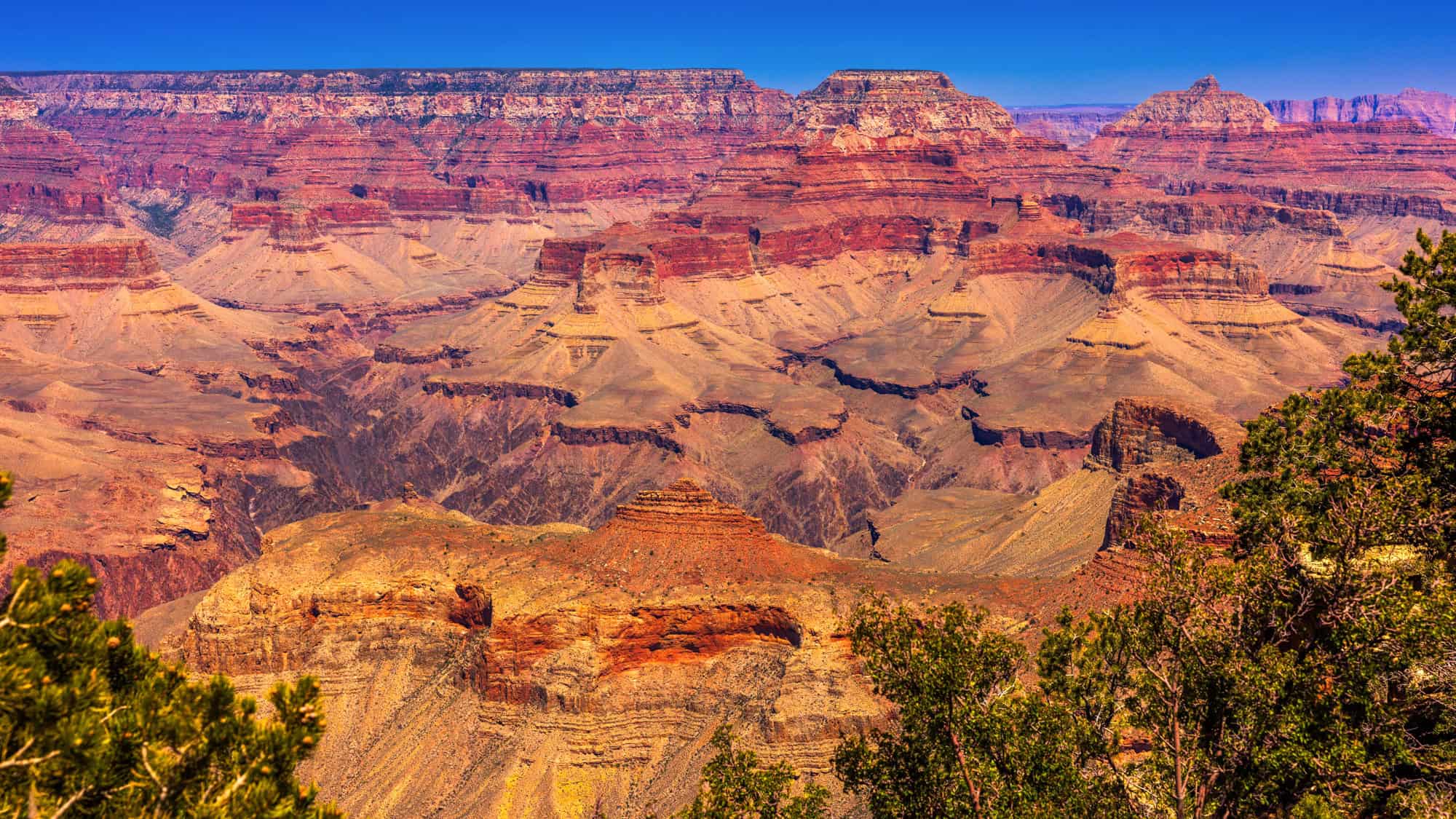
Staring into the Grand Canyon for the first time is a humbling experience. Its sheer scale is almost impossible to process. After all, it’s a mile-deep chasm carved by the Colorado River over millions of years.
But you don’t need a car to get your mind blown. The park’s South Rim is incredibly well-equipped for car-free visitors. Free shuttle buses run year-round, operating on several different routes that connect visitor centers, lodges, viewpoints, and trailheads.
The Village Route (Blue Route) services lodges, shops, and the visitor center, while the Kaibab Rim Route (Orange Route) takes you to spectacular east-end viewpoints like Mather Point and Yaki Point. In the summer, the Hermit Road Route (Red Route) provides access to nine scenic overlooks along a road that is closed to private vehicles.
You can hop off at one point, walk a portion of the flat, paved Rim Trail, and then catch the next bus. It’s a choose-your-own-adventure game where every option leads to a ridiculously good view.
There’s even a train, the Grand Canyon Railway, that runs from the town of Williams directly to the South Rim. It’s a bit of Old West fun, complete with staged train robberies, but a whole lot more comfortable than a real one.
Yosemite National Park, California
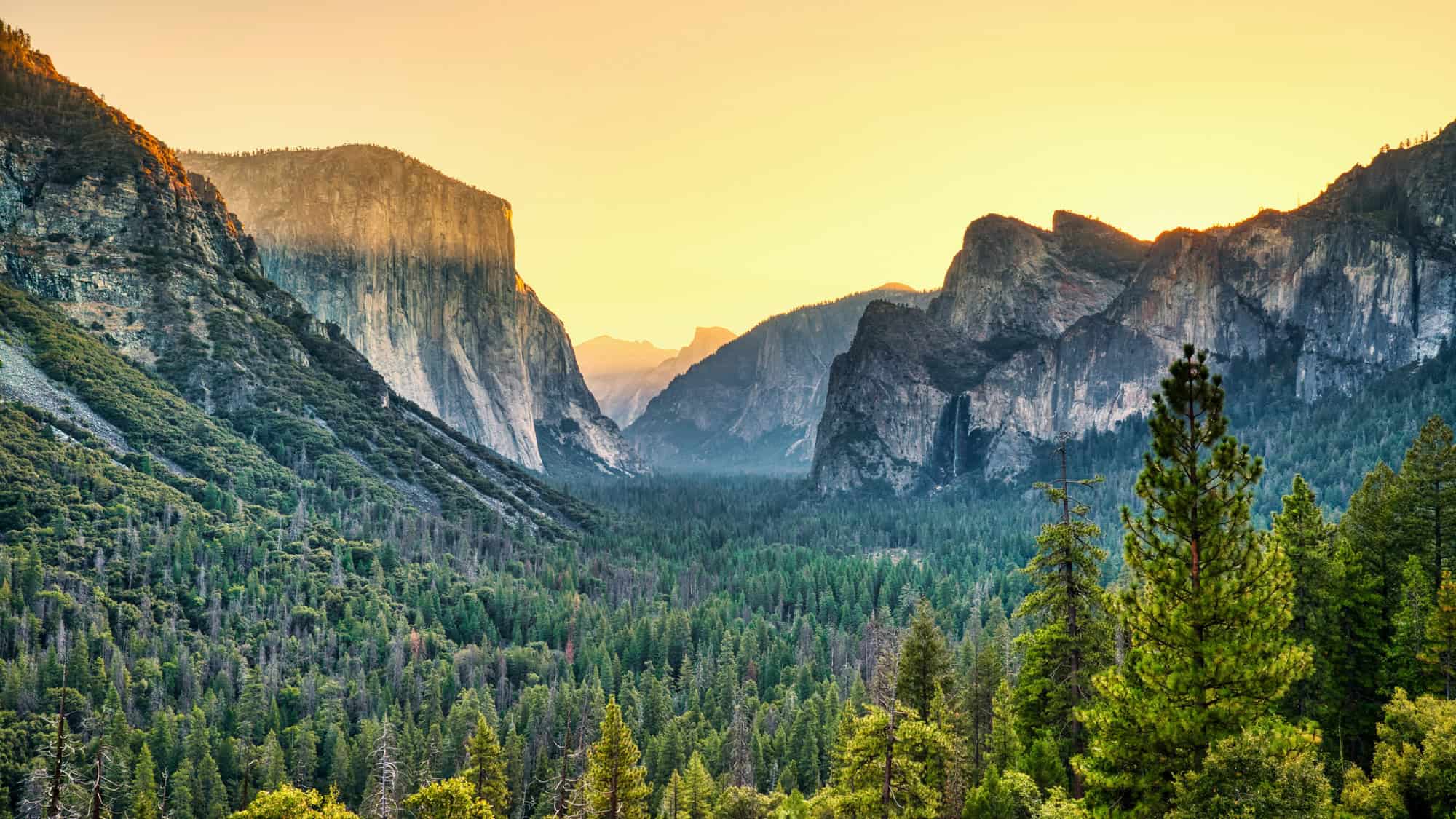
Yosemite isn’t just a park; it’s an icon. From the granite monoliths of El Capitan and Half Dome to the thundering waterfalls of Yosemite Valley, it’s a place of overwhelming beauty. It’s also overwhelmingly popular, which can make driving and parking a competitive sport.
Luckily, Yosemite is one of the most transit-friendly parks in the NPS. The free Yosemite Valley shuttle operates year-round, stopping at lodges, campgrounds, visitor centers, and major trailheads. It’s the perfect way to get to the start of the Mist Trail or the Mirror Lake Loop without circling for a parking spot for half an hour.
For exploring the high country, the Tuolumne Meadows shuttle runs in the summer along Tioga Road, offering access to alpine meadows and epic hikes.
There are even daily buses that run from cities in the San Joaquin Valley, like Merced and Fresno, directly into Yosemite Valley via the Yosemite Area Regional Transportation System (YARTS). You can connect to YARTS from Amtrak trains, making it entirely possible to travel from major California cities to the heart of the Sierra Nevada without a car.
Rocky Mountain National Park, Colorado
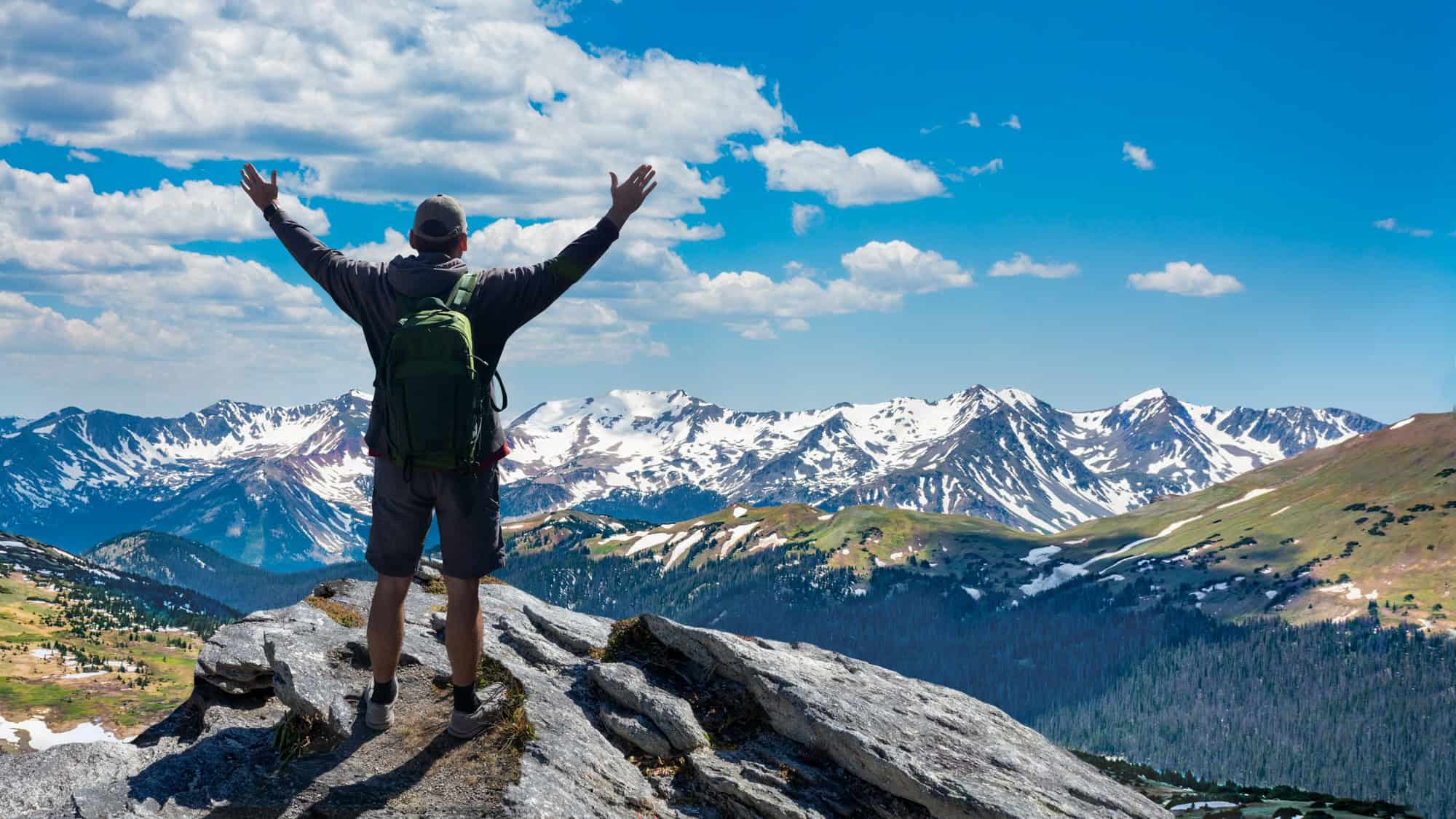
Rocky Mountain National Park serves up towering peaks and alpine tundra with a side of elk traffic jams.
This Colorado park is a high-altitude playground, with elevations ranging from 8,000 to over 14,000 feet. And navigating its popular roads, especially Trail Ridge Road, the highest continuous paved road in North America, can be an adventure in itself. But you can outsource the driving.
The park’s Hiker Shuttle whisks you from Estes Park Visitor Center to the Park & Ride transit hub, where you can transfer to two other shuttle routes. The Bear Lake Route and the Moraine Park Route service some of the most popular trailheads for hikes to stunning alpine lakes and waterfalls.
Using the shuttle means you can avoid the headache of trying to find a parking spot at Bear Lake, which often fills up before sunrise (seriously, people are very dedicated to their sunrises here).
The town of Estes Park also offers its own free shuttle service in the summer, connecting local lodging and downtown areas to the park’s visitor center.
This seamless network allows you to leave your car parked for your entire stay, saving you from the stress of mountain driving and letting you focus on spotting pikas, the world’s cutest and squeakiest alpine residents.
Acadia National Park, Maine
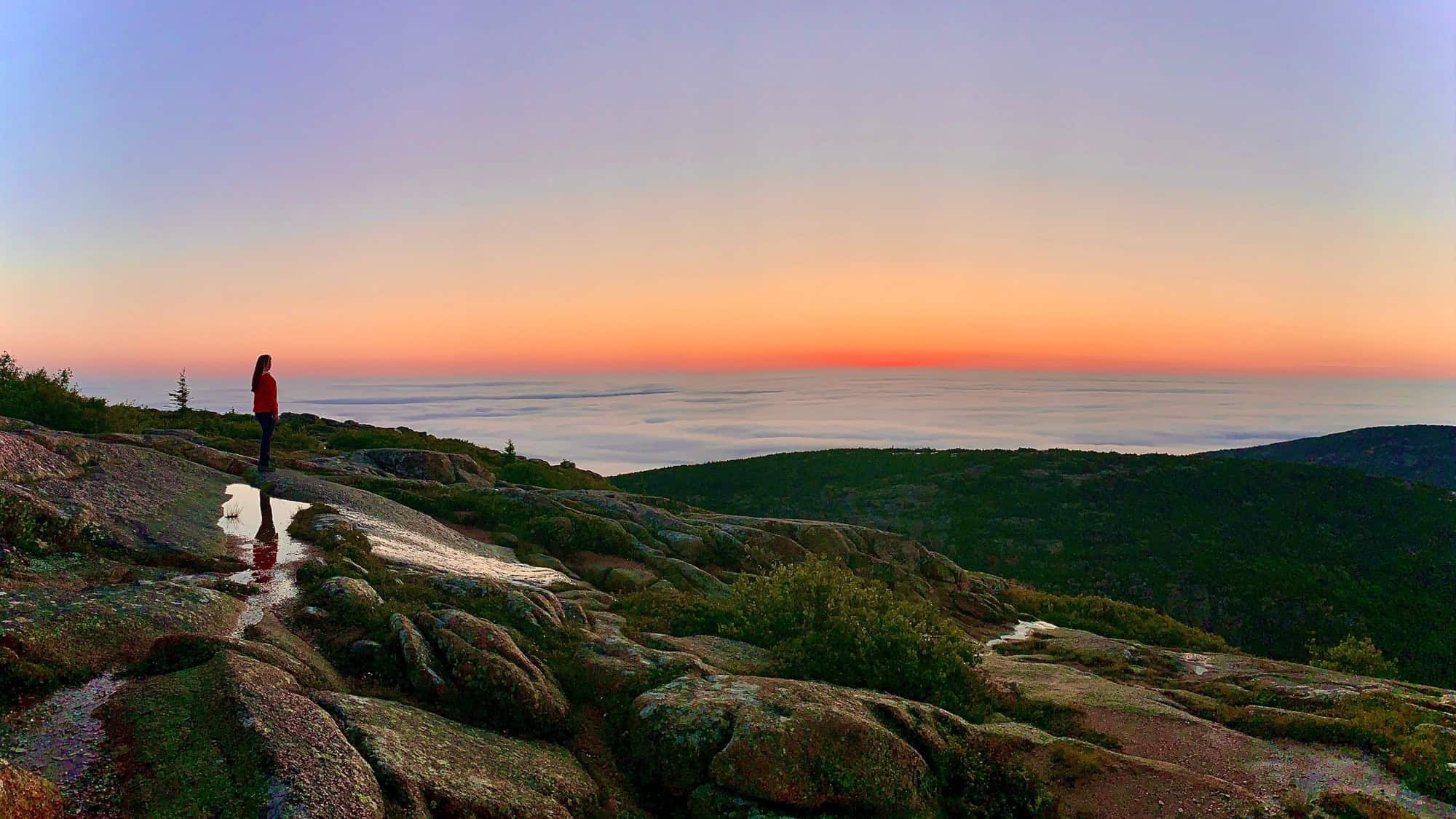
Acadia National Park is where the mountains meet the sea in a dramatic display of New England charm. Located on Maine’s Mount Desert Island, it offers granite peaks, rocky coastlines, and historic carriage roads.
While you could drive the scenic Park Loop Road, you’d be missing out on a much better way to explore. Instead, consider taking the Island Explorer. It’s a free, propane-powered shuttle bus system that connects just about everywhere you’d want to go, both inside the park and in the surrounding communities like Bar Harbor.
The buses have racks for bicycles, making it easy to combine a bus ride with a pedal-powered adventure on the park’s 45 miles of carriage roads. These crushed-stone paths, financed by John D. Rockefeller Jr., are a car-free paradise, winding through forests and offering stunning views without the sound of engines.
You can also take a bus to Jordan Pond House for their famous popovers and tea, then walk it off on a nearby trail before catching another bus back. It’s so convenient it feels like you have a personal chauffeur (only this one is free and doesn’t judge you for eating three popovers).
The buses make exploring Acadia’s diverse landscapes a breeze, proving you don’t need a car to experience one of the nation’s most beloved coastal parks.
Bryce Canyon National Park, Utah
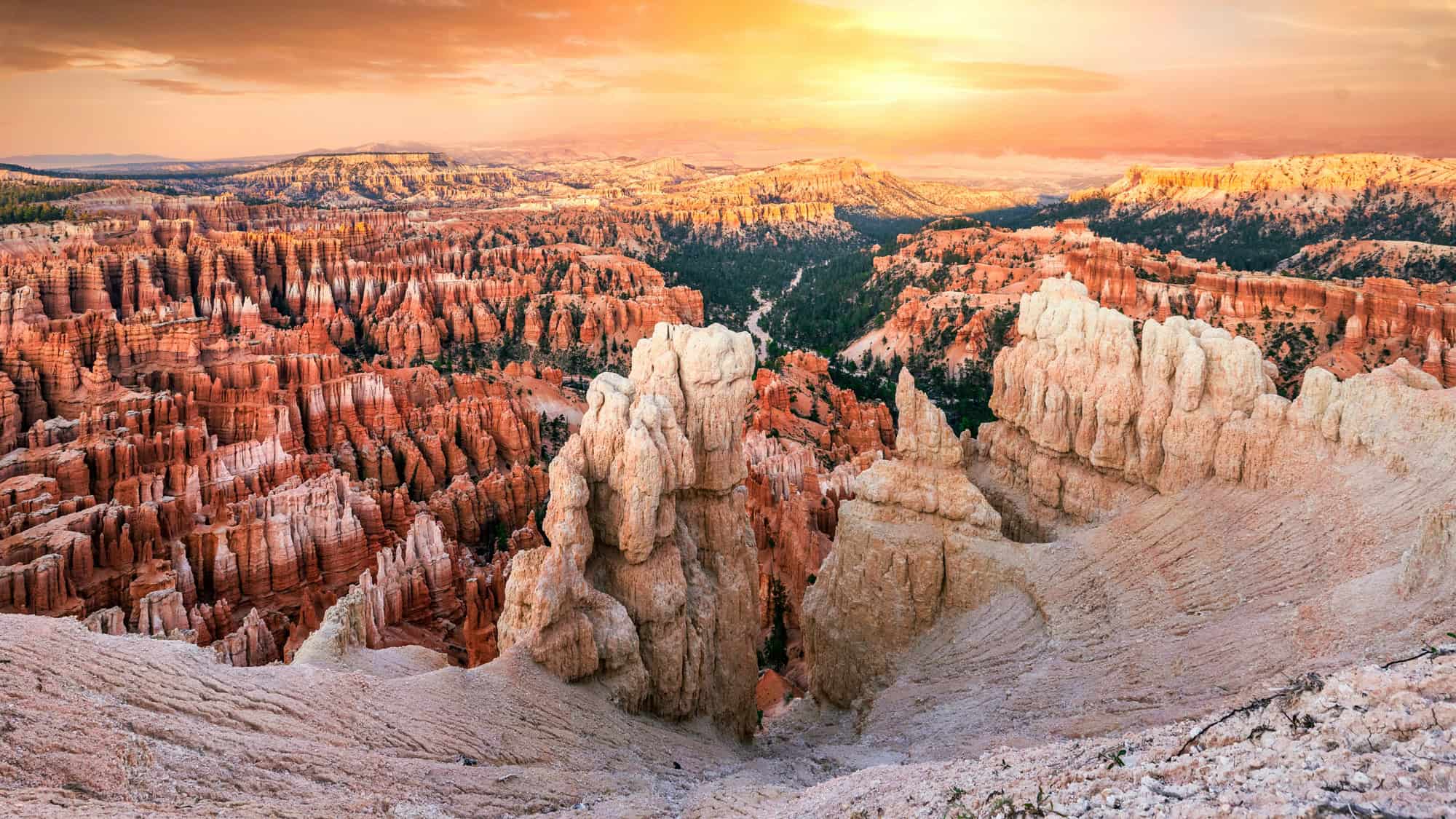
Bryce Canyon is famous for its hoodoos, those bizarre and beautiful rock spires that fill its natural amphitheaters. They look like a forest of stone sentinels (or perhaps a massive, forgotten chess set for giants).
Seeing them is a must, but driving to every viewpoint is not. The park offers a mandatory shuttle service during the busiest months (typically April through October) for the Bryce Amphitheater area, where the most concentrated collection of hoodoos is located.
Private vehicles are restricted, so the shuttle is your ride. It runs every 15 minutes, stopping at major overlooks like Bryce Point, Inspiration Point, and Sunset Point. This allows you to walk a section of the Rim Trail between viewpoints and then hop back on the bus when your legs need a break.
The drivers often provide commentary, pointing out interesting formations and sharing facts about the park’s geology. For instance, Bryce Canyon isn’t technically a canyon at all, but a series of natural amphitheaters eroded into the Paunsaugunt Plateau.
The shuttle service also extends into the nearby town of Bryce Canyon City, connecting hotels and businesses to the park. It’s a brilliantly simple approach that lets you focus on the strange landscape instead of the traffic.
Denali National Park, Alaska
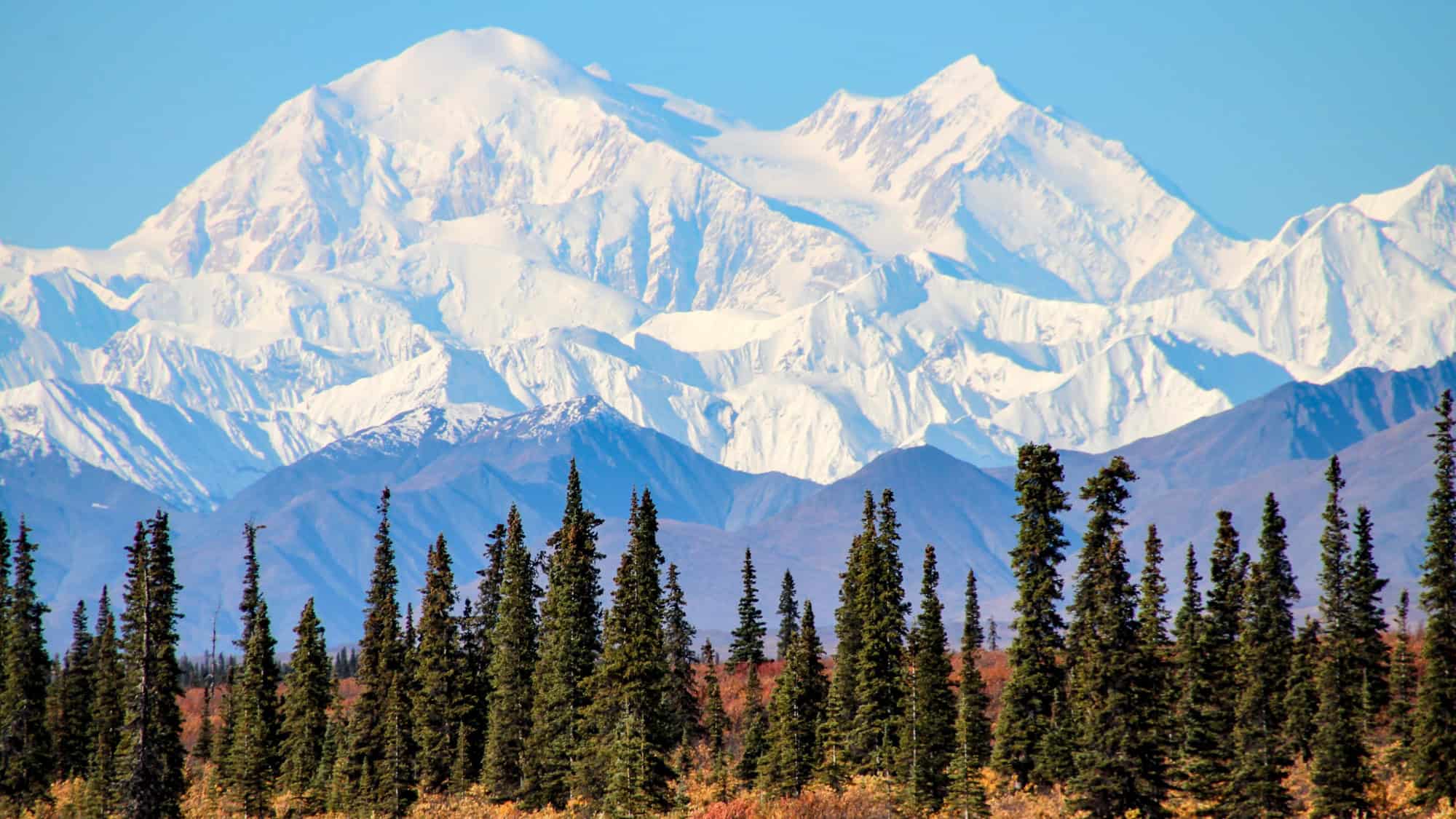
Denali is in a league of its own. Home to North America’s tallest peak, this six-million-acre wilderness is about as wild as it gets. And the park intends to keep it that way, which is why private vehicle access is extremely limited.
The 92-mile Denali Park Road is the only road into the park, and for almost its entire length, it’s open only to buses. This isn’t a suggestion, it’s the rule.
Your choices are the narrated Tundra Wilderness Tour or the non-narrated transit buses, which function more like a hop-on, hop-off service for hikers and campers. These buses are your ticket to the backcountry and your best chance to see the park’s famous residents: grizzly bears, moose, caribou, and Dall sheep.
Think of it as a safari, but with more mountains and fewer lions. And the bus drivers are experts at spotting wildlife and will stop for any sighting, giving you plenty of time to fumble with your camera (unless you get our driver who scared away the one moose we saw along the route).
The Alaska Railroad also provides service directly to the park entrance, connecting from Anchorage and Fairbanks. Arriving by train feels fitting for a place this grand, offering a slow, scenic buildup to the main event.
All in all, it’s an adventure where the transportation is part of the experience, not just a way to get from A to B.
Glacier National Park, Montana
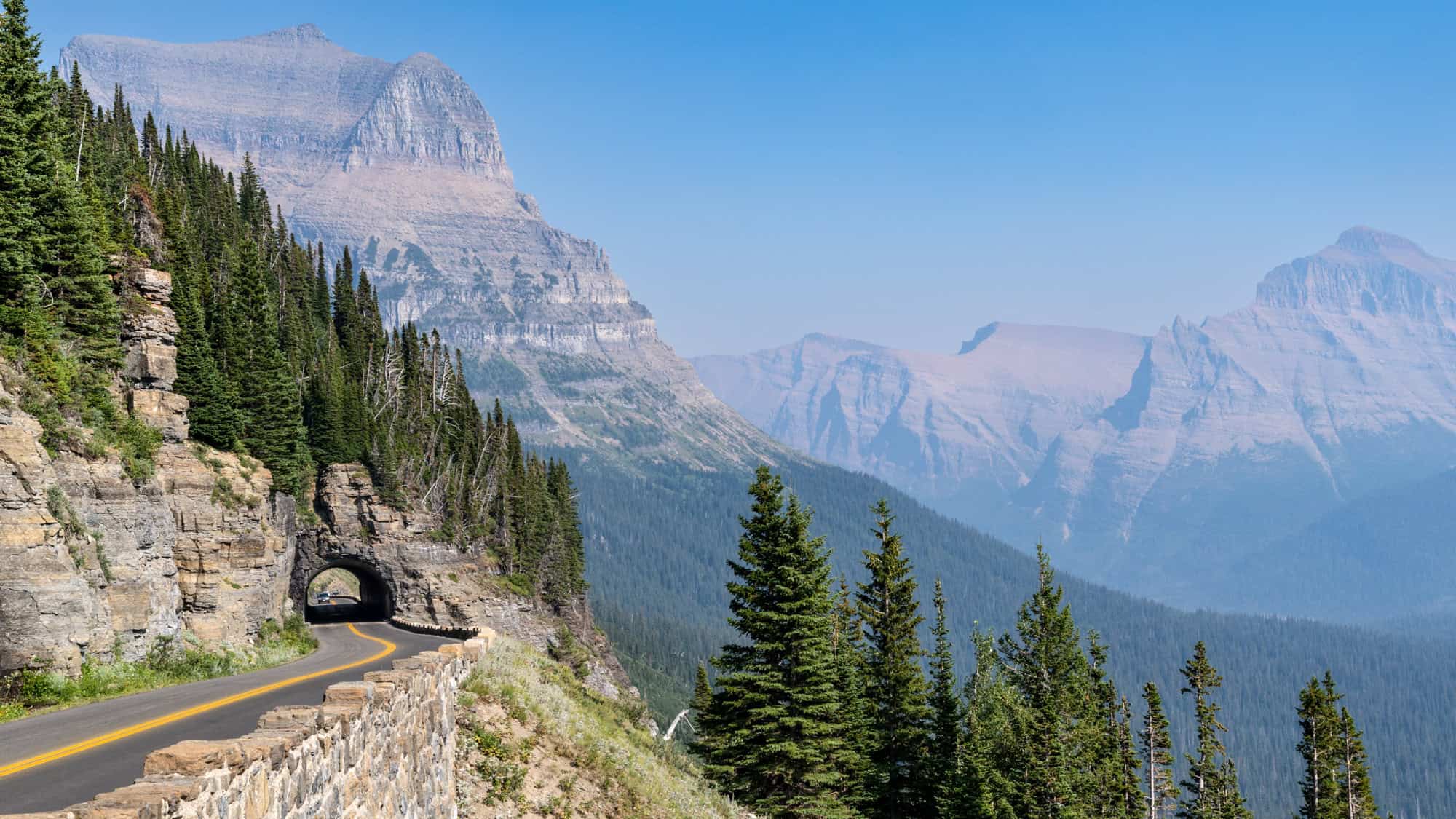
Glacier National Park is the kind of place that makes you feel incredibly small in the best way possible. With its jagged peaks, ancient glaciers, and valleys carved by ice, it’s a stunning showcase of raw, untamed nature.
The famous Going-to-the-Sun Road is a 50-mile engineering marvel that winds through the park’s heart, but you don’t need to grip your steering wheel in terror to see it. The park’s shuttle system runs along this iconic road, allowing you to stare out the window at the jaw-dropping scenery instead of worrying about driving off a cliff.
The shuttles are first-come, first-served, and connect the Apgar Visitor Center on the west side with the St. Mary Visitor Center on the east.
For an even more vintage experience, you can book a tour on one of the historic Red Buses. These restored 1930s vehicles have roll-back tops, offering unobstructed views and a dose of nostalgia. It’s like a convertible, but for a bus (and with way better scenery than your daily commute).
Plus, Amtrak’s Empire Builder line stops at both West Glacier and East Glacier, making it one of the most train-accessible national parks in the country. You can literally step off a train and be on the doorstep of adventure.
Kenai Fjords National Park, Alaska
Kenai Fjords National Park is where the ice age still lingers. This stunning park is defined by the massive Harding Icefield, from which nearly 40 glaciers flow down to the sea, carving deep fjords along the coast.
The only part of the park accessible by road is the Exit Glacier area. And while you can drive there, you don’t have to.
Several shuttle companies in the nearby town of Seward offer van service to the Exit Glacier Nature Center. From there, a network of trails leads you to viewpoints of the glacier itself, allowing you to get impressively close to the ancient ice.
However, to truly experience the heart of Kenai Fjords, you have to get on the water. The park is primarily a marine environment, and the best way to see it is by boat. Numerous tour operators in Seward offer day cruises that take you deep into the park’s fjords.
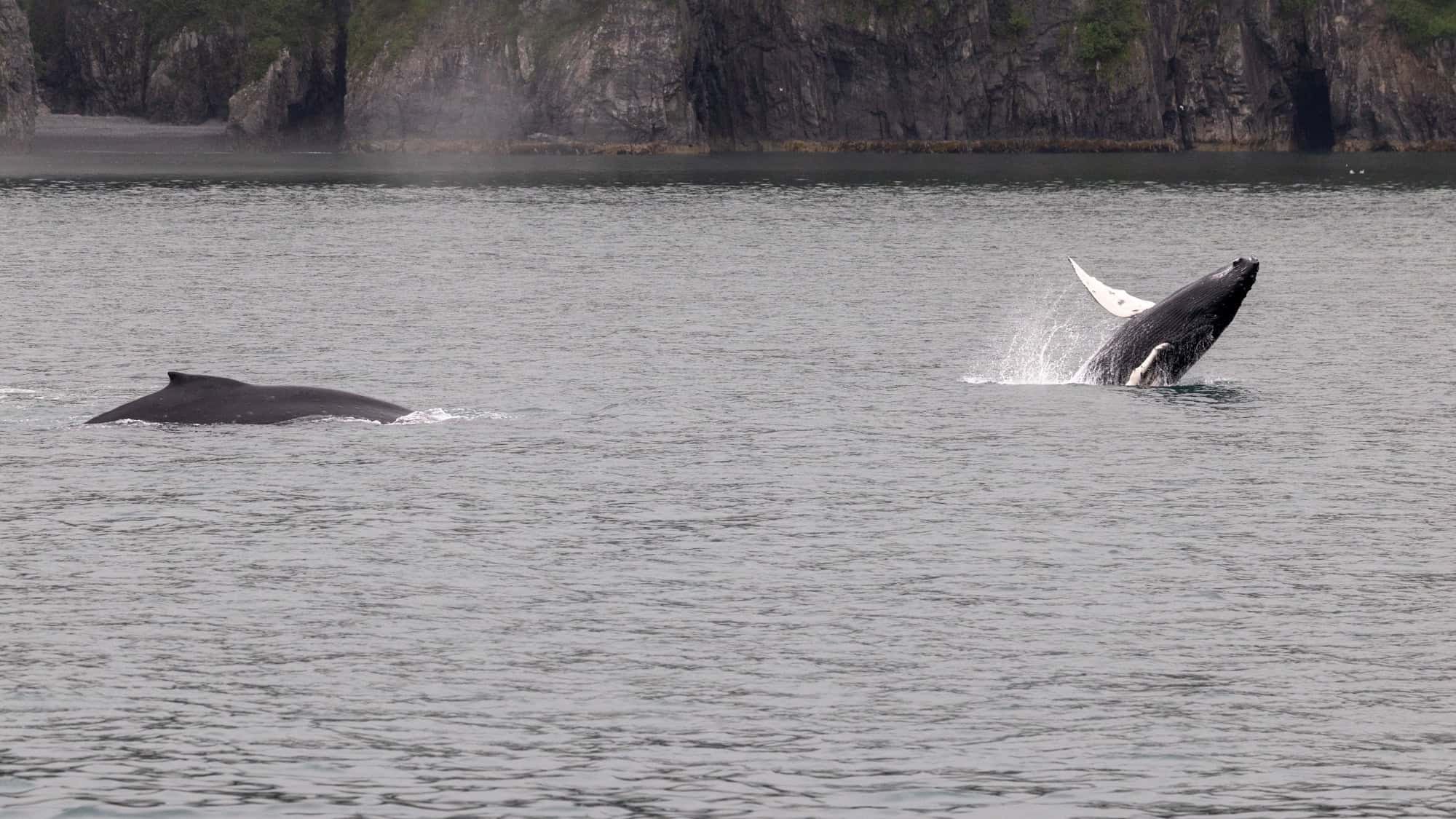
These tours provide front-row seats to calving glaciers, where massive chunks of ice crash into the ocean with a thunderous roar. They are also your best bet for spotting wildlife like sea otters, puffins, sea lions, and even whales.
Cuyahoga Valley National Park, Ohio

Situated between Cleveland and Akron, Cuyahoga Valley National Park might not have the dramatic peaks of its western counterparts, but it offers a lush, green refuge rich in history and nature.
The Cuyahoga River winds through its forested hills, and the historic Ohio & Erie Canal Towpath Trail provides a flat, easy path for walking and biking. But the park’s most unique transportation feature has to be the Cuyahoga Valley Scenic Railroad.
This isn’t just a shuttle; it’s a vintage train that travels the length of the park. You can use it as a taxi service with the Explorer program. For a small fee, you can flag the train down at one of its boarding stations and ride it one way.
This is perfect for cyclists and hikers who want to travel the Towpath Trail in one direction without having to backtrack. You can bike 10 miles south, then catch the train for a relaxing ride back to your starting point.
The train offers a different perspective on the landscape, rolling past marshes, forests, and small towns. And it’s a wonderfully civilized way to explore a park that feels a world away from the nearby urban centers.
Dry Tortugas National Park, Florida

Getting to Dry Tortugas National Park is an adventure in itself, mainly because it’s almost entirely water. Located 70 miles west of Key West, this remote park is a cluster of seven small islands and a whole lot of coral reef.
There are no roads to get here, so your rental car is officially useless. The only ways to reach it are by a high-speed catamaran ferry or by seaplane.
The ferry is a comfortable, 2.5-hour ride that includes breakfast and lunch, making the travel time part of the fun. The seaplane offers a much quicker trip and provides breathtaking aerial views of the turquoise waters, shipwrecks, and marine life below.
Once you arrive, the centerpiece of the park is the magnificent Fort Jefferson, a massive 19th-century coastal fortress that takes up most of Garden Key. You can spend hours exploring its brick archways and learning about its history as a Civil War prison.
The park is also a paradise for snorkelers, with crystal-clear water and vibrant coral reefs just steps from the beach.
It’s a truly unique national park experience where the journey is as memorable as the destination, and the complete lack of cars is a huge part of its charm (let’s face it, you can’t get road rage if there are no roads).
Sequoia National Park, California
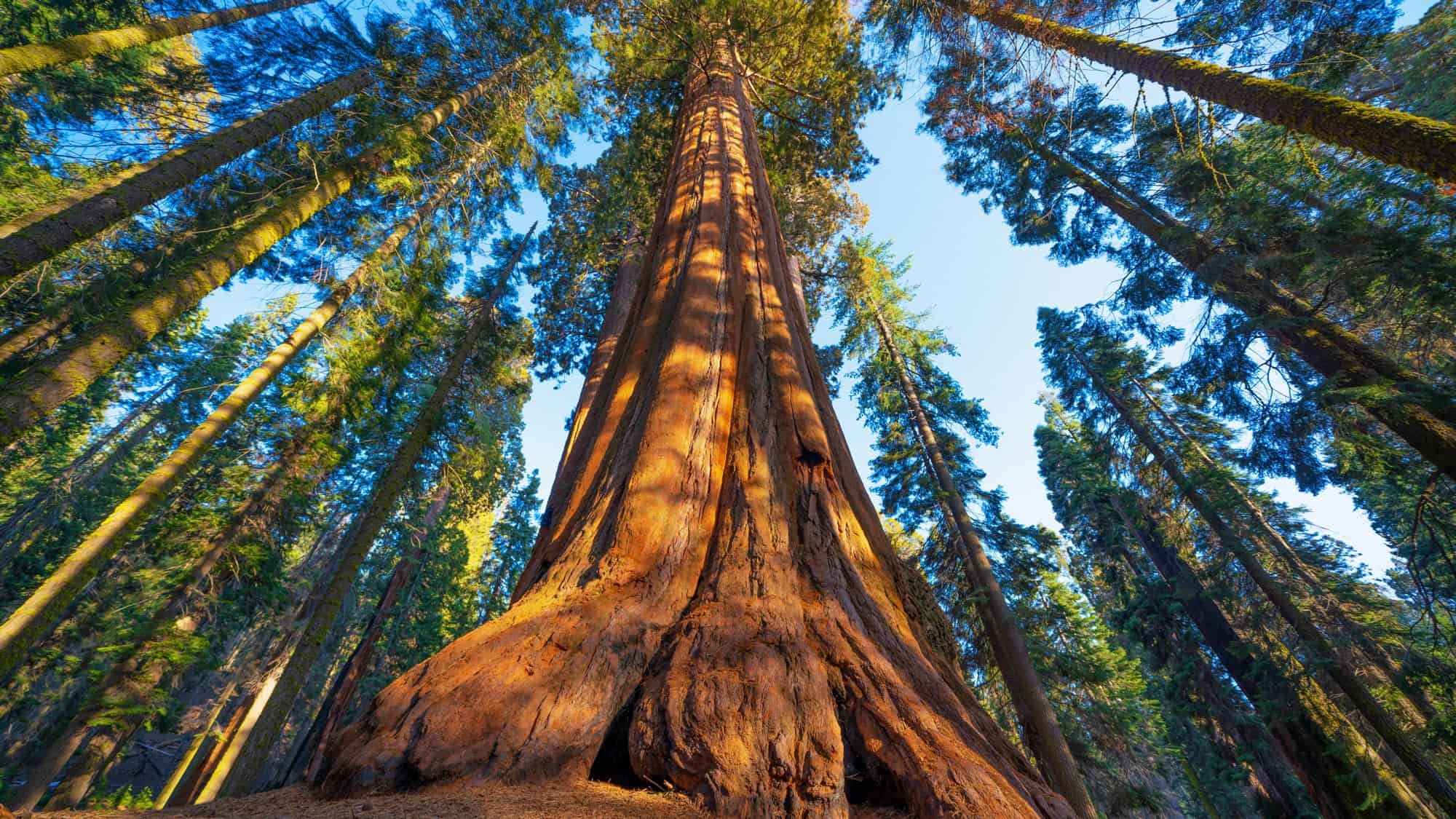
Sequoia National Park is where you go to feel like a hobbit. Standing in the Giant Forest among trees that were saplings when the Roman Empire was at its peak is a profoundly humbling experience. These are the largest trees on Earth, by volume, and they create a world that feels prehistoric and magical.
You might think a place this monumental would be hard to navigate, but you can leave your car behind. During the peak season, from late May to early September, the park runs a free shuttle system that is your key to the land of giants.
The Sequoia Shuttle operates within the park, connecting Lodgpole Campground, the Giant Forest Museum, and the main attraction, the General Sherman Tree. Yes, the world’s largest living tree has its own bus stop, which feels appropriate.
This service saves you from the often-impossible task of finding parking in the most popular areas. You can just ride the shuttle, hop off to crane your neck at the massive trunks, and then catch the next one to another grove.
It’s a simple, stress-free way to visit these titans of the forest without contributing to the congestion, allowing you to focus on the important things (like wondering how many houses you could build from just one branch).
Like Our Content? Follow Us on MSN (or click the Follow Button above) for more from Discover Parks & Wildlife.