Discover Parks & Wildlife contains affiliate links and is a member of the Amazon Services LLC Associates Program. If you make a purchase using one of the Amazon links, we may receive compensation at no extra cost to you. We may also use select AI tools to support our creative process, but all content is reviewed, refined, and finalized by our human team. See our disclosure policy and our AI use policy for more information.
15 National Parks That Belong on Your Travel Radar for Next Year
From coast to coast, America’s national parks promise landscapes that stay with you long after you’ve left them. Each one holds its own rhythm, like steam rising from geysers, red cliffs glowing at sunset, or forests breathing under early morning mist.
These are places where time slows down, where every turn in the trail opens another view that reminds you just how wide and beautiful this country can be. And the year ahead offers the perfect reason to plan a visit.
Each park invites you to see a different side of nature’s scale, and each season reshapes the experience. Some are best in the hush of winter, others in the bloom of spring or the long light of summer. But what connects them all is the sense of awe that lingers after you step outside the car or campsite and simply look around.
Here are a few of the most unforgettable national parks worth adding to your travel list for the upcoming year.
Yellowstone National Park, Wyoming
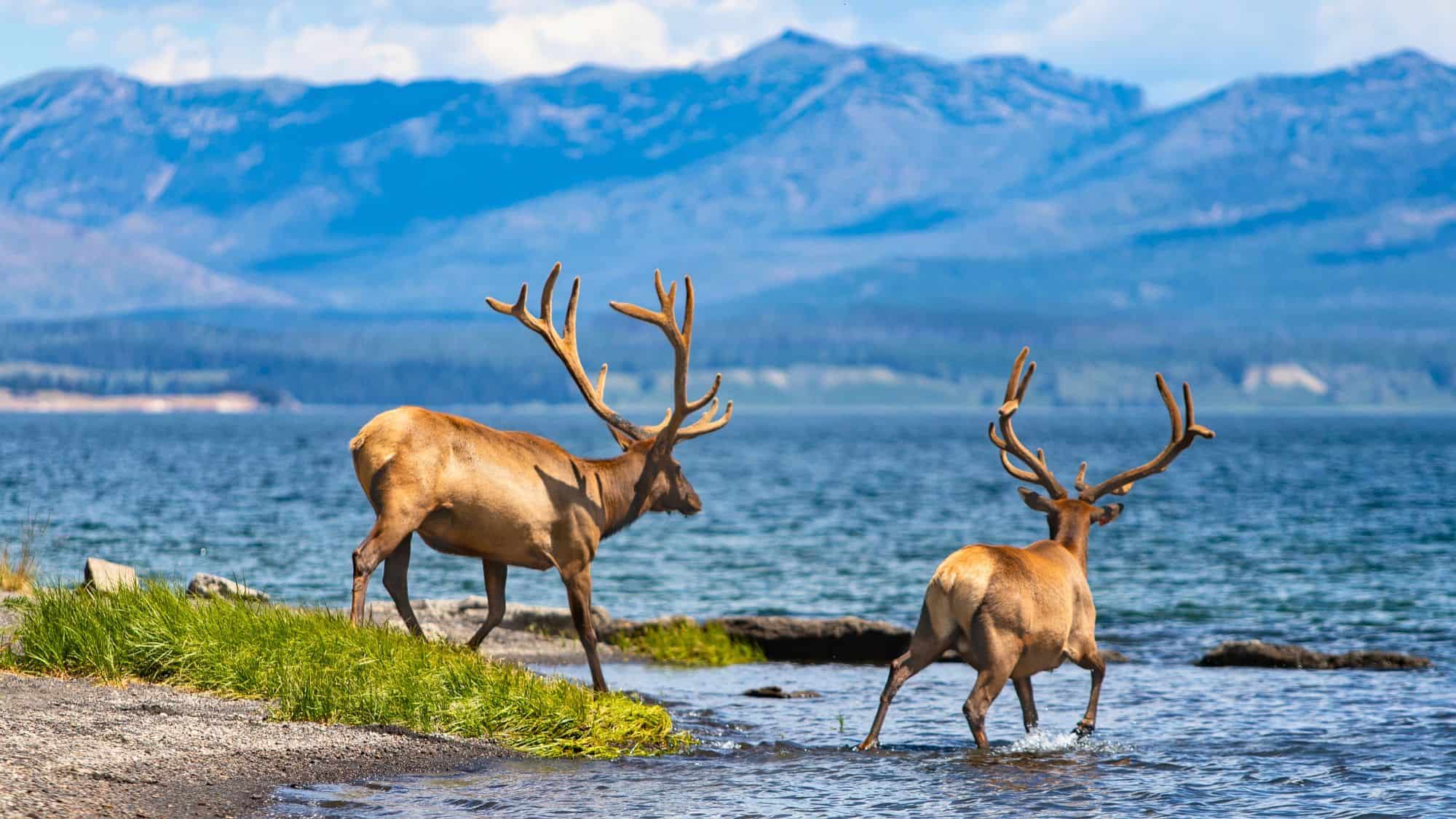
Yellowstone stretches across more than two million acres, blending volcanic drama with quiet plains where bison graze and elk move through early morning fog. The Grand Prismatic Spring glows with surreal color, and Old Faithful still erupts with remarkable precision.
Yet beyond those icons lie hidden corners: Yellowstone Lake’s glassy expanse, Lamar Valley’s roaming wolves, and the pastel terraces of Mammoth Hot Springs. Summer brings blooming meadows and long daylight hours, while fall paints the park gold before snow seals it in silence. In winter, steam mingles with frost, and guided snowcoach rides reveal landscapes few ever see.
Standing on the edge of the Grand Canyon of Yellowstone, you feel the power that carved it, a reminder that the earth is always moving beneath your feet, still shaping itself with time and fire.
Grand Canyon National Park, Arizona
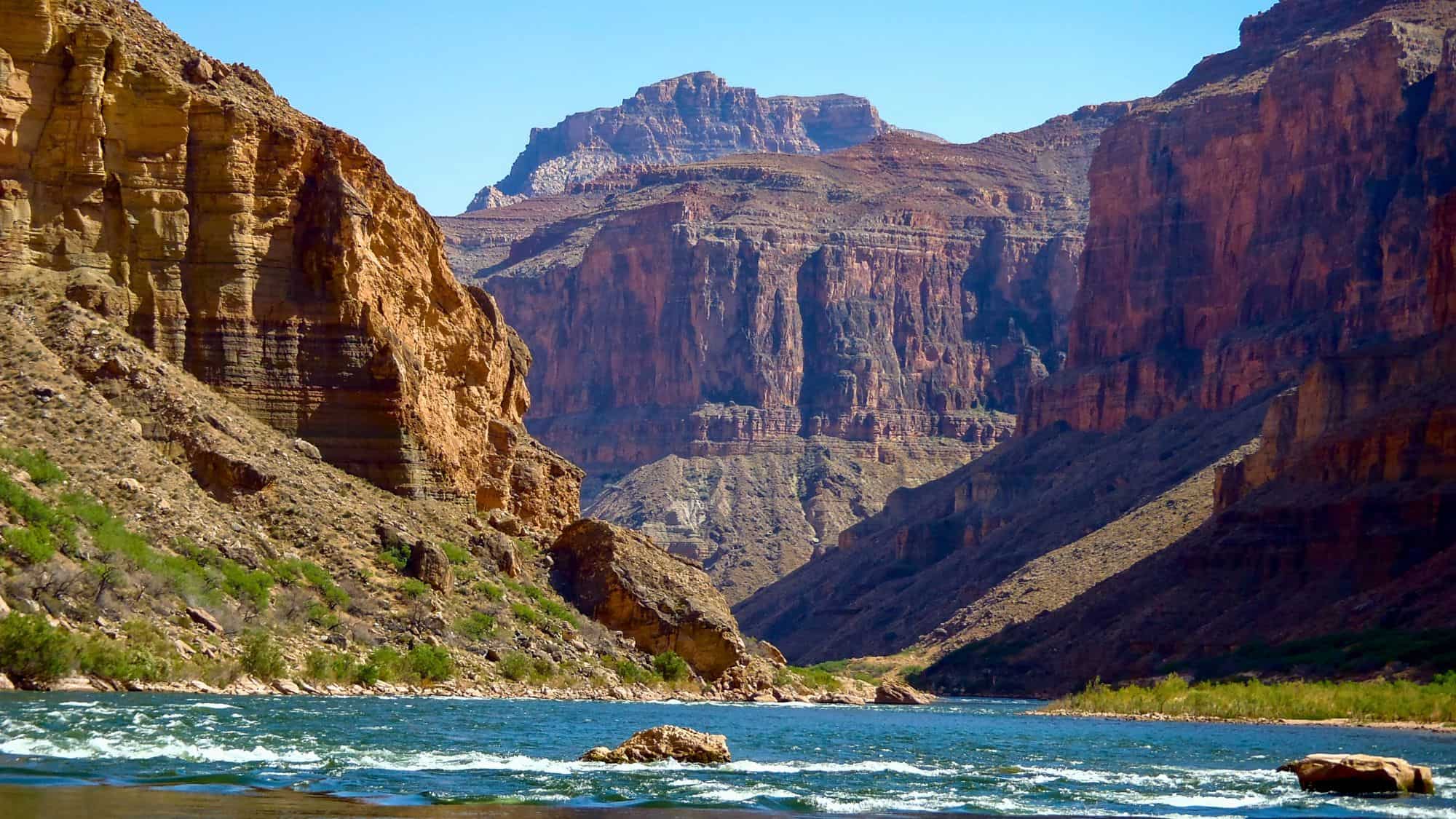
The Grand Canyon defies every attempt to capture its magnitude. From the rim, the land seems to fall away into color and distance, a cathedral of stone carved by the Colorado River over millions of years.
The South Rim draws most travelers with overlooks like Mather and Yavapai Points, where sunrise and sunset spectacularly color the canyon walls in shifting light. Yet quieter trails, such as the Rim Trail, let you move in and out of solitude with each curve.
Far below, the river glints like a thread of silver. Those descending even a short way down Bright Angel Trail gain new respect for its scale, where temperature and terrain change with every mile. And at dusk, the cliffs glow crimson, fading to violet as night gathers.
The North Rim, open only part of the year, feels wilder, with its viewpoints framed by ponderosa pines and cooler air.
Yosemite National Park, California
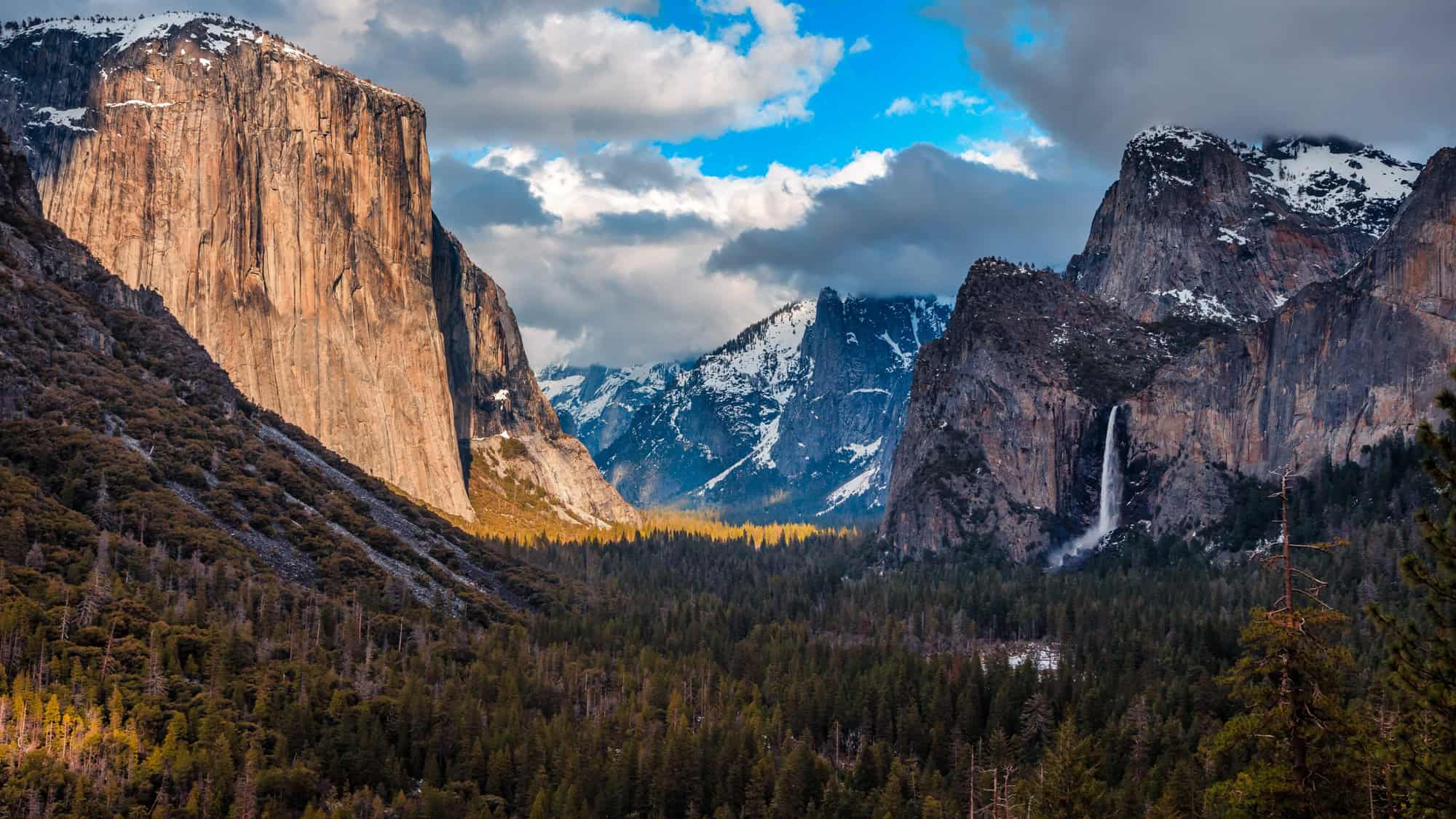
Granite walls tower over meadows where deer graze beside the Merced River. But Yosemite’s real power lies in its contrast: massive cliffs and delicate waterfalls, ancient trees and still pools reflecting the sky.
El Capitan and Half Dome anchor the valley, catching light that changes hour by hour. In spring, snowmelt transforms Yosemite Falls into a roaring spectacle; by summer, the high-country trails near Tuolumne Meadows open to wildflowers and cool alpine air.
Fall quiets the crowds, and reflections of gold leaves drift in the river’s surface. And winter brings a hush, the valley floor softened by snow and the scent of wood smoke lingering in the cold. Each season reveals a new face of the park, but its spirit stays the same. It’s always grounded, enduring, and immense.
You can stand beneath the giant sequoias of Mariposa Grove and feel centuries gathered in the bark, or sit in evening silence as granite peaks fade to blue. Yosemite humbles, not with grandeur alone, but with its calm reminder of permanence.
Zion National Park, Utah
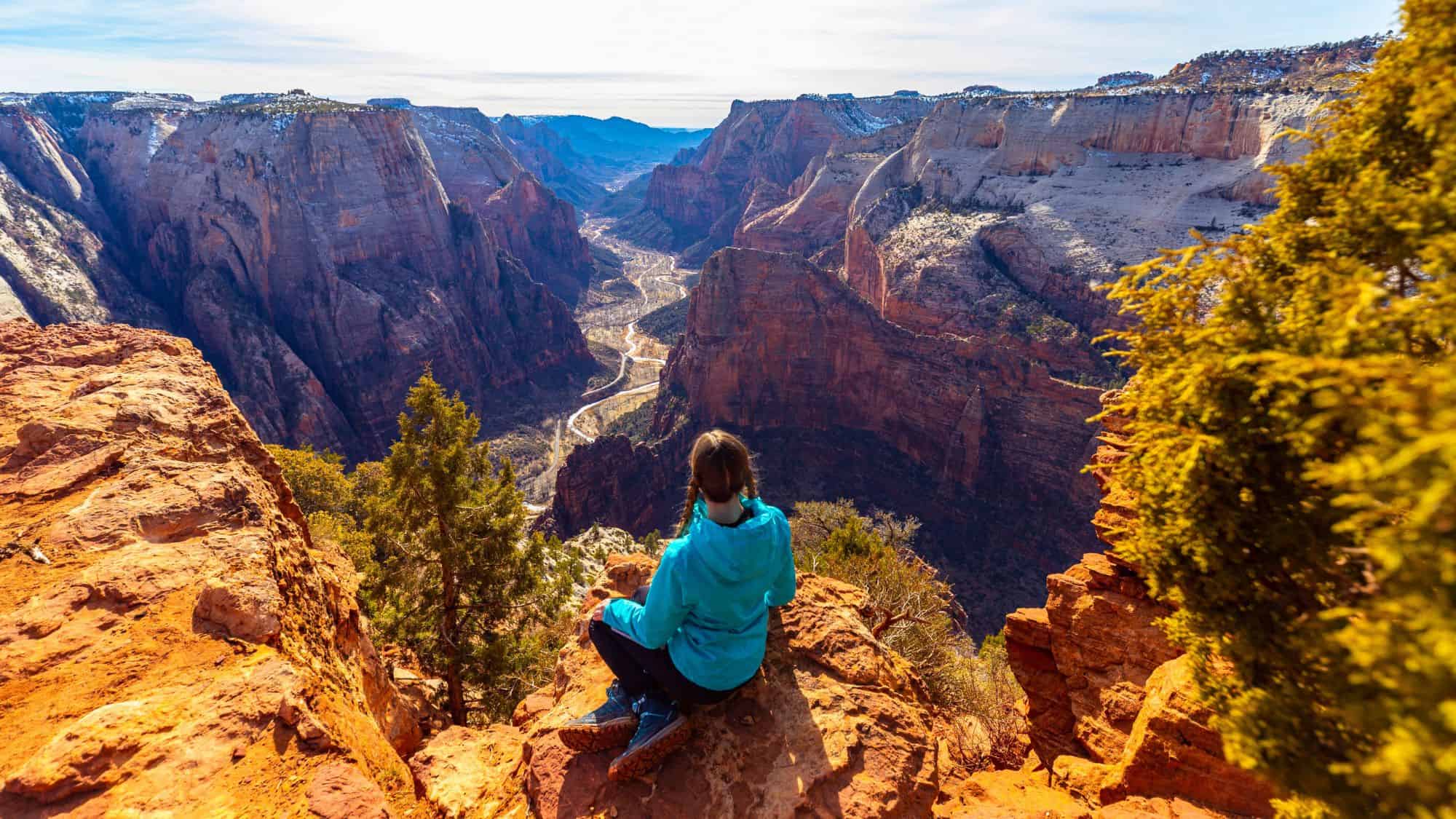
Zion’s canyon walls rise thousands of feet above the Virgin River, glowing gold and crimson as the day turns. Trails wind through this natural cathedral, some carved into the cliffside, others tracing the river below.
Angels Landing offers one of the park’s most thrilling views, reached by a narrow ridge that tests both nerve and stamina. And down in the Narrows, the water itself becomes your path, flowing between sculpted sandstone walls so close you can touch both sides at once.
Spring floods breathe life into the canyon, and autumn cools the desert air, turning cottonwoods bright yellow. Shuttle buses keep the valley quiet, letting you step off and listen to the wind moving through the stone. At night, stars spill across the sky in dazzling clarity.
Glacier National Park, Montana
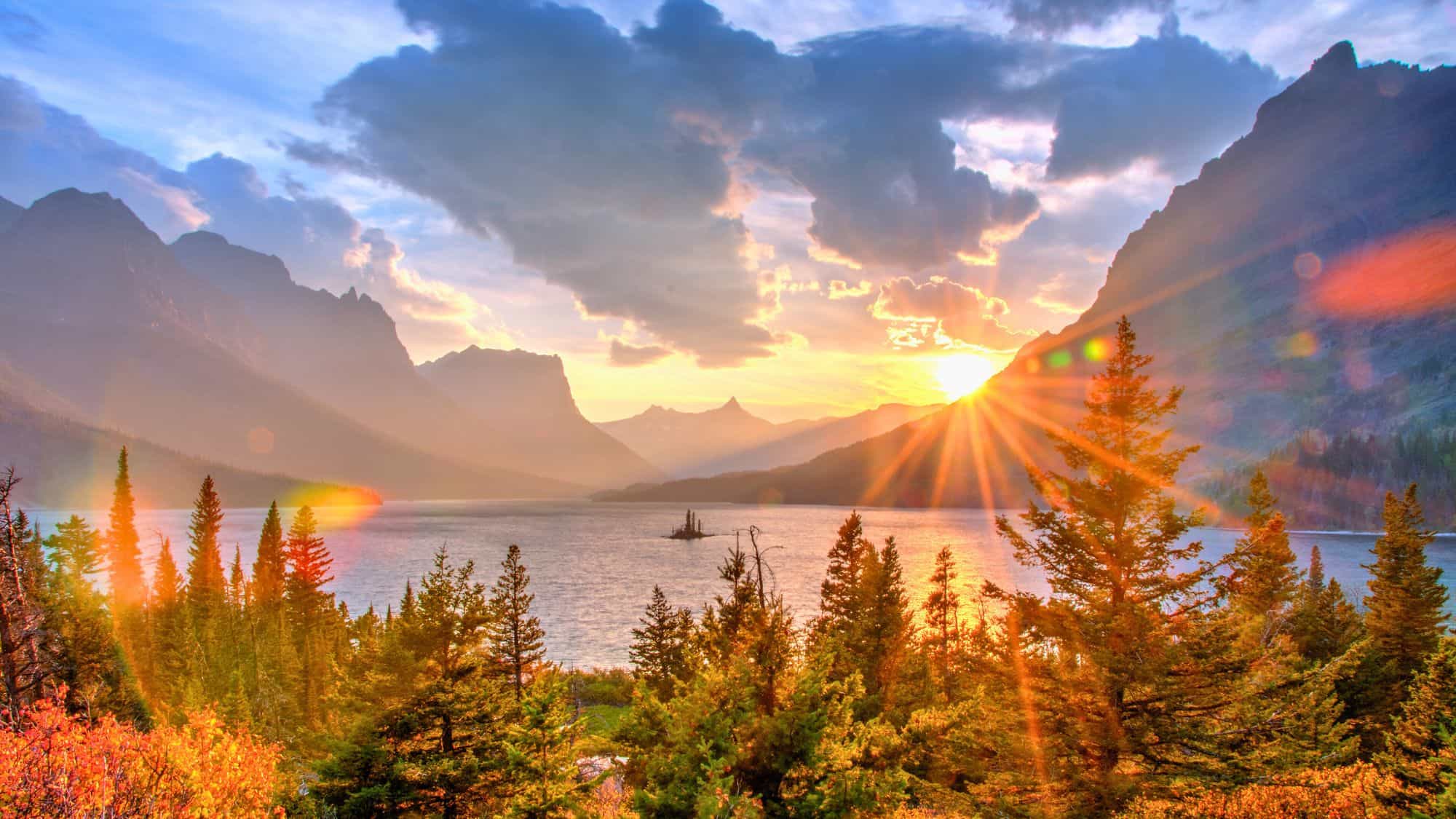
In Glacier, the mountains feel close enough to touch. Jagged peaks rise from emerald valleys, their slopes mirrored in clear alpine lakes. The Going-to-the-Sun Road slices through the heart of it all, climbing above 6,000 feet where snow lingers even in July. Each curve brings a new perspective: rushing waterfalls, wildflower meadows, and distant glaciers glowing under afternoon light.
The park holds more than 700 miles of trails, from gentle walks around Lake McDonald to remote routes where you might spot mountain goats perched on sheer cliffs. And wildlife thrives here: moose wade in ponds, grizzlies forage in berry fields, and eagles soar above the Divide.
Summer offers long days filled with color, while fall shortens the light and deepens the quiet. Winter closes many roads, yet leaves behind a stark beauty few experience. No matter the season, Glacier feels both vast and intimate, a place where silence stretches wide but every breeze carries life.
Great Smoky Mountains National Park, Tennessee and North Carolina

The Great Smoky Mountains bridge Tennessee and North Carolina, a sweep of forested hills alive with hidden streams and trails. Over 800 miles of paths cross the park, though even a slow drive along Newfound Gap Road reveals endless folds of green. And mist rolls through the valleys like breath, softening every ridge and hollow.
Spring brings trillium, rhododendron, and more than 1,500 species of flowering plants, while summer hums with cicadas and waterfalls fed by rain. Fall turns the forest into flame, with red maples and golden oaks blazing across the slopes. Winter lays a quiet veil over it all, frost sparkling on the bare branches.
Cades Cove offers glimpses of black bears and historic cabins, which are echoes of early Appalachian life in the area. The beauty of the park isn’t loud (there are no awe-inspiring cliffs or mountains), but it settles in gradually until you realize you’ve fallen under its spell.
Rocky Mountain National Park, Colorado
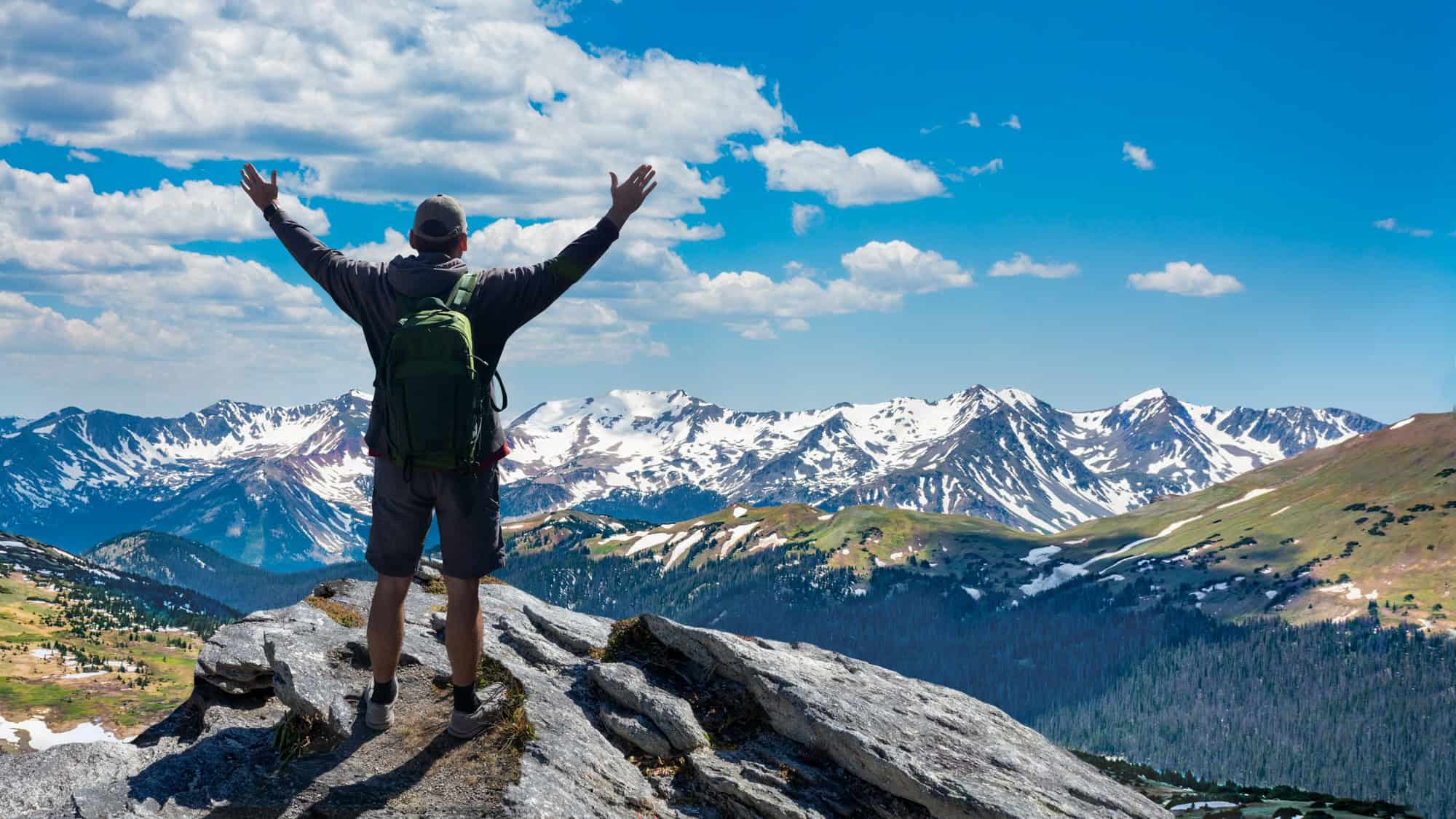
At over 12,000 feet, the world feels sharper, cleaner. And Rocky Mountain National Park captures the rugged majesty of Colorado’s high country with jagged peaks, alpine tundra, and valleys filled with elk.
The Trail Ridge Road crosses the Continental Divide, offering one of the highest paved drives in North America. Even in midsummer, snowbanks glint beside the road while wildflowers bloom in bursts of color. Hikes around Bear Lake reveal glassy reflections of Hallett Peak, and early risers may catch the haunting bugle of elk echoing through the mist. Thunderstorms roll quickly across the ridges, reminding you of the altitude’s power.
In fall, aspens turn to liquid gold against dark spruce forests, while winter transforms the park into a silent white expanse perfect for snowshoeing.
Acadia National Park, Maine
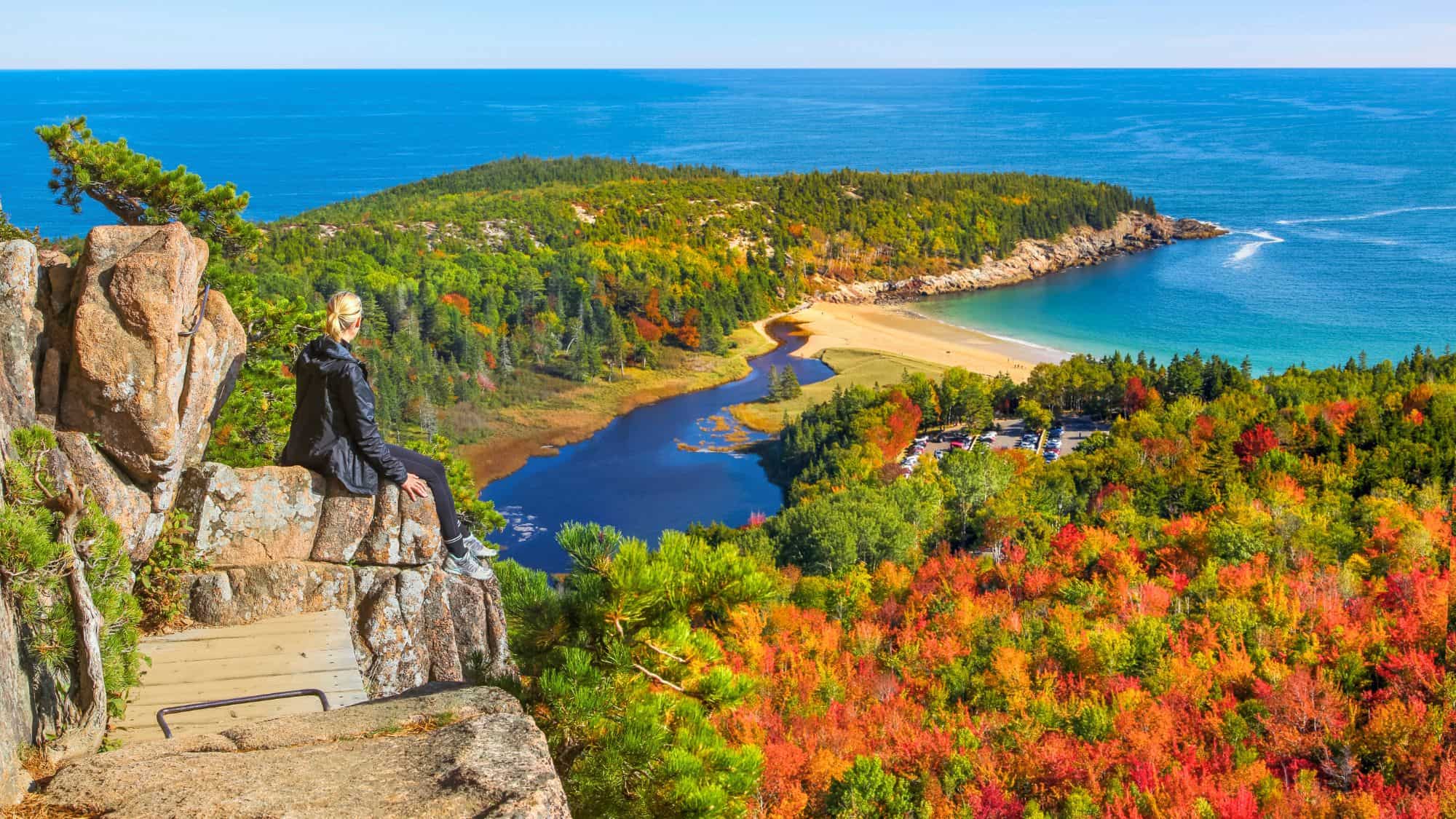
Perched on Maine’s rugged coast, Acadia captures the meeting of mountain and sea. Waves crash against pink granite cliffs, while forest trails wind toward peaks with sweeping ocean views.
Cadillac Mountain rises just over 1,500 feet, yet it offers one of the most memorable sunrises in the country. And down below, Thunder Hole roars when the tide surges in, sending spray high into the air. Carriage roads built over a century ago now form peaceful walking and biking routes through woods of spruce and birch.
Summer brings sea breezes and cool air, perfect for exploring tide pools or kayaking along the rocky shoreline. Fall turns the hills into a tapestry of scarlet and gold reflected in still ponds. Even in winter, Acadia’s beauty holds. This time of year is a quiet, windswept calm under pale skies.
The scent of salt, pine, and earth lingers everywhere. Here, the Atlantic feels close enough to touch, grounding the wild grace of this coastal sanctuary.
Arches National Park, Utah

Arches National Park holds more than 2,000 natural arches, each formed by centuries of wind and time. The most famous, Delicate Arch, stands solitary above a sandstone bowl, glowing orange in the fading light.
Trails lead to windows and towers that seem impossibly balanced, their edges worn smooth by sand and rain. Summer heat can reach triple digits, so mornings and evenings are ideal for exploring. Spring and fall offer mild weather, perfect for wandering through red canyons framed by distant snowcapped peaks.
At night, the desert sky explodes with stars, with the Milky Way stretching clear across the horizon. After dark, the silence here feels immense, broken only by the rustle of wind through sagebrush. And you leave Arches with dust on your boots and a sense of deep stillness in your chest.
Olympic National Park, Washington
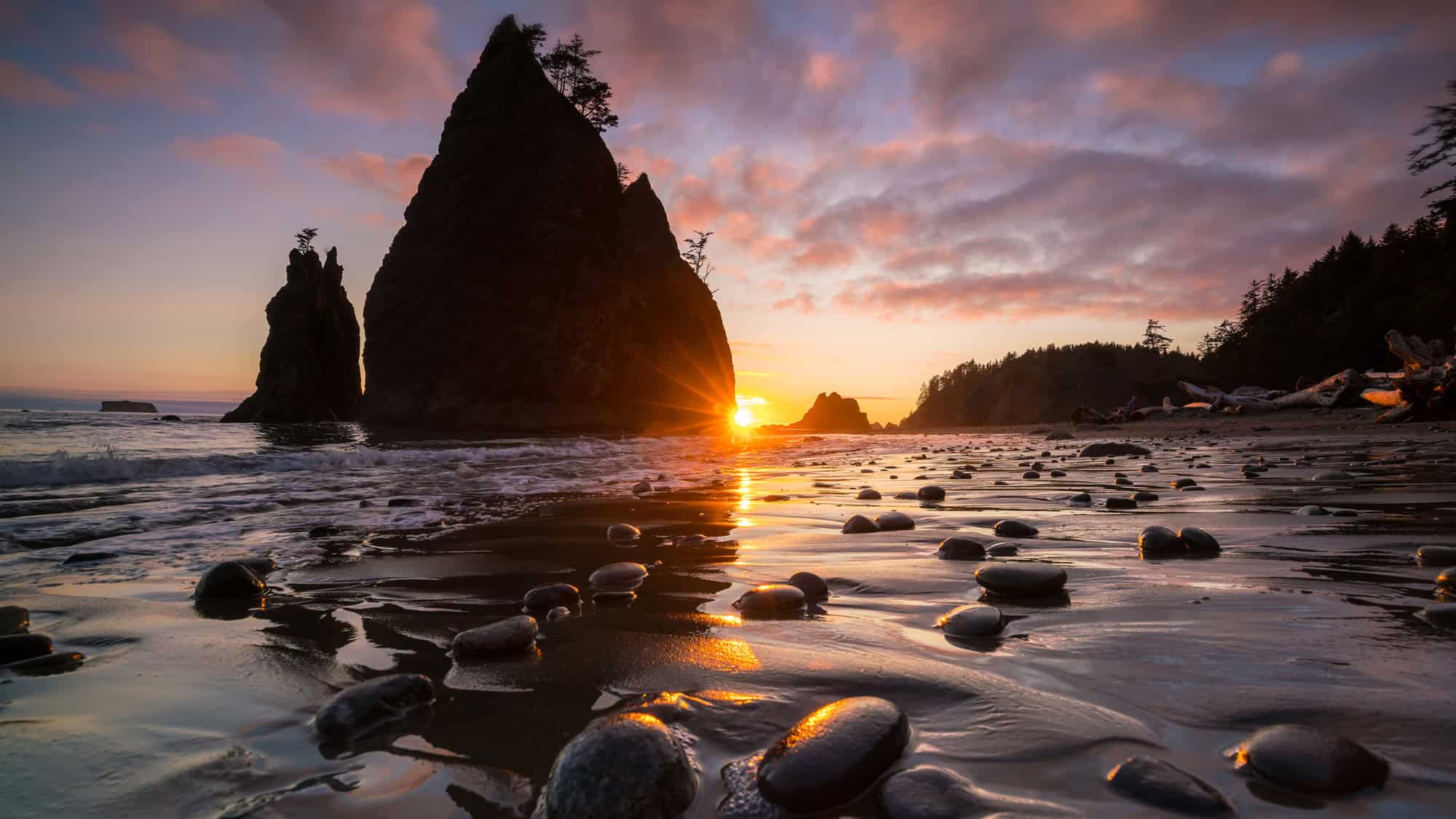
Olympic National Park is a world of contrasts. One moment you’re walking a misty beach strewn with driftwood; an hour later, you’re among snowfields and alpine meadows. The Hoh Rain Forest glistens with moss, ferns, and towering spruce, its air cool and fragrant after rain.
On the coast, Rialto and Ruby Beaches reveal sea stacks sculpted by centuries of waves. Higher up, Hurricane Ridge opens to views of glacier-covered peaks and valleys washed in sunlight. Each ecosystem feels distinct yet connected by the same wild pulse.
Rain falls often, especially in winter, turning rivers into torrents and forests into shades of green beyond naming. Summer brings balance, with clear skies, blooming lupine, and calm tides.
Wildlife thrives, from sea otters along the shore to black bears in the forests.
Everglades National Park, Florida

The Everglades stretch to the horizon in a glittering web of water and grass. It’s a world defined by motion: slow currents, rustling reeds, wings slicing through humid air.
Airboats and kayaks weave through mangrove tunnels where sunlight filters in green light. Herons, ibises, and roseate spoonbills feed among the shallows, while alligators bask along the banks.
Winter offers the most comfortable conditions and the best wildlife viewing, as water levels drop and animals gather near channels. Summer brings heavy rains and electric storms, adding drama to the wide skies.
The Everglades are fragile, shaped by a balance between salt and fresh water, drought and flood. Boardwalk trails like Anhinga Trail make exploration easy and safe, yet even from there, you feel the wilderness pressing close.
Grand Teton National Park, Wyoming
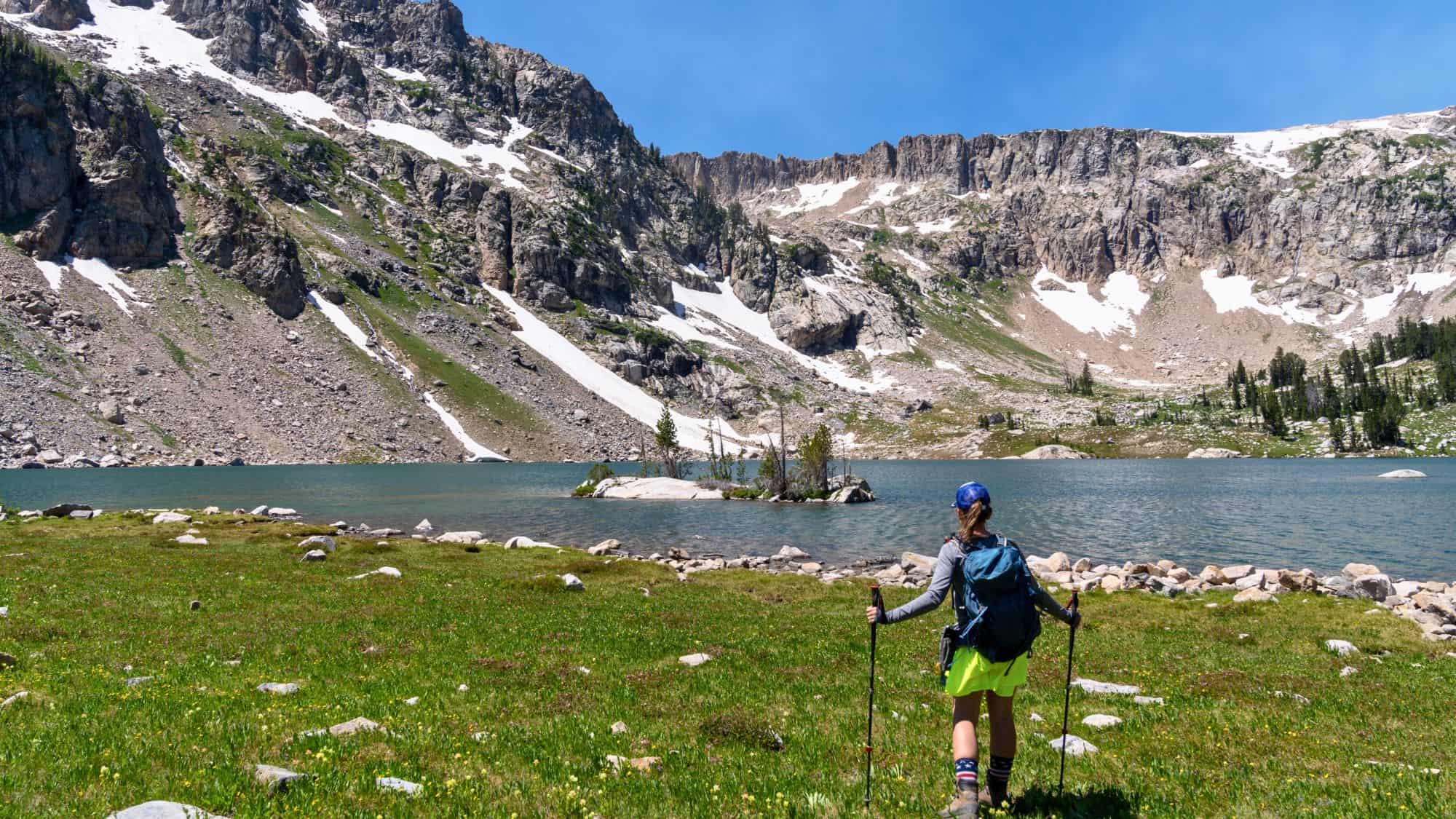
Grand Teton National Park holds a rare kind of beauty. It’s raw, immediate, and perfectly composed. The mountains reflect in calm lakes like Jenny and Jackson, where moose wade through reeds at dawn. And Oxbow Bend offers one of the most striking scenes in the American West, the Snake River curling beneath Mount Moran’s mirrored peak.
Summer days bring crisp air and clear light; fall turns cottonwoods golden under snow-dusted summits. The park’s trails range from gentle shoreline walks to steep alpine climbs that challenge even seasoned hikers.
Wildlife is abundant. You might spot grizzlies, elk, pronghorn, and eagles filling the valleys. Sunsets here burn with pink alpenglow, fading into star-filled nights that feel almost unreal.
Bryce Canyon National Park, Utah
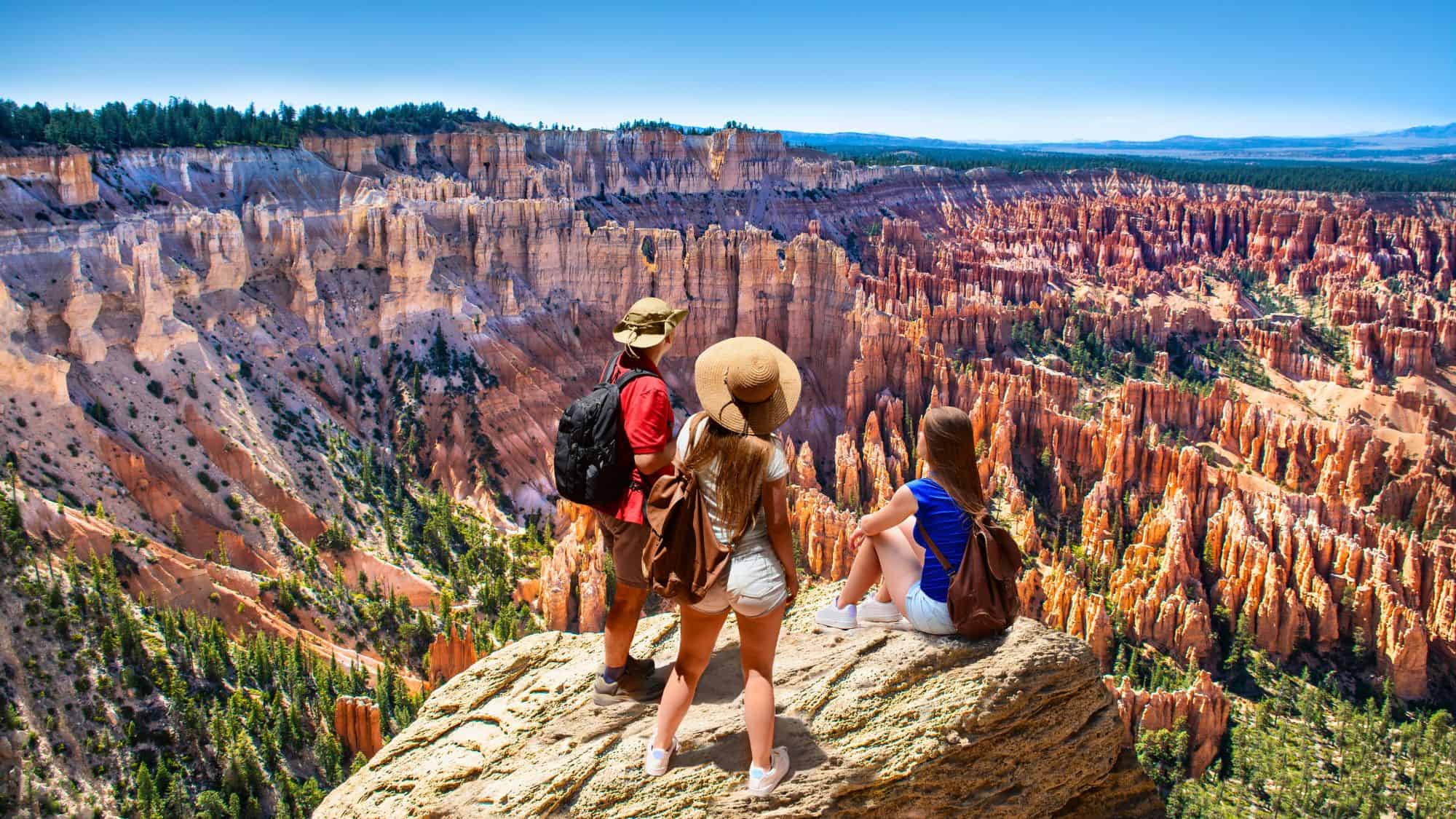
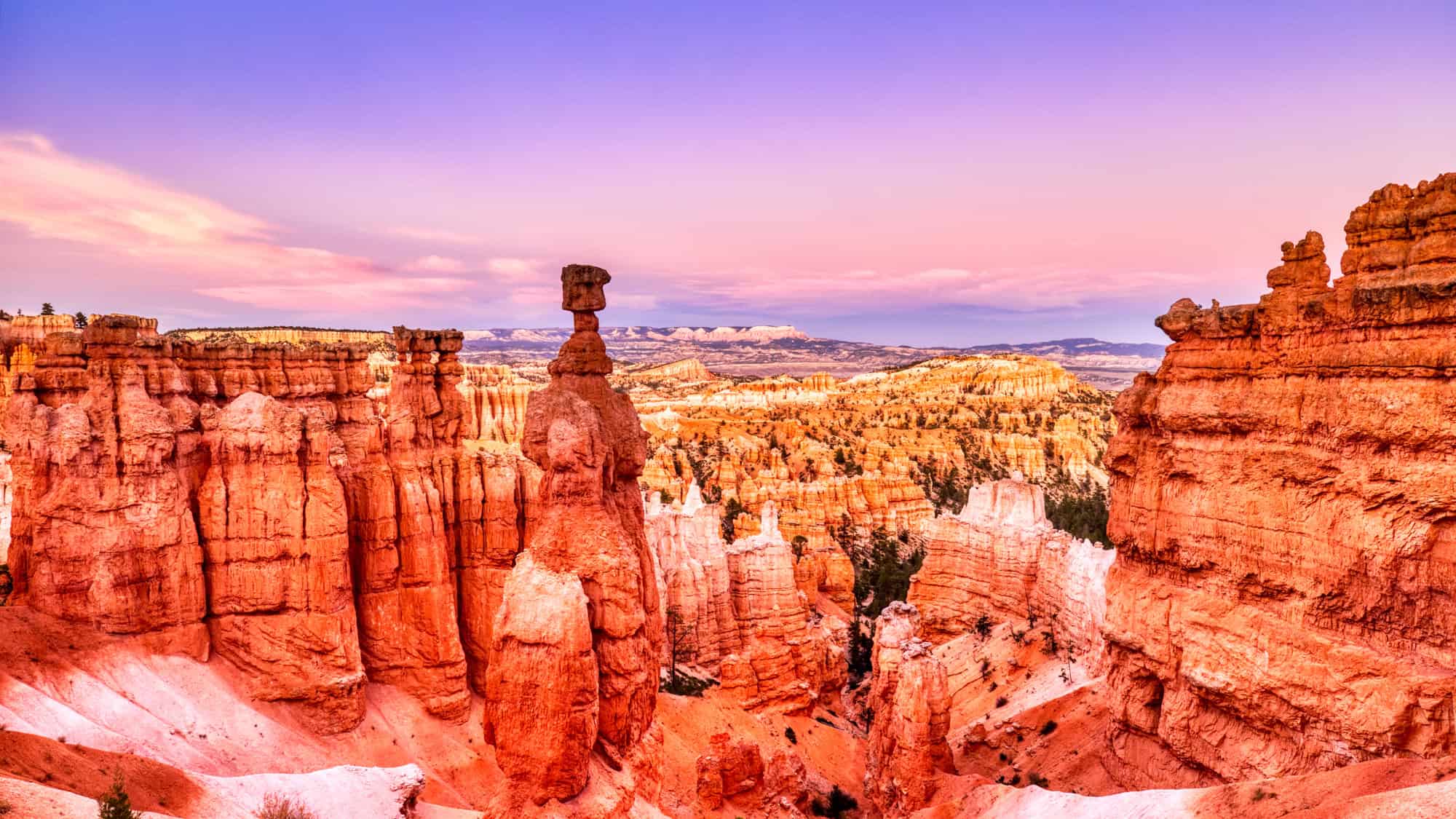
Bryce Canyon feels sculpted from another world. Its amphitheaters brim with red and orange spires, called hoodoos, rising in fantastical shapes. The thin, high air keeps mornings cool even in midsummer, and dawn’s first light turns the formations coral and rose.
Trails like Navajo Loop and Queen’s Garden lead you down into the maze, where narrow paths twist between glowing walls. And every few steps, the landscape changes.
In winter, snow dusts the hoodoos, creating a delicate contrast of white and flame-colored stone. At night, the starlit sky stretches endlessly above the rim.
But despite its grandeur, Bryce feels personal; you can stand at an overlook and hear the wind moving softly through the canyon.
Badlands National Park, South Dakota
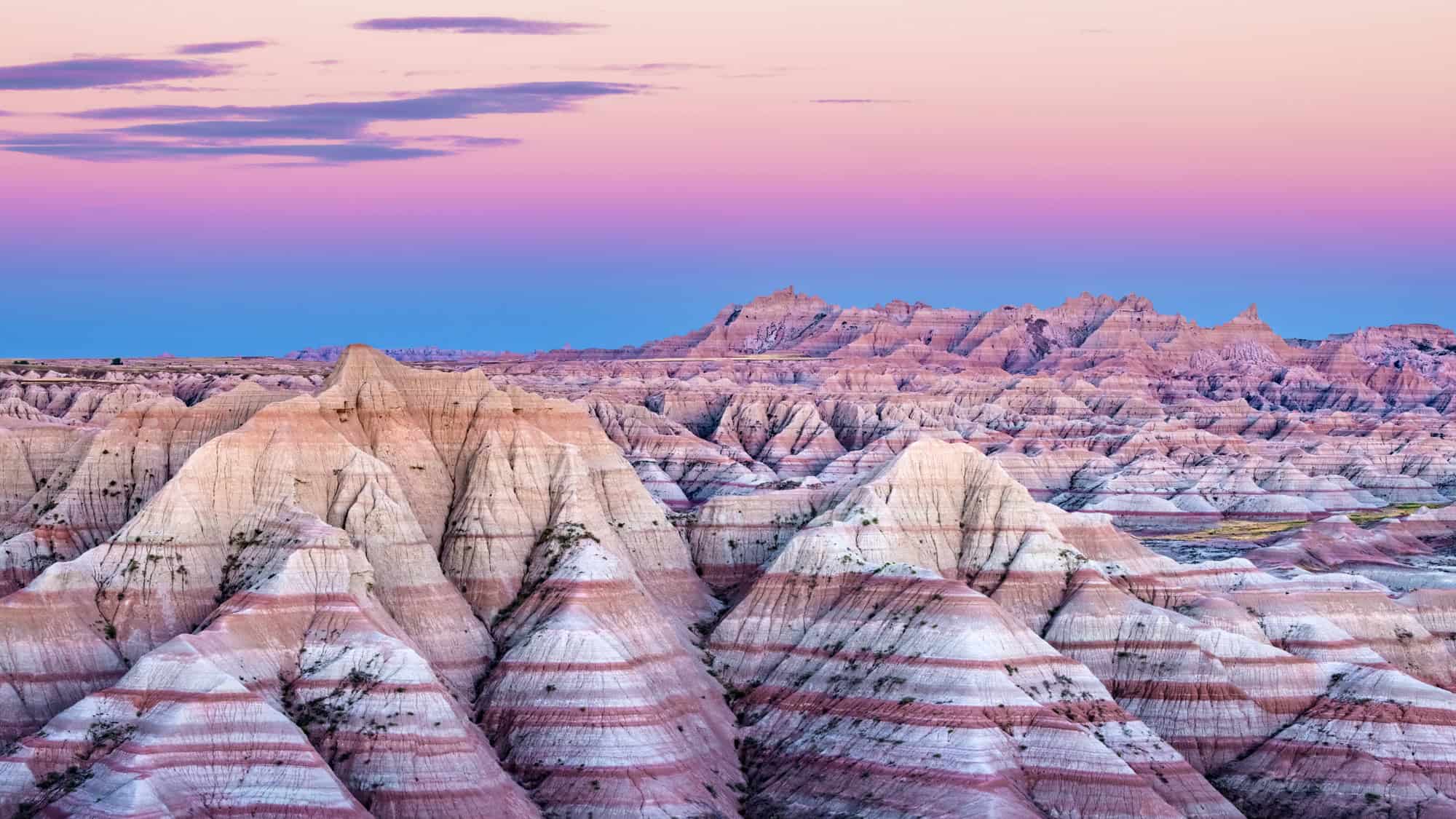
At first glance, the Badlands seem stark, even harsh. But spend an hour here and the colors shift to bands of rose, amber, and gray glowing under the wide South Dakota sky. And these eroded formations tell stories millions of years old, their layers rich with ancient fossils.
The Loop Road winds through viewpoints where bighorn sheep cling to ridges and prairie dogs pop up from their burrows. Summer heat can be intense, so early morning and evening reveal the park at its most peaceful.
Spring brings bursts of wildflowers, brief but vivid against the muted earth. Lightning storms roll across the plains, their flashes illuminating the buttes in fleeting brilliance. The air smells faintly of sage, and the horizon seems endless.
Sequoia National Park, California

In Sequoia, silence feels sacred. The air carries the scent of pine and earth as sunlight filters through canopies hundreds of feet high. The General Sherman Tree anchors the Giant Forest, its trunk broader than most rooms, its age stretching beyond recorded history.
Trails wind between other giants (Generals Grant and Crescent Meadow), where woodpeckers tap softly in the distance. Higher elevations open to granite peaks and wildflower meadows, while deep canyons echo with rushing water.
Summer invites long walks beneath dappled light; winter transforms the park into a snowy cathedral of stillness. And each tree holds its own quiet dignity, the bark warm in the afternoon sun. Looking up, you feel the scale shift, as if the forest itself breathes slower than we do.
Like Our Content? Follow Us on MSN (or click the Follow Button above) for more from Discover Parks & Wildlife.
12 National Parks You’ll Wish You Had Visited Sooner

Who needs a time machine when you can read about all the national parks you absolutely should have visited by now, and then just sulk in envy instead?
16 U.S. National Parks with Sunsets Worth the Trip
If you thought your life lacked a dash of dramatic flair, just wait until you set your sights on those sunsets at U.S. National Parks. You know, the kind that might have you questioning why your backyard bonfire doesn’t quite cut it anymore.
15 Photos Every National Park Photographer Needs in Their Collection

Think you’ve mastered the art of the perfect shot? Wait until you see these must-have captures that’ll make your portfolio sing.