Discover Parks & Wildlife contains affiliate links and is a member of the Amazon Services LLC Associates Program. If you make a purchase using one of the Amazon links, we may receive compensation at no extra cost to you. We may also use select AI tools to support our creative process, but all content is reviewed, refined, and finalized by our human team. See our disclosure policy and our AI use policy for more information.
11 Unbelievably Quiet Places Where You Can Still Hear Nature’s True Silence
In a world filled with constant noise, from traffic and construction to the endless hum of technology, finding a place of true silence has become a rare luxury. The search for quiet is more than just an escape; it is a chance to reconnect with the natural world on a profound level, to hear the subtle sounds that are often drowned out by our busy lives.
These quiet places offer a sanctuary where the loudest sounds might be the rustle of leaves, the whisper of the wind, or the distant call of a bird. For many, seeking out these hushed landscapes is an essential part of travel, a way to reset the mind and experience a destination in its purest form.
This pursuit of stillness leads us to some of the most remote and untouched corners of the globe, from vast deserts and ancient forests to secluded coastlines and volcanic craters.
Each location on this list has been recognized not just for its beauty but also for its remarkable lack of human-made noise, offering a unique opportunity to experience the planet’s natural soundscape. It’s in these places that you can truly listen to the Earth itself, a simple yet powerful experience that feels increasingly vital in this day and age.
Olympic National Park, Washington

Olympic National Park is a place of incredible diversity, with rugged coastlines, lush temperate rainforests, and towering, glaciated mountains. This variety also makes it one of the quietest places in the United States.
Deep within the Hoh Rainforest, a spot identified as One Square Inch of Silence is considered a sanctuary from man-made noise. To reach it, you must hike 3.2 miles into the forest, where the dense mosses and ancient trees absorb sound, creating a sense of peace.
The coastal areas of the park, such as Rialto Beach, offer a different kind of quiet, where the rhythmic crash of Pacific waves against sea stacks is the dominant sound. And the park’s sheer size, spanning nearly a million acres, ensures that there are countless pockets of solitude waiting to be discovered, far from the noise of roads and cities.
Visiting during the shoulder seasons of spring or fall can offer an even quieter experience, with fewer crowds and a more intimate connection to the landscape.
Haleakala Crater, Hawaii

Haleakala National Park on the island of Maui is home to a massive volcanic crater that feels like another world. Standing at over 10,000 feet, the summit offers breathtaking views and an almost surreal silence, especially at sunrise and sunset.
The crater itself is a designated quiet zone, where visitors are encouraged to minimize noise and respect the natural quiet. And the unique geology of the landscape, with its cinder cones and barren, rust-colored terrain, contributes to the feeling of being in a vast, empty space. At this high altitude, sounds do not travel as far, which enhances the sense of stillness.
Hiking into the crater on trails like the Sliding Sands Trail immerses you completely in this quiet world. The quiet is so deep that you can often hear the wind whistling through the volcanic rock formations.
For an even more solitary experience, you can reserve a spot at one of the wilderness cabins inside the crater, allowing you to spend the night under a sky full of stars, far from any artificial light or sound.
Boundary Waters Canoe Area Wilderness, Minnesota
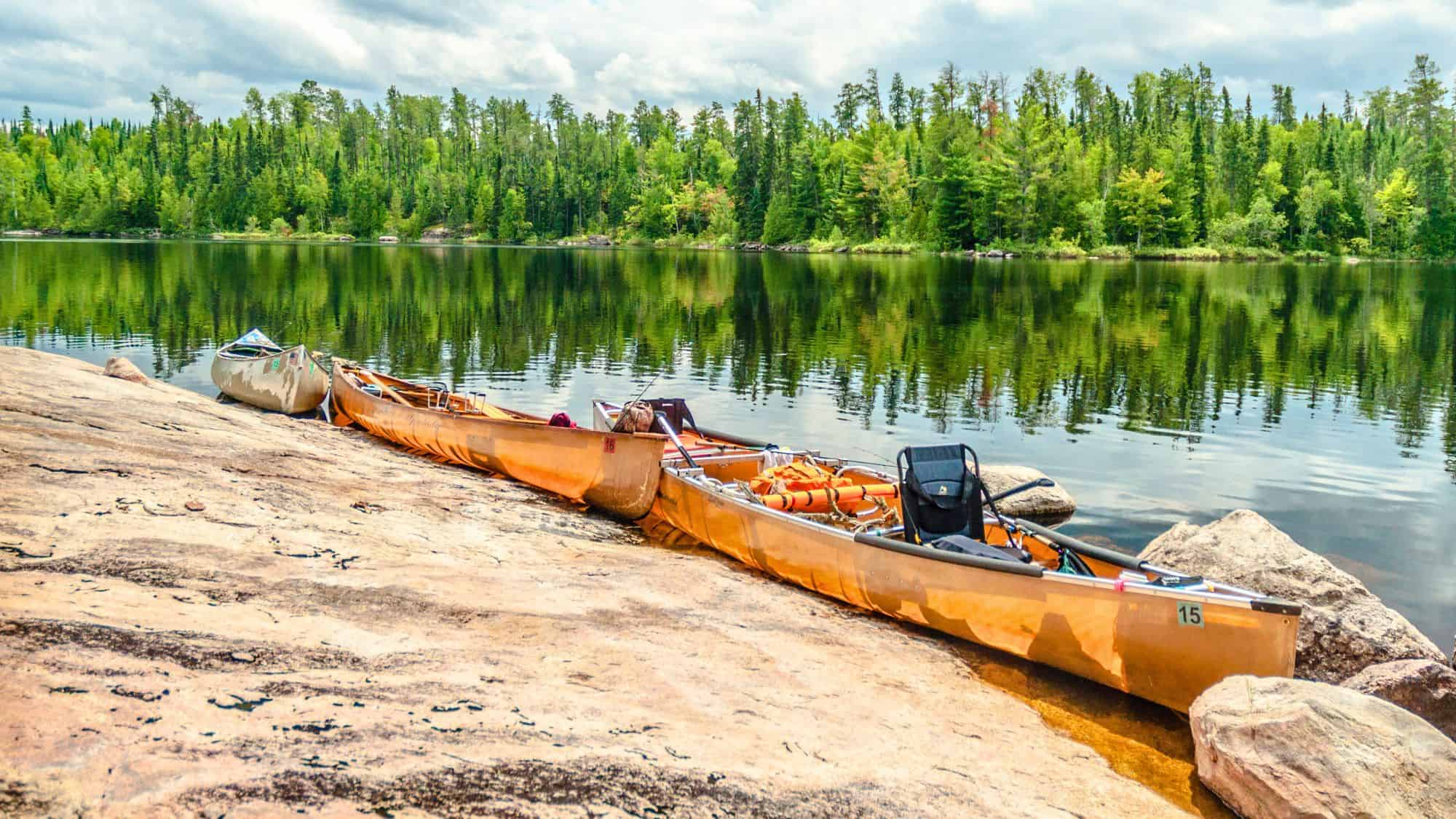
The Boundary Waters Canoe Area Wilderness in northern Minnesota is a pristine landscape with over one thousand lakes and streams, interconnected by waterways and surrounded by dense forests. This million-acre wilderness is a paradise for canoers and kayakers seeking solitude.
Motors of any kind are prohibited in most areas, which means the only sounds you will hear are the dip of your paddle in the water, the call of a loon across a lake, or the rustle of a gentle breeze through the pine trees. The area has been protected for its natural character, preserving a quiet that has existed for centuries.
The absence of roads and modern infrastructure means that once you venture deep into the wilderness, you are truly off the grid. The quiet here is not just an absence of noise, but a presence of natural sounds that create a rich and immersive auditory experience.
Camping at one of the 2,000 designated campsites allows you to fully appreciate the tranquility of the Boundary Waters, especially during the quiet hours of dawn and dusk.
Namib Desert, Namibia
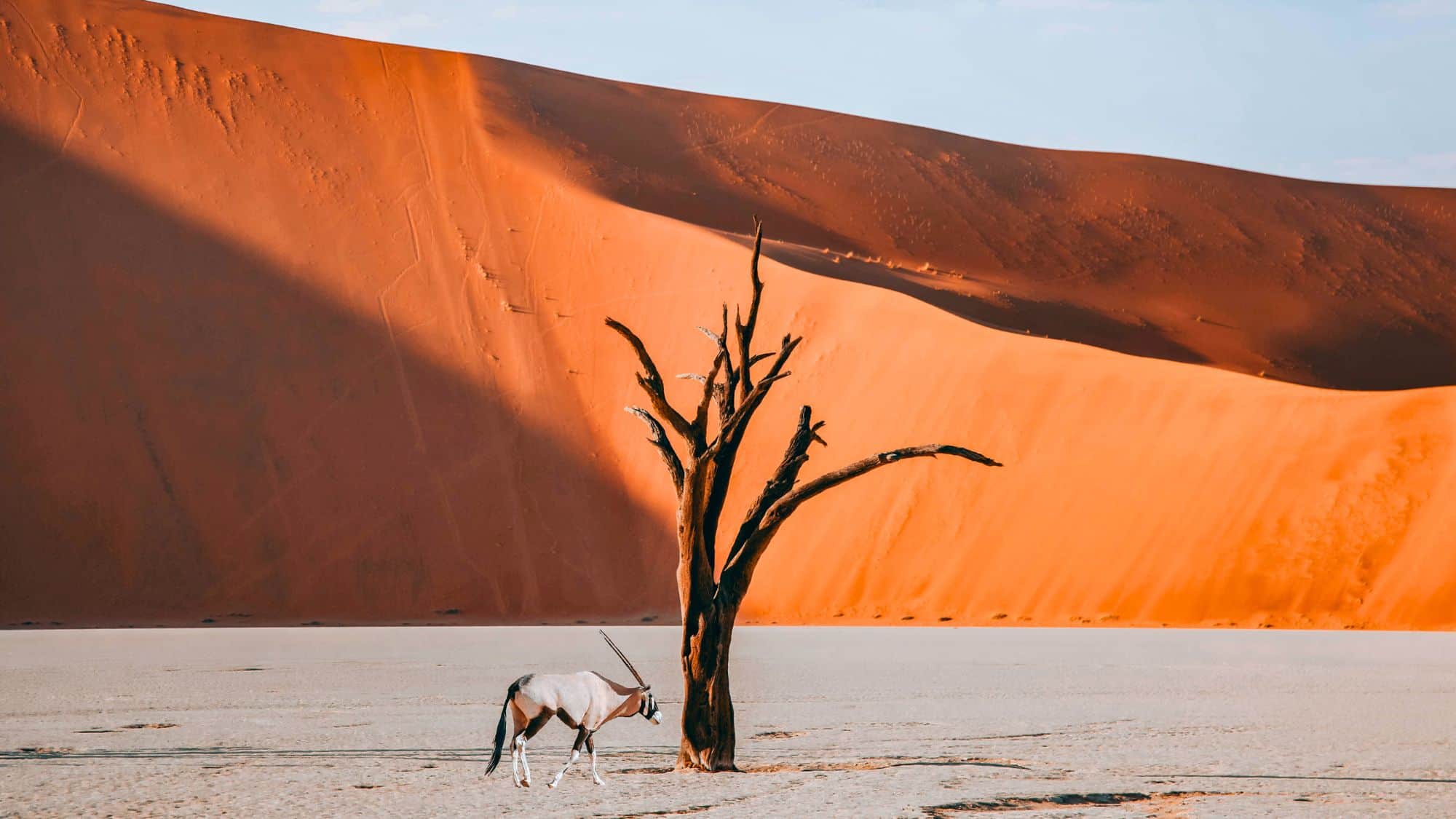
The Namib Desert, stretching along the Atlantic coast of Namibia, is one of the oldest and driest deserts in the world. And its vast, seemingly endless landscapes of sand dunes and gravel plains create a sense of isolation and quiet.
The dunes at Sossusvlei are among the highest in the world, with some reaching over 1,000 feet. Climbing to the top of one of these giant dunes at sunrise reveals a breathtaking panorama of reds and oranges, accompanied by an almost absolute silence. The dry air and open space mean that sounds do not carry far, contributing to the intense quiet.
The lack of vegetation in many areas means there is little to rustle in the wind, making the silence even more intense. In the heart of the Namib-Naukluft National Park, you can find areas so remote that they are considered some of the quietest places on the planet.
Lake Clark National Park, Alaska
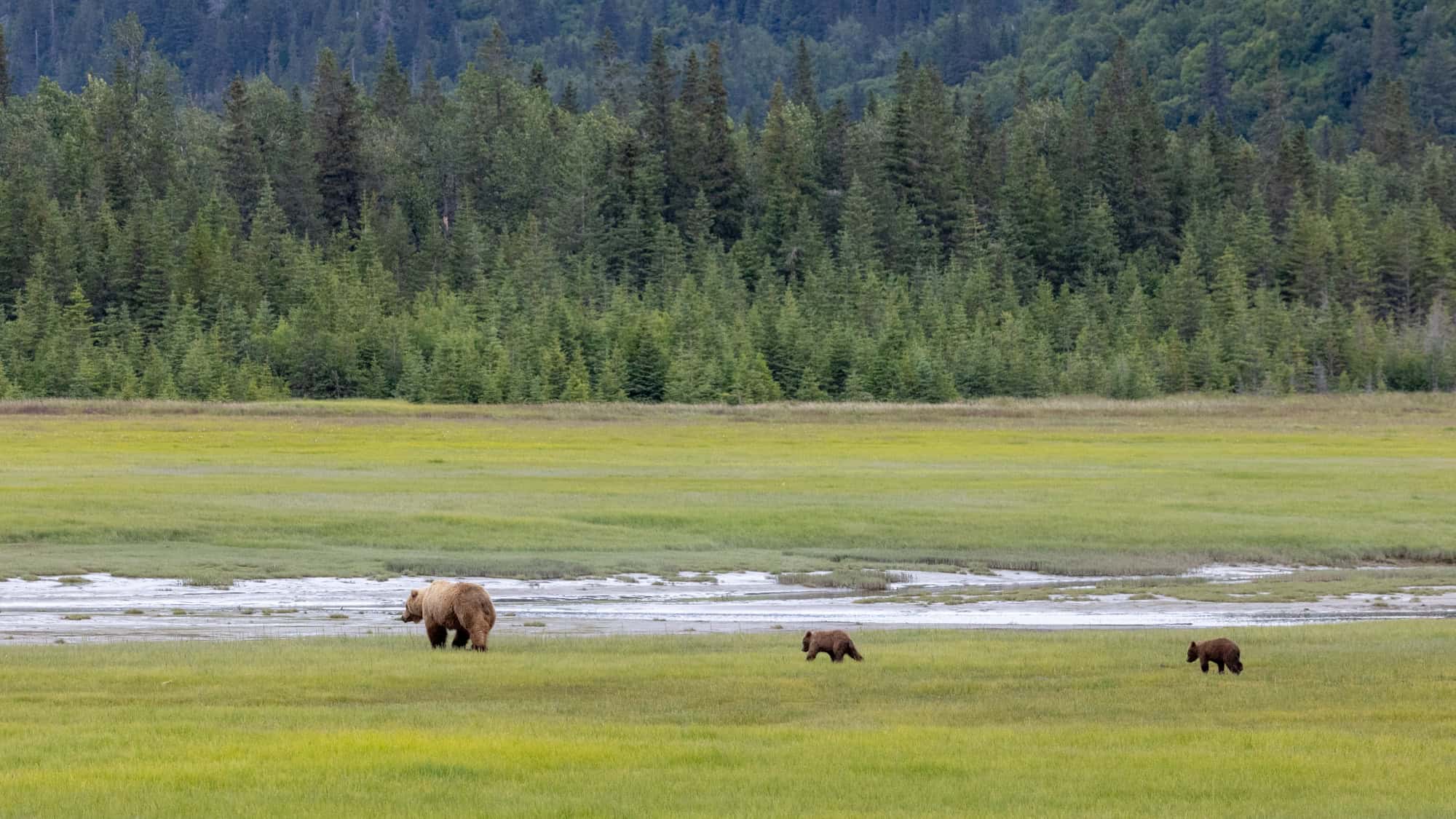
Lake Clark National Park and Preserve in southern Alaska is a remote wilderness that is not accessible by road, meaning you must arrive by small plane or boat. This isolation helps preserve its natural quiet and pristine beauty.
The park encompasses a stunning variety of landscapes, including volcanoes, glaciers, turquoise lakes, and a rugged coastline. And the absence of crowds and modern development means that the primary sounds are those of nature itself, such as the calving of glaciers and the rushing of rivers.
If you are lucky, you might also hear the calls of wildlife. The park is famous for its large population of brown bears, which can often be seen fishing for salmon along the coast or munching grass in the fields. The quiet allows you to hear the sounds of these powerful animals from a safe distance, adding to the sense of wildness.
The park’s namesake, Lake Clark, is a 42-mile-long glacial lake that is a hub for much of the park’s activity, yet it remains incredibly peaceful. Kayaking on its calm waters, surrounded by towering mountains, is a truly immersive way to experience the park’s tranquility.
Fiordland National Park, New Zealand

Fiordland National Park, located on the southwest corner of New Zealand’s South Island, is a place of dramatic landscapes and profound silence. Carved by glaciers over thousands of years, the park is characterized by its steep-sided fjords, cascading waterfalls, and dense temperate rainforests.
Two of the most famous fjords, Milford Sound and Doubtful Sound, are renowned for their stunning beauty and tranquility. Doubtful Sound, in particular, is often referred to as the “Sound of Silence” because of its remote location and serene atmosphere. To preserve the quiet, some boat tours in the fjord will shut off their engines, allowing passengers to experience the deep, echoing silence of the surrounding mountains.
The park’s vast and rugged interior is largely untouched, with many areas accessible only by multi-day hikes or by helicopter. The Kepler and Milford Tracks are two of New Zealand’s Great Walks that wind through this wilderness, offering hikers an opportunity to immerse themselves in the quiet of the forest and mountains.
The park is also home to several native bird species, including the kea and the rare, flightless takahe. The sounds of these birds, along with the rush of waterfalls, are often the only things that break the silence.
Wadi Rum, Jordan
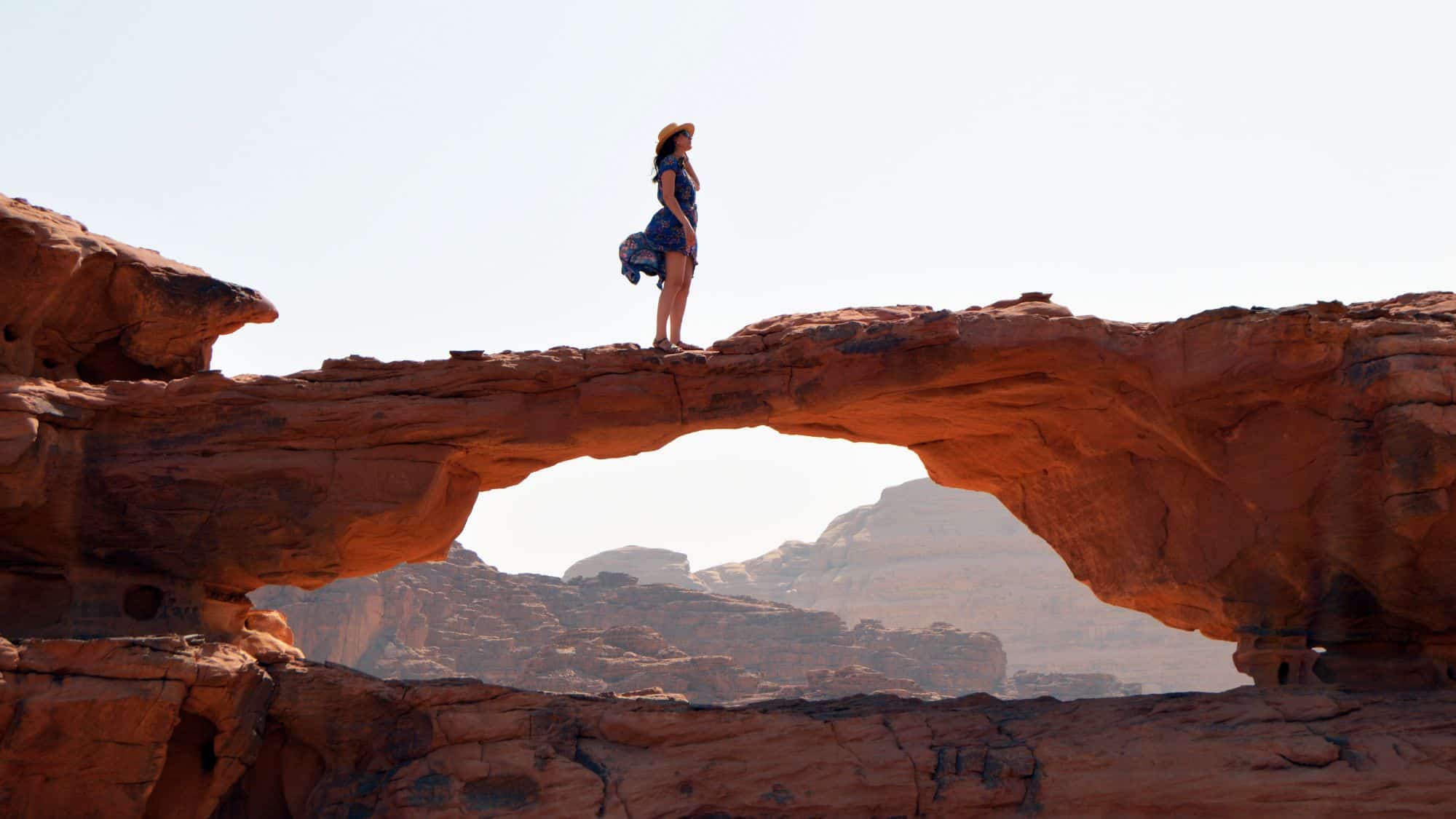
Wadi Rum, also known as the Valley of the Moon, is a stunning desert landscape in southern Jordan. Its dramatic sandstone mountains, natural arches, and vast, open spaces create a powerful sense of timelessness and quiet.
This is the landscape that T.E. Lawrence famously described as “vast, echoing and God-like.” And the quiet of Wadi Rum is so significant that it feels almost tangible, especially at night when the desert is blanketed in stillness.
The local Bedouin people have lived in this area for generations and have a deep respect for the silence of their home. Many visitors choose to spend a night in a traditional Bedouin camp, where the only sounds are the crackling of a fire and the soft murmur of conversation.
During the day, exploring the desert by jeep or camel allows you to venture deep into its quietest corners. The sheer scale of the landscape, with its towering rock formations, makes you feel small and insignificant, which can be a humbling and meditative experience.
Snowdonia National Park, Wales
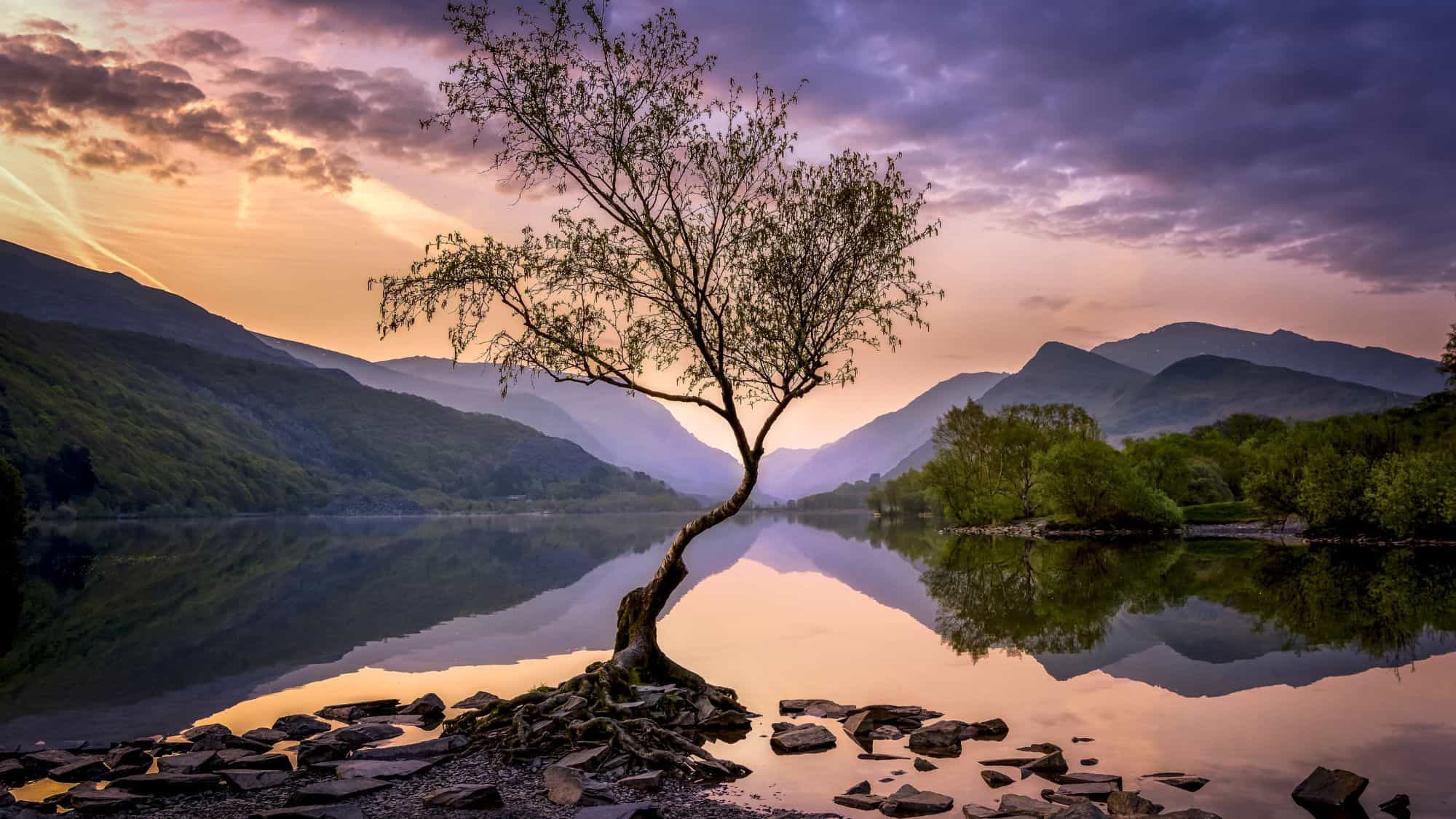
Snowdonia National Park in North Wales is a region of rugged mountains, serene lakes, and deep valleys. While it is a popular destination for hikers and climbers, it is still possible to find incredible quiet, especially if you venture away from the main trails.
The park is named after Snowdon, the highest mountain in Wales, but it is the park’s more remote areas that offer the greatest sense of tranquility. The Carneddau mountain range in the northern part of the park is a vast, high plateau that is much less visited than the Snowdon massif. Here, you can walk for hours without seeing another person, surrounded only by the wind and the calls of skylarks.
The park is also home to a number of quiet lakes, or “llyns,” located in deep glacial valleys. Llyn Idwal, situated in a dramatic mountain amphitheater, is a particularly beautiful and peaceful spot.
Visiting early in the morning or during the off-season can help you avoid crowds and experience the park’s natural silence.
Denali National Park, Alaska
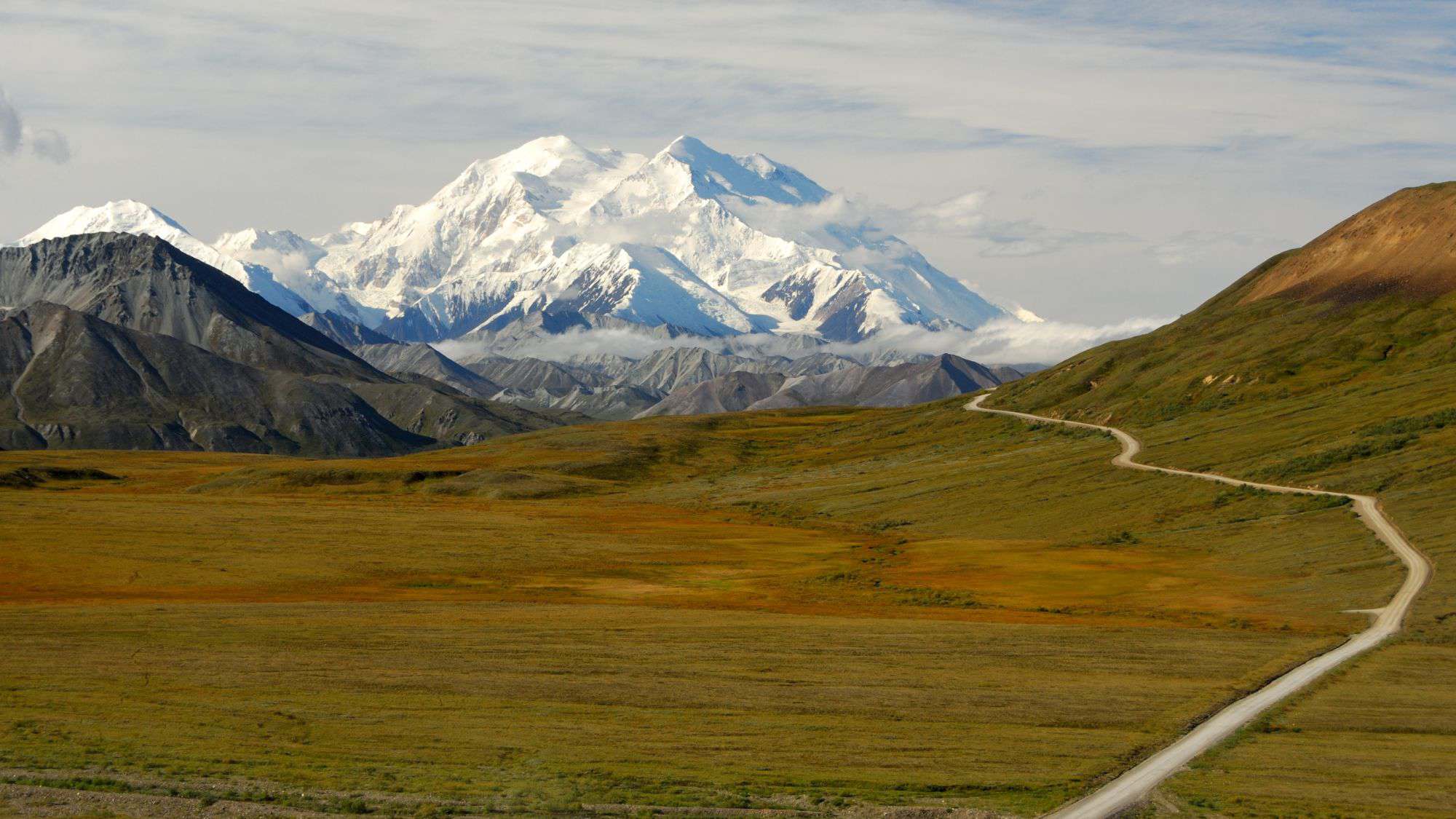
Denali National Park and Preserve is home to North America’s tallest peak and six million acres of wild, untamed landscape. The park’s single road only extends 92 miles into its interior, and for most of its length, access is restricted to park buses, which helps to minimize traffic and noise.
Once you step off the bus and venture onto a trail, you are quickly enveloped by the silence of the tundra and the towering mountains of the Alaska Range. The park is also home to a rich array of wildlife, including grizzly bears, wolves, caribou, and Dall sheep. The quiet allows you to be more aware of your surroundings and increases the chances of spotting these animals in their natural habitat.
The soundscape of Denali is subtle and varied, from the buzz of insects on a summer day to the distant rumble of an avalanche high in the mountains. For those seeking true solitude, the park offers vast areas of trailless wilderness for backpacking, where you can go for days without seeing another soul.
The Scottish Highlands, Scotland
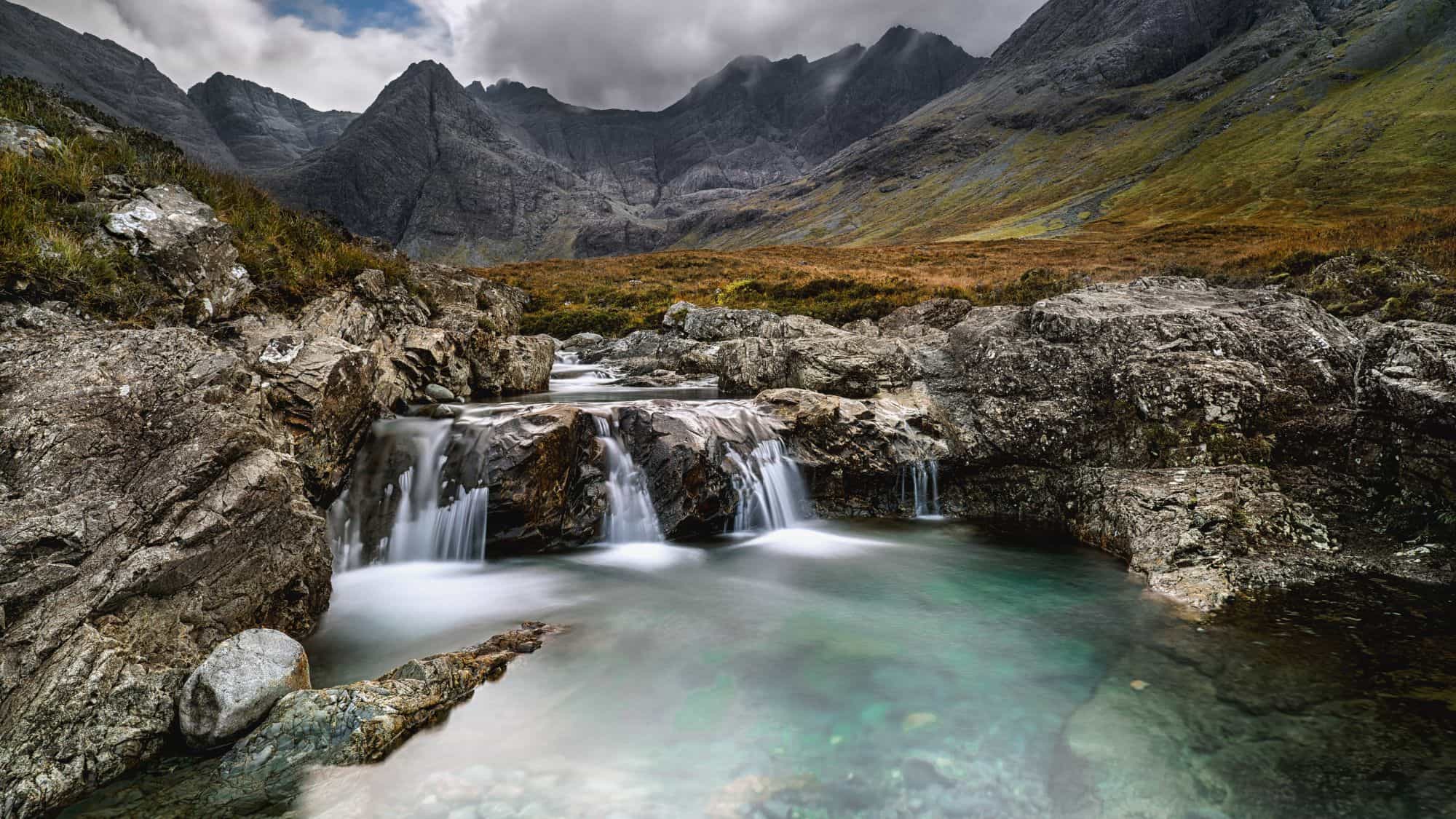
The Scottish Highlands are a vast, sparsely populated region of mountains, lochs, and moors that offer a sense of solitude and quiet. Areas like Cairngorms National Park, the largest national park in the UK, contain huge tracts of wild land where you can escape the noise of modern life. The park is home to four of the five highest mountains in the UK and a vast arctic-alpine plateau.
In the more remote parts of the Highlands, such as the northwest coast, you can find landscapes that feel almost completely untouched by humanity. The region’s unpredictable weather, with its shifting mists and sudden showers, adds to the dramatic and atmospheric quality of the landscape.
Standing on a remote hilltop, with the wind as your only companion, you can experience a silence that is both powerful and humbling. The Highlands are also steeped in history and folklore, and the quiet, empty glens can feel full of stories from the past.
While some areas, like those around Loch Ness, can be busy with tourists, it is easy to find solitude if you are willing to venture off the beaten path.
Atacama Desert, Chile

The Atacama Desert in northern Chile is one of the driest places on Earth, with some areas having received no significant rainfall for centuries. This extreme aridity creates a landscape that is stark, beautiful, and incredibly quiet.
The Valley of the Moon, with its salt-encrusted rock formations and towering sand dunes, feels like a lunar landscape. And the lack of moisture in the air and the absence of vegetation mean that there are very few natural sounds to break the silence.
This makes the Atacama one of the best places in the world for stargazing, as the clear, dry air offers unparalleled views of the night sky. Many astronomical observatories are located here for this reason.
During the day, the silence can be almost deafening, a complete absence of sound that is both unnerving and deeply peaceful. The desert’s high altitude and remote location also contribute to its quiet, keeping it far from the noise of cities and transportation routes.
Like Our Content? Follow Us on MSN (or click the Follow Button above) for more from Discover Parks & Wildlife.
13 Cliffs Too Stunning To Skip

Missing out on jaw-dropping views is basically a crime, and these cliffs are here to bail you out. Trust me, you’ll want these stunning spots on your radar before your next adventure.
12 Public Lands of America You’ll Regret Visiting Without Mosquito Deterrent

You don’t want to tackle these mosquito-infested wilderness spots without some serious bug-blocking power. Don’t say I didn’t warn you.
12 State Parks That Offer An Unexpected Alternative To The Everglades
Bet you didn’t expect that these state parks could give the Everglades a run for their money. Time to rethink your travel plans.