Discover Parks & Wildlife contains affiliate links and is a member of the Amazon Services LLC Associates Program. If you make a purchase using one of the Amazon links, we may receive compensation at no extra cost to you. We may also use select AI tools to support our creative process, but all content is reviewed, refined, and finalized by our human team. See our disclosure policy and our AI use policy for more information.
14 Delightfully Cozy Towns Near U.S. National Parks You’ll Want To Linger In
Planning a trip to the great outdoors often involves a debate between staying in the thick of the wilderness or finding a comfortable bed nearby. While camping under the stars has an undeniable allure for some, there is a distinct pleasure in returning from a rugged day on the trails to a warm shower and a hot meal prepared by someone else.
Staying in a gateway town offers the best of both worlds, providing easy access to iconic landscapes while serving as a sanctuary where you can recharge for the next day’s adventure.
Plus, these communities are often destinations in their own right, filled with local history, unique architecture, and culinary scenes that reflect the regional culture.
And choosing the right basecamp can dramatically alter your experience of a national park. Instead of battling traffic or managing campsites, you might find yourself strolling through a historic downtown with a coffee in hand, watching the sun rise over distant peaks.
The towns selected here go beyond mere convenience stops. They offer genuine hospitality and a cozy atmosphere that feels welcoming after miles of hiking. By staying here, you ensure that your downtime is just as memorable as the time you spend exploring the parks themselves.
Mariposa, California – Yosemite National Park
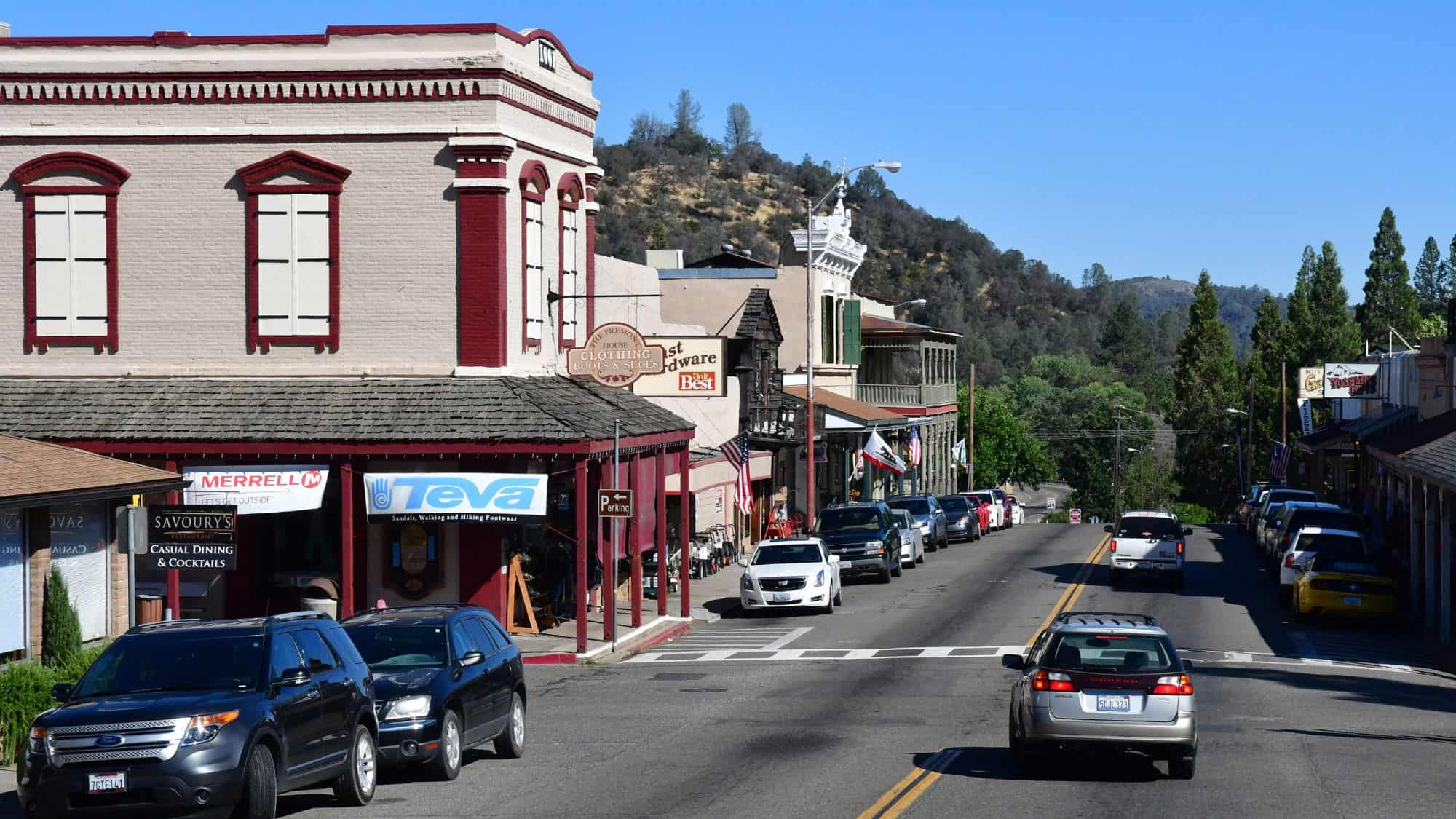
Located about an hour southwest of the Arch Rock Entrance, Mariposa offers a quieter and more affordable alternative to the bustling Yosemite Valley.
The town has deep roots in the California Gold Rush of 1849, and the historic downtown retains much of its 19th-century architecture. Unlike the crowded lodges inside the park, Mariposa provides a sense of space and a slower pace.
You can explore the Mariposa Museum and History Center to understand the miners who once scrambled over these hills, or visit the California State Mining and Mineral Museum to see crystalline gold nuggets.
The elevation here is lower than in the park, which means milder weather in the spring and fall. This makes it a pleasant place to stroll in the evenings after a day of hiking Half Dome or admiring Yosemite Falls.
And the dining scene is unpretentious and hearty, featuring local favorites and historic saloons that have been serving travelers for over a century.
Springdale, Utah – Zion National Park

Few gateway towns are as immediately visually stunning as Springdale. Located right at the south entrance of Zion National Park, the town is practically engulfed by the same towering sandstone cliffs that make the park famous.
The massive red rock formations create a dramatic backdrop for every building, making it difficult to tell where the town ends and the national park begins. And because Zion restricts private vehicle traffic along its main scenic drive for much of the year, Springdale acts as a vital logistical hub.
A free shuttle system moves visitors efficiently from stops in town directly to the park visitor center, eliminating the stress of finding parking at the trailheads.
Despite its small size, Springdale punches above its weight when it comes to dining and amenities. You will find a surprising density of high-quality galleries, coffee houses, and restaurants that cater to tired hikers craving more than just fast food.
In the evenings, the glow of the sunset against Watchman Peak provides a natural light show that rivals any city entertainment.
Gatlinburg, Tennessee – Great Smoky Mountains National Park
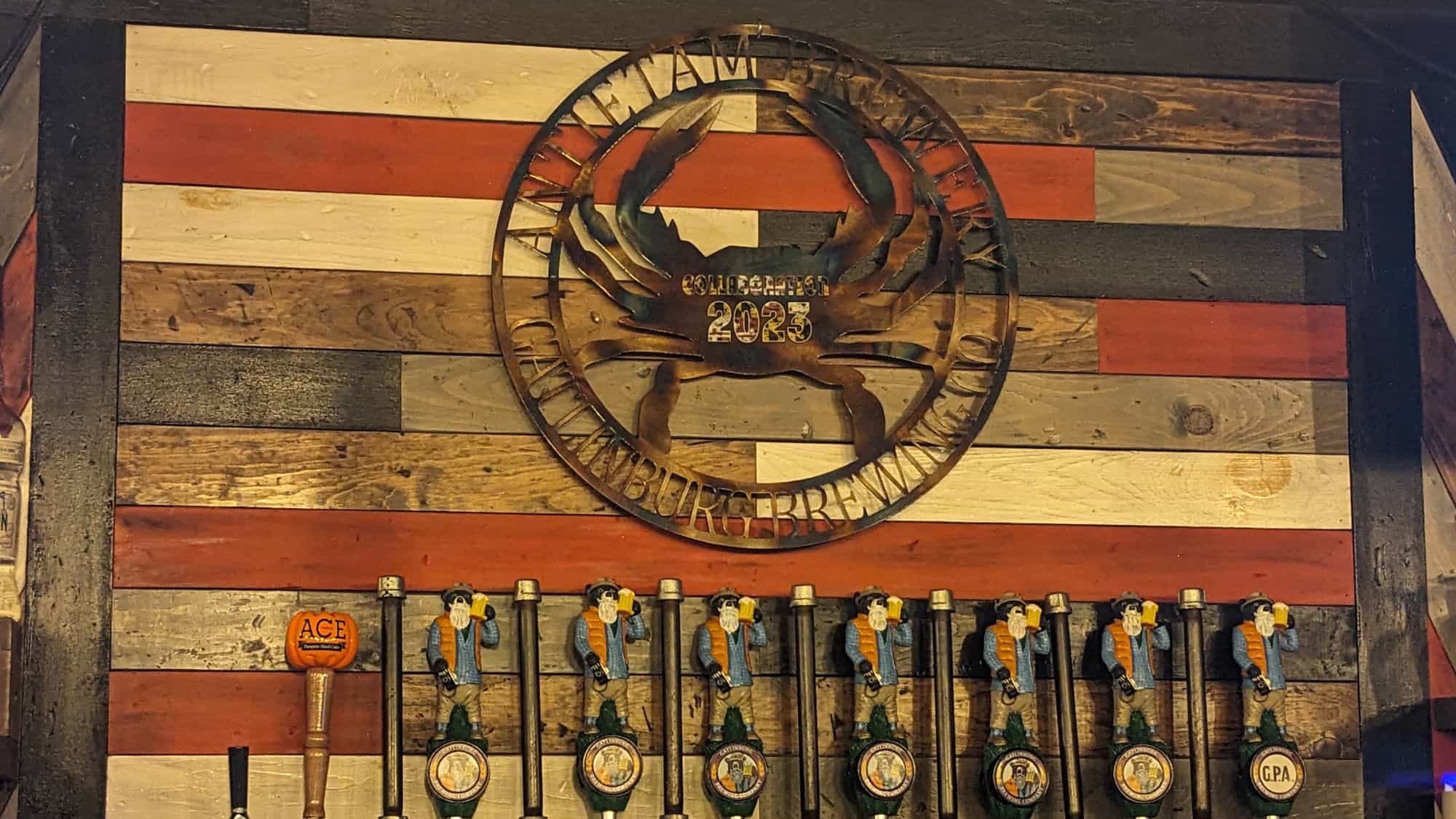
Gatlinburg operates as the bustling, energetic front door to Great Smoky Mountains National Park, the most visited national park in the United States.
While the main strip is known for its neon lights, attractions like Ripley’s Aquarium, and moonshine distilleries, the town still retains a deep connection to the Appalachian culture.
You can easily slip away from the sensory overload of the parkway to find quieter corners filled with craft shops and cozy cabins tucked into the wooded hillsides. And the Sugarlands Visitor Center is just two miles from downtown, making it incredibly easy to trade the pavement for the quiet of the forest trails in minutes.
The town serves as a year-round destination, but it truly shines in the fall when the surrounding hardwoods explode into vibrant shades of red, orange, and gold. During this time, the air fills with the scent of woodsmoke and roasting nuts, creating an atmosphere that is quintessentially cozy.
Visitors often ride the Gatlinburg SkyLift to the top of Crockett Mountain for sweeping views of the Smokies, offering a perspective of the misty peaks that gave the mountains their name.
Even with the millions of visitors passing through, you can still find a rocking chair on a porch and a plate of pancakes that make you feel right at home.
Bar Harbor, Maine – Acadia National Park

Perched on the edge of Mount Desert Island, Bar Harbor captures the essence of coastal New England charm while serving as the primary hub for exploring Acadia National Park.
The town has a history dating back to the Gilded Age, when it was a summer haven for America’s wealthiest families. And today, that legacy is visible in the beautiful Victorian mansions that have been converted into bed and breakfasts.
The town center fronts Frenchman Bay, where lobster boats bob in the water, and the salty breeze cools the air even on the warmest summer days. Plus, you are never far from the park, as the entrance to the Park Loop Road is just a short drive away.
Culinary experiences here are inextricably linked to the sea. Eating a fresh lobster roll or a cup of clam chowder is practically a mandatory part of the itinerary.
After a morning spent watching the sunrise from the summit of Cadillac Mountain (the first place to see the sunrise in the United States during part of the year), you can spend the afternoon browsing the local bookstores and boutiques.
Moab, Utah – Arches And Canyonlands National Parks

Moab is the undisputed adventure capital of the American Southwest, strategically positioned between the fiery arches of Arches National Park and the deep canyons of Canyonlands National Park. The town itself is an oasis of green in a vast landscape of red slickrock and desert sand.
Main Street is lined with outfitters renting Jeeps and mountain bikes, reflecting the high-energy spirit of the visitors who flock here. And Arches National Park is only five miles north of town, meaning you can hike to Delicate Arch in the morning and be back in town for a burger by lunchtime.
The Colorado River also winds past the town, offering rafting and kayaking opportunities that cool you down after a day in the sun.
Despite the rugged terrain, Moab has developed a cozy side that appeals to those who prefer comfort over camping. There is a diverse range of accommodations, from luxury glamping tents to upscale lodges with pools overlooking the red rocks.
In the evenings, the desert heat dissipates, and the sky turns into a planetarium of stars. Sitting on a patio in Moab, watching the rocks change color in the twilight, gives you a profound sense of isolation and peace, even with the amenities of a modern town at your fingertips.
West Yellowstone, Montana – Yellowstone National Park

Sitting right at the West Entrance of the world’s first national park, West Yellowstone offers the closest access to the park’s geyser basins.
This small Montana town embraces its frontier heritage, with log cabin architecture and a distinct Old West character that feels authentic rather than kitschy. It is a practical and convenient base for seeing Old Faithful and the Grand Prismatic Spring, which are located on the western side of the park loop.
The town is surrounded by national forests, extending the wilderness experience beyond the park boundaries. And you can learn about the local apex predators safely at the Grizzly & Wolf Discovery Center, a wildlife park and educational facility located in town.
Winter transforms West Yellowstone into a snow-covered wonderland. When the park roads close to regular vehicles, the town becomes a hub for snowcoaches and snowmobiles, which are the only motorized way to enter Yellowstone during the cold months.
The streets are often left snow-packed to accommodate snowmobiles, creating a unique transportation network. The biting cold is offset by warm cafes and theaters showing films about the park’s history.
Estes Park, Colorado – Rocky Mountain National Park

Sitting at an elevation of 7,522 feet, Estes Park serves as the eastern gateway to Rocky Mountain National Park.
The town feels deeply connected to the wilderness that surrounds it, largely because the local wildlife often wanders right through the streets. It is not uncommon to see herds of elk grazing on the golf course or resting near the center of town, especially during the fall rut season.
This proximity to nature makes the transition from town to trail feel seamless. In fact, you are only a few miles from the Beaver Meadows Entrance, which allows you to get an early start on popular hikes before the afternoon thunderstorms roll in during the summer months.
The downtown area runs along Elkhorn Avenue, where historic buildings house candy shops, outdoor gear outfitters, and restaurants serving hearty mountain fare.
For a touch of history mixed with spine-tingling folklore, the Stanley Hotel sits on a hill overlooking the valley. This colonial revival hotel famously inspired Stephen King to write The Shining and offers ghost tours for those interested in its spirited past.
Winter brings a different kind of quiet to Estes Park, as the crowds thin out and snowshoes become the preferred mode of transportation. So whether you are visiting for the summer wildflowers or the winter solitude, this town provides a comfortable, high-altitude refuge.
Jackson, Wyoming – Grand Teton National Park

Jackson sits in a valley known as Jackson Hole, framed by the jagged peaks of the Grand Teton Range. The town balances its cowboy roots with a modern, upscale flair.
The iconic town square, famous for its arches made of thousands of shed elk antlers, serves as the community’s heart. And the boardwalks of Jackson are lined with art galleries, western wear shops, and steakhouses.
You can catch a staged shootout in the streets during the summer evenings or visit the National Museum of Wildlife Art, which overlooks the National Elk Refuge.
The atmosphere is undeniably high-end, yet it retains a rugged edge that respects the harsh environment surrounding it. Lodging ranges from historic hotels to luxury resorts, all designed to keep you cozy when the temperatures drop.
You are also just a short drive from the southern entrance of Grand Teton National Park, where the mountains rise abruptly from the valley floor without foothills.
In the winter, the town is a world-class skiing destination, but summer brings hikers and wildlife enthusiasts hoping to spot moose and bears.
Twentynine Palms, California – Joshua Tree National Park

Situated on the northern edge of Joshua Tree National Park, Twentynine Palms offers a laid-back, artistic alternative to the busier western entrance. The town is home to the park’s headquarters and the Oasis of Mara, a historic natural spring that has supported life in the Mojave Desert for thousands of years.
The North Entrance typically sees less traffic than the West Entrance, allowing for faster access to the park’s surreal rock formations and Joshua tree forests. And the landscape here is stark and beautiful, characterized by wide open spaces and distinctive desert light that has attracted artists for decades.
The town embraces a quirky, creative spirit, evident in the numerous murals painted on buildings throughout the community, depicting local history and desert life.
You won’t find many chain hotels here; instead, accommodation options include renovated motels, desert cabins, and eclectic vacation rentals.
The night sky is also a major attraction, as the distance from major city lights makes for incredible stargazing right from your patio.
Grand Lake, Colorado – Rocky Mountain National Park

Located on the western side of Rocky Mountain National Park, Grand Lake offers a tranquil alternative to the busier eastern gateway of Estes Park.
The town sits on the shores of Colorado’s largest and deepest natural lake, providing a stunning waterfront setting beneath the snow-capped peaks. It serves as the western terminus for the Trail Ridge Road, the highest continuous paved road in the United States, which connects the two sides of the park.
This side of the park is generally wetter and greener, home to moose and lush valleys that feel distinct from the rugged cliffs of the east side.
The town features a classic boardwalk lined with shops and restaurants that retain a turn-of-the-century charm. And life here revolves around the water, with kayaking and boating being popular summer pastimes.
In the winter, the town is known as the “Snowmobiling Capital of Colorado,” offering access to miles of groomed trails. It is a cozy, intimate community where the mountains meet the water, offering a peaceful retreat for those looking to escape the crowds.
Talkeetna, Alaska – Denali National Park
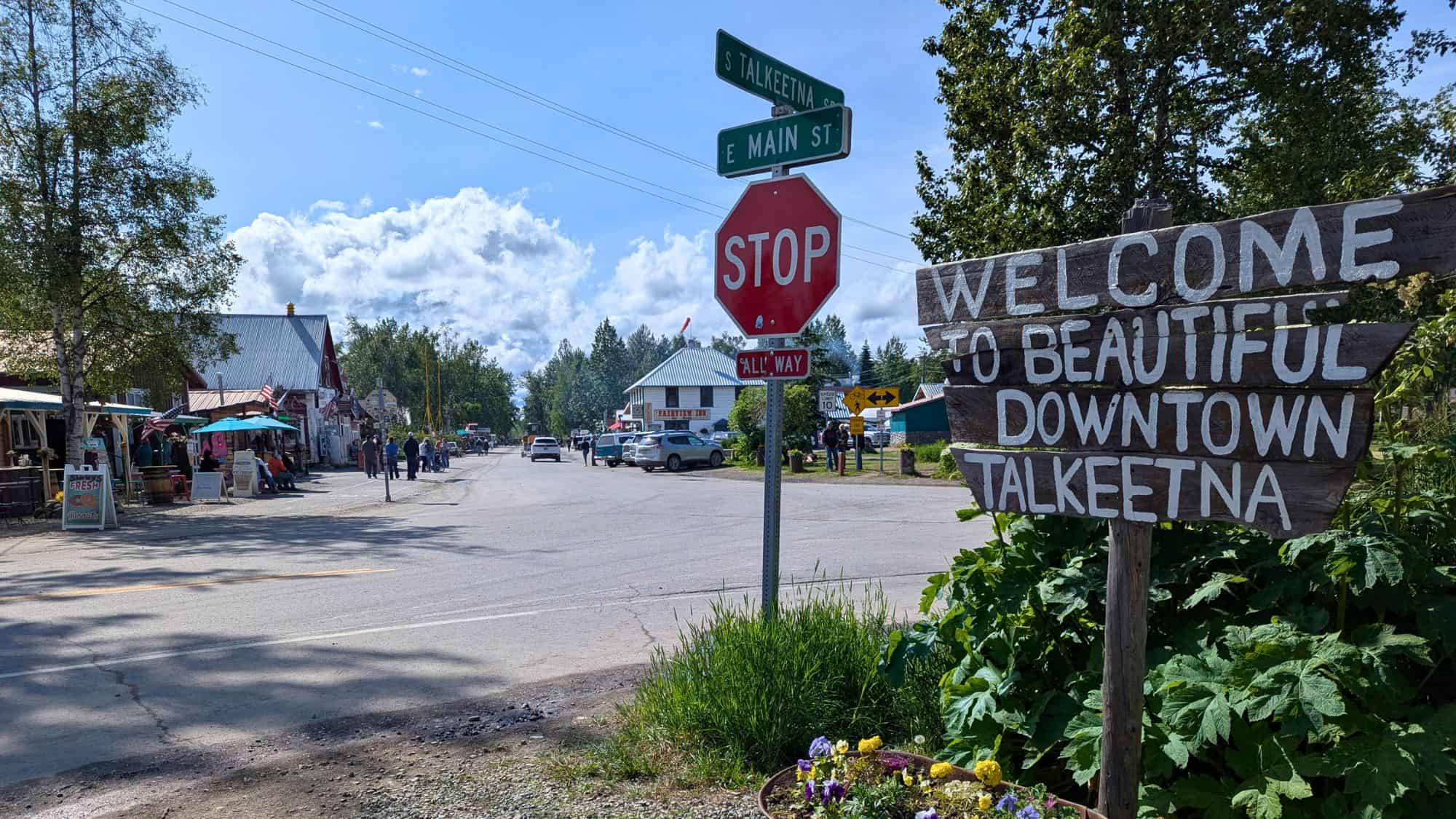
Talkeetna is a quintessential Alaskan town, full of character and situated at the confluence of three wild rivers. While the entrance to Denali National Park is further north, Talkeetna serves as the primary base for climbers attempting to summit Denali, the highest peak in North America.
The downtown area is listed on the National Register of Historic Places and features log cabins, roadhouses, and dirt parking lots that add to the frontier atmosphere. And the community is famous for its eccentricities, like a cat named Stubbs, who was the honorary mayor for nearly 20 years.
You can spend hours sitting by the riverbank watching the Susitna River flow by, or listening to live music at the Fairview Inn. The views of the Alaska Range on a clear day are breathtaking, with Denali dominating the horizon.
Flightseeing tours depart from the local airstrip, taking visitors over the glaciers and around the mountain’s massive summit, offering views that are inaccessible from the park road.
At the end of a busy day, dining here is hearty and casual, perfect for fueling before your next adventure.
Bryce Canyon City, Utah – Bryce Canyon National Park

Bryce Canyon City exists almost entirely to serve visitors to Bryce Canyon National Park. Located just a mile from the park entrance, it offers unparalleled convenience for those wanting to see the sunrise over the famous hoodoos.
The town is dominated by the historic Ruby’s Inn, which has been hosting guests since 1916 and has grown into a massive complex of lodging, dining, and activities. The high elevation (over 7,500 feet) means the air is crisp and cool, even in summer, necessitating warm layers in the evenings.
Because the town is so close to the rim, you can easily hop on the park shuttle or drive in for a quick hike and return to your room for a break. The area also hosts nightly rodeos in the summer, adding a touch of western entertainment to your stay.
Winter brings snow to the red rocks, creating a stunning visual contrast, and the town facilitates cross-country skiing and snowshoeing.
Plus, the limited light pollution makes it a prime spot for astronomy programs.
Luray, Virginia – Shenandoah National Park

Located in the Shenandoah Valley between the Blue Ridge Mountains and the Massanutten Range, Luray is a scenic gateway to Shenandoah National Park. It is located near the Thornton Gap Entrance and the headquarters of the park, providing easy access to the famous Skyline Drive.
However, the town is perhaps best known for Luray Caverns, the largest cavern system in the eastern United States. This underground wonder features massive columns and a “Stalacpipe Organ” that plays music on stone formations.
The town itself features a quaint historic district with arts centers, antique shops, and local eateries. You can walk along the Hawksbill Greenway, a paved walking and biking path that follows the creek through town.
The hospitality here leans towards bed and breakfasts and mountain cabins, emphasizing a slow, romantic pace. And fall is particularly spectacular, as the valley transforms into a patchwork of fall colors.
If you get a minute, swing by Cooters. It’s especially nostalgic if you grew up watching reruns of The Dukes of Hazzard, as I did as a kid.
Staying in Luray allows you to explore both the subterranean wonders and the mountain heights, wrapping your trip in the gentle, hospitable culture of the Virginia mountains.
Cedar City, Utah – Cedar Breaks National Monument And Zion National Park

Cedar City calls itself “Festival City USA,” and for good reason. It is home to the Utah Shakespeare Festival, which draws theater lovers from all over the country.
Beyond the stage, it serves as a strategic gateway to multiple natural wonders. It sits just a short drive from the Kolob Canyons section of Zion National Park, a spectacular but less-visited area of red rock fingers jutting into the sky.
It is also the perfect base for visiting Cedar Breaks National Monument, a massive natural amphitheater that sits at over 10,000 feet and offers scenery rivaling Bryce Canyon with a fraction of the crowds.
The presence of Southern Utah University gives the town a youthful, academic energy, with plenty of cultural events and a vibrant arts scene. And the historic downtown features brick buildings housing coffee shops and local breweries.
Because of its location on the I-15 corridor, it offers easy access while maintaining a small-town feel. You can spend the day hiking among ancient bristlecone pines in the high country and the evening watching a world-class play.
Like Our Content? Follow Us on MSN (or click the Follow Button above) for more from Discover Parks & Wildlife.