Discover Parks & Wildlife contains affiliate links and is a member of the Amazon Services LLC Associates Program. If you make a purchase using one of the Amazon links, we may receive compensation at no extra cost to you. We may also use select AI tools to support our creative process, but all content is reviewed, refined, and finalized by our human team. See our disclosure policy and our AI use policy for more information.
14 Wildlife Dates For Couples Who Prefer Wild Over Wine
The best kind of date doesn’t come with candlelight or overpriced entrées. Instead, it starts with dirt under your boots and something wild moving in the distance. And for couples who’d rather trade a wine list for a pair of binoculars, the world has plenty to offer.
There’s something magnetic about standing side by side, watching life unfold untamed and unfiltered. The air smells sharper, sounds carry farther, and the silence between you feels earned, not awkward. These are the kinds of moments that don’t fade when the weekend ends. They’re stitched together by salt spray, birdsong, and the hush that comes before something incredible happens.
You won’t need a reservation or a five-star review; just good timing, a sense of adventure, and maybe a decent rain jacket. From frozen coastlines to warm summer forests, there are wild encounters that remind you both how big the world still is.
The best part? Each season brings its own heartbeat, its own chance to witness nature putting on a show just for those willing to step outside and pay attention.
Husavik, Iceland — Whale Watching On Skjalfandi Bay

Cold spray hits your cheeks as the boat noses out of Husavik harbor, gulls skirling overhead, and the snow-streaked Tjornes Peninsula sliding past. Skjalfandi Bay drops deep fast, and that’s the magic: nutrient-rich water draws humpbacks and minke in summer, with occasional blue whales making cameos.
Tours run straight from town, from steady oak schooners to fast RIBs; choose comfort or adrenaline, same whales. Peak sightings run from June through August, though trips start earlier and carry into autumn as long as the whales are present. Guides read spouts and tail patterns, then cut engines so you hear the breath before the body; two beats, then the lift and vanish.
Dress like you mean it; wind at 66 degrees north has opinions. When you’re done, warm up at the Husavik Whale Museum, where skeletons and sighting data give the bay’s stories a backbone.
You’re not promised a breach, but patience usually pays. For two people leaning on one rail, this is romance done right.
San Ignacio Lagoon, Mexico — Gray Whales
Morning wind smells of salt and dust as the panga idles in green water, mangroves low on the horizon, and pelicans arrowing past. This lagoon sits inside the El Vizcaino Biosphere Reserve, a UNESCO-listed whale sanctuary where eastern Pacific gray whales haul in after a 10,000-plus-mile migration from Arctic feeding grounds.
Peak season runs January through March, when calves learn to surface beside their mothers and the so-called “friendly” whales sometimes roll over to eye your boat. Licensed skippers follow strict rules here, which makes it even more enjoyable knowing the animals come first. Engines to neutral, limited boats per whale group, no chasing. Encounters happen on the whales’ terms.
Camps are tidy and low-impact, reached by fly-in charters or a long desert drive that keeps crowds honest. And if a whale brushes the hull and you forget every plan for the day, that’s normal. You came here to be small, together, with something bigger.
Rocky Mountain NP, Colorado — Elk Rut In Moraine Park

Cold breath hangs in the valley, and frost snaps under your boots as first light hits the grasses of Moraine Park. A bull rakes a willow, lifts his head, and the bugle rips across the meadow (high, then hollow) answering calls rolling off the moraines around you.
September into October is prime time here, the annual rut turning this broad glacier-carved flat into an arena. Keep it smart: the park’s rule is 25 yards minimum from elk, more from bulls in rut, and rangers do not negotiate. Don’t forget that dawn and dusk are the sweet spots, when harems drift between the Big Thompson River and the shadow line.
Bring long lenses, patience, and layers; at roughly 8,000 feet, the morning chill has range. And if a challenger steps out and the valley goes quiet, let the show run and the camera rest. Two people, one edge of grass, and a sound you feel more than hear. That’s the kind of quiet that earns its keep.
Maui Nui, Hawaii — Humpbacks In The Auʻau Channel

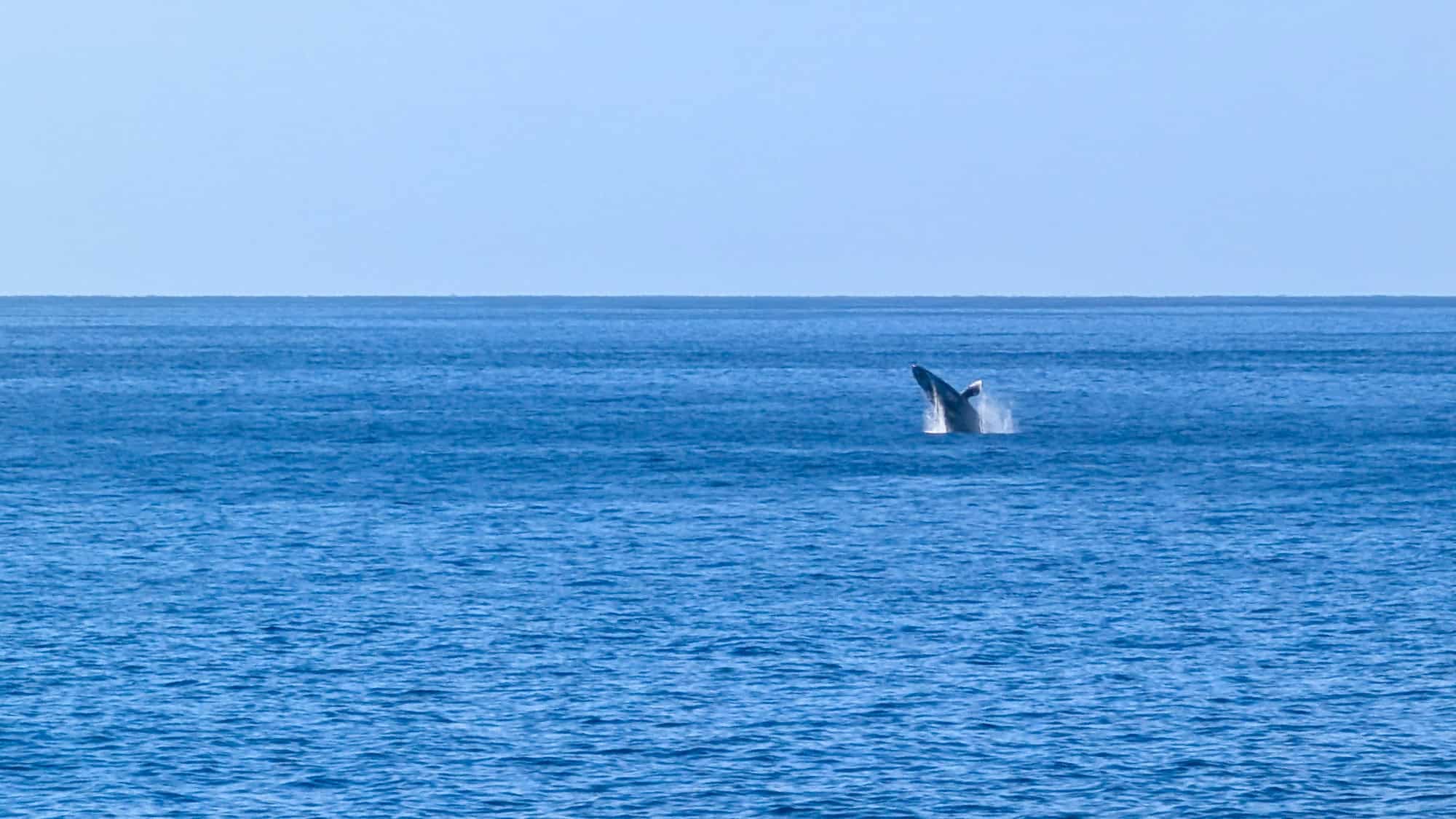
Morning light hits the West Maui Mountains, and the channel lies flat as hammered tin. Then a spout lifts ahead, white on blue, and a fluke follows with that clean, slow rise you feel in your chest. The Auʻau Channel, sheltered between Maui, Lanaʻi, and Molokaʻi, is shallow and warm. And it is prime breeding water for North Pacific humpbacks that migrate more than 3,000 miles from Alaska each winter.
Peak traffic runs January through March, and it shows; some days you can scan 360 degrees and count blows on both hands. Don’t worry, the whales come first. Boats work under NOAA rules (no approaching within 100 yards), so skippers idle down and let the whales choose to move in.
Hydrophones turn the deck into a listening room when the singers start below. Sunset rides are calm and easy on the eyes, which helps if you’re prone to dramatics at sea. Two people, one rail, steady water, and a living soundtrack; that’s romance done the right way.
National Elk Refuge, Wyoming — Winter Sleigh Rides To Elk Herds
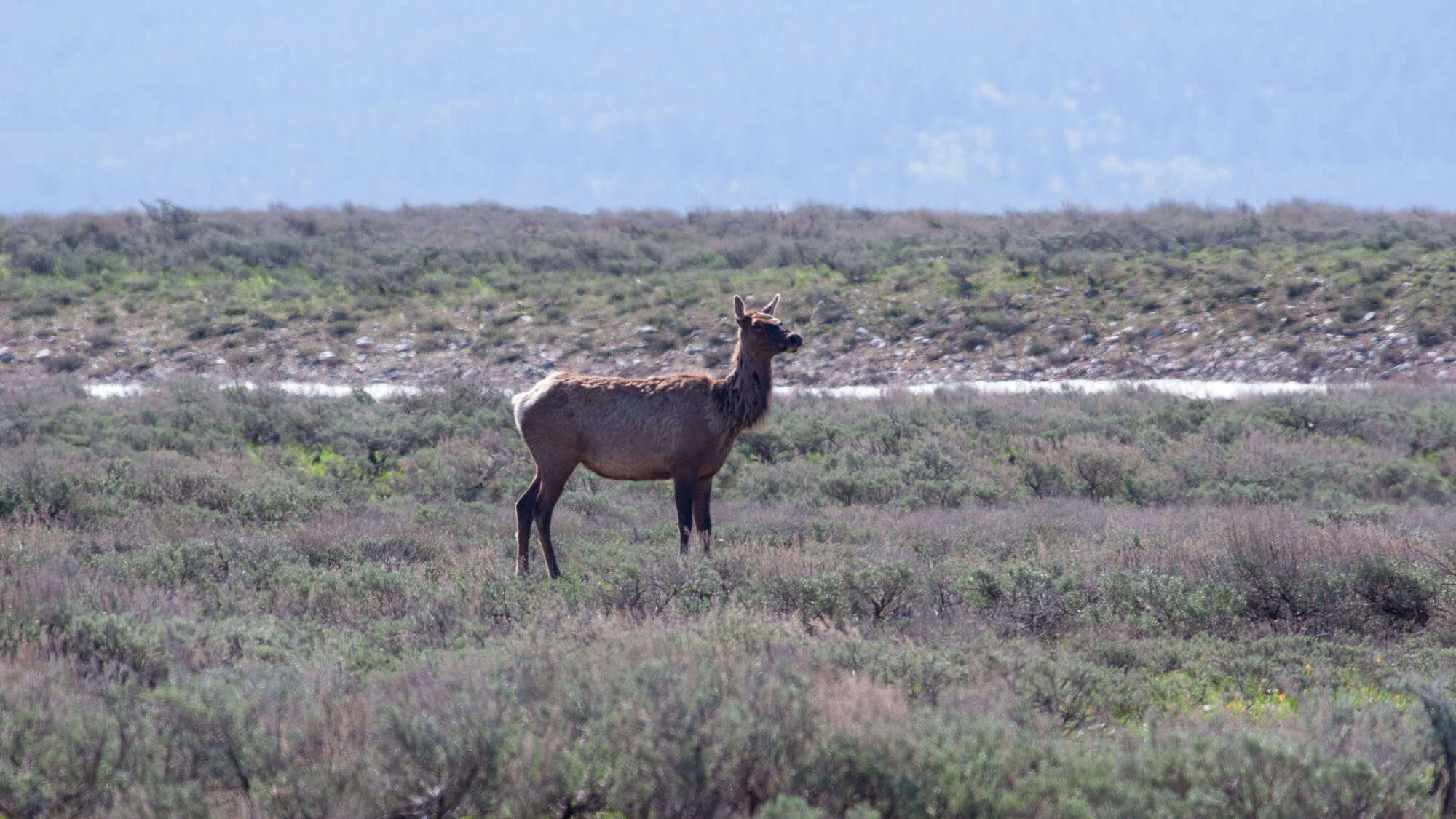
Snow squeaks under runners, and the air tastes clean enough to sting as the sleigh glides out from Jackson toward a tan sea of elk. Each winter, thousands from the Jackson Elk Herd funnel onto the National Elk Refuge, a landscape set aside in 1912 to protect scarce winter range.
From mid-December into early April, the U.S. Fish & Wildlife Service authorizes guided sleigh rides run by a concessioner. Teams keep a respectful distance while a naturalist talks about antlers, foraging, and why hay feeding happens only under tight protocols. Make sure to bring real cold-weather gear (temperatures can hover well below freezing) and a long lens so you can stay put while the herd does its slow choreography across the sage.
You may even spot trumpeter swans or bighorn on the ridges if you look past the headlines. Cameras are great; elbows on animals are not. Two people tucked under one blanket, hooves ticking in the quiet? It’s exactly what you hope for when the crowd’s gone.
The Azores (Sao Miguel & Pico), Portugal — Sperm Whales Year-Round

Diesel hums, swell lifts, and Pico’s basalt cone hangs in the haze while a lookout on shore calls in a bearing. The Azores still use vigias (hilltop spotters from the old whaling days) to guide boats to deep water where the seafloor drops fast and sperm whales hunt squid. You can go from the dock to 1,000 meters of depth in minutes here, which is why sightings happen in every season.
Tours run from Ponta Delgada on Sao Miguel and from Lajes or Madalena on Pico. And operators follow strict codes on approach, time limits, and engine use, so the whales keep all the power. Spring adds travelers: blue and fin whales migrate past March through May, turning good days into great ones, while summer seas calm down for steadier runs.
Dress for spray, hold the rail, and keep eyes on the flat when the lookout says two blows, long and low. It’s not flashy, it’s disciplined. And that’s why it works for two people chasing the real thing. Quiet water, clear rules, shared focus.
Olympic NP, Washington — Roosevelt Elk In Hoh Rain Forest
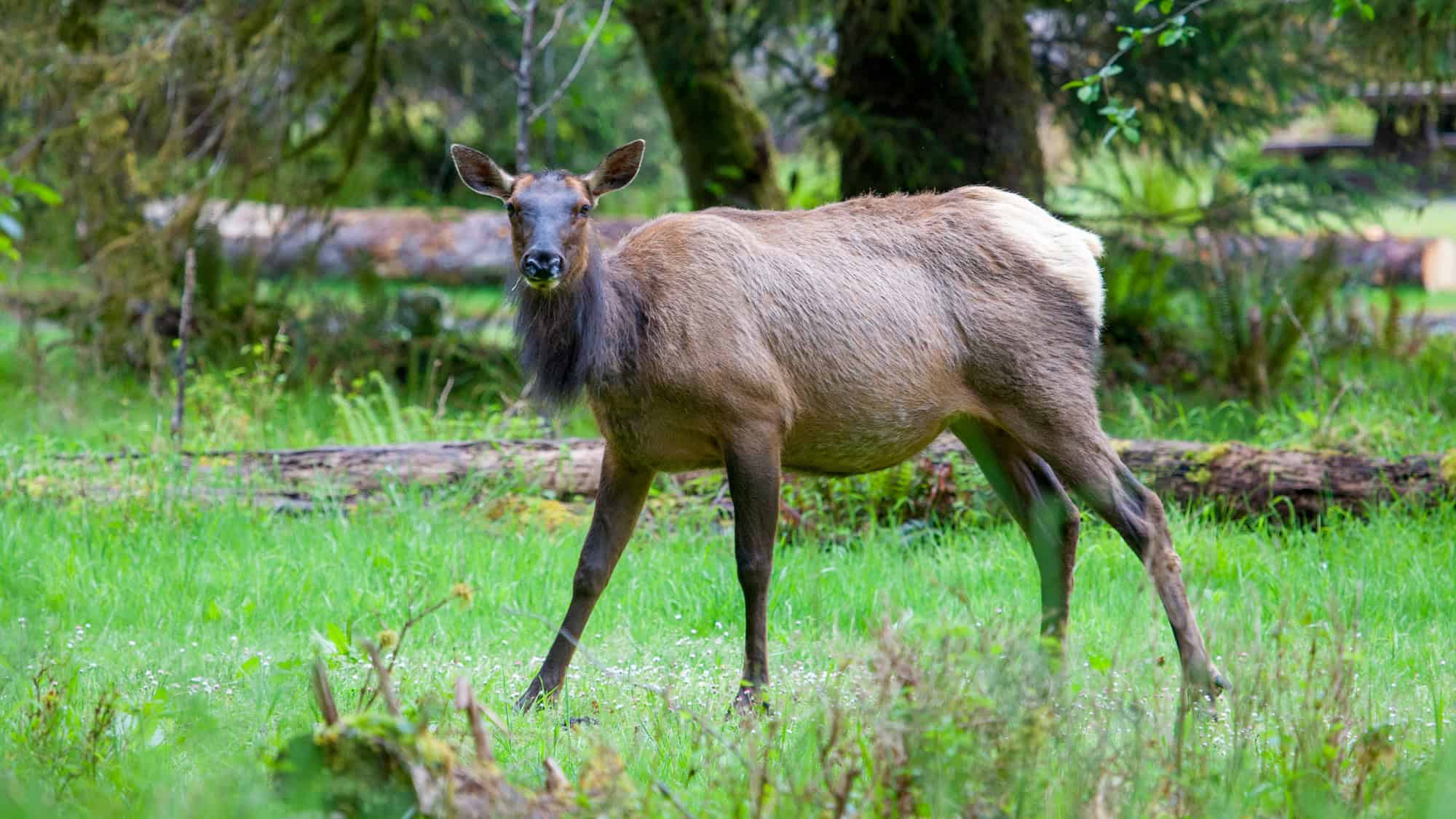
Drip, drip, drip; the forest breathes in mist as ferns slick your boots and bigleaf maples sag under curtains of moss. This is the Hoh, a temperate rain forest that soaks up more than 140 inches of precipitation most years, and the elk don’t bother migrating out.
Roosevelt elk (the largest North American elk subspecies) hold here year-round, moving between river bars, nurse logs, and the shadowed fringe of Sitka spruce. Dawn is best. Walk the Hall of Mosses or the Hoh River Trail and listen for hoof clicks on gravel and a soft huff you feel before you see anything.
Keep the standard 25-yard distance; bulls get protective in fall. Winter clears the crowds, but a rain shell isn’t optional. In summer, elk drift to the river braids at first and last light, sharing space with dippers and the odd cutthroat rise. But if your plan was to keep your pants dry, the rain forest has other ideas. Two people, one slow trail, and a herd that never left.
Farne Islands, England — Puffins And Grey Seals

Diesel, salt, and a slap of North Sea spray as the boat pushes off from Seahouses, kittiwakes stitching in the wind above the harbor wall. Out here, the Farnes rise in dark stacks and green caps. It’s a National Trust stronghold where Atlantic puffins nest in burrows from roughly April to late July and grey seals haul out year-round.
Come late autumn, the rocks go white with new seal pups; the Farnes host one of England’s largest grey seal colonies, with thousands born between October and December. Boats run as seabird cruises or seal safaris, with landings on Inner Farne or Staple when conditions and seasons allow. Expect a small landing fee and a short safety talk.
Stay on boardwalks, respect ropes, and mind the arctic terns; they’ll tap your hat for free. Bring layers, a dry bag, and a lens that reaches, then let the captain handle the tide math and eddies. Two people on a moving deck, puffins arrowing home, seals watching with dark, patient eyes. No need for drama, just this view.
Great Smoky Mountains NP, Tennessee — Synchronous Fireflies At Elkmont
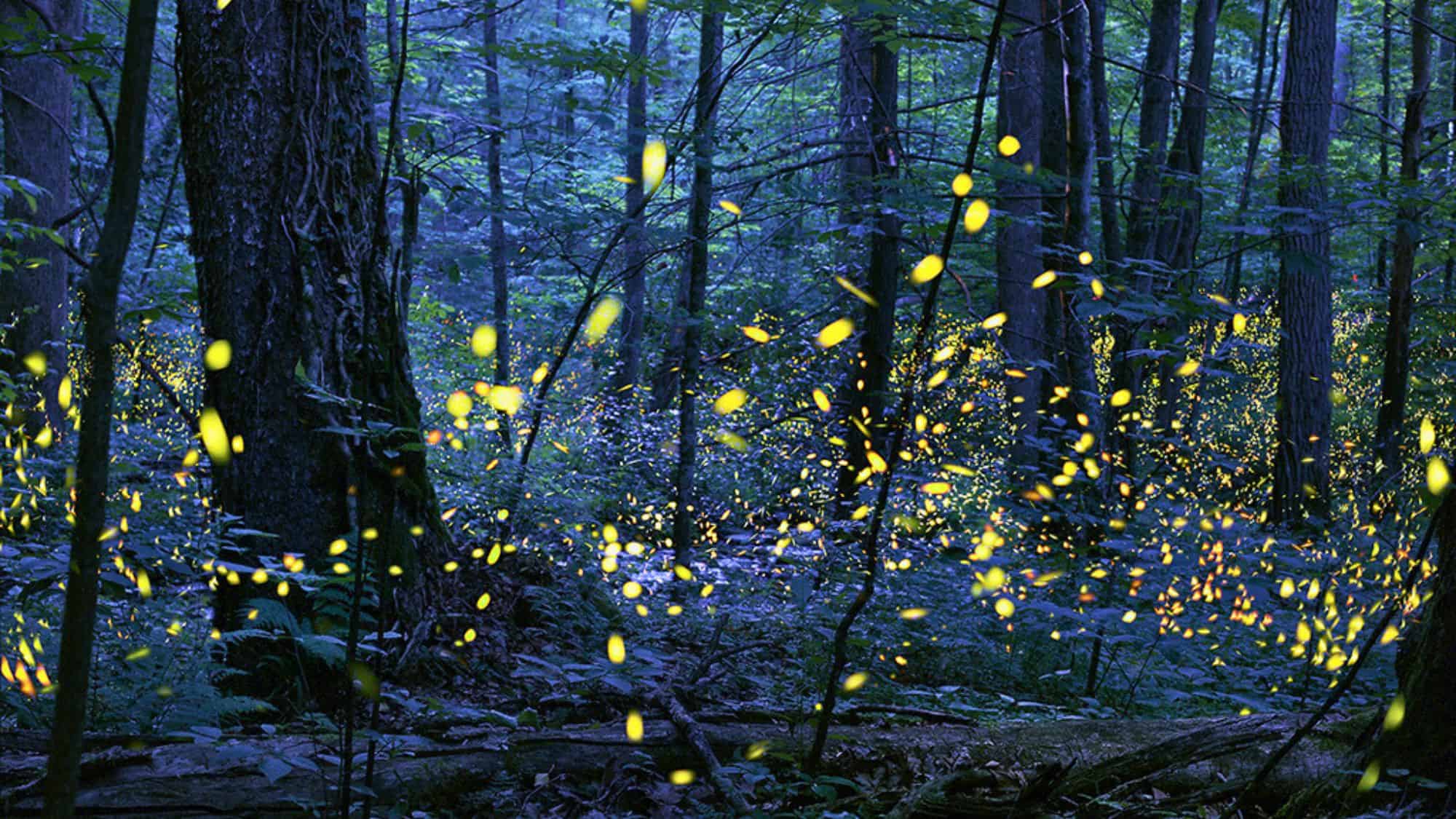
Warm air hangs thick, and the woods smell of damp leaves as dusk slips into the Little River valley. One light blinks, then another, and within minutes the understory turns into measured pulses. It’s the mating display of photinus carolinus, one of the few firefly species that synchronize flashes.
Peak viewing typically lands in late May to mid-June, and the park controls access with an annual lottery, shuttle system, and strict rules on light discipline. No white beams, no phone screens; red cellophane and patience. Bring a low camp chair, long sleeves, and a headlamp with a red mode.
You won’t need a lens; long exposures ruin the moment and the etiquette. When the cadence locks in, whole swaths of forest go dark for a beat, then fire together in waves that move like breath up the slope. Conversations fall to whispers, which is polite and practical. Two people sitting shoulder to shoulder, letting their eyes adjust while the woods run the show.
Witless Bay Ecological Reserve, Canada — Puffins And Humpbacks

Fog lifts off the Avalon as your boat slips past stacks and green slopes, the air smelling of kelp and diesel. Witless Bay Ecological Reserve protects four islands: Gull, Green, Great, and Pee Pee. And they are home to North America’s largest Atlantic puffin colony, with well over two hundred thousand breeding pairs crowding burrows each summer.
June through August, humpbacks push close when capelin school along the coast, and a flat sea can suddenly erupt into a lunge feed ten meters off the bow. Tours run from Bay Bulls and Witless Bay, with skippers idling down and minding distances while the birds commute in fast, low torpedoes.
Petrels storm the twilight, murres stack the ledges, and the lighthouse sits out there acting like all this is normal. And if a puffin skims past your knees and you laugh at nothing in particular, that’s standard. Two people, one rail, clean ocean daylight; it’s exactly what you hope for on an outdoor date.
Boulders Beach, South Africa — African Penguins

Granite blocks warm in the sun, the water runs glassy and blue-green, and the air carries a faint whiff of kelp. Just beyond the foam line, tuxedoed shapes arrow through shallows or waddle across sand. This colony sits inside Table Mountain National Park and is managed by SANParks, with boardwalks at Foxy Beach that keep you close without stressing birds.
African penguins are endangered, and Boulders grew from a single pair that nested here in the early 1980s to a few thousand birds today. You’ll pay a conservation fee, step onto timber paths, and watch courtship bowing, nest swaps, and the occasional quarrel with a gull that should know better.
Swim at the sheltered coves next door if you want water time; rangers keep a three-meter buffer, and no one argues with the beak. Best light is early and late, and summer winds make the sea feel colder than the map suggests. Two people, one quiet boardwalk, and a working colony doing what it does best.
Crystal River, Florida — Manatees In Kings Bay

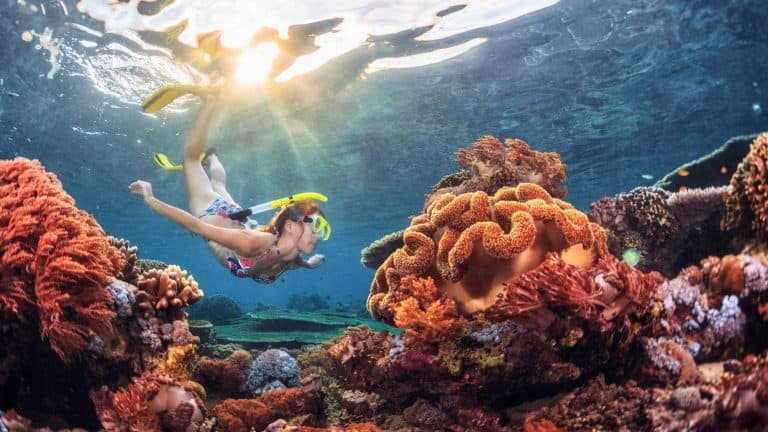
Morning fog rolls over 72-degree spring water, and you can taste the mineral edge before your mask even fogs. Kings Bay is the warm-hearted winter refuge for Florida manatees, fed by dozens of constant-temperature springs that pull in hundreds of animals when Gulf temps drop.
From November through March, the Crystal River National Wildlife Refuge marks off sanctuaries, and guides brief you hard on etiquette: passive observation only, no chasing, no touching, stay low and still with a snorkel and a single flotation device. It’s the only place in the United States where regulated in-water manatee encounters are allowed, and the rangers enforce it with a smile and a citation book.
Slide in quietly, hands tucked, and let the big shapes drift past like gray zeppelins over eelgrass. If one exhales in your face and you taste lettuce on the breath, that’s not romance failing; that’s a once-in-a-lifetime moment. Two people, one calm bay, and slow sea cows. What more could you ask for?
Tortuguero NP, Costa Rica — Sea Turtle Nesting

Night air tastes of salt and rain as surf thumps the dark Caribbean shore, each wave smoothing the beach for what comes next. And Tortuguero is one of the Western Hemisphere’s most important green turtle rookeries. Peak nesting runs roughly July through October, with leatherbacks earlier in March–June and the odd hawksbill keeping its own counsel.
You don’t stroll out on your own here, though. Guides coordinate with park rangers, groups move in small numbers, and red filters on lamps keep eyes and hatchlings safe. No white lights, no flashes, no drama. You follow prints the width of your arm to a slow, deliberate turtle, shouldering into the sand. Watch the trance settle as eggs drop, and stand back while she erases the evidence with methodical sweeps.
Boats and boots both matter, as you will arrive from the village by canal, then walk the beach when the radio says it’s time. Bring dark clothing, quiet shoes, and patience for rain that arrives on schedule. Two people, one long shoreline, and a living ritual under clouds.
Kuala Selangor, Malaysia — Fireflies Along The Selangor River

Warm night air smells of river mud and mangrove as the rowboat slides off the jetty at Kampung Kuantan, oars soft, water black as tea. Then the trees light up, with tight clusters of male fireflies pulsing in near-perfect unison on berembang mangroves, a rhythm section running on biology, not batteries.
These are pteroptyx tener, famous for synchronous displays, and the locals keep it simple: hand-rowed boats, no white lights, and quiet voices so the show stays the show. Best viewing sits on moonless, dry nights when the tide runs easy; rain and bright moonlight mute the flicker.
Guides point close without crowding, a short drift between colonies that rise and dim like breathing. Wear light clothing, skip the perfume, and bring a bug repellent that doesn’t stink up the boat. Cameras? Leave the flash in the bag; nothing kills romance faster than a strobe on wildlife. Two people, one slow river, and a living metronome in the mangroves.
Like Our Content? Follow Us on MSN (or click the Follow Button above) for more from Discover Parks & Wildlife.
16 Animals With Nose Skills That Will Astonish You

Prepare to have your mind blown by these furry, feathered, and downright fascinating sniffing machines. They’ll sniff out things you didn’t even know existed. Who knew noses could be this impressive?
14 Galapagos Exclusives: Animals You Won’t See Anywhere Else

Curious about creatures that make unicorns seem ordinary? You’ll want to check this out. It’s like unlocking a secret level of wildlife wonder.
15 Dangerous Rainforest Animals That Command Respect
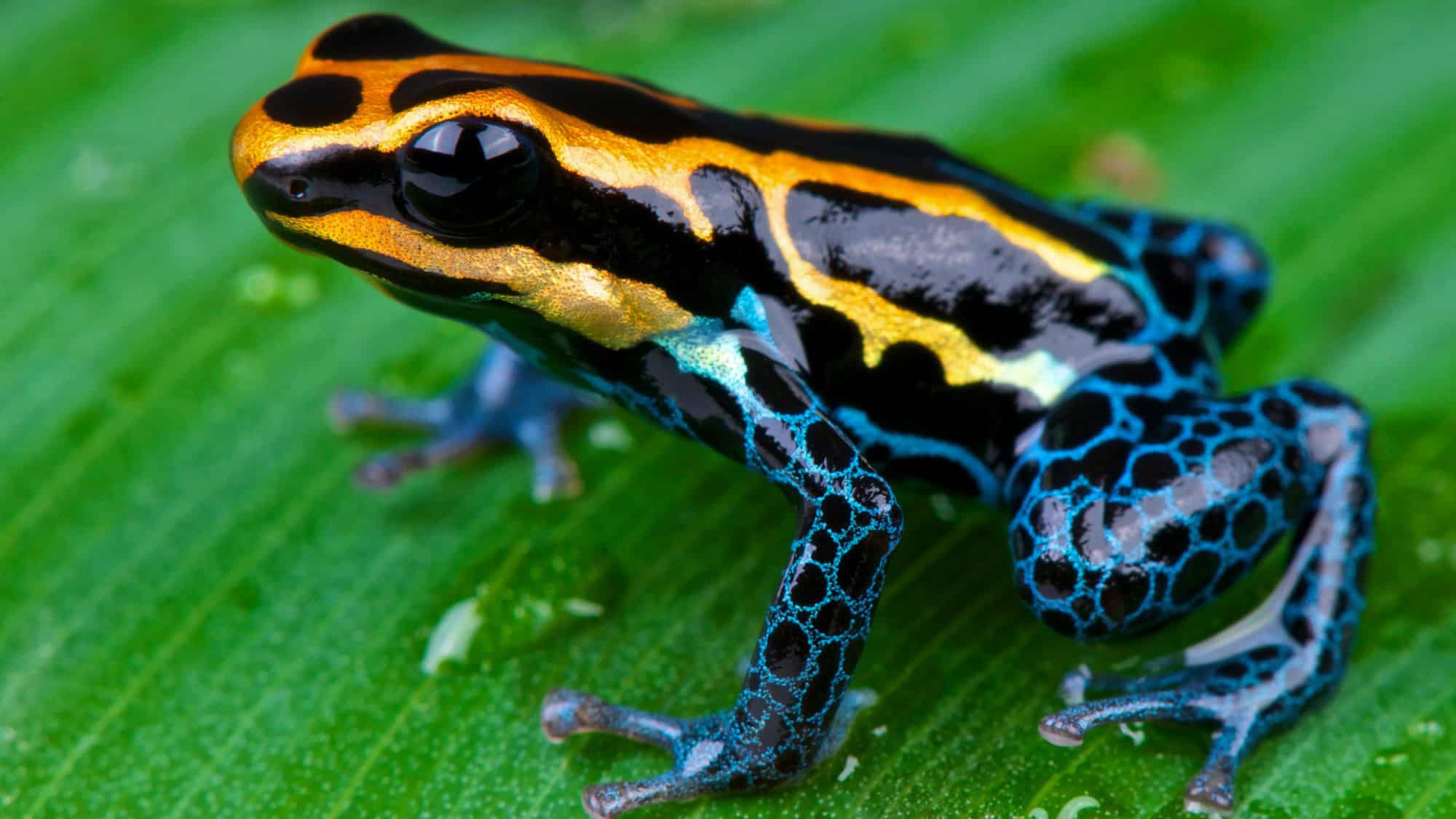
Curious about the kind of animals that laugh in the face of danger? You’re in for a wild ride with rainforests’ most respect-demanding residents. Don’t say I didn’t warn you.