Discover Parks & Wildlife contains affiliate links and is a member of the Amazon Services LLC Associates Program. If you make a purchase using one of the Amazon links, we may receive compensation at no extra cost to you. We may also use select AI tools to support our creative process, but all content is reviewed, refined, and finalized by our human team. See our disclosure policy and our AI use policy for more information.
12 National Monuments And Smaller Parks That Welcome RVs
Rolling into a national monument or smaller national park with your RV opens a different kind of outdoor experience, one that balances freedom with comfort. These lesser-known destinations often hide between more famous landmarks, offering spacious campgrounds, quieter trails, and scenery just as striking as the big names.
You can wake to red rock cliffs glowing in morning light, or park beneath ancient pines where the night sky spills across the horizon. And the best part is how accessible many of these sites are, with pull-through sites, hookups, and well-maintained roads that make navigation easy for rigs of all sizes.
For travelers who enjoy both solitude and convenience, these parks offer the sweet spot between adventure and rest. From lava fields in the Pacific Northwest to desert canyons in the Southwest, each destination gives you a distinct sense of place without the crowds or congestion of major parks.
Let’s take a look at some places across the United States that not only allow RVs but also encourage you to stay a while and enjoy the landscape at your own pace.
White Sands National Park, New Mexico

RV travelers find White Sands National Park mesmerizing, with its endless dunes of soft gypsum stretching for miles under a bright blue sky. The park allows limited access for day use, but nearby campgrounds around Alamogordo provide excellent options with hookups and easy entry to the park’s gate.
Driving Dunes Drive, an eight-mile route each way into the heart of the sands, feels otherworldly. You can pull off at designated areas for photography, hiking, or sledding down the dunes. And sunrise and sunset bring shifting shades of gold and silver across the landscape, turning the desert into a glowing sea of light.
Facilities include picnic areas, restrooms, and shaded shelters that make daytime visits comfortable. The road is paved for the first few miles and transitions to compacted gypsum, suitable for most RVs under normal conditions.
Canyon De Chelly National Monument, Arizona

Canyon de Chelly National Monument combines Navajo history, dramatic cliffs, and accessible camping for RV visitors. The monument lies within the Navajo Nation, with deep sandstone canyons carved over centuries. Cottonwood Campground near the visitor center accommodates RVs up to 40 feet, offering potable water and restrooms, though no hookups.
The scenic drives along the North and South Rims provide pullouts and overlooks where you can stop for sweeping views of Spider Rock, towering nearly 800 feet above the canyon floor. And you can also join a guided Navajo-led tour into the canyon to learn about ancient cliff dwellings and rock art.
Roads are paved, and the monument’s compact size makes it manageable for RV exploration without long drives between viewpoints. Evenings bring a quiet stillness, with canyon walls glowing orange before fading into purple twilight.
Craters Of The Moon National Monument, Idaho

Craters of the Moon National Monument surprises first-time visitors with its vast, black lava fields stretching toward the horizon. For RV travelers, the monument’s campground near the visitor center offers paved sites suitable for rigs up to 50 feet, with water available seasonally.
The seven-mile Loop Drive winds through lava flows, cinder cones, and volcanic craters that resemble a lunar landscape. Interpretive trails and short climbs reward you with sweeping views and fascinating geological details. And the region’s high desert air keeps summer evenings cool, and skies are famously dark for stargazing.
Nearby Arco provides fuel and groceries, making resupply simple. Roads are smooth and wide, making this an easy stop for both large motorhomes and tow-behind trailers. The surreal landscape feels untouched, yet it’s easily accessible by highway.
Capulin Volcano National Monument, New Mexico
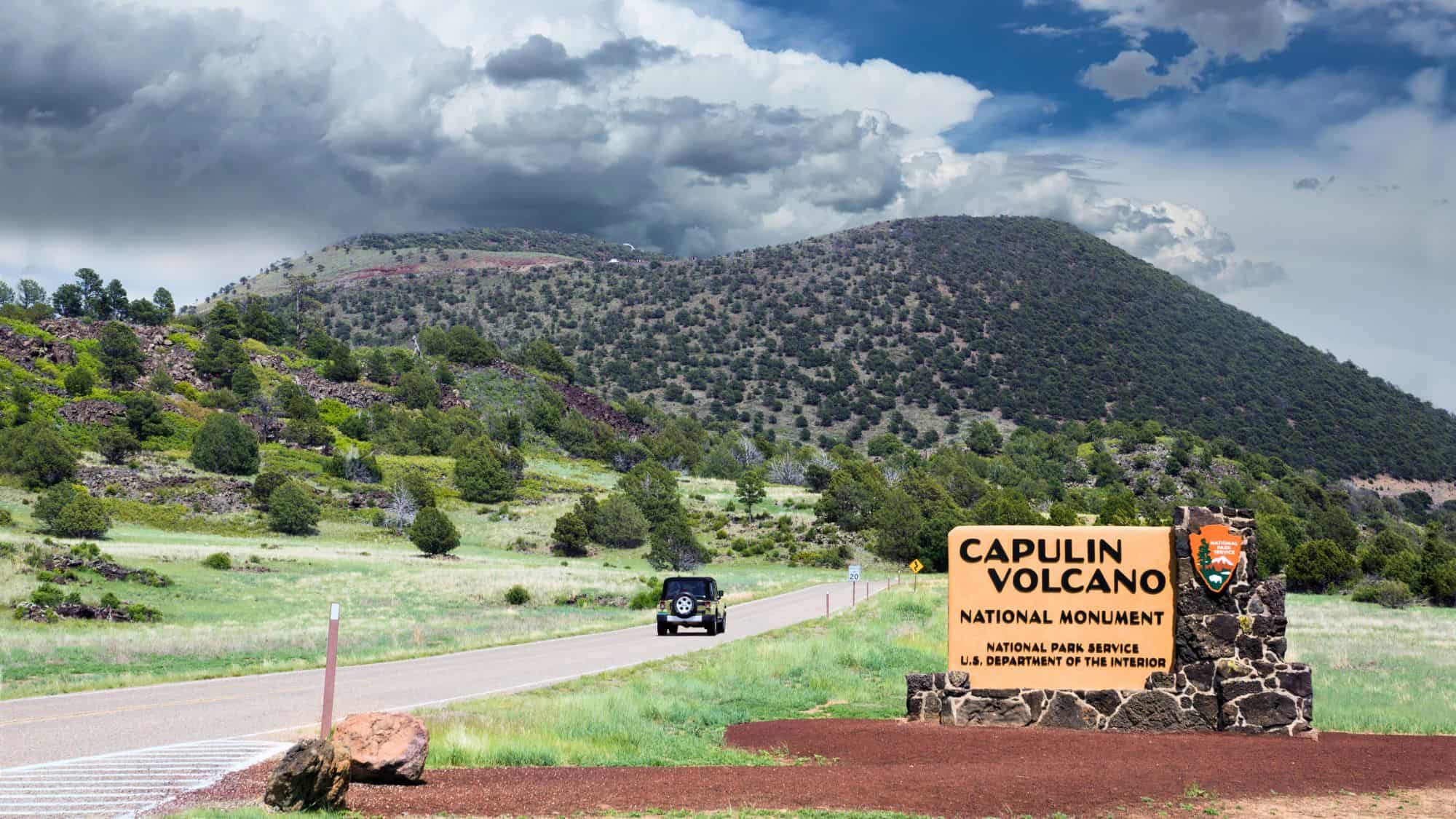
Capulin Volcano National Monument offers RV visitors the rare opportunity to explore an extinct cinder cone volcano up close. Located in northeastern New Mexico, the monument features a paved road ascending toward the summit, though it is restricted to vehicles under 26 feet. Larger RVs can park at the visitor center, where paved lots and shaded picnic tables make for a relaxing stop.
The Crater Rim Trail circles the top of the volcano, revealing both geological wonders and desert wildflowers clinging to black lava rock. Interpretive signs explain how eruptions shaped the region’s landscape, while the calm environment makes it ideal for slow exploration.
Summer temperatures stay mild compared to lower elevations, and nighttime skies are exceptionally dark for stargazing. While the monument itself doesn’t host overnight RV stays, nearby campgrounds in Capulin and Raton provide full hookups and easy access.
Tuzigoot National Monument, Arizona

Tuzigoot National Monument sits above the Verde River Valley, preserving a centuries-old pueblo built by the Sinagua people. RV travelers can access the site easily via Highway 89A, with roomy parking near the visitor center. Nearby Cottonwood and Clarkdale host several RV parks with full hookups and quick drives to the monument.
The main trail leads up the hillside ruins, offering panoramic views across the desert valley and distant red cliffs. Exhibits inside the museum explain local history, artifacts, and the community’s connections to other regional cultures. Because Tuzigoot lies near Jerome and Sedona, it fits perfectly into an Arizona loop rich with scenery and history.
The monument’s small scale means you can explore comfortably in a few hours before returning to shaded campsites along the Verde River. Smooth roads, accessible facilities, and mild winters make Tuzigoot an excellent year-round stop for those traveling Arizona’s central highlands by RV.
Lassen Volcanic National Park, California
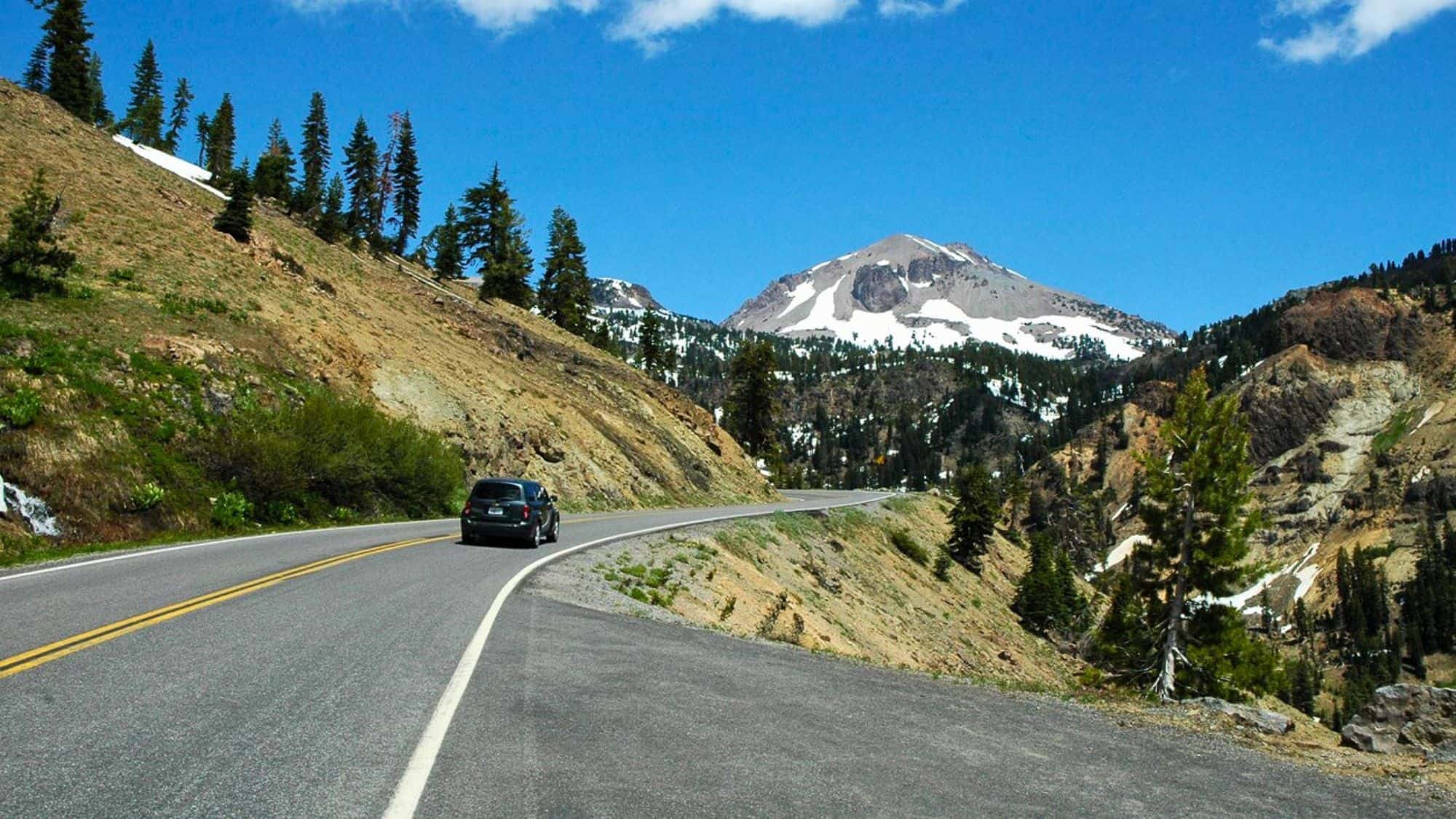
For RV enthusiasts seeking variety in one destination, Lassen Volcanic National Park delivers steaming fumaroles, alpine lakes, and meadows filled with wildflowers. The park’s Manzanita Lake Campground accommodates large RVs with spacious pull-through sites and dump stations.
Roads through the park climb past lava fields and sulfur vents, giving a firsthand look at how volcanic forces shaped Northern California. RVers often spend their days exploring hikes like Bumpass Hell Trail or the Devastated Area Interpretive Trail, where geothermal activity and mountain views meet.
Temperatures range comfortably in summer, with crisp nights perfect for campfires. Because the park sits above 6,000 feet, snow can linger into late spring, so checking conditions before arrival is wise. The drive itself, following Highway 89, is smooth but includes steady climbs and turns suitable for experienced RV drivers.
El Morro National Monument, New Mexico
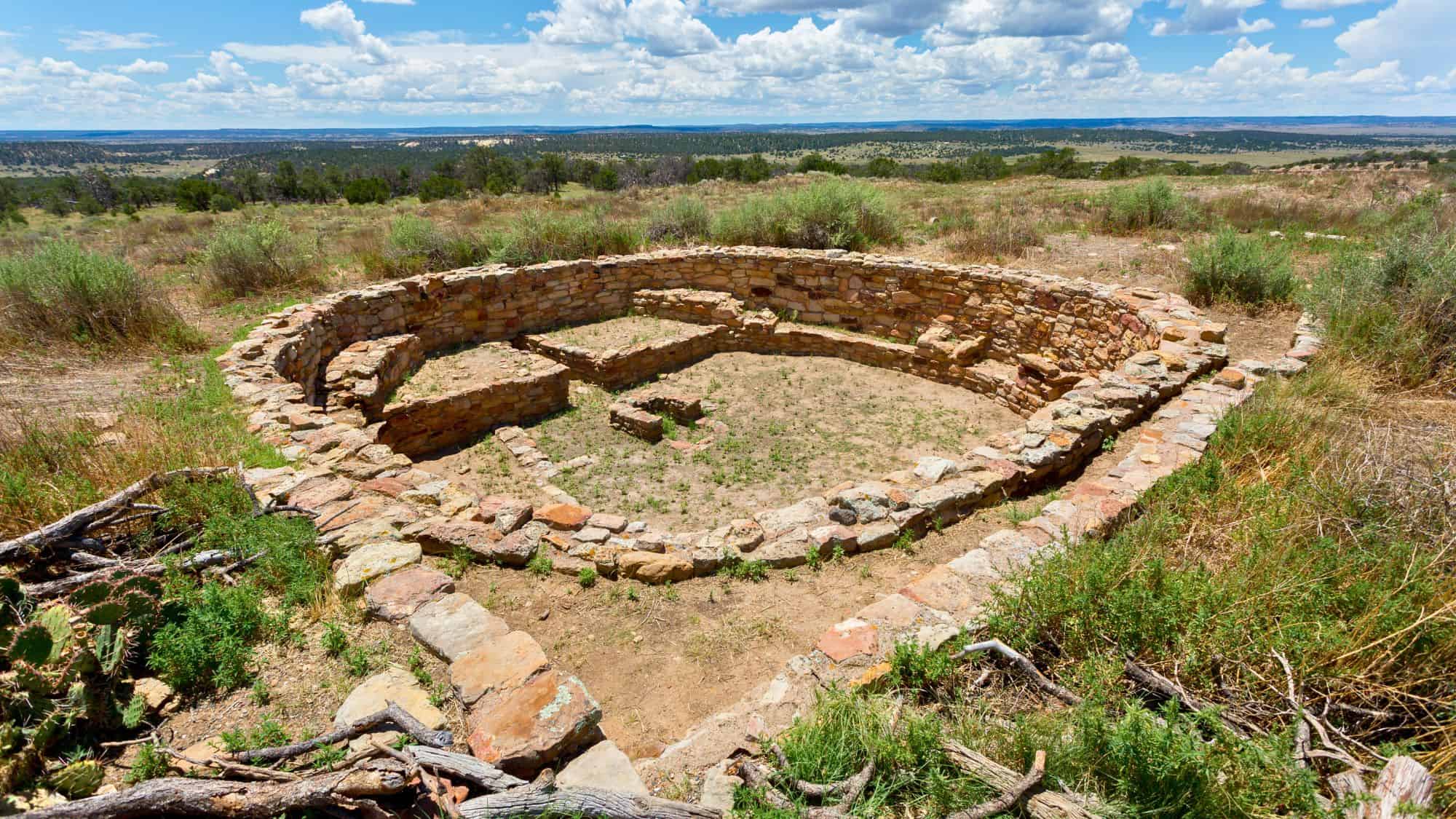
El Morro National Monument combines natural beauty with a striking record of human presence, all conveniently reachable by RV. A small campground near the base of the sandstone bluff offers shaded sites for rigs up to 27 feet, with restrooms and water available in warmer months.
The paved access road is manageable for most vehicles, and the visitor center includes additional parking for larger RVs. A one-mile trail leads to Inscription Rock, where travelers from centuries past carved their names into the stone. For those seeking a longer hike, the Headland Trail climbs above the cliffs to reveal ancient pueblo ruins and sweeping desert views.
Sunsets bathe the sandstone in warm orange light, while evenings remain quiet and clear. The site’s combination of history, solitude, and easy access makes it an appealing overnight destination for RV travelers crossing western New Mexico.
Hovenweep National Monument, Colorado and Utah
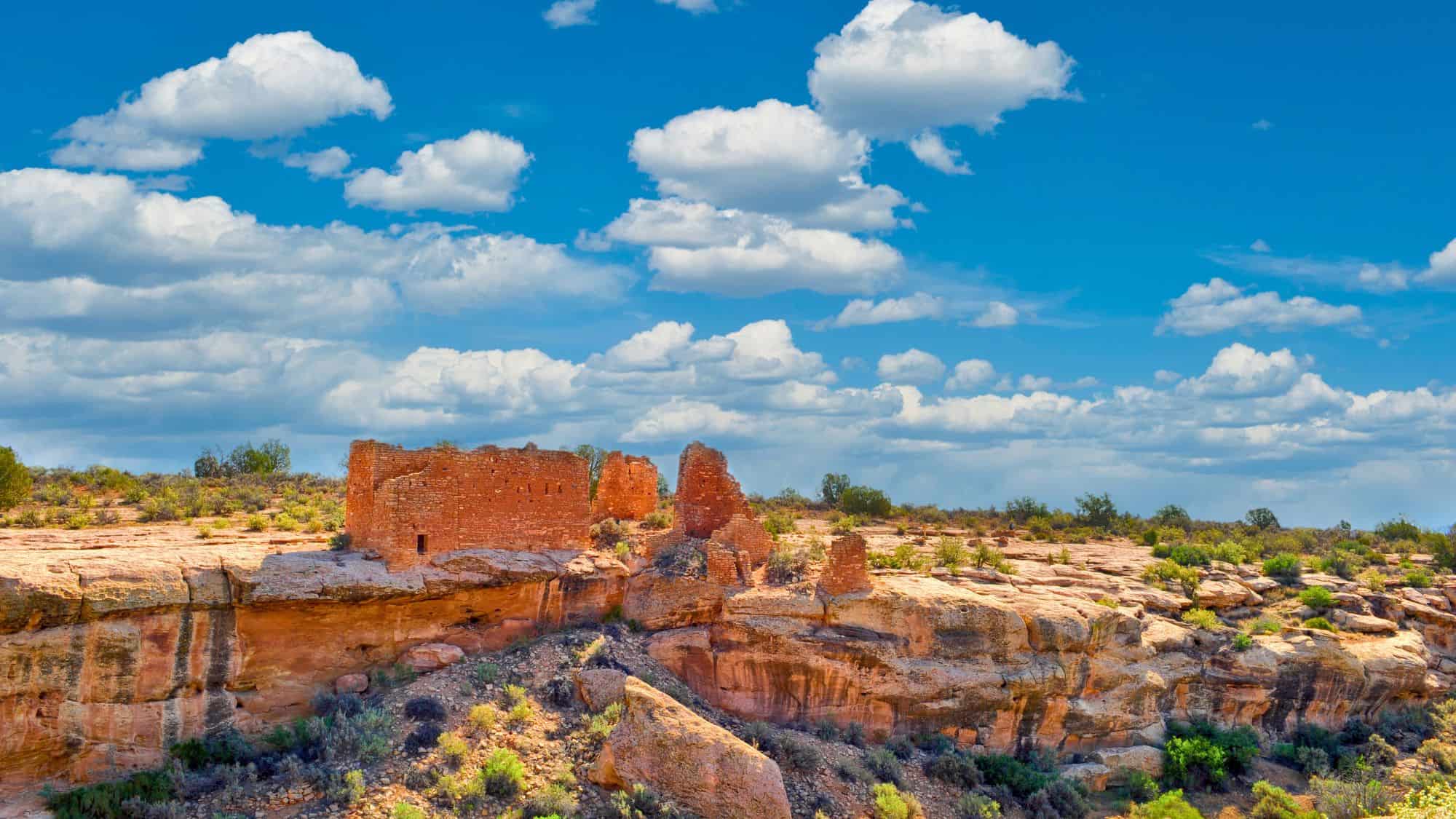
Straddling the border between Colorado and Utah, Hovenweep National Monument preserves ancient stone towers that rise dramatically from canyon rims. Its campground near the visitor center is designed for RVs up to 36 feet, with level gravel sites, restrooms, and water available seasonally.
The monument’s paved entrance road makes access straightforward, and the campground’s elevated location provides wide desert views that glow red at dusk. Trails connect several ancestral Puebloan villages, the largest being Square Tower Group, where you can walk a two-mile loop past structures that have stood for nearly a thousand years.
Nights at Hovenweep are remarkably dark, and the quiet surroundings give it an isolated, timeless feel. The small scale of the park suits RV travelers who prefer intimate exploration without the pressure of long drives or large crowds. While amenities are minimal, the tradeoff is complete tranquility and a connection to the desert’s ancient rhythm, something few larger parks can match.
Oregon Caves National Monument, Oregon

Tucked into Oregon’s Siskiyou Mountains, Oregon Caves National Monument provides a refreshing forest retreat for RV travelers. The narrow mountain roads leading to the cave system are best navigated with smaller RVs or towed vehicles, but nearby campgrounds in Cave Junction and along Highway 46 offer roomy sites and hookups.
The marble caves themselves are the park’s highlight, with guided tours that descend deep into cool passageways shaped by centuries of dripping water. Above ground, forest trails lead through Douglas fir and madrone groves alive with birdsong. Picnic areas offer pleasant day-use spots, though currently the historic Chateau at the Oregon Caves remains closed for renovation.
Because of the monument’s elevation, temperatures stay comfortable through summer, offering a pleasant contrast to hotter lowlands. And rangers provide detailed briefings on road conditions and cave schedules, ensuring smooth visits.
Pecos National Historical Park, New Mexico

Pecos National Historical Park sits east of Santa Fe, blending wide meadows, adobe ruins, and remnants of the old Santa Fe Trail. RV travelers appreciate the easy access from Interstate 25 and nearby campgrounds in Pecos Village, which offer hookups and scenic settings along the Pecos River.
Visitors explore the park on walking trails, including the 1.25-mile Ancestral Sites Trail and interpretive paths leading through red adobe walls of Pecos Pueblo and the remains of a 17th-century mission. The visitor center includes RV-friendly parking, restrooms, and picnic tables shaded by cottonwoods.
Fall brings golden aspens to the surrounding hills, while spring highlights wildflowers and mild weather ideal for walking tours. The combination of cultural heritage and quiet natural beauty makes Pecos an excellent stop for travelers tracing New Mexico’s rich past.
Jewel Cave National Monument, South Dakota
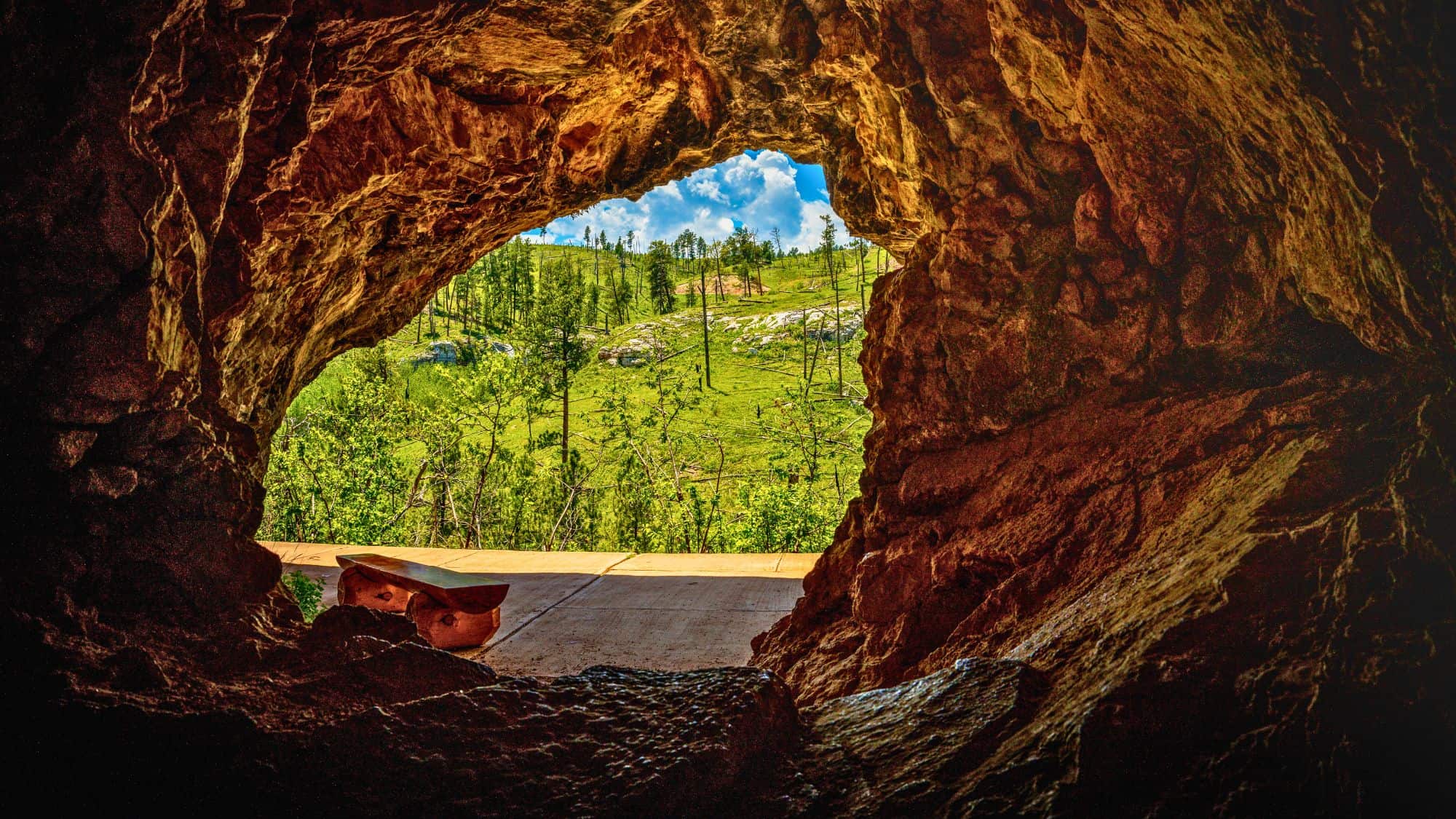
Located in the Black Hills near Custer, Jewel Cave National Monument offers underground wonder and scenic surface trails, all within reach for RV travelers. The monument’s visitor center includes large parking areas that accommodate RVs, and several campgrounds in nearby Custer State Park and the Black Hills National Forest provide hookups.
Tours explore miles of calcite crystals and delicate formations that sparkle in the cave’s light. Above ground, the Roof Trail and Canyons Trail offer pine-scented hikes through rolling terrain. And the monument lies just a short drive from Mount Rushmore and Wind Cave, making it part of a rewarding loop through southwestern South Dakota.
Roads are well-maintained, and the summer climate stays comfortable at an elevation of 5,000 feet. Ranger-led programs enhance understanding of the cave’s fragile environment, and evening talks add a sense of discovery.
Cedar Breaks National Monument, Utah

Cedar Breaks National Monument rises above 10,000 feet, with red-orange amphitheaters carved deep into the mountain. RVers find accessible camping at Point Supreme Campground, which accommodates rigs between 20 and 40 feet.
Though smaller than nearby Bryce Canyon, Cedar Breaks offers equally stunning scenery without the heavy crowds. The scenic drive runs along the rim, with overlooks such as Sunset View and Chessmen Ridge offering views that stretch across southern Utah.
Summer wildflowers bloom in alpine meadows, creating a colorful contrast against crimson cliffs. And the cool mountain air keeps temperatures pleasant even in July. Facilities include restrooms, picnic areas, and a small visitor center with clear guidance for navigating high-altitude conditions. Because of snow, the campground typically operates from mid-June to mid-September.
Like Our Content? Follow Us on MSN (or click the Follow Button above) for more from Discover Parks & Wildlife.
12 National Parks You’ll Wish You Had Visited Sooner

Who needs a time machine when you can read about all the national parks you absolutely should have visited by now, and then just sulk in envy instead?
16 U.S. National Parks with Sunsets Worth the Trip
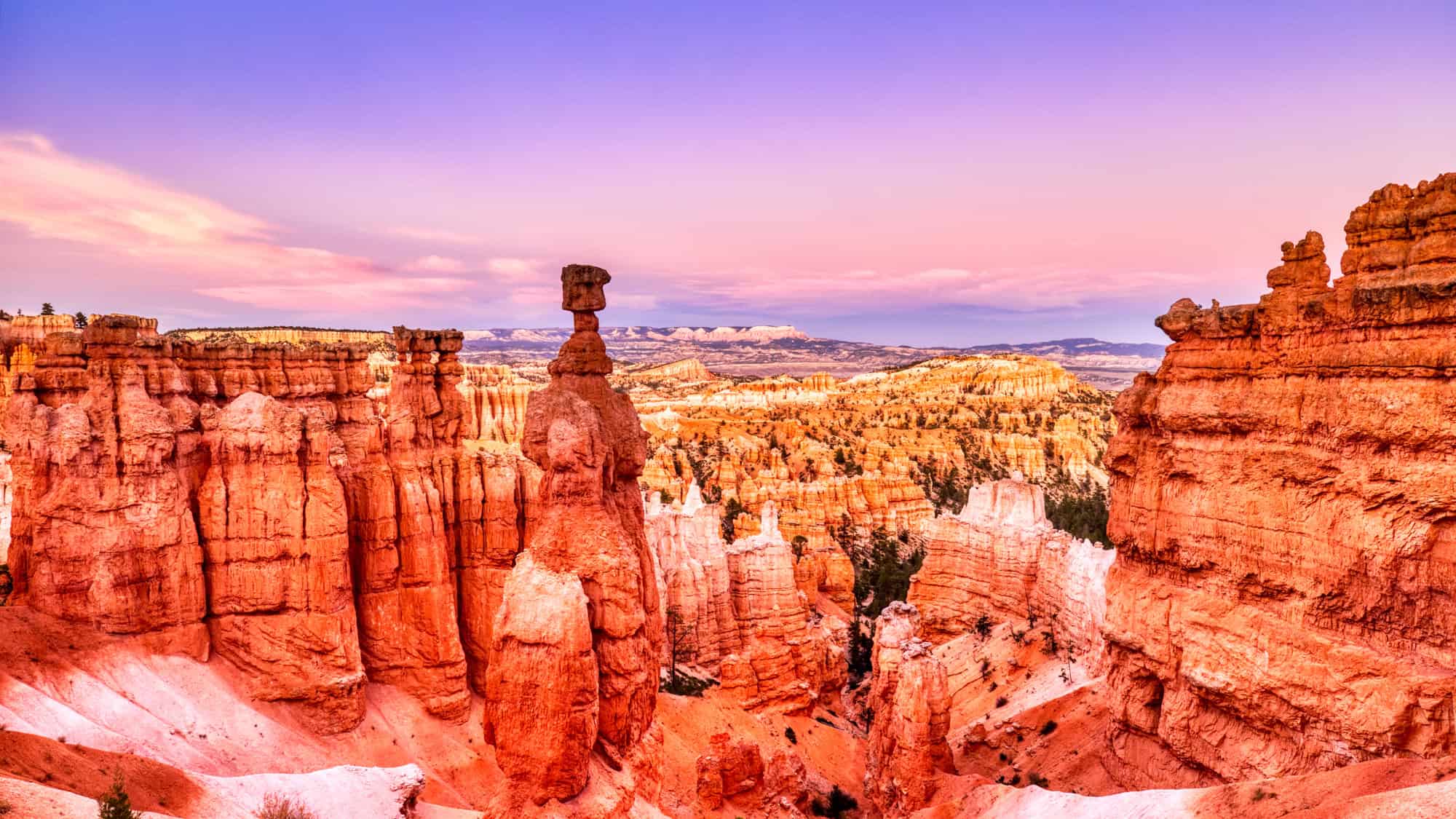
If you thought your life lacked a dash of dramatic flair, just wait until you set your sights on those sunsets at U.S. National Parks. You know, the kind that might have you questioning why your backyard bonfire doesn’t quite cut it anymore.
15 Photos Every National Park Photographer Needs in Their Collection

Think you’ve mastered the art of the perfect shot? Wait until you see these must-have captures that’ll make your portfolio sing.