Discover Parks & Wildlife contains affiliate links and is a member of the Amazon Services LLC Associates Program. If you make a purchase using one of the Amazon links, we may receive compensation at no extra cost to you. We may also use select AI tools to support our creative process, but all content is reviewed, refined, and finalized by our human team. See our disclosure policy and our AI use policy for more information.
11 Treacherous National Park Trails That Turn Deadly In Winter — And People Still Try Them
National parks transform into quiet, snowy wonderlands during the colder months, offering a peaceful escape from the summer crowds that usually clog the most popular routes. But while the landscapes are undeniably beautiful under a blanket of white, winter brings serious risks that even experienced hikers sometimes underestimate.
Snow can completely obscure trail markers, temperatures can plummet far below freezing without warning, and what is a simple walk in July becomes a mountaineering expedition in January.
Avalanches, hidden ice patches, and rapidly changing weather systems turn these beloved paths into treacherous terrain where one wrong step can lead to disaster. And it is crucial to understand that nature does not close for the season, but the margin for error shrinks significantly when the conditions turn icy.
You might be tempted by the solitude or the chance to see iconic sights dusted in frost, but preparation is non-negotiable for these specific trails. Many of these routes require specialized gear like crampons, ice axes, and avalanche beacons, along with the knowledge of how to use them effectively.
So before you pack your bags and head out into the cold, take a serious look at your skill level and the current conditions. Because the beauty of these winter trails is matched only by their potential for danger. And knowing when to turn back is the most important skill you can carry.
Sequoia National Park, California

The High Sierra Trail is a legendary route that spans from Crescent Meadow to the summit of Mount Whitney, offering a grand tour of the Sierra Nevada’s rugged beauty. In summer, this trail is a backpacker’s dream, featuring sweeping granite views and deep, lush canyons.
However, once winter sets in, the High Sierra Trail becomes a formidable challenge suitable only for those with significant mountaineering experience. Heavy snowfall buries the path under several feet of powder, making navigation incredibly difficult without GPS and advanced route-finding skills.
The trail traverses high-altitude passes that are prone to avalanches, and the steep, exposed sections that are thrilling in August become deadly chutes of ice in December.
Temperatures in the High Sierra during winter regularly drop well below freezing, and storms can roll in with little warning, trapping hikers in whiteout conditions for days.
You must be self-sufficient and prepared for extreme isolation, as few people attempt this crossing when the snow falls. The sheer isolation is part of the allure, but it also means that rescue operations are slow and hazardous.
Mount Rainier National Park, Washington

Encircling the majestic Mount Rainier, Wonderland Trail is a bucket-list hike that covers diverse terrain, from lowland forests to subalpine meadows. While it is a strenuous trek in the summer due to its constant elevation gain and loss, winter transforms it into an entirely different beast.
The park receives immense amounts of snowfall, often burying the trail under 10 to 20 feet of snow, which completely obscures the path and makes navigation a serious challenge. You are not just hiking; you are snowshoeing or skiing through deep powder, often breaking trail for miles on end, which is exhausting work that drains energy reserves quickly.
The greatest danger on the Wonderland Trail in winter is the avalanche risk, particularly as the route crosses numerous avalanche chutes that sweep down from the mountain’s upper slopes. So you need to be able to identify avalanche terrain and make smart decisions about when and where to cross, or find safe detours.
The weather on Mount Rainier is also notoriously fickle, and storms can deposit feet of new snow overnight, disorienting even those who know the park well. Only those with winter backcountry experience should attempt even sections of this loop when the snow flies.
Grand Canyon National Park, Arizona

Bright Angel Trail is the most popular route into the Grand Canyon, winding its way down from the South Rim to the Colorado River with spectacular views at every turn. In the warmer months, the heat is the primary enemy, but winter brings a deceptive and dangerous mix of ice and snow to the upper sections of the trail.
The top few miles of the trail, which cling to the canyon walls in shady switchbacks, often remain frozen for weeks or months at a time. This packed ice is incredibly slick, and many hikers are caught off guard, slipping and falling on the hard, unforgiving surface.
Traction devices like microspikes are absolutely essential here, yet many visitors attempt the descent in sneakers, risking serious injury.
As you descend deeper into the canyon, the temperature can rise significantly, lulling hikers into a false sense of security before they have to turn around and climb back up into the freezing conditions. The elevation change means you are effectively hiking through different climate zones, requiring layers that can be shed and added frequently.
Winter storms can also obscure the expansive views and bring biting winds that cut through inadequate clothing.
Although the trail is wide and well-defined, the consequences of a fall on the icy upper switchbacks are severe. So you must be prepared for varied conditions and respect the physical demand of the climb out, especially when cold muscles and icy footing work against you.
Yosemite National Park, California

Yosemite’s Mist Trail is famous for its close encounters with Vernal and Nevada Falls, where hikers are often drenched by the powerful spray of the rushing water.
But in winter, this moisture freezes, turning the steep, granite steps into a treacherous, icy staircase that demands extreme caution. In fact, the National Park Service often closes the lower section of the Mist Trail in winter due to falling ice and rock from the cliffs above, diverting hikers to the John Muir Trail winter route.
However, even the open sections and the approach to the falls can be incredibly slippery and dangerous. The granite rock, polished smooth by glaciers and thousands of boots, offers zero grip when coated in a thin layer of ice.
Falls here are common and can be fatal, given the steep terrain and the proximity to the raging Merced River below. You need to carry traction devices and trekking poles to maintain stability, but even with gear, the risk is high.
The spray that makes the trail so refreshing in July builds up massive ice cones at the base of the falls in winter, which are beautiful but unstable. Venturing too close to the edge or the water is a recipe for disaster.
The cold temperatures in the canyon also mean that ice lingers long after the sun comes up, so you cannot count on it melting by midday.
Rocky Mountain National Park, Colorado

Longs Peak is the only 14,000-foot peak in Rocky Mountain National Park, and its Keyhole route is a classic mountaineering objective. In summer, it is a non-technical but strenuous scramble; in winter, it becomes a serious technical climb that claims lives.
The wind on Longs Peak is legendary, often reaching hurricane force and stripping the mountain of snow to reveal bullet-hard ice. And the route is long (requiring a pre-dawn start), with conditions above the treeline that are unforgiving.
You are fully exposed to the elements for miles, with no shelter from the biting cold and wind that can freeze exposed skin in minutes.
The Keyhole itself acts as a wind tunnel, and passing through it onto the west side of the ridge changes the game entirely. The ledges are narrow, often covered in ice and snow, and a slip here results in a fall of hundreds or thousands of feet.
You need crampons, an ice axe, and the knowledge of how to self-arrest if you fall. Navigation is also critical, as the painted bullseyes that mark the route in summer are often buried or worn away.
Zion National Park, Utah

Angels Landing is infamous for its dizzying heights and the narrow fin of rock that hikers must traverse to reach the summit. Chains are bolted into the stone to provide handholds, but the drop-offs on either side are over 1,000 feet deep.
In winter, this already intimidating trail becomes an icy tightrope walk. Snow and ice accumulate on the sandstone, making the rock incredibly slick.
The chains, which are meant to provide security, can become coated in ice, making them difficult to grip with cold hands. A slip on the narrow ridge section in winter conditions has catastrophic consequences.
The approach to the final climb, via the West Rim Trail and Refrigerator Canyon, is shaded and retains ice and snow long after other parts of the park have thawed. So you must have reliable traction devices to even reach Scout Lookout safely.
And attempting the final spine to the summit requires absolute confidence in your footing and nerves of steel. Wind gusts can be strong and unpredictable, adding another layer of danger to the exposed scramble.
While the view of Zion Canyon covered in snow is breathtaking, it is not worth risking your life on an icy ridge. Many visitors wisely choose to stop at Scout Lookout in winter, enjoying the views without the extreme peril of the final ascent.
Glacier National Park, Montana
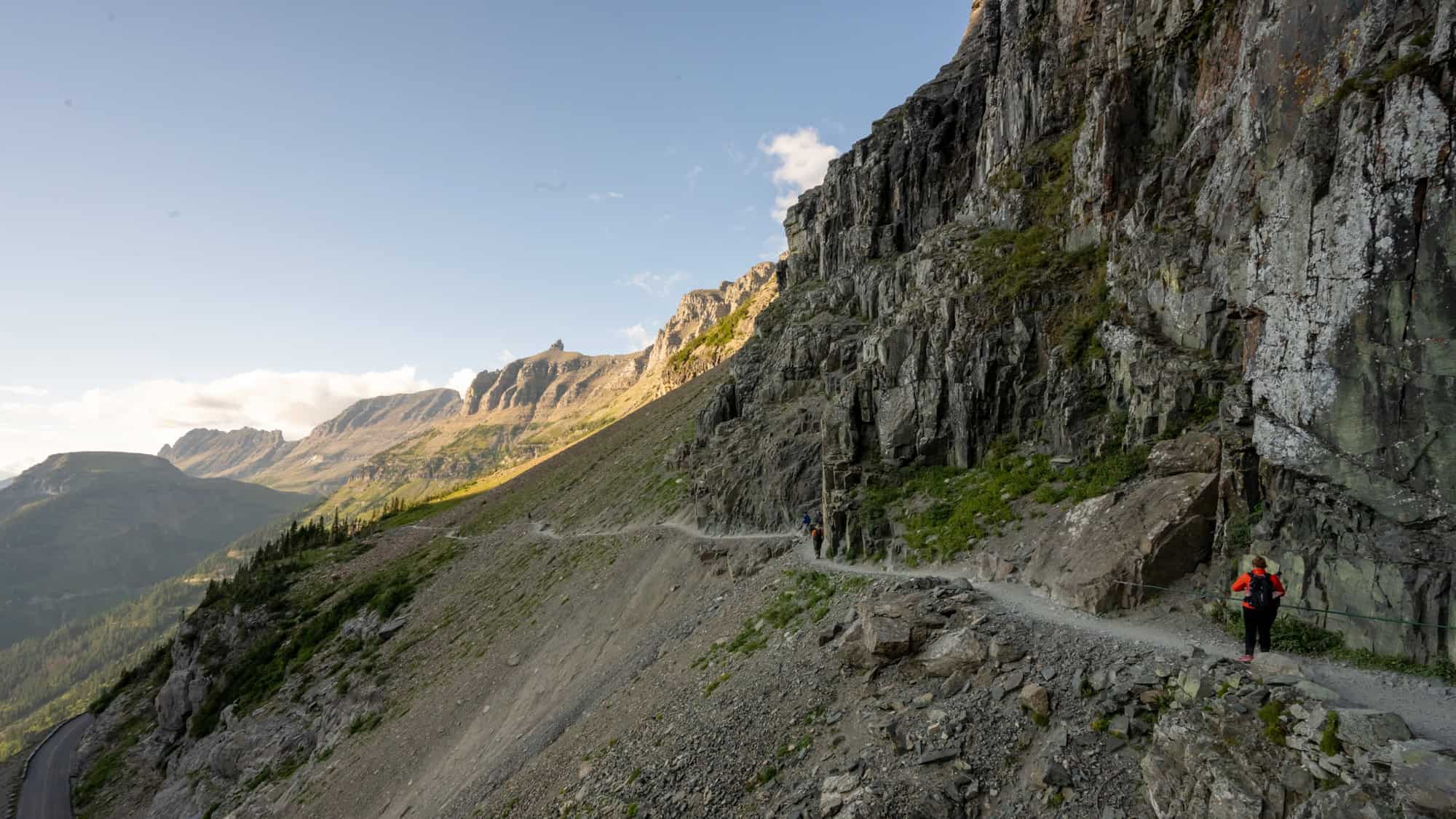
Highline Trail is a premier hike in Glacier National Park, carved into the side of the Garden Wall along the Continental Divide. It offers non-stop views of jagged peaks and deep valleys, but in winter, it is largely inaccessible and incredibly dangerous.
The Going-to-the-Sun Road, which provides access to the trailhead at Logan Pass, closes for the season due to massive snowfall. This adds miles of skiing or snowshoeing just to reach the trail.
Once on the Highline, the trail traverses steep, avalanche-prone slopes that spill directly over cliffs. And the famous cable section, a narrow ledge with a handrail, gets buried under snow drifts, rendering the safety aid useless.
Avalanche danger is the primary concern here, as the trail cuts across the paths of numerous slides. So you need expert avalanche forecasting skills to determine if the slopes are stable enough to cross.
If that wasn’t enough, the weather in Glacier is harsh, with high winds and extreme cold being the norm. Hiking along the Garden Wall in winter exposes you to the full force of these elements. And a fall on the steep, snow-covered slopes would likely be fatal due to the cliffs below.
Denali National Park, Alaska

Denali National Park is a subarctic wilderness that experiences some of the harshest winters on the planet.
Mount Healy Overlook Trail is a popular, steep hike that offers incredible views of the Alaska Range, but in winter, it is a test of endurance and cold-weather survival. Temperatures can easily drop to -40°F, a cold so intense that it freezes exposed flesh in seconds and causes equipment to fail.
The trail is also steep and climbs rapidly out of the shelter of the forest onto exposed ridges where the wind howls relentlessly. And the trail markers are often buried under drifted snow, requiring you to navigate by terrain features in a landscape that can turn into a whiteout in minutes.
The wind chill on the exposed ridges can be deadly, and hypothermia is a constant threat if you stop moving or are not properly dressed. The trail can also be icy, requiring traction aids to ascend safely.
Daylight hours are extremely limited in the depths of winter, giving you a very short window to complete the hike before darkness engulfs the landscape.
While the solitude and the chance to see the northern lights are tempting, the margin for error in Denali’s winter is zero. This is a trail for only those who are incredibly experienced in extreme cold and self-reliance.
Great Smoky Mountains National Park, Tennessee & North Carolina

The hike to Mount LeConte via the Alum Cave Trail is a classic Smoky Mountains adventure, featuring unique geological formations and beautiful views. However, the Great Smoky Mountains receive significant snowfall and ice at higher elevations, transforming this trail into a slippery challenge.
The trail features narrow sections with cable handrails and drop-offs that become hazardous when coated in ice. And water trickling down the rock faces freezes into massive icicles and sheets of ice that cover the path, particularly near Alum Cave Bluffs and the upper ledges.
Navigating these icy sections requires traction devices and caution, as a slip could send you tumbling down steep slopes.
Plus, the weather on Mount LeConte can be drastically different from the trailhead, with high winds and sub-freezing temperatures common at the summit. Hikers often start in mild conditions only to find themselves underdressed for the alpine environment at the top.
The cables, like those on Angels Landing, can become icy and hard to hold. So you need to monitor the weather forecast closely and be prepared to turn back if ice accumulation makes the trail unsafe.
Grand Teton National Park, Wyoming

Garnet Canyon provides access to the major peaks of the Teton Range and is a popular route for climbers and backcountry skiers.
But in winter, this canyon is a funnel for avalanches and requires serious backcountry skills to navigate safely. The trail quickly enters complex terrain where avalanche paths from the surrounding peaks converge.
You are hiking in the runout zones of massive slides, and stability assessment is critical. The canyon walls are steep and imposing, and the snow can be incredibly deep, requiring skis or snowshoes to move effectively.
The route-finding in Garnet Canyon can also be tricky in winter, as the summer trail is buried and the best path may not be obvious. And you are surrounded by the towering walls of Middle Teton and Disappointment Peak, which, while stunning, cast long shadows that keep the canyon cold.
Storms can move in and get trapped in the canyon, creating disorientation and hazardous conditions. So this is not a place for casual hiking; it is a mountaineering access route that demands avalanche training, beacons, probes, and shovels.
The consequences of being caught in a slide here are severe. If you do not have the training to assess snow stability, you should stick to the flatter, groomed trails on the valley floor and admire the Tetons from below.
Pictured Rocks National Lakeshore, Michigan

Chapel Loop Trail offers some of the most stunning scenery in the Midwest, featuring dramatic sandstone cliffs, pristine beaches, and the iconic Chapel Rock.
In winter, Pictured Rocks National Lakeshore becomes a frozen landscape of ice caves and snowy forests, but the trail along the cliff edge becomes exceedingly dangerous. The cliffs drop hundreds of feet straight down into the icy waters of Lake Superior, and cornices of snow and ice can form over the edge.
These overhangs are unsupported and can easily collapse under the weight of a hiker who ventures too close to the rim, sending them plummeting into the freezing lake below.
Navigating the trail requires careful attention to footing, as ice often coats the path near the cliff edges. The wind off Lake Superior can also be ferocious, dropping wind chills to dangerous levels and creating whiteout conditions that make it impossible to see where the solid ground ends and the cliff edge begins.
You should stay well back from the edge and be prepared for deep snow that requires snowshoes to traverse efficiently.
The isolation of this area in winter also means that rescue is not immediate; you are miles from the nearest road in harsh conditions.
Like Our Content? Follow Us on MSN (or click the Follow Button above) for more from Discover Parks & Wildlife.